What to Expect on a Bodega Bay Fishing Trip
Planning a fishing trip to Bodega Bay can feel like a mix of excitement and a little bit of mystery, especially if you haven't been out on the water there before. You're probably wondering what kind of experience awaits you, what you need to bring, and most importantly, what kind of fish you might actually reel in. This guide is here to pull back the curtain, giving you a realistic, comprehensive look at what to expect when you embark on a fishing adventure from the beautiful Northern California coast.
Deciding on Your Bodega Bay Fishing Adventure
When you think about fishing in Bodega Bay, it's not a one-size-fits-all kind of deal. The experience can vary wildly depending on the type of trip you choose, the time of year, and even the specific charter you book. It's easy to get overwhelmed by all the options, but understanding them upfront will help you set realistic expectations and ensure a fantastic day on the water.
Types of Fishing Trips Available
Bodega Bay offers a diverse range of fishing experiences, from quick half-day excursions to more intensive full-day or even specialized trips. Each has its own rhythm and target species, catering to different preferences and skill levels.
- Half-Day Trips: These are fantastic if you're new to ocean fishing, prone to seasickness, or just want a taste of the action without committing an entire day. Typically lasting around four to five hours, half-day trips from Bodega Bay often focus on species closer to shore, like various rockfish or lingcod. You might not venture far, usually staying within a few miles of the coast, but don't let that fool you – the fishing can still be incredibly productive. It's a great way to introduce kids to ocean fishing or enjoy a shorter outing with friends. The shorter duration also means you're generally less exposed to changing weather conditions, which can be a real plus in the sometimes-unpredictable coastal environment.
- Full-Day Trips: For those who want a more immersive experience, full-day trips, usually six to ten hours, are the way to go. These trips allow captains to venture further offshore, opening up opportunities for a broader array of species. You might find yourself targeting salmon during their season, heading out to deeper reefs for larger lingcod or a wider variety of rockfish, or even venturing into areas where halibut might be present. The extra time on the water means more fishing opportunities, more chances to move to different spots if one isn't producing, and generally a more relaxed pace. However, it also means more exposure to the elements, so being prepared for longer periods on a boat is key.
- Specialized and Seasonal Trips: Bodega Bay is a hotspot for specific fisheries that pop up seasonally. The most famous, of course, is salmon fishing. When the salmon run is on, charters will dedicate their entire trip to targeting these prized fish, often employing trolling techniques. You'll also find trips specifically geared towards albacore tuna when they migrate within striking distance offshore, though these usually require significantly longer runs and calmer ocean conditions. Keep an eye on local fishing reports and listen to what the charter operators are specializing in for the current season. These specialized trips often require specific gear and tactics, so make sure you communicate your target species preference when booking.
What to Look for in a Charter
Choosing the right charter boat is crucial for a successful and enjoyable Bodega Bay fishing trip. It’s not just about finding the cheapest option; it’s about finding the right fit for your expectations. Many anglers use platforms like FishingBooker to browse available charters, read reviews, and compare options, which can be super helpful in finding a reputable operator.
- Reputation and Reviews: Don't underestimate the power of word-of-mouth and online reviews. Look for charters with consistently positive feedback, especially regarding safety, professionalism of the crew, and fish-finding ability. A seasoned crew can make all the difference, providing guidance for beginners and sharing local knowledge for more experienced anglers. A good captain and deckhands will not only put you on fish but also ensure you have a comfortable and safe experience. They'll also be invaluable in helping you understand local rules, like California Rockfish Regulations and Limits or the sometimes-complex California Salmon Season Dates Explained.
- Boat Amenities and Size: Consider the size of the boat and its amenities. Are you looking for a large party boat with lots of space and facilities, or a smaller, more intimate private charter? Larger party boats tend to be more stable in rougher seas and usually have more deckhands to assist everyone, which is great for families or larger groups. Smaller private charters offer a more personalized experience, with more one-on-one instruction and the flexibility to target specific species or spots. Think about things like restrooms, shaded areas, and whether they provide gear or if you need to bring your own.
- Captain's Experience and Focus: A captain who knows the local waters of Bodega Bay like the back of their hand is invaluable. They understand the currents, the seasonal patterns of fish, and where the secret spots are. Some captains specialize in certain types of fishing, like trolling for salmon, jigging for rockfish, or drift fishing for halibut. Make sure the captain's focus aligns with what you hope to catch. Don't be shy about asking questions when you call to book your trip; a good charter will be happy to discuss their approach.
| Trip Type | Duration (Approx.) | Typical Target Species | Ideal For | Key Considerations |
|---|---|---|---|---|
| Half-Day | 4-5 hours | Rockfish (Vermilion, Black, Blue), Lingcod | Beginners, families, those prone to seasickness, quick outing | Stays closer to shore, less variety of species, less time on water |
| Full-Day | 6-10 hours | Salmon (seasonal), Rockfish, Lingcod, Halibut (opportunistic) | Experienced anglers, those seeking more variety, longer fishing time | More exposure to elements, longer commitment, potential for rougher seas |
| Specialized | Varies | Salmon (trolling), Albacore Tuna (long range) | Target-specific anglers, peak season enthusiasts | Highly dependent on season/conditions, can be longer/more intense, specific gear |
The Day of Your Bodega Bay Fishing Trip
You've booked your trip, the excitement is building, and now the big day is here! Knowing what to expect once you arrive at the harbor and step onto the boat can help calm any pre-trip jitters and ensure you're ready to make the most of your adventure.
Getting Ready Before You Go
A little preparation goes a long way in ensuring your comfort and maximizing your enjoyment on a Bodega Bay fishing trip. The Pacific Ocean off the Northern California coast can be beautiful, but it can also be chilly and unpredictable.
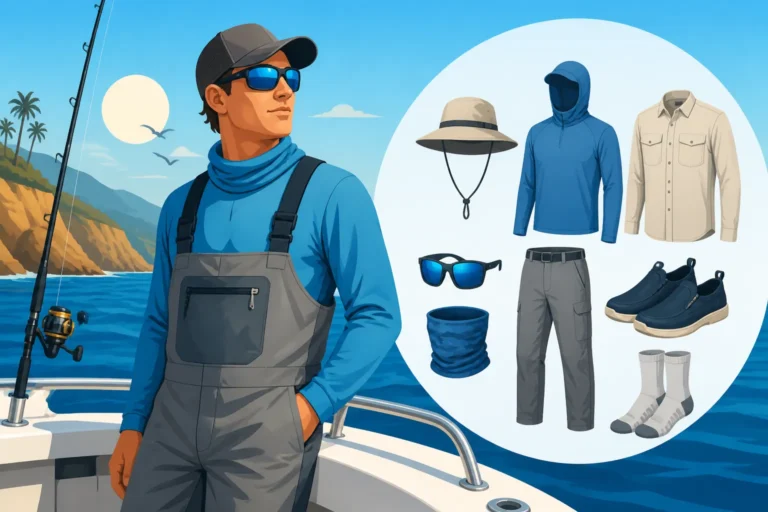
- Dress in Layers: This is perhaps the most crucial piece of advice for fishing in California. Even on a sunny summer day, the marine layer can keep temperatures cool, and ocean breezes can feel brisk. Start with a moisture-wicking base layer, add a warm mid-layer like a fleece, and top it with a waterproof and windproof outer shell. A beanie or warm hat is also a good idea, as is bringing a spare change of clothes in a dry bag, just in case. You'll be grateful for the ability to adjust your clothing as conditions change throughout the day.
- Essential Gear and Supplies: While most charters provide rods, reels, and bait, it's smart to confirm what's included. You’ll definitely want to bring your California Fishing License Guide – it’s non-negotiable for most types of fishing. Don't forget sunscreen, sunglasses (polarized ones really help with glare), and a wide-brimmed hat for sun protection. A small cooler with drinks and snacks is always a good idea, and many anglers bring a larger cooler to transport their catch home. If you're prone to seasickness, take preventative medication before you board the boat, not once you start feeling queasy. Dramamine or Bonine are popular choices, and some folks swear by ginger chews or acupressure bands. Staying hydrated is also key. For a complete list, check out our guide on what to bring on a California Fishing Charter.
- Checking in and Boarding: Most charters require you to check in at their office or a designated spot at the harbor about 30-60 minutes before departure. This is where you'll usually confirm your booking, pay any remaining balance, and get your boat assignment. Listen carefully to the crew's instructions for boarding and safety briefings. They'll show you where to store your gear and direct you to your fishing spot on the boat. Being on time, or even a little early, is highly recommended to avoid any last-minute stress.
What to Expect on Board
Once you're on the boat and heading out, the real adventure begins. The experience on the water is a blend of scenic beauty, camaraderie, and the thrill of the catch.
- The Journey Out: As the boat motors out of Bodega Bay harbor, you’ll pass iconic landmarks like Bodega Head. The ride out can be calm and smooth, or it can be a bit bumpy, depending on the ocean conditions. This is a great time to enjoy the coastal views, look for marine wildlife like seals, sea lions, and seabirds, and get to know your fellow anglers. The crew will usually be busy preparing bait, rigging rods, and answering any last-minute questions. Pay attention to any safety announcements or instructions they provide.
- Fishing Techniques and Crew Support: Once you reach the fishing grounds, the crew will typically give a quick demonstration of the fishing technique for the day. For rockfish and lingcod, this usually involves dropping weighted jigs or baited hooks to the bottom. For salmon, it's often trolling with downriggers. Don't be afraid to ask for help! The deckhands are there to assist with everything from baiting hooks and untangling lines to netting fish and answering questions. They work hard to ensure everyone has a fair shot at catching fish and a safe trip. They might also share some local tips for "California Jigging Tips and Techniques" or "Mooching for Salmon in California," if that's the day's target.
- The Catch and Release/Keep Process: When you hook a fish, the excitement is palpable! The deckhands will usually be ready with a net to help you land it. Depending on the species and current regulations, you'll either release the fish or keep it. California has strict California Fishing Bag and Size Limits, as well as specific seasons for many species. For example, knowing the California Halibut Size and Bag Limits or the California Salmon Bag Limit Explained is crucial. The crew will handle the measuring and will often bleed the fish (for better meat quality) and place it in a communal fish hold. Remember, the crew is there to help, but proper etiquette dictates being mindful of others' lines and giving deckhands space when they're busy. Tipping on a California Fishing Charter is also customary and much appreciated for their hard work.
What You'll Be Catching and Seasons
Bodega Bay is a fantastic fishing destination because of its diverse marine environment. The species you'll encounter vary significantly by season, and understanding this can greatly enhance your trip planning and overall enjoyment.
Prime Species and Their Seasons
Knowing what’s biting and when is half the battle. Bodega Bay offers exciting opportunities for both bottom dwellers and migratory species.
- Rockfish and Lingcod: These are the bread and butter of Bodega Bay fishing, available year-round with specific seasons and depth restrictions depending on management areas. The waters off Bodega Bay are teeming with various rockfish species, including Vermilion, Black, Blue, Copper, and Canary rockfish, among others. Lingcod, a voracious predator, are often found in the same rocky habitats. You’ll typically target these by dropping baited jigs or swimbaits down to the structure, bouncing them near the bottom. The bite can be aggressive, making for some really fun action. Be mindful of the California Rockfish Depth Restrictions, which can change depending on the time of year and specific regulations from the California Department of Fish and Wildlife (CDFW).
- Salmon: When the salmon run, Bodega Bay becomes one of the premier salmon fishing destinations in Northern California. Typically, the King (Chinook) Salmon season opens sometime in the spring and can run into the fall, but these dates are highly variable and set annually by the CDFW. Always check the official California Salmon Season Dates Explained before planning your trip. Targeting salmon usually involves trolling with bait (like anchovies or herring) or artificial lures at specific depths, often using downriggers. The fight of a chrome-bright King Salmon is legendary and well worth the effort.
- Halibut: California Halibut can be caught in the shallower, sandy bottoms of Bodega Bay and just outside the harbor. While not as consistently targeted as rockfish or salmon on ocean charters, they are a prized catch, offering a strong fight and delicious fillets. Halibut fishing often involves drift fishing with live bait (like anchovies or sardines) or artificial lures. Their season is generally open year-round, but specific regulations regarding size and bag limits always apply, so refer to the most current California Halibut Regulations and Limits.
- Other Opportunistic Catches: Depending on the season and where your charter ventures, you might also hook into other species. Occasionally, surfperch or leopard sharks can be caught closer to shore, especially if fishing near sandy areas. In some years, during late summer and early fall, faster, more pelagic species like albacore tuna might venture close enough for specialized long-range trips, though these are less common directly out of Bodega Bay than further south.
Understanding California Fishing Regulations
Navigating California's fishing regulations can feel like trying to untangle a particularly stubborn fishing knot. They are complex and can change frequently, often seasonally and by region.
- Licenses and Report Cards: Before you even think about dropping a line, ensure you have a valid California Fishing License. Everyone 16 years or older needs one for ocean fishing, even on a charter boat (unless specified otherwise for specific piers or designated free fishing days). For certain species like salmon or steelhead, a specific report card is also required. You can find all the details in our comprehensive California Fishing License Guide. It's your responsibility to know the rules, but a good charter crew will also keep you informed.
- Bag and Size Limits: Each species has specific bag limits (how many you can keep) and size limits (minimum size). For example, there's a specific California Salmon Bag Limit Explained and a California Rockfish Bag Limit Explained. These rules are in place to ensure sustainable fish populations. Violating them can lead to hefty fines, so always measure your catch carefully and release any undersized or over-limit fish promptly and gently.
- Season Closures and Depth Restrictions: Certain areas or species may have seasonal closures or depth restrictions. Rockfish, for instance, often have complex depth restrictions that vary throughout the year and by management area to protect spawning fish or sensitive habitats. Salmon seasons are set annually and can even be closed entirely in some years due to stock concerns. Your charter captain will be well-versed in these rules, but it’s always good practice to familiarize yourself with them beforehand, especially if you're planning your trip far in advance.
After the Fishing Trip: Processing Your Catch and Memories
The fishing doesn't quite end when the boat docks. What happens next, particularly with your catch, is an important part of the Bodega Bay fishing experience. Plus, there's the lingering joy of the memories you've made.
Fish Cleaning and Processing
So, you've caught some fish – congratulations! Now comes the practical part: getting it ready for the dinner table.
- Onboard or Dockside Cleaning: On many party boats, the deckhands will offer to fillet your fish for a small fee (usually cash, so have some handy!). This is often done quickly and efficiently on the way back to the harbor or once the boat has docked. For private charters, it's usually part of the service. Some charters may have an option for you to take your whole fish and clean it yourself at a dockside cleaning station, but this is less common for larger operations.
- Handling Your Catch for Quality: If you plan on taking your whole fish home to clean, make sure you have a good cooler with plenty of ice. Keeping your catch cold is paramount for maintaining its quality and freshness. Once filleted, it's best to rinse the fillets with fresh water, pat them dry, and place them on ice in a cooler or in Ziploc bags for transport. Fish caught fresh from the cool Pacific waters of Bodega Bay is a culinary delight, but improper handling can quickly diminish its taste and texture.
- Portioning and Storage: Once home, you can portion your fillets into meal-sized servings. For immediate consumption, they'll stay fresh in the fridge for a day or two. For longer storage, vacuum sealing and freezing is the best method to prevent freezer burn and keep the fish tasting great for several months. Imagine pulling out a Bodega Bay rockfish fillet in the middle of winter and reliving your trip!
Cherishing the Experience
Beyond the fish in your cooler, a Bodega Bay fishing trip is about the adventure itself.
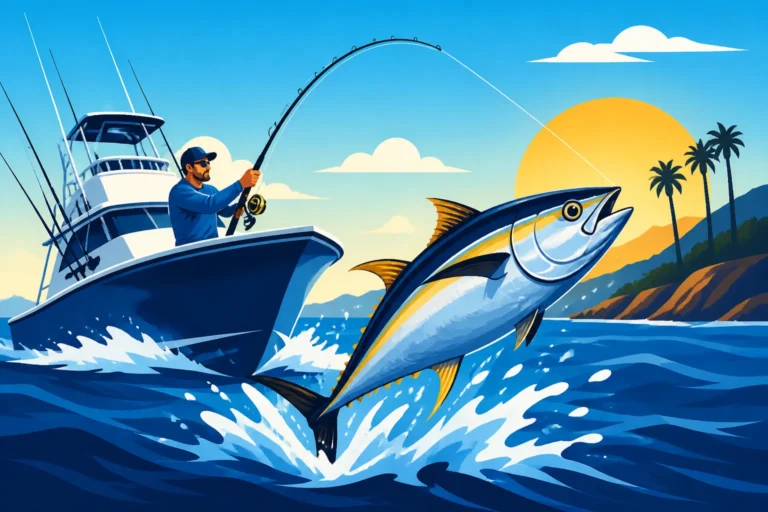
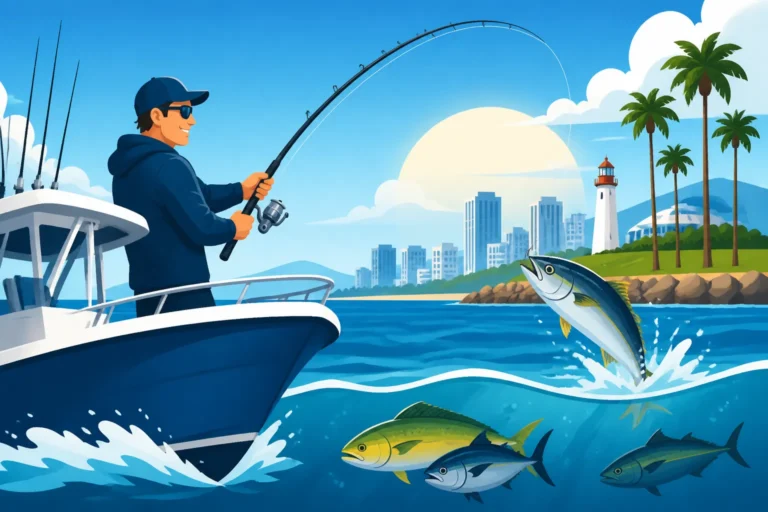
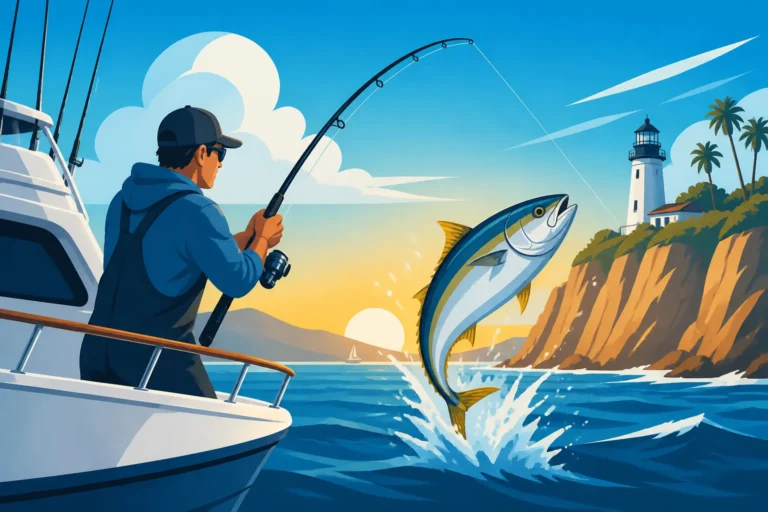
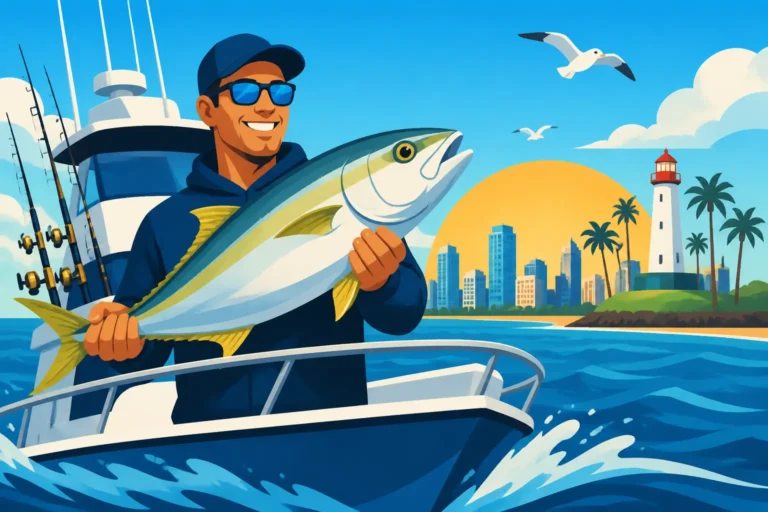
- The Thrill of the Catch: There's nothing quite like the tug on the line, the anticipation of reeling in a mystery, and the excitement of seeing a beautiful fish break the surface. Whether it's a hard-fighting lingcod, a majestic salmon, or a colorful rockfish, each catch is a moment to remember. Even if the fishing is slow, the chance is always there, and that's part of the magic.
- Scenery and Wildlife: Even on a "slow" fishing day, the breathtaking coastal scenery of Bodega Bay is a reward in itself. The rugged cliffs, the expansive ocean, and the fresh sea air are invigorating. Keep an eye out for marine wildlife – whales are often spotted seasonally, along with dolphins, sea lions, and a myriad of seabirds. It’s a chance to disconnect from daily life and reconnect with nature.
- Camaraderie and Learning: A fishing trip is a fantastic opportunity to bond with friends and family, or to meet fellow anglers. Sharing stories, tips, and the excitement of a bite creates lasting memories. For beginners, it's a chance to learn from experienced deckhands and seasoned fishermen, picking up valuable skills that you can use on future trips. From learning how to rig a bait to mastering a specific jigging technique, every trip offers a chance for growth. If you enjoyed the experience, consider diving deeper into specific techniques like California Surf Fishing Tips and Techniques or California Kayak Fishing for Beginners.
A Bodega Bay fishing trip is an experience that caters to all, from the seasoned angler seeking a trophy salmon to the family looking for a fun day out catching rockfish. By understanding what to expect – from booking your charter, like those you can find on FishingBooker, to the regulations you need to follow – you’re well on your way to a memorable day on the beautiful waters of the Pacific.
Disclaimer
Fishing regulations and seasons, especially in California, can change frequently. Always consult the latest official California Department of Fish and Wildlife (CDFW) regulations before planning and embarking on any fishing trip. This guide provides general information and should not be considered a substitute for official legal guidance.