What to Expect on a Long Beach Fishing Trip
Planning a fishing trip can feel like navigating a maze, especially when you're heading to a bustling spot like Long Beach, California. You're probably wondering what kind of fish you'll find, what the boats are like, and if you even need to bring your own gear. This guide is here to untangle all that confusion, walking you through everything you can expect on a fantastic fishing adventure out of Long Beach, ensuring you're prepared for a memorable day on the water.
Getting Started: Booking Your Long Beach Fishing Adventure
The first step to a successful fishing trip out of Long Beach is always in the planning. It's not just about showing up; it's about understanding your options and preparing properly to maximize your fun and your chances of a great catch. Long Beach offers a variety of experiences, from quick half-day excursions to more specialized trips, so choosing wisely makes all the difference.
Choosing the Right Charter or Party Boat
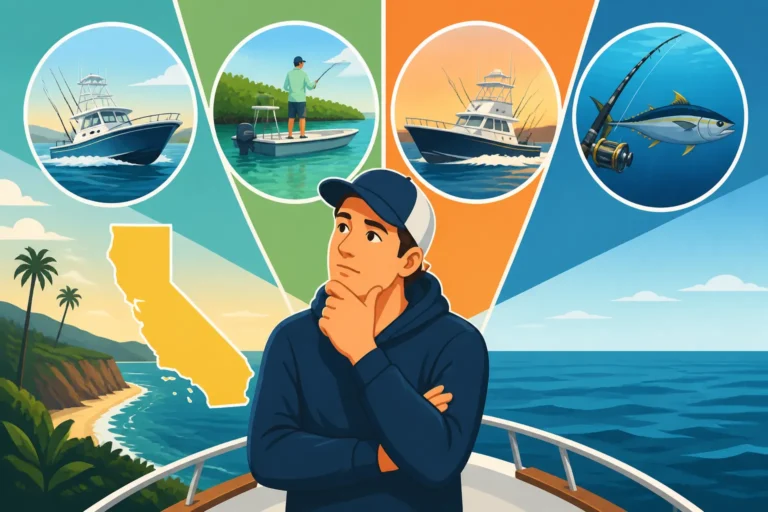
Long Beach is a major hub for sportfishing, meaning you've got a fantastic selection of vessels and trip types to choose from. Most anglers opt for either an "open party" boat or a private charter. Open party boats, often called "party boats" or "sportfishing boats," sell individual spots, making them a more affordable and social option. They usually run on a schedule, offering half-day (5-6 hours), ¾-day (8-10 hours), or full-day (12 hours) trips, and sometimes even twilight or evening trips during the warmer months. These boats typically target whatever species are biting best at the time, or they might specialize in specific types of fishing like rockfishing or bass fishing.
Private charters, on the other hand, allow you to book the entire boat for your group. This gives you much more flexibility to decide on your target species, fishing locations, and trip duration. While more expensive, it offers a personalized experience, often with a dedicated crew focused solely on your group's success. This can be great for families, corporate outings, or serious anglers who want to dictate their day. Companies like Harbor Breeze Cruises or Long Beach Sportfishing are popular operators, offering a range of options depending on what you're looking for. It's always a good idea to check out platforms like FishingBooker to compare different boats, read reviews, and see what's available on your desired dates, as they provide a comprehensive look at the local fleet and schedules.
When considering which trip to book, think about what you want to catch. If you're hoping for deep-water species like rockfish and lingcod, a ¾-day or full-day trip will get you to those offshore reefs and wrecks. If you're happy with some calico bass or sand bass closer to shore, a half-day might be perfect. Keep in mind that offshore trips can be more susceptible to changing weather and sea conditions, so always be prepared for a bit more swell. Don't be afraid to call the landing directly or chat with a booking agent to get their recommendations based on recent fish counts and your group's experience level.
Essential Preparations Before You Go
Once your trip is booked, it’s time to get your ducks in a row. The first and most crucial item on your checklist is your fishing license. In California, anyone 16 years or older needs a valid sport fishing license for both freshwater and saltwater fishing, even if you’re on a charter boat. You can usually purchase a one-day, two-day, or annual license online through the California Department of Fish and Wildlife (CDFW) website, or at many tackle shops. A quick read of our guide on how to get a California fishing license will set you straight on this. Don't forget, if you plan to target certain species like steelhead or sturgeon, you might also need a specific report card, so it's always wise to check the current California Fishing Regulations Explained before your trip.
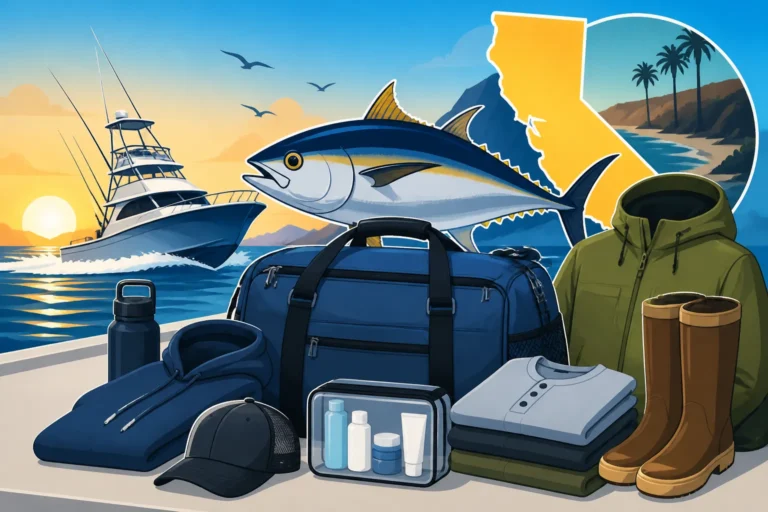
Beyond the license, dressing appropriately for a day on the water is key. Even if it's warm on shore, it can be significantly cooler and windier offshore. Layers are your best friend! Start with a moisture-wicking base, add a fleece or sweatshirt, and top it with a waterproof and windproof jacket. Non-slip, closed-toe shoes are an absolute must for safety on a wet, moving deck. Sunglasses, a wide-brimmed hat, and plenty of reef-safe sunscreen will protect you from the intense California sun. Bring plenty of water and snacks; while some boats have a galley, it's always good to have your own provisions. If you're prone to seasickness, taking medication like Dramamine or Bonine the night before and again in the morning of your trip can make a huge difference. Don't forget a cooler in your car to transport your catch home! Most boats offer rental gear, including rods, reels, and tackle, so you don't necessarily need to haul your own unless you prefer to.
The Day of Your Trip: From Dock to Deck
The excitement really builds on the morning of your fishing trip. Getting to the landing, checking in, and stepping onto the boat is all part of the adventure. Long Beach offers a vibrant waterfront, and the energy around the sportfishing docks is always contagious, with anglers sharing stories and hopes for the day.
Arrival and Check-in Process
Long Beach sportfishing operations typically depart from areas like Rainbow Harbor or Alamitos Bay. Make sure you confirm your departure point when booking. It’s always a good idea to arrive at least an hour before your scheduled departure, especially on weekends or during peak season, to allow ample time for parking, checking in, and boarding without feeling rushed. Parking can sometimes be a challenge, so factor in a few extra minutes to find a spot. Upon arrival, you'll head to the landing's office to check in, receive your boarding pass, and handle any rental gear or tackle purchases you need. This is also a good time to ask any last-minute questions you might have about the trip, like the expected fishing conditions or the primary target species for the day.
Once you’ve checked in, you’ll proceed to the dock where your boat is waiting. Deckhands are usually on hand to guide you to the vessel and help with any gear you might be carrying. When boarding, remember that space can be limited, especially on a crowded party boat, so try to keep your personal belongings compact. Finding a good spot on the rail can sometimes be a strategic game; regulars often arrive early to claim their favorite fishing positions. Don't be shy about asking the deckhands where might be a good place to set up, especially if you're new to the boat or the type of fishing. They’re there to help, and their local knowledge is invaluable.
The Journey Out: What to See and Do
As the boat pulls away from the dock, you’ll immediately be treated to scenic views of the Long Beach coastline, the Queen Mary, and potentially even Catalina Island in the distance. The ride out to the fishing grounds can vary in length depending on the type of trip and where the fish are biting. On longer offshore trips, this can be a great time to relax, enjoy the ocean air, and chat with fellow anglers. Keep an eye out for dolphins, sea lions, and various seabirds that often follow the boats.
Shortly after departing, the crew will typically conduct a safety briefing, explaining important rules, emergency procedures, and how to use the head (restroom) on board. They'll also provide an overview of the day's fishing plan, including what species you'll be targeting and the techniques you'll be using. This is a crucial time to pay attention, especially if you’re new to sportfishing. The deckhands will also be busy preparing live bait, setting up rental rods, and answering questions. Don't hesitate to ask for help with rigging your line or selecting the right weights and hooks. They’re seasoned pros and happy to assist, ensuring everyone has a fair shot at catching fish.
Fishing in Action: Techniques and Target Species
Now for the main event! The captain will use their expertise and sonar to locate promising fishing spots, often around kelp beds, rockpiles, or structure where fish tend to congregate. When the boat slows down and the captain gives the signal, it's time to drop your lines.
Common Fishing Techniques
On a typical Long Beach sportfishing trip, you’ll primarily be engaged in various forms of bait fishing or jigging. For many nearshore species like rockfish, calico bass, and sand bass, the most common technique involves dropping a lead-head jig with a plastic grub or a live sardine or anchovy straight down to the bottom. The deckhands will often instruct you on the proper depth and retrieve, whether it's bouncing the bait off the bottom or slowly winding it up a few feet. Sometimes, you'll use a traditional dropper loop rig with cut squid or other dead bait.
For species like yellowtail or barracuda, especially during their season, the action might involve "fly-lining" live bait (casting a single baitfish with minimal weight) or throwing iron jigs. Trolling might also be employed when searching for schools of pelagic fish. The beauty of a party boat is that the deckhands are constantly moving around, offering advice, retying lines, and de-tangling snarls. Don't be embarrassed if you get a tangle or need help; it happens to everyone! Always pay attention to what the crew recommends, as they are tuned into what's working on that particular day. They're your best resource for improving your technique and increasing your chances of a bite.
What You'll Likely Catch Near Long Beach
Long Beach’s diverse marine environment means you can target a wide array of fish depending on the season and where the boat heads. The Southern California Bight, with its kelp forests, rocky reefs, and offshore islands, provides habitat for many sought-after species.
Here’s a general overview of common catches and their seasons:
| Species | Primary Season | Typical Habitat | Common Techniques |
|---|---|---|---|
| Rockfish (many types) | Year-round (seasonal restrictions apply) | Rocky reefs, wrecks, deep structure | Bait (squid, anchovy), jigs |
| Calico Bass | Spring to Fall | Kelp beds, rocky shorelines | Live bait (sardines), plastics |
| Sand Bass | Late Spring to Fall | Sandy bottoms, structure | Live bait, plastics, swimbaits |
| Halibut | Spring to Fall (check limits) | Sandy flats, near structure | Live bait, swimbaits, grubs |
| Barracuda | Late Spring to Summer | Nearshore, kelp beds, open water | Jigs, live bait (anchovy) |
| Bonito | Summer to Early Fall | Open water, nearshore | Trolling, jigs, small live bait |
| Yellowtail | Summer to Early Fall | Islands, offshore banks, kelp | Live bait (sardines), jigs |
| White Seabass | Spring to Summer | Kelp beds, offshore banks | Live squid, jigs |
| Lingcod | Year-round (seasonal restrictions apply) | Deep rocky reefs, wrecks | Live bait, large jigs |
Note: Seasons and regulations can change, always verify current CDFW regulations before your trip. For example, our detailed guide on California Rockfish Regulations and Limits can help you understand the rules for specific species and management areas.
Rockfish are a consistent catch year-round, though their depth limits can change, especially in the Southern Management Area. When targeting halibut, which are often found on sandy bottoms near structure, you'll need to pay close attention to the California Halibut Size and Bag Limits. In the warmer months, pelagic species like barracuda, bonito, and yellowtail become prominent, often providing exciting, fast-paced action. Knowing what species are typically biting when you plan to go will help manage your expectations and even influence your choice of trip. You can also explore our comprehensive guide on California Fish Species: Complete Guide for more in-depth information on each one.
After the Catch: Filleting, Photos, and Departure
The fishing might be over, but the experience isn't quite finished when the captain points the bow back towards Long Beach. There's still the satisfaction of seeing your catch and getting it ready for the table.
Handling Your Catch Onboard
Once you land a fish, a deckhand will typically help you remove it from the hook. On open party boats, fish are often placed on a personal stringer or in a shared fish hold, depending on the boat's system and the species. Always make sure your fish are kept separate or clearly marked if you’re sharing a hold to avoid any mix-ups. This is also a great time for a photo opportunity! Most deckhands are happy to snap a picture of you with your prized catch, showcasing the vibrant colors of a fresh rockfish or the sleek profile of a yellowtail. Remember to handle fish responsibly, especially if you plan on releasing them (which should be done quickly and carefully to ensure their survival).
As the boat makes its way back to port, the deckhands will be busy. For a small fee, they usually offer a filleting service right there on deck. This is a fantastic option, especially if you're not experienced in filleting fish yourself. They'll clean and bag your fillets, saving you a messy job at home. Prices for filleting vary but are usually very reasonable and definitely worth it for the convenience and quality of the cut. If you prefer to clean your own fish, ensure you have a cooler with ice ready in your car to keep your catch fresh on the journey home.
Returning to Port and Post-Trip Tips
Once the boat docks back in Long Beach, it’s time to disembark. Take your time, collect all your belongings, and if you opted for the filleting service, pick up your carefully bagged fillets. This is also the time to show your appreciation to the hard-working crew. Tipping on a California Fishing Charter is customary and highly encouraged. A good rule of thumb is 15-20% of your trip fare for the deckhands, who work tirelessly to ensure you have a safe and successful trip, helping with everything from rigging lines to gaffing fish and cleaning your catch. They rely on tips to supplement their wages, and a good tip is a direct reflection of their excellent service.
Before heading home, take a moment to reflect on your day. Whether you filled your cooler or just enjoyed the fresh ocean air, a fishing trip out of Long Beach is an experience to savor. Consider logging your catches, taking notes on what worked (and what didn't!), and planning your next adventure. Many anglers find themselves drawn back to Long Beach for repeat trips, drawn by the variety of fish and the excellent charter options available. Don't forget to check out the local tackle shops or even grab a meal at one of the waterfront restaurants before heading out, making it a full day of coastal enjoyment.
California Fishing Trip Comparison Table
| Trip Type | Duration | Typical Target Species | Ideal For | Pros | Cons |
|---|---|---|---|---|---|
| Half-Day Open Party | 5-6 hours | Calico Bass, Sand Bass, Rockfish | Beginners, families, quick trips | Affordable, good introduction to fishing | Limited range, fewer species options |
| ¾-Day Open Party | 8-10 hours | Rockfish, Lingcod, Yellowtail, Barracuda | More experienced anglers, variety seekers | Deeper waters, more species, good value | Longer commitment, can be rougher |
| Full-Day Open Party | 10-12+ hours | Tuna, Yellowtail, Dorado (seasonal) | Serious anglers, offshore enthusiasts | Best chance at pelagic species, long runs | Longest commitment, most expensive open party |
| Twilight Trip | 3-4 hours | Rockfish, Sculpin, White Seabass (seasonal) | Evening fun, unique experience | Cooler weather, beautiful sunsets | Shorter fishing time, specific species |
| Private Charter | Variable | Customized to group preference | Groups, special occasions, serious anglers | Personalized experience, flexibility | Most expensive |
This table gives you a quick snapshot of the different experiences available, helping you decide which Long Beach fishing trip might be the best fit for your next outing. Remember, no matter which option you choose, the ocean always holds surprises, and that's part of the magic of fishing in California!
Disclaimer
Please remember that fishing regulations, seasons, and limits are subject to change by the California Department of Fish and Wildlife (CDFW). Always check the latest official regulations before heading out on your fishing trip to ensure compliance. This guide is for informational purposes only and should not be considered legal advice.