What to Pack for an Overnight Tuna Trip
Getting ready for an overnight tuna trip off the coast of California is an exhilarating prospect, but the sheer thought of what to pack can feel incredibly daunting. It's not just a day trip; you're going to be out there for a long haul, exposed to the elements, and you need to be prepared for everything from a scorching sun to an unexpected squall. This guide is here to cut through the confusion and ensure you've got all the essentials, plus a few smart extras, to make your offshore adventure a comfortable and successful one.
The Essentials: Gear That Makes or Breaks Your Trip
When you're chasing tuna, especially the hefty bluefin and yellowfin that frequent California waters, having the right gear isn't just about catching fish – it's about minimizing frustration and maximizing your enjoyment. Don't skimp on these crucial items.
Fishing Rods and Reels for Tuna
This is where your success truly begins or ends. You absolutely need robust tackle designed for big, powerful fish. A lightweight freshwater setup simply won't cut it, and showing up under-gunned is a recipe for broken lines and lost fish, not to mention a lot of disappointment. Most seasoned anglers bring multiple setups, and for good reason.
For bluefin tuna, especially the larger models, you're looking at heavy-duty conventional gear. Think rods rated for 80-130 lb line, paired with reels that boast serious drag capabilities, often upwards of 40-50 lbs, and massive line capacity. Brands like Penn, Shimano, and Accurate are popular choices, offering models like the Penn International or Shimano Talica series. These reels hold hundreds of yards of heavy monofilament or braided line, which is crucial when a tuna decides to peel off a 300-yard run. For the times when tuna are chasing bait on the surface, or if you're targeting smaller yellowfin or bonito, a stout spinning setup rated for 50-80 lb braid can be incredibly effective for throwing poppers and stickbaits. It's worth noting that if you're new to this, many charters, especially those found on platforms like FishingBooker, offer rental gear that's perfectly suited for the target species, which can be a great way to try before you buy. Having at least two primary setups – one heavy conventional for bait or jigging deep, and a slightly lighter conventional or heavy spinning rod for casting – is a smart move. A backup rod and reel, even if it's a slightly less powerful version, can be a lifesaver if your primary setup goes down mid-trip.
Terminal Tackle and Lures
Your terminal tackle is the direct link between you and the fish, so quality and strength are paramount. You don't want to lose a trophy tuna because of a cheap swivel or a weak hook.
Start with a variety of strong, sharp hooks. Circle hooks are essential when fishing with live bait, especially for tuna, as they promote jaw hooking which is better for the fish if you plan to release it, and generally reduces gut-hooking. For jigging, you'll want J-hooks that match the size of your lures. Sizes can range from 4/0 to 12/0 depending on the target species and bait size. Next, leaders are non-negotiable. Fluorocarbon leaders are nearly invisible underwater and have excellent abrasion resistance, making them ideal for toothy tuna. You'll want a range of breaking strengths, typically from 80 lb to 200 lb, to match your mainline and target species. Make sure to bring plenty of leader material, as you'll be re-tying throughout the trip. Don't forget heavy-duty barrel swivels (rated for 200 lbs or more), split rings, and crimps if you're building your own leaders. When it comes to lures, a diverse selection is key. Flat-fall jigs (like Shimano Butterfly jigs or similar) in weights from 150g to 300g are incredibly effective for bluefin tuna that are holding deeper. Surface iron jigs, stickbaits, and poppers in various colors (sardine, mackerel, purple-black) are crucial for when tuna are feeding on the surface. Don't forget a few heavy yo-yo jigs for targeting fish deeper in the water column. The more variety you have, the better your chances of matching what the tuna are feeding on that day. For a deeper dive into what works, check out our guide on Best Baits and Lures for Bluefin Tuna in California.
Line and Knot Prep
Before you even step on the boat, your lines should be spooled fresh, and your knots should be practiced and perfected. This isn't the time for old, fatigued line or shaky knot work.
Most serious tuna anglers use braided line as a backing on their reels due to its incredible strength-to-diameter ratio and zero stretch, which provides excellent sensitivity. You'll want to spool your reels with at least 65 lb to 130 lb braid. On top of the braid, you'll typically attach a long top shot of monofilament or fluorocarbon line, ranging from 50 lb to 100 lb test, depending on the target. This top shot provides stretch for shock absorption and helps present baits more naturally. The connection knot between your braid and mono/fluoro top shot is critical; the FG knot is widely considered the strongest and most streamlined, allowing for smooth casting and retrieval. Make sure you can tie it confidently or have someone do it for you. Other essential knots to master include the uni knot (for connecting leader to swivel or lure), the palomar knot, and the San Diego Jam knot. Don't forget a good pair of sharp line cutters or braid scissors. A small bottle of Super Glue can also be handy for securing knot tags, especially on FG knots, giving you that extra bit of confidence.
Personal Comfort and Safety on Deck
An overnight tuna trip means you'll be living on the boat for 24 hours or more, battling the elements, and hopefully, battling some fish. Being comfortable and safe will greatly enhance your experience.
Clothing Layers for All Conditions
The weather offshore can change on a dime. You might start the morning in thick fog and a chill, be sweating in direct sun by midday, and then face a windy, cold evening. Layers are your best friend.
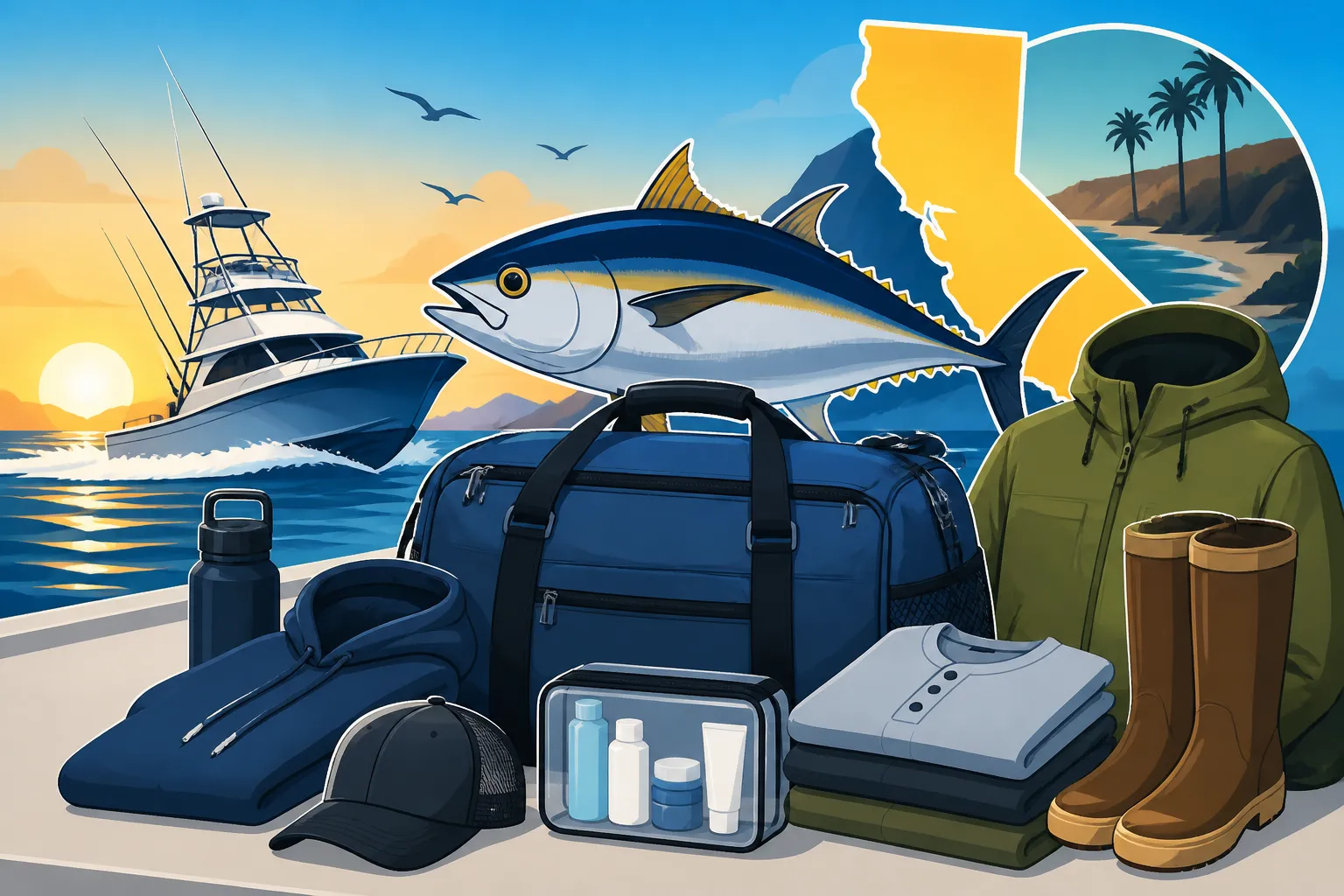
Start with a good moisture-wicking base layer to keep sweat away from your skin. Over that, a warm mid-layer like a fleece jacket or a synthetic insulated vest will provide crucial warmth without bulk. For your outer layer, invest in high-quality, waterproof, and windproof foul-weather gear. A good jacket and bibs (or pants) are essential to protect you from spray, rain, and relentless wind. Brands like Grundéns, Gill, or Helly Hansen are popular among serious anglers. Don't forget a warm hat, like a beanie, for those chilly early mornings and evenings, and some fingerless gloves or full fishing gloves to protect your hands from sun, cold, and line burns. Sun protection is equally important: a wide-brimmed hat, sunglasses (polarized are a must for spotting fish), and a neck gaiter will protect you from the relentless California sun. Finally, your footwear needs to be serious business. Non-slip, waterproof deck boots are highly recommended. They'll keep your feet dry and provide crucial traction on a wet, rocking deck, preventing slips and falls. Our guide on What to Wear on a California Fishing Charter offers more detailed advice.
Health and Hygiene Must-Haves
Long hours on the open ocean can take a toll, and being prepared for common issues like seasickness or sunburn can save your trip from misery.
Seasickness is a real concern, even for seasoned anglers. If you're prone to it, or even if you're not sure, preemptive measures are key. Pack seasickness medication like Bonine, Dramamine (the non-drowsy kind), or consider a prescription patch like Scopolamine. Take it before you get on the boat. Once you feel sick, it's often too late. Read up on How Seasickness Works on California Offshore Trips for prevention tips. Sunscreen with a high SPF (50+) is absolutely critical, and reapply it frequently, especially after getting wet. Don't forget lip balm with SPF to protect your lips. For personal hygiene, keep it minimal but effective: a travel-sized toothbrush, toothpaste, a small quick-dry towel, and any personal medications you take regularly. Hand sanitizer and wet wipes are also incredibly useful for quick clean-ups throughout the day.
Safety and Emergency Items
While charters are generally well-equipped with safety gear, having a few personal items can provide extra comfort and peace of mind.
A small, personal first-aid kit can be a lifesaver for minor cuts, scrapes, headaches, or muscle aches that are common after a long day of fighting fish. Include pain relievers, bandages, antiseptic wipes, and anti-inflammatories. A reliable headlamp or flashlight is essential for navigating the boat in the dark, tying knots, or handling fish during nighttime bites. While the charter will have plenty of Personal Flotation Devices (PFDs), if you have a comfortable, self-inflating fishing PFD you prefer, you can bring it. However, always defer to the captain's instructions regarding PFD usage. For your electronics, a small waterproof dry bag or a heavy-duty Ziploc bag is crucial for keeping your phone, wallet, and camera dry. You never know when a rogue wave might crash over the rail.
Food, Hydration, and Keeping Your Catch Fresh
An overnight trip means you'll be eating and drinking on board, and if you're lucky, handling a lot of delicious tuna. Being prepared for these aspects ensures energy and preserves your hard-earned catch.
Sustenance for Long Hours
Most overnight charters will provide meals, but having your own snacks and drinks is a smart move to keep your energy up during long fishing sessions.
Pack plenty of non-perishable, easy-to-eat snacks. Think energy bars, jerky, nuts, dried fruit, and trail mix. These are great for quick boosts between bites or when you're too busy to sit down for a full meal. If the charter allows, bringing a few pre-made sandwiches or wraps can be nice for variety. Hydration is paramount. The sun and exertion can quickly dehydrate you. Bring a large, reusable water bottle and consider packing some electrolyte drink mixes or a few sports drinks. A thermos filled with coffee or tea for the early morning bite can also be a welcome comfort. Always confirm with the charter operator what food and drink they provide and what you are welcome to bring yourself.
Protecting Your Prized Catch
So, you landed that trophy tuna – congratulations! Now you need to make sure it makes it home in prime condition.
Many reputable charters have large fish holds with ice, or provide individual fish bags. However, always confirm their policy. Some anglers prefer to bring their own high-quality, insulated fish bag (like a Reliable or Calcutta brand bag) to ensure their fish are immediately taken care of, especially if the boat's ice supply is stretched thin. If you plan to process your own fish on deck (always check with the crew first!), you'll need a sharp, sturdy filleting knife and a sharpening stone. However, often the crew will take care of the processing for a tip, which is also a great way of supporting the hard-working deckhands. Speaking of which, remember our guide on How to Tip a California Fishing Deckhand. Heavy-duty gloves (like rubber or cut-resistant fishing gloves) are invaluable for handling slippery, spiky, or sharp-finned fish safely.
Essential Extras and Nice-to-Haves
These aren't strictly necessary, but they can significantly enhance your trip and convenience.
A camera, whether a GoPro or a waterproof point-and-shoot, is fantastic for capturing those epic moments when you hook up to a monster tuna. Just make sure it's secure! A portable charger or power bank for your phone and other devices is almost a necessity these days, especially with no outlets available for long periods. If you're planning on catching some z's in the bunk room, a small, comfortable pillow and a light blanket can make a huge difference in getting some quality rest. Earplugs can also be a godsend if you're a light sleeper, as boats can be noisy. Finally, a small dry bag for your wallet, keys, and any other valuables will give you peace of mind that they'll stay safe and dry. When booking your trip, especially if you're using a platform like FishingBooker, you can often find details about what amenities the specific boat offers, such as bunk space, showers, or galley services.
Here's a quick checklist to help you organize your packing:
| Category | Essential Items | Recommended Extras |
|---|---|---|
| Fishing Gear | Rods (2-3 setups), Reels (matching rods) | Backup reel, small repair kit for rods/reels |
| Braided line, Fluorocarbon leaders (various lbs) | Monofilament top shots | |
| Circle hooks, J-hooks (various sizes) | Glow-in-the-dark jigs, additional lure colors | |
| Jigs (flat-fall, surface iron, yo-yo) | Poppers, stickbaits, soft plastics | |
| Heavy-duty swivels, split rings, crimps | Pliers, knot-tying tool | |
| Line cutters/braid scissors | Super Glue | |
| Personal Comfort | Moisture-wicking base layers | Compression socks |
| Mid-layers (fleece, insulated vest) | Extra pair of comfortable clothes for sleeping | |
| Waterproof/windproof outer shell (jacket & bibs) | Neoprene gloves for cold water | |
| Warm hat (beanie), wide-brimmed sun hat | ||
| Polarized sunglasses, neck gaiter | ||
| Non-slip, waterproof deck boots | Deck shoes (for non-fishing hours) | |
| Health & Hygiene | Seasickness medication (take before trip) | Motion sickness bands |
| High SPF sunscreen, lip balm with SPF | Aloe vera for sunburn | |
| Basic toiletries (toothbrush, paste, small towel) | Hand lotion, insect repellent (for dock/port) | |
| Personal medications | ||
| Hand sanitizer, wet wipes | ||
| Safety & Emergency | Small personal first-aid kit | Small multi-tool |
| Headlamp/flashlight with spare batteries | ||
| Waterproof dry bag (for electronics/valuables) | ||
| Food & Hydration | Reusable water bottle | Insulated coffee/tea mug |
| Electrolyte drinks/mixes | Protein shakes | |
| Non-perishable snacks (energy bars, jerky) | Cooler with personal drinks/snacks (if allowed) | |
| Fish Care | Heavy-duty gloves (for handling fish) | Personal fish bag (if charter allows/doesn't provide) |
| Filleting knife (if processing your own) | Sharpening stone | |
| Miscellaneous | Camera (GoPro, waterproof) | Portable speaker (respect others) |
| Portable phone charger/power bank | ||
| Small pillow, light blanket | Earplugs, eye mask | |
| Entertainment (book, downloaded movies/music) |
An overnight tuna trip is an incredible experience, and being well-prepared means you can focus on the fishing and the camaraderie rather than worrying about what you forgot. Consider reading up on how to prepare for a long-range tuna trip to get yourself mentally ready. Knowing the California Bluefin Tuna Season Explained can also help you target your trip perfectly. So pack smart, get ready for some serious action, and have a fantastic time out on the Pacific!
Disclaimer
The information provided in this guide is for general informational purposes only and does not constitute professional advice. Fishing regulations, conditions, and gear recommendations can change. Always check the latest California fishing regulations and consult with your chosen charter captain or guide for the most current and specific advice for your trip. Prioritize safety and responsible fishing practices at all times.