What to Wear on a California Fishing Charter
Figuring out what to wear on a California fishing charter can feel like a real puzzle. One minute you're basking in the sun, the next a fog bank rolls in, or an unexpected spray drenches you. This guide will break down exactly what you need to wear and why, so you're comfortable, dry, and perfectly prepared for whatever the vast and unpredictable California coast throws at you, ensuring nothing distracts you from that exciting bite.
Layering is Key for California's Variable Weather
The golden rule for any outdoor activity in California, especially fishing, is layering. Our weather can change on a dime, from chilly mornings to warm afternoons, and then back to brisk evenings, often accompanied by ocean breezes or sea spray. Trust me, you'll regret not having options when that unexpected squall hits or the sun relentlessly beats down.
The Base Layer: Moisture-Wicking Comfort
Your base layer is what sits directly against your skin, and its primary job is to manage moisture. Cotton, while comfortable in everyday life, is a terrible choice for fishing because it absorbs sweat and water, then holds it against your skin, making you feel cold and clammy once it gets wet. You want something that actively pulls moisture away from you, keeping you dry.
Think athletic fabrics like polyester, merino wool, or other synthetic blends. These materials are designed to wick sweat, dry quickly, and often offer some level of odor resistance, which is a bonus on a long day out on the water. Even on a warm day, a lightweight, long-sleeved base layer can protect you from the sun while keeping you cool. For cooler trips, especially if you're venturing out on a California Deep Sea Fishing Charter Guide, a slightly thicker base layer will provide essential warmth without bulk.
The Mid Layer: Insulation for Chilly Mornings
The mid layer is your insulation, designed to trap warm air close to your body. This is where you adjust your warmth level throughout the day. A good fleece jacket, a synthetic puffy vest, or a wool sweater are excellent choices. These materials provide warmth without being too heavy or restrictive, which is crucial when you're casting, reeling, or navigating the deck.
It's not uncommon for a morning departure from a port like San Diego or Monterey Bay to be quite chilly, even in summer. As the sun rises and you motor further offshore, temperatures can climb. Having a zip-up fleece allows you to easily vent heat or remove it entirely if you get too warm. Conversely, if the wind picks up or clouds roll in, you can quickly put it back on. This adaptability is paramount, especially on longer trips where conditions might shift dramatically.
The Outer Layer: Your First Line of Defense
This is arguably the most critical layer for any California fishing charter. Your outer layer needs to protect you from wind, rain, and sea spray. The ocean doesn't care if it's a "nice day"; you're going to get wet, whether it's from splashing waves, an unexpected shower, or simply handling a wet fish.
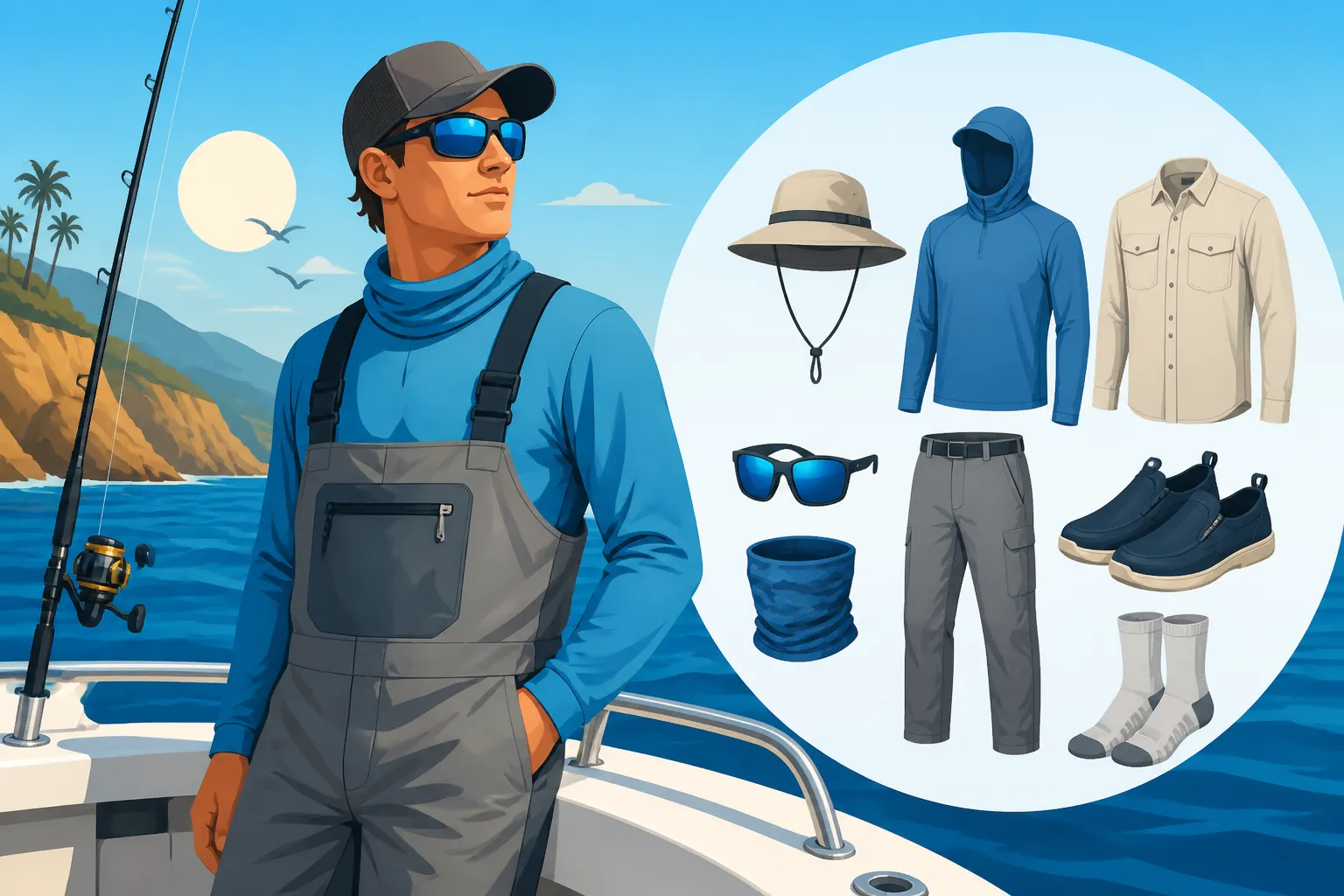
A high-quality waterproof and windproof jacket and pants are non-negotiable. Look for gear made with Gore-Tex or similar proprietary waterproof-breathable membranes. These materials keep water out while allowing some body heat and moisture vapor to escape, preventing that sweaty, suffocated feeling. Don't skimp here; a cheap "water-resistant" jacket will leave you soaked and miserable. The type of trip also matters; if you're looking into California Rockfish Charter Trips or California Salmon Charter Trips which can often involve cooler, windier conditions, robust outerwear is even more critical.
Essential Outerwear and Protection
Beyond your base and mid-layers, specific outerwear and accessories are vital for comfort, safety, and a successful day of fishing.
Waterproof and Windproof Jackets and Pants
I can't stress this enough: a good quality rain suit is your best friend. Even on what looks like a beautiful, calm day, a rogue wave or the spray from the boat running at speed can leave you drenched in minutes. Many experienced anglers prefer a two-piece rain suit (jacket and bib-style pants) over a one-piece suit for greater flexibility and ease of getting on and off.
Consider features like adjustable cuffs, a high collar, a good hood that stays put in windy conditions, and zippered pockets to keep your phone or small essentials dry. Companies like Grundens, Helly Hansen, and Frogg Toggs make excellent foul-weather gear specifically designed for anglers. Remember, you're not just protecting against rain, but constant spray and wind. The wind chill factor on the ocean can be brutal, making a seemingly mild day feel much colder, especially when you're traveling at speed to your fishing spot.
Sun Protection is Non-Negotiable
California sunshine, especially reflecting off the water, is intense. Sunburn isn't just uncomfortable; it can ruin your trip and pose long-term health risks. Sun protection needs to be part of your "what to wear" strategy.
- Long-sleeved shirts: Even in warm weather, a lightweight, breathable, long-sleeved fishing shirt with UPF (Ultraviolet Protection Factor) rating will protect your arms and neck. Many are designed with ventilation to keep you cool.
- Neck gaiter/buff: These are fantastic for protecting your neck, ears, and even your face from the sun. They can also be pulled up to cover your mouth and nose, which is great for wind protection or reducing inhaled sea spray.
- Broad-brimmed hat: A baseball cap is okay, but a hat with a full brim offers far superior protection for your ears and neck. Look for ones with a chin strap so they don't fly off when the boat picks up speed.
- Sunscreen: Apply a high-SPF, water-resistant sunscreen generously and reapply throughout the day, especially on exposed areas like your face, neck, and the backs of your hands. Don't forget your lips!
- Polarized sunglasses: These are not just for comfort; they significantly reduce glare off the water, allowing you to see deeper and potentially spot fish or structure. They also protect your eyes from harmful UV rays and stray hooks.
Footwear and Accessories for Comfort and Safety
Your feet will take a beating on a boat, and your hands need protection too. Don't overlook these crucial items.
Choosing the Right Deck Shoes
This is a big one for safety. The deck of a fishing boat is almost always wet and can be slick with fish slime, bait, and water. You need footwear with excellent grip and support.
- Non-marking, non-slip soles: This is paramount. Look for shoes specifically designed for boating, often called deck shoes or boat shoes. Brands like Xtratuf, Gill, and Sperry offer popular options. Avoid running shoes or everyday sneakers, as their soles might not provide adequate traction on a wet, pitching deck.
- Waterproof or highly water-resistant: Your feet will get wet. Rubber boots (like Xtratufs or similar brands) are a classic choice, especially for cooler or wetter conditions on a California Halibut Fishing Regulations and Limits trip where you might be kneeling down to gaff a fish. For warmer weather, water-resistant deck sneakers that drain and dry quickly can be more comfortable.
- Closed-toe: Always. Dropped weights, hooks, and thrashing fish are all hazards. Protect your toes!
- Comfortable: You'll be standing for hours. Good arch support and cushioning are essential. Wear comfortable, quick-drying socks to prevent blisters.
Hats, Sunglasses, and Gloves
We touched on hats and sunglasses for sun protection, but let's elaborate on their overall utility and add gloves to the mix.
- Hats: Beyond sun protection, a hat helps keep your head warm in cool conditions. A beanie might be a good addition for really cold mornings, perhaps layered under your wide-brimmed sun hat later. Keeping your head warm helps regulate your core body temperature.
- Sunglasses: Again, polarized lenses are key. Not only do they protect your eyes and improve visibility, but they also prevent eye strain from constant squinting at the glare. Consider getting a retainer strap for them so they don't go overboard if you lean over or hit a chop.
- Gloves: Fishing gloves serve multiple purposes. They protect your hands from sunburn, blisters from repetitive casting and reeling, and cuts from handling lines, hooks, and fish. Some gloves also offer extra grip, which is a lifesaver when the deck and your hands are wet. For colder weather, neoprene or waterproof fishing gloves will keep your hands warm and functional. Even lightweight sun gloves can make a huge difference in comfort and protection over a long day.
Packing Smart: A Checklist for Your Charter
Preparing for your California fishing trip involves more than just clothes. Think about the duration of your trip – a California One-Day Fishing License trip will have different packing needs than an overnight excursion. Many anglers find it helpful to pack a small dry bag for essential items they want to keep absolutely safe and dry. Before you even step foot on the boat, a great first move is to check out your charter details on platforms like FishingBooker.
| Item Type | Must-Have | Highly Recommended | Optional (Trip Dependent) |
|---|---|---|---|
| Layers | Moisture-wicking base layer (long-sleeve) | Warm mid-layer (fleece, wool) | Extra set of base/mid layers (for longer trips) |
| Outerwear | Waterproof & windproof jacket | Waterproof & windproof pants (bibs preferred) | |
| Footwear | Non-slip, waterproof deck boots/shoes | Quick-drying socks (wool or synthetic) | |
| Head & Face | Wide-brimmed hat (with chin strap) | Polarized sunglasses (with retainer) | Neck gaiter/buff |
| Hands | Fishing gloves (sun protection/grip) | Warmer, waterproof gloves (for cold weather) | |
| Personal Items | Sunscreen (high SPF, water-resistant) | Seasickness medication (take before boarding) | Small dry bag for essentials |
| Small towel | Lip balm with SPF | Camera (waterproof or in a dry bag) | |
| Water bottle (reusable) | Snacks | Headlamp (for early departures/late returns) | |
| Fishing Specific | Valid California Fishing License Guide | Cooler for your catch |
Personal Comfort Items
Beyond the essentials, a few personal items can significantly enhance your comfort:
- Seasickness medication: If you're prone to motion sickness, take medication before you board, as instructed. Dramamine or Bonine are common choices. Being seasick can quickly ruin even the best fishing day. We've got a whole guide on How to Prevent Seasickness on a California Charter that's worth a read!
- Water and snacks: Most charters offer some drinks, but bringing your own water bottle and snacks is always a good idea. Hydration is crucial, especially in the sun.
- Small towel: Invaluable for wiping hands, cleaning sunglasses, or drying off.
- Medications: Any personal prescriptions you need.
- Camera: If you want to capture your trophy catch, make sure it's waterproof or in a protective case.
Optional Gear for the Avid Angler
Depending on your specific trip and the fish you're targeting, you might consider:
- Small, lightweight binoculars: Great for spotting bird activity that often indicates baitfish, and thus game fish.
- Small tackle box with your favorite lures/rigs: While charters typically provide all necessary gear, some anglers prefer to bring their own "lucky" setups. Just confirm with the charter captain beforehand.
- A small, personal cooler: Perfect for keeping your snacks and drinks chilled, and maybe even bringing home a few fillets if the boat doesn't process fish immediately.
- Change of clothes: For longer trips or if you anticipate getting thoroughly soaked, a dry change of clothes for the ride home is a small luxury that makes a huge difference. Especially on a What to Pack for an Overnight Tuna Trip, this is a no-brainer.
Ultimately, planning your trip, whether it's a short jaunt or a longer excursion booked via FishingBooker, involves more than just picking a date. Thinking ahead and carefully selecting what to wear and bring will make your time on the water much more enjoyable, productive, and safe. So, check the marine forecast, consider the type of trip (like a California Offshore Fishing Techniques adventure versus bay fishing), and dress for success! You can always add layers, but it's much harder to add protection or warmth when you're already out there.
Disclaimer
Fishing in California involves inherent risks. This guide provides general advice on appropriate attire. Always check the latest marine weather forecasts, consult with your specific charter operator for their recommendations, and prioritize your personal safety. Local conditions and regulations can change rapidly.