California Deep Sea Fishing Charter Guide
Heading out for a deep sea fishing adventure off the California coast can be exhilarating, but the sheer number of options, regulations, and unknowns can feel overwhelming. Many anglers, especially those new to offshore fishing, find themselves grappling with questions about what to expect, what to bring, and how to even begin choosing the right trip. This guide aims to cut through that confusion, offering a comprehensive look at California deep sea fishing charters to help you plan your perfect oceanic excursion with confidence.
Understanding Deep Sea Fishing in California
When we talk about "deep sea fishing" in California, we're generally referring to fishing trips that take you well beyond the immediate coastline, often several miles offshore into deeper waters. This isn't your casual pier fishing experience; it's a dedicated effort to target pelagic species and larger bottom dwellers that thrive in the open ocean or significant depths. The dynamic marine environment off California's coast, influenced by currents like the California Current and diverse underwater topography, creates prime habitat for a wide array of sought-after game fish.
Defining Offshore vs. Nearshore
The distinction between offshore and nearshore can sometimes be a bit blurry, especially depending on your departure point along California's expansive coastline. Generally, nearshore fishing keeps you within a few miles of the coast, often targeting species associated with kelp forests, rocky reefs closer to shore, or sandy bottoms in shallower waters. Think calico bass, shorter-finned rockfish, or smaller halibut found in the bays. These trips are typically shorter, less expensive, and involve less travel time.
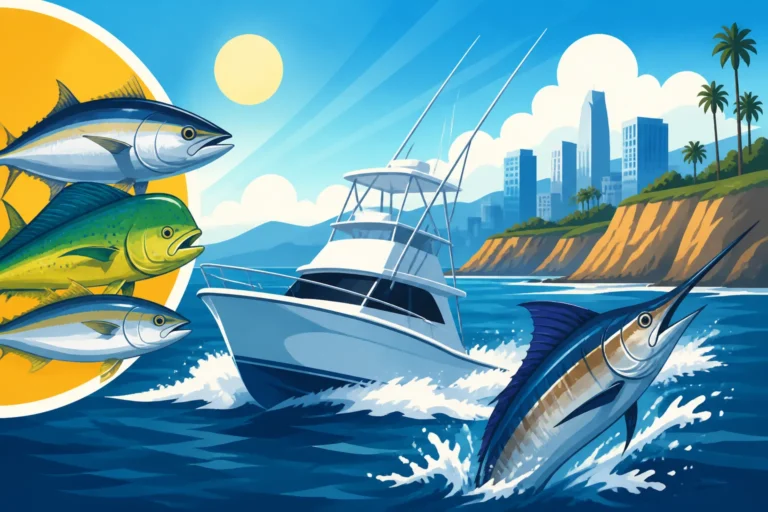
Deep sea or offshore fishing, however, takes you further out, sometimes 10, 20, or even 100 miles from shore. This is where you start encountering true pelagic predators like various tuna species, dorado (mahi-mahi), yellowtail, and marlin, or larger groundfish such as lingcod and vermilion rockfish inhabiting deep canyons and offshore banks. The journey to these spots can be significant, often requiring larger, more capable vessels, and the conditions can be dramatically different from the calmer nearshore waters. The target species, the gear required, and the overall experience shift considerably as you move into the true deep blue.
Common Deep Sea Fishing Methods
Deep sea fishing is a diverse discipline, employing various techniques to entice different species. Understanding these methods can help you appreciate the charter experience and even choose a trip that aligns with your preferred style of fishing. Most deep sea charters in California will primarily focus on a few tried-and-true methods, often switching between them depending on conditions and what fish are biting.
One of the most common methods is live bait fishing, where anglers use species like anchovies, sardines, or mackerel to attract predators. This is particularly effective for tuna, yellowtail, and white seabass. The bait might be fly-lined (no weight, just a hook), slow-trolled, or drifted. Another prevalent technique is jigging, which involves dropping metal jigs to various depths and then retrieving them with an erratic motion to mimic wounded baitfish. This is a killer technique for rockfish, lingcod, and even yellowtail or tuna when they're holding deep. Trolling is also widely used, especially for pelagic species like tuna and dorado. Here, multiple lines with artificial lures or rigged baits are dragged behind a moving boat, covering a wide area to locate active fish. For deeper bottom fish, bottom fishing with heavy sinkers and multiple hooks is standard, often using squid or cut bait to target rockfish and lingcod in their rocky lairs.
Why Book a Deep Sea Fishing Charter?
The allure of deep sea fishing is undeniable – the thrill of the chase, the unknown of what might bite next, and the sheer power of battling a large fish far from land. While some seasoned anglers might own their own boats capable of venturing offshore, for the vast majority of us, a deep sea fishing charter is the only practical way to experience this incredible sport. Trying to navigate offshore waters, understand complex regulations, and equip yourself with specialized gear can be a monumental task that quickly eats into your wallet and patience.
Access to Specialized Boats and Equipment
Let's be honest, offshore boats aren't cheap. They require specific hull designs, powerful engines, advanced navigation and fish-finding electronics, and a whole host of safety gear that goes beyond what you'd need for a leisurely lake cruise. Booking a charter instantly grants you access to these purpose-built vessels, which are rigorously maintained and equipped to handle the rigors of the open Pacific. Beyond the boat itself, charters provide all the necessary fishing tackle. We're talking heavy-duty rods and reels capable of landing a 200-pound bluefin tuna, specialized lines, an endless supply of hooks, sinkers, swivels, and a wide array of lures and live bait. Trying to amass this kind of gear yourself would cost a small fortune, especially for tackle designed for large saltwater species.
Furthermore, many charters will have the latest in fish-finding technology – CHIRP sonar, side-scan, and even advanced satellite imagery to locate temperature breaks and chlorophyll lines where baitfish and predators congregate. These tools are often out of reach for the average recreational angler, but they're standard on a quality deep sea charter, significantly increasing your chances of success.
Expert Guidance and Local Knowledge
This is perhaps the biggest advantage of a charter: the crew. A good captain and their deckhands are invaluable assets. They possess an intimate, almost instinctive, knowledge of the local waters, including seasonal patterns, prevailing currents, and where specific species are likely to be holding. They know the secret spots, the subtle signs of fish activity, and how to adapt to changing conditions. This isn't just about knowing where to fish, but how to fish in that exact moment.
The crew will guide you on everything from proper bait presentation to fighting techniques. Ever hooked a powerful yellowtail that tries to "tangle" you in the anchor line? A good deckhand will be right there, coaching you through the fight, adjusting lines, and even gaffing or netting your catch. This mentorship is especially crucial for newcomers, transforming what could be a frustrating day into a rewarding learning experience. Their expertise drastically improves your odds of a successful and enjoyable trip, and they'll ensure you're fishing within the strict California Saltwater Fishing Regulations.
Safety First on the Open Ocean
The Pacific Ocean off California can be beautiful, but it can also be unforgiving. Safety should always be paramount when venturing offshore. Chartered vessels are legally mandated to carry extensive safety equipment, including life rafts, EPIRBs (Emergency Position Indicating Radio Beacons), VHF radios, first-aid kits, and trained personnel. Captains are highly experienced mariners, licensed by the Coast Guard, and adept at navigating challenging seas and responding to emergencies.
When you're out on the deep sea, things can change quickly – weather can turn, engines can fail, or someone might get seasick or injured. On a charter, you're in the hands of professionals whose priority is your well-being. This peace of mind allows you to focus on the fishing and enjoy the experience, rather than constantly worrying about your safety or the operational aspects of the boat. Knowing you're with a seasoned crew and a well-equipped boat is reassuring, especially if you're exploring the more remote fishing grounds.
Types of Deep Sea Fishing Charters in California
California offers a wide variety of deep sea fishing charters, catering to different budgets, time commitments, and fishing aspirations. Choosing the right type of trip is crucial for a memorable experience, so it's worth understanding the distinctions before you book. Platforms like FishingBooker make it easy to compare these options side-by-side.
Half-Day and Full-Day Trips
These are the most common and accessible types of deep sea charters, ideal for those looking for a taste of offshore action without committing to an entire day or more.
- Half-Day Trips: Typically last 4-6 hours. These trips are great for beginners, families with kids, or anglers with limited time. They usually focus on nearshore or slightly offshore species, often targeting rockfish, lingcod, or smaller game fish. The shorter duration means less travel time to fishing grounds, often staying within 5-15 miles of the harbor. You might not venture into the deepest waters, but you'll still get a good feel for ocean fishing. For instance, many half-day trips out of San Diego might focus on local kelp beds for calico bass and yellowtail or nearby reefs for rockfish. It's an excellent way to gauge if deep sea fishing is for you without a huge time or financial commitment.
- Full-Day Trips: Ranging from 8-12 hours, full-day charters offer a more comprehensive deep sea experience. These trips allow the captain to run further offshore, sometimes 20-50 miles or more, to access prime fishing grounds for pelagic species like tuna, dorado, or larger concentrations of rockfish and lingcod. With more time on the water, you have a better chance of locating active schools of fish and adapting to changing conditions. They provide ample time for multiple drifts, extensive trolling, or exploring several different spots. If you're serious about targeting specific offshore species like yellowtail or even certain types of tuna, a full-day trip is often the minimum recommended.
Overnight and Multi-Day Excursions
For the truly adventurous and dedicated angler, overnight and multi-day charters offer an immersive, long-range fishing experience.
- Overnight Trips: These typically depart in the afternoon or evening, travel to distant fishing grounds overnight, and fish all day the following day before returning to port. They are predominantly focused on highly migratory pelagic species like bluefin tuna, yellowfin tuna, and dorado, especially during their peak seasons. The extra travel time allows access to remote banks and islands that are beyond the reach of day trips. These boats are equipped with bunks, galleys, and showers, providing a comfortable, if rustic, live-aboard experience. The extended time on the water significantly increases your chances of encountering trophy fish and experiencing multiple "stops" (periods of intense fishing action). Think of a 1.5-day trip out of San Diego, heading to offshore banks for bluefin tuna – it's an intense experience, but often incredibly rewarding.
- Multi-Day Trips: These are the pinnacle of California deep sea fishing, lasting anywhere from 2 to 10+ days. They venture hundreds of miles down the Baja California coast, often into Mexican waters (requiring additional permits). These trips target giant bluefin, yellowfin, wahoo, and dorado, offering a truly epic angling adventure. Passengers often get their own bunks, and the boats are staffed with experienced chefs and deckhands who live and breathe long-range fishing. These trips are an investment in time and money, but they provide unparalleled opportunities to chase world-class game fish. They require significant preparation, both physically and mentally, as you'll be offshore for an extended period, living and breathing fishing.
Private Charters vs. Open Party Boats
When booking your trip, you'll generally have two primary options for group size.
- Open Party Boats (Head Boats): These are large vessels that take individual anglers or small groups who pay per spot. They can accommodate anywhere from 20 to 80+ passengers, making them the most economical option for deep sea fishing. While you share the boat with many others, open party boats are run by highly experienced crews who work hard to put everyone on fish. They often have multiple deckhands to assist anglers with baiting, casting, and fighting fish. The atmosphere can be lively and communal, with a shared excitement when the fish start biting. These trips are perfect for solo anglers or small groups looking for a cost-effective way to get offshore. They follow a schedule and target species based on what's currently biting and the captain's expertise.
- Private Charters: As the name suggests, you charter the entire boat for your private group. This offers unparalleled flexibility in terms of departure times, fishing locations, and target species. You and your companions get the undivided attention of the captain and crew, and you can tailor the trip to your specific preferences – whether it's trophy hunting for a specific species, exploring a new area, or simply enjoying a more intimate experience with friends or family. Private charters are more expensive per person but can be surprisingly affordable when split among a group of 4-6 anglers. They are ideal for corporate outings, family reunions, or groups of experienced anglers who want a customized adventure. You can decide if you want to focus on deep water rockfish, chase pelagics, or explore new areas.
Here's a quick comparison of the main charter types:
| Charter Type | Duration | Cost Range (per person) | Group Size | Typical Target Species | Experience Level |
|---|---|---|---|---|---|
| Half-Day | 4-6 hours | $50 – $100 | Open Party/Private | Rockfish, Calico Bass, Halibut, Sand Bass | Beginner/Family |
| Full-Day | 8-12 hours | $100 – $250 | Open Party/Private | Yellowtail, Rockfish, Lingcod, Tuna (seasonal), Dorado | Intermediate/All |
| Overnight | 1.5 – 2 days | $400 – $800+ | Open Party | Bluefin Tuna, Yellowfin Tuna, Dorado, Yellowtail | Intermediate/Advanced |
| Multi-Day | 2-10+ days | $800 – $5000+ | Open Party | Giant Bluefin, Yellowfin, Wahoo, Dorado, Marlin | Advanced/Expert |
| Private (Day) | Varies, 6-12 hours | $800 – $2000+ (boat) | Small (2-6) | Customized to group preference, any day-trip species | All |
Top Deep Sea Fishing Destinations in California
California's coastline stretches over 800 miles, offering a diverse range of deep sea fishing opportunities from north to south. Each region boasts unique characteristics, target species, and charter fleets.
Southern California Offshore Hotspots
Southern California is undeniably the mecca for deep sea fishing in the state, particularly for its famous tuna and yellowtail fisheries.
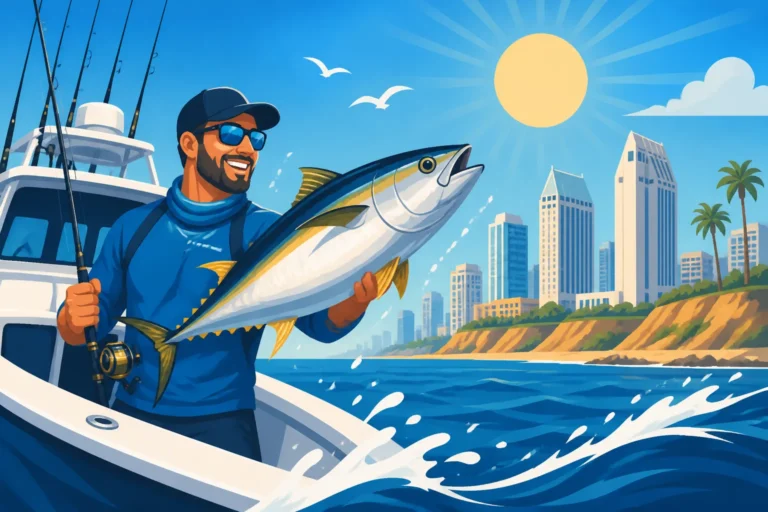
- San Diego: Home to some of the largest and most renowned sportfishing fleets in the world, San Diego is synonymous with tuna fishing. Anglers here chase bluefin, yellowfin, and albacore, along with yellowtail, dorado, and marlin. Charters regularly run to offshore banks, islands like Catalina and San Clemente, and even into Mexican waters for long-range trips. The access to deep, productive offshore waters makes it a prime departure point. You'll find legendary landings like Fisherman's Landing, H&M Landing, and Point Loma Sportfishing offering everything from half-day rockfish trips to multi-day tuna expeditions. If you're looking for Bluefin Tuna in California: Where and How to Catch them, San Diego is your starting point.
- Orange County (Dana Point, Newport Beach, Long Beach): These harbors also host significant charter fleets, offering excellent access to offshore islands such as Catalina Island and San Clemente Island, which are hotspots for yellowtail, white seabass, and various rockfish. During the summer and fall, tuna and dorado can also be found within range of full-day trips. These ports strike a good balance, offering diverse fishing opportunities without the extreme distances sometimes associated with San Diego's long-range trips. Dana Point, for example, is well-known for its consistent rockfishing and seasonal yellowtail bites.
- Los Angeles Area (Marina del Rey, San Pedro, Redondo Beach): Similar to Orange County, the LA area ports provide access to Catalina and San Clemente Islands, as well as local offshore banks. They are popular for yellowtail, barracuda, calico bass, and a wide array of rockfish and lingcod. With a large population base, these ports offer convenient access for many anglers looking for a day on the water.
Central Coast Deep Sea Opportunities
The Central Coast offers a different flavor of deep sea fishing, often characterized by productive bottom fishing and impressive lingcod.
- Morro Bay and Port San Luis: These ports are renowned for their incredible rockfishing and lingcod opportunities. The rugged coastline and deep-water canyons offshore provide ideal habitats for these species. While pelagic species like tuna are less common here compared to Southern California, the groundfish action can be outstanding. Charters often focus on drift fishing or anchoring over rocky structures. You might also find salmon fishing charters during open seasons.
- Monterey Bay: Famous for its deep submarine canyon, Monterey Bay offers unique deep sea fishing. While rockfish and lingcod are staples, the bay is also a fantastic spot for Dungeness crab during the season. Salmon fishing can be excellent here when the season is open and conditions are right. Some charters also venture offshore for albacore tuna when they are within range. The ecosystem here is rich and diverse, offering a different experience from the warmer waters further south.
Northern California Offshore Scene
Northern California deep sea fishing has a distinct character, largely driven by salmon and groundfish, with occasional albacore.
- San Francisco Bay Area (Emeryville, Berkeley, Bodega Bay, Half Moon Bay): The Bay Area and points north are primarily known for salmon fishing when the season allows. The cool, nutrient-rich waters are perfect for Chinook (King) salmon. Outside of salmon season, rockfish and lingcod are the main targets. Bodega Bay and Half Moon Bay, in particular, are popular departure points for offshore trips targeting these species, as well as occasional albacore tuna further offshore during late summer and fall. The fishing here is often dependent on ocean conditions and specific seasonal openings, such as the often-variable California Salmon Season Dates.
What Fish Species Can You Expect to Catch?
California's deep sea waters are a vibrant ecosystem, teeming with a diverse range of fish species that attract anglers from all walks of life. The exact species you'll target will largely depend on the time of year, your geographic location, and the type of charter you choose.
Pelagic Game Fish
These are the powerful, migratory species that roam the open ocean, often providing the most thrilling fights.
- Tuna: California is famous for its tuna fishery, primarily Bluefin Tuna, Yellowfin Tuna, and Albacore Tuna. Bluefin are the heavyweights, known for their incredible power and size, often ranging from 50 to over 300 pounds. They are typically found in Southern California offshore waters from late spring through fall. Yellowfin tuna offer explosive fights and are also found offshore in warmer waters. Albacore, known for their delicious white meat, appear seasonally further offshore, often requiring longer runs. Catching tuna often involves trolling, kite fishing, or live baiting. Understanding the specific tactics, like those for Bluefin Tuna in California: Where and How to Catch, can significantly improve your chances.
- Yellowtail: A highly prized game fish, yellowtail are known for their powerful runs and aggressive nature. They are found from Baja up into Central California, often around kelp beds, islands like Catalina and San Clemente, and offshore banks. They can be caught year-round in some areas, but peak season is generally spring through fall. Live baiting with sardines or mackerel, jigging, and yo-yo iron techniques are highly effective.
- Dorado (Mahi-Mahi): Also known as mahi-mahi or dolphin fish, dorado are vibrant, fast-growing, and excellent-eating fish. They are typically found in warmer offshore waters of Southern California during summer and fall, often congregating around floating kelp patties or debris. Their acrobatic fights and beautiful colors make them a favorite target. Trolling lures or casting live bait to kelp patties are common methods.
- White Seabass: These elusive and powerful fish are highly sought after for their fighting ability and delicious fillets. They are typically found near kelp beds, reefs, and rocky bottoms, often in shallower offshore waters than tuna. Spring and early summer are prime seasons. Live squid is the bait of choice, often fished on the bottom or near structure.
Bottom Fish and Groundfish
These species inhabit the deeper, structured environments of the ocean floor, providing consistent action and excellent table fare.
- Rockfish: California boasts a huge diversity of rockfish species, including vermilion, copper, reds, bocaccio, and many others. They are found over rocky reefs, pinnacles, and offshore banks at various depths. They are a staple of deep sea fishing, especially during the cooler months when pelagic species are less active. Most rockfish limits are regulated by depth restrictions, such as the California Rockfish Depth Restrictions, as well as specific bag and size limits for different species. Bottom fishing with bait or jigs is the primary method.
- Lingcod: These toothy predators are a favorite among anglers for their aggressive strikes, impressive size, and superb eating quality. They inhabit rocky structures alongside rockfish, often at depths ranging from 50 to 400 feet. They will readily strike large jigs, swimbaits, and live or cut bait. Lingcod provide a serious fight, especially the larger specimens.
- California Halibut: While often targeted in bays and nearshore areas, larger halibut can also be found in deeper offshore waters, often lying on sandy bottoms near structure. They are ambush predators, known for their camouflage and strong, flat bodies. Drifting with live bait (like anchovies or mackerel) or using large swimbaits are effective techniques. Be aware of the California Halibut Size and Bag Limits, which are strictly enforced.
Preparing for Your Deep Sea Adventure
A little preparation goes a long way in ensuring your deep sea fishing trip is enjoyable and successful. From what to wear to how to combat seasickness, planning ahead can make all the difference.
Essential Gear and Clothing
Even though charters provide the fishing gear, there are several personal items you absolutely need to bring to be comfortable and prepared for a day (or more) on the open ocean.
- Layered Clothing: The weather offshore in California can change dramatically. It might be chilly and foggy in the morning, warm and sunny by midday, and windy and cool again in the afternoon. Dress in layers that you can easily add or remove. A base layer (synthetic, not cotton), a warm mid-layer (fleece or sweatshirt), and a waterproof and windproof outer shell are essential. Even on a hot day, a light long-sleeve shirt can protect you from the sun.
- Sun Protection: The sun's UV rays are intensified on the water due to reflection. Bring a wide-brimmed hat, polarized sunglasses (crucial for spotting fish and protecting your eyes), and high SPF sunscreen. Don't forget to apply it to your ears, neck, and the back of your hands.
- Non-Slip Footwear: The deck of a fishing boat can get wet and slippery. Wear comfortable, closed-toe shoes with good grip – deck boots or athletic shoes are ideal. Avoid open-toed sandals or flip-flops, as hooks and fish slime are common hazards.
- Cooler and Snacks: While some charters offer food and drinks, it's always wise to bring your own water, snacks, and any specific dietary items. A small cooler with ice can keep your personal provisions fresh and also store your fillets on the way home. Just make sure the boat allows personal coolers.
- Other Essentials: A small backpack to carry your personal items, a camera to capture memories, any personal medications, and a positive attitude are also important! Don't forget your California Fishing License Guide and any necessary report cards, such as a California Ocean Enhancement Stamp, if required for your trip.
Managing Seasickness
Seasickness is a real concern for many, and it can quickly ruin an otherwise fantastic trip. The good news is there are several effective strategies to prevent and manage it.
- Prevention is Key: Don't wait until you feel sick. Start taking motion sickness medication the night before your trip, or at least a couple of hours before departure. Popular over-the-counter options include Dramamine (non-drowsy formula is often preferred) or Bonine. The prescription patch, Scopolamine (Transderm Scop), is also highly effective but requires a doctor's visit.
- Stay Hydrated and Eat Light: Avoid heavy, greasy meals before and during your trip. Stick to bland foods like crackers or toast. Stay well-hydrated with water, but avoid excessive alcohol or sugary drinks.
- Fresh Air and Horizon Focus: Once on the boat, stay on deck in the fresh air, if possible. Avoid going into enclosed cabins. Focus your eyes on the horizon, rather than reading or looking at your phone, which can exacerbate symptoms. If you feel queasy, lie down if you can, or sit towards the middle of the boat where motion is less pronounced.
- Ginger and Acupressure: Some people find relief with natural remedies like ginger chews or ginger ale. Acupressure wristbands (like Sea-Bands) can also help some individuals by applying pressure to a specific point on the wrist.
- Communicate with the Crew: If you do start feeling unwell, let a crew member know. They are experienced and often have tricks or remedies to offer. Many boats even have seasickness remedies available for purchase. Don't be embarrassed; it happens to the best of us!
Choosing the Right Charter and Captain
With so many deep sea fishing charters operating along the California coast, selecting the right one can feel daunting. This decision can profoundly impact your overall experience, so it's worth doing your homework. Websites like FishingBooker offer a wealth of information, reviews, and direct booking options to help streamline the process.
Researching Charter Companies and Boats
Start your search by defining your priorities. What kind of fish do you want to target? How many people are in your group? What's your budget? Do you prefer a private, intimate trip or the lively atmosphere of an open party boat?
- Online Reviews and Reputation: This is a great starting point. Websites like FishingBooker, Yelp, Google Reviews, and dedicated fishing forums often have candid feedback from previous customers. Look for consistent praise regarding the crew's professionalism, the boat's condition, safety practices, and fish-finding ability. Pay attention to how the captain and crew interact with both experienced anglers and novices.
- Boat Condition and Equipment: While you might not inspect the boat yourself, photos and descriptions on the charter's website or booking platforms can give you an idea. Look for clean, well-maintained vessels. Modern electronics, quality tackle (even if you don't recognize specific brands, a well-stocked rod rack is a good sign), and sufficient live bait capacity are indicators of a serious operation. Don't be afraid to call and ask about their specific boat, safety gear, and what's included.
- Experience and Specialization: Some charters specialize in certain types of fishing (e.g., long-range tuna trips, dedicated rockfishing, or fly fishing). If you have a specific target in mind, choose a charter with a proven track record for that species. Ask how long the captain has been operating in the area and what their success rates have been for your desired fish. For specific goals like a California Bluefin Tuna Charter Trip, make sure the charter is well-versed in that particular pursuit.
- Licensing and Insurance: Reputable charters are fully licensed by the U.S. Coast Guard and carry appropriate insurance. While you typically won't check this directly, choosing well-established businesses on reputable booking platforms helps ensure this.
What to Look for in a Good Captain and Crew
The people running the boat are arguably as important as the boat itself. A great captain and crew can turn a slow fishing day into an enjoyable outing, while a poor one can sour even a hot bite.
- Communication and Professionalism: A good captain communicates clearly with passengers, explaining the plan for the day, the target species, and the techniques. The crew should be professional, courteous, and willing to assist anglers of all skill levels. They should be patient with beginners and proactive in helping everyone have a good time.
- Fish-Finding Acumen: This is where experience truly shines. A skilled captain knows how to read the ocean, interpret sonar, track weather patterns, and make informed decisions about where to go and when to move. They're constantly working to put you on fish, even when conditions are tough.
- Safety Consciousness: Above all, the captain is responsible for your safety. They should adhere to all safety regulations, conduct themselves responsibly, and prioritize the well-being of everyone on board. They'll also ensure you understand and follow critical regulations like the California Fishing Bag and Size Limits for your catch.
- Enthusiasm and Passion: You want a crew that genuinely loves fishing and sharing that passion with others. Their enthusiasm is infectious and contributes greatly to the overall vibe of the trip. A crew that enjoys their work will go the extra mile to make your trip memorable. And don't forget, Tipping on a California Fishing Charter is customary for a hard-working crew.
Regulations and Licenses for Deep Sea Fishing
Navigating the rules and regulations for fishing in California, especially offshore, can sometimes feel like trying to untangle a bird's nest of fishing line. But it's absolutely crucial to understand them to avoid fines and contribute to sustainable fisheries. Before you even step foot on a charter boat, ensure you're squared away with the necessary paperwork.
California Fishing License Requirements
No matter if you're fishing from shore, a lake, or miles offshore, nearly everyone over the age of 16 needs a valid California fishing license. This is non-negotiable.
- Who Needs One: All individuals 16 years of age or older must possess a valid sport fishing license to take fish, mollusks, crustaceans, invertebrates, or amphibians in California.
- Where to Buy: You can easily purchase a license online through the California Department of Fish and Wildlife (CDFW) website, or in person at authorized license agents such as most sporting goods stores (e.g., Big 5 Sporting Goods, Bass Pro Shops, Turner's Outdoorsman) and many tackle shops.
- Short-Term Options: If you're just visiting or want to try it out, you have options like a California One-Day Fishing License or a Two-Day Fishing License. These are perfect for a single deep sea trip.
- Annual Licenses: For residents, an annual license is often the most cost-effective if you plan on fishing multiple times throughout the year. You can learn more about securing your permit through our detailed guide on How to Get a California Fishing License.
- Charter Exception Clarification: It's a common misconception that you don't need a license if you're on a licensed charter boat. This is incorrect. While the boat is licensed to operate commercially, each individual angler on board (over 16) still needs their personal California Fishing License Guide. Always bring your physical license or a clear digital copy with you.
Ocean Enhancement Stamp and Report Cards
Beyond the basic fishing license, certain types of fishing in specific areas might require additional validations or report cards.
- California Ocean Enhancement Stamp: This stamp is required for anyone 16 years or older fishing in ocean waters south of Point Arguello (Santa Barbara County). This includes popular Southern California deep sea fishing grounds. The funds from this stamp go directly towards projects that enhance and maintain marine resources, such as stocking white seabass. So if you're heading out from San Diego, Newport Beach, or Long Beach, chances are you'll need one. You can typically purchase this when you buy your fishing license.
- Report Cards: While not typically for species caught on most deep sea charters, it's important to be aware of report cards for specific species like California Salmon Report Cards, California Steelhead Report Cards, or California Sturgeon Report Cards. These are mandatory for tracking catches of certain sensitive species, even if released. Always check the current regulations, especially if your trip might overlap with these specific fisheries or if you plan to combine your deep sea trip with an inshore or freshwater excursion. Your charter captain will typically inform you if any specific report cards are needed for the day's targets.
Understanding Bag and Size Limits, Seasons, and MPAs
California's fishing regulations are complex and can change frequently, often to manage fish stocks and protect vulnerable species.
- Bag and Size Limits: Every species has specific regulations regarding how many you can keep (bag limit) and what size they must be (size limit). These vary by species, region, and sometimes even by specific body of water. For example, California Rockfish Regulations and Limits will detail species-specific bag limits (e.g., 10 rockfish total, but only 5 of a certain species like Vermilion) and minimum size requirements. Lingcod also have distinct size limits. The crew on your charter will be experts in these rules and will help you correctly identify your catch and adhere to limits.
- Seasons and Closures: Many species have open and closed seasons to protect them during spawning or other vulnerable periods. This is particularly true for highly managed species like California Salmon Season Dates or certain groundfish complexes. Rockfish and lingcod, for instance, often have specific open seasons and even depth restrictions that vary by region (e.g., Southern California vs. Central California), which can impact when and where you can fish for them.
- Marine Protected Areas (MPAs): California has established a network of Marine Protected Areas along its coast. These are designated zones where fishing activity is restricted or completely prohibited to protect marine ecosystems. It's critical to know where these areas are. Your charter captain will always be aware of these boundaries and will ensure the vessel operates legally. However, it's good for you to be generally aware of California Marine Protected Areas Explained so you understand why certain spots might be off-limits. Never hesitate to ask the crew if you have questions about specific regulations during your trip.
Disclaimer
The information provided in this guide is for general informational purposes only and does not constitute legal or professional advice. Fishing regulations in California are subject to change by the California Department of Fish and Wildlife (CDFW). It is the responsibility of each angler to consult the most current official CDFW regulations booklet or website before engaging in any fishing activity. Always confirm license requirements, bag limits, size limits, and open/closed seasons directly with the CDFW or your chosen charter operator. We are not liable for any discrepancies or outdated information.