Best San Diego Long-Range Fishing Boats
Oh, the dream of a long-range fishing trip out of San Diego! It’s an angler’s paradise, but let’s be real, the sheer number of boats and trip types can make your head spin. Trying to figure out which vessel is truly going to give you the best shot at a trophy tuna, a comfortable ride, and an unforgettable experience often feels like trying to hook a phantom marlin in a fog bank. This guide is here to cut through that confusion, diving deep into what separates the good from the truly great long-range fishing boats, highlighting the top contenders, and making sure you’re set up for success before you even leave the dock.
What Exactly is San Diego Long-Range Fishing?
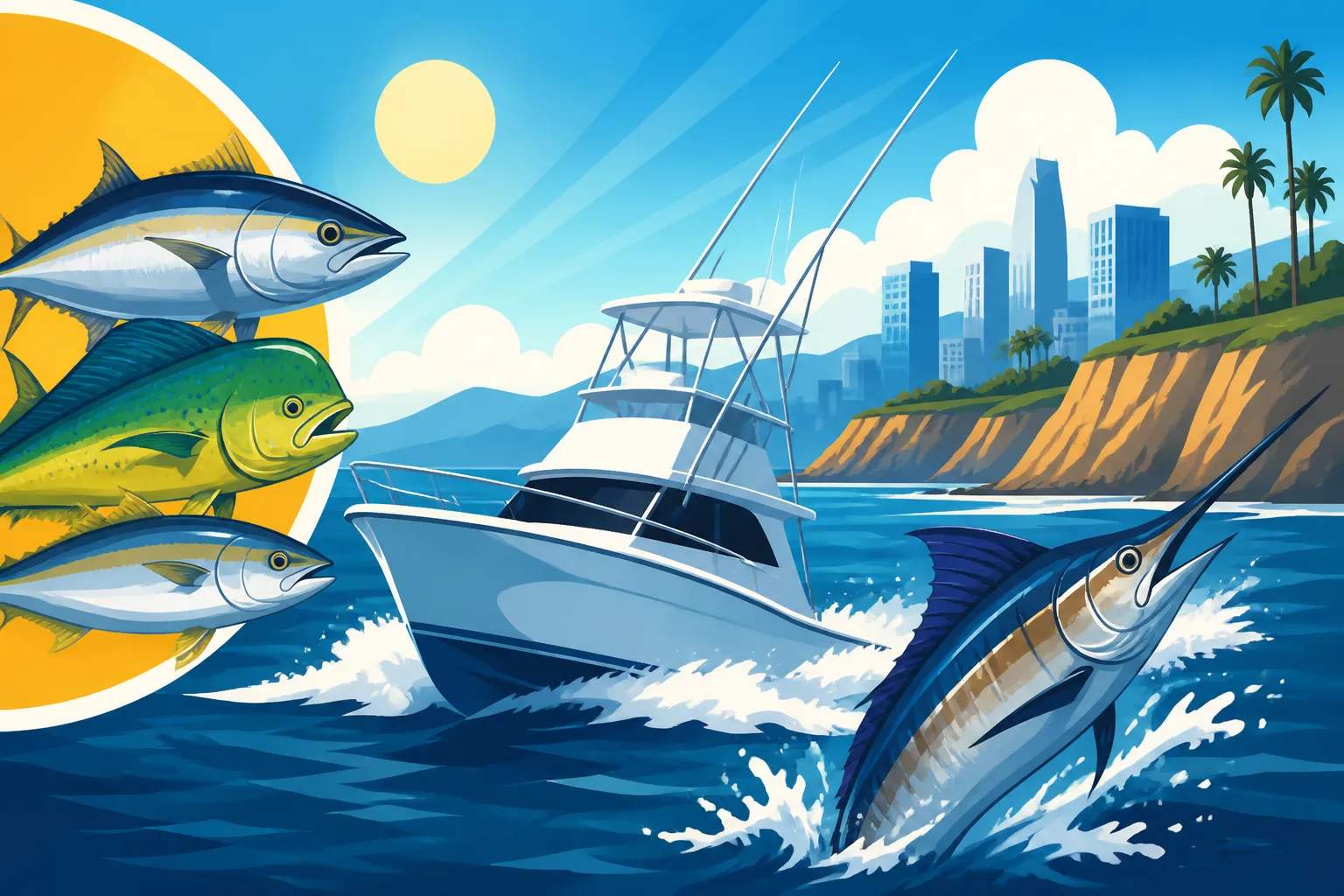
When we talk about "long-range" fishing in San Diego, we're not just talking about a quick hop out to the local kelp beds. We're talking about serious, multi-day expeditions that can take you hundreds of miles south into Mexican waters, chasing pelagic giants like bluefin, yellowfin, and even the elusive wahoo. These aren't your typical half-day party boat trips; they are immersive, demanding, and incredibly rewarding adventures that test your stamina and skill.
The Allure of Offshore Adventures
Imagine being out on the vast Pacific, far from the lights and sounds of the city, with nothing but the ocean stretching to the horizon. That's the core appeal of long-range fishing. It's an opportunity to target species that simply don't come close to shore – fish that require serious travel time to reach their feeding grounds. For many, it's the ultimate angling challenge, offering the chance to hook into fish weighing over 100, 200, or even 300 pounds. These trips are about more than just catching fish; they're about the camaraderie with fellow anglers, the breathtaking sunrises and sunsets over open water, and the thrill of the chase in some of the most productive fisheries in the world. It’s a commitment, yes, but the payoff can be the fish of a lifetime and memories that last forever.
Typical Trip Durations and Target Species
Long-range trips typically range from 1.5 days to over two weeks, depending on the boat, the season, and the specific target species. A common San Diego Long-Range Fishing Trips might be a 5-day or 8-day run, often heading down to areas like Alijos Rocks, Cedros Island, or even Clipperton Island for the longest trips.
- 1.5 to 3-Day Trips: These shorter trips usually stay closer to the border, targeting the bluefin and yellowfin tuna that can be found within 100-200 miles of San Diego, especially during peak season. You might also run into dorado (mahi-mahi) or yellowtail on these excursions.
- 5 to 8-Day Trips: This is the sweet spot for many long-range enthusiasts. These trips allow the boats to reach prime fishing grounds deeper into Mexican waters, where you have a better chance at larger, more consistent catches of yellowfin tuna, wahoo, and big dorado. These are the trips where anglers truly learn to appreciate the vessel and its amenities.
- 10 to 18-Day "Cow Tuna" Trips: These epic journeys are for the most dedicated anglers, venturing to remote locations like Clipperton Atoll or Hurricane Bank, specifically targeting the giant "cow" yellowfin tuna that can tip the scales at over 200 pounds. These trips require specialized gear and a significant investment of time and money, but the potential rewards are legendary.
Understanding the trip duration helps you plan your tackle, your budget, and mentally prepare for the adventure. Each trip has its own rhythm and focus, all designed around putting you on the fish. For specific species information, you can dive deeper into topics like How to Catch Bluefin Tuna off California.
Essential Features of a Great Long-Range Fishing Boat
Choosing the right long-range boat isn't just about finding one with an open bunk. It's about selecting a vessel that's purpose-built for extended offshore expeditions, offering a blend of comfort, capability, and a proven track record. This isn't a casual decision; your experience hinges on the quality of the boat you choose.
Comfort and Amenities for Multi-Day Trips
Being at sea for multiple days means your boat needs to be more than just a fishing platform; it needs to be a floating home away from home. Comfort is paramount, especially on those longer runs when you’re steaming for hours to get to the next fishing grounds. Look for boats with spacious, clean staterooms or bunks, often with individual reading lights and power outlets for charging devices. Good air conditioning or heating is a blessing, especially if you’re traveling through different climates.
Beyond sleeping quarters, consider the communal areas:
- Galley and Dining: A top-tier long-range boat will have an excellent galley staff providing three hot meals a day, often with snacks available throughout. Think about fresh-baked cookies or a midnight burger – these little touches make a huge difference. A comfortable dining area where you can relax and share stories is also key.
- Restrooms and Showers: Clean, well-maintained heads and showers (sometimes even multiple options for privacy) are crucial for morale. Having a private shower or at least ample space to clean up makes the journey much more pleasant.
- Lounge Areas: A separate lounge or salon area with comfortable seating, a TV, or even a small library allows anglers to unwind, read, or just socialize without being on top of each other. These spaces become vital sanctuaries when the fishing action slows or during long transit times.
Boats like the Excel, Independence, and Royal Star are renowned for their comfort and amenities, often featuring private staterooms and gourmet food, making the extended stays much more enjoyable.
Fishing Deck Design and Gear Storage
The fishing deck is your battlefield, and it needs to be optimized for action. A great long-range boat will have a spacious, uncluttered deck with plenty of room for anglers to cast, fight fish, and move around safely, even when multiple anglers are hooked up. You’ll want sturdy rail systems with rod holders spaced appropriately, offering clear sightlines and minimizing tangled lines.
Consider these critical elements:
- Bait Capacity: Long-range trips rely heavily on live bait. Top boats will have massive, well-maintained bait tanks capable of holding tons of live sardines, mackerel, or anchovies, keeping them frisky for days. This is non-negotiable for success.
- Fish Holds: Adequate, properly chilled fish holds are essential for preserving your catch. The best boats have dedicated, often refrigerated, fish holds that ensure your valuable tuna or wahoo arrives back at the dock in prime condition.
- Rod and Tackle Storage: Secure, accessible rod racks and storage areas for tackle boxes are a must. You don't want your expensive gear rolling around or getting damaged in rough seas. Many boats also offer designated tackle rooms where you can prepare your rigs.
- Fighting Chairs/Stations: While much of long-range fishing is stand-up, some boats, especially on longer trips, will have a fighting chair or specialized fighting stations for battling truly colossal fish.
The design should prioritize angler efficiency and safety, from non-slip surfaces to accessible wash-downs for cleaning blood and bait.
Experienced Crew and Advanced Electronics
No matter how fancy the boat, it’s the crew and the captain who truly make or break a long-range trip. You’re putting your trust, time, and money into their hands, so their expertise is paramount.
- Captain's Expertise: A top-tier long-range captain has decades of experience in navigating vast ocean expanses, reading weather patterns, and, most importantly, finding fish. They understand the currents, water temperatures, and bait concentrations that indicate where the big pelagics are lurking. They also make crucial decisions about where to go and when to move, often relying on a vast network of information.
- Deckhand Proficiency: The deckhands are your unsung heroes. They’re constantly rigging baits, gaffing fish, clearing lines, and offering patient advice. They’re the ones making sure everyone gets a fair shot and that fish are brought aboard safely and efficiently. A good crew is attentive, friendly, and always willing to help, whether it's rigging a complicated setup or showing a novice the ropes. Their ability to handle high-pressure situations when multiple fish are hooked is invaluable.
- State-of-the-Art Electronics: Modern long-range boats are equipped with advanced electronics suites. This includes high-definition sonar to spot bait balls and fish schools deep below, powerful radar for navigation and avoiding obstacles, satellite communication for safety and staying in touch with the outside world, and sophisticated GPS systems for precise positioning. The ability of the captain and crew to interpret and utilize this technology is a huge advantage in consistently locating fish. You can often track a boat's journey and catch success by learning How to Read a California Charter Fish Count reports.
These elements combine to create a seamless, productive, and safe fishing experience, maximizing your chances of success on the water.
Top Long-Range Fishing Boats Departing from San Diego
San Diego is legendary for its long-range fleet, boasting some of the finest sportfishing vessels in the world. Each boat has its own personality, loyal following, and reputation for success. While many boats offer excellent experiences, a few consistently rise to the top for their size, amenities, crew, and overall catch success.
Flagship Vessels Known for Success
When you ask seasoned long-range anglers about the best boats, certain names consistently come up. These vessels are the stalwarts of the fleet, known for their powerful engines, immense bait capacities, comfortable accommodations, and, most importantly, their ability to find and catch fish.
- The Independence: Often lauded as one of the best in the fleet, the Independence is a 112-foot vessel renowned for its stability, speed, and spacious deck. Captain Mark Gillette and his crew are masters of the long-range game, consistently putting anglers on trophy tuna, wahoo, and dorado. The boat features private staterooms, excellent food, and a top-notch tackle center.
- The Excel: Another 112-foot marvel, the Excel is synonymous with comfort and big fish. Captain Justin Fleck leads a highly experienced crew known for their professionalism and dedication to customer service. The Excel offers luxurious amenities, including private staterooms, a large salon, and gourmet meals, making even the longest trips feel like a cruise.
- The Royal Star: With a focus on angler comfort and a strong emphasis on personalized service, the Royal Star (at 92 feet) is a favorite for many. Captain Randy Toussaint and his crew are celebrated for their expertise and friendly demeanor. This boat consistently produces limits of pelagic species and is particularly well-regarded for its wahoo fishing trips.
- The Spirit of Adventure: At 88 feet, the Spirit of Adventure offers a fantastic balance of speed, comfort, and fish-catching prowess. Captain Mike Lackey and his crew are known for their hard work and ability to adapt to changing conditions. It’s a versatile boat, excelling on everything from 3-day trips to longer expeditions.
- The Searcher: A classic 105-foot vessel, the Searcher offers a traditional long-range experience with a modern touch. Captain Art Taylor has a long history of success, and the boat is known for its family-friendly atmosphere and excellent food. It’s a great option for those who appreciate a slightly more relaxed pace while still being serious about fishing.
These boats aren't just vessels; they are institutions within the San Diego sportfishing community, each with a rich history and a continuous drive to deliver epic fishing adventures. When deciding How to Choose a San Diego Sportfishing Boat, researching these stalwarts is always a good starting point.
What Makes Each Boat Stand Out
While all these boats are excellent, they each have nuances that might appeal to different anglers. Here's a quick comparison:
| Boat Name | Length | Max Anglers | Typical Trip Focus | Noted For |
|---|---|---|---|---|
| Independence | 112 ft | 32-34 | Multi-day Bluefin, Yellowfin, Wahoo | Stability, speed, spacious deck, top-tier crew |
| Excel | 112 ft | 30-34 | Multi-day Yellowfin (Cow), Wahoo | Luxurious amenities, gourmet food, experienced captain |
| Royal Star | 92 ft | 25-30 | Multi-day Yellowfin, Wahoo, Dorado | Personalized service, excellent wahoo fishing |
| Spirit of Adventure | 88 ft | 25-30 | 3-8 Day Bluefin, Yellowfin, Dorado | Versatility, hard-working crew, consistent catches |
| Searcher | 105 ft | 30-32 | Multi-day diverse species, family trips | Traditional feel, great food, solid track record |
The Independence and Excel are often seen as the "big dogs" for those chasing giant tuna on longer trips, providing unparalleled comfort and fishing capacity. The Royal Star shines with its personalized attention and a strong reputation for wahoo. The Spirit of Adventure offers a fantastic all-around experience, particularly for those looking for slightly shorter (but still highly productive) long-range trips. The Searcher is a beloved classic, delivering a comfortable, successful trip with a touch of nostalgia. Ultimately, the "best" boat often comes down to personal preference for trip duration, level of luxury, and crew dynamics.
Planning and Booking Your San Diego Long-Range Trip
Embarking on a long-range fishing trip requires more than just showing up with your gear. It demands careful planning, especially when it comes to booking and preparing for the unique challenges and opportunities that these extended offshore adventures present.
When and How to Book Your Spot
Long-range trips, especially those on the most popular boats during peak seasons (California Bluefin Tuna Season Explained or prime wahoo times), sell out incredibly fast. It's not uncommon for spots to be booked a year or more in advance, particularly for specific coveted dates or "cow tuna" trips.
- Booking Timelines: For popular boats and prime dates, start looking to book 9-18 months in advance. Yes, seriously! As soon as the fishing schedules for the next year are released (often in late summer or early fall), serious anglers jump on them. For less popular dates or shorter 1.5-3 day trips, you might find openings a few months out, but don't count on it.
- Booking Platforms: Most of these long-range boats operate out of San Diego landings like H&M Landing, Fisherman's Landing, and Point Loma Sportfishing. You can book directly through their websites or by calling their offices. These landings handle reservations for multiple boats in the fleet. Online booking platforms, like FishingBooker, also list many of these trips, offering a convenient way to compare schedules and availability across different boats and landings. This can be especially helpful for newcomers trying to navigate the options.
- Consider a Charter: If you have a group, you might consider chartering the entire boat, though this is a significant investment. Otherwise, you'll be booking individual spots on "open party" trips. This is how most people experience long-range fishing.
Remember that How Much Does a Fishing Charter Cost in San Diego for these long-range trips can vary wildly based on duration, boat, and amenities, so budget accordingly. Deposits are almost always required to secure your spot.
Preparing for the Journey: Gear, Food, Mindset
Once your spot is booked, the real preparation begins. A long-range trip is an endurance event, both for you and your gear.
- Essential Gear: You'll need specialized tackle. This typically includes heavy-duty conventional rods and reels spooled with strong braided line (80-130 lb test is common for tuna), along with fluorocarbon leaders, a variety of hooks, sinkers, and jigs. Don't forget a quality harness and stand-up belt for fighting big fish. Many boats offer rental gear, but serious anglers bring their own. Refer to a comprehensive guide like What to Bring on a California Fishing Charter for a detailed checklist.
- Clothing: Layers are key. Temperatures can swing wildly from chilly mornings and evenings to hot, sunny days. Bring waterproof outerwear, non-slip deck shoes, and plenty of changes of clothes.
- Sun Protection: Sunscreen (high SPF!), a wide-brimmed hat, sunglasses, and sun-protective clothing are non-negotiable. The sun reflecting off the water is intense.
- Food and Drink (Beyond the Galley): While the boat provides excellent meals, many anglers bring their own snacks, energy bars, and non-alcoholic beverages. A small cooler for your bunk can be very handy. Just remember, space is at a premium.
- Personal Comfort & Health:
- Seasickness Medication: Even seasoned sailors can get seasick in rough conditions. Talk to your doctor about prescription options or bring over-the-counter remedies. It's best to start taking them before you depart. For more insights, check out How Seasickness Works on California Offshore Trips.
- Toiletries: Bring enough for the duration of your trip.
- Earplugs: The engine noise can be constant, especially in bunks closer to the stern. Earplugs can be a lifesaver for getting good sleep.
- Mindset: Be prepared for long hours, sometimes slow periods, and intense bursts of action. Long-range fishing is physically demanding, so being in reasonably good shape helps. Embrace the challenge, learn from the crew and other anglers, and enjoy the journey, regardless of the size of your catch. And don't forget the importance of Tipping on a California Fishing Charter for the hard-working crew.
Preparing thoroughly for your long-range adventure will significantly enhance your enjoyment and increase your chances of a successful and memorable trip. The more you put into preparation, the more you'll get out of this incredible California deep sea fishing charter guide experience.
Disclaimer
The information provided in this guide is for general informational purposes only and is subject to change. Fishing regulations, seasons, and conditions can vary greatly. Always consult the latest California Department of Fish and Wildlife (CDFW) regulations and check with your chosen charter boat for the most current information before planning your trip. Fishing inherently carries risks, and safety should always be your top priority.