Best San Diego 1.5-Day Tuna Trips
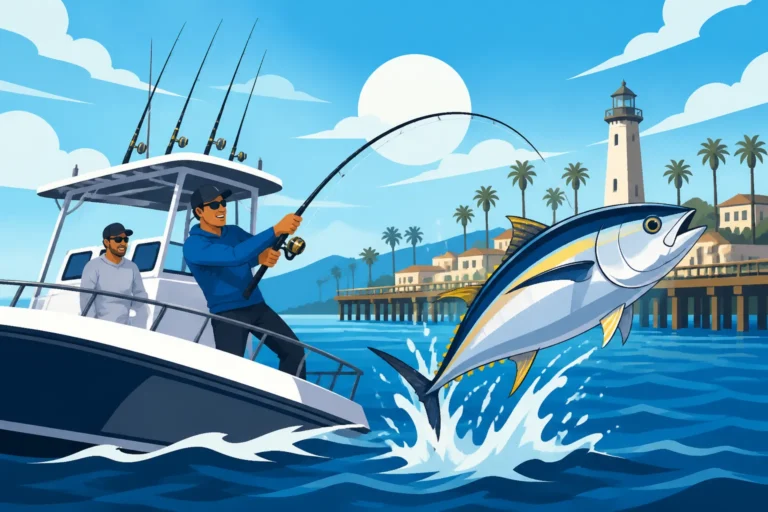
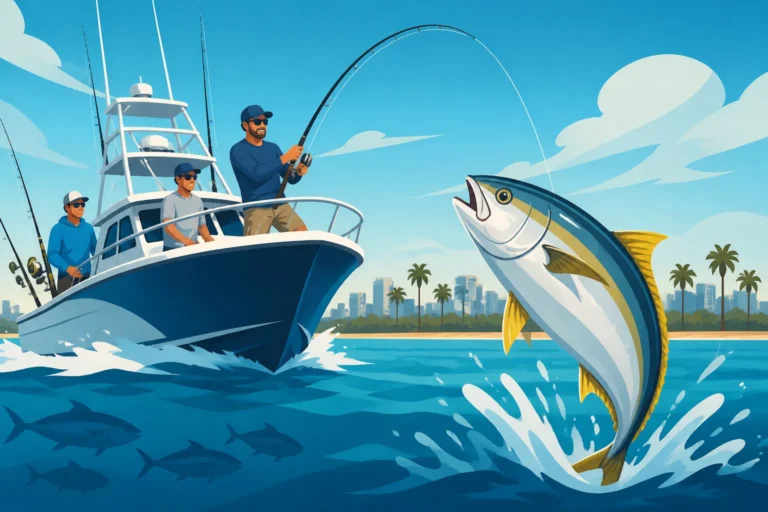
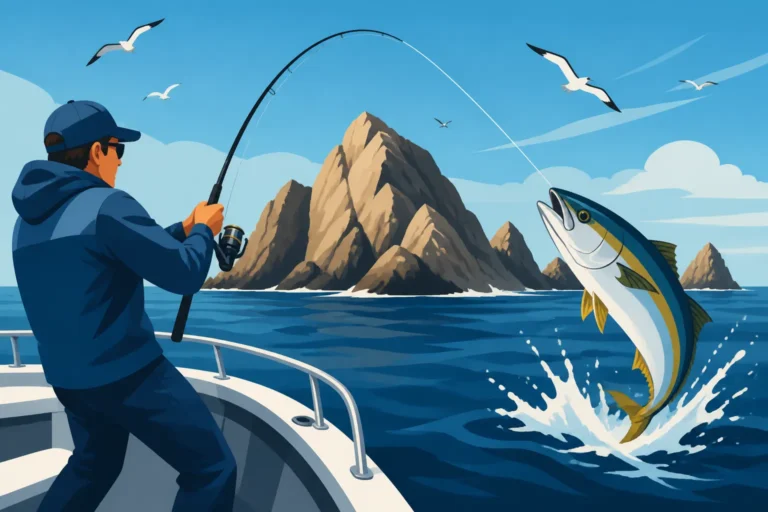
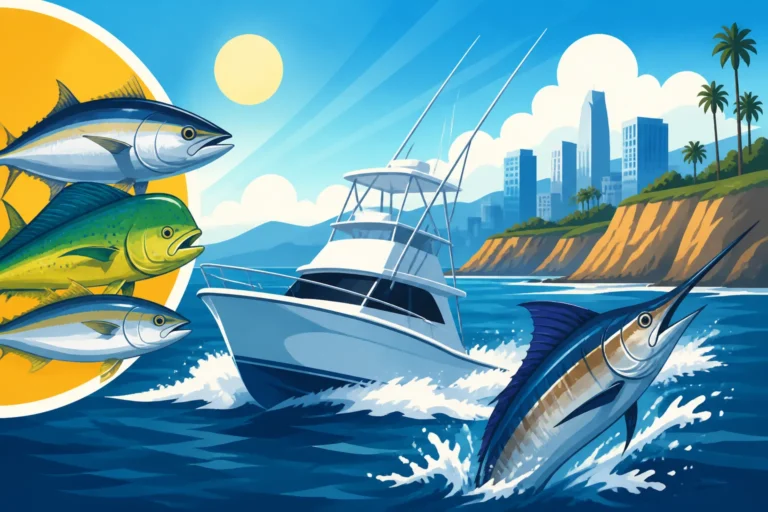
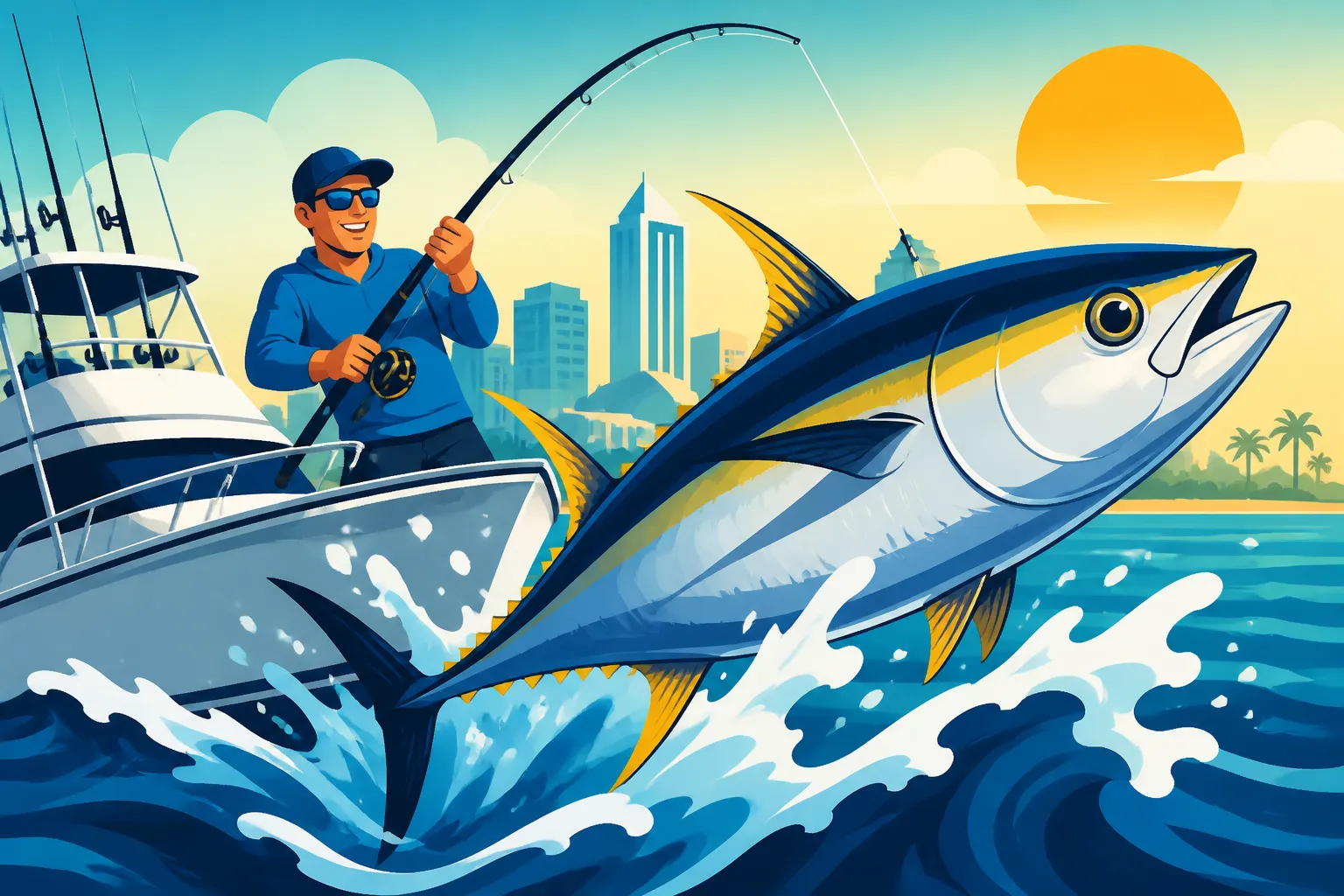
Thinking about chasing those massive tuna off the San Diego coast? It’s a dream for so many of us, but figuring out the best trip can be a real headache. Shorter trips often feel like they end just as the bite gets going, and longer trips can be a huge time commitment. This guide is all about San Diego's 1.5-day tuna trips, offering that sweet spot for serious anglers looking to land a trophy bluefin or yellowfin without needing a full week off work.
What Exactly is a 1.5-Day Tuna Trip?
If you're relatively new to the offshore scene, the term "1.5-day trip" might sound a bit quirky. It's not just a fancy way to say "a really long day trip." No, these trips are specifically designed to maximize your fishing time in productive offshore waters by leveraging travel time under the cover of darkness. It's a fantastic middle ground for anglers who want more than a full day but aren't quite ready for a multi-day expedition.
The Allure of the Extended Offshore Journey
The biggest draw of a 1.5-day trip is simple: more time where the big fish live. You see, the really productive tuna grounds—especially for those elusive, giant bluefin that California has become famous for—are often far offshore, well beyond the reach of a typical 8- or 10-hour trip. A 1.5-day trip usually involves departing from a San Diego landing like H&M Landing or Point Loma Sportfishing in the late evening, say 9 or 10 PM. You then steam through the night, arriving at the fishing grounds by dawn. This means you wake up already in prime territory, ready to fish hard all day long.
Imagine this: instead of spending half your prime daylight hours traveling to and from the zone, you're dropping lines at first light, having slept through the commute. This extra time allows captains to venture further out, chasing whispers of bait balls or temperature breaks that indicate where the tuna are congregating. It significantly increases your chances of encountering not just more fish, but often larger, more aggressive specimens that thrive in those deeper, more remote waters. Plus, the overnight aspect adds a unique camaraderie and adventure to the experience, with everyone settling into their bunks after an excited send-off.
What Differentiates it from Shorter or Longer Trips
Comparing a 1.5-day trip to other options really highlights its unique advantages. A typical full-day trip, while still offering a great offshore experience, is constrained by daylight. Boats generally need to be back by late afternoon, meaning they can only run so far, limiting access to certain, often more productive, grounds. If the bite is hot 50 or 70 miles out, a full-day boat might struggle to get there and still allow for decent fishing time.
On the flip side, multi-day trips (think 2, 3, or even 10-day excursions) offer unparalleled access to far-flung locations, often deep into Mexican waters. These trips are the ultimate tuna quests, but they come with a hefty price tag and require a significant time commitment. For many recreational anglers with jobs and families, taking several days off isn't always feasible.
The 1.5-day trip perfectly bridges this gap. You get the benefit of overnight travel to distant grounds, maximizing your actual fishing hours during daylight, but you're back at the dock by mid-morning the day after your full day of fishing. This means you only need to clear one full day from your schedule (plus the evening departure and morning return). It’s the perfect blend of serious offshore angling and practical time management. It’s also often a fantastic introduction to extended offshore fishing, giving you a taste of what longer trips offer without the full dive. You'll find many anglers start with a 1.5-day trip to test their sea legs and gear before committing to longer durations.
Top Boats and Operators for 1.5-Day Tuna Trips in San Diego
San Diego is a renowned hub for sportfishing, especially when it comes to offshore tuna. The local landings are home to some of the most experienced captains and well-equipped vessels in the industry. Choosing the right boat and operator is crucial for a successful and enjoyable 1.5-day tuna trip.
Renowned Sportfishing Landings and Their Fleets
When you're looking to book a 1.5-day tuna trip, your starting point will likely be one of San Diego's major sportfishing landings. These institutions have decades of experience sending boats out to the tuna grounds.
- H&M Landing: One of the oldest and most respected landings, H&M is home to a fleet of top-tier boats. Vessels like the Legend, Relentless, or Ranger 85 are well-known for their offshore prowess and experienced crews. They have a long history of putting anglers on bluefin, yellowfin, and even dorado when they're in season.
- Point Loma Sportfishing: Another premier landing, Point Loma boasts boats such as the New Lo-An, Pacific Star, and Big X. These boats are purpose-built for multi-day trips and offer excellent amenities for overnight stays, including comfortable bunks, spacious galleys, and plenty of fishing room on deck. Their captains are constantly scouting conditions and sharing intel to find the best bite.
- Fisherman's Landing: Often considered the third pillar of San Diego's sportfishing scene, Fisherman's Landing operates boats like the Condor and Voyager. These vessels are also staples in the 1.5-day tuna trip circuit, known for their dedicated crews and ability to adapt to changing fishing conditions.
When researching your options, you can check out platforms like FishingBooker, where you'll find listings and reviews for many of these boats. This can give you a good idea of what other anglers have experienced and help you narrow down your choices based on specific amenities or recent fish counts.
What to Look for in a Quality Charter
Booking a 1.5-day tuna trip is an investment, so you want to ensure you're getting the best experience possible. Here's what to keep an eye out for:
- Experienced Crew: This is paramount. An experienced captain knows the waters, how to read sonar, where to find bait, and how to position the boat. Talented deckhands are crucial for gaffing fish, untangling lines, rigging baits, and providing invaluable assistance. Don't be shy about asking about the crew's experience when booking. A great crew can make or break your trip, especially when dealing with big, strong tuna.
- Boat Amenities: Since you'll be spending a night on board, comfort matters. Look for boats with clean, comfortable bunks (often called "racks"), a functioning galley that serves hot meals and coffee, and adequate restroom facilities. Some boats even have showers, which can be a huge bonus after a long day of fishing. While it's not a luxury cruise, a little comfort goes a long way.
- Track Record and Fish Counts: While no trip is a guarantee, a boat with a consistent track record for catching tuna is a strong indicator. Check recent fish counts (often posted daily by the landings) to see what boats are performing well. Remember that fish move, and conditions change, but consistent success points to capable captains and crews. When reviewing a captain's profile on FishingBooker, pay attention to their past trip successes.
- Targeted Species and Fishing Style: Most 1.5-day trips will primarily target bluefin and yellowfin tuna, but sometimes other species like yellowtail or dorado might be in the mix. Understand what the primary target is and if the boat specializes in certain techniques (e.g., heavy jigging for bluefin, kite fishing, or fly-lining live bait). Make sure it aligns with your preferences.
- Included Services and Rental Gear: Most trips will include live bait, and some might include meals. If you don't have your own heavy-duty tuna gear, inquire about rental options. Most sport boats offer high-quality rental setups, but it’s always good to confirm pricing and availability beforehand. Don't forget to ask about the rules regarding a California fishing license and if you need a California Ocean Enhancement Stamp.
Preparing for Your San Diego 1.5-Day Tuna Adventure
A successful tuna trip starts long before you step foot on the boat. Proper preparation, from the gear you bring to the clothes you pack, can significantly impact your comfort and your chances of landing a fish. Don't underestimate the physical demands of battling a large tuna, so get ready!
Essential Gear and Tackle Recommendations
Tuna fishing, especially for the formidable bluefin, requires robust gear. This isn't your average lake fishing setup.
- Rods and Reels: You'll want at least two, preferably three, heavy-duty setups.
- Heavy Jigging/Popping Setup: This is for those moments when bluefin are on the surface or reacting to jigs. A rod rated for 80-130 lb line with a powerful conventional or spinning reel (like a Shimano Stella or Penn International) spooled with 80-100 lb braid is ideal.
- Live Bait Setup: A medium-heavy rod (rated 40-60 lb) paired with a high-capacity conventional reel (such as a Penn Fathom or a Shimano Talica) spooled with 40-60 lb fluorocarbon or monofilament line. This is your go-to for fly-lining sardines or anchovies.
- Backup/Light Jigging Setup: A slightly lighter jigging setup (e.g., 50-80 lb braid) can be useful for smaller tuna or yellowtail, or as a backup if one of your primary setups fails.
- Pro Tip: Ensure your reels have smooth drags. Tuna pull hard, and a sticky drag is a recipe for disaster.
- Terminal Tackle:
- Fluorocarbon Leaders: Bring a variety of fluorocarbon leader material in 40, 60, 80, and 100 lb test. Bluefin can be leader-shy, but you need the strength.
- Hooks: A selection of strong, sharp circle hooks (2/0 to 6/0) for live bait and J-hooks for chunking. Brands like Gamakatsu or Owner are popular choices.
- Jigs: Bring a variety of heavy-duty jigs (knife jigs, flat-fall jigs) in different weights (100-300g) and colors (blue/chrome, pink/glow, sardine patterns). Poppers and stickbaits can also be effective when tuna are feeding on the surface.
- Other Essentials:
- Gloves: Fishing gloves protect your hands from line burns and fish scales.
- Pliers/Cutters: Strong pliers for removing hooks and braid cutters are a must.
- Headlamp: Absolutely essential for rigging and moving around the boat in the dark.
- Cooler: While the boat will have fish hold, having a small personal cooler for your drinks and snacks is convenient.
- Internal Link Note: For a full breakdown, check out What to Bring on a California Fishing Charter.
Packing Smart: Food, Clothing, Toiletries, Seasickness Remedies
You're essentially "camping" on a boat, so strategic packing is key for a comfortable trip.
- Clothing: Layers, layers, layers! The temperature can swing wildly offshore. It'll be cold in the evening and early morning, potentially hot and sunny during the day.
- Base layer (moisture-wicking)
- Mid-layer (fleece or synthetic jacket)
- Outer layer (waterproof and windproof jacket and pants) – absolutely critical for spray and unexpected weather.
- Warm hat, gloves, and sunglasses.
- Non-skid deck shoes or boots.
- Food & Drink: While most boats have a galley serving meals, bringing your favorite snacks, drinks, and maybe some instant coffee can be a game-changer. Rehydration salts or sports drinks are excellent for preventing fatigue.
- Toiletries: Toothbrush, toothpaste, small towel, and any personal medications. Pack light; space is at a premium.
- Sleeping Gear: A compact sleeping bag or warm blanket is highly recommended for your bunk. Earplugs and an eye mask can help you get some rest amidst the boat noise and galley lights.
- Seasickness Prevention: Don't gamble with seasickness. If you're prone to it, or even if you're not sure, take preventative measures. Options include:
- Over-the-counter: Dramamine (non-drowsy formula), Bonine. Start taking these the night before your trip.
- Prescription: Scopolamine patch (Transderm Scop) is very effective for many. Talk to your doctor well in advance.
- Ginger: Ginger candies, chews, or capsules can help with mild nausea.
- Stay hydrated, avoid greasy foods before and during the trip, and stay on deck in the fresh air if you start feeling queasy. Don't go below deck if you're feeling ill. For more in-depth advice on preparing for the journey, you might find "How to Prepare for a Long-Range Tuna Trip" useful.
Maximizing Your Chances: Techniques and Strategies
Landing a big tuna on a 1.5-day trip isn't just about having the right gear; it's about understanding the techniques, knowing when to deploy them, and being ready to react. Tuna are powerful, intelligent fish, and success often comes down to skill and persistence.
Popular Tuna Fishing Methods
Captains and crews will guide you on what methods are currently working best, but being familiar with the basics will give you a significant edge.
- Jigging: This is arguably the most common and effective method for bluefin, especially when they are holding deeper or reacting to subsurface bait.
- Knife Jigs (Vertical Jigging): These slender, heavy jigs are dropped to the desired depth (often where bait or fish marks are showing on the sonar) and then retrieved with a series of aggressive rips and pauses. The idea is to mimic a fleeing baitfish. It's a physically demanding technique, so stamina is key.
- Flat-Fall Jigs: These jigs are designed to flutter and "fall" horizontally on the retrieve, imitating a wounded baitfish. They can be incredibly effective when fish are deeper and less active. The trick is to let them flutter on the drop, then crank them up quickly for a few rotations, then repeat.
- Technique Tip: Pay attention to what the deckhands and experienced anglers are doing. Watch their retrieve patterns and try to emulate them. If you're booking through FishingBooker, you can often message the captain beforehand for specific jig recommendations.
- Fly-lining Live Bait: When tuna are feeding on live bait (like sardines or anchovies), fly-lining is deadly.
- You use a very light leader (often just fluorocarbon tied directly to your main line) and a small, sharp circle hook.
- Hook a lively baitfish (usually through the nose or shoulder) and cast it away from the boat with minimal weight, allowing it to swim naturally.
- Keep your reel in free spool with your thumb on the line, letting the bait swim. When a tuna hits, let it run for a few seconds (the "count to three" rule) before slowly pushing the drag up and engaging the reel. This allows the circle hook to do its job and set itself in the corner of the fish's mouth.
- Chunking (Chumming): This involves cutting up baitfish (often sardines) into small pieces and throwing them into the water. This creates a "chum line" that draws tuna closer to the boat and into a feeding frenzy.
- Anglers then deploy live baits or chunks of bait into this chum line, hoping a tuna will pick theirs out. It can be incredibly exciting when the fish come up to the surface right behind the boat!
- Internal Link: For more detailed insights into specific techniques, consider exploring "California Offshore Fishing Techniques" or "How to Catch Bluefin Tuna off California".
Understanding Tuna Behavior and Local Hotspots
Success often comes from being in the right place at the right time, and that's where the captain's expertise truly shines. However, understanding general tuna behavior helps you anticipate and react.
- Seasonality: While tuna can be caught year-round off San Diego, the prime season for bluefin typically runs from late spring through fall, peaking in summer. Yellowfin also show up in the warmer months. Being aware of the Best Season for Bluefin Tuna in California can help you plan your trip.
- Water Temperature and Currents: Tuna are highly sensitive to water temperature. Captains will look for temperature breaks, current lines, and areas where warm and cold water meet, as these areas concentrate baitfish and, consequently, tuna.
- Baitfish Presence: Tuna follow their food. Sonar is crucial for finding schools of bait (squid, anchovies, sardines) or even marks of tuna themselves. Surface signs like working birds (diving into the water) are also huge indicators of feeding activity.
- Kelp Paddles: Floating kelp paddies often act as miniature ecosystems, attracting baitfish, dorado, and sometimes even yellowfin tuna. Boats will often approach these paddies cautiously, looking for signs of life.
- The "Meter Mark": This refers to when the captain sees a dense school of tuna on the boat's sonar, often prompting a call to drop jigs quickly. Being ready to deploy your jig setup at a moment's notice is crucial.
- Listening to the Crew: The crew are your best resources. They’ll tell you what depth to fish, what color jig is working, or how to rig your bait. Listen carefully, ask questions, and follow their advice. Don't be that angler who thinks they know better – these guys spend hundreds of days a year on the water.
Here's a quick look at what you might expect from a few types of San Diego 1.5-day tuna trips:
| Boat Type/Focus | Primary Target Species | Typical Trip Duration (from departure to return) | Common Fishing Methods | Key Amenities | Ideal For |
|---|---|---|---|---|---|
| Bluefin Heavy Hitter | Bluefin Tuna | ~36 hours | Heavy Jigging, Kite, Fly-line | Bunks, Hot Galley, Large Deck | Serious Bluefin Hunters |
| Mixed Bag Offshore | Bluefin, Yellowfin, Yellowtail | ~36 hours | Jigging, Fly-line, Trolling | Bunks, Galley, Fishing electronics | Those seeking diverse offshore action |
| Comfort Focused | Bluefin, Yellowfin | ~36 hours | Jigging, Bait, Drifting | More Spacious Bunks, Showers (some), Dedicated Chefs | Anglers prioritizing comfort & experience |
Remember, every boat and trip can vary slightly, so always check the specifics when you book your California Fishing Charters: Complete Guide or when you contact the landing directly.
Disclaimer
Fishing in California is an outdoor activity with inherent risks, including but not limited to adverse weather conditions, marine life encounters, and seasickness. Regulations for bag limits, size limits, and seasons can change frequently. Always consult the latest California Department of Fish and Wildlife (CDFW) regulations before your trip. The information provided in this guide is for general informational purposes only and should not be considered professional advice. Always prioritize safety and adhere to all local, state, and federal fishing laws.