How to Catch Bluefin Tuna off California
Chasing bluefin tuna off the California coast is one of the most exhilarating—and often humbling—experiences an angler can have. These aren't your typical backyard pond fish; they're torpedoes with fins, capable of stripping hundreds of yards of line in seconds and testing your tackle, strength, and resolve to their absolute limits. If you've ever dreamt of landing one of these pelagic giants, but felt overwhelmed by where to start, you're in the right place. This comprehensive guide is going to break down everything you need to know, from understanding these incredible fish to the gear, techniques, and strategies that will give you the best shot at success on your next California bluefin adventure.
Understanding California Bluefin Tuna
Before you even think about dropping a line, it's crucial to understand the magnificent creature you're targeting. Bluefin tuna are not just fish; they are apex predators, built for speed, power, and long migrations. Knowing a bit about their biology and habits can significantly increase your chances of finding and hooking one.
The Allure of Bluefin Tuna Fishing
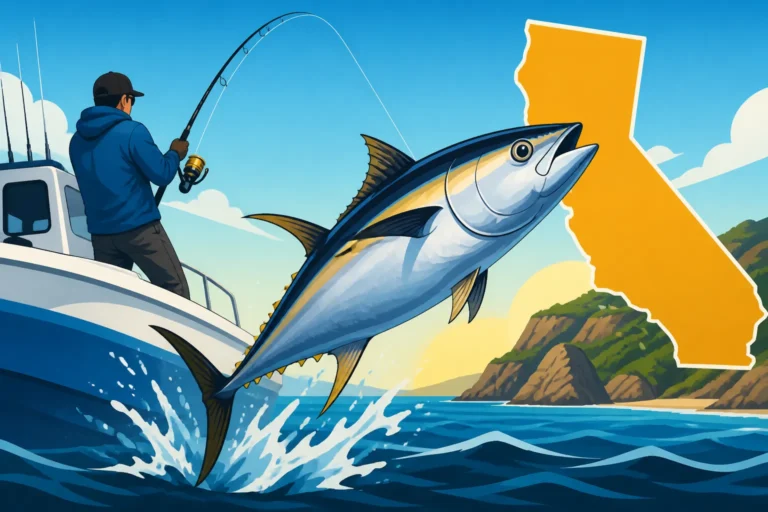
There’s a reason why anglers travel from all over the world, spending thousands of dollars and countless hours, just for a shot at a bluefin tuna. It’s not simply about catching a fish; it’s about the sheer challenge, the primal battle, and the reward of besting one of the ocean’s most formidable adversaries. When a bluefin hits your line, it's like hooking a small car, and the initial run is a heart-stopping adrenaline dump that very few other species can provide.
Beyond the fight, the impressive size of these fish is a major draw. Many bluefin caught off California regularly push well over 100 pounds, with "cows" (fish over 200 pounds) and "super cows" (over 300 pounds) being increasingly common in recent years. The prospect of landing a personal best or even a potential world record keeps anglers coming back, despite the long hours and often high costs associated with these offshore trips. Plus, let's be honest, fresh bluefin tuna sashimi is a culinary delight that's hard to beat!
Bluefin Tuna Species in California Waters
While there are several species of tuna found globally, the primary target for anglers off the California coast is the Pacific Bluefin Tuna (Thunnus orientalis). These fish are distinct from their Atlantic and Southern Bluefin cousins, though they share many characteristics, including their incredible speed and strength. Pacific Bluefin are highly migratory, often traveling thousands of miles across the Pacific Ocean.
They are characterized by their sleek, torpedo-shaped bodies, dark metallic blue backs, and silvery-white bellies. Their powerful caudal fin (tail) acts like a propeller, allowing them to reach bursts of speed over 40 miles per hour. What makes them particularly challenging to catch is their intelligence and keen eyesight, especially in clear offshore waters. They can be incredibly finicky, sometimes ignoring a perfectly presented bait or lure, making the pursuit all the more engaging. Understanding their acute senses and adapting your approach is key to success.
When and Where to Find Them
The bluefin tuna season off Southern California has become somewhat year-round in recent years, but the most consistent action typically heats up from late spring through fall, often peaking in the summer months (June-September). However, strong bites can extend into winter, especially with warmer water conditions. The presence of bluefin is heavily dictated by water temperature, bait concentrations, and ocean currents. They tend to prefer warmer waters, generally above 60-62°F.
They are pelagic fish, meaning they live in the open ocean, far from shore. Key hunting grounds include the offshore banks and islands southwest of San Diego, such as the Cortez Bank, Tanner Bank, and the waters around San Clemente Island, Catalina Island, and San Nicolas Island. These areas offer nutrient-rich upwellings that attract vast schools of baitfish, which in turn attract the bluefin. Floating kelp paddies, often found miles offshore, are also magnets for bait and predators, making them prime targets. Keep an eye on local California Fishing Reports Explained as they often indicate where the bite is currently happening, helping you narrow down your search area.
Essential Gear for Bluefin Tuna
Tackling bluefin tuna requires specialized gear. This isn't the time to bring your freshwater bass setup. You need heavy-duty rods, reels, and terminal tackle designed to withstand the brutal power and endurance of these oceanic athletes. Skimping on quality here will almost certainly lead to heartbreak.
Rods and Reels for Battle
When it comes to bluefin, your rod and reel are your primary weapons. You'll want a heavy-duty conventional reel paired with a robust stand-up rod. For most situations, a setup rated for 60 to 100-pound line is a good starting point, especially for fish in the 40-100 pound range. If you're specifically targeting "cows" (100+ pounds), you'll likely want to step up to 80 to 130-pound class gear.
Reels should have a high line capacity, capable of holding at least 400-600 yards of heavy braid, and a smooth, powerful lever drag system that can deliver significant stopping power (25-50+ pounds of drag at strike). Popular choices include models like the Shimano Talica, Avet HX or EX series, or Penn International reels. Many anglers find excellent options, often with detailed reviews, on platforms like Amazon, ensuring they get reliable equipment for the demanding conditions of bluefin fishing. Rods should be relatively short (5.5-7.5 feet) with a fast to moderate action, providing leverage during the fight without being overly stiff. Brands like Calstar, Seeker, and Phenix are highly regarded for their tuna rods.
Line, Leaders, and Terminal Tackle
Your line setup is critical for bluefin tuna. The standard approach involves a main backing of braided line, known for its incredible strength-to-diameter ratio and zero stretch. For 60-100 pound class setups, 65 lb to 100 lb test braid is common. Over this, a top shot of fluorocarbon or monofilament line is spliced or tied on, typically 50 to 100 feet long. Fluorocarbon is favored for its invisibility in water and abrasion resistance, making it ideal for leaders.
Leader material itself can vary from 40 lb up to 150 lb test fluorocarbon, depending on the size of the tuna, water clarity, and the bite. In finicky conditions, lighter leaders often get more bites, but carry the risk of breaking on a larger fish. Hooks are also crucial, with strong, sharp circle hooks (sized 4/0 to 8/0) being preferred for live bait to ensure a corner-of-the-mouth hookup, which is better for the fish's survival if released and less likely to pull out during a long fight. J-hooks are sometimes used for artificial lures or certain bait presentations. Always ensure your terminal tackle, including swivels and crimps, are heavy-duty and rated for the forces a bluefin can exert.
Safety Gear and Accessories
Beyond your rod and reel, a few key accessories can make or break your bluefin experience and ensure your safety. A quality fighting belt and harness system is absolutely essential, especially if you're targeting larger fish. This gear distributes the immense pressure of a fighting rod across your core, saving your back and arms. Without one, fighting a 150-pound bluefin can quickly become a torturous ordeal.
Gloves, often made of leather or synthetic materials, protect your hands from line burns and the rough texture of the reel handle during prolonged battles. When the fish is boatside, a sturdy gaff (or multiple gaffs for bigger fish) is needed for a safe and efficient landing. Once onboard, a large kill bag or insulated fish bag is vital to bleed and ice down your catch immediately, ensuring the highest quality meat. Don't forget personal safety items like a life vest, especially on smaller boats, along with sun protection (hats, sunglasses, and high-SPF sunscreen). Being prepared extends to knowing basic first aid and staying hydrated throughout the day.
Prime Bluefin Tuna Fishing Techniques
Bluefin tuna are notoriously fickle, and what works one day might not work the next. Successful bluefin anglers are versatile, adapting their techniques to match the fish's behavior, the bait in the water, and the prevailing conditions. Having a diverse arsenal of methods is key.
Live Bait Fishing
Live bait is often the most effective method for tempting bluefin tuna, especially when they are feeding actively or are being picky. The goal is to present a lively, natural-looking baitfish that mimics what the tuna are already eating. Sardines, anchovies, and mackerel are the most common choices, with squid sometimes proving irresistible. Most charter boats will make a stop to catch fresh bait before heading offshore, or you can purchase it from bait receivers.
Presentation is key. Fly-lining a live bait involves simply hooking it (often through the nose or shoulder) and casting it out with no weight, allowing it to swim naturally. This is devastatingly effective when tuna are feeding near the surface. For deeper schools or when a slight presentation adjustment is needed, a small sinker can be added as a "dropper loop" above the hook. Slow trolling live bait, especially mackerel, can also entice bites from reluctant fish. The healthier and livelier your bait, the better your chances. You can find specialized bait tanks and aerators, crucial for keeping bait frisky, on Amazon. Our guide on the Best Baits and Lures for Bluefin Tuna in California offers even more detailed insights into bait selection.
Jigging and Popping
When bluefin are keyed in on artificials or are actively busting on the surface, jigging and popping can be incredibly productive and visually exciting. Surface irons, often collarless and brightly colored, are cast into breaking schools of tuna and retrieved quickly, mimicking a fleeing baitfish. The strike is often explosive and unforgettable. Poppers, large topwater lures that create a splash and commotion when retrieved, are also effective when tuna are feeding aggressively on the surface, simulating a struggling baitfish.
For deeper schools, or when tuna are not showing on the surface, heavy jigs are the go-to. Knife jigs, flat-fall jigs, and speed jigs, weighing anywhere from 100 grams to 500 grams (or more!), are dropped deep and worked vertically. Yo-yo jigging involves dropping a heavy jig to the desired depth and quickly retrieving it with a "yo-yo" motion, creating an erratic, dying-fish presentation. Speed jigging requires a fast, aggressive retrieve that can be physically demanding but immensely rewarding. While technically for a different species, the techniques outlined in our article on Yo-Yo Jigging for Yellowtail share many similarities and can be adapted for bluefin.
Trolling for Bluefin
Trolling is an excellent search pattern technique, especially when the tuna are scattered or difficult to locate. It allows you to cover a lot of water and present multiple lures at varying depths simultaneously. Trolling can also be effective when approaching a known bluefin area, or when the fish are "metering" (showing up on the sonar) but not actively biting live bait or jigs.
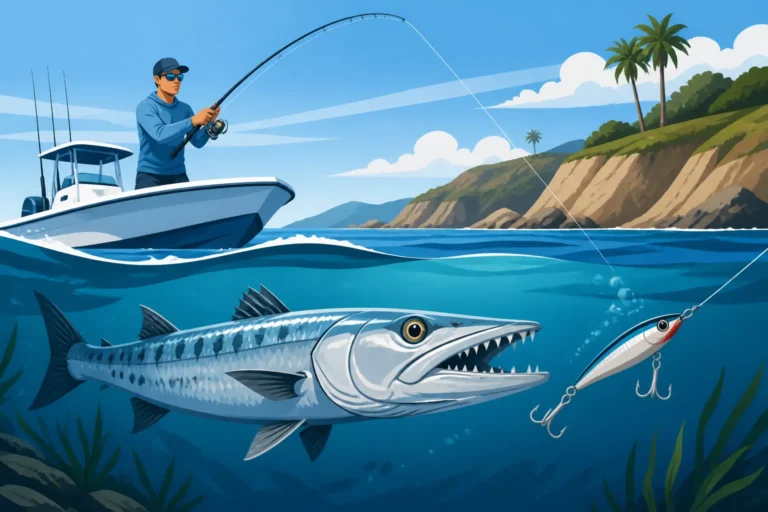
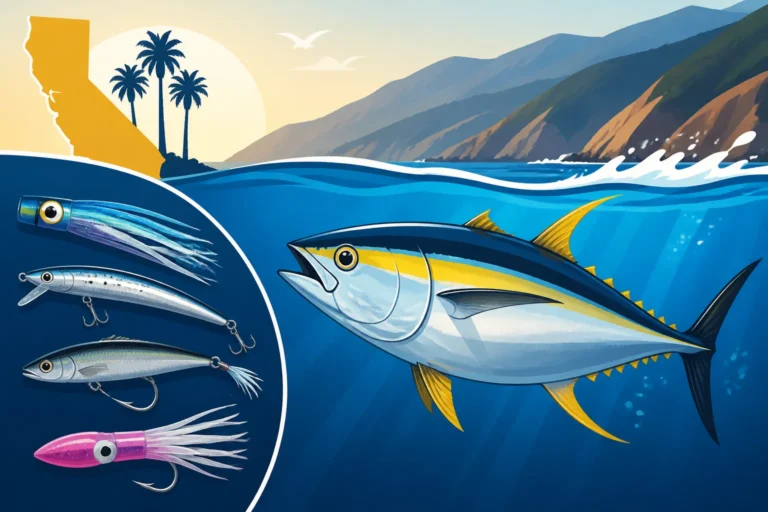
A variety of lures are used for trolling, including cedar plugs, trolling feathers, and large hard-bodied diving lures from brands like Rapala or Yo-Zuri. Specialized spreader bars and daisy chains, which simulate a school of baitfish, are also very effective, drawing attention and often enticing a bluefin to strike the "stinger" lure at the end. Maintaining an optimal boat speed (usually between 5-9 knots, depending on the lures and conditions) and varying your pattern with turns and S-curves can trigger a bite. When a bluefin hits a trolled lure, the scream of the drag is instantaneous and usually signals a serious battle is about to begin.
Locating and Targeting Bluefin Tuna
Finding bluefin tuna in the vast expanse of the Pacific Ocean can feel like searching for a needle in a haystack. However, experienced anglers and captains rely on a combination of technology, environmental cues, and a deep understanding of tuna behavior to pinpoint their elusive targets.
Reading the Ocean: Signs of Life
The ocean provides numerous clues to the whereabouts of bluefin tuna. One of the most obvious indicators is bird activity. Diving birds, especially terns and shearwaters, often signal that baitfish are being driven to the surface by predators from below. A large aggregation of birds actively feeding is a strong sign that tuna or other predatory fish are in the area. Keep an eye out for floating kelp paddies, as these mini-ecosystems attract baitfish and subsequently, hungry tuna.
Beyond visual cues, understanding ocean conditions is vital. Look for temperature breaks, which are areas where cooler and warmer water masses meet, as these often concentrate bait. Color changes in the water, from murky green to clear blue, can also indicate productive zones. Onboard electronics, particularly a good fish finder or sonar, are indispensable. Modern units can mark schools of bait and larger fish like tuna deep below the surface. Many anglers follow specialized weather and sea surface temperature (SST) charts, sometimes found on platforms like Fishdope, to help them predict hot spots. Our guide on How to Read California Fishing Reports can help you decipher these often cryptic updates.
Understanding Tuna Behavior
Bluefin tuna are highly sensitive to their environment and can change their feeding patterns rapidly. They are often most active during dawn and dusk, taking advantage of lower light conditions to ambush prey. Moon phases can also influence their behavior, with some anglers reporting better bites around new or full moons. They are schooling fish, often found in large groups, and their movements are closely tied to the availability of their preferred forage.
They are also incredibly wary. Excessive boat noise, approaching too quickly, or even a heavy leader can spook a school. They can "go deep" or "go dark" on the sonar, disappearing as quickly as they appeared. Understanding that a "bluefin bite" can be fleeting and capitalizing on those short windows of opportunity is paramount. Sometimes, the fish are in a "mood" and will only respond to one specific type of bait or lure, regardless of how many other options you throw at them. Patience and persistence are critical virtues when tuna fishing.
Effective Boat Handling and Chasing
Once bluefin are located, proper boat handling becomes a critical skill. If tuna are busting on the surface, the captain needs to approach carefully, putting the boat in a position that allows anglers to cast into the school without spooking the fish. This often involves "running and gunning" – chasing breaking schools, getting casts in, and then moving again if the school disappears.
During a fight, the boat's maneuvering can significantly impact the outcome. A skilled captain will anticipate the fish's runs, keeping the boat in an optimal position to prevent line from rubbing on the hull or propeller, and minimizing the chances of other lines getting tangled. They might "chase" the fish to regain line, or position the boat to keep the fish off structure. For larger fish, the captain and crew work in concert with the angler, using the boat to apply pressure and guide the tuna towards the gaff. This coordination is a hallmark of successful bluefin operations.
The Fight: Reeling in a Monster Bluefin
This is where the rubber meets the road. Hooking a bluefin is just the beginning; the real test comes in fighting it to the boat. These fish are built for endurance, and the battle can last anywhere from 15 minutes to several hours, pushing both angler and tackle to their limits.
Hookset and Initial Run
When a bluefin takes your bait or lure, the initial strike is often violent and unmistakable. If you're using a circle hook, resist the urge to "set" the hook with a sharp jerk. Instead, simply engage the reel, let the line come tight, and slowly lift the rod. The circle hook is designed to rotate and lodge itself in the corner of the fish's mouth as the fish swims away. With J-hooks or artificials, a firm, powerful hookset is necessary.
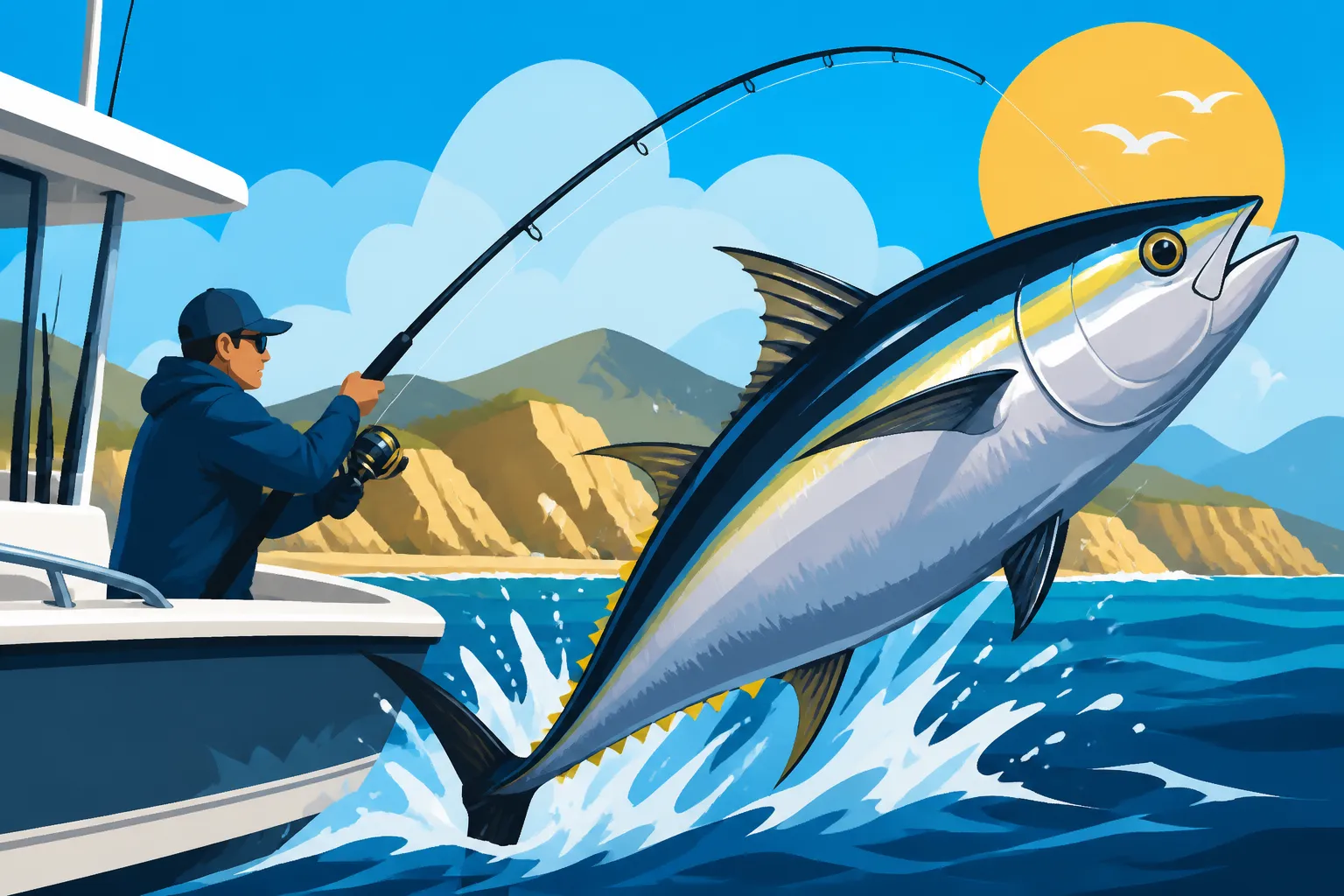
Brace yourself immediately after the hookset, because the bluefin's first run is legendary. It will strip line off your reel at an incredible speed, often accompanied by the exhilarating scream of your drag. Do not try to stop this run; let the fish take line. Your primary goal is to ensure the hook is set securely and to maintain a proper fighting angle, keeping the rod tip pointed towards the fish and letting the rod absorb the shock. If you try to lock down the drag too early, you'll either break the line or pull the hook.
Fighting Techniques and Strategy
The fight with a bluefin tuna is a war of attrition. The most effective technique is often the "pump-and-reel" method. This involves lifting the rod to gain line, then lowering the rod quickly while simultaneously reeling in the slack. It's a rhythmic, continuous motion that allows you to gain ground without overpowering the fish or exhausting yourself prematurely. Engage your fighting belt and harness early, and rely on your legs and core, not just your arms, to do the work.
Staying hydrated and focused is crucial during a long fight. Communicate with the deckhands or captain – they can offer advice, adjust the boat, or help with tangles. Avoid "thumbing" the spool or adding extra pressure unless specifically instructed, as this can lead to line breaks. If you're fishing on a party boat, be mindful of other anglers and try to keep your line clear. The fish will make multiple powerful runs, especially as it gets closer to the boat. Be prepared for these surges and adjust your drag as needed. Don't be afraid to take a brief break if your arms are burning, but never take your eyes off the rod or relax your pressure.
Landing and Handling Your Catch
As the bluefin finally comes boatside, the last few moments are often the most critical. This is when the fish is typically most aggressive and dangerous, capable of a sudden, powerful dive or head shake. The deckhands will be ready with gaffs. It’s imperative to follow their instructions precisely. Keep the fish on the surface and lead it towards the gaffs. Don't try to pull it into the boat yourself.
Once the gaffs are in and the fish is onboard, immediate and proper handling is essential for meat quality. Bleeding the fish by cutting the gills or tail immediately after landing rapidly reduces lactic acid buildup and removes blood from the flesh, resulting in better-tasting tuna. After bleeding, the fish should be placed into an insulated kill bag or iced down quickly to cool its core temperature. This preserves the quality of the highly prized meat. While most bluefin are kept, occasionally smaller ones might be released. If so, refer to California Catch-and-Release Rules to ensure the fish has the best chance of survival.
Regulations, Safety, and Best Practices
Like all forms of fishing in California, pursuing bluefin tuna comes with its own set of rules and safety considerations. Adhering to these not only keeps you legal but also promotes sustainable fishing practices and ensures everyone has a safe and enjoyable experience on the water.
California Bluefin Tuna Regulations
Before every bluefin trip, it is absolutely essential to familiarize yourself with the current regulations set forth by the California Department of Fish and Wildlife (CDFW) and federal agencies like NOAA Fisheries. Bluefin tuna populations are closely monitored, and regulations can change, sometimes without much notice, based on stock assessments and conservation needs.
Typical regulations include daily bag limits, which specify how many bluefin tuna you can keep per angler per day. These limits can vary based on the size of the fish, with different limits for smaller versus larger tuna. There might also be possession limits, covering how many fish you can have in your possession at any given time (e.g., at home). While bluefin don't typically have specific "season dates" in the way salmon do, always check for any emergency closures or quota adjustments. You will need a valid California Fishing License Guide and potentially an California Ocean Enhancement Stamp if fishing south of Point Arguello. Always refer to the most current California Tuna Regulations and Limits before your trip to avoid fines and ensure you're compliant.
Safety on the Open Ocean
Offshore fishing for bluefin tuna takes you far from shore, often into conditions that can change rapidly. Safety should always be your number one priority. Before departing, ensure your vessel (whether it's yours or a charter) has all required safety equipment, including properly fitting life jackets for everyone on board, emergency flares, a functional VHF radio, and a first-aid kit.
Keep a close eye on marine weather forecasts. Sudden swells, strong winds, or fog can make for a miserable or even dangerous trip. If you're prone to seasickness, take preventative measures well in advance, as being seasick on a long offshore trip can ruin the experience for everyone. Staying hydrated, eating light meals, and getting enough rest before your trip can help. Our article on How Seasickness Works on California Offshore Trips offers more in-depth advice. Always inform someone on shore of your float plan and expected return time.
Ethical Angling and Conservation
As responsible anglers, we have a vital role to play in the conservation of bluefin tuna. These fish are a highly valued global resource, and their populations have faced challenges over the years. Adhering strictly to bag and size limits is not just about legality; it's about doing your part to ensure future generations can also enjoy the thrill of bluefin fishing.
Practice proper catch and release techniques if you intend to release a fish, minimizing stress and injury. Handle fish gently, and get them back in the water quickly. Avoid unnecessary mortality. Support organizations that conduct research and advocate for sustainable fishing practices. By being an ethical angler, you contribute to the longevity of the fishery, ensuring that the incredible bluefin tuna continues to thrive in California waters.
Planning Your Bluefin Tuna Adventure
Bluefin tuna fishing is an investment in time, effort, and money. Proper planning can significantly enhance your chances of success and ensure you have an unforgettable experience, whether you're heading out on your own boat or booking a charter.
Chartering a Bluefin Tuna Trip
For many, especially those new to offshore fishing or without their own suitable vessel, booking a fishing charter is the best way to pursue bluefin tuna. California boasts a fleet of world-class sportfishing operations, particularly out of San Diego (like H&M Landing, Point Loma Sportfishing, and Fisherman's Landing), Orange County (like Dana Point Sportfishing), and Long Beach. These charters provide experienced captains and deckhands, specialized gear, and the knowledge to find the fish.
You generally have two options: a private charter (where you book the entire boat for your group) or an "open party" or "party boat" trip (where you book a single spot on a larger vessel with other anglers). Private charters offer more flexibility and personalized attention, while party boats are more budget-friendly. When choosing a charter, look for boats with a good reputation for bluefin, experienced crews, and well-maintained equipment. Our California Fishing Charters: Complete Guide can help you navigate the options, and How to Book a California Fishing Charter provides step-by-step advice. Don't hesitate to call the landings and ask about their recent bluefin counts and success rates.
Preparing for an Overnight or Multi-Day Trip
Bluefin tuna often require long runs far offshore, meaning many trips are overnight or even multi-day excursions. This requires a different level of preparation than a half-day inshore trip. You’ll need to pack essential clothing layers, as offshore temperatures can fluctuate dramatically. Think warm, waterproof layers, sturdy non-slip footwear, and extra socks.
Beyond clothing, pack personal toiletries, any medications you need, and plenty of snacks and non-alcoholic beverages. Most boats provide meals, but having your favorite treats can boost morale during a tough bite. A good sleeping bag and pillow are essential for overnight comfort, as bunks can be sparse. Consider bringing a portable battery pack for charging electronics, though many boats have outlets. Mentally and physically, prepare for long periods of standing, strenuous fighting, and potentially rough seas. Our guide on What to Pack for an Overnight Tuna Trip has a detailed checklist to ensure you don't forget anything vital.
Maximizing Your Chances of Success
While bluefin fishing is never a guarantee, you can definitely tip the odds in your favor. First and foremost, stay informed. Monitor online fishing forums, social media groups, and official California Fishing Report Cards Explained from sportfishing landings for the latest bite updates, water conditions, and preferred techniques. These reports are goldmines of information and can guide you to the hot spots.
Listen intently to your captain and crew. They are the experts, spending countless hours on the water. Follow their advice on bait selection, presentation, and fighting techniques. Practice your casting and jigging motions before your trip so you're not fumbling when a school boils up. Familiarize yourself with your gear, especially the drag settings on your reel. Ultimately, bluefin fishing demands patience and persistence. There will be slow periods, but those moments of intense action make all the waiting worthwhile. Stay positive, keep your lines in the water, and be ready to spring into action at any moment.
| Bluefin Tuna Fishing Method | Pros | Cons | Ideal Conditions | Gear Considerations |
|---|---|---|---|---|
| Live Bait (Fly-lining) | Very natural presentation; often gets bites when fish are finicky. High success rate. | Can be challenging to keep bait healthy. Might require light leaders, increasing break-off risk. | Fish feeding on surface or shallow. Clear water. | Circle hooks, fluorocarbon leader, light sinker (optional). |
| Live Bait (Slow Trolling) | Covers water while presenting natural bait; effective for scattered fish. | Slower pace than chasing schools; less immediate action. | Fish are spread out; calmer seas. | Heavy-duty conventional gear, mackerel/sardines. |
| Jigging (Yo-Yo/Speed) | Highly effective for deep, non-surface showing schools. Can be very exciting. | Physically demanding; requires specific technique. | Fish are deep; active marks on sonar. | Heavy jigs (knife/flat-fall), strong braided line, sturdy rods. |
| Popping (Topwater) | Incredibly visual and exciting; triggers aggressive strikes. | Only effective when fish are actively busting on the surface. | Fish are actively crashing bait on the surface. | Large poppers, stout spinning or conventional gear, good casting ability. |
| Trolling (Lures/Spreader Bars) | Excellent for covering large areas and locating schools; presents a "school" of bait. | Less engaging for the angler during the "search" phase. | Searching for fish; rougher water where bait is hard to see. | Heavy trolling rods, large capacity reels, various lures/spreader bars. |
Disclaimer
The information provided in this guide is for general informational purposes only. Fishing regulations, seasons, and limits are subject to change by state and federal agencies. Always consult the latest official California Department of Fish and Wildlife (CDFW) regulations and federal guidelines before embarking on any fishing trip. Adherence to all applicable laws and safety practices is the responsibility of the angler.