How to Read California Fishing Reports
You know that feeling. You're gearing up for a much-anticipated fishing trip in California, maybe even a long-range run out of San Diego or a quiet morning on a Sierra lake, and you start scouring the internet for intel. You click on a "fishing report," hoping for a crystal-clear picture of what's biting, where, and how. But more often than not, you're met with a jumble of terms, obscure boat names, and vague references that leave you more confused than when you started. It's frustrating to dedicate time and money only to feel like you're reading a foreign language. That's why this guide is here to demystify California fishing reports, teaching you how to truly read between the lines and turn that cryptic chatter into actionable intel for your next successful outing.
Why California Fishing Reports Are Your Secret Weapon
Let's be real, showing up to a fishing spot completely blind is a recipe for a tough day. While there's something to be said for intuition and local knowledge, fishing reports are like having a direct line to what's happening right now on the water. They offer a snapshot of ever-changing conditions, giving you a serious edge. Ignoring them is like driving without GPS – you might get there, but it'll be a lot harder and you'll likely miss some prime turn-offs.
The Dynamic Value of Up-to-the-Minute Intel
California's waters, both fresh and salt, are incredibly diverse and constantly in flux. What worked last week, or even yesterday, might be completely off today. Fish move, water temperatures shift, bait schools come and go, and weather patterns can turn a hot bite into a dead zone in a matter of hours. This dynamic environment is exactly why current fishing reports are so invaluable. They offer insights into:
- Current Bite Trends: Are the yellowtail on kelp patties, or are they deep on the yo-yo jig? Are the trout hitting PowerBait or small spinners? This isn't just about what species are being caught, but how they're reacting to current conditions. Knowing this can save you hours of trial and error, ensuring you're using the right gear and techniques from the get-go.
- Location Specificity: Reports often pinpoint very specific areas. Instead of just "San Francisco Bay," a good report might say "south end of Alcatraz" or "Paradise Cay." For freshwater, it could be "the narrows at Lake Castaic" or "the inlet of the Lower Owens River." This hyper-local detail is gold, especially when you're targeting a particular species that prefers certain structures or depths.
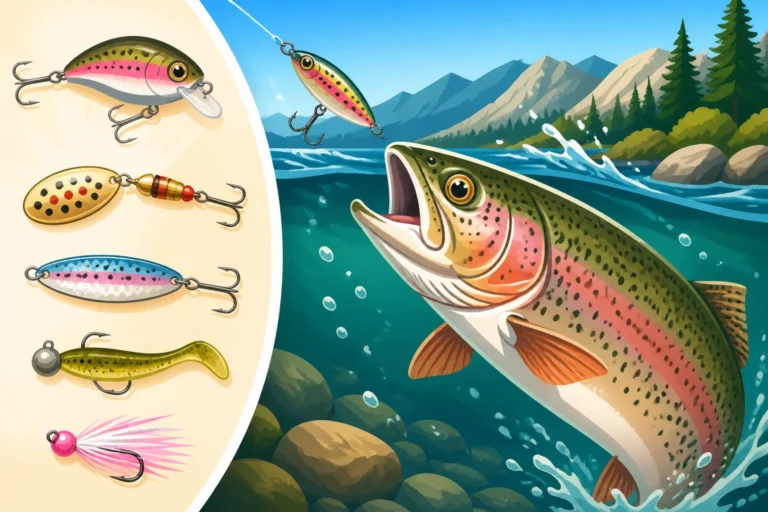
- Bait and Lure Preferences: This is huge! Fish can be incredibly picky. A report detailing that the bluefin tuna are only biting on a specific size of flat-fall jig, or that the largemouth bass at Clear Lake are keying in on topwater frogs in the morning, can completely change your tackle selection. You might learn that the local bait receiver just got a fresh supply of live anchovies, which are currently out-fishing everything else for rockfish.
Deciphering the Angler Lingo and Report Jargon
Here's where many people hit a wall. Fishing reports are often written by seasoned captains, tackle shop owners, or hardcore anglers who assume everyone understands their shorthand. It can feel like a secret language, full of abbreviations and insider terms. But once you learn a few key phrases, it all starts to click.
- "Boiled" or "Foamed": This often refers to tuna or other pelagic species aggressively feeding on baitfish near the surface, creating a visual disturbance in the water that looks like it's boiling. If you see this in a report, it means topwater presentations or fly-lining live bait might be effective.
- "Metered Fish": This means fish were observed on the boat's sonar (fish finder), but they weren't biting. It’s a frustrating report detail, indicating fish are present but not aggressive. You might need to experiment with different depths, retrieve speeds, or bait presentations if you encounter this.
- "Squidding": This refers to fishing with live squid, often for species like white seabass or halibut. If the report says they're squidding, it means live squid is likely the hot bait, and you should check if your local bait shop has it.
- "Yo-yo Jigging": A common technique for deeper-dwelling offshore species like yellowtail or bluefin tuna, where a heavy metal jig is rapidly dropped to the bottom and retrieved in an erratic, vertical motion. If the report mentions yo-yo, you'll need those heavy metal jigs, perhaps something like a Salas 6X or a Tady 45, readily available on Amazon or at local tackle shops.
- "Kelps" or "Paddies": These are floating mats of kelp, often found offshore, which provide cover and a food source for baitfish and predators like yellowtail or dorado. If a report mentions fishing "the kelps," it means boats are targeting these floating structures.
- "Deep Drop": This refers to fishing in very deep water, sometimes hundreds of feet down, often for species like swordfish or certain rockfish. It implies specialized gear, including electric reels, might be in play.
- "Flies": While often used for trout or steelhead in freshwater, in saltwater reports, "flies" can sometimes refer to specific artificial lures or small, weighted jigs used to imitate baitfish, particularly for tuna or yellowtail that are feeding on tiny anchovies.
Understanding these terms helps you quickly grasp the situation and plan your approach, from your tackle selection to your fishing technique. It moves you from scratching your head to nodding knowingly.
Where to Find and What to Look For in a California Fishing Report
Finding reliable, up-to-date fishing reports is the first hurdle. Once you know where to look, dissecting the information becomes much easier. It's about knowing which sources cater to your specific type of fishing and what key data points to prioritize.
Top Sources for Reliable Reports
California boasts a fantastic network of reporting sources, each with its own focus and style. It's often best to cross-reference several to get the most complete picture.
- Sportfishing Landings and Charter Boat Websites: For saltwater fishing, especially out of Southern California, these are goldmines. Landings like H&M Landing, Fisherman's Landing, Point Loma Sportfishing in San Diego, or Davey's Locker in Newport Beach post daily fish counts and often detailed reports from their captains. They'll tell you what the boats caught, what methods worked, and sometimes even the water conditions. For the Central and Northern California coasts, check out landing sites in Monterey, Santa Cruz, Half Moon Bay, and Bodega Bay. These reports are usually direct from the source and highly credible. You can learn a lot about California Party Boat Fishing Explained by regularly checking these sites.
- Department of Fish and Wildlife (CDFW) Website: While not "fishing reports" in the traditional sense, the CDFW website is crucial for understanding regulations, stocking schedules, and official closures. Before you even think about fishing, you absolutely need to consult the California Fishing Regulations Explained and understand things like California Salmon Season Dates or California Rockfish Depth Restrictions. This isn't about the bite, but about staying legal and knowing what's open.
- Reputable Online Forums and Facebook Groups: Websites like Bloodydecks.com for Southern California saltwater or Western Outdoor News (WON) for broader coverage often have active forums where anglers share their own reports. Facebook groups dedicated to specific lakes (e.g., "Clear Lake Bass Fishing" groups) or regions are also fantastic. Just be a little discerning here – some anglers "sandbag" (intentionally downplay success to keep spots secret) or exaggerate. Always take these with a grain of salt and cross-reference with official landing reports.
- Local Tackle Shops: Never underestimate the power of walking into your local tackle shop! Places like Fisherman's Hardware in Santa Cruz or Sav-On Tackle in Santa Fe Springs are run by passionate anglers who are usually on the water or talking to people who are. They get real-time intel and can give you specific recommendations on bait and gear. They're often the first to know about a hot bite on a local pier or a particular lake.
- Online Platforms and Apps: Sites like FishDope (primarily for Southern California offshore) or apps like Fishbrain often aggregate reports and provide mapping features with recent catches. While user-generated, they can offer a broader view of what's happening across a wider area.
Key Elements to Scan First in a Report
When you open a fishing report, it's easy to get overwhelmed by the text. Train your eyes to quickly identify these core pieces of information first:
- Date of Report: This is paramount. A report from yesterday is good; a report from three days ago is becoming less relevant; a week old? Likely useless for fast-changing conditions.
- Location: Where exactly was the fishing done? "Offshore" is too vague. Look for "Tanner Bank," "Coronado Islands," "Pyramid Lake," "American River." Specificity helps you visualize the area and assess its proximity to your planned trip.
- Target Species and Catches: What fish are they talking about? Are they focusing on California Halibut Regulations and Limits or California Largemouth Bass Fishing Techniques? Don't get distracted by a report on bluefin tuna if you're trying to catch rainbow trout. Note what was caught and how many.
- Fishing Method/Technique: Was it trolling, drift fishing, jigging, bait fishing, fly fishing? This tells you a lot about what worked. "Dropping plastics on rockpiles" tells you exactly what kind of gear you might need for California Rockfish Rules in the Central Management Area.
- Bait/Lure Used: Did they use live anchovies, cut squid, plastics, spoons, flies? This is critical for preparing your tackle box. If a specific color or brand is mentioned, pay attention! You can often find a good selection of these on Amazon.
- Water Conditions (Temperature, Clarity): Water temp is a huge factor, especially for saltwater species. Look for "68-degree water" or "green water up north." This can indicate where the warm-water species are or if a cold upwelling has put the fish down. Clarity matters too, especially in freshwater – "stained water" means different lure colors might be necessary.
- Weather: Wind, swell, fog. These aren't just for comfort; they directly impact fishing success and safety. Heavy wind can shut down a bite or make it impossible to fish certain spots.
Here's a quick reference table for key report elements:
| Element | Why It Matters | Example Phrases |
|---|---|---|
| Date | Recency is key for dynamic conditions. | "Report from 10/26," "Yesterday's run" |
| Location | Pinpoints where the action is. | "Outer Banks," "DVL," "Mouth of the Klamath" |
| Target Species | Confirms what's biting. | "Yellowtail," "Rainbow Trout," "Striped Bass" |
| Methods | Tells you how fish were caught. | "Yo-yo jigging," "Trolling Rapalas," "Drifting live shad" |
| Bait/Lures | Crucial for tackle selection. | "Live squid," "Mackerel," "Senkos," "Rooster Tails" |
| Water Temp | Major factor, especially for pelagics. | "64-degree water," "Warm water break" |
| Water Clarity | Influences lure color/presentation. | "Clear," "Stained," "Murky" |
| Weather | Impacts safety and fish activity. | "Light breeze," "Heavy swell," "Foggy morning" |
| Catch Stats | Indicates bite strength. | "Boat limits," "Pick on the 3/4-day," "A few quality fish" |
Reading Between the Lines: More Than Just the Words
Sometimes, what isn't explicitly stated in a fishing report can be as important as what is. This is where experience and a little critical thinking come in.
- Vague Language: If a report from a charter boat says, "We had a tough day, but managed to scratch out a few limits of rockfish," it often means the bite was slow, and they worked hard for those fish. If they're vague about a specific hot spot, it might be an attempt to keep it secret. Conversely, if a report is overflowing with specific details about location, bait, and technique, it's a strong indicator that the bite is wide open and they're happy for you to join in.
- Lack of Specific Species: If a report usually talks about a variety of fish but only mentions one or two species this time, it might mean the others aren't biting at all. For instance, if you usually see reports about yellowtail, calico bass, and barracuda, but suddenly it's only "a few yellowtail," it implies the inshore bite is non-existent.
- Emphasis on "Quality" vs. "Quantity": Reports often distinguish between catching many small fish and a few large, "quality" fish. If they highlight "quality," it suggests a tougher bite overall, but with potential for a trophy. If it's "boat limits" or "wide-open," it's about sheer numbers.
- "Scratching" or "Grinding": These terms indicate a slow, difficult bite where anglers have to work exceptionally hard for each fish. Don't expect easy fishing if you see these words!
- Promotional Language: Be wary of reports that sound overly promotional without hard data. "Great fishing ahead!" is less useful than "We landed 25 yellowtail on surface iron at the Cortez Bank." Reputable landings will usually give detailed, factual accounts.
By paying attention to these nuances, you can develop a more accurate understanding of current fishing prospects and avoid unnecessary disappointment or wasted trips.
Applying Report Insights to Your Fishing Trip
Okay, you've read the reports, decoded the jargon, and feel like you have a good handle on things. Now, how do you translate that information into actual success on the water? This is where the rubber meets the road, folks. It’s about being adaptable and smart with your preparation.
Adjusting Your Gear and Bait Selection
This is perhaps the most immediate and tangible benefit of reading fishing reports. The intel should directly influence what you pack and what you leave behind.
- Rod and Reel Setup: If reports indicate a hot bite on big bluefin tuna, you'll need heavy gear – think 80-130lb braided line, stout rods, and reels with plenty of drag, like a Penn International or a Shimano Talica. If it's light tackle yellowtail on the kelps, you might opt for a lighter 40-60lb setup, still capable of handling strong fish but more sporting. For trout, ultra-light spinning gear or a 5-weight fly rod will be the ticket. Checking out How to Catch Bluefin Tuna off California or How to Fish for Trout in California can help you match your setup.
- Lure and Bait Selection: This is paramount. If reports are screaming "live mackerel," you need to find a way to get live mackerel. If the rockfish are slamming squid strips on a dropper loop rig, then make sure you have plenty of squid and pre-tied rigs. For bass, if it's "reaction bites on crankbaits in the morning," make sure your crankbait box is stocked. If they're hitting a specific brand or color, like a Lucky Craft Pointer or a Zoom Fluke in watermelon seed, make a note and pick some up. You can often find a good variety of these specialized lures and tackle accessories on Amazon if your local shop is out.
- Line Choices: Reports might hint at the need for fluorocarbon leaders if the fish are line-shy, especially for species like calico bass or wary trout. For heavy offshore fishing, a strong monofilament topshot over braid might be preferred for shock absorption. Understanding California Freshwater Fishing Regulations and California Saltwater Fishing Regulations sometimes even dictates specific line types, like barbless hooks.
- Other Essentials: Beyond rods and reels, reports can influence other items. If it's a long-range offshore trip with predicted boils, you might bring more casting jigs and a casting stick. If it's a freshwater lake known for night fishing, you'll need headlamps and glow sticks. Don't forget an appropriate net or gaff based on the size of fish reported!
Optimizing Your Timing and Location Strategies
Reading fishing reports isn't just about what gear to bring; it's about when and where to deploy it effectively. This is where you leverage the report's insights to maximize your time on the water.
- Best Time of Day: Reports often mention if the bite was better in the morning, during the mid-day lull, or towards the evening. "Early morning topwater bite" for bass tells you to be on the water at dawn. "Tuna biting throughout the day" means you've got more flexibility. For saltwater, specific tide changes can be crucial. Many species, like halibut, prefer certain parts of the tide cycle, especially if the report suggests Best Tides for California Halibut.
- Specific Structures or Depths: "Fishing the 100-foot curve," "working the ledges," "kelp line in 40 feet of water" – these are incredibly useful details. If you're fishing a new lake, knowing that the crappie are stacked on brush piles in 15 feet of water or that the sturgeon are in the deep channels of the Delta can save you hours of searching. Referencing resources like Best Fishing Spots in California in conjunction with current reports can further refine your chosen area.
- Weather and Water Conditions: The report's weather section is vital for planning. If 20-knot winds are predicted offshore, a nearshore trip or a calm lake might be a better choice. If a cold front just moved through, fish activity might be slower, or they might move deeper. Conversely, a warming trend can ignite a bite. Always check the forecast against the report's weather notes.
- Boat Movement and Drifts: For boat anglers, reports might describe successful drift directions or trolling patterns. "Drifting with the current over the reefs" or "trolling at 5 knots along the weed line" are clues to replicate successful tactics.
By meticulously planning your timing and location based on these insights, you significantly increase your chances of finding fish and putting them in the boat. It's about working smarter, not just harder.
Common Pitfalls and How to Navigate Them
Even with the best reports, fishing is fishing. There are always variables, and reports aren't foolproof. Knowing the common pitfalls can help you manage expectations and adapt.
- Conditions Change Rapidly: This is the golden rule. A report from yesterday can be outdated if a major weather front, a significant swell, or a massive temperature swing occurred overnight. Always consider the most recent information, and be prepared to adapt if conditions on the water don't match the report. A hot bluefin bite reported from yesterday can evaporate with a shift in currents or bait.
- "Sandbagging" or Exaggeration: Some reports, especially those from competitive anglers or charter captains, might be intentionally vague to protect a secret spot ("sandbagging") or slightly embellished to attract business. It’s important to read between the lines, as discussed earlier. Look for consistency across multiple reports. If only one boat is reporting an incredible bite while others are quiet, be skeptical.
- Crowd Control: A fantastic, detailed report can sometimes lead to an explosion of anglers at a particular spot. While this is a testament to the report's accuracy, it can also make fishing tougher due to increased pressure. Be mindful of this and consider having a backup plan or heading out during off-peak hours if possible.
- Your Own Skill and Experience: A report might say "limits of bass on topwater," but if you've never fished topwater before, your results might differ significantly. Reports guide you, but personal skill, persistence, and local knowledge play a huge role. Don't get discouraged if your first attempt doesn't match the pros. This is where practicing California Bass Fishing Techniques, for example, becomes essential.
- Gear Limitations: If a report consistently highlights a technique or tackle you don't have, it might be a hint to upgrade or borrow. However, don't feel pressured to buy every piece of gear mentioned. Often, there are alternative methods or similar lures you already own that can produce results.
Ultimately, fishing reports are a powerful tool, but they are just one piece of the puzzle. Combine them with your own observations, intuition, and a willingness to experiment. The more you use them, the better you'll become at interpreting their messages and turning them into successful California fishing adventures. And remember, sometimes the best part of fishing is the unexpected, no matter what the report said!
Disclaimer
Please note that fishing regulations, seasons, and conditions can change rapidly. Always consult the official California Department of Fish and Wildlife (CDFW) regulations booklet or website before heading out to fish. Information provided in this guide is for general informational purposes only and should not be considered legal advice or a substitute for current official regulations.