California Party Boat Fishing Explained
You see the fish counts posted at the landing, the boat looks huge, and the ticket is affordable compared with a private charter. Then the questions start. Where do you stand? Who baits the hook? What is a jackpot, do you need a licence, and how much should you tip? This guide explains how California party boat fishing works from ticket to fillet bag.
What a California Party Boat Actually Is
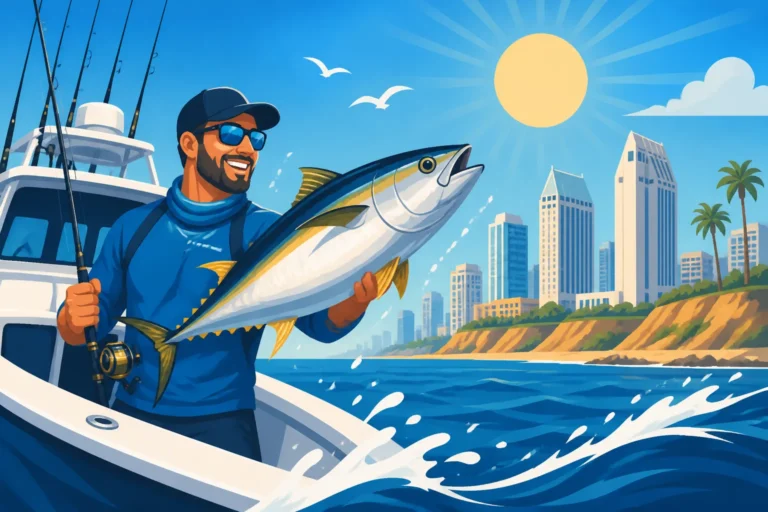
If you have spent any time near a California harbour, you have seen them: big white sportfishing boats loaded with anglers, rods bristling from the rails, gulls trailing behind as they come back in the afternoon. These are party boats, also called open party boats, head boats or sportfishers. They are the most common way that ordinary Californians and visitors get out on the ocean to fish, and they have been part of coastal life for generations.
Open Party Versus Private Charter
The defining feature of a party boat is that you buy a seat, not the whole boat. You purchase an individual ticket, show up at the landing, and fish alongside everyone else who bought a ticket for the same trip. The boat, captain and crew are shared. That is the opposite of a private charter, where your group books the entire vessel and controls the schedule, target species and number of anglers.
For most people, the open party model is the most affordable way to fish offshore. You get access to a large, well-equipped boat, an experienced captain who knows where the fish are, and a crew that handles bait, gaffing and cleaning, all for the price of a single ticket. The trade-off is that you share the rail with strangers and have no say over where the boat goes or when it moves.
Picture two friends planning a Saturday on the water out of Long Beach. If they book a private six-pack boat, they split the cost of the whole vessel between two people and get the captain’s full attention. If they buy two tickets on a half-day party boat, they pay a fraction of that, fish with thirty or forty other anglers, and rely on the crew’s general help rather than one-on-one coaching. Neither choice is wrong; they simply buy different experiences. For a deeper comparison, see California Private vs Shared Charters.
Sportfishing Landings and How They Work
In Southern California especially, party boats operate out of sportfishing landings. A landing is a business that runs or hosts a fleet of boats, a ticket office, a tackle shop and often a bait receiver, galley and fish processing service. In San Diego, Fisherman’s Landing, H&M Landing, Point Loma Sportfishing and Seaforth in Mission Bay are well-known examples. Farther north, you will find landings and sportfishing operations in Oceanside, Dana Point, Newport Beach, Long Beach, San Pedro, Marina del Rey, Santa Barbara, Morro Bay, Monterey, Half Moon Bay, the East Bay and Bodega Bay.
Landings sell tickets for every boat in their fleet, post daily fish counts, rent gear, sell licences and handle check-in. Some boats are owned by the landing; others are independently owned and simply operate out of it. That matters when you have a question about a specific trip, because the landing office may have to check with the boat’s own office about schedules, special requests or refunds.
The landing is also where you learn the local rhythm. Spend ten minutes reading the chalkboard or screens with the fish counts, watch the boats unload in the afternoon, and chat with the tackle shop staff. You will quickly get a feel for which boats are fishing where and what is biting. For an introduction to one of the busiest landings on the coast, see Fisherman’s Landing San Diego Guide.
Who Party Boats Are For
Party boats suit a wide range of anglers. Beginners can learn from the crew and from watching experienced anglers around them. Families can introduce kids to ocean fishing without the cost of a private charter. Seasoned anglers can chase specific species without owning a boat. And visitors to California can spend a day on the water with minimal planning and no gear of their own.
They are not ideal for everyone. If you want a quiet, private experience, or you need to control the schedule, a party boat may frustrate you. If you are prone to seasickness and the trip is long, you may want to start with a short half-day trip. If you have mobility limitations, ask the landing about boarding, deck layout and restroom access before you buy a ticket.
For most people, though, a party boat is the gateway to California saltwater fishing. Plenty of anglers who now own their own boats or book long-range trips started with a half-day ticket and a rental rod.
Trip Types and Lengths
Party boats run trips of many lengths, from a few hours close to shore to multi-day voyages hundreds of miles offshore. The trip length shapes the target species, the cost, the gear and the whole experience.
Half-Day and Three-Quarter-Day Trips
Half-day trips are the bread and butter of California party boat fishing. They typically run about five to six hours, often with a morning and an afternoon departure. They fish close to the coast, over kelp beds, reefs and sandy bottom, targeting calico bass, sand bass, rockfish, sculpin, barracuda, bonito, mackerel and sometimes halibut or yellowtail.
Three-quarter-day trips run longer, giving the captain more time to travel to better spots, such as offshore banks, the edges of kelp beds farther from port, or nearby islands. They are a good middle ground for anglers who want more fishing time without committing to a full day.
A useful way to think about it: on a half-day trip you spend a good share of your time travelling and moving between spots, so the actual fishing time is limited. On a three-quarter-day trip, the extra hours often go straight into fishing. If you have the time and you are not worried about seasickness, the longer trip usually gives you better odds. The comparison is laid out in California Half-Day vs Full-Day Charters.
Full-Day, Overnight and Multi-Day Trips
Full-day trips often head to offshore islands and banks, such as the Coronado Islands off San Diego, Catalina and San Clemente Islands off Los Angeles and Orange County, or the Channel Islands off Santa Barbara and Ventura. They target bigger fish like yellowtail, white seabass, lingcod and larger rockfish, and the boats are often a bit bigger and better equipped.
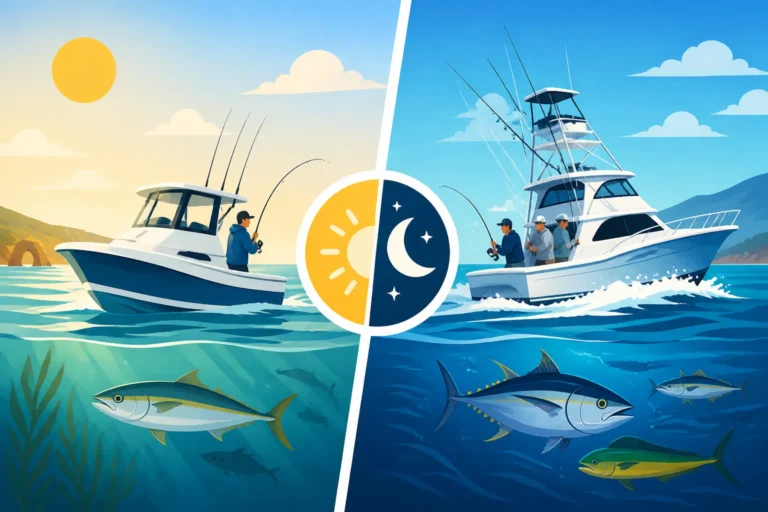
Overnight and 1.5-day trips leave in the evening and fish the next day, often targeting tuna and other offshore species. Anglers sleep in bunks during the ride out and wake up at first light on the fishing grounds. Multi-day long-range trips out of San Diego can run from three days to two weeks or more, travelling deep into Mexican waters for tuna, wahoo and other big game. These trips are a different world, with specialized gear, assigned bunks, freezers and full galley service.
Longer trips usually limit the number of passengers, which means more room at the rail and more attention from the crew. They also demand more from you: more gear, more stamina and a tolerance for open ocean conditions.
Specialty Trips and Seasonal Targets
Many landings run specialty trips at certain times of year: rockfish and lingcod trips during the groundfish season, white seabass trips when the squid are running, bluefin and yellowfin tuna trips in summer and fall, and salmon trips out of Northern California ports when the season is open. Some boats offer combination trips, such as rockfish and Dungeness crab out of Bodega Bay or Half Moon Bay.
Check schedules and fish counts to see what each boat is targeting. Seasons change with water temperature and bait, and a trip that was hot last week may be slow this week. When warm water pushes north in some summers, Southern California boats see more tuna and dorado close to home; in cooler years, the focus shifts back to bass, rockfish and yellowtail. For offshore tuna specifically, see How to Catch Tuna on a California Party Boat.
| Trip Type | Typical Length | Common Targets | Best For |
|---|---|---|---|
| Half-day | 5 to 6 hours | Calico bass, rockfish, bonito, mackerel | Beginners, families, budget trips |
| Three-quarter-day | 8 to 10 hours | Yellowtail, rockfish, bass, halibut | Anglers wanting more time |
| Full-day | 10 to 14 hours | Island yellowtail, seabass, lingcod | Experienced anglers |
| Overnight or 1.5-day | 20 to 36 hours | Tuna, yellowtail, dorado | Offshore big game |
| Long-range | 3 days to 2 weeks or more | Tuna, wahoo, big game | Dedicated anglers |
A Port-by-Port Look at California Party Boats
California’s coastline is long, and party boat fishing looks very different in San Diego than it does in Bodega Bay. Knowing what each region offers helps you pick the right trip.
San Diego and the Southern Border
San Diego is the capital of California party boat fishing. Its landings on Point Loma and in Mission Bay run everything from half-day kelp bass trips to the famous long-range fleet. Half-day boats fish the Point Loma kelp beds and the La Jolla area, while three-quarter and full-day boats often run to the Coronado Islands just across the border in Mexican waters.
Summer and fall bring offshore trips for bluefin and yellowfin tuna, yellowtail and dorado, and overnight trips are popular when the fish are within range. Because so many trips cross into Mexico, San Diego anglers need to be familiar with Mexican licensing and documentation, which the landings help organize. Because the fleet is so large, San Diego is also the easiest place in California to find a trip on short notice; between the different landings, something is usually leaving within a day or two.
Orange County and Los Angeles
From Oceanside to Marina del Rey, a string of landings serves the millions of people in Southern California. Dana Point, Newport Beach, Long Beach, San Pedro and Redondo Beach all have boats running half-day, three-quarter-day and island trips.
Catalina Island and the local kelp beds and reefs are the main destinations. Calico bass, sand bass, barracuda, bonito, rockfish and sculpin are the staples, with yellowtail and white seabass as the prized catches. In some years, offshore trips for tuna also run from these ports. Weekend boats can be crowded, so weekday trips are a good option if your schedule allows. Many of these landings also run twilight or evening trips in summer, which are a relaxed way to fish after work and often target bass, barracuda and mackerel close to the harbour.
Central and Northern California
North of Point Conception, the water is colder and the fishing changes. Santa Barbara and Ventura boats fish the Channel Islands for rockfish, lingcod, sheephead and, in season, white seabass. Morro Bay and Monterey boats focus on rockfish and lingcod, with salmon trips when the season is open.
In the Bay Area, boats from Half Moon Bay, San Francisco, Emeryville, Berkeley and Sausalito chase rockfish, lingcod, halibut, striped bass and salmon, depending on the season and the rules. Bodega Bay and Humboldt Bay boats fish rugged northern waters for rockfish, lingcod and salmon, and some offer crab combination trips. The ocean is rougher up north, so check forecasts and dress warmly. Northern trips are also more weather dependent; cancellations for wind and swell are common, so keep your plans flexible and give the landing a phone number they can reach you on.
Booking a Spot and Getting Ready
Getting on a party boat is easy, but a little preparation goes a long way toward a smooth day.
How to Buy a Ticket
Most landings sell tickets online, over the phone or in person. Popular trips, especially in summer and during hot bites, can sell out days or weeks in advance. Weekday trips are usually less crowded than weekends. If a trip is full, you can sometimes get on a waiting list and get a call if someone cancels.
Online booking platforms like FishingBooker also list many California party boats and charters, which makes it easy to compare departures, trip types and reviews across different ports. When you book through FishingBooker or any other platform, read the cancellation policy and check-in instructions carefully, and confirm whether your ticket includes bait, licence or rental gear. Prices and terms change, so check the provider’s own page for current figures.
Reading Fish Counts and Reviews
Fish counts are the heartbeat of California party boat fishing. Each landing posts the previous day’s results, usually listing the boat, the trip length, the number of anglers and the fish caught by species. Reading them well takes a little practice. A count of 120 fish sounds great, but if it was spread over 40 anglers and was mostly small mackerel, it tells a different story than 30 yellowtail for 25 anglers.
Look for trends rather than single days. If a boat has posted good counts of the species you want for several days in a row, the fish are probably still around. If the counts drop suddenly, the bite may have moved or the weather may have changed. Reviews tell you about the crew, the boat’s condition and how beginners are treated, which matters as much as the fish count for a first trip.
Getting a Last-Minute Spot
If you decide at the last minute to go fishing, you can still find a spot. Call the landing early in the morning or the evening before, ask about open seats, and be ready to show up quickly. Half-day boats often have spots available, especially on weekdays and in the shoulder seasons.
Landing websites and booking platforms sometimes show real-time availability, which helps when you are trying to decide between boats. But nothing beats calling the landing directly and talking to someone who knows the fleet. It also helps to have a second choice in mind, such as an afternoon half-day if the morning boat is full, or a different landing a short drive away.
Weather, Cancellations and Refunds
Party boats are at the mercy of the ocean. If wind or swell makes conditions unsafe, the captain or landing may cancel the trip, sometimes the evening before and sometimes at the dock. Most landings offer a refund or a credit toward another trip when they cancel, but policies differ, especially for trips booked through third-party platforms or for long overnight trips with deposits.
If you cancel yourself, the rules are usually stricter. Read the cancellation terms when you book, keep your confirmation, and give the landing a working phone number so they can reach you if plans change. On marginal days, call the landing in the morning before you drive in.
Licences and Paperwork
Anyone 16 or older needs a valid California sport fishing licence to fish on a party boat in California waters. You can buy an annual licence or a short-term licence, and many landings sell licences right at the ticket counter. If you fish ocean waters south of Point Arguello with an annual licence, you also need an Ocean Enhancement Validation; short-term licences generally include ocean privileges, but confirm this when you buy. The essentials are in Do You Need a License on a Party Boat in California.
Trips that fish Mexican waters, such as the Coronado Islands or long-range trips, require a Mexican fishing licence and often a Mexican tourist permit, plus a valid passport for the return to the United States. Most landings can help you buy the Mexican licence when you book, but check requirements well in advance, especially if you are not a US citizen.
What Happens On Board
The first time you step onto a party boat, the bustle can be confusing. Here is what to expect from check-in to the ride home.
Check-In, Rail Spots and Boarding
Arrive at least 30 to 60 minutes before departure. Check in at the landing office, show your ticket and licence, and pick up any rental gear. Some landings and boats assign rail spots by ticket number or draw; others are first come, first served. On some boats, anglers mark their spot by placing a rod in a rod holder along the rail before boarding opens.
The stern, or back of the boat, is often considered the best spot because lines stay in the bait or chum slick and hooked fish tend to swim toward the back. The bow can be good for casting but is bumpier in a swell. The sides are fine for most fishing. Ask the crew if you are unsure; they are used to helping beginners find a good spot.
The Captain, Crew and Bait
The captain runs the boat, finds the fish and makes the calls. The crew, usually called deckhands, handle bait, help with tangles, gaff fish and clean the catch. On most Southern California boats, live bait like anchovies or sardines is loaded from a bait receiver before the trip and kept in circulating tanks on deck.
When the boat stops on a spot, the captain may announce what to use and how deep to fish. Listen carefully. A deckhand may throw live bait into the water to attract fish, a technique called chumming. When the fish are biting, things move quickly. When the captain calls for lines up, reel in immediately so the boat can move without dragging lines or tangling with the props.
The crew are your best teachers. If you are new, tell a deckhand early in the trip. Most will show you how to hook a bait, how much line to let out and how to work a jig. A good crew turns a confusing day into a fun one.
Jackpots, Fish Tags and Counts
Many party boats run an optional jackpot. Anglers who want to participate pay a small entry fee, and the angler who catches the largest fish of a designated species wins the pot. It is entirely optional, and many anglers skip it. If you do enter, make sure you understand which species counts and how fish are weighed.
Your fish are tracked by your number, often written on a sack or tagged with a numbered tag. At the end of the trip, the crew sorts and bags fish for each angler. Fish counts posted at the landing show what each boat caught, which helps future anglers choose a trip. Learning to interpret those counts, including how many anglers were aboard and how long the trip was, gives you a much clearer picture than the raw number alone.
Life on an Overnight Boat
Overnight trips add a new layer to the experience. You usually board in the evening, stow your gear, and claim or are assigned a bunk. The boat runs through the night while most anglers sleep, and the crew wakes everyone before first light when the boat reaches the fishing grounds. Bunks are compact, so bring only what you need into the cabin and keep the rest in your gear bag on deck.
The galley becomes the social centre of the boat, serving breakfast before the bite and hot meals between stops. On the way home, many anglers sleep again, while the crew processes fish and cleans the deck. If you are a light sleeper, earplugs and an eye mask are worth packing. For more on preparing for these trips, see San Diego Overnight Tuna Trips Explained.
Food, Bathrooms and Comfort
Most party boats have a galley selling food and drinks, and a restroom on board. Longer trips may have bunks and a full kitchen. Bring cash or a card for the galley, but check whether the boat accepts cards. Bring water and snacks if you have dietary needs.
Dress in layers. Mornings can be cold and damp, especially in Northern California, while afternoons can be hot. Wear non-slip shoes and bring a hat, sunglasses and sunscreen. A light rain jacket helps on windy days, and fishing gloves protect your hands from spines and line cuts.
Etiquette, Tipping and Getting Along at the Rail
A party boat is a shared space. Good etiquette keeps everyone happy and catching fish.
Rail Etiquette
The most important rule is to stay in your spot and keep your line in front of you. When a fish runs, follow it along the rail, calling out so other anglers can move their lines. Go over or under other anglers as needed, following the crew’s directions. If your line tangles with someone else’s, do not panic or start cutting; call a deckhand.
Do not cast over other people’s lines. Do not leave your rod unattended in the rail with bait in the water. And do not leave your gear lying on the deck where someone could trip. Use the same weight as the anglers around you when fishing the bottom, so lines drift at the same angle. For a full rundown, see California Party Boat Etiquette.
Tipping the Crew
Deckhands on many California party boats rely heavily on tips. A common practice among anglers is to tip somewhere around 15 to 20 percent of the ticket price, more if the crew went above and beyond. Many boats collect tips at the end of the trip, often in an envelope or a tip jar, and the crew shares them.
Tip in cash if possible. If the crew cleaned your fish, there may be a separate fee for filleting, and tipping on top of that is common.
Remember that the crew’s day starts long before you arrive and ends long after you leave. They load bait, rig rental rods, untangle lines, gaff fish, clean the deck and fillet the catch. A fair tip recognizes that work whether the fishing was hot or slow, because the crew cannot control the fish but they can control the effort they put in for you. For details, see Tipping on a California Fishing Charter.
Dealing With Seasickness
Seasickness is common on party boats, especially on longer trips or rough days. Take a seasickness medication the night before and the morning of the trip, following the instructions on the package or your doctor’s advice. Get a good night’s sleep, avoid alcohol the night before, and eat a light breakfast.
On the boat, stay in fresh air, keep your eyes on the horizon, and avoid strong smells like diesel and bait. If you do get sick, go to the rail on the downwind side. Many people feel better once the boat stops and starts fishing, and staying busy at the rail helps.
If you know you are prone to motion sickness, choose your trip with that in mind. A half-day trip on a calm forecast is a much gentler introduction than an overnight run across open water. Standing near the middle of the boat, where the motion is smallest, can also help, and many anglers find that ginger candies or crackers settle the stomach between stops.
Safety on Deck
A party boat deck can be crowded, wet and slippery, with sharp hooks and heavy weights flying around. Watch where you step, keep your hooks secured when not fishing, and look behind you before you cast. Never swing a lure or bait wildly around the deck, and keep children close and supervised at all times.
Listen to the crew’s safety briefing at the start of the trip, and know where the life jackets are stored. If the boat is rocking, keep one hand for yourself and one for the boat. Most injuries on party boats are minor cuts and slips that a little care avoids.
Handling Your Catch at the Rail
When you land a fish, the crew will usually help you unhook it and decide whether it is legal to keep. Keep your fish in your numbered sack or hand it to the crew for tagging, and do not toss fish into a shared box without marking them. Mixed-up fish are a classic source of end-of-trip arguments.
If you are releasing a fish, do it quickly and gently. Rockfish brought up from deep water often suffer barotrauma, and many boats use descending devices to return them to depth. Ask the crew to help you release fish properly, and never throw undersized fish back carelessly.
Gear, Techniques and Regulations
Party boats can be as simple or as sophisticated as you want. Here is how to approach gear and fishing on board.
Rental Gear Versus Bringing Your Own
Most landings rent rods and reels, usually with terminal tackle included or available for purchase. Rental gear is fine for half-day trips and beginners. Experienced anglers often bring their own, especially for tuna or yellowtail, where a quality reel, fresh line and the right rod make a big difference.
If you bring your own gear, match it to the target species. A medium-weight rod with 20 to 30 pound line works for most coastal fish. Heavier gear is needed for tuna and big yellowtail. Label your rods with your name, and bring a small tackle bag rather than a giant box; space at the rail is limited. To see what is typically supplied, read Do You Need Your Own Gear on a Charter.
Basic Techniques on a Party Boat
On many trips, you will fish live bait. The crew will show you how to hook an anchovy or sardine. Cast gently, let the bait swim, and keep light tension on the line. When you feel a bite, let the fish take the bait for a moment, then reel and lift.
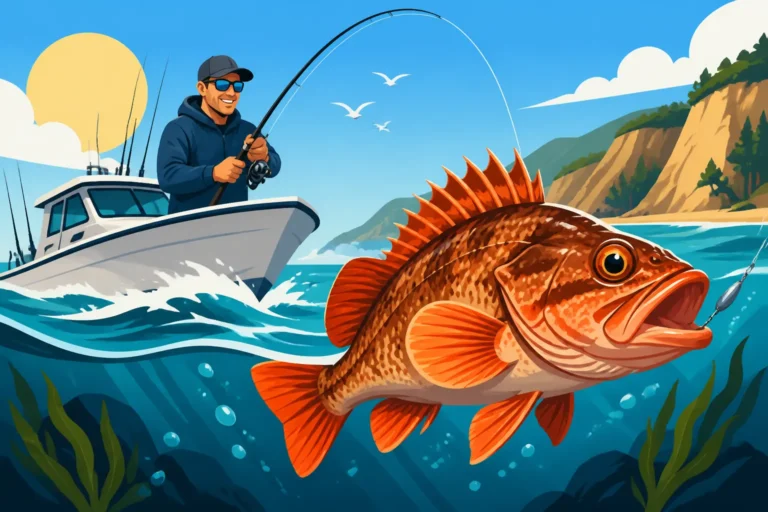
For rockfish and bottom fish, you drop a weighted rig with bait or a jig to the bottom, then reel up a few turns to avoid snags. When you feel bites, reel steadily. For kelp bass, you may cast plastics or iron lures near the kelp. Follow the crew’s advice; they know what is working that day.
Pay attention to depth calls, too. When the captain says the fish are 20 feet off the bottom, count your reel turns or watch your line markings so you can get back to that depth on every drop. Small details like that separate the anglers who catch steadily from those who wonder why the person next to them keeps hooking up.
Tackle for Tuna and Yellowtail
If you move from half-day trips to offshore tuna and island yellowtail, gear becomes much more important. Rental gear is available on many offshore trips, but experienced anglers usually bring several rods rigged for different situations: a lighter outfit for fly-lining sardines, a heavier outfit for sinker rigs and big fish, and a jig stick for surface iron or yo-yo jigs.
Line strength for these trips typically ranges from 20 to 40 pound test for yellowtail and smaller tuna, and much heavier for big bluefin. Fresh line, sharp hooks and smooth drags make a real difference when a big fish runs. Ask the landing what the boat recommends before you go, because the right setup changes with the season and the size of the fish.
Regulations and Limits
California fishing regulations set bag limits, size limits and seasons for many species. Rockfish, lingcod and other groundfish are regulated by depth and management area, and some species have closed seasons or special protections. Captains and crews know the rules, but each angler is responsible for following them.
Do not keep undersized fish, and ask the crew if you are unsure about a species or limit. Rules on how limits are counted aboard a vessel can differ between species, so let the crew guide you. For details, read California Rockfish Regulations and Limits.
Getting the Most From Your First Trip
A first party boat trip can be a highlight of a California vacation or the start of a lifelong passion.
Choosing the Right First Trip
For beginners, a half-day trip is the best introduction. It is short, affordable and close to shore. If you enjoy it, try a three-quarter or full-day trip next. Families with kids should choose calm days and shorter trips.
Look at fish counts and reviews, talk to the landing staff, and choose a boat with a reputation for helping beginners. FishingBooker reviews can help you compare boats, but local landing staff often have the best up-to-date information about which boat is fishing well. More guidance is in California Charter Fishing for Beginners.
A Sample Half-Day Trip From Start to Finish
To make this concrete, picture a summer morning half-day trip out of a Southern California landing. You arrive at 5:30 for a 6:00 departure, check in at the counter, show your licence and rent a rod. Your ticket number is 14, so you take a spot along the port side near the stern. The boat leaves the harbour, stops at the bait receiver to load anchovies, and runs about 30 minutes to a kelp bed.
At the first stop, the captain announces that fish are on the bottom and recommends a dropper loop with a small weight. A deckhand chums anchovies, and within minutes the anglers at the stern are hooked up with calico bass. You catch two bass and a sculpin in the first hour, release a short fish, and lose one to the kelp. The boat moves twice more, finding bonito on the surface at the second stop and rockfish on a reef at the last.
At 11:00 the captain calls lines up for the final time. On the ride home, the crew collects tips and asks who wants fish filleted. Back at the landing, you pick up your bag of fillets, check the posted counts, and see that your boat had one of the best half-day scores. That is a typical, enjoyable day: some action, some learning and fresh fish for dinner.
Common First-Trip Mistakes
The most common first-trip mistake is not preparing for seasickness. Even people who never get carsick can feel queasy on a rolling boat, and once it starts, it is hard to stop. Take preventive steps the night before, not when you are already feeling ill.
The second mistake is reeling too fast or setting the hook too hard with live bait. Let the fish take the bait, then reel steadily. The third is ignoring the crew. They see hundreds of anglers every season and know what works on their boat. Ask questions, watch what successful anglers around you are doing, and adjust.
Finally, many beginners forget the basics: a hat, sunscreen, water and a warm layer. A long, cold, sunburnt day can spoil even a great bite. Pack the simple things and you will enjoy the trip far more.
Packing Essentials
Bring sunscreen, sunglasses, a hat, layers, rain gear, non-slip shoes, seasickness medication, water and snacks. A small cooler or bag for your fish is helpful, though many landings sell fish bags. Bring cash for tips and galley purchases.
For a full checklist, read What to Bring on a California Fishing Charter. If you are going on an overnight trip, add a sleeping bag and toiletries.
Taking Fish Home
At the end of the trip, the crew will hand you your fish, either whole or filleted. Many landings offer fish processing services, including vacuum sealing and freezing, for a fee. Bring a cooler with ice to keep fish cold on the drive home.
If you travel, ask the landing about shipping or freezing services. Fresh fish is best eaten within a day or two; frozen fish lasts longer. Enjoy your catch and share the stories, and you may find yourself back at the landing reading the fish counts before long.
Disclaimer
This article is for general informational purposes only and does not constitute professional advice. Laws, prices and regulations vary by location and change over time. Consult a qualified professional for guidance on your specific situation.