Do You Need Your Own Gear on a Charter
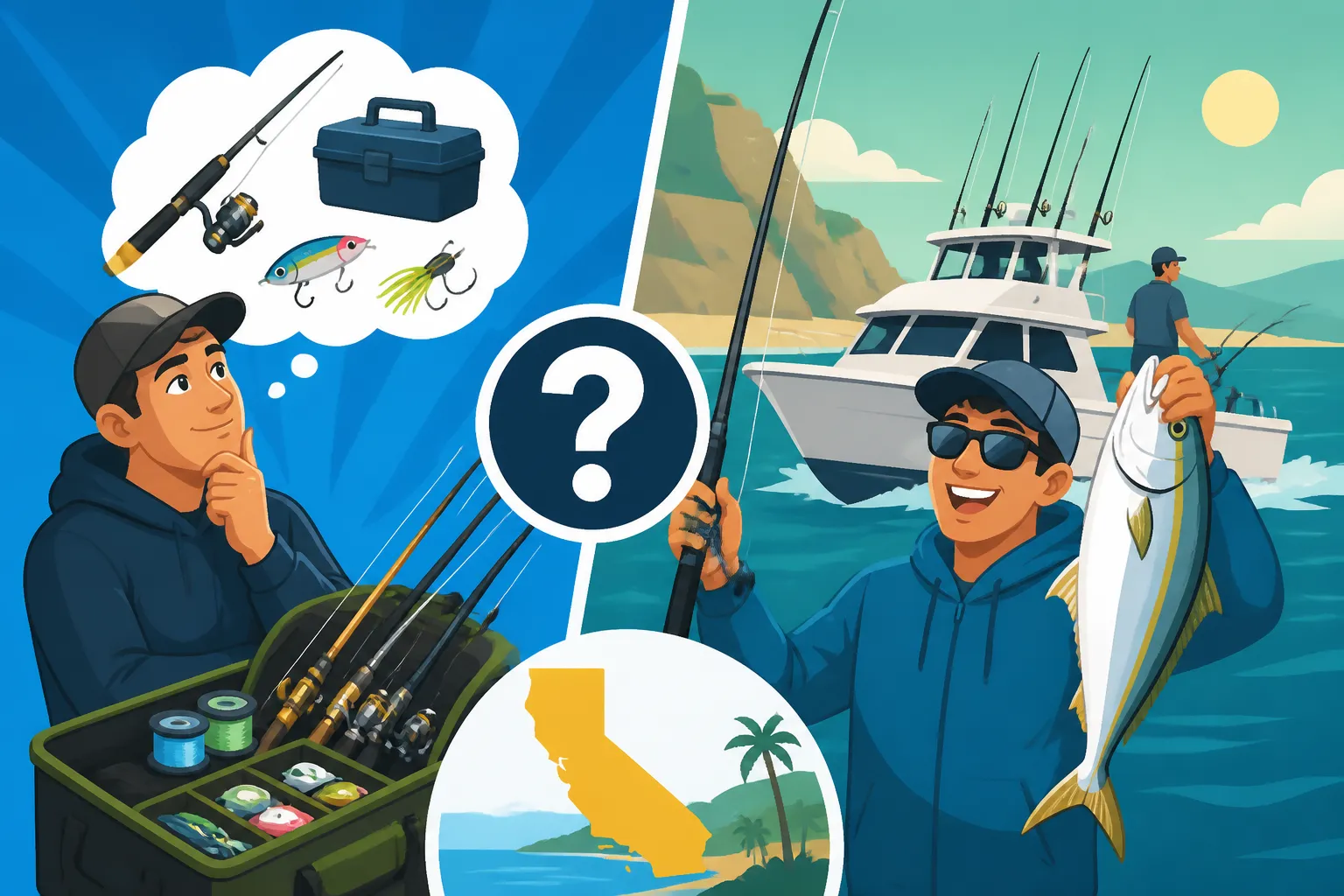
Heading out on a fishing charter can be one of the most exciting ways to experience California's incredible waterways, but a common worry often creeps in: "Do I need to haul all my own fishing gear along?" It's a completely fair question, and the answer isn't always a simple yes or no. This guide is here to untangle that confusion, helping you understand exactly what to expect from your charter when it comes to rods, reels, and tackle, so you can focus on the thrill of the catch rather than packing anxieties.
The Big Question: Gear Provided or BYO?
Let's face it, dragging your beloved rod and reel combos, tackle boxes, and specialized baits to a charter boat can be a real hassle, especially if you're traveling a distance or just unsure what the trip demands. Most folks are hoping they can just show up and fish. The good news is, for the vast majority of fishing charters in California, you absolutely do not need to bring your own gear.
Understanding Standard Charter Inclusions
Think about it from the charter operator's perspective: they want to make fishing accessible and enjoyable for everyone, from seasoned anglers to first-timers. Providing the necessary equipment is a huge part of that. When you book a trip, whether it's a quick half-day outing off the coast of San Diego or a full-day excursion chasing tuna offshore, the expectation is that they'll have you covered.
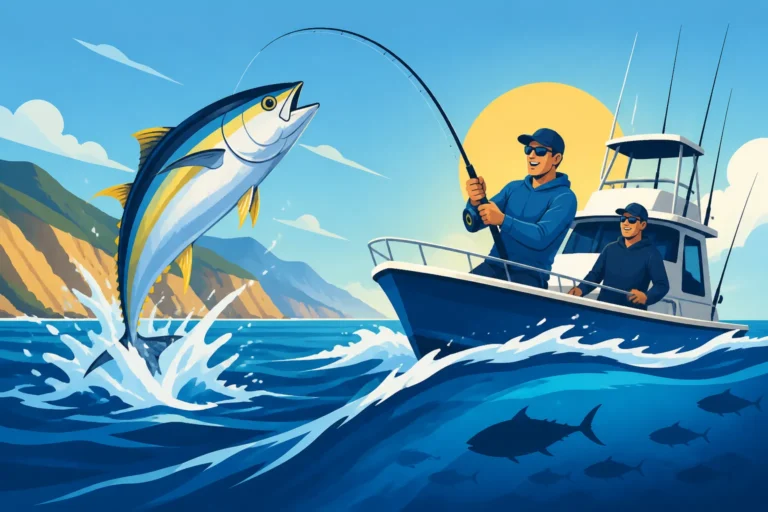
Typically, your charter fee includes the use of rods and reels that are appropriately matched to the type of fishing and the species you'll be targeting. For instance, if you're going after rockfish in the deep canyons off Monterey, they'll have heavy-duty outfits designed to handle the lead weights and strong fish that live down there. If you're targeting swift yellowtail near the Channel Islands, they'll have lighter, more sensitive setups capable of casting live bait. Beyond rods and reels, charters usually supply all the terminal tackle you'll need – hooks, sinkers, swivels, and even the bait, whether it's live anchovies, sardines, squid, or cut bait. Some charters, especially those found on platforms like FishingBooker, will explicitly list what's included right in their trip description, saving you the guesswork.
The quality of this provided gear is generally quite good, maintained by the crew, and perfectly capable of landing trophy-sized fish. They're not going to hand you flimsy equipment that's going to snap on your first big bite! This means you can show up relatively unburdened, ready to learn, and equipped for success.
When Bringing Your Own Gear Makes Sense
While most charters provide gear, there are definitely situations where bringing your own setup isn't just a preference, but a smart move. This usually boils down to personal comfort, specialized fishing techniques, or even competitive angling.
Many experienced anglers have a deep connection with their personal rods and reels. They know the feel, the action, and the specific casting characteristics of their equipment. This familiarity can lead to a sense of confidence and control that might be missing when using unfamiliar gear. If you're an avid fly fisherman, for example, and you've booked a trip specifically to target trout on a river like the Lower American River, you'll almost certainly want to bring your own fly rods and custom flies. The charter might provide conventional gear, but it won't match your specialized needs.
Another common scenario is when you're targeting a specific species that requires very particular gear, or you employ a unique technique. Perhaps you're chasing elusive White Seabass with a specific jigging setup, or you have a finesse bass fishing rod you swear by for tricky largemouth in Clear Lake. In these cases, your gear might offer an edge that the general-purpose charter equipment can't replicate. Competitive anglers often bring their own gear, too, as they rely on their finely tuned setups for maximum performance and consistency. Just remember, if you do bring your own gear, you're responsible for its condition and any potential damage.
What to Consider Before You Pack (or Don't!)
Before you even think about whether to load up your prized fishing rod, there are a few important factors to weigh that will significantly influence your decision. Being prepared involves more than just thinking about the rod and reel; it’s about understanding the entire context of your trip.
Charter Type and Target Species
The type of charter you book and the fish you're hoping to catch are huge determinants. A quick, inshore half-day trip generally means less specialized gear is needed, as the captain's standard setups will typically cover all the bases. However, if you're venturing out on one of the deeper California Deep Sea Fishing Charter Guide trips, particularly multi-day excursions targeting species like Bluefin Tuna, the story might change. While charters will still have powerful gear, some anglers prefer their own heavy-duty setups for the ultimate battle with these giants.
Think about what you're trying to hook into.
- Tuna and Other Offshore Pelagics: For species like Bluefin, Yellowfin, or Dorado, the charter will have heavy conventional gear. If you have a specific long-range setup or preferred jigging rods for tuna, you might consider bringing them, but ensure they are up to the task and clear it with the captain first.
- Rockfish and Lingcod: These bottom dwellers often require heavy weights to get down quickly, and stout rods to pull them up. Charter boats are always well-equipped for this, so unless you have a specific electric reel or custom jigging rod, their gear will be perfectly fine for How to Catch Rockfish in California.
- Halibut: Drift fishing for California Halibut in the bays or nearshore areas might inspire some to bring their favored light tackle setups for better feel, though charter gear is also effective.
- Freshwater Species (Bass, Trout, Sturgeon): If you're on a guided freshwater trip, especially for specific techniques like fly fishing for trout in the Eastern Sierra or targeting trophy bass, the guide will often suggest or even require you to bring your own specialized gear, as their focus is on technique-specific fishing. However, many guides also have rental gear available. For instance, a dedicated guide for How to Catch Largemouth Bass in California on a private lake might have very specific rods and reels they want you to use for optimal results.
Communication is Key: Asking Your Captain
This cannot be stressed enough: always communicate directly with your charter captain or booking agent before your trip. This is the single most important step to avoid any surprises. Don't rely solely on general assumptions; policies can vary widely between operators.
When you call or email, ask specific questions like:
- "What kind of fishing gear do you provide for this trip?"
- "Are there any additional fees for using your rods, reels, or lost tackle?"
- "If I bring my own gear, is there sufficient space on the boat, and are there any limitations?"
- "What bait and terminal tackle will be used, and is it included?"
Many charters have an FAQ section on their website, or their listing on a booking site like FishingBooker will detail their gear policy. This pre-trip chat not only clarifies your gear questions but also helps you get a sense of the captain's style and what kind of experience to expect. It's also a great opportunity to confirm other details, like what to bring on a California Fishing Charter in terms of food, drinks, and layered clothing.
Essential Non-Gear Items You Will Need
Regardless of whether you decide to bring your own rod and reel, there are certain personal items that are absolutely critical for a comfortable, safe, and enjoyable day on the water in California. These are the things that charters almost never provide, and you'll regret forgetting them.
Personal Comfort and Safety Items
The California sun can be intense, even on cloudy days or in cooler months, and marine environments can be unpredictable. Being prepared for varying conditions is essential.
- Sun Protection: This is paramount. Bring high-SPF sunscreen (apply liberally and often!), a wide-brimmed hat, and polarized sunglasses. The glare off the water can be brutal, and sunglasses also protect your eyes from stray hooks or lines.
- Layered Clothing: California weather, especially along the coast, can change drastically from morning to afternoon, or even from one side of the boat to the other. Dressing in layers is key. Start with a moisture-wicking base layer, add a warm mid-layer (like a fleece or hoodie), and a waterproof/windproof outer shell. Even in summer, those offshore breezes can get chilly.
- Non-Slip Shoes: This is a big one for safety. Boat decks can be wet and slippery. Wear closed-toe shoes with good grip, like deck shoes or athletic trainers. Avoid flip-flops or open-toed sandals.
- Motion Sickness Medication: If you're prone to seasickness, or even if you're not sure, it's always wise to bring preventative medication like Dramamine or Bonine. Take it before you board the boat, as per instructions. Nothing ruins a fishing trip faster than feeling queasy! We've got a whole guide on how to prevent seasickness on a California charter if you want to dive deeper into this.
- Small Backpack/Dry Bag: To keep your personal items organized and dry.
- First-Aid Basics: While charters usually have a first-aid kit, having a small personal kit with essentials like band-aids, pain relievers, and any personal medications is a good idea.
Food, Drink, and Storage
A day of fishing can be long and physically demanding. Staying hydrated and fueled is crucial for keeping your energy up and enjoying the experience.
- Water and Drinks: Bring plenty of water. It’s easy to get dehydrated in the sun and sea air. Consider electrolyte drinks too. Many charters have a large cooler, but bringing your own personal drinks is usually fine.
- Snacks and Lunch: Pack easy-to-eat snacks like energy bars, sandwiches, fruit, or trail mix. Avoid anything overly messy or that requires utensils if you prefer not to use them on a rocking boat.
- Cooler (for your catch): If you plan on keeping your catch, check with the charter. Many party boats have large fish holds where the crew will ice down your fish. However, for smaller charters or if you want to transport your fillets directly home, you might need your own cooler to keep in your car. Just clarify with the captain if you can bring it on board for storage during the trip.
- Camera/Phone: To capture those epic moments, but make sure it’s in a waterproof case or dry bag!
- California Fishing License: This is non-negotiable! You need a valid California Fishing License Guide and any necessary report cards (like for salmon or sturgeon) before you step on the boat. The charter won't provide this, and fines for fishing without one can be hefty.
The Pros and Cons of Bringing Your Own Rods and Reels
Deciding whether to pack your own fishing rods and reels is a personal choice with its own set of advantages and disadvantages. There’s no right or wrong answer, but understanding both sides can help you make an informed decision for your next California fishing adventure.
Advantages of Personal Gear
Bringing your own gear can enhance your fishing experience in several ways, especially for dedicated anglers.
- Familiarity and Comfort: This is arguably the biggest pro. When you use your own rod and reel, you know exactly how it feels, how it casts, and how it handles a fighting fish. This familiarity translates into increased confidence and often, better performance. You’ve probably spent hours getting used to its balance and action, and that comfort is hard to replicate with borrowed equipment.
- Specialized Setups: If you're targeting a specific species with a particular technique (e.g., lightweight jigging for Calico Bass in kelp beds, or using a specialized trolling setup for Lake Trout in Lake Tahoe), your personal gear might be perfectly tuned for that exact scenario. Charter boats usually carry versatile, all-purpose setups, which might not be optimized for niche techniques.
- Customization and Sentimentality: Many anglers customize their gear with specific lines, reels, or even sentimental touches. There's a certain pride and connection that comes from landing a personal best on your own trusted equipment. It makes the catch feel even more "yours."
- Quality Control: While charter gear is generally well-maintained, your personal gear is something you know intimately. You're aware of its last service, its line strength, and any quirks it might have. You have complete control over its condition.
Disadvantages and Practicalities
However, bringing your own gear isn't always smooth sailing. There are practical considerations and potential downsides.
- Transportation Hassle: Long fishing rods can be cumbersome to transport, especially if you're flying or have limited space in your vehicle. They can be prone to damage during transit, and specific rod cases might be required. Imagine trying to navigate a busy airport with a 7-foot tuna rod!
- Damage and Loss Risk: On a busy charter boat, especially a party boat with many anglers, there’s a higher risk of your gear getting tangled, stepped on, or even knocked overboard. While most crews are careful, accidents happen. If your expensive custom rod takes a dive, you're usually out of luck. Charter boats typically have a policy for lost or damaged their gear, but yours is your responsibility.
- Unnecessary Duplication: If the charter provides excellent gear that's perfectly suited for the day's fishing, bringing your own might just be extra weight and clutter. You could end up not even using your own equipment, defeating the purpose of bringing it.
- Space on the Boat: Many charter boats, particularly popular California Party Boat Fishing Explained trips, can get crowded. Space for personal gear might be limited. Always check with the captain if they can accommodate your equipment without it becoming a tripping hazard or taking up valuable deck space.
- Matching Bait and Tackle: If you bring your own rod and reel, you'll also need to consider bringing appropriate terminal tackle and bait, unless you plan to use the boat's supply. This adds another layer of complexity to your packing.
Ultimately, the decision often comes down to the specific type of trip, your personal level of experience, and your comfort with the provided gear. For a relaxed, general fishing trip, letting the charter handle the equipment is often the path of least resistance.
Gear Comparison Table: Provided vs. Personal
To help you visualize the trade-offs, here's a quick comparison of using charter-provided gear versus bringing your own.
| Feature | Charter-Provided Gear | Your Own Gear |
|---|---|---|
| Cost | Usually included in charter fee | Upfront cost of purchase, maintenance |
| Convenience | Minimal packing, show up and fish | Requires careful packing, transportation |
| Familiarity | Unfamiliar, may take time to adjust | Known feel, action, and casting characteristics |
| Quality | Generally good, well-maintained, appropriate for species | Varies based on personal investment and maintenance |
| Specialization | Versatile, general-purpose for common techniques | Highly specialized for niche techniques possible |
| Damage/Loss Risk | Charter's responsibility (often with replacement fee) | Your sole responsibility |
| Maintenance | Handled by charter crew | Your responsibility to clean and maintain |
| Space on Boat | Guaranteed space, designed for boat's capacity | May be limited, check with captain |
| Learning Curve | Easy for beginners, less to worry about | Can be intimidating for new anglers |
Cost Implications and Additional Fees
Nobody likes a surprise bill, especially when you're out to have a good time fishing. While most charters include gear, it's crucial to understand how potential additional costs related to equipment might arise. Being aware upfront can save you from an awkward situation at the end of your trip.
Rental Fees and Lost Tackle Charges
The vast majority of reputable California fishing charters include standard rods, reels, and basic terminal tackle (hooks, weights, swivels) in the base price of your trip. This is generally the case whether you're on a Half-Day vs Full-Day Charters trip or a multi-day offshore adventure. However, there can be exceptions, so always confirm.
- Specialized Equipment Rental: Sometimes, if a trip calls for a very specific or high-end piece of equipment, such as an electric reel for deep-dropping or a highly specialized fly-fishing setup for a guided river trip, there might be an optional rental fee. This isn't common for general ocean charters but can occur on niche trips.
- Lost Tackle Fees: This is where most additional charges come into play. If you're using charter gear and you break a rod or reel, or lose a significant amount of terminal tackle (like multiple expensive lures or a large lead weight that gets snagged on the bottom), the charter operator may charge you for the replacement cost. These policies vary wildly. Some might include a reasonable amount of lost tackle in the fee, while others have a strict "you break it, you buy it" rule, especially for higher-value items. This is particularly true for party boat setups where a lot of gear is lost each season.
For instance, if you're on a rockfishing trip and repeatedly snag on the bottom, losing several heavy sinkers and a costly jig, the deckhand might tally those losses at the end of the trip. It's not usually a punitive charge but covers their cost to restock. Make sure you clarify these policies when booking, perhaps during your inquiry about how to book a California fishing charter.
Unexpected Costs to Avoid
Beyond direct gear-related fees, there are other potential costs or overlooked items that can impact your budget or enjoyment.
- Fishing License and Report Cards: We mentioned this before, but it bears repeating. Your California Fishing License Guide and any required report cards (like a California Steelhead Report Card or California Sturgeon Report Card) are your responsibility and are never included in the charter fee. You absolutely must purchase these before your trip. You can often buy them online or from local tackle shops.
- Bait Upgrades: While basic bait is typically included, some charters might offer "premium" live bait options for an extra cost, especially for species like Yellowtail or Tuna where specific live bait can make a big difference. This is usually optional and communicated beforehand.
- Fish Cleaning: Many charters offer fish cleaning services at the end of the trip. While some include basic filleting, others charge a small per-fish or per-pound fee for this service. Clarify this when you book if you plan on taking home your catch.
- Tipping the Crew: This is a major one and not a gear cost, but an essential part of the charter experience. Tipping on a California Fishing Charter is customary and expected. The deckhands work incredibly hard assisting anglers, baiting hooks, gaffing fish, and cleaning up. A standard tip is usually 15-20% of the trip's cost. This isn't a fee, but an important part of the overall cost of the trip.
By understanding these potential cost implications, you can budget accurately and avoid any unpleasant surprises, ensuring your fishing experience remains enjoyable from start to finish.
Final Thoughts and Recommendations
So, after diving deep into the nitty-gritty of gear on California fishing charters, what’s the takeaway? It boils down to a blend of preparation, communication, and knowing your personal fishing style.
When in Doubt, Ask!
If there’s one golden rule for charter fishing, it’s this: always ask questions. Seriously, don't hesitate to reach out to the captain or the booking agent before your trip. They are the experts, and they want you to have a great time. A simple phone call or email can clear up any lingering doubts about gear, what’s included, what’s extra, and what you absolutely need to bring. Reputable charters, like those you can find and compare on platforms such as FishingBooker, will often have dedicated customer service or FAQs to answer these common inquiries, but a direct line to the captain offers the most personalized advice for your specific trip. This pre-trip communication sets the tone for a smooth day and ensures everyone is on the same page.
Embrace the Experience, Not Just the Gear
Remember, a fishing charter is an experience that goes beyond the specific rod and reel in your hand. It's about getting out on the beautiful California coast, learning new techniques, enjoying the camaraderie of fellow anglers, and, hopefully, battling some incredible fish. While having your "lucky rod" might feel essential, the joy of fishing often comes from the adventure itself.
If you’re a beginner, definitely lean into using the charter’s provided gear. It simplifies everything, allows you to focus on the basics of fishing, and you won’t have to worry about maintaining or transporting expensive equipment. For seasoned anglers, consider the pros and cons carefully. Is the comfort of your own gear worth the potential hassle and risk? Sometimes, leaving your prized possessions at home allows you to relax and just enjoy the ride, letting the professionals handle the equipment logistics. Either way, the goal is to have a memorable day on the water, making lasting memories and maybe even landing that trophy fish. So, pack smart, ask questions, and get ready for some fantastic fishing!
Disclaimer
Please remember that fishing regulations, seasons, and charter policies can change. Always consult the latest California Department of Fish and Wildlife (CDFW) regulations and confirm all details directly with your chosen fishing charter prior to your trip. This guide is for informational purposes only and does not constitute professional advice.