Best Wheelchair-Accessible California Charters
It’s a truly frustrating experience to dream of a day out on California’s beautiful waters, rod in hand, only to hit wall after wall when trying to find a fishing charter that can actually accommodate a wheelchair. The joy of fishing shouldn't be exclusive, but navigating the nuances of boat accessibility, from gangways to deck space and restrooms, can feel like a bigger challenge than landing a trophy fish. This guide is here to cut through the confusion, offering a comprehensive look at how to find and plan a truly wheelchair-accessible fishing charter trip in California, ensuring your adventure is smooth sailing from start to finish.
Understanding Wheelchair Accessibility on Fishing Charters
When we talk about "wheelchair accessibility" on a fishing charter, it’s not always as straightforward as it sounds for a land-based venue. A boat presents unique challenges, and what one operator considers "accessible" might be entirely different from what you need to feel comfortable and safe. It's crucial to dive into the specifics, because a ramp alone simply isn't enough to guarantee a fulfilling experience.
What "Accessible" Really Means on a Boat
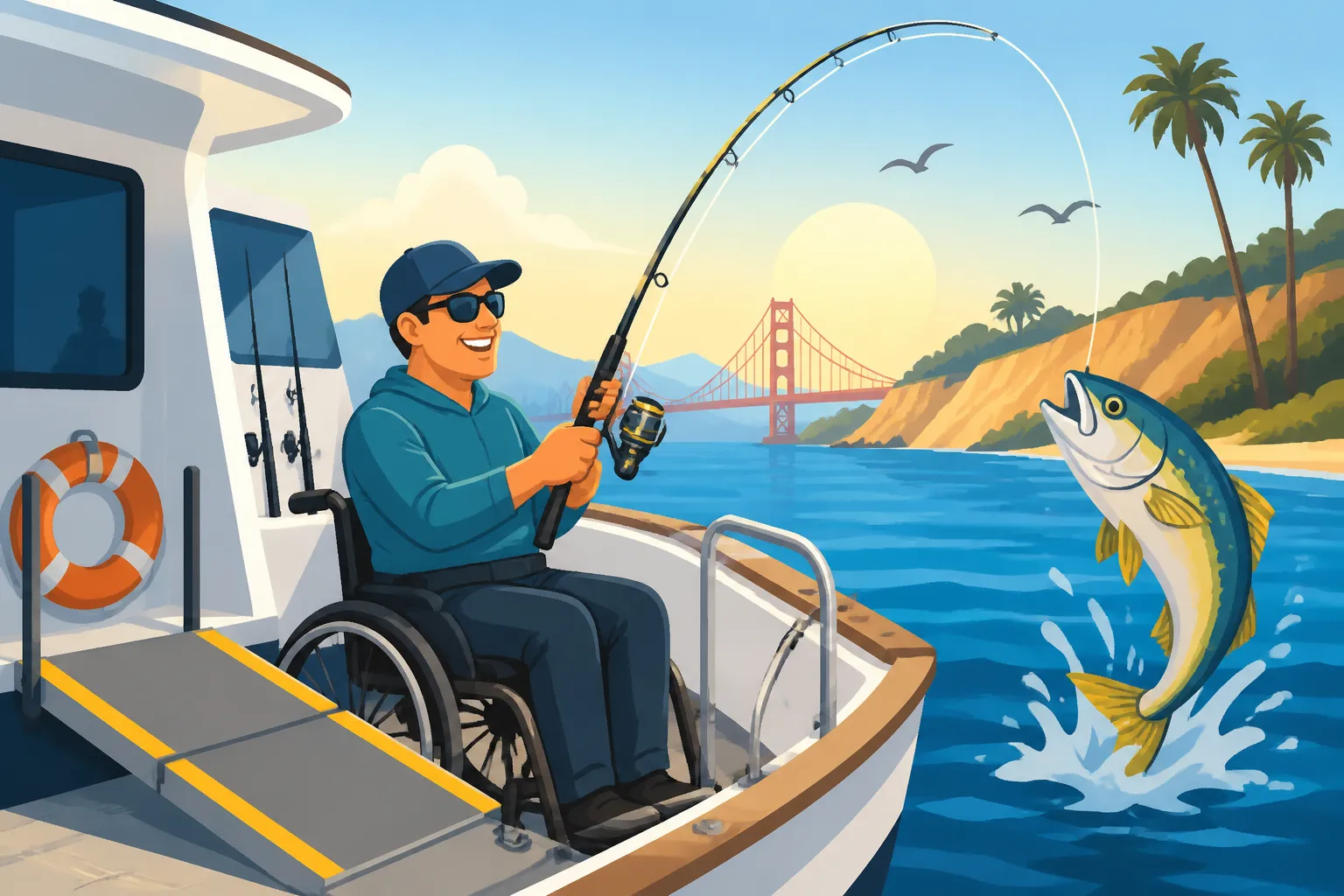
True accessibility on a fishing vessel goes far beyond just getting on board. You need to consider the entire fishing experience, from boarding to moving around the deck, using facilities, and even how you'll fish. For many, the biggest hurdle is the gangway – the ramp connecting the dock to the boat. Is it wide enough? Is the slope manageable, especially at different tide levels? Are there handrails? Once on board, the deck itself needs to be wide and clear enough for a wheelchair to maneuver freely. Think about turning radii, especially if you have a larger power chair. Will you be able to reach the rail to fish? Are there dedicated spaces where your chair can be secured safely, particularly if the seas get a little choppy? This is where many boats fall short, as traditional fishing boats are often designed with narrow walkways and step-ups between different areas.
Then there's the issue of restrooms. Many older or smaller charter boats simply aren't equipped with ADA-compliant restrooms. Even if there's a head on board, it might involve a step down, narrow doorway, or cramped interior that makes it impossible to use. The height of benches, tables, and even the live bait tank can also impact usability. An truly accessible boat might have a hydraulic lift, extra-wide doors, level decks, and perhaps even modified fishing stations. It's not just about compliance; it's about comfort, dignity, and the ability to participate fully in the activity.
Common Challenges and How Charters Address Them
One of the most common challenges is the sheer variety of boat designs. A smaller, faster six-pack charter might have less overall deck space, making it harder to move around. Larger party boats, while having more room, can sometimes have their own challenges with boarding ramps that might be steep or require significant assistance. Another hurdle is often the lack of a dedicated, secure spot for a wheelchair. You don't want to be constantly worrying about sliding around or obstructing pathways, both for your safety and that of others.
However, some charter operators are genuinely making an effort. Many now invest in portable ramps that are wider and less steep. Some have modified their vessels with wider doorways to the cabin or head. A growing number are training their crews specifically to assist passengers with mobility challenges, ensuring a safe transfer on and off the boat and providing support throughout the trip. This personalized assistance can make all the difference. For instance, a deckhand might be dedicated to helping with baiting hooks, netting fish, or moving the chair to optimal fishing positions. It's less about the boat being 100% ADA-compliant (which is often unrealistic for older vessels) and more about the captain and crew's willingness and capability to provide a safe and enjoyable experience. The best way to understand these accommodations is through direct, honest communication with the charter company.
Finding Wheelchair-Accessible Charters in California: Key Considerations
Finding the right accessible charter in California requires a bit of detective work and proactive communication. Don't just assume a charter is suitable based on a quick website description. You need to ask targeted questions and utilize the right resources to ensure your trip meets your specific needs.
Asking the Right Questions Before You Book
Before you even think about booking, pick up the phone and talk directly to the captain or booking agent. This is non-negotiable. Don't rely solely on online descriptions, as "accessible" can be a very subjective term. Here are some critical questions to ask:
- Boarding Access: "What is the exact width of your gangway/ramp? Is it a fixed ramp or portable? What is the slope like at low tide and high tide? Are there handrails?" Get specifics.
- Deck Space: "Is the main deck level throughout? How wide are the pathways? Is there enough clear, unobstructed space for a wheelchair to turn around (specify your chair's dimensions if possible)?"
- Restroom Facilities: "Do you have an accessible restroom on board? What are the dimensions of the doorway and interior? Is there a step up or down?"
- Fishing Positions: "Are there specific areas on the rail or deck where a wheelchair can be positioned comfortably and securely for fishing? Can you provide tie-downs?"
- Crew Assistance: "Is your crew trained and available to provide assistance with transfers, moving around the boat, or help with fishing gear (baiting, netting, etc.)?"
- Boat Type and Capacity: "Is this a private charter or a party boat? How many passengers are typically on board?" Larger party boats might offer more space but also more people to navigate around.
- Type of Fishing: "What type of fishing will we be doing? Will I be able to participate effectively from my chair?" Some types of fishing, like deep-drop bottom fishing, might be easier than active casting.
Being precise with your questions will help the charter operator understand your needs and allow them to give you accurate information. It also shows them you're serious about planning a safe and enjoyable trip.
Utilizing Online Platforms and Resources
While direct communication is paramount, online platforms can be a great starting point for finding potential accessible options. Websites like FishingBooker often have filters or sections where captains can list accessibility features. While these filters are helpful, always verify the details directly. Look for photos of the boat's deck, gangways, and restrooms to get a visual sense of the layout. Many dedicated accessibility travel websites or forums might also have recommendations from other wheelchair users who have successfully booked fishing trips in California.
Another excellent resource can be local fishing organizations or disability advocacy groups. They often have networks and can point you towards captains or companies known for their inclusive practices. Don't underestimate the power of a personal recommendation from someone who has been there, done that. When checking a platform like FishingBooker, make sure to read reviews specifically mentioning accessibility or the crew's helpfulness. This can provide invaluable insights into the real-world experience. You might also find useful information on how to book a California fishing charter through such platforms.
Connecting with Local Fishing Communities
Sometimes, the best resources aren't official websites but the folks on the ground. Visit local marinas in areas known for fishing, like San Diego, Long Beach, or Monterey. Talk to the dock masters, bait shop owners, and other fishermen. They often know which captains go the extra mile or have boats that are more conducive to accessibility. Many communities have a "word-of-mouth" network that can lead you to a hidden gem – a captain who genuinely cares and has adapted their vessel and services to welcome all anglers.
Consider joining online fishing forums or local Facebook groups for California anglers. Post your query, explaining your specific accessibility needs, and ask for recommendations. You might be surprised by the number of helpful suggestions and personal experiences shared. These communities can also offer advice on specific fishing techniques or locations that might be more accommodating for wheelchair users. Sometimes, a seasoned angler who happens to be a boat owner might even offer a private trip, though you'd still need to ensure all safety and licensing requirements are met. Don't forget to understand the nuances between a California fishing license vs report card, as both are crucial for a legal trip.
Top California Regions for Accessible Fishing Opportunities
California offers an incredible array of fishing environments, from the vast Pacific Ocean to pristine freshwater lakes and bustling bays. While accessibility can vary greatly by individual charter, some regions naturally lend themselves to more inclusive options due to the types of boats and fishing available.
Southern California Options
Southern California, with its numerous large ports and a strong sportfishing culture, often presents some of the best opportunities for wheelchair-accessible charters. San Diego is particularly renowned for its sportfishing fleet, and many of the larger party boats, like those operating out of H&M Landing or Point Loma Sportfishing, are more likely to have wider gangways and spacious decks, especially on their half-day or three-quarter day trips. These vessels are designed to accommodate many people, which often translates to more open deck space. While they might not all have fully ADA-compliant restrooms, the sheer size of some of these boats can make navigation easier. When planning a trip here, consider looking into the fishing charters in San Diego.
Further north along the coast, areas like Long Beach, Marina del Rey, and Dana Point also have significant sportfishing operations. Companies such as Davey's Locker in Newport Beach or Pierpoint Landing in Long Beach operate fleets that might have suitable options. The key here is the size of the operation; larger companies often have a broader range of boats and are more equipped to handle diverse needs. Southern California also benefits from milder weather and calmer seas for much of the year, which can make for a more comfortable experience on the water for everyone, especially those with mobility limitations. Species like rockfish, bonito, and barracuda are frequently targeted on these trips, offering plenty of action. You'll want to review the California Rockfish Regulations and Limits before heading out, as they are strictly enforced.
Central Coast and Bay Area Possibilities
Moving up the California coast, the Central Coast and Bay Area also offer some promising leads for accessible fishing. Monterey Bay, with its deep waters and diverse marine life, is a popular spot for fishing. Charters operating out of Monterey and Santa Cruz often target salmon, rockfish, and even Dungeness crab seasonally. While some of these boats might be smaller, there are larger operations that could potentially offer better access. Asking about their specific boat models and boarding procedures is crucial.
In the San Francisco Bay Area, fishing charters departing from places like Emeryville, Berkeley, and Sausalito are popular for targeting halibut, striped bass, and salmon. The boats here tend to be diverse, from smaller private charters to larger party boats. The San Francisco Bay itself is relatively sheltered, which can mean calmer waters compared to the open ocean, making for a more stable platform. When considering a trip in this region, it's particularly important to inquire about the dockside access at different marinas, as tide changes can significantly impact ramp angles. For any fishing trip in these regions, be sure to brush up on California saltwater fishing regulations.
Freshwater Accessible Lakes
Don't overlook California's incredible freshwater fishing opportunities! Many state and county parks manage lakes and reservoirs that have made significant strides in accessibility, both on shore and sometimes with rental pontoons or designated fishing docks. While finding a dedicated "fishing charter" on a freshwater lake that specifically caters to wheelchairs might be less common than on the ocean, many lakes offer pontoon boat rentals which can be surprisingly accessible. Pontoon boats often have flat decks, wide entry gates, and stable platforms that can accommodate wheelchairs. You might need to bring your own adaptive fishing gear, but the ability to drive right onto the boat from a dock can be a game-changer.
Lakes like Lake Shasta, Clear Lake (known for bass), and some of the larger reservoirs in Southern California often have developed marinas with good dock infrastructure. For example, some facilities on lakes such as Castaic Lake or Diamond Valley Lake have made efforts to improve access to fishing piers and ramps. While this isn't a charter, it opens up the possibility of a fantastic day of fishing. Imagine being able to enjoy the serenity of a lake, fishing for trout or bass, with the comfort of knowing you have easy access. Always call the marina directly to inquire about their accessible boat rentals or specific accessible fishing facilities. You can learn more about specific regulations in the area by looking up California Freshwater Fishing Regulations. Also, consider the types of fish you want to target by checking out our guide on Freshwater Fish of California: What to Catch.
| Accessible Feature | What to Ask the Charter Operator | Why It Matters |
|---|---|---|
| Boarding Ramp/Gangway | "What's the width and slope? Are handrails available? How does it change with tides?" | Safe transfer from dock to boat, especially for power chairs. |
| Deck Space & Layout | "Is the deck level? How wide are passages? Are there clear turning areas?" | Freedom of movement, ability to reach fishing positions without obstruction. |
| Securement Points | "Are there tie-downs for my chair? Where are they located?" | Safety and stability, preventing chair movement in choppy waters. |
| Restroom Access | "What are the restroom door width and internal dimensions? Any steps? Grab bars?" | Essential for comfort and independence during longer trips. |
| Fishing Area Access | "Can I easily reach the rail/rod holders from my chair? Is there a lowered section of rail?" | Ability to actively participate in fishing, not just be on the boat. |
| Crew Assistance | "Is the crew trained to assist with transfers, gear, or general mobility needs?" | Critical for safety, confidence, and an enjoyable, stress-free experience. |
| Boat Type/Size | "Is it a party boat or private? What's the overall length and beam?" | Larger boats often offer more space, but private charters offer more flexibility. |
Preparing for Your Wheelchair-Accessible Fishing Charter
Once you've found and booked your ideal wheelchair-accessible fishing charter, a little preparation goes a long way in ensuring a smooth and enjoyable trip. Thinking through the details beforehand will allow you to relax and focus on the fishing.
Essential Gear and Personal Items
Even on an accessible charter, you’ll want to be prepared. Beyond your personal adaptive fishing gear (if you use it), consider these essentials:
- Comfort and Protection: California weather can be unpredictable. Layered clothing is always a good idea – it can be chilly on the water, even on a sunny day. A good waterproof jacket, hat, sunglasses, and plenty of sunscreen are absolute musts. The sun's reflection off the water can be intense, so don't skimp on protection.
- Medications and Personal Care: Pack any necessary medications in a waterproof bag. If you have specific personal care items related to your mobility, ensure they are easily accessible.
- Snacks and Drinks: While some charters might offer drinks or snacks, it’s always wise to bring your own, especially if you have dietary restrictions or preferences. Staying hydrated is key for a comfortable day on the water.
- Adaptive Equipment: If you use specialized rods, reels, or rod holders, make sure they are packed and ready. Discuss any needs with the captain beforehand to ensure they can be accommodated.
- Documentation: Don't forget your California fishing license! Many boats do not provide these, and you could face penalties without one. You can typically buy these online or at bait shops. Also, if you need a report card for species like steelhead or sturgeon, make sure that's in order too. Learn more about the California Fishing License Guide.
Having these items organized and ready will eliminate last-minute stress and ensure you're comfortable throughout your adventure.
Working with the Crew
The crew on your fishing charter is your best ally. A good crew makes all the difference, especially when you have specific accessibility needs. Establish clear communication from the moment you board. Introduce yourself, remind them of any specific assistance you might require (e.g., help with transfers, securing your chair, baiting hooks, or netting fish), and don't hesitate to ask questions throughout the trip. Most professional crews are more than happy to help; they want you to have a great time and be safe.
Be open about your comfort levels. If the seas get rougher than you anticipated, or if you need to adjust your position, speak up. The crew is there to ensure everyone's safety and enjoyment. A little bit of politeness and clear communication goes a long way in fostering a positive and supportive environment on board. Remember that proper Tipping on a California Fishing Charter is always appreciated for excellent service.
Understanding Regulations and Safety Protocols
Even on a charter, you are responsible for understanding the basic California Fishing Regulations Explained. This includes bag limits, size limits, and specific seasons for different species. The crew will usually be very knowledgeable about these, but it's always good to be informed. Make sure you have your California Fishing License Guide and any required report cards.
Safety is paramount on any boat. Listen carefully to the captain's safety briefing at the beginning of the trip. Familiarize yourself with the location of life vests and emergency exits. If the charter provides a safety orientation for wheelchair users, pay close attention. In case of an emergency, having a clear understanding of the protocols will be vital. Don't be afraid to ask about specific emergency procedures related to your mobility, such as how you would be assisted in an evacuation scenario. Knowing these details can significantly reduce anxiety and allow you to fully enjoy the fishing experience. You can also gain insight by checking out What to Bring on a California Fishing Charter.
Disclaimer
The information provided in this guide is for general informational purposes only and does not constitute professional advice. While we strive to provide accurate and up-to-date information, accessibility on fishing charters can vary significantly and is subject to change. Always verify specific accessibility features, accommodations, and safety protocols directly with the charter operator before booking. Fishing regulations and conditions can also change, so always consult the latest California Department of Fish and Wildlife regulations.