Best California Charters for Big-Game Fishing
For many anglers, the dream of battling a massive fish on the open ocean is a powerful draw, but figuring out which California fishing charter can truly deliver that big-game experience can feel like navigating a maze. With so many options, it's easy to get overwhelmed trying to distinguish between a casual coastal trip and a serious offshore hunt. This comprehensive guide will cut through the noise, detailing what big-game fishing truly means in California and how to select the perfect charter to pursue those trophy-worthy species.
What Exactly is "Big-Game" Fishing in California?
When we talk about "big-game" fishing in California, we're not just talking about catching a decent-sized halibut or a chunky rockfish, as enjoyable as those trips are. This is about targeting powerful, often migratory pelagic species that demand specialized gear, significant boat range, and a crew with a deep understanding of ocean dynamics. It's an investment in a full-day, or often multi-day, adventure that takes you far from the coastline, sometimes hundreds of miles out, into the truly wild blue.
Defining California's Big-Game Species
California's waters, especially off Southern California, are incredibly rich and diverse, offering opportunities to chase some truly impressive fish. The undisputed king of California big-game is the Bluefin Tuna. These incredible fish can range from smaller "schoolie" models in the 30-50 pound class all the way up to absolute giants exceeding 300 pounds, requiring immense strength and endurance from both angler and tackle. Their speed and power are legendary, making them one of the most sought-after game fish on the planet.
Beyond Bluefin, you're looking at other formidable tuna species like Yellowfin Tuna and occasionally Albacore Tuna, particularly during warmer water years. These also offer incredible fights and delicious table fare. Then there's the vibrant and acrobatic Dorado (Mahi-Mahi), often found around floating kelp patties, known for their brilliant colors and explosive surface strikes. Yellowtail are another prime target, especially around offshore islands and banks, delivering a powerful, no-holds-barred fight that tests your every muscle. And let's not forget the elusive White Seabass, particularly prized for its delicate meat and challenging nature, often requiring specific conditions and stealthy approaches. While not always the sheer size of a giant tuna, their elusiveness and fighting spirit certainly qualify them for big-game status. You might also encounter large, hard-fighting species like Mako Sharks or Thresher Sharks, though these are typically pursued on a catch-and-release basis.
The Thrill of the Chase: Why Big-Game Fishing Appeals to Anglers
The appeal of big-game fishing isn't just about the size of the fish; it's about the entire experience—the anticipation, the challenge, the pure adrenaline. Imagine steaming out before dawn, the sun painting the horizon, the smell of diesel and saltwater in the air. You're heading into open ocean, far from land, where anything can happen. There’s a profound sense of adventure that simply doesn't exist on a typical inshore trip.
When a school of tuna is located, or a kelp paddy holding dorado is found, the atmosphere on the boat shifts instantly. The deckhands spring into action, baits hit the water, and then, that tell-tale zzzzzzzzzzzzz of a screaming drag begins. This is where the true test begins. Fighting a 100-pound bluefin on stand-up gear, with the rod bent to its breaking point and your muscles burning, is an epic battle of wills. It’s a physical and mental marathon, and the satisfaction of finally bringing that fish to gaff or releasing it is an unparalleled reward. It’s a story you’ll tell for years, a testament to skill, endurance, and the raw power of the ocean. This intense engagement and the specialized demands it places on both angler and crew are precisely why big-game fishing stands in a league of its own.
Key Factors in Choosing a Big-Game Charter
Selecting the right big-game charter in California isn't a decision to take lightly. It's often a significant investment in time and money, and the success of your trip hinges on several crucial factors. You want to make sure the boat, crew, and trip style align with your expectations for a challenging and rewarding offshore adventure.
Boat Type and Amenities
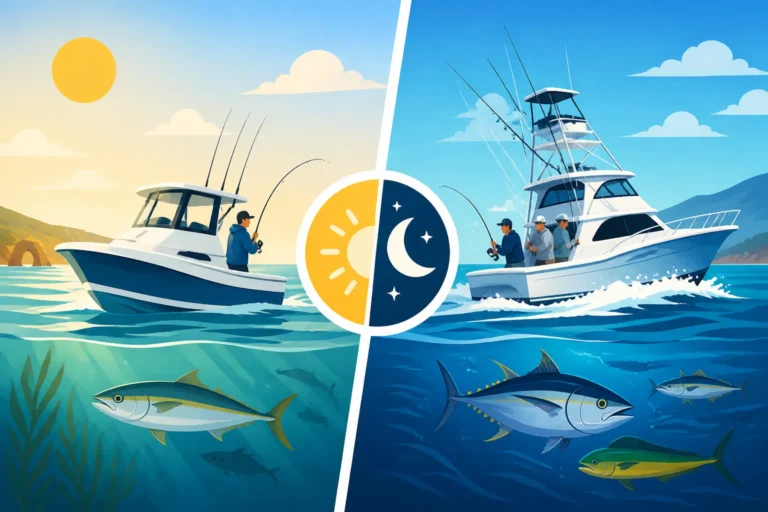
The vessel itself is your lifeline and base camp on a big-game fishing trip. For serious offshore pursuits, you'll typically be looking at either a dedicated sportfishing "party boat" (also known as an open-party boat) or a private charter. Party boats, like those operated by San Diego landings such as H&M Landing or Point Loma Sportfishing, are larger vessels, often ranging from 60 to over 100 feet, designed to accommodate numerous anglers. They are typically equipped with robust diesel engines for long runs, large bait tanks, expansive fishing cockpits, and amenities like bunks for overnight trips, a full galley serving hot food, and multiple restrooms (heads). They usually provide high-quality rental tackle, specifically heavy-duty rods and reels capable of handling large tuna or dorado. If you’re not bringing your own specialized gear, this is a huge plus.
Private charters, while more expensive per person, offer a more personalized experience. These can range from 30-foot center consoles to luxurious 80-foot sportfishers. The advantage is that you dictate the target species, location, and pace of the trip, and the boat is exclusively for your group. Both types of vessels, however, should have top-notch safety equipment, including radar, GPS, EPIRBs, life rafts, and comprehensive first-aid supplies. Checking boat specifications and photos on platforms like FishingBooker can give you a good idea of what to expect, from comfort to serious fishing capabilities. The size and stability of the boat become particularly important when you're 100 miles offshore dealing with unpredictable ocean conditions.
Crew Expertise and Experience
Perhaps even more critical than the boat itself is the experience and expertise of the captain and crew. Big-game fishing in California, especially for highly migratory species like tuna, requires a nuanced understanding of oceanography, weather patterns, and fish behavior. A seasoned captain knows how to "read" the ocean, where to find temperature breaks, bait schools, and offshore banks where these fish congregate. They track fish reports meticulously and often have decades of experience navigating these waters.
The deckhands are equally vital. They are the ones constantly working to set up drifts, manage tangled lines, gaff and process fish, and most importantly, coach anglers through the demanding fight of a big fish. A good deckhand can make or break your trip, offering advice on technique, helping you adjust your drag, and making sure your bait is presented perfectly. Look for charters with a reputation for experienced, professional, and attentive crews. Don't be shy about asking about the captain's and crew's specific experience targeting the species you're interested in; their knowledge of California Bluefin Tuna Season Explained can be invaluable. A competent crew not only increases your chances of success but also ensures your safety and enjoyment throughout the long, arduous hours far offshore.
Trip Duration and Destination
The length and destination of your big-game fishing trip directly influence the species you can target and the overall experience. Short-range, full-day charters (8-12 hours) departing from ports like Dana Point or Long Beach might focus on Yellowtail around the Channel Islands (such as Catalina Island or San Clemente Island) or White Seabass in specific zones. These trips are great for getting a taste of offshore fishing without committing to an overnight stay.
For serious tuna pursuits, especially for the larger Bluefin and Yellowfin that roam far offshore, you'll typically need to look at longer trips. "1.5-day" trips are very popular from San Diego, offering two full days of fishing with an overnight steam to the fishing grounds, allowing the boat to reach distant banks like Cortes Bank or Tanner Bank. Even longer "multi-day" or "long-range" trips (2.5 days up to 16 days) venture deep into Mexican waters, pursuing larger tuna and exotic species, though these require specific permits and are a whole different level of commitment. The further and longer you go, the more opportunity you have to find and pursue these elusive giants. Understanding the type of trip – whether it’s a San Diego Overnight Tuna Trips Explained or a full-day Yellowtail hunt – will help you match your ambition with the right charter offering.
| Big-Game Species | Primary Location | Best Season | Typical Trip Duration | Key Characteristics |
|---|---|---|---|---|
| Bluefin Tuna | Offshore banks (Cortes, Tanner), deep water off San Diego | May – Oct (varies yearly) | 1.5-day to Multi-day | Powerful, sustained runs; can exceed 300 lbs |
| Yellowfin Tuna | Offshore banks, warm water breaks off SoCal & Baja | July – Nov | 1.5-day to Multi-day | Fast, strong fighters; excellent table fare |
| Dorado (Mahi-Mahi) | Kelp paddies, floating debris, warm water offshore | July – Oct | Full-day offshore, 1.5-day | Acrobatic, colorful, aggressive; excellent eating |
| Yellowtail | Offshore islands (Catalina, San Clemente), high spots, kelp beds | Spring – Fall (year-round in some areas) | Full-day, 1.5-day | Hard fighting, dirty fighters; often found closer to islands |
| White Seabass | Kelp beds, specific inshore reefs, offshore islands | Spring – Summer | Full-day, sometimes 3/4-day | Elusive, delicate bite; highly prized for meat |
Top Ports for California Big-Game Fishing Charters
California's vast coastline offers several prime departure points for big-game fishing, each with its own specialties and advantages. Understanding which ports excel at what can significantly narrow down your search for the perfect big-game charter.
San Diego: The Tuna Capital
Without a doubt, San Diego holds the crown as California's undisputed big-game fishing capital, particularly when it comes to tuna. The city's proximity to prolific offshore banks and warmer southern waters makes it the launchpad for epic tuna expeditions. Landings like H&M Landing, Fisherman's Landing, and Point Loma Sportfishing are legendary, hosting fleets of world-class long-range and sportfishing boats. These vessels are custom-built for offshore comfort and hardcore fishing, often equipped with advanced sonar, large refrigerated fish holds, and spacious decks designed for serious angling.
From San Diego, you can book a range of trips, from full-day offshore excursions targeting Yellowtail and Dorado around the Coronado Islands (with valid Mexican fishing permits) to the immensely popular 1.5-day and 2.5-day trips that steam out to Cortes Bank and Tanner Bank for trophy Bluefin and Yellowfin. These longer trips offer the best chance at truly giant fish, as they reach prime hunting grounds that are simply too far for shorter outings. Many anglers come from all over the world specifically to experience the caliber of tuna fishing found here. It's a robust industry with a deep culture of serious angling, making it the go-to choice for those seeking the ultimate California Bluefin Tuna experience. If you’re wondering How Much Does a Fishing Charter Cost in San Diego, be prepared for a range, but the experience is often worth every penny.
Orange County to Los Angeles: Diverse Offshore Opportunities
Moving north from San Diego, the ports spanning Orange County and Los Angeles offer excellent access to a diverse array of big-game species, often with the added advantage of being closer to popular metropolitan areas. Ports such as Dana Point, Oceanside, Long Beach, and Marina del Rey serve as gateways to productive fishing grounds around the Channel Islands—most notably Catalina Island and San Clemente Island. These islands provide abundant habitat for Yellowtail, White Seabass, and even occasional early-season Bluefin tuna.
From these ports, you'll find a variety of full-day and 3/4-day charters that focus on these exciting inshore-to-offshore transition species. While these ports don't typically host the multi-day long-range tuna boats that San Diego is famous for, they provide fantastic opportunities for anglers looking for strong fighting fish closer to home. Many charters here specialize in How to Catch Yellowtail in California, often utilizing live bait and techniques like fly-lining or jigging around kelp beds and structure. They also target White Seabass, known for their elusive nature and superb table quality. If you're looking for an intense battle with a strong gamefish without committing to an overnight trip far offshore, these ports, particularly those offering Best Fishing Charters Departing from Long Beach, are excellent choices.
Central Coast: Less Tuna, More Pelagics and Gamefish
While the Central Coast of California might not be known for the same volume of offshore tuna as its southern counterparts, ports like Santa Barbara and Morro Bay still offer exciting big-game opportunities, albeit with a different focus. This region is a prime jumping-off point for exploring the Northern Channel Islands, including Santa Cruz, Santa Rosa, and San Miguel islands, which are teeming with life.
Here, anglers will find charters specializing in Yellowtail, often found patrolling the island kelp forests and rocky points. White Seabass are also a highly sought-after species in these waters, particularly during their spring and early summer runs. While massive tuna might be less common here compared to San Diego, you can still encounter other hard-fighting pelagics like Bonito and Barracuda, which, while smaller, offer thrilling surface strikes and fast-paced action. The fishing here is often characterized by stunning scenic beauty, as you explore the pristine waters and dramatic coastlines around the Channel Islands Fishing Guide. Charters from these ports cater to anglers looking for a challenging day on the water, targeting trophy-sized gamefish that require skill and patience, often with fewer crowds than the more southerly tuna fleets.
Preparing for Your Big-Game Adventure
Embarking on a big-game fishing charter is an exciting prospect, but proper preparation is key to ensuring a safe, comfortable, and successful trip. These aren't casual outings; they demand a bit more foresight than a simple day at the local lake.
Essential Gear and Clothing
Even though most reputable big-game charters will provide high-quality rental gear, including heavy-duty rods and reels specifically designed for the target species, there are still several items you absolutely need to bring yourself. Layered clothing is paramount. Ocean conditions can change rapidly, with cool mornings and evenings, warm midday sun, and sudden shifts in wind or fog. Think waterproof outerwear, warm base layers, and comfortable, non-slip shoes. A wide-brimmed hat, polarized sunglasses (crucial for spotting fish and structure), and high-SPF sunscreen are non-negotiables for sun protection.
Hydration is critical, so bring plenty of water and snacks. Many boats have galleys for food, but it’s wise to have your own provisions. If you're prone to seasickness, bring your preferred medication (Bonine, Dramamine, or patches) and take it before you board. Lastly, a medium-sized cooler for taking your filleted catch home is a good idea. Some anglers prefer to bring their own heavy-duty jigging or trolling setups, but ensure they meet the boat's requirements and are in excellent working order – battling a 100-pound tuna with subpar gear is an exercise in futility and frustration.
Licensing and Regulations
This is one area where you absolutely cannot cut corners. Before stepping foot on any California fishing charter, you must have a valid California Fishing License. This is not something the boat provides, and wardens do check. For saltwater big-game fishing, you'll also almost always need to purchase an Ocean Enhancement Stamp. This stamp contributes to programs that support marine fish populations and is required for fishing in ocean waters south of Point Arguello (Santa Barbara County).
Beyond the license and stamp, it's crucial to be aware of current California Fishing Regulations Explained, especially regarding bag limits, size limits, and season closures for your target species. These can change seasonally and based on fish stock health, so always check the latest regulations from the California Department of Fish and Wildlife (CDFW) website or brochure. The charter captain and crew will certainly be knowledgeable, but as the angler, ultimate responsibility lies with you. For species like Bluefin, Yellowfin, and Dorado, there are specific limits on how many you can keep and minimum sizes. Ensure you understand these rules to avoid any issues or penalties.
Booking Your Trip
Booking your big-game fishing trip requires a bit of strategy, especially if you have specific dates or target species in mind. Popular trips, particularly 1.5-day tuna trips out of San Diego during peak season (summer and fall), can sell out months in advance. It's always best to book as early as possible. Start by researching charters online, looking at reviews and fish counts from previous seasons. Websites like FishingBooker are excellent resources for comparing different boats, trip types, and availability, allowing you to read testimonials from other anglers who have experienced these trips firsthand.
When you're ready to How to Book a California Fishing Charter, be clear about your expectations and any questions you have. Confirm what's included (bait, tackle rentals, food) and what's not. Ask about their refund or rescheduling policy, especially regarding weather cancellations. Don't hesitate to call the landings directly; their staff can offer invaluable advice on current fishing conditions and help you choose the trip that best suits your goals. A little planning upfront will go a long way in ensuring your big-game fishing adventure is everything you hoped it would be.
Disclaimer
Please note that fishing regulations, seasons, and fish populations can change frequently. Always consult the latest California Department of Fish and Wildlife (CDFW) regulations before any fishing trip. The information provided in this guide is for general informational purposes only and should not be considered legal or professional advice.