California Half-Day vs Full-Day Charters
Deciding between a half-day and a full-day fishing charter in California can feel like a real head-scratcher, especially if you're eager to maximize your time on the water but are also mindful of budget and commitment. Many anglers, from seasoned veterans to excited first-timers, grapple with this choice, wondering if the extra hours and cost of a full-day trip are truly worth it, or if a shorter, more economical half-day option will still deliver the fishing adventure they crave. This guide is here to break down the nuances of both, helping you make the best decision for your next Golden State fishing excursion.
Understanding the Landscape of California Fishing Charters
California offers an incredible variety of fishing opportunities, from the vast Pacific Ocean teeming with pelagic species to the tranquil inland lakes and rivers holding trophy bass and trout. To tap into these rich waters, many anglers opt for fishing charters, which provide the boat, gear, and expert knowledge of a local captain. The most common options you'll encounter are half-day and full-day trips, each with its own rhythm and target species.
What Defines a Half-Day Charter?
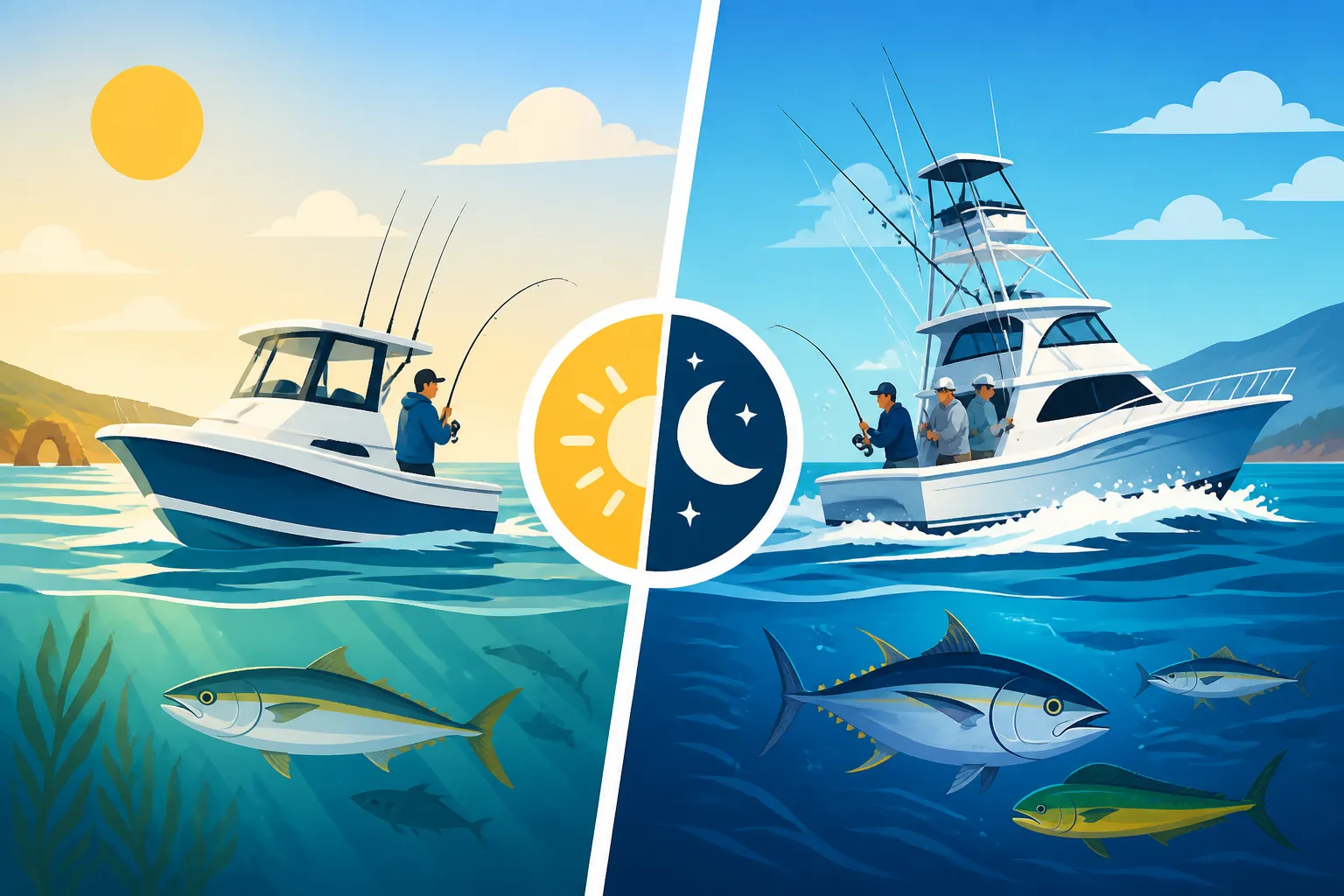
A half-day charter is typically a shorter trip, usually lasting between 4 to 6 hours. These trips are often conducted closer to shore, making them a fantastic option for those who might be prone to seasickness or are simply looking for a quicker dose of fishing action without dedicating an entire day. You’ll find these charters departing from various ports up and down the California coast, from San Diego to Crescent City. They're popular for targeting common nearshore species and are generally more budget-friendly.
The shorter duration means less travel time to distant fishing grounds, focusing instead on productive spots that are relatively accessible. This can be great for families with young children or anglers who have other plans for the rest of their day. While they might not venture as far offshore as their longer counterparts, a good half-day charter captain knows exactly where to find the fish in their local waters, often surprising guests with impressive catches.
What Defines a Full-Day Charter?
Full-day charters, on the other hand, are a more comprehensive experience, typically ranging from 8 to 12 hours, sometimes even longer for specialized trips like those targeting tuna. These trips allow for significantly more travel time, opening up access to offshore banks, kelp paddies, and deeper water wrecks that hold a greater diversity of species, often including larger, more prized game fish.
The extended time on the water isn't just about reaching further destinations; it also provides more fishing time once you're there. This means more drops, more drifts, and a higher chance of encountering active schools of fish. For serious anglers looking for a challenging fight or aiming to fill their cooler with a good variety of fish, a full-day trip is often the preferred choice. It's an immersive experience that allows you to fully disconnect and embrace the fishing lifestyle for the day.
The Half-Day Charter Experience: Quick Bites and Nearshore Thrills
Half-day charters are often underestimated, but they offer a unique and valuable fishing experience, particularly in California's diverse waters. They are not just for beginners; many experienced anglers opt for them when time is a constraint or when specific nearshore targets are in season.
Advantages of a Shorter Trip
One of the most obvious benefits of a half-day charter is its manageable duration. For families with restless kids or individuals new to boating, a 4-6 hour trip can be far less daunting than a full 10-hour excursion. You get to enjoy the thrill of fishing without the potential fatigue or seasickness that can sometimes accompany longer trips. It's also a fantastic way to dip your toes into the world of ocean fishing without a huge financial commitment.
From a practical standpoint, the shorter trip means less time away from other vacation plans or daily responsibilities. You can hit the water early, be back by lunchtime, and still have the afternoon free for sightseeing, hitting the beach, or enjoying a leisurely meal. Many coastal towns, like San Diego and Santa Barbara, have excellent nearshore fisheries that are perfect for these shorter trips, offering consistent action on species like rockfish, calico bass, and sometimes even smaller halibut.
Common Targets and Techniques
On a typical half-day charter in California, you'll generally be targeting species that reside closer to shore or in shallower waters. This often includes a variety of rockfish, like Bocaccio, Vermilion, and Copper rockfish, which are abundant along the rocky reefs and kelp beds that line the coast. You might also encounter active schools of calico bass, sand bass, or even some impressive halibut if the conditions are right.
The techniques employed on half-day trips are usually straightforward and effective. Jigging with artificial lures like iron jigs or plastics is common for rockfish and bass, as is bait fishing with squid, anchovies, or sardines. Depending on the season and location, you might also do some light trolling. For instance, if you're fishing out of a port like Marina del Rey, you could spend your morning dropping squid over a rocky reef for sheephead and rockfish, or bouncing plastics off the bottom for halibut in a sandy patch. The crew is always on hand to assist beginners with rigging and technique, ensuring everyone has a fair shot at catching fish.
Who is a Half-Day Charter Best For?
Half-day charters are truly a versatile option. They're ideal for families with younger children, where attention spans might be shorter, or for those new to ocean fishing who want to test the waters before committing to a longer trip. They're also perfect for casual anglers or tourists who want to experience California's amazing fishing culture without dedicating their entire day. If you're looking for a quick escape, a fun experience, and the chance to bring home some fresh fillets, a half-day trip can be incredibly rewarding.
Even experienced anglers sometimes choose half-day trips to target specific nearshore species during peak seasons or when they have limited time. Perhaps you're on a business trip to San Francisco and just have a morning free – a half-day charter out of Emeryville could still get you on some quality rockfish or even halibut in San Francisco Bay. They offer a fantastic balance of adventure and accessibility.
The Full-Day Charter Experience: Deep Dives and Big Game Pursuits
When you're ready to commit to a serious day of fishing, a full-day charter opens up a world of possibilities that simply aren't accessible on shorter trips. These excursions are where true sportfishing dreams often come true in California.
Deep Water, Distant Grounds, and Bigger Fish
The primary advantage of a full-day charter is the sheer amount of time you spend on the water. This extended duration allows the captain to travel further offshore, sometimes 30 to 100 miles or more, to reach prime fishing grounds. These can include deep-water canyons, offshore banks, distant kelp paddies, or even the migratory paths of pelagic species. The travel time itself is part of the adventure, offering breathtaking views of the coastline or endless ocean horizons.
Once at these distant spots, the longer fishing window means more opportunities to locate and stay on active schools of fish. This is crucial when targeting migratory species like tuna or dorado, which can move quickly. With more time, you can also employ a wider range of techniques, from slow trolling live bait to deep dropping heavy jigs. This often translates to a better chance at landing larger, more sought-after species and a more diverse catch overall, truly making it one of the Best Offshore Fishing Charters in California.
What You Can Expect to Target
With the extra time and range, full-day charters can target a much broader array of California fish species. Offshore, you're looking at pelagic powerhouses like bluefin tuna, yellowfin tuna, albacore tuna, and yellowtail, especially during the warmer months. These species provide incredible fights and are highly prized for their table fare. You might also encounter dorado (mahi-mahi) around kelp paddies or even marlin and swordfish on dedicated trips.
Closer to shore but still requiring significant travel, full-day charters often target deeper reefs for larger lingcod, red rockfish, and often limits of various other bottom dwellers. Some trips might even focus on specific seasonal opportunities, such as California Salmon Charter Trips in the fall or targeting white seabass during their spring and summer runs in Southern California. The possibilities are truly extensive, and a good captain will tailor the trip to the best current bite.
Who is a Full-Day Charter Best For?
Full-day charters are perfect for serious anglers, experienced hobbyists, and anyone truly passionate about the sport. If your goal is to land a trophy fish, experience the thrill of battling a hard-fighting offshore species, or simply enjoy a full day immersed in the fishing experience, then a full-day trip is undoubtedly your best bet.
They are also excellent for groups of friends or corporate outings where everyone is committed to a longer, more adventurous day. While more expensive, the per-hour cost often evens out, and the potential for a memorable, action-packed day usually justifies the investment. If you've been dreaming of that epic tuna battle or a cooler full of fresh fillets, don't shy away from the full-day commitment.
Key Factors to Consider When Choosing Your Charter
Making the right choice between a half-day and full-day charter involves more than just looking at the clock. Several practical and personal factors should play into your decision.
Budget Considerations
Let's be realistic, cost is often a major factor. Full-day charters are almost always more expensive than half-day trips, simply due to the increased fuel consumption, crew hours, and wear and tear on the vessel. However, consider the value proposition. While a full-day trip might cost twice as much, it often provides more than twice the fishing time and access to higher-value species.
When budgeting, remember that the posted price often doesn't include everything. You'll likely need a California Fishing License Guide, and don't forget to factor in gratuities for the crew—typically 15-20% of the trip cost. Some charters might also charge extra for bait, tackle rentals, or fish cleaning. Make sure you understand all potential costs upfront when booking, whether directly with the charter or through a platform like FishingBooker. To get a better idea, check out How Much Does a California Fishing Charter Cost.
Time Commitment and Schedule
Your available time is a crucial determinant. If you're on a tight schedule, perhaps a weekend getaway, a half-day trip allows you to fit in a great fishing experience without sacrificing other activities. It's a fantastic option for a quick morning or afternoon outing. However, if you have a full day to dedicate to fishing, embracing the full-day charter allows for a more relaxed pace and a deeper immersion into the fishing environment.
Think about your group as well. Will everyone be happy spending 10-12 hours on a boat, or are some members more suited to a shorter excursion? Seasickness can also be a factor; if you or someone in your party is prone to it, a shorter trip might be a wiser choice, even with preventative measures in place.
Target Species and Fishing Goals
What do you really want to catch? This question should heavily influence your decision. If your dream is to battle a powerful bluefin tuna, chase yellowtail around kelp paddies, or fill your freezer with a variety of deep-water rockfish and lingcod, a full-day offshore trip is almost certainly required. These species typically inhabit distant waters or require extended periods of searching.
If, however, you're content with catching a variety of smaller, but still exciting, nearshore species like calico bass, sand dabs, or common rockfish, then a half-day charter can be incredibly satisfying. These trips are fantastic for consistent action and don't require venturing far from port. Always discuss your target species preferences with the charter captain or booking agent. They can advise you on the Best Season to Book a California Charter for specific fish and which trip duration is most suitable.
| Feature | Half-Day Charter (4-6 hours) | Full-Day Charter (8-12+ hours) |
|---|---|---|
| Duration | Shorter, 4-6 hours | Longer, 8-12+ hours |
| Cost | Generally lower | Generally higher |
| Travel Distance | Closer to shore, fewer miles traveled | Further offshore, more miles traveled |
| Fishing Grounds | Nearshore reefs, kelp beds, local structures | Offshore banks, deep-water canyons, distant kelp paddies |
| Target Species | Rockfish, calico bass, sand bass, small halibut, bonito | Tuna (Bluefin, Yellowfin), Yellowtail, Dorado, Lingcod, Salmon |
| Pace | Faster, focused on quick action | More relaxed, extended fishing time, multiple spots |
| Suitability | Families, beginners, casual anglers, limited time | Serious anglers, experienced groups, target big game |
| Seasickness Risk | Lower, shorter exposure | Higher, extended exposure to open ocean |
| Catch Potential | Good for consistent action, smaller to medium fish | Higher potential for trophy fish, larger volume, diversity |
Preparing for Your California Fishing Adventure
Once you've decided on the duration of your charter, a little preparation goes a long way to ensure you have a fantastic and comfortable day on the water.
What to Bring and Wear
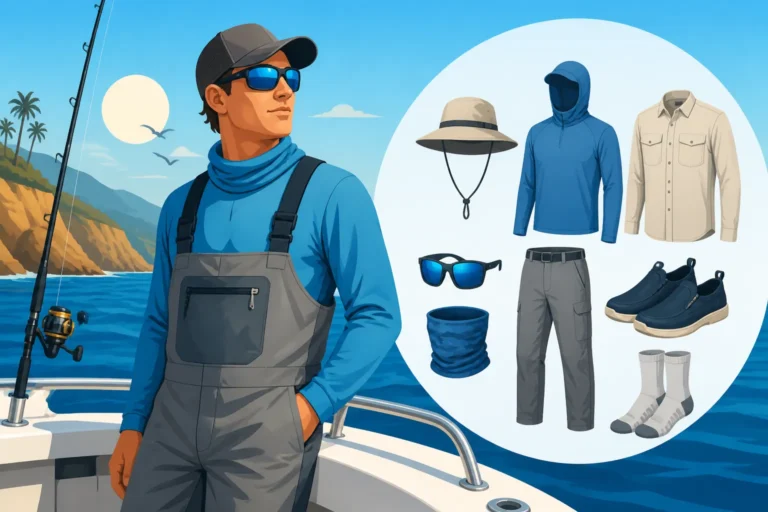
No matter if you're embarking on a half-day or full-day trip, certain essentials remain the same. Always dress in layers! California weather, especially on the coast, can be unpredictable, often starting cool and foggy in the morning and warming up significantly by midday. A waterproof outer layer is highly recommended, as sea spray can be constant, and unexpected rain showers can occur. Non-slip shoes are a must for safety on a wet deck.
Beyond clothing, a good pair of sunglasses, a wide-brimmed hat, and plenty of sunscreen are critical for protecting yourself from the relentless California sun. Pack any personal medications you might need, especially if you're prone to seasickness (take preventative medication before you board!). While most charters provide basic tackle, if you have a favorite rod and reel setup that's appropriate for the target species, check with the crew if you can bring it. Most importantly, don't forget your valid California fishing license! For a detailed list, check out What to Bring on a California Fishing Charter.
Understanding the Vessel and Crew
California fishing charters operate on a variety of vessels, from smaller six-pack boats (carrying up to six passengers plus crew) to large party boats (also known as open-party boats) that can accommodate dozens of anglers. Half-day trips are often available on both types, while full-day offshore tuna trips might lean more towards six-packs or specialized long-range party boats. The type of vessel influences the experience, with smaller boats offering a more personalized trip and larger boats often having more amenities and deck space.
The crew on a charter boat is there to help you have a successful and enjoyable trip. They'll assist with baiting hooks, untangling lines, gaffing fish, and offering advice. Don't hesitate to ask them questions, but also be mindful of their busy workload. Learning a bit about California Party Boat Etiquette beforehand can make your trip smoother and more enjoyable for everyone on board. They work hard, so remember that Tipping on a California Fishing Charter is customary and greatly appreciated for their efforts.
Safety First on the Water
Fishing, especially offshore, comes with inherent risks, but reputable charter operations prioritize safety above all else. Before you even leave the dock, the captain should conduct a safety briefing, pointing out emergency exits, life preservers, and essential safety equipment. Pay close attention to these instructions, even if you're a seasoned boater.
Always listen to the crew's directions, especially when they're handling fish or moving around the deck. The deck can get slippery, and hooks and sharp objects are common. If you have any concerns or feel unwell, communicate immediately with a crew member. California waters can sometimes be rough, so understanding How Seasickness Works on California Offshore Trips and preparing accordingly is smart. A safe trip is a fun trip!
Booking Your California Fishing Adventure
With your decision made, it's time to secure your spot on a fantastic California fishing charter. The process is usually straightforward, but a few tips can help you find the perfect trip.
Finding and Selecting a Charter
There are several ways to find a reputable charter. Many anglers prefer to book directly with a local sportfishing landing or charter company, especially if they're familiar with the area or have received recommendations. Major landings like Fisherman's Landing and H&M Landing in San Diego, or Berkeley Charter Boats in the Bay Area, have decades of experience and offer a wide range of trips.
Online booking platforms have also made it incredibly easy to compare options and book trips from anywhere. Websites like FishingBooker are a popular choice for many, as they aggregate numerous charters in different California regions, allowing you to filter by location, duration (half-day vs. full-day), target species, and even boat amenities. They provide reviews from other anglers, which can be invaluable when making your selection. When looking at options on FishingBooker, pay attention to the captain's experience and the condition of the boat. Remember to check out How to Book a California Fishing Charter for more detailed advice.
Key Questions to Ask Before Booking
Don't be shy about asking questions before you put down a deposit. A good charter operator will be happy to provide all the information you need. Here are some key things to clarify:
- What's included in the price? (e.g., bait, tackle, license, fish cleaning)
- What's the cancellation policy? (especially important for weather-related cancellations)
- What species are you primarily targeting on this trip? (confirm it aligns with your goals)
- How many anglers will be on the boat? (especially for party boats, to gauge crowding)
- Are there any age restrictions or recommendations for children?
- What payment methods do they accept?
Asking these questions upfront ensures there are no surprises on the day of your trip. Sometimes even seemingly small details, like whether tackle rental is included, can impact your overall experience and budget. For instance, FishingBooker listings usually detail what's included, which helps clarify things right away.
Maximizing Your Trip Experience
Once your trip is booked, there are a few things you can do to ensure you have the best possible time on the water. First, arrive early! This gives you time to check in, get your gear sorted, and find a good spot on the boat without feeling rushed. A few minutes early is better than a minute late, especially with California Party Boat Fishing Explained, as boats often depart promptly.
Engage with the crew and your fellow anglers. They're a wealth of knowledge, and you might learn new tips or make new friends. Most importantly, stay positive and enjoy the experience, regardless of the size or number of fish you catch. Fishing is about the adventure, the camaraderie, and the beauty of being out on the water. Even on slower days, a good attitude can make all the difference.
Disclaimer
Please note that fishing regulations, seasons, and limits in California are subject to change by the California Department of Fish and Wildlife (CDFW). While every effort has been made to provide accurate and up-to-date information in this guide, it is always your responsibility to consult the latest official CDFW regulations before engaging in any fishing activity. This content is for informational purposes only and should not be considered a substitute for official legal or regulatory advice.