Best Season to Book a California Charter
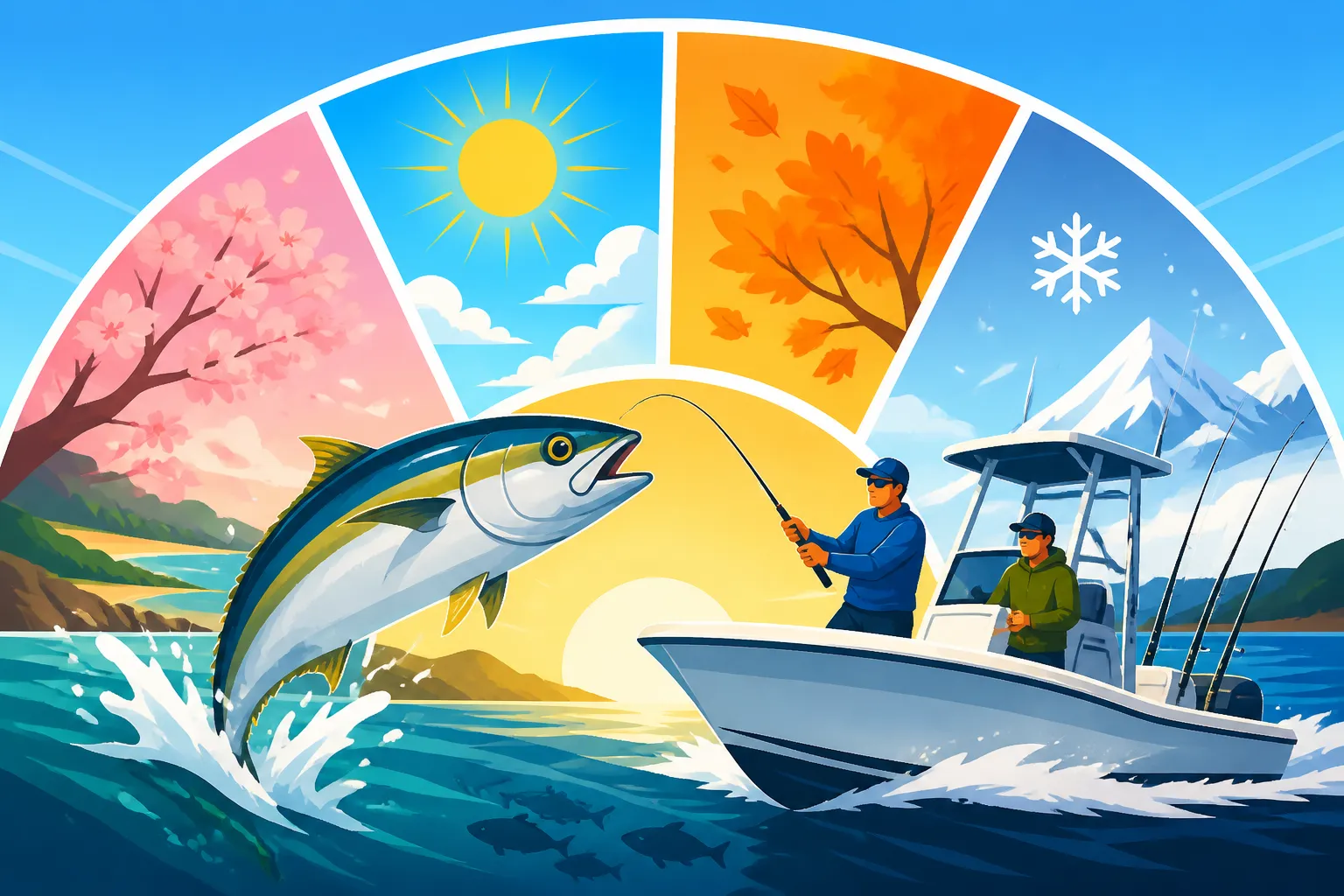
Trying to figure out the absolute best time to book a California fishing charter can feel like a real head-scratcher. With California's vast coastline, diverse freshwater systems, and incredible array of species, the "best season" isn't a one-size-fits-all answer. This comprehensive guide will walk you through the nuances of each season, helping you pinpoint the ideal time for your dream fishing adventure, whether you're chasing trophy tuna offshore or serene trout in the Sierras.
Understanding California's Fishing Seasons
California's fishing landscape is incredibly diverse, stretching from the chilly, rugged coasts of the north to the warmer, subtler waters of the south, not to mention the extensive inland lakes and rivers. This means that what's "in season" or "hot" in one part of the state might be completely different just a few hundred miles away. The "best" time often depends on what you're hoping to catch, the kind of weather you prefer, and how much you want to avoid the crowds. Planning your trip around these factors is key to a successful and enjoyable charter experience.
The Dynamic Nature of Fish Seasons
Fish migrations, spawning patterns, and water temperatures all play a crucial role in determining when certain species are most abundant and actively biting. For instance, the highly anticipated bluefin tuna season often kicks off in late spring and can run well into the fall, but its peak can vary significantly year to year based on ocean conditions and bait availability. Similarly, freshwater species like trout have different peak seasons in high mountain lakes compared to lower elevation reservoirs.
Impact of Weather and Ocean Conditions
California's weather, while generally mild, can still have a major impact on fishing. Offshore trips can be particularly susceptible to wind and swell, especially during the colder months or stormy periods. Rough seas can lead to uncomfortable rides, fewer fish bites, and even cancelled trips – a real bummer if you've been looking forward to it for months! Inland, heavy rains can muddy rivers, affecting visibility for species like salmon and steelhead, while hot summer days might send some fish into deeper, cooler waters. Always keep an eye on the forecast and consider the typical conditions for your chosen season and location.
Spring Fishing Charters March to May
Spring in California is a season of awakening, both on land and in the water. After the winter chill, water temperatures begin to rise, and many species become more active. This is a fantastic time for a charter trip, offering a sweet spot before the summer crowds truly descend.
Target Species and Opportunities
During spring, you'll find a wide variety of fish becoming more accessible. In Southern California, the inshore bite for species like barracuda and calico bass starts to pick up as they move closer to kelp beds. Offshore, early season yellowtail can make an appearance, especially around the Channel Islands. For those looking for bigger game, this is often when the first whispers of bluefin tuna start to appear further offshore, though they might be less consistent than in summer or fall.
Further north, freshwater opportunities abound. Rivers that host steelhead runs might still be productive, especially in early spring. Lakes and reservoirs are excellent for bass as they begin to move into shallower waters for their spawn. Trout fishing in stocked lakes and streams also hits its stride as the weather warms, making for some truly picturesque days on the water. If you're hoping to catch some of these active species, spring can be an excellent choice for a California fishing charter.
Weather and Ocean Conditions in Spring
The weather in spring is generally pleasant, offering a nice balance between cool mornings and comfortably warm afternoons. Ocean conditions tend to be more stable than in winter, with fewer major storms, though late-season fronts can still bring some chop. You might encounter patchy morning fog along the coast, especially in areas like Monterey Bay, which usually burns off by midday. It’s always smart to dress in layers, as conditions can change rapidly throughout the day.
While the ocean is generally calmer, there's always a chance of a rogue swell, so if you're prone to seasickness, it's worth considering preventative measures. The milder conditions make spring a great time for families or those new to offshore fishing to get their sea legs without the intense heat of summer.
Crowds and Availability
One of the big advantages of booking a spring charter is generally lighter crowds compared to the peak summer months. Schools are still in session, and many families haven't started their summer vacations. This means more elbow room on party boats and better availability for private charters. It also means less competition at popular ramps and fishing spots.
However, as the fishing starts to heat up, word gets out quickly, especially for popular early-season bites like yellowtail or when the first big bluefin show up. Booking a few weeks in advance is usually sufficient, but for prime weekend dates or specific boats, you might want to secure your spot a month or two out. Sites like FishingBooker can help you compare available charters and book in advance, ensuring you get the boat and date you want before the rush.
Summer Fishing Charters June to August
Ah, summer in California! This is arguably the most popular time for fishing charters, and for good reason. The weather is fantastic, the ocean is generally warm and inviting, and many of the most sought-after species are in full swing. If you're looking for vibrant action and reliable conditions, summer is your go-to.
Abundant Species and Offshore Action
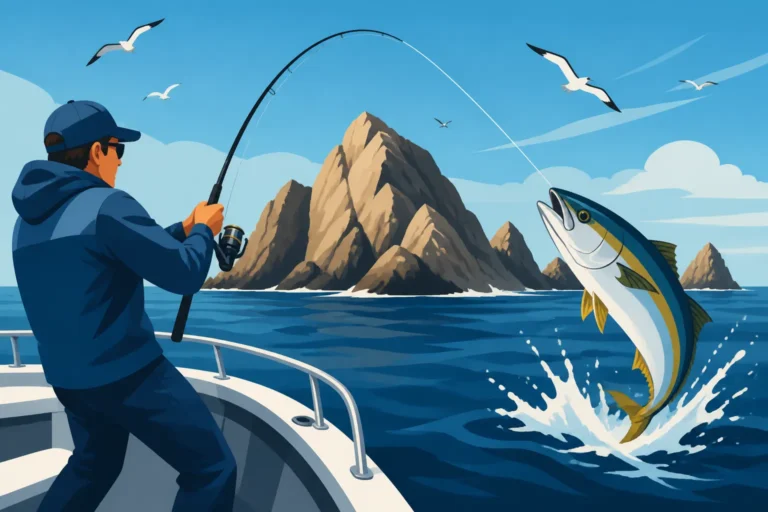
Summer is prime time for offshore pelagic species, particularly in Southern California. Bluefin tuna fishing can be absolutely epic, with boats targeting everything from schoolie-sized fish to true giants over 200 pounds. Yellowfin tuna and dorado (mahi-mahi) also move into range as warmer waters push north, offering thrilling topwater action. Closer to shore, yellowtail continue to be a strong target, along with calico bass, barracuda, and various rockfish species.
In freshwater, the high Sierra lakes and rivers are fully accessible, offering incredible trout fishing opportunities. Reservoirs throughout the state provide consistent action for bass, crappie, and catfish. If you're wondering how to catch Bluefin Tuna off California, summer is definitely the season when these powerful fish are most reliably found within striking distance of Southern California ports.
Ideal Weather and Water Temperatures
The weather during California's summer is typically sunny, warm, and stable. Coastal areas enjoy pleasant sea breezes, while inland temperatures can soar, making early morning or late evening fishing preferable for some freshwater spots. Ocean temperatures are at their warmest, which is crucial for attracting those warm-water pelagic species like tuna and dorado. Calm seas are more common, though afternoon winds can still kick up a chop, especially further offshore.
For those prone to seasickness, summer generally offers the most forgiving conditions for offshore adventures. The long daylight hours also mean more time on the water, allowing for full-day and even multi-day trips to distant fishing grounds. This stability makes it an excellent time to tackle longer trips like San Diego Overnight Tuna Trips Explained.
Peak Crowds and Booking Challenges
There's no sugarcoating it: summer is peak season, and with it come the crowds. Fishing charters, especially popular party boats and well-regarded private operations, book up incredibly fast. Popular spots like the Best Fishing Charters in San Diego fill their calendars months in advance. Marinas are bustling, and you might encounter more boats at your favorite fishing spots.
If you have specific dates in mind, especially weekends or holidays, you absolutely need to book your charter several months in advance. Last-minute bookings are rare for prime slots, though you might find cancellations or week-day openings. Using a platform like FishingBooker allows you to easily compare pricing and availability across multiple charter operations, giving you the best chance to secure your ideal trip. Don't forget, during this busy time, understanding California Party Boat Etiquette is more important than ever to ensure a smooth trip for everyone.
Fall Fishing Charters September to November
Fall in California is a golden season for anglers, often considered by many seasoned veterans to be the absolute best time for specific types of fishing. The summer crowds begin to thin, but the fishing remains red-hot for many species, sometimes even reaching its peak.
Continued Action for Pelagics and Inland Runs
As summer transitions to fall, the offshore bite often continues strong, particularly for tuna and yellowtail. Bluefin tuna can remain plentiful through September and October, sometimes even growing larger as they bulk up for winter. Yellowtail often become more aggressive. This is also a fantastic time for species like white seabass, which can be found in good numbers along kelp beds.
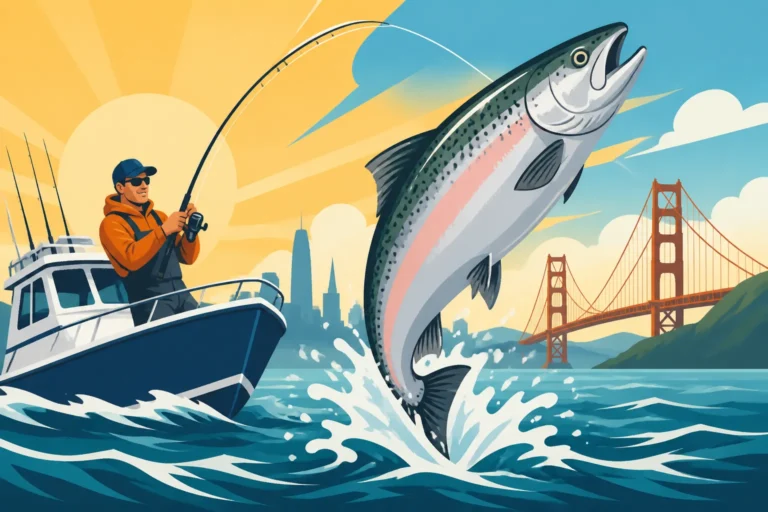
Crucially, fall marks the beginning of the salmon and steelhead runs in many of California's northern rivers, such as the Sacramento and Klamath. Anglers flock to these rivers to target these powerful anadromous fish. This is the period when understanding California Salmon Season Dates Explained becomes vital. For freshwater enthusiasts, fall also means cooler temperatures, making bass and trout very active as they feed heavily before winter.
Transitioning Weather and Ocean Conditions
Fall weather offers a beautiful transition. Early fall often feels like an extension of summer, with warm, sunny days. As the season progresses, temperatures cool, and crisp, clear days become more common. Ocean conditions can be a mixed bag; early fall often maintains the calmer seas of summer, but as winter approaches, the likelihood of strong winds and larger swells increases.
"Indian summer" periods can offer incredibly pleasant days, but you should always be prepared for cooler temperatures, especially mornings and evenings, and the potential for rain, particularly in northern California. Layering remains your best friend. Despite the slight increase in unpredictable weather, many anglers prefer the fall for its generally comfortable conditions and prolific fishing.
Fewer Crowds and Excellent Availability
This is where fall truly shines for many anglers. The intense summer crowds have largely dissipated as kids go back to school and vacation schedules normalize. This means less competition for prime charter dates and less pressure on the fish. You'll often find more flexibility in booking, and a more relaxed atmosphere at the docks and on the water.
While popular salmon and steelhead rivers might still draw a crowd, the overall pressure on saltwater charters is noticeably lower. This makes it an ideal time to snag a desirable trip without having to book six months in advance. You can often find great deals and more personalized attention from captains and crews. If you're flexible with your dates, you might even be able to find a last-minute spot on a great trip.
Winter Fishing Charters December to February
Winter fishing in California can be a bit of a mixed bag, but don't write it off entirely! While some species migrate away or become less active, other opportunities open up, making it a unique and often rewarding time for those willing to brave the cooler temperatures.
Rockfish and Lingcod Reign Supreme
When it comes to saltwater, winter is prime time for bottom fishing. Rockfish species are abundant, and this is often the best season to target trophy lingcod. Deep-sea fishing charters will focus on these groundfish, often employing jigs or bait in deeper waters. While some areas have depth restrictions or seasonal closures for certain rockfish, many regions remain open and productive. Knowing the California Rockfish Regulations and Limits is crucial during this period.
Freshwater fishing can also be excellent. Many lakes and reservoirs continue to offer good bass fishing, especially during warmer spells, and trout remain active, particularly in stocked waters. The California Delta can be a hot spot for striped bass, especially after winter storms. For those seeking a challenge, winter can also bring strong steelhead runs on certain rivers, though conditions can be tough.
Colder, Potentially Stormier Weather
Winter naturally brings cooler temperatures, and the chance of rain, especially in Northern California, increases significantly. Offshore, you can expect the roughest ocean conditions of the year, with larger swells and stronger winds being more common. Charter cancellations due to weather are more frequent in winter, which can be frustrating if you've been looking forward to a trip.
However, intermingled with the storms are often beautiful, crisp, clear days with surprisingly calm seas. These "windows" of good weather can offer some of the most productive and pleasant winter fishing. Dressing warmly in waterproof layers is absolutely essential for any winter charter. Don't forget your beanie and gloves!
Minimal Crowds and Flexible Booking
The biggest perk of winter fishing is undoubtedly the lack of crowds. Many fair-weather anglers have packed up their gear, leaving the waterways much quieter. This means you'll have more space on party boats, and private charters are much easier to book, often with short notice. You might even find some off-season discounts.
While charter availability for specific offshore species like tuna will be non-existent, boats specializing in rockfish and lingcod are typically running whenever weather permits. If you're planning a trip during the colder months, be prepared for potential rescheduling due to weather, but embrace the solitude and the unique fishing opportunities that winter provides. It's a great time to learn about specific species like how to catch Lingcod in California without the pressure of peak season crowds.
Key Factors Influencing Your Best Season Choice
Deciding on the "best" season for your California fishing charter isn't just about what fish are biting. It’s a deeply personal choice that balances your fishing goals, preferred weather, budget, and even how much you mind sharing the water. Thinking through these factors beforehand will help you refine your ideal booking window.
Species-Specific Seasons and Locations
The number one factor dictating your ideal booking season is almost always the species you're hoping to target. California's diverse ecosystems mean different fish peak at different times in different regions. For example, if you're dreaming of a trophy bluefin tuna, your window is likely late spring through fall in Southern California. But if giant white sturgeon are calling your name, you might be looking at winter to early spring on the California Delta.
Understanding the migratory patterns, spawning cycles, and feeding habits of your target species is paramount. A good charter captain will specialize in certain types of fishing, and knowing their expertise aligned with your target fish will guide your seasonal decision. Don't just pick a season; pick a season that matches the fish you want to catch in the area you want to fish. Many resources, like our detailed guide on California Fishing Seasons: Month-by-Month Guide, can provide invaluable insights into this.
Here’s a quick overview of some popular species and their general peak seasons:
| Species | Primary Season | Region Focus | Typical Conditions |
|---|---|---|---|
| Bluefin Tuna | Summer-Fall (June-Nov) | Southern California | Warm, generally calm |
| Yellowtail | Spring-Fall (Apr-Oct) | Southern/Central CA | Mild to warm, variable |
| California Halibut | Spring-Summer (Apr-Aug) | Bays & Nearshore | Mild, often calm |
| King Salmon | Summer-Fall (Jul-Oct) | Northern Coast/Rivers | Variable, can be rough |
| Rockfish & Lingcod | Year-round (Seasonal closures apply) | Coastwide, Deepwater | Cooler, can be rougher |
| Largemouth Bass | Spring-Fall (Mar-Nov) | Inland Lakes/Reservoirs | Warm, stable |
| Rainbow Trout | Spring-Fall (Mar-Nov) | Rivers, Lakes, Sierras | Cool to mild, stable |
| Striped Bass | Spring-Fall (Apr-Nov) | Delta, Bays | Mild to warm, can be windy |
| White Sturgeon | Winter-Spring (Dec-May) | Delta, Bays | Cold, potentially rainy |
Note: Seasons can vary year to year based on environmental factors and regulations. Always check current regulations.
Personal Preferences and Budget Considerations
Beyond the fish, your personal comfort and budget play a huge role. Do you thrive in the heat of summer, or do you prefer the cooler, crisper air of fall? Are you prone to seasickness, making calmer summer seas a priority, or are you a seasoned veteran who doesn't mind a little chop? Your tolerance for crowds is another big one; some anglers love the bustling energy of a busy dock, while others prefer the solitude of an off-season trip.
Budget also comes into play. While charter prices are generally stable, you might find more competitive rates or special packages during the shoulder seasons (late spring, early fall) or in winter when demand is lower. Fuel costs, which can heavily influence offshore charter prices, are also a factor. Thinking about these personal preferences will ensure your trip is enjoyable, not just productive. Considering how much does a California fishing charter cost will definitely factor into this decision.
Charter Availability and Booking Strategy
No matter how perfect the season, if you can't get a spot on a reputable charter, it won't matter! As mentioned, peak season (summer) requires booking months in advance. Reputable captains with well-maintained boats and a strong track record fill up their schedules quickly. If you're targeting a specific boat or captain, reach out as soon as your dates are firm.
Off-season or shoulder-season bookings offer more flexibility. This is where you might find more last-minute opportunities or be able to choose from a wider selection of boats. When you're ready to actually book, sites like FishingBooker can be incredibly helpful for checking real-time availability and reading reviews from other anglers, giving you peace of mind before you commit. Always confirm what's included in your trip, such as gear and bait, and remember to ask about their cancellation policy, especially if you're booking during a season with potentially volatile weather. And of course, don't forget to ask about the California Fishing License Guide and whether you'll need one for your specific trip.
Maximizing Your California Charter Experience
Booking a fishing charter is an investment in an experience, and you want to make the most of it. Beyond just picking the "best" season, there are several steps you can take to ensure your trip is everything you hoped for and more.
Researching Reputable Charter Operations
Just like you wouldn't pick a restaurant without checking reviews, you shouldn't book a charter blind. Look for operations with strong reputations, experienced captains, and well-maintained vessels. Online reviews on platforms like Google, Yelp, and specialized fishing booking sites offer a wealth of information. Pay attention to comments about the crew's professionalism, their knowledge of local waters, and their ability to put clients on fish.
Consider the type of trip they specialize in. Some captains are renowned for their offshore tuna prowess, while others might be experts at inshore halibut or freshwater bass. Choose a charter that aligns with your target species and desired fishing style. Don't hesitate to call them directly with any questions; a good operation will be happy to chat and help you plan. When researching, you might also consider whether a California Half-Day vs Full-Day Charters trip is right for you, depending on your stamina and goals.
Preparing for Your Trip
Once you've booked, preparation is key. This includes checking the weather forecast in the days leading up to your trip, gathering appropriate clothing (layers are always recommended in California, even in summer!), and packing any personal items. Sunscreen, sunglasses, and a hat are non-negotiable for sun protection. If you're prone to seasickness, take preventative medication the night before and the morning of your trip.
It's also a good idea to confirm with your charter what they provide (e.g., tackle, bait, ice chest for your catch) and what you should bring. Most charters provide all necessary fishing gear, but some anglers prefer to bring their own lucky rod. Remember to pack snacks and drinks, and don't forget your camera to capture those memorable moments. Our guide on What to Bring on a California Fishing Charter offers a comprehensive checklist.
Navigating Regulations and Licenses
California has some specific and sometimes complex fishing regulations, varying by species, location (e.g., ocean vs. freshwater), and even time of year. Before your trip, ensure you understand the requirements for a California fishing license. Most charters expect you to have your own license, though some may offer to facilitate temporary licenses for an additional fee. It's always best to clarify this beforehand.
Additionally, be aware of specific bag and size limits for the fish you plan to target. Your captain and deckhands are experts on this, but it's good practice to be informed. Report cards are also required for certain species like salmon, steelhead, and sturgeon, even if you plan to release them. Familiarizing yourself with details like California Saltwater Fishing Regulations or California Freshwater Fishing Regulations will prevent any potential issues and ensure you have a legal and enjoyable outing.
Disclaimer
Please note that fishing conditions, regulations, and seasons in California can change frequently due to environmental factors, species populations, and management decisions by the California Department of Fish and Wildlife (CDFW). Always check the latest regulations and fishing reports before heading out on any fishing trip. This guide provides general information and recommendations, but it is not a substitute for current official CDFW guidelines.