Fishing Charters in Morro Bay
Planning a fishing trip can feel like navigating a maze of regulations, boat options, and an overwhelming number of choices, especially when you're looking at a gem like Morro Bay. It's easy to get bogged down wondering which charter is best, what fish you'll actually catch, or if you even need a license when you're on a boat. This comprehensive guide is designed to cut through that confusion, giving you all the nitty-gritty details about booking and experiencing an incredible fishing charter right out of Morro Bay, ensuring you're well-prepared for a successful and enjoyable day on the water.
Why Choose Morro Bay for a Fishing Charter?
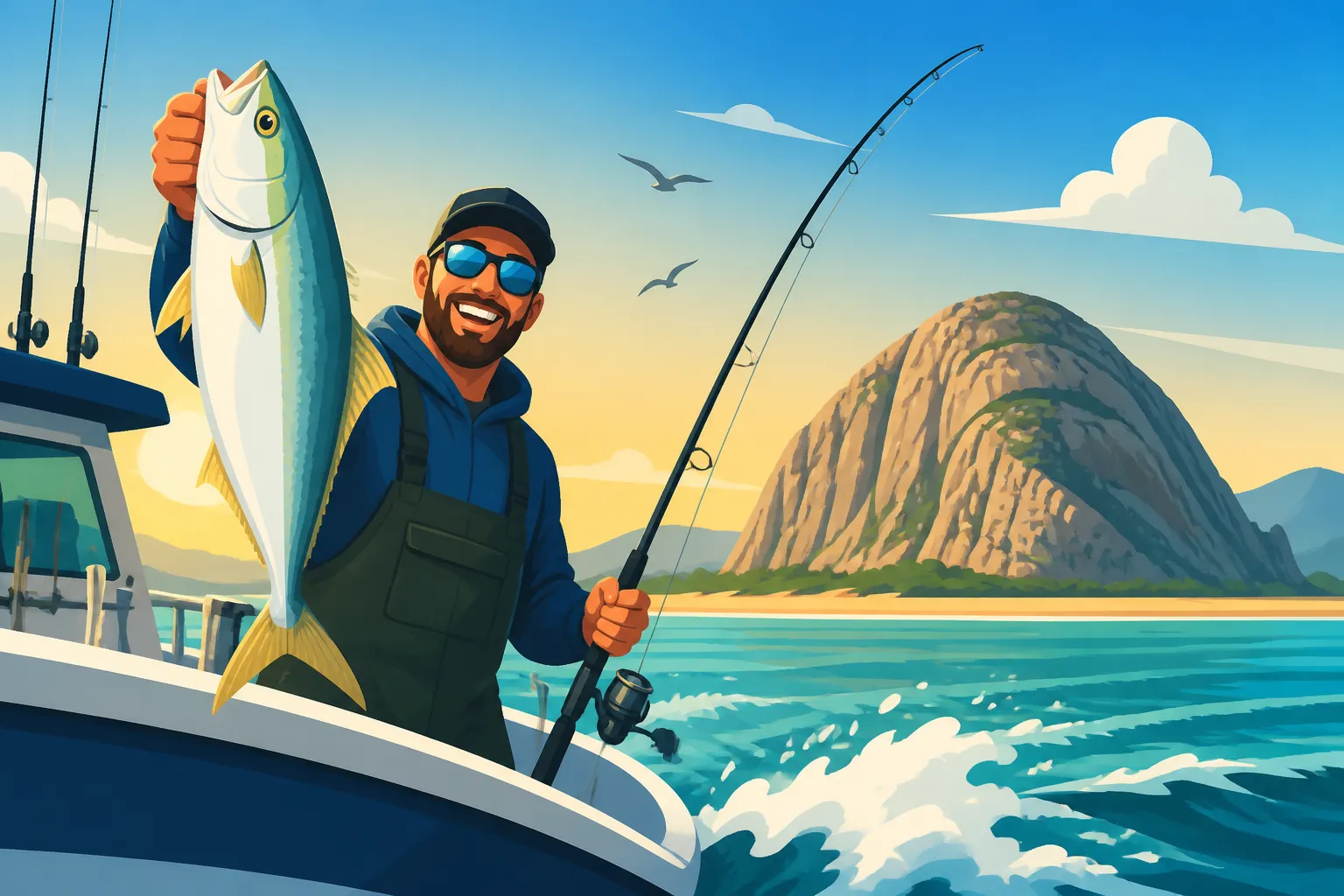
Morro Bay isn't just a pretty face with its iconic Morro Rock; it's a vibrant hub for some of the most diverse and productive fishing on the Central Coast of California. Many anglers overlook this area in favor of the bigger cities, but those in the know understand that Morro Bay offers a unique blend of accessibility, consistent fishing opportunities, and breathtaking natural beauty that's hard to beat. It’s truly a special place where the fishing grounds are relatively close to port, meaning less travel time and more fishing time, which is always a win in my book!
The Unique Morro Bay Fishery
What makes the Morro Bay fishery so special? Well, for starters, its geographical location. Nestled along the central coast, it benefits from a diverse underwater topography. We're talking about a mix of sandy flats, rocky reefs, kelp forests, and deep canyons relatively close to shore. This varied habitat attracts a huge array of species, from the bottom-dwelling rockfish and lingcod that thrive on structure, to the pelagic halibut and white seabass that cruise the calmer waters. The bay itself provides a sheltered launch point, so even on days when the open ocean might be a bit choppy further north or south, Morro Bay often offers a slightly more forgiving entry. Plus, the outflow from the bay systems brings nutrients, creating a rich feeding ground that keeps the fish active and healthy.
Variety of Fish Species Available
When you head out from Morro Bay, you're not just hoping for one type of fish; you're often targeting a smorgasbord, depending on the season and specific regulations. For many, the draw is the incredible rockfish bite. You can pull up everything from vermilions and bocaccio to chilipeppers and even the occasional copper rockfish. These are fantastic eating fish and put up a great fight. But it doesn't stop there. Lingcod, those prehistoric-looking predators, lurk on the same reefs, offering a powerful tug that can really get your heart pumping. Then you have California halibut, a highly prized flatfish that can be found cruising the sandy bottoms, often requiring a bit more finesse to entice. During certain times of the year, especially late spring through fall, the waters outside Morro Bay can also light up with migratory species like salmon and even various tuna species if the conditions are right and they push close to shore. It's this sheer variety that keeps anglers coming back, because you never quite know what surprise the ocean will bring up next.
Stunning Scenery and Calm Waters
Let's be honest, fishing is about more than just catching fish; it's about the experience. And Morro Bay delivers on that front like few other places can. As you motor out of the harbor, you're greeted by the majestic Morro Rock, often with sea otters playfully floating in the foreground and a symphony of seabirds overhead. The coastline here is rugged and beautiful, with rolling hills meeting the Pacific in dramatic fashion. Unlike some other departure points, the initial run out of the bay can often be quite calm, offering a gentle start to your journey before you hit the more exposed ocean. Even on a slightly bumpy day, being able to take in the panoramic views of the coast, watching for whales or dolphins, adds an immense amount of enjoyment to the trip. It’s a chance to truly disconnect, breathe in the fresh sea air, and appreciate the natural wonders that California has to offer.
Types of Fishing Charters Available in Morro Bay
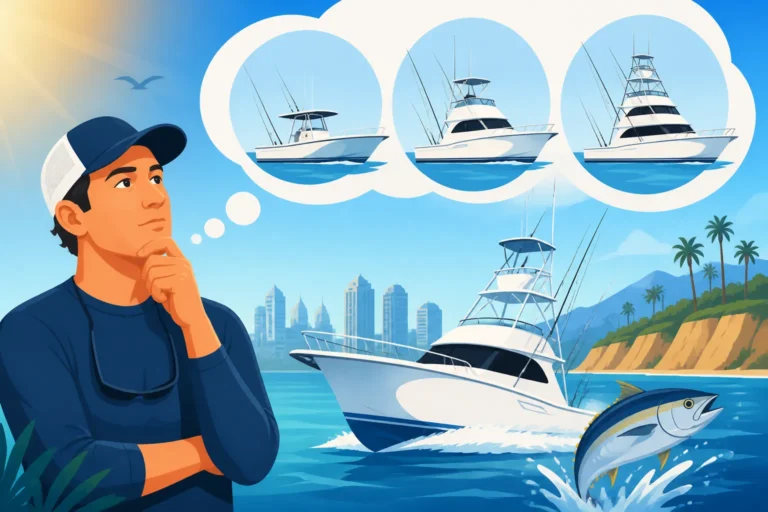
Navigating the different types of fishing charters can be a bit bewildering, especially if you’re new to the world of saltwater fishing. It's not a one-size-fits-all situation, and what's perfect for a seasoned angler might not be ideal for a family with young kids. Understanding the distinctions between party boats, private charters, and the different trip durations will help you pick the perfect adventure for your group.
Party Boats vs. Private Charters
This is often the first big decision you’ll make when booking a fishing trip. Party boats, also known as open party boats or head boats, are exactly what they sound like: you buy a spot, or a "head," and fish alongside other anglers who have also purchased individual tickets. These boats can hold anywhere from 15 to 60+ people, depending on the vessel's size. They're typically the most budget-friendly option, making them great for solo anglers, small groups, or those just wanting to dip their toes into ocean fishing without a huge financial commitment. The crew works hard to manage all the lines, untangle snags, and help land fish for everyone. However, the downside can be less personalized attention, and you're fishing among a crowd, which can sometimes lead to tangled lines or less space.
On the flip side, a private charter means you've booked the entire boat for your group. This is the ultimate experience for personalized service, flexibility, and privacy. You decide who's on board, and often, you can have more input on where you fish and what you target (within reason, of course, and always with the captain’s expert guidance). If you have a specific species in mind, or if you want to focus on teaching a beginner without the pressure of other anglers, a private charter is invaluable. It’s more expensive upfront, but if you split the cost among a group of friends or family, it can become quite reasonable, offering an unparalleled experience tailored to your exact needs. When considering your options, checking platforms like FishingBooker can show you a range of both private and party boat options in Morro Bay, giving you a good sense of the local fleet.
Half-Day, Full-Day, and Specialty Trips
Beyond who you're fishing with, you also need to consider how long you want to be out there. Each trip duration offers a different experience and targets different types of fishing.
-
Half-Day Trips: These are typically 4-6 hours long and are fantastic for beginners, families with children, or anyone sensitive to seasickness. The shorter duration means less time on the open ocean and usually focuses on closer-to-shore fishing grounds for rockfish, lingcod, and sometimes halibut. While you might not venture far, you still have excellent chances of catching plenty of fish, and it leaves the rest of your day open for other Morro Bay adventures. This is a great way to test the waters, literally!
-
Full-Day Trips: Ranging from 8 to 12 hours, full-day trips offer a more comprehensive fishing experience. With more time, captains can travel further to hit more remote or productive fishing spots, increasing your chances of finding larger fish or a wider variety of species. This is often the preferred choice for experienced anglers or those who are serious about bringing home a substantial cooler full of fish. You'll spend more time traveling, but the payoff can be significant, allowing you to explore deeper waters and different techniques.
-
Specialty Trips: Morro Bay also offers unique trips, often seasonal. For instance, during the salmon season, you might find dedicated Salmon Charter Trips, focusing exclusively on trolling for these prized fish. Similarly, if tuna move into the area, some boats will run longer, dedicated offshore trips targeting these big pelagics. Always keep an eye on the California Salmon Season Dates Explained and California Lingcod Season and Limits to align your trip with the best opportunities. These specialized trips are often geared towards more experienced anglers but can be incredibly rewarding.
Inshore vs. Offshore Adventures
The terms "inshore" and "offshore" might sound vague, but they define distinct types of fishing experiences with different target species and environments.
-
Inshore Fishing: Generally refers to fishing within a few miles of the coastline, often in shallower waters (say, less than 100-200 feet deep). In Morro Bay, inshore fishing typically targets rockfish, lingcod, and sometimes halibut over reefs, kelp beds, and sandy bottoms close to shore. This type of fishing is often less susceptible to rougher seas, making for a more comfortable ride, and the fishing spots are quicker to reach. It’s perfect for those who enjoy consistent action and don't want to spend too much time traveling. The scenery remains stunningly coastal, and you’ll frequently spot marine wildlife.
-
Offshore Fishing: This involves venturing further out into the open ocean, sometimes 10, 20, or even 50+ miles from shore, into much deeper waters. The primary targets offshore are often pelagic species like various tuna species (bluefin, yellowfin, albacore), Dorado (mahi-mahi), or even swordfish. These trips are typically longer, full-day or even multi-day expeditions, requiring a more robust boat and experienced crew. The conditions can be more challenging, but the reward of hooking into a powerful tuna is an angler's dream. Morro Bay, being on the Central Coast, has access to some incredible offshore opportunities when the conditions and migrations align, especially for California Bluefin Tuna Charter Trips. If you're looking for a big game thrill, an offshore trip is where you'll find it, but be prepared for a longer journey and potentially choppier waters.
What to Expect on a Morro Bay Fishing Charter
Stepping onto a charter boat, especially for the first time, can bring up a lot of questions. Will I have the right gear? How does the day unfold? What if I get hungry? It’s completely normal to feel a bit unsure, but knowing what to expect can alleviate those worries and let you focus on the excitement of the trip. Most Morro Bay charters are run by seasoned professionals who aim to make your day as seamless and enjoyable as possible.
Essential Gear and Bait Provided
One of the biggest advantages of booking a fishing charter is that you typically don't need to bring your own specialized gear. Reputable Morro Bay charters will provide all the necessary fishing rods, reels, tackle, and bait. This isn't just generic stuff either; captains and deckhands meticulously select gear that's appropriate for the target species and conditions. For rockfish and lingcod, you’ll likely be set up with stout conventional reels spooled with strong braided line, paired with sturdy rods, and an assortment of jigs or bait rigs. If you're targeting halibut, you might get lighter gear with live bait setups. The bait itself is usually included and often consists of fresh squid, anchovies, or sardines, depending on what the fish are biting.
While the charter provides the essentials, some anglers prefer to bring their own favorite rod and reel or a lucky lure. Most charters are accommodating, but it's always a good idea to check with the captain or booking agent beforehand, especially if your gear is particularly unique or if you have specific requests. For instance, if you're keen on fly fishing for bass in a freshwater setting, you'd bring your own setup, but for saltwater charters, relying on their well-maintained gear is often the best bet. This takes the guesswork out of it and ensures you’re equipped for success, even if you've never fished in saltwater before.
Typical Daily Schedule and Deckhand Support
A typical day on a Morro Bay fishing charter usually starts early. You'll generally be asked to arrive at the dock about 30-60 minutes before departure for check-in. This gives you time to get your gear, grab a cup of coffee, and find your spot on the boat. Once everyone is on board and the safety briefing is done, the boat will depart, often at sunrise, creating a truly picturesque start to your day. The ride out to the fishing grounds can vary from 30 minutes to a couple of hours, depending on the trip length and target species.
Once you reach the fishing grounds, the real fun begins! The captain will use their expertise, informed by recent fishing reports and local knowledge, to position the boat over productive spots. Deckhands are absolutely invaluable on a charter. They are there to assist you every step of the way: showing you how to drop your line, bait your hook, identify a bite, and most importantly, help you land your fish. They'll also manage the catch, putting your fish on ice, and later, they'll typically clean and fillet your fish for you back at the dock. Their tireless work and cheerful demeanor are a huge part of what makes a charter trip successful and enjoyable. Remember, Tipping on a California Fishing Charter is customary and well-deserved for their hard work.
Onboard Amenities and Comforts
Modern fishing charters, especially those operating out of Morro Bay, prioritize passenger comfort. While they are fishing vessels, not luxury yachts, you can expect certain amenities to make your day more pleasant. Most boats will have a spacious deck with plenty of room for casting and fighting fish. There will almost always be a restroom (head) on board, which is a significant relief on a long day. Many boats also have a galley or cabin area where you can escape the elements if the weather turns, or simply sit down for a break.
While some boats might offer basic snacks or drinks for purchase, it's always a good idea to bring your own provisions. Pack a cooler with sandwiches, snacks, plenty of water, and any other beverages you prefer. Layers of clothing are crucial on the California coast, as temperatures can change dramatically from morning to midday. Sunscreen, a hat, and polarized sunglasses are also non-negotiables for protection against the elements. If you tend to get seasick, make sure to take preventative measures before you even step foot on the boat, as a rough day can certainly diminish the fun. A comfortable charter makes for a memorable trip, even if the fish aren't biting constantly!
Popular Fish Species Targeted in Morro Bay
When you embark on a fishing charter from Morro Bay, you're entering a realm rich with diverse marine life. Knowing what you're likely to catch, and when, can significantly enhance your excitement and preparation. Morro Bay's unique habitat allows for a surprising range of target species throughout the year.
Rockfish and Lingcod
For many anglers, rockfish are the bread and butter of Morro Bay fishing, and for good reason! This diverse group of fish, including species like Vermilion Rockfish, Bocaccio, Canary Rockfish, and Copper Rockfish, are abundant on the rocky reefs and pinnacles that dot the Central Coast. They're excellent eating fish, put up a respectable fight, and are generally accessible year-round, although specific seasons and depth restrictions apply. Boats will often focus on these species, dropping bait or jigs to the bottom where they congregate. You can expect consistent action, making it a great option for anglers of all skill levels. Always be mindful of California Rockfish Depth Restrictions and bag limits, as conservation is key to maintaining healthy populations.
Sharing the same rocky structures and often caught on the same drifts are the formidable lingcod. These toothy predators are a highly sought-after prize. Known for their aggressive strikes and powerful, head-shaking fights, lingcod can grow quite large, making for an exciting battle. They are ambush predators, often hiding in crevices or around kelp, waiting for an opportune moment to strike. Catching a lingcod often requires slightly heavier tackle and a bit more patience, but the reward of landing one of these impressive fish is immense. Check out the California Lingcod Regulations and Limits before your trip to ensure you're compliant. Targeting both rockfish and lingcod is a common and very productive strategy for Morro Bay charters.
Halibut and White Seabass
While rockfish and lingcod dominate the reef scene, the sandy flats and shallower inshore waters of Morro Bay and surrounding areas are prime hunting grounds for California halibut. These flatfish are masters of camouflage, burying themselves in the sand and ambushing unsuspecting baitfish. Halibut fishing requires a different approach, often involving drifting with live bait like anchovies or sardines, or slow-trolling artificial lures. When a halibut hits, it’s usually a distinctive thud, followed by a powerful run. They are incredibly prized for their delicate, white meat, making them one of the most desirable catches in California. For current rules, consult the California Halibut Size and Bag Limits.
Another truly iconic and highly prized species that occasionally graces the Morro Bay waters is the white seabass. These ghost-like predators are often found cruising near kelp beds or structure, particularly during spring and summer months. They are notoriously finicky eaters, making them a challenging but incredibly rewarding catch. White seabass can grow very large, offering an incredible fight, and are considered one of the best-eating fish in the Pacific. While not a guaranteed catch, targeting white seabass is a testament to an angler's skill and patience. Charters will sometimes run dedicated trips when these elusive fish show up in numbers, offering an exciting challenge for those looking for a trophy catch.
Seasonal Catches: Salmon and Tuna
Morro Bay's position on the Central Coast also means it’s privy to the seasonal migrations of highly anticipated species like salmon and various tuna species, though these are typically more opportunistic and depend heavily on annual conditions and regulations.
-
Salmon: When the king (Chinook) salmon runs are strong and seasons are open, Morro Bay becomes a bustling hub for salmon anglers. These powerful, silver rockets are usually targeted by trolling with downriggers, using baitfish or artificial lures. The fight of a salmon is legendary, and their rich, flavorful meat makes them a culinary delight. However, salmon seasons can be volatile, often changing year-to-year due to environmental factors and conservation efforts. It's crucial to stay updated on California Salmon Season Dates Explained before planning a salmon-specific trip. When the season is open, booking a dedicated salmon charter is a fantastic experience.
-
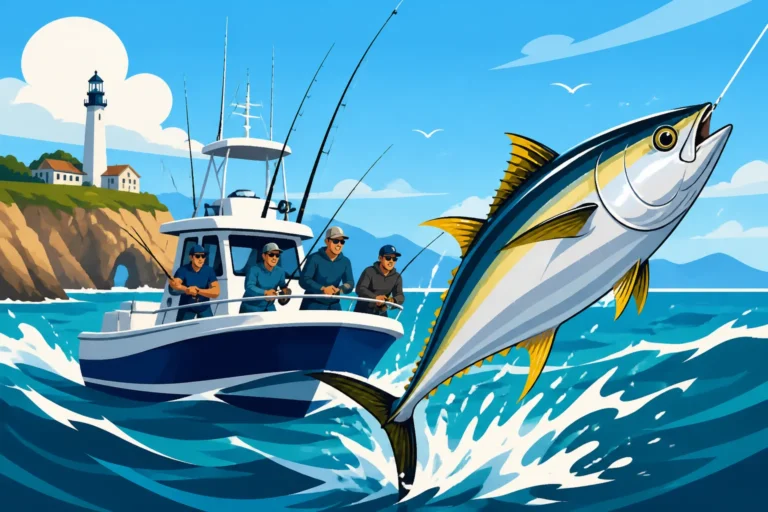
Tuna: While more common further south in Southern California, offshore Morro Bay can occasionally see runs of various tuna species, particularly during warmer water years in late summer and fall. Bluefin tuna, yellowfin, and albacore can push into range, offering an adrenaline-pumping, big-game experience. These are typically longer, more arduous trips into the open ocean, requiring specialized gear and techniques like jigging, casting, or live baiting. Landing a tuna is a true test of strength and endurance, and they provide an abundance of fantastic sushi-grade meat. These trips are less frequent and highly dependent on water conditions and fish movements, but when they happen, they offer an unforgettable adventure for the serious angler. Keep an eye on local fishing reports for any signs of these prized pelagics pushing into Central Coast waters.
How to Book Your Morro Bay Fishing Charter
Booking a fishing charter shouldn’t be a daunting task, but with so many options and variables, it can sometimes feel that way. To ensure you have the best possible experience in Morro Bay, a little homework goes a long way. This section will walk you through the essential steps, from finding the right boat to understanding what you're paying for.
Researching and Comparing Charter Operators
The first step in a successful fishing trip is choosing the right charter. Morro Bay has several reputable operators, each with their own specialties and boat types. It’s not just about finding a boat, but finding the right boat for your group and desired experience. Start by doing some online research. Websites like FishingBooker are excellent resources, acting as a marketplace where you can see multiple Morro Bay charters side-by-side, read reviews from other anglers, and compare prices and trip details. Look for charters with consistently positive feedback regarding their crew's professionalism, the boat's condition, and, of course, their fishing success rate.
Don’t hesitate to call or email a few different operators directly once you’ve narrowed down your choices. Ask them about their recent catches, what species they're primarily targeting at the time of your planned visit, and any current fishing conditions they can share. A good captain or booking agent will be happy to answer your questions and help guide you towards the best option for your group’s skill level and preferences. Consider if you want a faster, smaller private boat, or a larger, more stable party boat. For instance, if you're traveling with very young children or older family members, a larger party boat might offer more stability and amenities, whereas a private charter could give you more flexibility. Remember, finding the right fit is key to a memorable day on the water.
Understanding Pricing and Inclusions
Charter pricing can vary significantly based on several factors: the type of trip (half-day vs. full-day, party boat vs. private), the number of passengers, and sometimes even the target species. Always clarify what is included in the stated price. Typically, the cost will cover the boat, captain, deckhands, rods, reels, tackle, and bait. This is a huge convenience, saving you from having to purchase or rent expensive gear.
However, there are often additional costs you need to factor in:
- Fishing License: You will almost always need a valid California Fishing License. While some charters may sell them, it's often more convenient to purchase your California Fishing License Guide beforehand online or at a local tackle shop.
- Report Cards: If you plan to target specific species like salmon, steelhead, or sturgeon, you'll need additional report cards. For example, a California Salmon Report Card is mandatory during salmon season.
- Ocean Enhancement Stamp: If you're fishing in ocean waters south of Point Arguello (which technically doesn't include Morro Bay, but it's good to know for other trips), you might need an California Ocean Enhancement Stamp. Always double-check regulations for your specific area.
- Food and Beverages: Most charters do not provide meals, so plan to bring your own snacks, lunch, and drinks.
- Fish Cleaning: While deckhands often clean your fish, there might be a small fee or it's included in their tip. Always clarify.
- Tips: Tipping the deckhands and captain is customary and highly recommended for their hard work and service. A general rule of thumb is 15-20% of the trip cost.
Make sure to ask for a clear breakdown of costs and inclusions when booking to avoid any surprises on the day of your trip. Transparency is a hallmark of a good charter operation.
Essential Questions to Ask Before Booking
To ensure you’re fully prepared and have all your expectations met, don’t be shy about asking questions when you’re talking to a charter operator. Here are some key inquiries to make:
- "What species are you primarily targeting right now, and what are the chances of catching them?" This helps manage expectations and confirms they're going after what you want.
- "What is included in the price, and what additional costs should I expect?" Reiterate this to get a clear picture of your total outlay.
- "What's your cancellation policy?" Weather can be unpredictable, so understand what happens if a trip is called off or if you need to reschedule.
- "Do I need a fishing license, and if so, where can I get one?" While you should know this, it's good to confirm.
- "What should I bring (food, drinks, clothing, sunscreen)?" Get their specific recommendations for the time of year and type of trip.
- "Is there a restroom on board?" A small but important detail for comfort.
- "What's your policy on fish cleaning and filleting?" Knowing if it's included or if there's an extra charge/tip expectation is helpful.
- "Is there an age limit for children, or any special considerations for seniors/disabled anglers?" Important for family or mixed-ability groups.
- "What type of gear will we be using, and can I bring my own?" Good to know if you have a favorite rod.
- "What's the typical number of anglers on a party boat trip?" This helps gauge how crowded it might be.
By asking these questions, you’ll not only gather crucial information but also get a sense of the professionalism and helpfulness of the charter operation. A charter that readily and clearly answers your questions is usually a good sign. For even more insights, refer to our comprehensive guide on How to Book a California Fishing Charter.
Preparing for Your Morro Bay Fishing Adventure
You've booked your charter, marked your calendar, and the excitement is building! Now comes the practical part: preparing for the actual day. A little foresight can make a huge difference in your comfort and enjoyment, ensuring your Morro Bay fishing trip is as smooth as the bay on a calm morning. Don't let easily avoidable issues spoil your time on the water.
What to Pack for a Day on the Water
The weather on the Central Coast can be notoriously fickle, often shifting dramatically from cool, foggy mornings to bright, warm afternoons, and then back to chilly evenings. Layers are your absolute best friend.
Here’s a packing list to consider:
- Clothing:
- Base Layers: Moisture-wicking material is best, even if it's cool.
- Mid-Layers: A fleece or sweatshirt.
- Outer Layer: A waterproof and windproof jacket. You might start the day in a jacket and shed it by midday, only to put it back on as the sun sets.
- Pants: Comfortable, quick-drying pants are ideal. Avoid jeans if possible, as they stay wet and cold.
- Hat: A wide-brimmed hat offers sun protection, or a warm beanie for cold mornings.
- Sunglasses: Polarized sunglasses are excellent for reducing glare off the water and helping you spot fish or structure.
- Shoes: Non-slip, closed-toe shoes are a must. Boots are great, but even sturdy sneakers will do. Expect them to get wet.
- Sun Protection:
- Sunscreen: High SPF, waterproof sunscreen is crucial, even on cloudy days. The sun's reflection off the water amplifies UV exposure.
- Lip Balm: With SPF to protect your lips from sun and windburn.
- Food & Drink:
- Water: Plenty of it! Staying hydrated is important.
- Snacks/Lunch: Sandwiches, energy bars, fruit – whatever keeps you fueled for a long day.
- Beverages: Your preferred drinks (no glass bottles, please!). Most charters allow alcohol in moderation, but check first.
- Personal Items:
- Cooler: A separate cooler for your catch (labeled with your name!) for the ride home, usually left in your car until the end of the trip.
- Small Bag/Backpack: For personal items you’ll take on the boat.
- Camera: To capture those memorable moments (consider a waterproof one).
- Motion Sickness Medication: (See below).
- Cash: For tips, souvenirs, or any onboard purchases.
- Hand Sanitizer/Wipes: For quick cleanups.
Pack smart, pack light, but pack prepared for any weather condition!
Managing Seasickness and Staying Comfortable
Seasickness can turn an exciting fishing trip into a miserable ordeal faster than anything else. Don't underestimate it, especially if you're new to ocean boating or prone to motion sickness. The good news is, there are steps you can take to prevent it.
- Preventative Medication: Over-the-counter options like Dramamine or Bonine work best when taken before you board the boat, usually an hour or so prior. Prescription patches like Scopolamine are also highly effective but require a doctor's visit.
- Ginger: Natural remedies like ginger chews, ginger ale, or ginger snaps can help settle your stomach.
- Eat Lightly: Avoid heavy, greasy, or spicy foods before your trip. A light, bland breakfast (like toast or crackers) is usually best.
- Stay Hydrated: Dehydration can exacerbate seasickness. Sip water regularly.
- Focus on the Horizon: Once on the boat, find a spot with fresh air and focus on a distant, stable point on the horizon. Avoid looking down at your phone or reading.
- Avoid Strong Odors: Some people are sensitive to diesel fumes or fish bait smells. Try to position yourself where the air is freshest.
- Rest: Get a good night's sleep before your trip. Fatigue can make you more susceptible.
It’s always better to take preventative measures, even if you’re unsure if you’ll get seasick. A little preparation can ensure you remain comfortable and enjoy every minute of your time on the water.
Fishing License Requirements and Regulations
This is probably the most critical piece of preparation for any fishing trip in California. You absolutely must have a valid California fishing license to fish on a charter boat, with very few exceptions (such as Where You Can Fish Without a License in California like public piers in certain areas, but that doesn't apply to charters). For detailed information, consult our California Fishing License Guide.
- Who Needs One: Generally, anyone 16 years of age or older needs a license. Even if you're just assisting someone, it's best to have one.
- Where to Buy: You can purchase your license online through the California Department of Fish and Wildlife (CDFW) website, or at most sporting goods stores (like Big 5 Sporting Goods or Dick's Sporting Goods) and tackle shops. It's often easier to buy it the day before your trip. You can learn more about How to Buy a California Fishing License Online.
- Physical vs. Digital: While digital licenses are often accepted on your phone, it’s always wise to have a printed copy or a clear screenshot, especially where cell service might be spotty.
- Report Cards: As mentioned, if you're targeting salmon, sturgeon, or steelhead, you'll need a separate report card in addition to your license. Make sure to understand how to fill them out and return them, as it’s a legal requirement. Read more about California Fishing Report Cards Explained.
- Understand the Rules: Your captain and deckhands will be very knowledgeable about the local regulations, including bag limits, size limits, and restricted areas like California Marine Protected Areas Explained. Listen carefully to their instructions, as they are there to help you stay compliant and avoid any legal issues. It's always a good idea to familiarize yourself with the general California Fishing Regulations Explained beforehand, especially for the species you hope to catch, such as California Rockfish Regulations and Limits or California Halibut Regulations and Limits.
Being licensed and informed not only keeps you on the right side of the law but also contributes to the conservation efforts that ensure healthy fish populations for future generations of anglers.
Morro Bay Charter Fishing Opportunities
| Trip Type | Duration | Typical Target Species | Ideal For | Cost Estimate (per person, Party Boat) | Key Considerations |
|---|---|---|---|---|---|
| Half-Day (Party Boat) | 4-6 hours | Rockfish, Lingcod, occasional Halibut | Beginners, families, those prone to seasickness, budget-conscious anglers | $75 – $120 | Stays closer to shore, less travel time |
| Full-Day (Party Boat) | 8-10 hours | Rockfish, Lingcod, Halibut, (seasonal Salmon) | Experienced anglers, those seeking more variety/bigger fish, longer exposure | $120 – $180 | Travels further, more fishing time, potentially rougher |
| Private Charter | Varies (4-12+ hours) | Customizable: Rockfish, Lingcod, Halibut, Tuna, Salmon | Groups (friends/family), corporate outings, personalized experience, specific targets | $800 – $2500+ (boat rate) | Exclusive boat, flexible itinerary, higher cost (per boat) |
| Seasonal Salmon | Full-Day | King (Chinook) Salmon | Dedicated salmon anglers, trophy seekers | $150 – $250 | Highly seasonal, subject to closures, trolling techniques |
| Seasonal Tuna | Full-Day+ | Bluefin, Yellowfin, Albacore Tuna | Big game enthusiasts, offshore experience, challenging fight | $250 – $400+ | Long travel, can be rough, intense fishing, very seasonal |
Note: Costs are estimates and can vary widely based on operator, boat, season, and fuel prices.
Disclaimer
The information provided in this guide is for general informational purposes only and is subject to change. Fishing regulations, seasons, and licensing requirements are determined by the California Department of Fish and Wildlife (CDFW) and can be updated at any time. Always consult the official CDFW website or local authorities for the most current rules and regulations before planning your fishing trip. While we strive for accuracy, we cannot guarantee the absence of errors. Always exercise caution and prioritize safety when on the water.