California Bluefin Tuna Charter Trips
Chasing bluefin tuna off the coast of California is an unforgettable experience, but for many anglers, the sheer scale of offshore fishing can feel incredibly daunting. From navigating vast ocean expanses to mastering specialized techniques for these powerful fish, it's a world away from casting a line in a local lake. This comprehensive guide is designed to demystify California Bluefin Tuna Charter Trips, helping you understand what to expect, how to prepare, and ultimately, how to make the most of your exhilarating pursuit of these magnificent creatures.
Understanding California Bluefin Tuna Fishing
Bluefin tuna fishing in California has exploded in popularity over the last decade, transforming from an occasional novelty to a highly sought-after trophy hunt. These powerful, fast-swimming predators offer an unparalleled challenge for anglers, drawing enthusiasts from all over. But before you even think about booking a trip, it's crucial to understand the basics of this exciting fishery.
The Allure of Bluefin Tuna
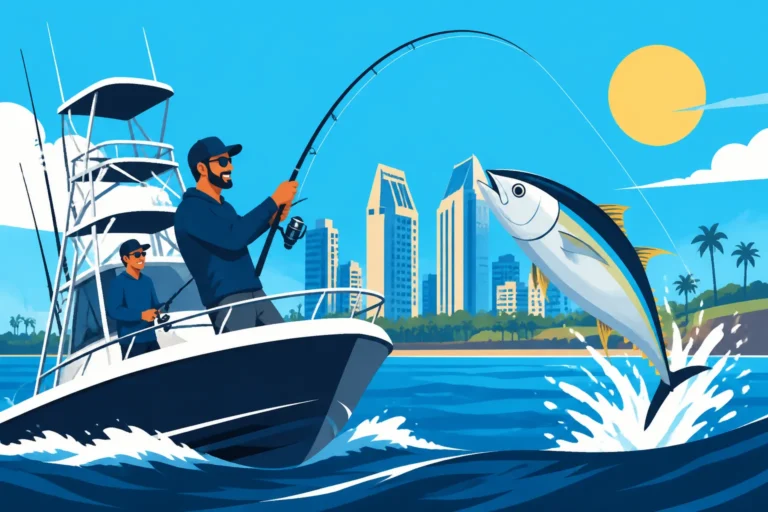
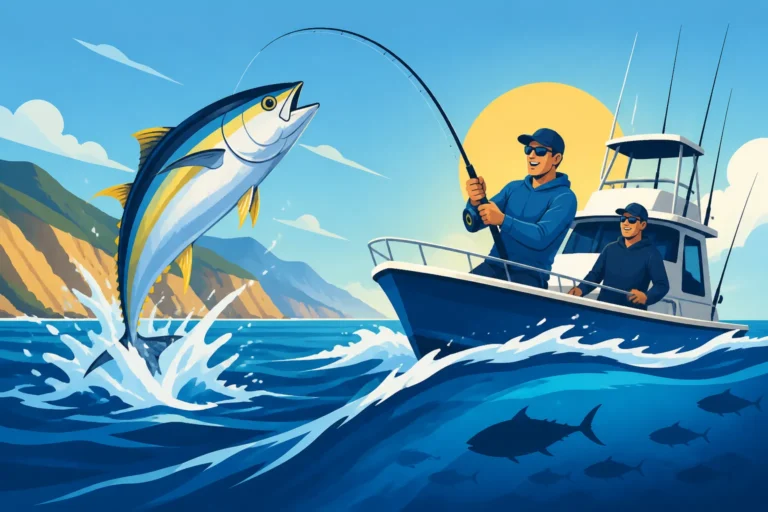
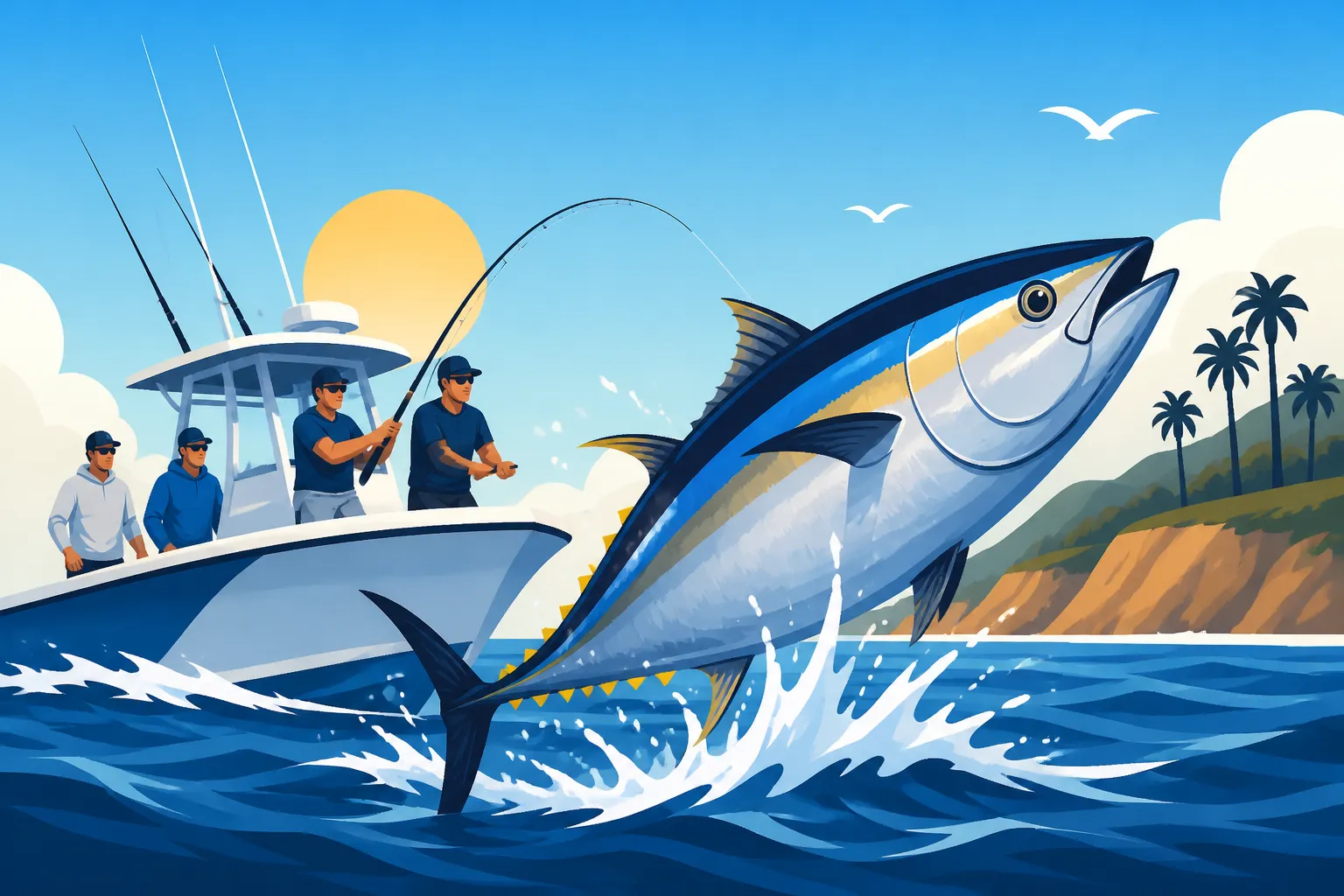
There's something uniquely captivating about bluefin tuna. They're not just big fish; they're magnificent, chrome-plated torpedoes built for speed and endurance. The sheer power you feel when a 100-pound (or even 300-pound!) bluefin takes your line and screams off hundreds of yards of drag is an adrenaline rush like no other. Many anglers describe the fight as an epic battle, a true test of strength, skill, and sheer will. It's not just about landing the fish; it's about the entire experience—the anticipation, the chase, and the ultimate triumph or heartbreaking defeat.
These fish are also incredibly beautiful, with iridescent blue and silver flanks, built to cut through the water with incredible efficiency. Beyond the fight, bluefin are highly prized for their culinary quality, particularly their rich, fatty flesh which is a favorite among sushi connoisseurs. Catching one is a badge of honor in the angling community, and the stories you bring back are as valuable as the fish itself.
Bluefin Seasonality and Migration Patterns
Knowing when and where to find bluefin is half the battle, and it largely depends on their migratory patterns and water conditions. The bluefin tuna season in California typically heats up from late spring through late fall, with peak action often occurring in the summer and early fall months, roughly from June to October. However, these powerful fish are known to show up earlier or stick around later, depending on prevailing ocean temperatures and bait availability. Warmer water pushes baitfish closer to shore, and the bluefin follow suit.
Their movements are heavily influenced by the presence of bait—sardines, anchovies, mackerel, and squid are their primary food sources. They often follow these bait schools up and down the Baja California peninsula and into Southern California waters. Early in the season, you might find smaller "schoolie" bluefin (20-60 pounds) closer to shore, while the behemoth "cows" (100-400+ pounds) tend to roam further offshore, often chasing larger bait in deeper, cooler waters. Understanding these patterns is key to successful targeting, and experienced charter captains track these movements religiously, using satellite data and daily fish counts to put you on the bite. You can get more details on specific times in our guide to the Best Season for Bluefin Tuna in California.
Key Fishing Zones for Bluefin Tuna
The vast majority of California's bluefin tuna action happens off the coast of Southern California. The prime hunting grounds stretch from San Diego northwards towards Orange County and even occasionally up to Los Angeles, often extending far offshore into what's known as the "tuna grounds." Hotspots include areas around offshore islands like San Clemente Island and Catalina Island, as well as various Cortez Bank and Tanner Bank, which are seamounts that attract an abundance of baitfish and, consequently, predators like bluefin.
San Diego is undoubtedly the epicenter of the bluefin tuna charter fleet. Marinas like Point Loma, Shelter Island, and Fisherman's Landing are bustling hubs where boats depart daily during peak season. From here, captains will often run anywhere from 30 to over 100 miles offshore, depending on where the fish are holding. These areas provide the deep, nutrient-rich waters that bluefin thrive in, making them the most consistent spots for encounters with these pelagic giants. Understanding these prime zones helps set expectations for your trip duration and the type of journey you're signing up for.
Types of Bluefin Tuna Charter Trips
Booking a bluefin tuna charter isn't a one-size-fits-all endeavor. The type of trip you choose will significantly impact the experience, the target fish size, and the amount of time you spend on the water. From quick day trips to multi-day expeditions, there's an option for almost every level of commitment and budget.
Half-Day and Full-Day Trips
While not always ideal for bluefin tuna, especially the larger variety, some operators might offer half-day or full-day trips if the bluefin are unusually close to shore. These are typically shorter excursions, usually 4-6 hours for a half-day or 8-12 hours for a full-day. These trips are fantastic for a taste of offshore fishing or targeting other species like rockfish or yellowtail, but the chances of running far enough offshore to consistently find bluefin, especially the big ones, are lower.
If bluefin are the primary target on a full-day trip, expect to spend a good portion of that time traveling to and from the fishing grounds. This leaves fewer actual fishing hours. These trips are often better suited for targeting smaller "schoolie" bluefin that might be found closer to the coast or for anglers with limited time or who are new to offshore fishing and want to ease into it. They also tend to be less expensive, making them a good entry point if the fish happen to be in range.
Overnight and Multi-Day Excursions
For the serious bluefin tuna angler, overnight and multi-day trips are where the magic truly happens. These trips are specifically designed to maximize your time on the prime tuna grounds, often hundreds of miles offshore. Overnight trips typically depart in the afternoon or evening, steam out to the fishing grounds overnight, and you wake up ready to fish at dawn. You'll fish all day and return to port the following evening. This extended time allows captains to chase the fish further, stay with active schools, and capitalize on prime fishing windows, particularly dawn and dusk.
Multi-day trips, ranging from 1.5-day to 2-day or even longer, take this concept even further. You'll spend multiple full days and nights offshore, truly immersing yourself in the chase. These longer trips significantly increase your chances of finding and landing trophy-sized bluefin, as the boat can move between different spots, adapt to changing conditions, and spend more time actively fishing. They require more commitment in terms of time and cost but offer the highest probability of success for large bluefin. For more insight into these longer adventures, check out our guide on San Diego Overnight Tuna Trips Explained.
Private vs. Open Party Charters
When deciding on a bluefin tuna charter, you'll generally have two main options: an open party boat or a private charter. Each has its distinct advantages and disadvantages.
An open party boat (also known as a head boat or sportfishing boat) is essentially a shared trip where individual anglers book a spot on a larger vessel. These boats can range from carrying 15-20 anglers up to 50 or more. They are a more economical option, as the cost of the trip is split among all passengers. You'll be fishing alongside other anglers, and while this can be a great way to meet new people and learn from more experienced hands, it also means less personalized attention from the crew and potentially more competition for rail space during a hot bite. Open party boats typically run on a set schedule and target whatever species are most active or in season, though bluefin-specific trips are very common during peak times. You can learn more about this format by reading California Party Boat Fishing Explained.
A private charter, on the other hand, means you're booking the entire boat for your group, whether it's just you and a friend or a larger party of up to 6-12 people, depending on the boat size. This offers a highly customized experience: you often get to choose the target species, the departure time (within reason), and receive much more individualized attention and instruction from the captain and crew. The downside, of course, is the cost, which can be significantly higher as you're shouldering the full expense of the boat, fuel, and crew. However, for serious anglers, families, or corporate groups, a private charter provides an unmatched level of flexibility, comfort, and a tailored fishing adventure.
| Trip Type | Duration | Target Species Focus | Cost (Approx.) | Ideal For | Notes |
|---|---|---|---|---|---|
| Half-Day | 4-6 hours | Mixed bag, occasional schoolie bluefin | $80 – $150 per person | Beginners, short on time | Less travel time, lower bluefin success rate |
| Full-Day | 8-12 hours | Schoolie to medium bluefin, yellowtail | $150 – $250 per person | Anglers seeking a full offshore experience | More time on fishing grounds, still travel-heavy |
| Overnight (1.5-Day) | ~30-36 hours | Medium to large bluefin | $350 – $600 per person | Serious bluefin anglers, high success rate | Maximizes prime fishing hours (dawn/dusk), often includes meals |
| Multi-Day (2-Day+) | 48+ hours | Trophy bluefin | $700 – $1200+ per person | Dedicated trophy hunters, ultimate immersion | Best chance for giants, covers wider range, full onboard experience |
| Private Charter | Varies by group choice | Customized | $1500 – $8000+ per trip | Groups, families, serious anglers | Flexible, personalized, higher cost, can be any duration above |
| Open Party | Varies (half to multi-day) | Captain's choice | Per person rate | Individuals, budget-conscious anglers | Share boat with others, less personalized, fixed schedule |
Note: Costs are approximate and can vary wildly based on boat, season, fuel prices, and inclusions.
What to Expect on a Bluefin Tuna Charter
So, you've booked your California Bluefin Tuna Charter trip! That's awesome. Now, let's talk about what actually happens once you step aboard. Offshore tuna fishing is a unique beast, and understanding the logistics and the flow of the day (or days) will help you feel more prepared and enjoy the experience even more.
Gear and Tackle Provided
One of the biggest advantages of booking a charter, especially for bluefin tuna, is that the boat typically provides all the specialized gear and tackle you'll need. This is a huge relief, as quality bluefin setups can be incredibly expensive. You're talking about heavy-duty rods, high-capacity reels spooled with strong braided line, and fluorocarbon leaders designed to handle fish that can weigh hundreds of pounds and pull like a freight train.
Most boats will have a range of setups available for different techniques, such as jigging outfits, heavy bait-fishing rods, and even casting gear for poppers or stickbaits. The deckhands are usually on hand to help you select the appropriate gear for the current conditions and offer advice on how to use it. While most charters include tackle in the base price, some might charge a small fee for rental or for any lost lures/rigs, so it’s always wise to clarify this when booking. If you prefer to bring your own specialized gear, that's often allowed, but it's always best to check with the charter beforehand.
Fishing Techniques Employed
Bluefin tuna are cunning, fast, and often finicky eaters, so captains and crews employ a variety of techniques to entice them. Your charter will likely focus on several proven methods depending on how the fish are acting and what bait they're on.
One common strategy is fly-lining live bait. This involves using a strong, healthy sardine, anchovy, or mackerel hooked lightly and allowed to swim naturally in the chum line. The idea is to present the bait as naturally as possible to fool wary tuna. Another popular method is jigging, where heavy metal jigs are dropped deep and then retrieved with a specific action to mimic wounded baitfish. This can be incredibly effective, especially when tuna are feeding on squid or holding in deeper water. Popper and stickbait fishing on topwater is exhilarating when the tuna are feeding aggressively on the surface, creating explosive strikes. Finally, kite fishing is often deployed for larger tuna, allowing baits to be presented far from the boat with minimal line in the water, mimicking flying fish. The crew will guide you through these techniques, teaching you the retrieves and actions necessary for success.
Onboard Amenities and Services
Offshore bluefin tuna charters, particularly the overnight and multi-day trips, are essentially floating hotels designed for serious fishing. You can expect a range of amenities to make your time comfortable. Larger party boats and private charters often feature a galley serving hot meals, snacks, and drinks (sometimes included, sometimes for purchase). There will be ample bunk space for sleeping, often dormitory-style, though private charters might offer more spacious accommodations.
Restrooms are standard, and some boats even have showers for multi-day trips. The deck itself is typically spacious, designed to give multiple anglers room to fight fish. Most importantly, you'll have a dedicated crew—the captain who navigates and finds the fish, and deckhands who assist with baiting, rigging, gaffing, cleaning fish, and offering expert advice. Their knowledge and hard work are invaluable to your success and enjoyment. Tipping them generously for their efforts is customary and highly encouraged. Learn more about the expectations in Tipping on a California Fishing Charter.
Preparing for Your Bluefin Tuna Adventure
A successful and enjoyable bluefin tuna trip isn't just about showing up; it's about being prepared. These trips can be physically demanding and expose you to the elements, so a little foresight goes a long way.
Essential Items to Bring
Packing smart is critical. While the charter provides most of the heavy gear, there are several personal items you absolutely shouldn't forget:
- Warm Layers: Even on a sunny day, offshore temperatures can drop significantly, especially early mornings or late evenings. Bring waterproof and windproof outer layers, a fleece jacket, and a beanie. You can always shed layers if it gets hot.
- Sun Protection: The sun's reflection off the water can be intense. A wide-brimmed hat, polarized sunglasses, and high-SPF sunscreen are non-negotiable.
- Seasickness Medication: If you're prone to motion sickness, take preventative measures before you board. Dramamine, Bonine, or prescription patches (like Scopolamine) can be life-savers. It's much harder to recover once symptoms set in. Get more insights from How Seasickness Works on California Offshore Trips.
- Small Backpack/Dry Bag: Keep your essentials in a small, waterproof bag to protect them from spray and splashes.
- Personal Snacks and Drinks: While some boats offer food, having your favorite snacks, extra water, and non-alcoholic beverages is a good idea.
- Comfortable, Non-Slip Footwear: You'll be standing a lot on a wet, potentially rocking deck. Deck boots or waterproof athletic shoes with good grip are essential.
- Camera: To capture those epic moments, but make sure it's waterproof or in a protective case.
- California Fishing License and Report Cards: This is mandatory! Make sure your California Fishing License is current and you have any required report cards (like a Steelhead or Sturgeon Report Card if you might incidentally target those, though not typically for bluefin). It's often easiest to purchase these online before your trip. For detailed information, consult our guide on California Fishing Report Cards Explained.
Physical Preparation and Seasickness Prevention
Chasing bluefin is not for the faint of heart. Fighting a large bluefin tuna can last for hours and is an intense full-body workout. Even if you're generally fit, consider doing some light strength and endurance training in the weeks leading up to your trip. Core strength, leg strength, and stamina will serve you well.
For seasickness, prevention is paramount. Start taking over-the-counter medication like Dramamine or Bonine the night before your trip, or at least a few hours before departure. Avoid heavy, greasy meals before and during the trip. Stay hydrated, and if you start to feel queasy, focus on the horizon, get fresh air, and try to lie down if possible. Many seasoned anglers swear by ginger candies or wristbands as well. Don't let seasickness ruin your trip; plan ahead!
Understanding Regulations and Report Cards
California has stringent fishing regulations designed to protect its marine resources, and bluefin tuna are no exception. Before you step on the boat, ensure you understand the current California Fishing Regulations Explained for bluefin tuna, including bag limits, size limits, and any seasonal closures. These can change frequently, so checking the California Department of Fish and Wildlife (CDFW) website or their latest sport fishing regulations booklet is crucial.
Typically, you'll need a valid California fishing license. For bluefin, there aren't usually specific report cards like there are for steelhead or sturgeon, but you must adhere to catch limits. The crew on your charter will be very knowledgeable about the current regulations and will help ensure everyone on board is compliant. However, as an angler, it's ultimately your responsibility to know and follow the rules. Violations can lead to hefty fines and loss of fishing privileges.
Choosing the Right Bluefin Tuna Charter
With so many charter options available, picking the right one can feel overwhelming. But by focusing on a few key factors, you can significantly increase your chances of a successful and enjoyable bluefin tuna adventure.
Factors to Consider When Selecting a Boat
Not all boats are created equal, especially when it comes to offshore bluefin tuna fishing. Here's what to keep in mind:
- Boat Size and Type: Larger, more stable vessels are generally preferred for bluefin trips, as they handle rough offshore conditions better and offer more deck space. Look for boats specifically designed for long-range sportfishing.
- Crew Experience: A seasoned captain and experienced deckhands are invaluable. They know the local waters, understand tuna behavior, and can put you on the fish. They also know how to properly handle and gaff large fish safely. Don't be shy about asking about the crew's experience with bluefin.
- Reputation and Track Record: Check their recent fish counts. Are they consistently catching tuna? While fishing is never a guarantee, a boat with a good track record indicates consistent effort and skill.
- Safety Features: Ensure the boat is well-maintained and equipped with modern navigation and safety equipment, including life rafts, proper communication systems, and first aid.
- Amenities: Consider what amenities are important to you, especially on longer trips. A comfortable bunk, a hot shower, or a good galley can make a big difference in your overall experience.
- Trip Length and Cost: Align the trip length with your budget, time constraints, and fishing goals. An overnight or 1.5-day trip offers the best chance for bluefin but comes at a higher price point. Remember, the cheapest option isn't always the best value in the long run. To get a better idea of what you might pay, refer to How Much Does a California Fishing Charter Cost.
Reputable Charter Companies and Booking Platforms
Finding a reliable charter can be made easier by using reputable booking platforms and knowing the major players in the California sportfishing scene. San Diego, being the hub, is home to well-known landings such as H&M Landing, Fisherman's Landing, and Point Loma Sportfishing. These operations run fleets of both open party boats and can arrange private charters, offering a wide array of bluefin-focused trips.
Online booking platforms like FishingBooker are also an excellent resource. They aggregate listings from numerous independent captains and charter companies, allowing you to compare boats, prices, and availability in one place. You can filter by species, trip type, and departure location, and read reviews from other anglers, which is incredibly helpful. This makes it easier to find "California Bluefin Tuna Charter Trips" with captains who specialize in this exciting fishery. Always read the fine print regarding deposits, cancellation policies, and what's included in the price. Using a platform like FishingBooker can streamline the process of finding the perfect match for your bluefin adventure.
Reading Reviews and Understanding Inclusions
Before booking, dive deep into reviews. Look for consistent feedback regarding the crew's professionalism, the boat's condition, the quality of the gear, and the overall fishing experience. Pay attention to how the crew handles challenging conditions or slower fishing days—a good crew will work hard regardless.
Also, thoroughly understand what is included in the charter price. Does it cover bait? Is tackle rental extra? Are meals provided on longer trips? What about fish cleaning and bagging at the end of the trip? Some charters are all-inclusive, while others itemize costs. Clarifying these details upfront prevents unwelcome surprises and helps you budget accurately for your dream bluefin trip. A comprehensive guide on What's Included on a California Charter can provide more specifics.
Maximizing Your Bluefin Tuna Catch
You've done all the prep, chosen your charter, and you're out on the water. Now what? Catching bluefin tuna isn't just about luck; it's about skill, strategy, and teamwork. Here's how to give yourself the best possible chance of landing one of these magnificent fish.
Working with the Crew and Deckhands
This is probably the most underrated aspect of a successful charter trip. The captain and deckhands are your guides, your teachers, and your biggest asset. Listen carefully to their instructions, especially when it comes to bait selection, rigging, and fishing techniques. They spend hundreds of days a year on the water and know these fish intimately. If they tell you to use a certain hook size, a specific leader, or to retrieve a jig in a particular way, trust their expertise.
When a fish is hooked, follow their directions precisely. They'll guide you on how to fight the fish, when to apply pressure, and when to back off. When it's time to gaff the fish, stay out of the way and let them work their magic—it’s a dangerous operation, and their priority is safety and securing the catch. A respectful and cooperative attitude not only makes the trip more enjoyable for everyone but also directly increases your chances of success. They appreciate a keen angler who is ready to learn and execute.
Effective Fishing Strategies and Bait Presentation
Bluefin tuna are highly intelligent and possess incredible eyesight, making natural bait presentation absolutely crucial. Whether you're fly-lining a live sardine or dropping a jig, how you present your offering matters.
When fly-lining, try to cast your bait away from the boat without spooking the school. Let it swim naturally, paying attention to any subtle changes in its behavior that might indicate a predator nearby. Keep your reel in gear or in a very light freespool with your thumb on the spool, ready for that explosive bite. For jigging, imitate a wounded baitfish with erratic movements, varying your retrieve speed and depth until you find what the fish are responding to. When bluefin are boiling on the surface, casting poppers or stickbaits accurately into the melee can be incredibly effective, but it requires practice and a quick reaction. Remember, patience is key. Bluefin can be here one minute and gone the next, so staying focused and ready is paramount. To hone your skills, consider studying How to Catch Bluefin Tuna off California.
Post-Catch Handling and Regulations Compliance
Once you've battled and landed a bluefin, the job isn't quite over. Proper post-catch handling is essential, both for conservation and for the quality of your table fare. The crew will usually bleed the fish immediately, which helps preserve the meat. They'll also carefully measure it to ensure it meets legal size requirements.
Remember those regulations? Bag limits are strictly enforced. The crew will manage the count for the boat, but it's important for each angler to be aware of their individual catch. On many charters, especially overnight and multi-day trips, the crew will often fillet and bag your fish at the end of the trip. Always bring a good-sized cooler with plenty of ice to transport your precious catch home. Ensuring you follow all these steps, from the fight to the fillet, contributes to a responsible and successful fishing experience.
Disclaimer
Fishing in California is an outdoor activity with inherent risks. This guide provides general information and recommendations. Always prioritize safety, adhere to all local, state, and federal fishing regulations, and consult with your charter captain for the most current and accurate information. Fishing conditions, regulations, and fish behavior can change rapidly.