California Yellowtail Charter Trips
There’s nothing quite like the electrifying pull of a yellowtail on the line, that distinct feeling of a strong, fast fish tearing away, testing your tackle and your resolve. For many anglers, both seasoned veterans and eager newcomers, the challenge of targeting yellowtail off the California coast is a true highlight, but figuring out the best way to get out there – especially which charter trip to choose – can feel a bit overwhelming. This comprehensive guide will walk you through everything you need to know about California yellowtail charter trips, from understanding your options to maximizing your chances of a successful and memorable day on the water.
Why Yellowtail are a Prime Target in California Waters
Yellowtail, particularly the California yellowtail (Seriola lalandi), are prized sportfish known for their incredible fighting ability, delicious table fare, and often elusive nature. They are a true game fish that tests an angler's skill and stamina, making them one of the most sought-after species in Southern California's marine environment. Many anglers travel specifically to target these hard-hitting fish.
The Thrill of the Fight
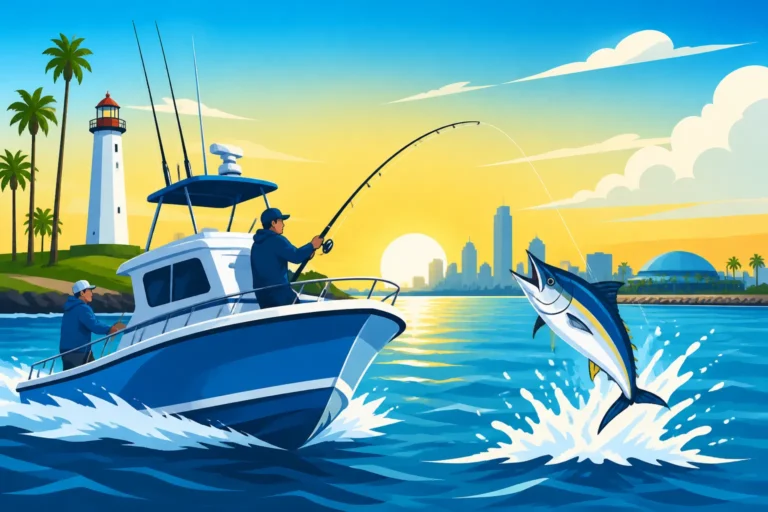
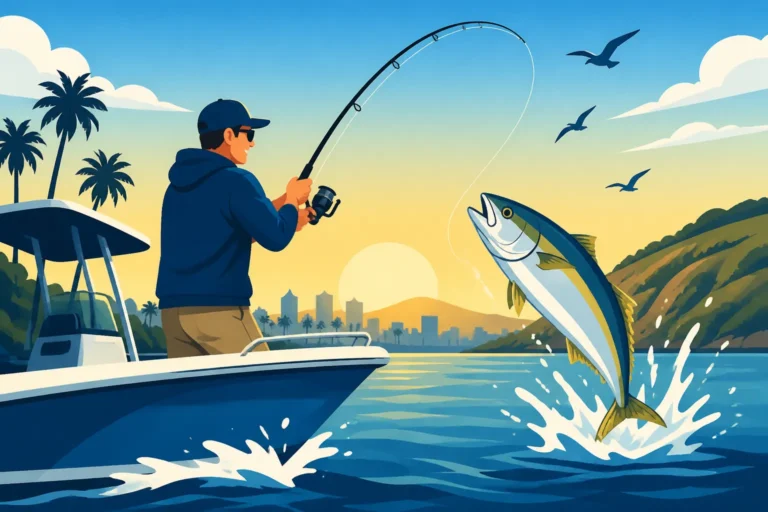
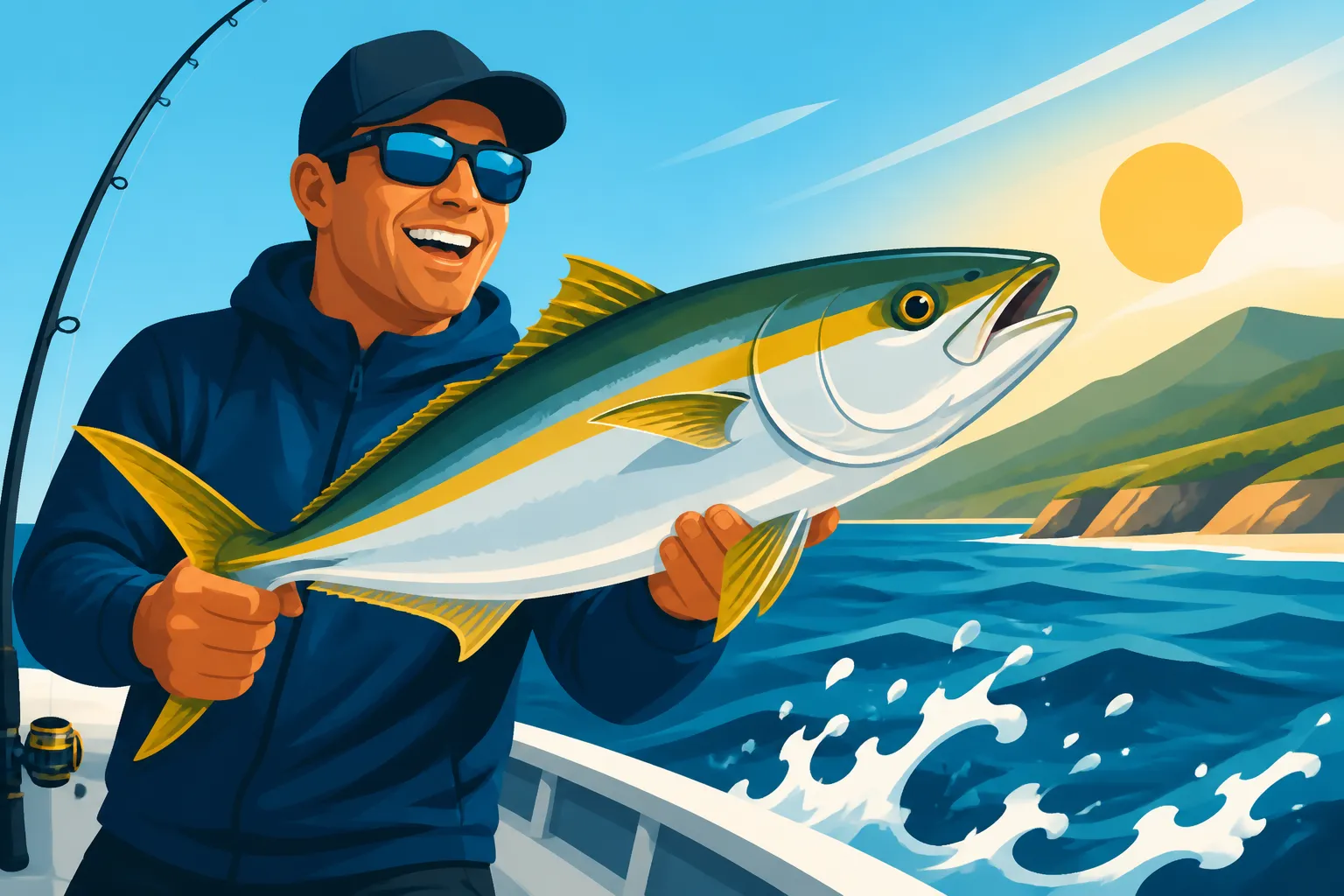
If you've ever hooked into a solid yellowtail, you know exactly what I'm talking about. The initial strike is often aggressive, a true rod-bending moment that sends adrenaline coursing through your veins. Unlike some fish that might pull hard and then settle into a steady tug, yellowtail are famous for their powerful, sustained runs. They'll peel line off your reel with impressive speed and determination, often making multiple surges that require constant vigilance and proper technique to manage. It's not uncommon for a yellowtail to test every component of your tackle, from the strength of your line to the smoothness of your drag.
Imagine you've just dropped your live sardine near a kelp paddy, and suddenly your rod doubles over. The reel screams, and you brace yourself, leaning into the fish as it makes a blistering run towards the horizon. You pump and reel, gaining a few feet, only for the fish to dig deep and take back even more. This back-and-forth battle can last for several minutes, demanding patience, strength, and quick reflexes. It's this raw power and unwillingness to give up that makes fighting a yellowtail such an unforgettable experience, often leaving your arms burning but your spirit soaring. Anglers often come back to the dock with stories of "the one that got away" or the epic battle they waged to bring a prized yellowtail aboard.
Culinary Delights and Sustainability
Beyond their sporting value, yellowtail are also highly regarded for their firm, flavorful, and versatile meat. Fresh yellowtail, whether grilled, seared, baked, or enjoyed as sashimi, is a true delicacy. Many anglers consider it one of the best-eating fish in California waters. The lean, reddish-pink flesh has a rich, distinct flavor that stands up well to various preparations, making it a favorite for home cooks and restaurant chefs alike.
However, it's essential to practice responsible fishing to ensure these incredible fish remain abundant for future generations. The California Department of Fish and Wildlife (CDFW) regularly updates regulations concerning yellowtail, including California Yellowtail Regulations and Limits for size and bag limits. When fishing on a charter, the crew is always up-to-date on these rules and will ensure compliance, helping to maintain sustainable fishing practices. They'll also handle the cleaning and filleting of your catch, making it easy for you to take home and enjoy the fruits of your labor without any fuss. Knowing that you're bringing home a delicious, ethically caught meal adds another layer of satisfaction to the yellowtail charter experience.
Understanding Yellowtail Charter Options
Embarking on a yellowtail charter in California offers a variety of experiences, each tailored to different preferences, budgets, and levels of angling ambition. Deciding between a half-day or full-day trip, and whether to go on a private or open party boat, can significantly impact your adventure. It's crucial to understand these options to pick the perfect trip for you and your group.
Half-Day vs. Full-Day Charters
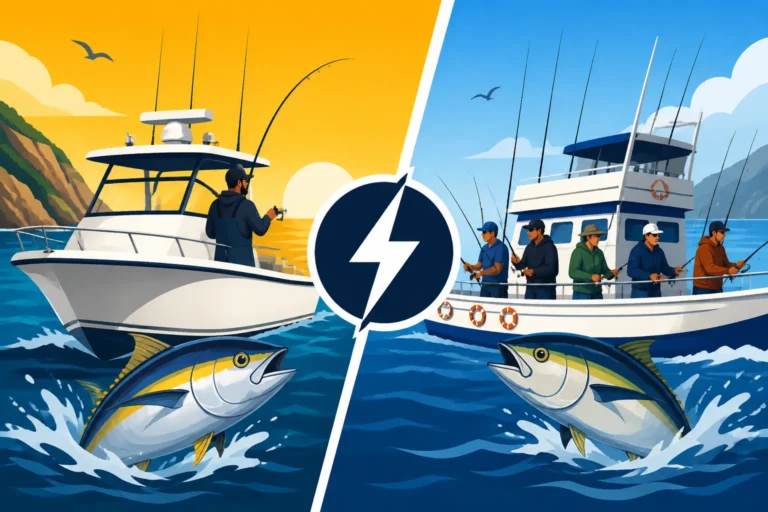
The duration of your trip is often one of the first decisions you'll make when booking a charter. Both half-day and full-day trips have their unique advantages and considerations. You can dive deeper into this topic by checking out our guide on California Half-Day vs Full-Day Charters.
Half-Day Trips: These are typically 4-6 hours long, offering a shorter, more accessible option. They are great for beginners, families with younger children, or those who might be prone to seasickness and prefer less time on the open ocean. A half-day trip usually stays closer to shore, targeting kelp beds, rockpiles, or nearshore banks where yellowtail might be present, especially during peak seasons. The cost is generally lower, making it a more budget-friendly introduction to sportfishing. While the chances of finding yellowtail can be good if the fish are abundant and close, the limited time frame means less opportunity to travel to more distant, potentially more productive grounds. If the yellowtail are a bit shy or require a longer run to find, a half-day trip might feel a bit rushed, or you might not get as many opportunities to hook up.
Full-Day Trips: Stretching for 8-12 hours, full-day charters offer a more immersive and comprehensive fishing experience. These longer trips allow the captain to cover more ground, venturing further offshore to deeper waters, remote banks, or offshore islands known for holding larger concentrations of yellowtail. This increased travel time and broader fishing range significantly boost your chances of encountering feeding schools of yellowtail, especially if they are widely dispersed. For serious anglers, the full-day trip is often the preferred choice, providing ample time to locate fish, experiment with different techniques, and maximize rod time. While more expensive and physically demanding, the potential for a truly epic day of yellowtail fishing is much higher. You also get more time to relax, enjoy the ocean, and soak in the full sportfishing experience.
Private Charters vs. Open Party Boats
Another significant choice is between a private charter and an open party boat, each offering a distinct social dynamic and fishing experience. You can learn more about the communal aspect in our article California Party Boat Fishing Explained.
Open Party Boats (Head Boats): These are large vessels that sell individual spots to multiple anglers. They are generally the most affordable option per person, as the cost is split among many. Open party boats are a fantastic way to experience offshore fishing without breaking the bank, and they provide a social atmosphere where you can meet other enthusiastic anglers. The crew on these boats are experts at handling a crowd, but you'll be fishing alongside many others, which means less personalized attention from the deckhands and potentially more competition for rail space when the fish are biting. The target species, fishing locations, and techniques are determined by the captain based on current conditions and fish reports, aiming to put as many people as possible on fish. If you're a solo angler or a small group looking for a cost-effective way to get offshore, an open party boat is an excellent choice.
Private Charters: A private charter means you book the entire boat for your group, whether it's just you and a friend or a larger party of up to six or more, depending on the vessel size. While significantly more expensive per person than an open party boat, a private charter offers unparalleled flexibility and a highly personalized experience. You have the freedom to discuss your target species (like yellowtail), preferred fishing style, and even specific locations with the captain. The crew's attention is entirely dedicated to your group, offering one-on-one coaching, rigging assistance, and prompt help when you hook up. This is ideal for serious anglers who want a tailored experience, families who desire a more intimate setting, or corporate groups looking for an exclusive outing. For those truly focused on yellowtail, a private charter allows the captain to dedicate the entire day to finding and focusing on these specific fish, often leading to a more productive and targeted trip. Reputable charter services like those found on FishingBooker allow you to filter by private charters and communicate directly with captains about targeting yellowtail.
The "Run and Gun" Style
When it comes to yellowtail fishing, especially for larger, elusive schools, many captains employ a dynamic strategy often referred to as "run and gun." This isn't your typical sit-and-wait kind of fishing; it's an active, high-energy pursuit that is incredibly exciting. The essence of run and gun fishing for yellowtail is constant movement and adaptation. The captain and crew are constantly scanning the horizon, often with high-powered binoculars, looking for visual signs of feeding fish or baitfish activity. This could be anything from diving birds, which often indicate baitfish being pushed to the surface by predators like yellowtail, to splashes on the water's surface, or even a subtle "paddy" of kelp drifting offshore, which acts as an oasis for bait and predators.
Once a promising sign is spotted, the captain will make a rapid run to the location, positioning the boat strategically to get anglers on the fish as quickly as possible. This often involves casting live bait like sardines or anchovies, or even artificial jigs, into the melee. The action can be fast and furious, with multiple hook-ups occurring simultaneously. However, yellowtail schools are often on the move, and if the bite dies down, the captain won't hesitate to pull anchor and "run" to the next promising spot. This requires anglers to be nimble, ready to cast at a moment's notice, and able to clear their lines quickly if the boat needs to move. It’s an exhilarating, often unpredictable way to fish, and it’s frequently the most effective method for locating and catching these highly migratory and opportunistic predators, making for some truly unforgettable moments on the water.
Top Regions for Yellowtail Charter Trips in California
While yellowtail can be found up and down the California coast, some regions consistently offer better opportunities due to warmer waters, prevalent baitfish, and favorable marine structures. Southern California is undoubtedly the epicenter for yellowtail fishing, with its proximity to prime habitats and warmer currents influenced by Baja California.
Southern California Hotspots
Southern California is synonymous with yellowtail fishing, boasting some of the most productive waters for these hard-fighting fish. The mild climate and rich marine environment make it a year-round destination, though specific seasons offer peak opportunities.
San Diego: Widely considered the "Sportfishing Capital of the World," San Diego is an absolute mecca for yellowtail anglers. Its proximity to offshore islands like Coronado Islands (just across the border in Mexican waters, but frequently fished by U.S. charters with proper permits), San Clemente Island, and Catalina Island, along with numerous offshore banks and kelp paddies, provides an ideal habitat for yellowtail. The San Diego fleet is massive and highly experienced, with numerous vessels ranging from large open party boats departing from landings like Point Loma Sportfishing, H&M Landing, and Fisherman's Landing, to smaller, agile private charters. Charters from San Diego often run south into Mexican waters, particularly around the Coronado Islands, which are legendary for their consistent yellowtail action when conditions are right. You can find out more about trips departing from here in our guide to Best Fishing Charters in San Diego. The variety of trips, from half-day excursions targeting local kelp beds to multi-day trips venturing further offshore for larger fish, makes San Diego an unparalleled starting point for a yellowtail adventure.
Orange County (Dana Point, Long Beach, Newport Beach): Just north of San Diego, the Orange County coast also offers fantastic yellowtail opportunities, particularly around Catalina Island and San Clemente Island. Ports like Dana Point, Long Beach, and Newport Beach are home to numerous sportfishing landings that run daily trips to these productive islands. Catalina Island, especially, is a well-known yellowtail hotspot, with fish often congregating around its kelp forests and rocky points. These areas can produce excellent fishing, especially during the warmer months when the yellowtail move closer to shore and into the island's waters. Charters from these ports often focus on 3/4-day or full-day trips to the islands, allowing ample travel time and fishing time. While perhaps not as high-volume as San Diego's fleet, the Orange County landings offer competitive trips with skilled captains who know these waters intimately.
Central Coast Opportunities
While Southern California gets most of the yellowtail glory, the Central Coast also sees its share of action, particularly during warmer water years or when conditions push the fish further north.
Channel Islands (Ventura, Oxnard, Santa Barbara): The Channel Islands, including Santa Cruz, Santa Rosa, Anacapa, and San Miguel Islands, are a rich marine environment accessible from ports like Ventura, Oxnard, and Santa Barbara. These islands are famous for their robust kelp forests and diverse fisheries, and they can be fantastic for yellowtail, especially during late summer and fall. Charters departing from Ventura Harbor or Channel Islands Harbor often target these islands, where yellowtail might be found cruising the kelp edges, feeding on baitfish, or hanging around rocky structure. While yellowtail fishing might not be as consistent here as it is further south, when they show up, the action can be phenomenal. Anglers here might also encounter other species like white seabass, lingcod, and a variety of rockfish, making for a diverse fishing experience.
Baja California Influence
It's impossible to talk about California yellowtail fishing without acknowledging the profound influence of Baja California, Mexico. Many of the fish that are caught off Southern California originate from or migrate through Mexican waters. The warmer currents flowing north from Baja often bring schools of baitfish and, consequently, large aggregations of yellowtail.
Long-Range Trips to Baja: For the truly adventurous and dedicated angler, some multi-day long-range trips from San Diego venture deep into Baja California waters, sometimes hundreds of miles south. These trips target not only abundant yellowtail but also other pelagic species like tuna and dorado. These extended trips are an entirely different beast, requiring specialized gear, considerable stamina, and a deep commitment. They offer the opportunity to fish truly untouched waters and target trophy-sized yellowtail that are less pressured than those closer to shore. While not a typical single-day charter, these trips represent the pinnacle of yellowtail pursuit influenced by the rich fisheries of Baja. It’s a serious commitment in terms of time and cost, but the rewards can be legendary.
What to Expect on a Yellowtail Charter
Stepping onto a yellowtail charter, especially for the first time, can feel like a whirlwind of activity and new information. Knowing what to expect regarding gear, techniques, and the role of the crew can help you feel more comfortable and prepared to make the most of your trip.
Gear and Tackle Provided
One of the biggest advantages of booking a charter, especially for yellowtail, is that you don't need to bring your own specialized gear. Most reputable California Fishing Charters: Complete Guide include high-quality rods, reels, and tackle as part of the trip cost, or offer them for a reasonable rental fee.
Rods and Reels: For yellowtail, charters typically provide sturdy conventional reels spooled with 30-50 lb monofilament or braided line, matched with medium-heavy to heavy conventional rods. These setups are designed to handle the strong runs and powerful fights yellowtail are known for. Some charters might also have spinning gear available for lighter tackle enthusiasts or specific techniques. The crew will usually have a range of gear to match the conditions and the size of the fish being encountered. Don't worry if you're not familiar with conventional gear; the deckhands are there to help you learn the ropes.
Terminal Tackle: The charter will supply all necessary terminal tackle, including hooks (often live bait hooks, circle hooks, or J-hooks depending on the technique), sinkers (ranging from light sliding weights for a subtle presentation to heavier torpedo weights for deeper drifts), swivels, and leader material. They also carry a variety of artificial lures, such as surface irons, yo-yo jigs, and plastics, which can be highly effective for yellowtail. They'll know exactly what's working on any given day and will help you get rigged up properly. If you want to bring your own lucky lure or favorite setup, it's always a good idea to check with the charter beforehand to ensure it's appropriate for the target species and boat's regulations.
Typical Fishing Techniques
Yellowtail are opportunistic predators, and successful charter captains often employ a range of techniques to entice them, depending on the conditions, location, and the fish's mood. Learning How to Catch Yellowtail in California involves mastering a few key methods.
Live Bait Fishing: This is, without a doubt, the most common and often most effective method for targeting yellowtail on a charter. Charters will usually have a large live bait well filled with anchovies or sardines, sometimes mackerel, which are irresistible to hungry yellowtail. Anglers are typically instructed to 'fly-line' a live bait (no weight, just a hook and bait) or use a very light sinker to present the bait as naturally as possible. This technique is particularly effective when yellowtail are schooling on the surface or around kelp paddies. The deckhands will show you how to properly hook the bait to keep it lively and how to cast it away from the boat without injuring it.
Jigging (Yo-Yo & Surface Iron): When yellowtail are deeper or actively chasing bait, jigging can be incredibly effective. "Yo-yo" jigging involves dropping a heavy, fast-sinking metal jig to the bottom and then rapidly reeling it back up through the water column, mimicking a fleeing baitfish. This is a high-energy technique that can provoke aggressive strikes from deeper fish. "Surface iron" (or "weld-on") is another jigging style, using lighter, longer metal jigs cast out and retrieved quickly across the surface or just below, simulating a wounded or fleeing baitfish. Both require a certain rhythm and can be immensely satisfying when a yellowtail slams your jig.
Trolling: While less common for active hook-ups on open party boats, private charters or smaller vessels might troll specific areas, especially when searching for scattered schools of yellowtail. Trolling involves dragging lures or live baits behind the moving boat, covering a wide area to locate fish. Once fish are located, the boat might stop, and anglers can switch to live bait or jigging.
The Role of the Deckhand and Crew
The crew, especially the deckhands, are the unsung heroes of any successful fishing charter. Their knowledge, hard work, and dedication are invaluable.
Expert Guidance and Assistance: Deckhands are highly experienced anglers who know the local waters, bait, and fish behavior like the back of their hand. They'll provide instructions on how to fish, what techniques to use, and how to maximize your chances of a bite. When you hook a fish, they're right there to offer encouragement, advice, and assistance with netting your catch. They'll teach you proper fish handling techniques and ensure you're compliant with all California Fishing Regulations Explained.
Boat Operations and Safety: Beyond fishing, the crew is responsible for the safe operation of the vessel. They ensure all safety equipment is in order, provide a safety briefing, and are trained in first aid. They keep the deck clear and organized, manage the bait tanks, and are constantly monitoring conditions to ensure a smooth and safe trip. If you feel unwell or have any concerns, they are your first point of contact.
Fish Processing: Once the fish are caught, the deckhands take over the crucial task of processing your catch. This typically includes bleeding the fish to improve meat quality, cleaning, and filleting. They work tirelessly to ensure your fish is properly cared for, so you can take home fresh, delicious fillets. Tipping your deckhand is customary and greatly appreciated for their hard work and expertise. A good rule of thumb is 15-20% of your trip cost, especially if they've worked hard and put you on some fish.
Booking Your California Yellowtail Charter
So, you're ready to experience the thrill of a California yellowtail charter. The next step is finding the right boat and captain. This process doesn't have to be complicated, especially with the resources available today.
Finding Reputable Operators
The key to a successful and enjoyable charter trip begins with choosing a reputable operator. You want a captain and crew who are experienced, professional, safety-conscious, and dedicated to putting their clients on fish.
Research and Reviews: Start by doing your homework. Online reviews on platforms like Google, Yelp, and specialized fishing charter sites (such as FishingBooker) are invaluable. Look for consistent positive feedback about the captain's knowledge, the crew's helpfulness, the condition of the boat, and the overall fishing experience. Pay attention to comments specifically about yellowtail fishing success. A good charter operator will have a strong online presence and transparent information about their trips.
Local Knowledge and Word-of-Mouth: If you're able, talk to other anglers or visit local tackle shops in areas like San Diego or Dana Point. Local fishermen often have firsthand experience with various charters and can offer recommendations based on recent fishing conditions and boat performance. Word-of-mouth can sometimes reveal hidden gems or provide insights that online reviews might miss.
Landings and Marinas: Many Southern California ports, such as San Diego’s Point Loma, H&M, or Fisherman’s Landings, and Dana Point Harbor, have multiple charter boats operating from them. Visiting these landings in person or checking their websites can give you a good idea of the fleet available. These landings often have centralized booking systems and can provide details on upcoming trips and fish counts.
Essential Questions to Ask
Before you commit to a booking, don't be shy about asking questions. A good charter operator will be happy to provide all the information you need.
- What is included in the price? Confirm what's covered: rods, reels, tackle, bait, fish cleaning? Are licenses or an California Ocean Enhancement Stamp extra? Knowing the full cost upfront prevents surprises.
- What is the typical yellowtail season? While yellowtail can be caught year-round, there are peak seasons. The crew will usually advise on Best Season for Yellowtail in California. This helps manage expectations and improves your chances.
- What is the target species for the trip? While you're specifically looking for yellowtail, sometimes conditions dictate targeting other species. Confirm that yellowtail will be the primary focus or a strong possibility.
- What are the current fishing conditions and recent success rates? A captain won't guarantee fish, but they should be able to give you an honest assessment of recent catches and conditions.
- What is the maximum number of anglers? Especially for private charters, confirm the boat's capacity and comfort level for your group size.
- What is the cancellation policy? Weather, mechanical issues, or personal emergencies can arise. Understand their policy for rescheduling or refunds.
- Are fishing licenses required, and where can I get one? Most offshore fishing in California requires a valid fishing license. You can learn more in our comprehensive California Fishing License Guide. Charters usually have information on where to purchase them, or you can often buy them online or at tackle shops.
Utilizing Online Platforms
In today's digital age, online booking platforms have revolutionized the way anglers find and book charters. They offer convenience, transparency, and a vast selection of options.
FishingBooker: This platform is a prime example of an excellent resource for finding and booking California yellowtail charter trips. It allows you to search by location, target species (like yellowtail), date, and trip type (half-day, full-day, private, shared). You can view detailed profiles of boats and captains, read real customer reviews, see photos, and compare prices. Many listings on FishingBooker specify their focus on yellowtail and outline what gear is provided and what to expect. The platform also streamlines the communication process, allowing you to message captains directly with any specific questions you might have before booking. It's a fantastic tool for simplifying the often daunting task of finding the perfect charter for your yellowtail adventure. You can usually find availability and book securely online, giving you peace of mind. Check out our guide on How to Book a California Fishing Charter for more general advice.
Preparing for Your Yellowtail Adventure
You've booked your yellowtail charter, the excitement is building! Now it's time to get ready. A little preparation can go a long way in ensuring a comfortable, safe, and productive trip.
What to Pack and Wear
Being prepared for varying conditions on the ocean is crucial. Even on a sunny day, it can get chilly, wet, or windy out on the water. For a full checklist, consider reviewing our article on What to Bring on a California Fishing Charter.
Layered Clothing: This is perhaps the most important advice for any ocean excursion. Start with a base layer that wicks moisture, add a warm mid-layer (fleece or sweatshirt), and top it off with a waterproof and windproof outer shell. Even in summer, mornings can be cool, and spray from the boat can make you wet. You can always shed layers if it warms up.
Sun Protection: The sun's reflection off the water intensifies its rays. Bring a wide-brimmed hat, polarized sunglasses (essential for spotting fish and protecting your eyes), and high SPF sunscreen. Don't forget to reapply!
Comfortable, Non-Slip Shoes: Boat decks can be wet and slick. Wear closed-toe shoes with good grip, like deck boots or sturdy boat shoes. Avoid flip-flops or sandals.
Food and Drinks: While some charters might offer snacks or drinks, it's always a good idea to bring your own. Pack plenty of water to stay hydrated, and energy-rich snacks or a packed lunch. Remember, alcohol policies vary by charter, so check beforehand.
Cooler for Your Catch: If you're on a private charter, you'll likely need to bring your own cooler to transport your fillets home. For open party boats, there's usually a large fish hold, but you'll still want a cooler in your car for the drive home.
Seasickness Prevention
Seasickness can turn an otherwise incredible fishing trip into a miserable ordeal. If you're prone to motion sickness, or even if you're not sure, it's wise to take precautions.
Medication: Over-the-counter options like Dramamine or Bonine are popular and effective for many. It's crucial to take these before you board the boat, ideally the night before and again an hour or two before departure, for them to work effectively. Once you start feeling sick, it's often too late for oral medications to provide much relief. Prescription patches (like Scopolamine) are also an option and can be highly effective, but require a doctor's visit.
Natural Remedies: Ginger, whether in candy, chew, or capsule form, is a traditional remedy for nausea. Acupressure wristbands (like Sea-Bands) can also provide some relief for certain individuals.
Onboard Strategies: Once on the boat, try to stay on deck in the fresh air, focus on the horizon (avoid looking down at your phone or reading), and avoid strong odors from diesel fumes or bait. Staying well-hydrated and avoiding greasy foods before and during the trip can also help. Position yourself towards the middle of the boat where motion is generally less pronounced.
Licensing Requirements
Before you even step foot on a boat, you absolutely need to ensure you have the proper fishing licenses. Fishing without one can lead to hefty fines and a spoiled trip.
California Sport Fishing License: For anyone aged 16 or older, a valid California sport fishing license is mandatory for both freshwater and saltwater fishing. You can purchase these online through the California Department of Fish and Wildlife (CDFW) website, at most sporting goods stores (like Big 5 Sporting Goods or Dick's Sporting Goods), or at many tackle shops and charter boat landings. Options include annual licenses, one-day, or two-day licenses, which are great for visitors or infrequent anglers. Make sure you have your physical license or a digital copy readily accessible on your phone, as wardens do check. Our comprehensive guide, How to Get a California Fishing License, provides all the details.
Report Cards and Stamps: Depending on what other species might be encountered or if you venture into specific areas, you might also need additional report cards or stamps. For instance, fishing for specific species like salmon or sturgeon requires a report card. The California Ocean Enhancement Stamp is often required for fishing in ocean waters south of Point Arguello (Santa Barbara County) if you are between the ages of 16 and 65, and typically needs to be purchased in addition to your base fishing license. Always double-check with your charter operator about any specific requirements for your trip, as they will know exactly what is needed for the areas you'll be fishing and the species you'll be targeting. They are the best resource for current regulations.
Maximizing Your Yellowtail Charter Experience
You've done the planning, you're on the boat, and the engines are humming. Now it's time to make the most of your yellowtail charter. A few key practices can significantly enhance your chances of success and enjoyment.
Listening to the Crew
This cannot be stressed enough: the captain and deckhands are your greatest assets. They spend countless hours on the water, tracking fish, understanding local currents, and knowing what bait and techniques are working right now.
Follow Instructions Diligently: When the captain announces a move, or a deckhand gives specific instructions on how to rig your bait or cast your line, listen carefully and follow their lead. They might tell you to "fly-line that sardine," "drop a yo-yo jig," or "keep your line clear." These instructions are critical. Hesitation or a failure to follow guidance can cost you a bite, or worse, tangle lines with other anglers, creating a frustrating situation for everyone. Remember, they want you to catch fish as much as you do!
Ask Questions (at appropriate times): Don't be afraid to ask for clarification if you don't understand an instruction, or if you want to learn more about a technique. However, choose your moments. When the bite is hot and chaos reigns on deck, it's not the time for an in-depth fishing lesson. Wait for a calmer moment, and the deckhands will usually be happy to share their knowledge and tips. Learning from the pros is one of the biggest perks of a charter trip.
Proper Fish Handling and Technique
Once you hook into a yellowtail, the battle begins, and how you handle the fight can determine whether that fish makes it to the boat.
Fighting the Fish: When a yellowtail strikes, resist the urge to immediately crank down on the reel. Let the fish run for a moment, then set the hook firmly. Keep steady pressure on the fish throughout the fight. Use the "pump and reel" method: lift the rod tip smoothly, then lower it while reeling down to gain line. Avoid "high sticking" (lifting the rod too high), which can break your rod. Keep the rod tip pointed towards the water and work the fish steadily. If the fish runs under the boat, move quickly to follow it, always keeping the line away from the hull or props.
Working with the Deckhand: As you get the yellowtail close to the boat, the deckhand will be ready with a gaff or net. They will guide you on when and how to present the fish for landing. Do not try to gaff or net the fish yourself unless explicitly instructed. Let the pros do their job; they’re highly skilled at landing a green (still fighting) yellowtail safely and efficiently. Once landed, they will quickly bleed and put the fish on ice, ensuring the best possible quality for your dinner table.
Respecting Fellow Anglers and the Environment
A fishing charter is a shared experience. Showing courtesy and respect for others, and for the marine environment, is essential for everyone's enjoyment.
Deck Etiquette: Be mindful of your casting space, especially on open party boats. Avoid casting over other anglers' lines, and be quick to clear your line if a tangle occurs or if another angler hooks up. If you're sharing a rail, give others enough room to fight their fish without interference. When you're not actively fishing, step back from the rail to allow others access.
Conservation: Adhere strictly to bag and size limits for yellowtail and any other species caught. The crew will enforce these regulations, but it's your responsibility to be aware. Practice catch-and-release properly for any fish you don't intend to keep or that are undersized. Handle fish gently, minimize their time out of water, and use proper release techniques to ensure their survival. Support charters that prioritize sustainable fishing practices. Being a responsible angler ensures that future generations can also enjoy the thrilling pursuit of California yellowtail.
Yellowtail Charters by Season
While yellowtail are present in California waters year-round, their abundance and accessibility fluctuate with the seasons. Knowing when to target them can significantly improve your chances of a successful trip.
Spring Yellowtail Opportunities (March – May)
Spring marks a transitional period for yellowtail in California. As water temperatures begin to slowly rise after the winter chill, yellowtail often start to become more active and migrate into more accessible areas. This season can be a bit hit-or-miss, but when conditions align, the fishing can be exceptional. Early spring might still see some of the larger, resident yellowtail from deeper offshore banks. As spring progresses into late April and May, schools of smaller, "firecracker" yellowtail might start to appear closer to shore, especially around kelp paddies and the offshore islands.
The fishing often revolves around finding these kelp paddies that have broken off and are drifting offshore, creating miniature ecosystems where baitfish gather, attracting hungry yellowtail. Boats will employ the "run and gun" strategy, constantly searching for these paddies. Live bait, like sardines or anchovies, is usually the most effective method during this time, with anglers fly-lining baits into the schools. Jigging with surface irons can also produce violent strikes from aggressive fish. Spring can offer some fantastic days, but it often requires more searching and patience than the peak summer months.
Summer Yellowtail Peak (June – September)
Summer is undeniably the prime season for yellowtail fishing in California. Warmer water temperatures bring an explosion of baitfish, and with them, large schools of yellowtail that move into Southern California waters in significant numbers. This is when the offshore banks, local kelp beds, and especially the Channel Islands and Coronado Islands become hotbeds of activity.
During these months, yellowtail are often found feeding aggressively on the surface, making them visible to keen-eyed captains and crew. This is a time when the "run and gun" technique truly shines, as boats race to get on boiling schools of fish. Live bait is still king, but summer is also prime time for throwing surface irons and yo-yo jigs. The fish tend to be more active and willing to chase lures. Anglers on both open party and private charters can expect more consistent action and often have opportunities for multiple hook-ups. The longer daylight hours also mean full-day trips can explore further, increasing the chances of finding epic yellowtail bites. This is the season when anglers really flock to the docks to chase these prized fish.
Fall Yellowtail Action (October – November)
As summer transitions into fall, the yellowtail action can remain incredibly strong, sometimes even surpassing summer in terms of quality and size of fish. The water stays warm well into October and even November in Southern California, and the yellowtail often feed heavily in preparation for cooler months. This period can offer some of the largest yellowtail of the year, particularly from offshore banks and islands.
The fishing often becomes a bit more technical in the fall, as bait concentrations might spread out, and the fish can be more finicky. However, the reward can be significant, with chances at trophy-sized yellowtail. Live bait remains crucial, but skilled anglers often find success with specific jigging techniques or by presenting baits very subtly. Weather patterns can also become more unpredictable, with stronger winds and choppier seas possible. However, if you hit a calm, warm fall day, the yellowtail fishing can be legendary, offering some of the most memorable battles of the year.
Winter Yellowtail Challenges (December – February)
Winter presents the toughest, but sometimes most rewarding, challenge for yellowtail anglers. While the vast schools typically move south or offshore to deeper water, there are still resident yellowtail to be found, often around deep structures, specific reefs, or deepwater kelp. These fish tend to be larger and more solitary, requiring a different approach.
Winter yellowtail fishing often involves more specialized techniques, such as yo-yo jigging in deeper water or slow-trolling larger live baits. The bite can be sporadic, and days without a yellowtail are more common. However, when you do hook into a winter yellowtail, it's often a substantial fish, a true trophy. Trips during this time are often focused on bottom fishing for rockfish and lingcod, with yellowtail being a bonus if conditions allow. For those willing to brave the cooler temperatures and potentially rougher seas, winter can offer a unique opportunity for a big yellowtail, but it requires patience and a good deal of luck.
| Charter Type | Duration | Cost Per Person | Group Size | Customization | Pros | Cons | Best For |
|---|---|---|---|---|---|---|---|
| Half-Day Open | 4-6 hours | Low | Many (20-60+) | Low | Budget-friendly, good for beginners/families | Less fishing time, limited range, less attention | Quick trips, first-timers, budget-conscious |
| Full-Day Open | 8-12 hours | Medium | Many (20-60+) | Low | More fishing time, wider range, more opportunities | Longer commitment, crowded rail | Serious solo anglers, small groups, good value |
| Half-Day Private | 4-6 hours | High (group rate) | Small (1-6) | High | Personalized, intimate, flexible | High per-person cost, limited range | Families, small private groups, targeted focus |
| Full-Day Private | 8-12 hours | Very High (group rate) | Small (1-6) | Very High | Maximum flexibility, highly personalized, best chance at fish | Highest per-person cost, long commitment | Dedicated anglers, corporate trips, special occasions |
| Overnight/Long-Range | 1.5 – 10+ days | Varies | Medium to Large | Medium | Access to distant, unfished waters, trophy fish | Significant cost, time commitment, physically demanding | Extreme anglers, trophy hunters, multi-species trips |
Disclaimer
The information provided in this guide is for general informational purposes only and is not intended as legal or professional advice. Fishing regulations, seasons, and conditions in California can change frequently. Always consult the most current regulations from the California Department of Fish and Wildlife (CDFW) and communicate directly with your chosen charter operator or fishing guide for the most up-to-date and specific information before planning your trip. Fishing involves inherent risks; please exercise caution and follow all safety guidelines.