Best San Diego Overnight Fishing Trips
Oh, the allure of an overnight fishing trip out of San Diego! There's nothing quite like the dream of heading out past the horizon, under a blanket of stars, to chase after those offshore giants. But let's be real, the sheer number of options, the different boats, destinations, and fish species can feel incredibly overwhelming, making it tough to even know where to start. This guide is here to untangle all that confusion, walking you through everything you need to know to pick and prepare for the best San Diego overnight fishing trip that's perfect for your angling dreams.
What Exactly is a San Diego Overnight Fishing Trip?
When folks talk about "overnight fishing trips" out of San Diego, they're usually referring to journeys that last longer than a typical full-day charter, often encompassing a night spent offshore. These aren't just extended day trips; they're full-blown expeditions designed to get you further out to sea, targeting species that inhabit deeper waters or migratory patterns that require more travel time. The most common format you'll encounter is the 1.5-day trip, but longer 2-day or even multi-day trips are also popular, especially during peak seasons for highly migratory species.
The 1.5-Day Trip: The San Diego Staple
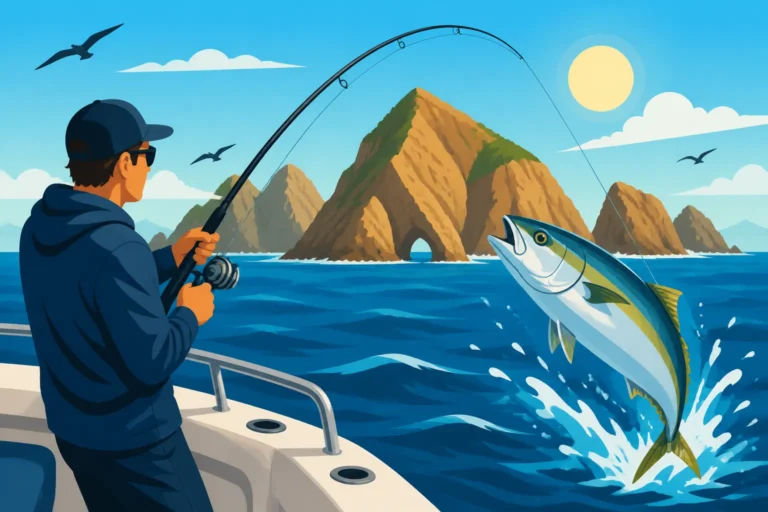
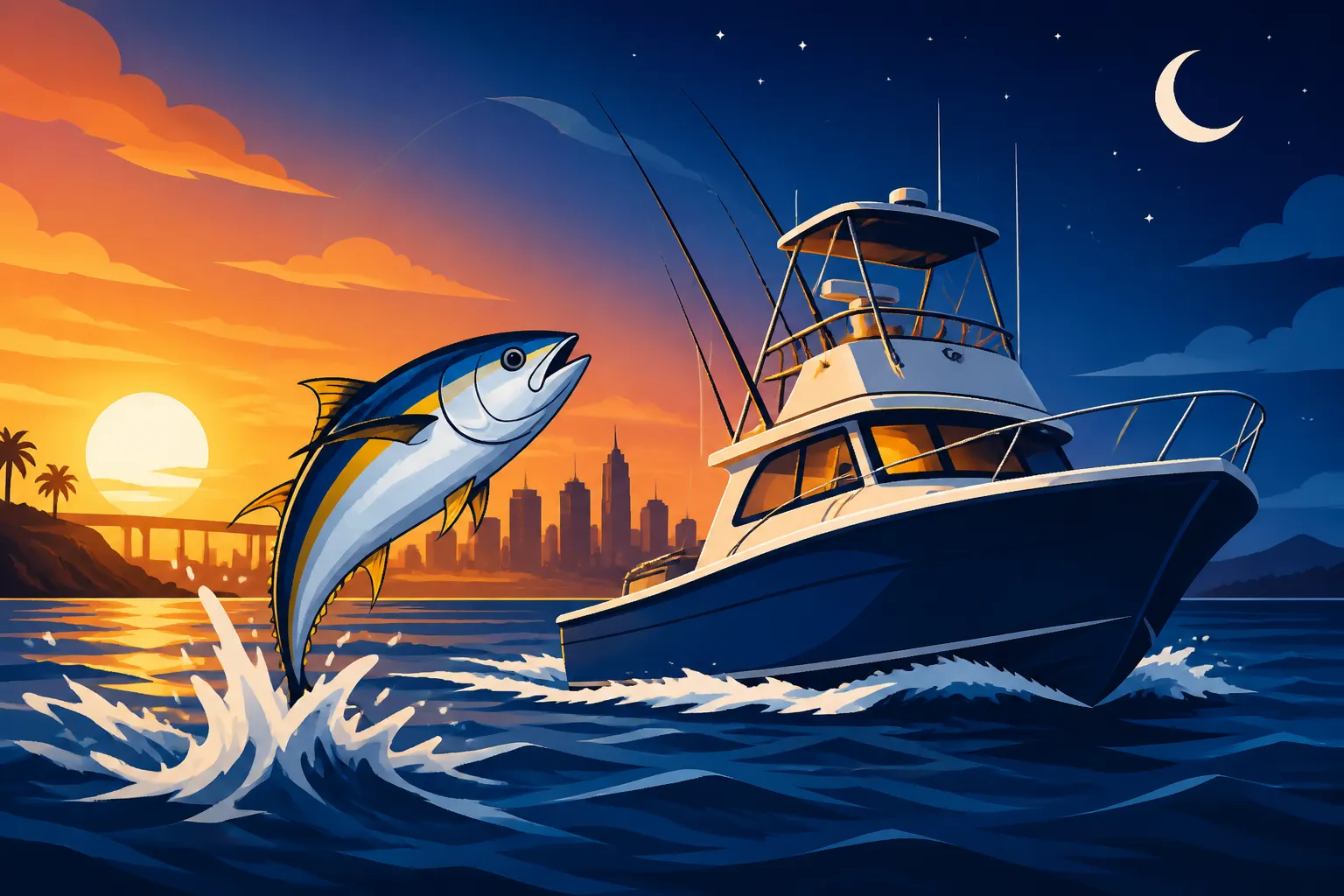
The 1.5-day trip is arguably the most popular and iconic overnight fishing adventure departing from San Diego's legendary landings like H&M Landing, Fisherman's Landing, and Point Loma Sportfishing. These trips typically leave the dock in the late evening, around 8 PM to 10 PM. You'll spend the night traveling to distant fishing grounds – sometimes hundreds of miles offshore, or down towards the waters surrounding Baja California. While you're sleeping soundly in your bunk, the boat's powerful engines are chewing up the miles. You wake up at first light, already on the fishing grounds, ready to start your day of angling. The entire next day is spent fishing, and then the boat makes its way back to port, arriving usually in the late evening, around 6 PM to 10 PM, the following day. This format maximizes your fishing time while minimizing the time spent traveling during daylight hours, making it incredibly efficient for reaching prime spots.
A common frustration for first-timers is understanding the "1.5-day" nomenclature. It's not a day and a half of fishing, but rather a trip that uses one evening for travel, one full day for fishing, and then another evening for the return journey. It’s a brilliant setup for accessing those epic offshore fishing grounds that are simply too far for a standard day trip. Imagine waking up to the sun rising over the Pacific, miles from land, with the captain announcing "lines in!" – it’s an experience that truly sets these trips apart.
Longer Expeditions: 2-Day and Multi-Day Trips
While the 1.5-day trip is the bread and butter, many San Diego landings also offer longer 2-day, 2.5-day, and even 3-day or longer trips. These extended expeditions are designed for the truly dedicated angler looking for maximum time on the water, often pushing even further offshore to renowned spots like the Cortes Bank, Tanner Bank, or deep into Mexican waters (with appropriate permits and documentation handled by the charter).
These longer trips offer several advantages. First, they allow for more diverse fishing opportunities. If the bite is slow in one area, the captain has more time to move the boat and find active fish. Second, they can access areas that are simply out of reach for shorter trips, increasing the chances of encountering trophy-sized fish or less pressured populations. Third, for those targeting specific species like giant Bluefin Tuna, more time on the water often translates to more opportunities. You get more than just a taste of offshore fishing; you truly immerse yourself in the experience, forming a deeper connection with the ocean and your fellow anglers. Of course, this also means more time away from home, and the costs naturally increase, so it's a commitment, but one that many seasoned anglers swear by for its unparalleled rewards.
Top Destinations and Target Species on San Diego Overnight Trips
San Diego is an incredible launching point for offshore adventures, thanks to its strategic location relative to rich fishing grounds. Depending on the time of year, the water temperatures, and bait availability, these overnight trips can take you to a variety of productive spots, each offering its own unique set of target species.
Offshore Banks and High Spots
Some of the most legendary fishing on San Diego overnight trips happens far offshore, at submerged seamounts and banks that act as magnets for pelagic species.
- Tanner and Cortes Banks: These are two of the most famous offshore fishing grounds accessible from San Diego. Located over 100 miles offshore, these banks rise from the deep, creating incredible upwellings and structure that concentrate baitfish, which in turn attract large predators. These areas are prime for Yellowtail, various Rockfish species, Lingcod, and often provide excellent opportunities for Albacore, Bluefin, and Yellowfin Tuna when they migrate into Southern California waters. The sheer isolation of these banks means the fish often see less pressure, leading to some truly epic bites. The journey to these spots is long, which is why they are exclusively the domain of overnight and multi-day trips. When the conditions are right, a trip to the Cortes Bank can be an unforgettable experience, often producing limits of high-quality fish.
- Offshore Canyons and Seamounts: Beyond the named banks, the waters off San Diego are riddled with underwater canyons and seamounts that hold an abundance of marine life. These areas become crucial for targeting deep-dwelling species or migratory pelagics that follow specific oceanic currents. Boats will often employ advanced sonar and satellite imagery to locate temperature breaks, current lines, and bait balls in these expansive offshore zones. This "hunting" aspect is a big part of the thrill, as captains and deckhands meticulously scout for signs of life.
International Waters: Baja California and the Coronado Islands
Many San Diego overnight trips venture south, crossing into Mexican waters (with proper permits and fishing licenses for Mexico, which the charter typically arranges for you as part of the trip cost).
- Coronado Islands: While closer than the offshore banks, the Coronado Islands just south of the border are a hotspot for 1-day and 1.5-day trips. They offer incredible opportunities for Yellowtail, Bonito, Barracuda, and sometimes even larger game fish that move through the area. While often fished on full-day trips, an overnight trip allows for extended fishing time around the islands, or can serve as a jumping-off point to move further south. The scenery around the islands is also breathtaking, adding another layer to the experience.
- Baja California Coastline: Longer overnight and multi-day trips might push further down the Baja coast, targeting specific kelp paddies for Dorado (Mahi-Mahi), or following the migratory paths of tuna closer to the Baja Peninsula. The rich waters off Baja are renowned for their abundant and diverse fisheries, offering a chance at species less commonly caught directly off San Diego.
Common Target Species
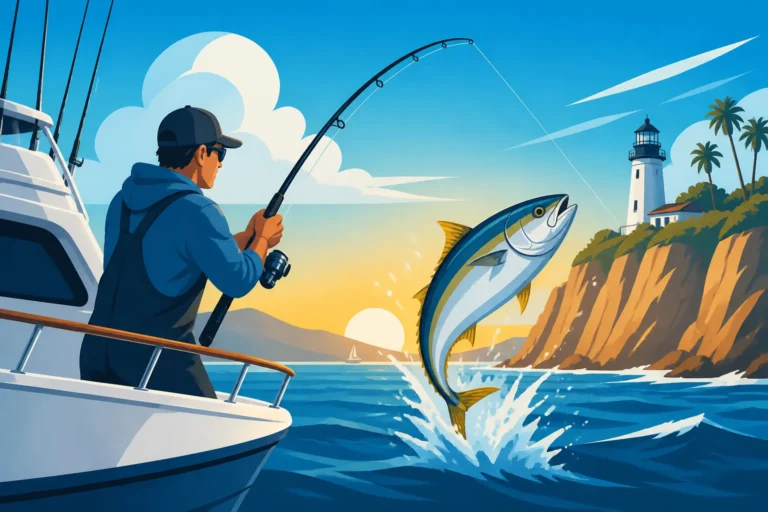
The primary draw for San Diego overnight trips, especially in recent years, has been the incredible Bluefin Tuna bite. These powerful fish can range from 20-pounders to absolute giants exceeding 300 pounds, providing a fight that will test even the most experienced angler. Anglers frequently book these trips with the hope of landing a trophy-sized Bluefin.
Beyond Bluefin, you can expect to target:
- Yellowfin Tuna: Another hard-fighting tuna species, often found in warmer offshore waters.
- Albacore Tuna: Known for their delicious white meat and strong pulls, they make their appearance in cooler offshore waters.
- Yellowtail: Incredibly powerful inshore and offshore fighters, especially around islands and kelp paddies.
- Dorado (Mahi-Mahi): Stunningly colorful and acrobatic, they are a highlight of warmer water kelp patty fishing.
- Rockfish and Lingcod: When targeting structure like the Cortes or Tanner Banks, these bottom dwellers provide consistent action and excellent table fare.
- White Seabass and Halibut: Less common on deep offshore overnight trips but occasionally encountered in specific areas.
The species you target will largely depend on the season. For instance, the summer and fall months are typically prime time for tuna and dorado, while spring might see stronger yellowtail and rockfish action. Keeping an eye on current fishing reports is crucial when planning your trip.
Choosing the Right Overnight Charter for Your Adventure
Selecting the right charter boat can make or break your overnight fishing experience. San Diego boasts a legendary fleet of sportfishing boats, each with its own charm and specialty. Knowing what to look for and how to book effectively will set you up for success.
Understanding Boat Types and Amenities
San Diego's overnight fleet ranges from classic, seasoned vessels to modern, high-tech sportfishers. While individual boat layouts vary, here are some common features and considerations:
- Size and Stability: Larger boats generally offer a more stable ride, which can be a huge plus if you're prone to seasickness, especially on longer runs to offshore banks. They also typically have more rail space, meaning less elbow-jostling when the fish are biting.
- Sleeping Accommodations: All overnight boats will have bunks. These vary from open "dormitory" style sleeping areas to smaller, semi-private berths. Some premium boats might offer staterooms for an extra charge. Bring a pillow and a light blanket or sleeping bag for comfort; while some boats provide linens, your own will always be more comfortable.
- Galley and Food Service: Most, if not all, overnight charters have a full galley on board, serving hot meals, snacks, and drinks. This is a huge convenience. Typically, food costs are separate from the trip fare, so budget accordingly. The food is often surprisingly good, a welcome comfort after hours of fishing.
- Bait Tanks: Access to a well-maintained live bait tank is crucial, especially for tuna and yellowtail. Ensure the boat has ample capacity for live bait.
- Fish Holds and Processing: The boat will have large, iced fish holds to keep your catch fresh. The deckhands are experts at gaffing, bleeding, and icing down fish. Most boats offer fish filleting services at the end of the trip, usually for a small fee or tip.
- Heads (Restrooms) and Showers: Modern boats will have multiple clean restrooms. Some even offer showers, which can be a godsend after a long, fishy day.
When considering a specific boat, don't hesitate to look at pictures online, read reviews, and even call the landing to ask about amenities. Each boat has its quirks, and finding one that matches your comfort level and expectations is key.
Booking Your Trip: Landings and Online Platforms
Booking an overnight trip is usually straightforward, but popular trips fill up fast, especially during peak tuna season.
- Directly with Landings: San Diego has several major sportfishing landings: H&M Landing, Point Loma Sportfishing, and Fisherman's Landing. All of them operate their own fleets or host independent charter boats. You can call them directly or visit their websites to view schedules and book. This is often the best way to get detailed information about specific boats and their upcoming trips.
- Online Booking Platforms: Websites like FishingBooker are fantastic resources for comparing different boats, prices, and availability from multiple landings in one place. These platforms often provide detailed descriptions, photos, and angler reviews, making it easier to find a trip that fits your preferences. They can also streamline the booking process and sometimes offer deals. When using platforms like FishingBooker, pay close attention to what's included and what's extra (like food, tackle, permits).
- Consider the Season and Target Species: Your choice of trip will heavily depend on what you want to catch and when you plan to go. The Best Season for Bluefin Tuna in California is typically summer and fall, while other species might have different peak times. Researching the California Fishing Seasons: Month-by-Month Guide can help you pick the perfect time.
| Trip Type | Duration | Typical Departure | Typical Return | Target Fish (Seasonal) | Price Range (Estimate) | Best For |
|---|---|---|---|---|---|---|
| 1.5-Day | ~30-36 hours | Evening | Evening (Next Day) | Tuna (Bluefin, Yellowfin), Yellowtail, Dorado | $300 – $600+ | First-timers, chasing pelagics, efficient fishing time |
| 2-Day | ~48 hours | Evening | Evening (Next Day) | Tuna (all types), Yellowtail, Dorado, Rockfish | $600 – $1000+ | More dedicated anglers, diverse fishing, further offshore |
| Long Range | 3 days to 16+ days | Various | Various | Trophy Tuna, Wahoo, Dorado, Billfish | $1000s – $10,000s+ | Ultimate offshore experience, serious big-game anglers |
Note: Prices are estimates and can vary significantly based on boat, season, fuel costs, and inclusions.
What to Expect and What to Bring
Preparing adequately for your trip can make a huge difference in your enjoyment and success.
- What's Included vs. What to Pay Extra For: The base fare typically covers your spot on the boat and travel. Most charters expect you to pay extra for food, drinks, tackle rentals, bait, fishing licenses (California and often Mexican permits), fish processing, and gratuities for the deckhands. Always clarify these costs when booking.
- Fishing License Requirements: You absolutely need a valid California Fishing License Guide, and for trips into Mexican waters, a Mexican fishing permit and FMM (tourist card) are mandatory. The charter typically arranges and collects payment for the Mexican permits. Ensure your California license is current. You can learn more about How to Get a California Fishing License on our site.
- Gear Considerations: While boats offer rental gear, many experienced anglers prefer their own. For tuna, heavy-duty conventional gear (e.g., a 2-speed reel like a Penn International or Shimano Talica 20-50 class, paired with a stout rod) is essential. For yellowtail and dorado, slightly lighter conventional or even heavy spinning gear can work. Always check with the landing or boat beforehand about recommended line weights and tackle. You can find more details on What to Bring on a California Fishing Charter.
- Personal Comfort Items:
- Warm Layers: Even on sunny days, it gets cold offshore, especially at night and early morning. Think fleece, waterproof jacket, beanie.
- Sun Protection: Sunscreen, wide-brimmed hat, polarized sunglasses are non-negotiable. The sun reflects off the water, intensifying its effects.
- Toiletries: Toothbrush, toothpaste, any personal medications.
- Sleeping Bag/Pillow: For comfort in the bunks.
- Small Cooler: For bringing home your fillets. Leave it in your car until the boat returns.
- Valid Photo ID/Passport: Required for trips entering Mexican waters.
- Snacks/Drinks: While the galley is available, having your favorite snacks can be nice.
- Seasickness Prevention: If you're at all prone to seasickness, take preventative measures. Over-the-counter medications like Dramamine or Bonine, or prescription patches (Scopolamine), should be taken before you even board the boat. Don't wait until you feel sick! Read our guide on How Seasickness Works on California Offshore Trips for more tips.
- Cash for Gratuities: Tipping the deckhands is standard practice and highly appreciated. A general rule of thumb is 15-20% of your trip fare, or more if they went above and beyond. These folks work incredibly hard to ensure your trip is successful and enjoyable.
Maximizing Your Chances: Tips for a Successful Overnight Trip
So you've booked your trip, packed your bags, and you're ready to hit the open ocean. Now, let's talk about how to make the most of your time on the water and increase your odds of success.
Listening to the Crew and Following Directions
This is perhaps the most crucial tip. The captain and deckhands are seasoned professionals who live and breathe offshore fishing. They know these waters, they know the fish, and they know the boat.
- Pre-Trip Briefing: Pay close attention to any pre-trip briefing the captain gives about safety, fishing techniques for the day, and what species they'll be targeting.
- Deckhand Advice: Don't be shy to ask the deckhands for advice on rigging, bait presentation, and fighting techniques. They are there to help you, and their tips can be invaluable. If they suggest a particular retrieve speed for a jig, or how to hold a bait, follow their lead. It's not just about catching fish, it's about learning from those who do it for a living. They also handle the bait, untangle lines, and gaff your fish, so a good relationship with them makes for a much better trip.
- Boat Etiquette: Follow basic California Party Boat Etiquette. Be mindful of other anglers, especially when casting or fighting a fish. Give space, be patient, and cooperate. A good attitude can make a crowded rail feel less so.
Essential Fishing Techniques for Offshore
Overnight trips often involve a mix of techniques, depending on the species and conditions.
- Live Bait Fishing (Fly-Lining & Dropper Loop): For tuna and yellowtail, live bait (typically anchovies or sardines) is king.
- Fly-Lining: This involves casting a live bait with minimal or no weight, allowing it to swim naturally near the surface. It's incredibly effective for schooling fish that are actively feeding. The key is a smooth cast and letting the bait do its work.
- Dropper Loop: When fish are deeper, or currents are strong, a dropper loop rig with a sinker helps get your bait down into the strike zone. The deckhands will usually help you tie this rig or provide pre-tied setups.
- Jigging (Yo-Yo Jigging & Flat-Fall Jigging): Artificial jigs are highly effective, especially for tuna.
- Yo-Yo Jigging: This involves dropping a heavy, metal jig straight down and then rapidly retrieving it, mimicking a fleeing baitfish. It's an exhausting but often highly productive technique for deep-dwelling or fast-moving fish. Learn more in our guide on How to Yo-Yo Jig for Yellowtail.
- Flat-Fall Jigging: These jigs are designed to flutter on the fall, mimicking an injured baitfish. They are dropped to a certain depth and then retrieved with a lift-and-drop motion.
- Trolling: The captain will often troll lures or baits while searching for schools of fish, especially tuna. If a trolling rod goes off, it's usually "bait and switch" time, where anglers cast live bait into the school that the trolled lure attracted.
Always bring a variety of tackle, including extra hooks, sinkers, and leaders. The conditions offshore can change rapidly, and having options is always a good idea. Even if you plan to rent tackle, having a small personal tackle box with essentials can be beneficial.
Handling Your Catch and Post-Trip Care
Once you've landed your fish, the work isn't quite over. Proper handling ensures the best quality fillets.
- Bleeding and Icing: Deckhands will typically bleed your fish immediately after it's caught and then place it on ice in the boat's fish holds. This process is crucial for preserving the flavor and texture of the meat.
- Fish Processing: At the end of the trip, most landings and boats offer fish cleaning and filleting services. This is a huge convenience, as processing a large tuna can be a daunting task. Factor in the cost of this service, usually paid directly to the person filleting the fish.
- Transporting Your Catch: Bring a dedicated cooler, preferably a quality one like a Yeti or an Orca, to transport your fillets home. Ensure it's large enough for your anticipated catch. Pack extra ice. It's a bummer to land a beautiful tuna only to have it spoil on the drive home because of inadequate cooling.
An overnight fishing trip out of San Diego is more than just a day of fishing; it's an immersive experience that blends the thrill of the chase with the camaraderie of fellow anglers and the raw beauty of the open ocean. With the right preparation, knowledge, and a little bit of luck, you'll be telling stories of your offshore adventure for years to come.
Disclaimer
The information provided in this guide is for general informational purposes only and is subject to change. Fishing regulations, seasons, and conditions can vary widely and are often updated. Always consult the latest California Department of Fish and Wildlife regulations and check with your chosen charter boat or landing for the most current information before embarking on any fishing trip. Safety at sea is paramount; always follow the instructions of your captain and crew.