California Fishing Charters: Complete Guide
Oh, the dream of fishing in California! It’s a vision many of us hold dear – reeling in a trophy bass from a crystal-clear lake, battling a powerful tuna offshore, or simply enjoying the peaceful rhythm of the ocean from a boat. But let's be honest, trying to figure out where to go, what to catch, and how to even get on the water can feel like navigating a maze. That's where a good fishing charter comes in, and this comprehensive guide is here to walk you through everything you need to know about booking and enjoying California fishing charters, so you can stop stressing and start fishing.
Why Choose a California Fishing Charter?
Let's face it, fishing isn't always as simple as grabbing a rod and heading to the nearest puddle. California's vast and diverse waters, from the serene freshwater lakes to the mighty Pacific Ocean, present an incredible array of opportunities, but also a steep learning curve. This is precisely why a fishing charter can transform a potentially frustrating outing into an unforgettable adventure, especially if you're new to a particular type of fishing or unfamiliar with the local waters.
Access to Prime Fishing Grounds
One of the biggest advantages of hopping on a charter is the unparalleled access they provide to the best fishing grounds. These aren't just any spots; these are the honey holes, the secret reefs, the offshore banks where the big fish congregate. Without a boat of your own, specialized equipment like powerful sonar, or years of local knowledge, finding these places can be nearly impossible. Charters take the guesswork out of it entirely.
Imagine trying to locate a school of elusive Yellowtail out in the open ocean or pinpointing the exact submerged structure where Lingcod are hiding. Charter captains spend countless hours on the water, tracking fish movements, understanding ocean currents, and keeping up with the latest reports. They know precisely where to go, often venturing far offshore to spots that would be inaccessible to most recreational anglers. This drastically increases your chances of encountering the species you've dreamed of catching, whether it’s a hard-fighting tuna offshore or a massive Sturgeon in the Delta.
Beyond just the "secret spots," charters also safely navigate challenging waters, from strong ocean swells to tricky currents in bays and rivers. They have the right vessel for the conditions, ensuring you get to the fish comfortably and efficiently. This means less time commuting and more time with a line in the water, making the most of your valuable fishing day.
Expert Knowledge and Guidance
Another huge benefit of a fishing charter is the wealth of expert knowledge that comes with your captain and crew. These aren't just boat drivers; they're seasoned professionals who live and breathe fishing. They understand the nuances of local ecosystems, the feeding habits of different species, and the subtle signs that indicate where fish might be holding. This expertise is invaluable, especially in a state as diverse as California.
Think about it: learning to read the water, understanding bait selection for specific species like California Halibut, or mastering complex techniques like deep-water jigging for Rockfish can take years of dedicated effort. On a charter, this knowledge is readily available. The crew will show you how to rig your bait correctly, demonstrate the proper technique for a certain lure, and even tell you exactly how to fight a fish once it's on the line. They'll adjust tactics throughout the day based on conditions and fish activity, ensuring you’re always using the most effective approach.
This guidance is particularly helpful for beginners or those trying a new type of fishing. Instead of struggling to figure things out on your own, you receive personalized instruction, making the experience far more enjoyable and productive. It’s like having a private fishing tutor, guiding you every step of the way to improve your skills and land more fish.
Convenience and Equipment
For many, the sheer logistics of fishing can be a deterrent. Owning a boat requires significant investment, maintenance, and the hassle of launching and retrieving. Even shore fishing can mean lugging heavy gear, bait, and tackle to often remote locations. Fishing charters eliminate all these headaches, offering a truly convenient, all-inclusive experience.
Most charter operations provide all the necessary fishing gear, from rods and reels to bait and tackle. This means you don't have to worry about buying expensive equipment or trying to decide which lures are best for California Yellowtail. The gear supplied is typically high-quality, well-maintained, and perfectly suited for the target species and fishing conditions. This saves you money, time, and storage space, allowing you to simply show up and fish.
Beyond the fishing equipment, charters often include amenities that enhance your comfort. Larger boats may feature restrooms, galleys with food and drinks, and ample deck space to move around. The crew handles all the grunt work – setting up lines, baiting hooks, gaffing fish, and even cleaning your catch at the end of the day. All you have to do is focus on the thrill of the bite and the fight. This level of convenience makes fishing accessible and enjoyable for everyone, from families with young children to seasoned anglers looking for a hassle-free day on the water.
Types of California Fishing Charters
California's fishing scene is incredibly varied, and thankfully, the charter industry has evolved to match. You'll find a wide range of options, each tailored to different preferences, group sizes, and target species. Understanding these different types of trips is crucial to picking the right one for your adventure. It’s not a one-size-fits-all situation, and what works for a solo angler looking for a trophy might not be ideal for a family outing.
Party Boats Open Party Trips
Party boats, often called "open party" or "head boats," are a classic choice for many anglers in California. These are generally larger vessels that take multiple individuals or small groups out on a single trip. You pay per person, and you'll be sharing the deck with other anglers, sometimes upwards of 30 to 50 people on bigger sportfishing boats. These trips are typically more budget-friendly than private charters and are a fantastic way to get out on the water without a huge financial commitment.
These trips are especially popular for saltwater fishing along the coast, targeting species like Rockfish, Lingcod, Halibut, and sometimes even Yellowtail or Tuna when conditions allow. The atmosphere on a party boat is often lively and communal, with anglers sharing tips, stories, and the excitement of a hot bite. The crew works hard to ensure everyone has a fair shot at catching fish, and they're usually fantastic at helping beginners with rigging, casting, and landing their catch. Many of these boats, especially out of Southern California hubs like San Diego and Dana Point, offer various trip lengths, from half-day excursions perfect for families to full-day or even 1.5-day trips heading further offshore. If you're looking for a detailed rundown, checking out a guide to California Party Boat Fishing Explained can be really helpful.
One of the great things about party boats is the opportunity to learn from both the crew and more experienced anglers around you. You might pick up new techniques, discover different bait presentations, or simply enjoy the camaraderie of fellow fishing enthusiasts. While you might not get as much one-on-one attention as on a private charter, the sheer volume of experience on board, combined with the crew's dedication, makes these trips highly effective and a great value. Just be prepared for a bit of elbow room, especially on popular weekends!
Private Charters Full Boat Rentals
For those seeking a more personalized, intimate, and often more flexible fishing experience, private charters are the way to go. With a private charter, you're renting the entire boat and crew for your group, whether that's just you and a friend, your family, or a corporate outing. This means you have complete control over the trip – from the target species and fishing location to the departure time and how long you stay at a particular spot.
Private charters come in a range of sizes, from smaller six-pack boats (referring to the maximum number of passengers allowed by regulation, plus crew) that offer an incredibly personal experience, to larger vessels capable of accommodating bigger groups comfortably. These boats often have more specialized equipment and can cater to specific fishing styles, such as fly fishing for trout in a remote stream or targeting trophy bass in a private lake. The captain can dedicate their attention entirely to your group, offering detailed instruction, adjusting strategies to your skill level, and moving rapidly between spots to maximize your fishing time. This is particularly appealing for anglers with specific goals, like trying to land a personal best or focusing on a challenging species.
The cost of a private charter is naturally higher than a party boat, as you're covering the entire operation. However, the value comes from the exclusivity, flexibility, and tailored experience. You can customize your trip to an incredible degree, from booking an offshore excursion to chase Bluefin Tuna to a relaxing bay trip to catch smaller species with the kids. It’s an excellent option for special occasions, serious anglers, or anyone who prefers a quieter, more focused day on the water. Many fishing charter guides, like those focused on California Deep Sea Fishing Charters, highlight the benefits of these personalized trips for serious offshore pursuits.
Specialty Trips Long-Range, Overnight, Fly Fishing
Beyond the standard half-day or full-day excursions, California also offers a range of specialty fishing charters designed for specific adventures or target species. These trips cater to anglers looking for something a bit different, whether it's an extended offshore quest or a unique freshwater experience. They often require a higher level of commitment in terms of time and cost but promise truly epic fishing opportunities.
Long-range and overnight trips are the crown jewels of California's saltwater charter scene, particularly out of Southern California ports like San Diego. These multi-day excursions (ranging from 1.5 days to several weeks) venture far into Mexican waters or deep offshore, targeting large migratory species like Yellowfin Tuna, Bluefin Tuna, and Dorado (Mahi-Mahi). These boats are essentially floating hotels, equipped with bunks, galleys, showers, and massive bait tanks. The experience is immersive, challenging, and incredibly rewarding, often resulting in limits of premium fish. If you're serious about big game fishing, these trips are a must-try.
On the freshwater side, specialty trips can include dedicated fly-fishing guides who know the intimate details of California’s renowned trout streams, like the Upper Sacramento or the Truckee River. These guides often have access to private waters or know secluded stretches where you can truly immerse yourself in the art of fly fishing. Similarly, there are specialized bass guides who operate on specific lakes, employing advanced techniques to target trophy Largemouth or Smallmouth Bass. These trips are all about precision, local expertise, and a deep dive into a particular style of fishing. While they might not involve multi-day stays, they offer an unparalleled focus on a specific technique or species, providing a profound educational and recreational experience.
What to Consider Before Booking Your Trip
Booking a fishing charter shouldn't be a spur-of-the-moment decision. With so many options available across California, taking a little time to plan and consider your priorities can make all the difference between a good trip and a truly fantastic one. Thinking through these key factors will help you narrow down your choices and find the perfect charter for your fishing ambitions.
Choosing Your Target Species and Location
This is often the first and most critical decision: what do you want to catch, and where do you want to catch it? California’s waters are incredibly diverse, hosting everything from feisty Rainbow Trout in mountain streams to massive Bluefin Tuna hundreds of miles offshore. Your target species will largely dictate the type of charter, the location, and even the time of year you should book.
For instance, if your dream is to land a trophy Largemouth Bass, you’ll be looking at freshwater lakes like Clear Lake or Lake Shasta, and likely a dedicated bass guide with a specialized boat. If you're picturing yourself battling a Salmon, your focus will shift to Northern California's coastal waters or rivers like the Sacramento or Klamath, typically requiring a different type of charter vessel and guide specializing in salmon. For those with their sights set on offshore pelagics like tuna or dorado, you’ll head to Southern California ports like San Diego or Oceanside, where large sportfishing boats are plentiful and geared for long runs to blue water. The season also plays a huge role; for example, prime Salmon season dates can vary significantly by region and year, so knowing your target helps with timing.
Researching what fish are biting and where they are abundant during your desired travel dates is paramount. Websites and booking platforms often provide detailed information on local catches, and a quick call to a potential charter operator can confirm what’s realistically available. Don't be afraid to be specific about your fishing goals – a good captain will tell you if they can deliver on your expectations or suggest a more suitable alternative. This upfront planning ensures you book a trip that aligns perfectly with your angling aspirations, setting you up for success and enjoyment.
Understanding Trip Duration and Cost
Once you have a general idea of your target species and location, the next step is to consider how long you want to be on the water and what your budget looks like. These two factors are intrinsically linked, as longer trips almost always come with a higher price tag. California fishing charters: complete guide to costs can vary widely depending on these choices, so it's essential to be realistic about what you're willing to spend for the experience you desire.
Trip durations typically range from a half-day (4-5 hours), which is great for beginners, families with young kids, or those just looking for a quick outing, to full-day (8-12 hours) trips, which offer more time to reach distant fishing grounds and target a wider variety of species. Beyond that, as we discussed, you have the multi-day and long-range options that can span from 1.5 days up to a week or more for serious offshore adventures. Each jump in duration usually corresponds with a proportional increase in cost.
When evaluating the cost, remember to factor in more than just the base price. Does it include your fishing license (which is almost always required, even on a charter – learn more about the California Fishing License Guide)? What about bait, tackle, and ice? Are meals provided on longer trips? What's the tipping policy for the crew (we'll dive into Tipping on a California Fishing Charter later)? Sometimes, a slightly more expensive charter that includes all these incidentals can be a better value than a cheaper one where you end up paying for everything à la carte. Always ask for a clear breakdown of what's included to avoid any surprises when you're ready to hit the water.
Vessel Size and Amenities
The size and type of the charter vessel, along with its onboard amenities, can significantly impact your comfort, safety, and overall fishing experience. This consideration becomes even more important when you’re dealing with California’s often-unpredictable ocean conditions or planning a longer trip. It's not just about getting to the fish; it's about getting there and back comfortably and safely.
For instance, if you're prone to seasickness or plan to fish in rougher offshore waters, a larger, more stable boat with a deeper hull might be a better choice. These vessels tend to handle swells more gracefully, reducing motion sickness and providing a smoother ride. Conversely, if you're targeting fish in shallow bays or rivers, a smaller, more maneuverable boat designed for inland waters would be ideal. When looking at California Fishing Charters, you'll see a range of options from nimble center consoles to massive sportfishers, each suited for different conditions and fishing styles.
Beyond stability, consider the amenities. On a long-range tuna trip, having comfortable bunks, hot showers, and a full galley serving hot meals can make or break the experience. For a shorter bay trip, access to a clean restroom and plenty of deck space might be your main priorities. If you're bringing a family with small children, a boat with shaded areas and railings for safety will be crucial. Many charter operators provide detailed descriptions and photos of their vessels online, and don't hesitate to ask specific questions about the boat's features before you book. A reputable operator will be happy to ensure their boat meets your group's needs and comfort levels.
Key California Fishing Charter Destinations
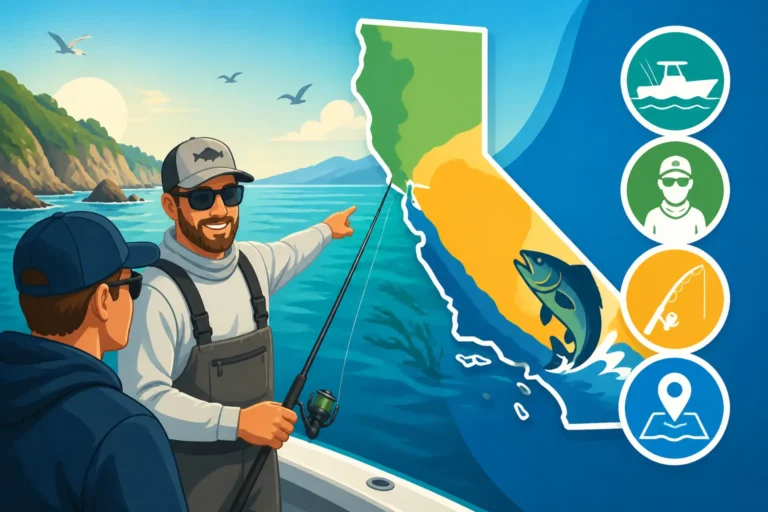
California is a massive state with an incredible coastline and a diverse array of freshwater fisheries. This means fishing charter opportunities are scattered from the Mexican border all the way up to Oregon, each region offering its unique charm and target species. Knowing where to go for what kind of fishing is essential when planning your charter adventure.
Southern California Hotspots
When most people think of California fishing charters, their minds often drift to the bustling ports of Southern California. This region is a mecca for saltwater sportfishing, renowned for its vibrant offshore scene and productive inshore fisheries. The season here is longer, and the diversity of species is astounding, drawing anglers from all over the world.
San Diego is arguably the undisputed king of Southern California sportfishing. Home to iconic landings like Fisherman's Landing, H&M Landing, and Point Loma Sportfishing, it's the departure point for everything from half-day Rockfish trips to epic multi-day expeditions chasing Bluefin Tuna, Yellowfin Tuna, and Dorado far offshore. The proximity to Mexican waters also opens up opportunities for truly trophy-sized pelagics. If you're looking for the best chance at tuna, San Diego is your go-to. Further north, Dana Point and Oceanside are also major hubs, offering fantastic opportunities for Yellowtail, Barracuda, White Seabass, and Rockfish. These ports cater to a wide range of anglers, from those seeking a quick, productive outing to serious offshore enthusiasts. For comprehensive information, guides to the Best Fishing Charters in San Diego are an invaluable resource.
Inshore, the bays and harbors of Southern California, such as Mission Bay or Marina del Rey, offer excellent light tackle fishing for species like Spotted Bay Bass, Halibut, and various Surfperch. These areas are perfect for family-friendly half-day trips or for anglers who prefer calmer waters. The kelp forests that line the coast are also crucial habitats, holding Calico Bass and other game fish. When the offshore bite is slow, or during cooler months, these inshore fisheries often provide consistent action. The sheer variety available in Southern California makes it a top choice for any angler considering a charter trip.
Central Coast Adventures
Moving north along California's picturesque Central Coast, the fishing character begins to shift, offering a slightly different, yet equally exciting, experience. This region, known for its rugged coastline, vibrant kelp forests, and deep canyons, presents fantastic opportunities for groundfish and migratory species, especially during the warmer months.
Ports like Monterey and Morro Bay are the primary launching points for Central Coast fishing charters. Monterey Bay, in particular, is famous for its deep submarine canyon, which creates an incredibly rich marine environment. This means excellent opportunities for deep-water Rockfish and Lingcod, often caught using jigging or bait fishing techniques. Salmon fishing can also be phenomenal here during specific seasons, attracting anglers eager to troll for these prized anadromous fish. Morro Bay, with its iconic Morro Rock, offers similar groundfish opportunities and is also a great spot for targeting Halibut in the calmer bay waters. The ambiance here is often a bit more laid-back than the bustling Southern California ports, appealing to those seeking a quieter experience.
The Central Coast's charters typically focus on full-day trips, allowing enough time to reach productive offshore reefs and troll for salmon. While the focus might be less on the tropical pelagics of the south, the sheer quantity and quality of groundfish and the potential for big salmon make this region a serious contender for any angler. The dramatic coastal scenery, including whale watching opportunities during certain times of the year, adds another layer to the experience, making these trips memorable even beyond the fishing.
Northern California Opportunities
Northern California’s fishing charter scene is distinct, characterized by its powerful river systems, rugged ocean coastline, and cooler waters. This region is renowned for its salmon and steelhead runs, as well as excellent opportunities for rockfish, lingcod, and even sturgeon in the vast San Francisco Bay and Delta system. The fishing here is often tied closely to seasonal migrations, making timing key for specific species.
San Francisco Bay and Half Moon Bay are central to Northern California's ocean charters. From these ports, anglers typically target Salmon during their migration seasons, using various trolling methods. Rockfish and Lingcod are also staples, with charters venturing out to reefs and structure along the coast. The San Francisco Bay itself is a unique fishery, offering opportunities for Striped Bass and the prehistoric White Sturgeon. Exploring the California Delta Fishing Guide will give you a good sense of the incredible freshwater/brackish opportunities available inland, where guided trips target bass and sturgeon. The powerful Sacramento River and Feather River are also hotbeds for guided Salmon and Steelhead trips during their respective runs, often utilizing drift boats or jet boats to navigate the river systems.
Further north, ports like Bodega Bay and Eureka (Humboldt Bay) offer excellent access to prime Salmon grounds and diverse rockfish populations along the more remote coastline. These areas are generally less crowded than the southern ports, providing a wilder, more serene fishing experience. The fishing here can be highly productive, but conditions can also be more challenging due to exposed ocean waters. Whether you're chasing migratory fish in the ocean or targeting hard-fighting anadromous species in a river, Northern California offers robust and often spectacular charter opportunities for those who appreciate a cooler, wilder fishery.
What to Expect Onboard: Gear, Licenses, and Etiquette
Stepping onto a charter boat, especially for the first time, can feel a little daunting. You might wonder what you need to bring, what's expected of you, and how to navigate the social dynamics of fishing with a crew and other anglers. But don't fret! Most charters are incredibly welcoming, and understanding a few basics about gear, licenses, and onboard etiquette will make your trip smooth and enjoyable.
Essential Gear and Tackle Provided or Not
One of the big perks of booking a fishing charter is that the vast majority will provide all the necessary fishing gear. This typically includes a sturdy rod and reel matched to the target species, along with all the terminal tackle like hooks, weights, and leaders. They'll also supply the bait, whether it's live anchovies for Yellowtail, squid for Rockfish, or cut bait for Halibut. This means you don't need to invest in expensive equipment or guess what lures will work; the crew has you covered.
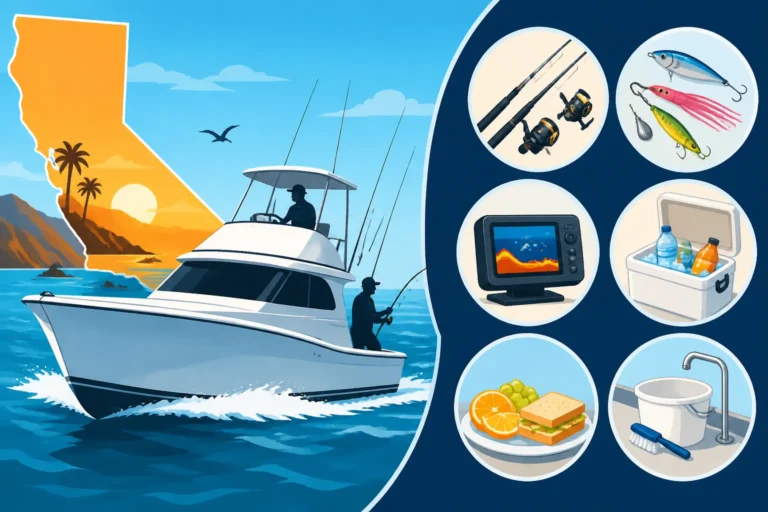
However, "provided" doesn't always mean it's free. On many party boats, rod rentals might be an additional small fee, and if you lose a lot of tackle, there might be a charge for replacements. On private charters, gear is usually included in the upfront cost. It’s always best practice to confirm exactly what is and isn't included when you book. While the charter supplies the primary fishing tools, you might still want to bring some personal items. A good pair of polarized sunglasses will help you spot fish and protect your eyes, a wide-brimmed hat is crucial for sun protection, and comfortable, non-slip shoes are a must for safety on a wet deck. Don't forget layers of clothing, as weather on the water can change rapidly, even in sunny California. For a complete packing list, consulting a guide on What to Bring on a California Fishing Charter is highly recommended.
Beyond your personal items, some experienced anglers prefer to bring their own "lucky" rod and reel, or a specific lure they have confidence in. While the charter crew will usually encourage using their gear as it's optimized for the day's fishing, if you have a special setup you're comfortable with, ask the captain if it's appropriate for the trip. Most will be accommodating as long as it doesn't interfere with other anglers or the overall fishing strategy.
Navigating Fishing Licenses and Report Cards
This is an area where a lot of people get tripped up, and it's absolutely crucial to get right: fishing licenses. In almost all cases, if you're 16 years or older, you absolutely need a valid California fishing license to fish, even when you’re on a charter boat. There are very few exceptions, such as fishing from a public pier in ocean waters (but even then, there are specific rules). Seriously, don't overlook this; fines for fishing without a license are hefty. A comprehensive California Fishing License Guide can help you understand all the nuances.
You'll need to purchase your license before your trip, as charter boats generally do not sell them onboard. You can easily buy a license online through the California Department of Fish and Wildlife (CDFW) website, or visit a licensed tackle shop or sporting goods store like Big 5 Sporting Goods or any independent bait and tackle shop. Make sure it's valid for the dates of your trip and covers the type of water you'll be fishing (e.g., freshwater or saltwater, though most annual sportfishing licenses cover both). Additionally, certain species require a "report card" in addition to your license. For instance, if you're targeting Salmon, Steelhead, or Sturgeon, you’ll need the appropriate report card. These are essential for tracking fish populations and are separate purchases. Learn more about California Fishing Report Cards Explained to ensure you're fully compliant.
The crew on your charter will often ask to see your license before the boat departs, and they're always a great resource if you have questions about regulations. They want to ensure everyone is legal and that you don't run into any issues with wardens. Being prepared with your license and any necessary report cards will save you stress and potential legal trouble, letting you focus on the fun part – catching fish! Always double-check the latest California Fishing Regulations Explained, as they can change annually.
Onboard Etiquette and Tipping
Stepping onto a charter boat means joining a temporary community, whether it's an intimate private group or a bustling party boat. A little common courtesy and understanding of onboard etiquette goes a long way in ensuring a pleasant experience for everyone. The crew works hard to make your trip a success, and respecting their efforts and the other anglers on board is key.
Onboard Etiquette:
- Listen to the Crew: The captain and deckhands are the experts. They’ll provide instructions on where to cast, how to reel, and what to do when you hook a fish. Follow their directions promptly for safety and efficiency.
- Respect Others' Space: On party boats, space can be limited. Be mindful of your casting and avoid encroaching on another angler's line. If lines get tangled, politely ask for help from the deckhand, who are pros at untangling.
- Stay Hydrated and Fed: Bring plenty of water and snacks. On longer trips, some charters provide meals, but it’s always smart to have your own provisions.
- Keep Your Area Clean: Use trash cans provided and avoid leaving bait, line scraps, or food waste on the deck.
- Handle Fish Responsibly: Whether you're keeping or releasing, handle fish with care. The crew will assist with gaffing and unhooking.
Tipping:
Tipping the crew is standard practice and highly appreciated. These hardworking individuals are often paid a relatively low base wage and rely heavily on tips for their income. A general guideline for good service is 15-20% of the trip's total cost. If you had an exceptional day, or they went above and beyond, consider tipping more. For instance, on a $150 party boat ticket, a $20-30 tip per person is appropriate. If you're on a private charter costing $1000, a $150-200 tip for the crew to split is standard. If you're wondering how this all breaks down, a detailed guide on Tipping on a California Fishing Charter can clear up any confusion. Hand the tip directly to the captain or a deckhand at the end of the trip. It's a small gesture that shows your appreciation for their hard work, knowledge, and dedication to giving you a great fishing experience.
| Charter Type | Key Characteristics | Typical Cost (per person) | Best For |
|---|---|---|---|
| Party Boat | Shared vessel, multiple anglers, fixed schedule | $75 – $250 | Budget-conscious, social experience, general species |
| Private 6-Pack | Exclusive group (1-6 anglers), customizable, personal | $600 – $1,500+ | Families, serious anglers, specific targets, flexibility |
| Long-Range/Overnight | Multi-day, offshore, larger vessels, deep-sea targets | $500 – $3,000+ | Big game fishing (tuna), immersive experience |
| Freshwater Guide | Smaller boat/drift boat, highly specialized, personal | $400 – $800+ | Fly fishing, bass/trout/sturgeon, specific techniques |
(Note: Costs are estimates and can vary significantly based on duration, location, species, and season.)
Making the Most of Your California Fishing Charter Experience
You've booked your trip, you're ready to go, but how do you ensure it's not just a good trip, but a truly memorable one? A little preparation and a proactive attitude can elevate your charter experience, turning it into a day you'll cherish and talk about for years to come. It’s about more than just catching fish; it’s about the entire adventure.
Preparing for Your Trip Food, Drinks, Seasickness
The success of your fishing trip starts long before you step foot on the boat. Proper preparation, especially for longer offshore excursions, can make a huge difference in your comfort and enjoyment. Nobody wants to be miserable from hunger, dehydration, or worse, seasickness, when they should be enjoying the thrill of the catch.
First, food and drinks: Always bring more water than you think you'll need. Dehydration can creep up quickly, especially on sunny days on the water. Pack plenty of easy-to-eat snacks and a sandwich or two. Avoid anything too greasy or heavy, as it can contribute to an upset stomach. Coolers are usually allowed (check with the charter operator), so you can keep your provisions fresh. On longer, multi-day trips, some charters will provide meals, but confirming this beforehand is crucial.
Second, and perhaps most importantly for many, is seasickness. If you're even slightly prone to it, take preventative measures. Over-the-counter medications like Dramamine or Bonine work best when taken before you board the boat, giving them time to get into your system. Some people swear by ginger chews or acupressure wristbands. Staying on deck in the fresh air, keeping your eyes on the horizon, and avoiding reading or looking at your phone can also help. Remember, even experienced anglers can get seasick in rough conditions, so there’s no shame in taking precautions. You'll thank yourself later when you're feeling good and reeling in fish while others are looking green.
Communicating with Your Crew
Your charter captain and crew are there to help you have the best possible day on the water, but they can only do that effectively if you communicate with them. Don't be shy or intimidated; these folks are usually passionate anglers who love sharing their knowledge and making sure their guests are happy. Open communication can really enhance your trip.
Before the trip, feel free to call the charter office or even the captain directly (if permitted) to discuss your expectations. Are you hoping for a specific species? Do you have any physical limitations they should be aware of? Are you a seasoned angler looking for a challenge, or a complete beginner needing extra guidance? Providing this information upfront helps the crew tailor the experience to your group. For instance, if you're traveling with kids, they might suggest different tactics or locations to ensure consistent action. Many resources, like a California charter fishing for beginners guide, emphasize the importance of this initial communication.
During the trip, don't hesitate to ask questions. Wondering why they're using a particular bait? Curious about the fish on the sonar? Need help with your line? The deckhands are there for you. If you’re not feeling well, let them know. If you’re having a tough time with a specific technique, ask for more instruction. They want you to succeed and will gladly offer advice. Building a good rapport with the crew makes the whole experience more personal and enjoyable, turning them from boat operators into your fishing partners for the day.
Handling Your Catch Responsibly
Congratulations, you've landed some fish! Now what? Understanding how to handle your catch responsibly, whether you plan to keep it or release it, is an important part of the charter experience and demonstrates respect for the fishery. The crew will always guide you, but knowing the basics helps.
For fish you plan to keep, the crew will typically help you gaff or net the fish, bring it aboard, and often put it immediately on ice to preserve its freshness. On party boats, there's usually a central fish hold, while on private charters, you might have a dedicated cooler. At the end of the day, most saltwater charters offer filleting services for a small fee, or sometimes included in the price. This is incredibly convenient, sending you home with ready-to-cook fillets. For freshwater species like trout or bass, the crew might provide bags or stringers, and you’ll typically handle the cleaning yourself after the trip, though some guides may offer cleaning services.
For fish you plan to release, or those that are undersized or out of season, proper catch-and-release techniques are vital for the fish's survival. The crew is adept at quickly unhooking fish and releasing them with minimal stress. If you're handling the fish yourself, wet your hands before touching it to protect its slime coat, and try to keep it in the water as much as possible. Avoid excessive squeezing or rough handling. Knowing the California Fishing Regulations by Region and specific California Fishing Bag and Size Limits beforehand is critical to ensure you're compliant and only keeping what's legal. Responsible handling ensures the longevity of California's incredible fisheries for generations to come.
Common Questions and Misconceptions
When it comes to fishing charters, especially for first-timers, there are always questions that pop up. It's totally normal to wonder about things that might seem obvious to a seasoned angler but are genuine concerns for someone new to the scene. Let's tackle some of these common queries and clear up a few misconceptions, so you can head out with confidence.
Do I Need Experience to Go on a Charter?
This is perhaps the most common question, and the answer is a resounding "No!" You absolutely do not need any prior fishing experience to go on a California fishing charter. This is one of the biggest benefits of a guided trip – they are designed to accommodate everyone, from complete novices to seasoned pros. In fact, many people choose charters precisely because they lack experience but want to learn and catch fish.
The beauty of a charter, whether it's a party boat or a private trip, is that the crew handles all the heavy lifting and provides all the instruction. They will show you how to hold the rod, how to cast (if necessary), how to tell if you have a bite, and how to reel in a fish. They'll bait your hooks, untangle your lines, and even take your fish off the hook. You are there to relax, learn, and enjoy the experience. This makes charters an incredibly welcoming and accessible option for families with young children, groups of friends who are new to fishing, or individuals looking to try a new hobby without a huge upfront investment in gear or knowledge. Don't let a lack of experience hold you back; the charter crew is there to turn you into an angler for the day!
What if the Fish Aren't Biting?
Ah, the age-old question that plagues every angler's mind! Fishing is called fishing, not catching, for a reason. There are definitely days when the bite is tough, even for the most experienced captains and crews. It’s a natural part of the sport, and it’s a misconception that every charter guarantees a boatload of fish. The truth is, fishing success depends on a multitude of factors – weather, water temperature, currents, moon phase, bait availability, and plain old fish mood.
However, charter captains and crews are experts at maximizing your chances. Unlike a recreational angler, they aren't just hoping for the best; they are constantly working, monitoring conditions, and employing strategies to find the fish. They use advanced electronics, stay in communication with other boats, and draw on years of experience to make adjustments throughout the day. If one spot isn't producing, they'll move. If one bait isn't working, they'll switch to another. They will literally "go the extra mile" (sometimes many extra miles) to put you on fish. While they can't control Mother Nature or guarantee limits, they will always give you their absolute best effort. It’s worth remembering that even on slow days, being out on the water, enjoying the scenery, and learning from the crew is still a fantastic experience. A positive attitude, even when the fish are elusive, makes the day more enjoyable for everyone.
Understanding Marine Protected Areas MPAs
California boasts one of the most extensive and progressive networks of Marine Protected Areas (MPAs) in the world. These are designated ocean or estuarine areas where certain activities, including fishing, are restricted or prohibited to protect marine ecosystems and allow fish populations to recover. While these are vital for conservation, they can definitely be a point of confusion for anglers, especially visitors or those unfamiliar with specific coastal zones. It's a common misconception that you can just fish anywhere along the coast.
Understanding California Marine Protected Areas Explained is critical before any saltwater fishing trip. There are different types of MPAs, with varying levels of protection:
- State Marine Reserves (SMRs): These are "no-take" zones, meaning no fishing or removal of any marine life is allowed.
- State Marine Parks (SMPs): These allow limited recreational fishing but prohibit commercial fishing and other activities.
- State Marine Conservation Areas (SMCAs): These are the most common type, allowing some recreational and/or commercial fishing, but with specific gear or species restrictions.
The good news is that if you're on a reputable fishing charter, the captain and crew are intimately familiar with the MPA boundaries and regulations. They will ensure the boat operates legally and only fishes in permitted areas. You don't need to memorize every coordinate; trust your captain's knowledge. However, it's still good for you as an angler to have a basic understanding. This ensures you can also confirm, for example, that certain rockfish depth restrictions are being followed, which can sometimes be related to MPA boundaries or broader conservation efforts. If you're ever in doubt about a specific area, ask your captain. They're the experts, and adherence to these rules is vital for sustainable fishing in California.
Booking Your California Fishing Charter
You've done your research, you know what you're looking for, and now it's time for the exciting part: actually booking your California fishing charter. While there are plenty of options, a strategic approach can help you find the best trip and secure your spot without any hiccups.
Online Booking Platforms and Local Operators
In today's digital age, booking a fishing charter is easier than ever, thanks to online platforms that connect anglers with charter operators. Services like FishingBooker are a fantastic resource for exploring a wide array of California fishing charters in one convenient place. These platforms allow you to search by location, target species, date, and even boat type, making it simple to compare options side-by-side. You can often see real-time availability, read reviews from other anglers, and book securely online. This transparency and ease of access have revolutionized how people find and book fishing adventures.
Beyond the large online platforms, don't overlook local fishing landings and individual charter operators. Many of these have their own websites or social media pages where you can book directly. Calling a local bait and tackle shop in the area you plan to fish can also yield excellent recommendations, as they often have close ties with local captains. While online platforms like FishingBooker offer convenience, sometimes a direct conversation with a local operator can provide even more tailored advice, especially if you have very specific requests or questions about current conditions. It’s often a good idea to check both avenues to ensure you’re seeing all available options and potentially finding a hidden gem.
Whether you choose an online platform or go direct, booking in advance is highly recommended, especially if you're planning a trip during peak season, holidays, or targeting highly sought-after species like Bluefin Tuna. Popular charters and desirable dates fill up quickly, so securing your spot well ahead of time ensures you don't miss out on your dream fishing adventure.
Reading Reviews and Asking Questions
Before you commit to a booking, a little due diligence can save you a lot of disappointment. The internet makes it incredibly easy to research charter operators, and reading reviews from past customers is one of the best ways to gauge the quality of a charter. Look for reviews that mention the crew's professionalism, their knowledge of fishing spots, the condition of the boat, and overall customer satisfaction.
Pay attention to both positive and negative feedback. Sometimes a few isolated negative reviews might not be a red flag, but a pattern of complaints about safety, poor customer service, or consistently unsuccessful trips should give you pause. Platforms like FishingBooker often feature verified reviews, which can be particularly trustworthy. Beyond general satisfaction, look for comments specifically about the type of fishing you’re interested in; for example, if you want to target California Halibut, look for reviews mentioning their success with that species.
Once you’ve narrowed down your choices, don’t hesitate to reach out to the charter operator with any remaining questions. A good operator will be happy to answer your queries about what's included, their cancellation policy, what to bring, and current fishing conditions. This direct communication not only clarifies details but also gives you a sense of their customer service and responsiveness. Asking about their experience with first-timers, their approach to safety, or even their favorite fishing stories can help you feel more comfortable and excited about your upcoming trip. Thorough research and open communication are your best tools for selecting a fantastic California fishing charter.
Disclaimer
Please remember that fishing regulations, seasons, and limits are subject to change by the California Department of Fish and Wildlife (CDFW). Always consult the latest official CDFW regulations before heading out on any fishing trip. This guide is for informational purposes only and does not constitute legal advice or an endorsement of any specific fishing practice.