Best Time of Year to Catch Cutthroat Trout in California
It's incredibly frustrating when you're dreaming of a peaceful day targeting California's beautiful Cutthroat Trout, but you're just not sure when to even start planning. These elusive fish, often found in stunning high-country settings, have very specific seasonal preferences that can make or break your trip. This comprehensive guide is designed to cut through the confusion and pinpoint the best times of year to successfully pursue Cutthroat Trout in California's unique aquatic environments.
Understanding California's Cutthroat Trout: A High-Country Gem
Before we dive into the "when," let's talk about the "what." Cutthroat Trout are truly special, a native species that symbolizes the wild heart of California's high country. Unlike their more widely stocked Rainbow or Brown Trout cousins, Cutthroat often thrive in more pristine, remote environments, making them a prize for anglers willing to put in the effort. Recognizable by that distinctive reddish-orange "slash" under their jaw (hence the name!), these fish are opportunistic feeders, but their activity is heavily dictated by water temperature and food availability. Understanding their natural rhythm is key to timing your fishing trips effectively.
Where They Call Home: Specific California Habitats
When you think of Cutthroat Trout in California, you should immediately picture the majestic Eastern Sierra Nevada. This vast mountain range, stretching from Mount Shasta down to the Owens Valley, is where you'll find the most robust populations. We're talking about those crystal-clear, glacier-fed streams and remote alpine lakes nestled above 7,000 feet, sometimes much higher. Lakes like those in the Desolation Wilderness or even smaller, unnamed tarns accessible only by strenuous hikes are classic Cutthroat haunts. These waters offer the cold, oxygen-rich conditions these trout require. You won't typically find them in the warmer, slower-moving lowland rivers, so forget about your usual local haunts and start thinking about backpack trips and high-altitude adventures. The isolation of these spots means less fishing pressure, but also often means more challenging access.
Their Behavior Throughout the Year: Spawning, Feeding, and Surviving
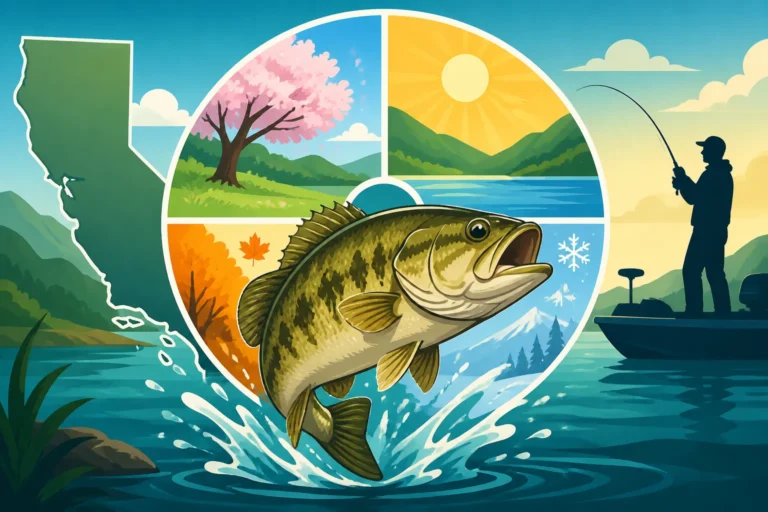
Cutthroat Trout, like many trout species, are creatures of habit tied directly to the seasons. Their entire annual cycle — spawning, feeding, and seeking refuge — revolves around water temperature and insect hatches. Generally, Cutthroat in California's high country will spawn in late spring or early summer, typically as the snowmelt subsides and water temperatures reach ideal levels. This post-spawn period can be a fantastic time to target them, as they're often ravenous and recovering from the energy expenditure of breeding.
During the warmer parts of the year, their feeding is driven by prolific insect hatches. Think caddis, mayflies, midges, and terrestrials like grasshoppers and ants. In winter, activity slows dramatically. They conserve energy in deeper pools or under ice, feeding minimally. This yearly rhythm is what we're going to exploit, timing our visits to when they're most active and therefore most willing to bite. Understanding these patterns is essential for any angler looking to improve their success, and it goes hand-in-hand with grasping the broader California Fishing Seasons: Month-by-Month Guide.
Prime Seasons for California Cutthroat Success
While you can technically catch a Cutthroat any time the water isn't completely iced over, certain windows offer significantly better chances and a more enjoyable experience. The "best" time really depends on what kind of adventure you're seeking, from hitting the early season bite to enjoying the serene beauty of a crisp fall day.
Spring Awakening: The Post-Spawn Feast
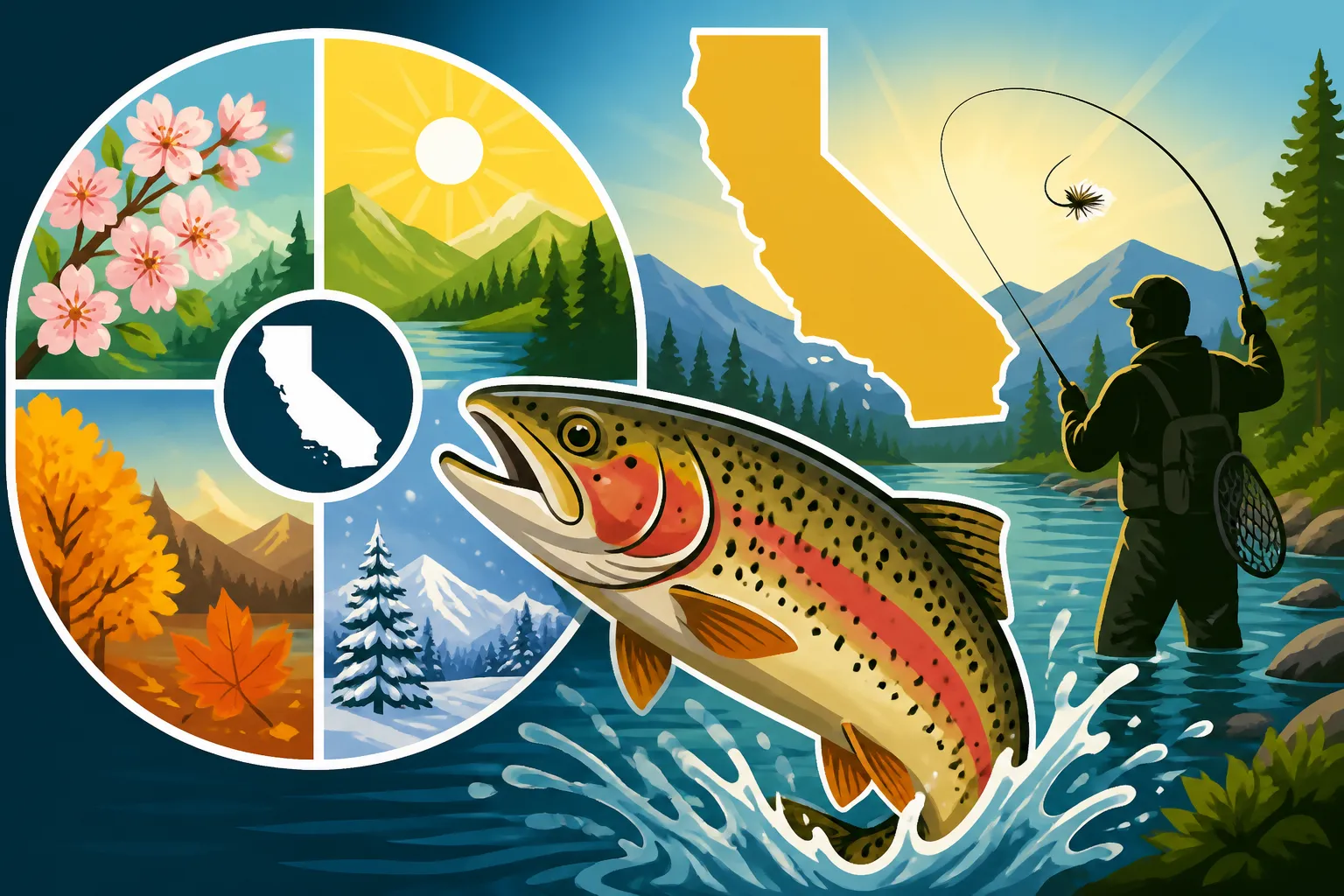
For many high-country anglers, late spring to early summer, typically from May through July, marks the "spring awakening" for Cutthroat Trout. This is when the snowpack has finally started to melt significantly, making many of those previously inaccessible roads and trails open for business. The water temperatures begin to climb into the ideal feeding range (usually 45-55°F).
After their arduous spawning efforts, these fish are often incredibly hungry and less selective about their meals. They'll be looking to quickly regain lost energy, making them more aggressive and willing to chase down a well-presented fly or lure. You might find them cruising shallower areas of lakes or in the slower pockets of streams, where they can ambush newly hatched insects or small baitfish. However, "spring" in the high Sierra can mean lingering snow, cold snaps, and rapid changes in water levels due to snowmelt, which can be a double-edged sword. While it clears the way, it can also make for challenging wading or murky conditions if the melt is too heavy. Always check local conditions and snowpack reports for the specific areas you plan to visit.
Summer's High-Country Bounty: Alpine Lake Adventures
July through September is arguably the most popular and often the most productive time for Cutthroat Trout fishing in California, especially if your sights are set on those pristine alpine lakes. By mid-summer, the majority of the snow has melted, trails are fully open, and stable weather patterns typically prevail (though afternoon thunderstorms are always a possibility in the mountains, so be prepared!). This is when the insect activity is at its peak. Mayfly, caddis, and even terrestrial hatches like grasshoppers become prevalent, providing an abundant food source for hungry Cutthroat.
During these months, you'll often find Cutthroat actively feeding on the surface, making for some incredibly exciting dry fly fishing, particularly during morning and evening hatches. The warmer daytime temperatures might push them a bit deeper, so having some subsurface presentations ready is wise. This is the prime window for backpackers who want to venture into remote wilderness areas where these trout truly thrive. Just remember, these beautiful environments often mean you'll be sharing the trails and campsites with other adventurers, so practice good outdoor ethics. If you're heading to spots like those found in an Eastern Sierra Fishing Guide, this is the season you don't want to miss.
| Season | Typical Months | Cutthroat Behavior | Key Considerations | Recommended Tactics |
|---|---|---|---|---|
| Early Summer | May – July | Post-spawn feeding frenzy | Snowmelt, fluctuating water levels, access opening | Streamers, nymphs, small spoons, spinners |
| Mid-Summer | July – September | Peak feeding, abundant insect hatches | Stable weather, increased access, more anglers | Dry flies, nymphs, small spoons, micro jigs, terrestrials |
| Fall | September – October | Aggressive feeding before winter | Cooling water, fewer insects, pre-winter bulk-up | Streamers, larger nymphs, baitfish imitations, spoons |
Fall Feasting Frenzy: The Pre-Winter Bulk-Up
Don't count out the fall, particularly September through October, especially for larger, more aggressive Cutthroat. As the days shorten and water temperatures begin to drop, Cutthroat enter a crucial "bulk-up" phase, feeding heavily to store energy for the long, lean winter months. While insect hatches might become less frequent, the fish are often looking for larger, more calorie-dense meals. This can mean more aggressive takes on streamers, larger nymphs, or even small baitfish imitations.
The crowds thin out considerably after Labor Day, offering a more solitary fishing experience amid stunning fall foliage. The weather can be a bit more unpredictable, with the possibility of early snowstorms or crisp, clear days. Layering your clothing is absolutely essential. Fishing can be excellent, but you'll need to be prepared for colder conditions and shorter daylight hours. This is also a fantastic time to consult a California Fishing Report Cards Explained for any specific regional regulations that might change with the seasons, ensuring you're always fishing legally and responsibly.
Factors Influencing Cutthroat Success Beyond Season
While timing your trip seasonally is a huge step, it's not the only piece of the puzzle. There are other crucial elements that can dramatically impact your success rate when targeting California's finicky Cutthroat Trout.
Weather and Water Conditions: The Unpredictable Variables
You can pick the perfect season, but Mother Nature always has the final say. Rapid snowmelt can turn clear streams into turbid torrents, making fishing nearly impossible. Heavy rainstorms, especially those that blow through the high country in the summer, can similarly muddy waters and temporarily shut down the bite. Conversely, prolonged periods of stable, sunny weather can lead to ideal water clarity and temperature.
Keep a close eye on local weather forecasts and streamflow reports (like those provided by the USGS) for the specific drainage you plan to fish. Water temperature is perhaps the most critical factor. Cutthroat are cold-water fish, preferring temperatures between 45-65°F. If the water gets too warm (which can happen in shallower lake sections on hot summer days), they'll often retreat to deeper, cooler areas and become less active. If it's too cold, they'll be sluggish. Knowing how to read the water and adapt to its conditions is a skill honed over many trips, but it's vital for Cutthroat.
Time of Day and Hatch Matching: Precision Angling
Just like with other trout species, the best time of day to fish for Cutthroat Trout often aligns with dawn and dusk. These low-light periods usually offer cooler temperatures, more active insect hatches, and a sense of security for the fish, encouraging them to move into shallower feeding lanes. Midday can still be productive, especially in cooler, higher-elevation waters or on overcast days, but generally, those "golden hours" are your best bet for consistent action.
"Hatch matching" is particularly important for Cutthroat, especially in clear, pristine waters where they can be highly selective. If you see fish rising, observe what they're feeding on. Is it a small mayfly? A larger caddis? A terrestrial like a grasshopper or ant? Having a selection of flies or micro-lures that imitate the local insect life will dramatically increase your hook-up ratio. A good fly box for the Eastern Sierra, for instance, often includes a variety of patterns to mimic the prevalent insects. Finding a diverse set of flies is often easiest online, with retailers like Amazon offering fly assortments for different regions and seasons. For more general advice, check out the article on the Best Time of Day to Fish in California.
Access and Solitude: The Reward for Effort
Let's be real: catching California Cutthroat usually isn't a roadside affair. These fish often inhabit truly remote and challenging terrain. The best fishing spots are often miles deep into wilderness areas, requiring significant hiking, and sometimes even overnight backpacking. This isn't a frustration, it's part of the adventure! The effort required to reach these places often means less fishing pressure, and healthier, more robust fish populations.
Before you go, research trail conditions, necessary permits (especially for wilderness areas), and your physical capabilities. A proper California Fishing License Guide is a non-negotiable first step. Be prepared for variable conditions, including sudden weather changes. The solitude you find in these locations is often as rewarding as the fish themselves. Embracing the journey is as much a part of the Cutthroat experience as the catch. Learning How to Fish High Sierra Lakes requires embracing these challenging access points.
Gear and Techniques for Pursuing Cutthroat Trout
Successfully catching Cutthroat Trout goes beyond just timing; it also involves employing the right tools and strategies tailored to their unique environments and behaviors.
Recommended Tackle: Light and Finesse
When targeting Cutthroat, especially in those clear, high-country streams and lakes, finesse is key. These aren't always tackle-busting giants, and their waters often demand delicate presentations.
- Fly Fishing: This is, without a doubt, the most popular and often most effective method. A 3- or 4-weight fly rod, about 7.5 to 9 feet long, paired with a matching floating fly line is ideal for most situations. A tapered leader (7.5-9 feet, 4x-6x tippet) will help with delicate presentations. Carrying a selection of dry flies (Parachute Adams, Elk Hair Caddis, stimulators), nymphs (Pheasant Tail, Hare's Ear), and small streamers (Woolly Bugger) is crucial. You can find excellent starter kits and individual fly patterns on Amazon. For those just starting out, a detailed California Fly Fishing Guide can offer invaluable insights.
- Spinning Gear: If fly fishing isn't your style, light spinning gear can be very effective. Opt for an ultralight or light action rod (5-6 feet) with a small spinning reel spooled with 2-4 pound test monofilament or fluorocarbon line. The key is light line for stealth and sensitivity.
- Waders and Boots: Waders (chest or waist-high) are often essential for navigating cold streams and getting to optimal casting positions. Choose durable, lightweight options suitable for hiking. Felt-soled boots offer superior grip on slippery stream beds.
Effective Baits and Lures: Mimicking Nature
Cutthroat are opportunistic, but they are also very attuned to their natural surroundings. Your bait or lure choice should reflect what they're already eating.
- Flies (as mentioned above): Dry flies are incredibly exciting, especially during hatches. Nymphs fished under an indicator or even retrieved slowly can imitate subsurface insects. Small streamers can mimic baitfish or leeches.
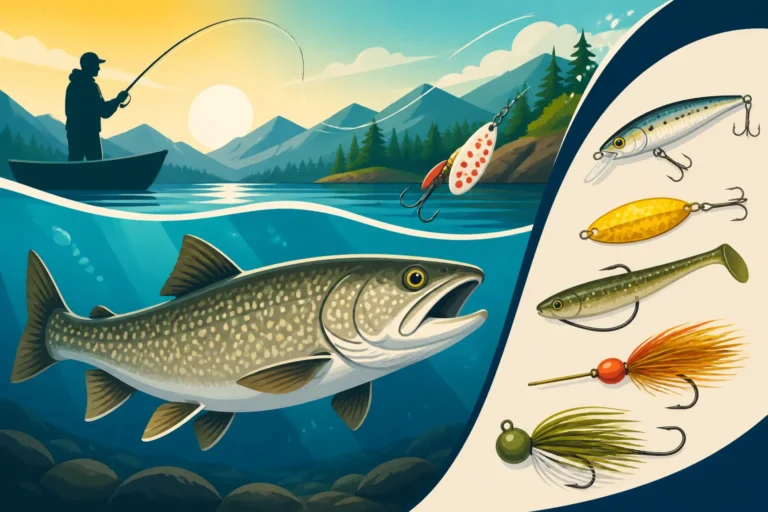
- Small Spinners: Classic trout spinners like Panther Martins, Mepps, or Rooster Tails in sizes #00 to #1 are often deadly. Colors like gold, silver, or black with spots can be very effective. Their flash and vibration can trigger aggressive strikes.
- Small Spoons: Tiny Kastmasters or similar spoons (1/16 to 1/8 ounce) in silver, gold, or trout patterns can imitate small baitfish and are excellent for casting into deeper lake sections or strong currents.
- Soft Plastics/Micro Jigs: Small grub-style soft plastics, especially in natural colors (white, brown, olive) on a tiny jig head, can be worked slowly along the bottom or jigged to imitate aquatic insects. Berkley PowerBait Micro Grubs, available on Amazon, are a popular choice.
- Natural Bait (where permitted): In some areas, natural baits like worms, salmon eggs, or crickets can be highly effective. Always double-check California Freshwater Fishing Regulations to ensure bait use is allowed in your specific fishing location, as many wild trout waters are "artificial lures and flies only."
Remember that presentation is almost as important as the lure itself. Delicate casts, subtle retrieves, and stealthy approaches will always out-perform noisy, clumsy efforts. Combining the right seasonal timing with the appropriate gear and techniques is how you truly maximize your chances for a memorable Cutthroat Trout experience in California. Don't forget to review the California Trout Limits and Regulations before you head out, and consider carrying some of the Best Lures for California Trout.
Disclaimer
Always consult the latest California Department of Fish and Wildlife (CDFW) regulations before any fishing trip. Regulations can change frequently based on conservation needs, drought conditions, or other environmental factors. This guide provides general information and should not be considered a substitute for official CDFW resources.