Best Time of Day to Fish in California
Ever feel like you’ve geared up, driven out, cast your line, and… crickets? It's incredibly frustrating to dedicate time and effort to a fishing trip only to find the fish are nowhere to be found, leaving you wondering if you picked the wrong day, or worse, the wrong time of day entirely. You're not alone! Many anglers struggle with understanding the subtle nuances of when fish are most active. This comprehensive guide is here to shed light on the best time of day to fish in California, helping you decode fish behavior and drastically improve your chances of a successful outing.
Understanding the Basics of Optimal Fishing Times
Getting on the water at the right moment can truly be the difference between a memorable day of bending rods and a disheartening skunk. Fish, like most creatures, operate on rhythms dictated by their environment, and recognizing these patterns is your first step to becoming a more successful angler.
Why Timing Matters More Than You Think
It’s easy to think that if you just throw a line in the water, something will eventually bite. While that might occasionally be true, it completely overlooks the intricate dance between light, temperature, and a fish's feeding instincts. Imagine yourself in scorching midday sun – you're probably not in the mood for an aggressive hunt, right? Fish feel similarly. Their metabolism, their sense of security, and the activity of their prey are all heavily influenced by the time of day.
For example, heading to a local lake like Clear Lake or Lake Shasta at high noon on a scorching summer day often leads to minimal success. The water is warmest on the surface, the sun is blazing down, and many fish, especially bass and trout, retreat to deeper, cooler waters or seek dense cover. They become lethargic and less inclined to chase a meal. Contrast that with an hour before sunrise, when the air is cool, the water is calm, and the fish are just waking up, eager to ambush unsuspecting baitfish or insects. Suddenly, that same lake transforms into a vibrant feeding ground. This isn’t just anecdotal; it’s biological, and understanding it is key to filling your cooler or simply enjoying more action.
The Golden Hours: Dawn and Dusk
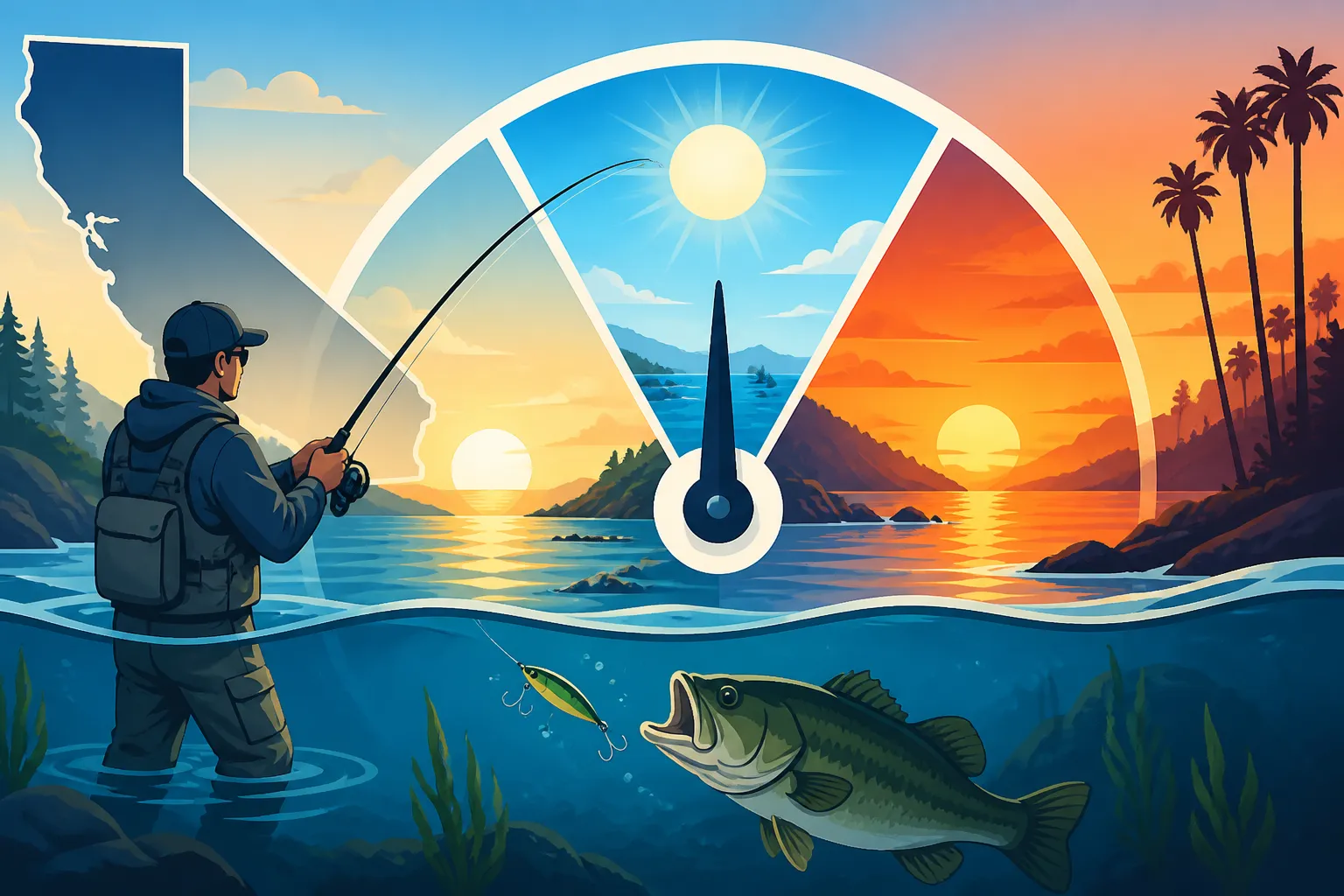
If there’s one universal truth in fishing, it’s that the periods around sunrise and sunset, often called the "golden hours" or "low-light periods," are typically the most productive. This isn't just a quaint saying; it's backed by solid biological and environmental reasons. During these times, the sun is low on the horizon, creating diffused light that makes fish feel more secure as they hunt. Their eyes, often adapted for low light, give them an advantage over their prey.
For freshwater species like rainbow trout in the Eastern Sierra or largemouth bass in the California Delta, these periods offer a perfect storm of conditions. The water temperatures are often at their most comfortable, triggering active feeding. In saltwater environments, it's a similar story. Many coastal predators, from California halibut cruising sandy bottoms to striped bass lurking in estuaries, use the reduced light to their advantage, ambushing baitfish that might be less cautious. Whether you’re casting topwater lures for bass just as the sun peeks over the hills or soaking a live bait for a halibut as twilight fades, you’ll find these windows consistently yield better results than the harsh midday sun.
Factors Influencing Daily Fishing Success
While the golden hours are a great starting point, the "best" time can actually shift daily based on a multitude of environmental cues. Mastering these variables is what separates the consistently successful angler from the casual observer.
Light Conditions and Fish Behavior
Light plays an incredibly dynamic role in a fish's world. Think of it as their primary operating system.
- Bright Sun: When the sun is high and bright, it can penetrate deep into the water column. Many fish species, particularly those with more sensitive eyes or those that are prey, will seek refuge in deeper waters, under structure like docks or submerged trees, or within dense kelp beds. They become less active and more wary. This doesn't mean you can't catch them, but your tactics need to change – think deeper presentations, natural baits, or targeting shaded areas.
- Low Light: As mentioned with dawn and dusk, low light provides a sense of security for predators. The reduced visibility makes it harder for their prey to spot them, leading to aggressive feeding behavior. Cloudy days can mimic these conditions, extending the productive bite window well into what would otherwise be a sluggish mid-morning. On these overcast days, you might find fish actively feeding closer to the surface or in shallower water for longer periods.
- Night Fishing: Don't discount fishing after dark, especially in warmer months. Species like striped bass, catfish, and even some types of trout can become incredibly active once the sun sets. The water cools, and predatory fish use the cover of darkness to hunt. A good headlamp, like those available on Amazon, becomes an essential tool for night fishing, allowing you to tie knots and navigate safely.
Water Temperature Fluctuations
Fish are cold-blooded, meaning their body temperature is largely dictated by the surrounding water. This makes water temperature one of the most critical factors influencing their activity levels and metabolism.
- Optimal Temperature Ranges: Every species has a preferred temperature range where they are most comfortable and active. For example, largemouth bass generally thrive and feed actively when water temperatures are between 65-75°F (18-24°C). When it gets too cold, they become lethargic and seek deeper, warmer zones. Too hot, and they also slow down, seeking cooler, oxygen-rich water.
- Thermal Stratification: In many California lakes and reservoirs, especially during summer, the water column stratifies into layers with different temperatures. Fish will often hold in the "thermocline," the transitional layer where the temperature changes most rapidly, as it provides both comfort and often abundant oxygen and baitfish. Understanding this phenomenon can help you pinpoint where fish are holding, regardless of the surface conditions. For trout, knowing the California Trout Limits and Regulations often involves understanding when and where these fish are stocked or naturally occurring in cooler waters.
Tides and Currents in Saltwater
If you're saltwater fishing, especially in bays, estuaries, or along the coast, ignoring the tides is like trying to drive with your eyes closed – you're going to miss a lot. Tides and currents are powerful forces that move water, bait, and ultimately, fish.
- Moving Water is Key: Generally, moving water is good. It stirs up the bottom, dislodges bait, and creates current lines where predatory fish will stage to ambush prey. Incoming tides often bring cooler, nutrient-rich ocean water into bays and estuaries, stimulating feeding activity. Outgoing tides can draw baitfish out of backwaters, concentrating them for predators.
- Slack Tide Challenges: Slack tide, the period of minimal water movement between the high and low tides, is often the slowest fishing period. With no current to move food, fish activity tends to dwindle. However, sometimes larger, more wary fish might become active during the brief periods of slack current, as they don't have to fight the flow.
- Specific Locations: Consider the San Francisco Bay, a prime area for striped bass and halibut. During a strong tide push, baitfish are flushed out of sloughs and channels, creating perfect ambush points for predators. Researching specific tidal charts for your chosen fishing spot, whether it's the Golden Gate or a Southern California pier, is paramount. Knowing how tides affect various species, like understanding California Halibut Regulations and Limits or California Striped Bass Regulations, will make your trips far more productive.
Local Weather Patterns
Beyond just light and temperature, broader weather patterns can significantly impact fish behavior.
- Barometric Pressure: A stable, high-pressure system often means stable, good fishing. However, a rapidly dropping barometric pressure, usually indicating an approaching storm front, can trigger a feeding frenzy as fish sense the impending change. Conversely, a rapidly rising pressure after a storm often leads to a post-front funk, where fish are lethargic and hard to catch.
- Wind: A little wind can be a good thing. It breaks up the water's surface, making it harder for fish to spot you and your boat. It can also push baitfish into concentrated areas, creating feeding opportunities. However, too much wind can make fishing impossible or simply miserable, especially if you're trying to fish light tackle or maintain a specific presentation. Pay attention to wind direction and how it might create wind lanes or stack bait against a particular shore.
- Rain: Light, steady rain can sometimes improve fishing, especially in freshwater. It oxygenates the water, washes terrestrial insects into the system, and can obscure an angler's presence. Heavy downpours, however, can muddy the water, disrupt feeding patterns, and make fishing difficult.
Species-Specific Optimal Daily Fishing Windows
While general rules apply, truly excelling means understanding the specific preferences of the fish you're targeting. California boasts an incredible diversity of fish, and each has its daily rhythm.
Freshwater Favorites: Bass and Trout
These are two of the most popular freshwater targets in California, and understanding their daily habits will put more of them on your line.
Bass: Largemouth, Smallmouth, and Spotted
Bass are ambush predators, and their activity is heavily influenced by light and temperature.
- Early Morning and Late Evening: These are prime times for bass. As the sun rises or sets, bass move out of deeper cover and into shallower areas to hunt. Topwater lures, spinnerbaits, and shallow crankbaits can be incredibly effective during these low-light periods. The cool, calm water makes them active and aggressive. On a lake like Castaic Lake or Diamond Valley Lake, waking up before dawn to throw a frog or a Zara Spook can be electrifying. To truly learn more, check out our guide on How to Fish for Largemouth Bass in California.
- Midday Strategies: During bright midday hours, bass typically retreat to deeper water, shaded areas, or dense cover like submerged trees, weed lines, or rock piles. This is when you'll want to switch to slower presentations like Texas-rigged worms, jigs, or deep-diving crankbaits. Fishing vertically or punching through thick vegetation can still yield bites, but the action will often be slower and more deliberate.
Trout: Rainbow, Brown, and Brook
Trout, especially wild trout, are sensitive to water temperature and light, preferring cooler, well-oxygenated water.
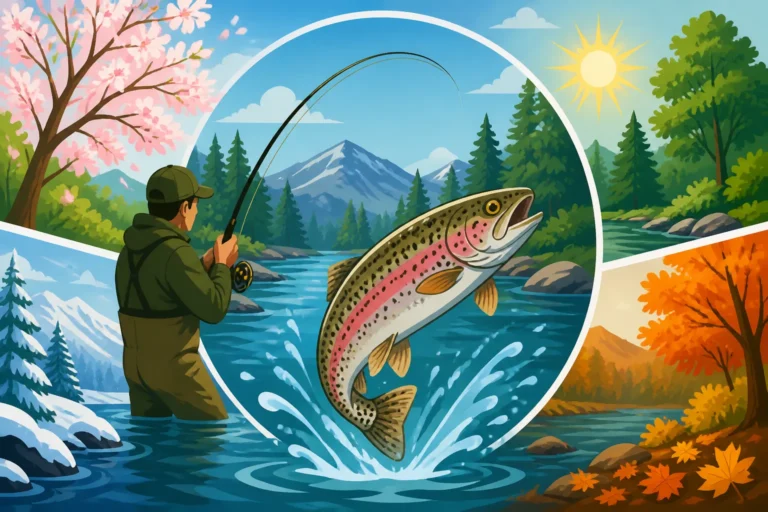
- Dawn and Dusk in Lakes and Rivers: Much like bass, trout are often most active during the cooler, low-light periods of dawn and dusk. This is when insects hatch, and baitfish are more active, providing easy meals. Fly fishermen often find success matching the hatch in the early morning or late evening on rivers like the Truckee or Owens.
- Midday in Shaded or Deeper Waters: During warmer, brighter midday periods, trout will seek refuge in deeper pools, shaded areas along riverbanks, or in the cooler, deeper parts of lakes. For lake trout in Lake Tahoe or larger browns, going deep with lead core lines or downriggers might be necessary. In streams, focusing on pockets behind boulders or undercut banks can still be productive. If fishing after a trout stocking, the bite can sometimes be extended throughout the day for a short period, as the fish are disoriented and actively seeking food.
Saltwater Sensations: Halibut and Rockfish
California's coastline offers incredible saltwater opportunities, but success depends on understanding these species' daily habits.
California Halibut
Halibut are ambush predators that lie flat on the bottom, camouflaged, waiting for unsuspecting prey.
- Tide-Dependent: Halibut fishing is almost entirely tide-dependent. The best times are typically during the strong incoming or outgoing tides when currents move baitfish like anchovies and sardines across sandy flats, near structures, or along channel edges. This churns up the bottom, making it harder for bait to see the halibut. Slack tide is generally slow.
- Early Morning: While tides are paramount, early mornings often offer calmer waters, making it easier to drift fish or troll. The lower light also helps hide your presence and can stimulate baitfish movement.
Rockfish and Lingcod
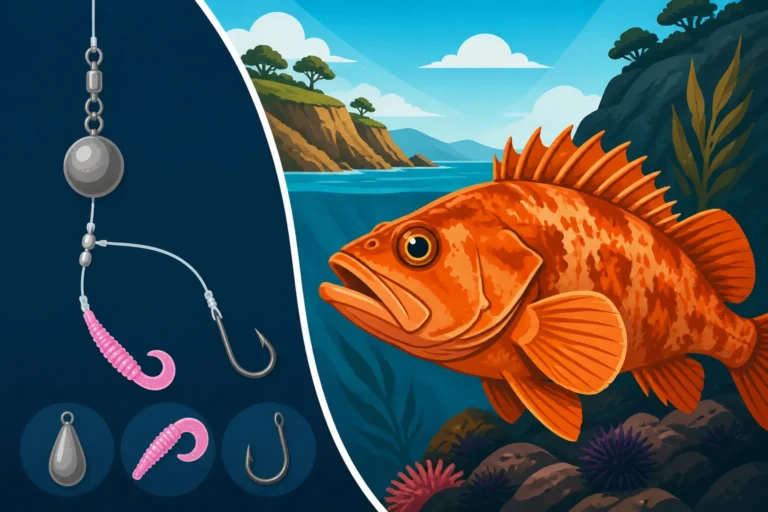
California is famous for its diverse rockfish populations and toothy lingcod, often found on rocky reefs and offshore structures. Our California Rockfish Regulations and Limits guide provides comprehensive detail.
- Consistent Biting, But Peak Times Exist: Rockfish and lingcod can often be caught throughout the day, particularly if you're in the right depth and on good structure. However, there are still peak activity periods.
- Dawn and Dusk: As with many species, low light periods can trigger more aggressive feeding, especially for larger rockfish and lingcod that might move out of deeper crevices to hunt.
- Midday Deep Water: For deeper-dwelling rockfish, light penetration isn't as much of a factor, so they might feed consistently throughout the day as long as there's a good bait presence. Targeting them with jigs or live bait in the deep canyons off the coast, regardless of the time, can be effective.
Anadromous Adventures: Salmon and Striped Bass
These migratory species have specific habits that often revolve around their movements and feeding opportunities.
Salmon: Chinook and Coho
Salmon fishing in California rivers and the ocean is highly seasonal, but daily timing also matters.
- River Runs (Dawn/Dusk): When salmon are in rivers like the Sacramento or Klamath during their spawning runs, the low-light hours of dawn and dusk are often the most productive. They are less spooky and more willing to strike lures or take roe presentations in the reduced light. Cooler water temperatures during these times are also preferred. Our post on How to Catch Salmon on the Sacramento River delves into this further.
- Ocean Fishing: Offshore for king salmon, the bite can sometimes be throughout the day if you find a school of bait. However, many charters report better action in the morning as fish come up to feed. Trolling is a common method, and finding bait balls is key.
Striped Bass
Stripers are voracious predators found in the surf, bays, and the California Delta. They are notorious for being low-light or nocturnal feeders.
- Dawn, Dusk, and Night: These are the prime windows for striped bass. In the surf, striper often patrol the shallows during these times, ambushing baitfish. In the Delta, they can be found busting bait on the surface at first light or feeding aggressively as darkness falls. Many dedicated striper anglers swear by night fishing, especially when using larger swimbaits or soaking bait like anchovies or sardines. Their excellent low-light vision gives them a distinct advantage. Read more about fishing the California Delta Fishing Guide for these elusive fish.
Here's a quick reference table for optimal daily fishing times for some popular California species:
| Species | Best Daily Times | Key Considerations |
|---|---|---|
| Largemouth Bass | Dawn, Dusk, Overcast Days | Seek deeper cover midday, topwater in low light |
| Rainbow Trout | Dawn, Dusk, Cooler Parts of Day | Very sensitive to water temperature, seek cool, deep water midday |
| California Halibut | Strong Incoming/Outgoing Tides | Slow during slack tide, often active in lower light |
| Rockfish/Lingcod | Dawn, Dusk, Consistent in Deep Water | Can be caught all day on structure, aggressive in low light |
| King Salmon | Dawn, Dusk (rivers), Early Morning (ocean) | Highly migratory, dependent on runs and bait presence |
| Striped Bass | Dawn, Dusk, Night | Excellent low-light vision, aggressive hunters after dark |
| Catfish | Dusk, Night, Early Morning | Primarily nocturnal feeders, tolerate warmer water well |
Practical Tips for Maximizing Your Time on the Water
Knowing the "best" times is one thing, but consistently applying that knowledge and adapting to real-world conditions is where true angling skill shines.
Checking Local Fishing Reports and Forecasts
You don't have to guess. There are fantastic resources out there to help you pinpoint optimal fishing windows.
- CDFW and Local Bait Shops: The California Department of Fish and Wildlife (CDFW) often provides stocking schedules and regulation updates that can hint at good fishing times. Even better, your local bait and tackle shop is a goldmine of current, hyper-local information. The folks behind the counter usually know exactly what's biting, where, and when. They'll tell you if the morning bite has been hot for bass or if the afternoon tides are yielding halibut.
- Online Resources: Websites like FishRap, Bloodydecks, and local fishing forums are invaluable. Anglers share real-time reports, photos, and tips. You can often see patterns emerging—if everyone is reporting a strong bite at dawn, you know where to be. Checking the weather and tidal forecasts on apps or websites is non-negotiable for planning. Knowing How to Read the California Fishing Regulations Booklet and daily reports can greatly enhance your planning.
Adjusting to Conditions on the Fly
Even with the best planning, Mother Nature loves to throw curveballs. Flexibility is your friend.
- Be Observant: When you get to your spot, don't just blindly cast. Look at the water: Is there surface activity? Are baitfish present? Are birds diving? Observe what other anglers are doing if you're in a popular spot. These subtle clues can tell you if the fish are active, where they're holding, and what they might be feeding on.
- Vary Your Presentation: If the dawn bite isn't happening, don't keep doing the same thing. Try switching lures, changing depths, or altering your retrieve speed. If topwater isn't working, go subsurface. If the sun gets high, move to deeper water or shaded areas. Sometimes, a subtle change, like switching from a brightly colored lure to a more natural one, can make all the difference. Remember, fishing is a puzzle, and you're constantly looking for the right pieces.
Gear Considerations for Different Times of Day
The right gear can definitely make your time on the water more productive and enjoyable, no matter the hour.
- Low Light/Night Fishing Gear: As mentioned, a reliable headlamp is crucial for night fishing, not just for safety but for rigging up. Lighter line choices can be advantageous in low light, as fish might be less able to see them. Topwater lures that create a lot of commotion are excellent for drawing strikes in the dark or low light. For those late evening or early morning bites, having a good quality, waterproof jacket on hand, like many options you can find on Amazon, can make all the difference in comfort.
- Bright Sun Strategies: When the sun is high, fish often go deep. This means having heavier lines, weights, and deep-diving lures or jigs in your tackle box. Live bait can also be incredibly effective during these sluggish periods, as it presents a natural, irresistible meal. Consider polarized sunglasses, also widely available on Amazon, not just for your comfort but to help you spot fish or structure under the glare.
- Adaptable Rods and Reels: While you don't need a hundred different setups, having a couple of rods that can handle different lure weights or techniques allows you to quickly switch tactics. For instance, a medium-heavy baitcasting rod for bass jigs and a lighter spinning rod for finesse presentations give you options for changing conditions.
Understanding the "best time of day to fish in California" is an ongoing learning process, blending general wisdom with specific local knowledge and an angler's intuition. By paying attention to the intricate dance of light, temperature, tides, and species-specific habits, you’ll spend less time frustrated and more time enjoying the incredible fishing opportunities California has to offer. Now get out there and enjoy those golden hours!
Disclaimer
The information provided in this guide is for general informational purposes only. Fishing regulations in California can change frequently. Always consult the latest California Department of Fish and Wildlife (CDFW) regulations booklet or website before heading out on the water to ensure compliance with all current laws and limits. Fishing inherently carries risks, and safety precautions should always be observed.