How to Fly Fish for Steelhead in California
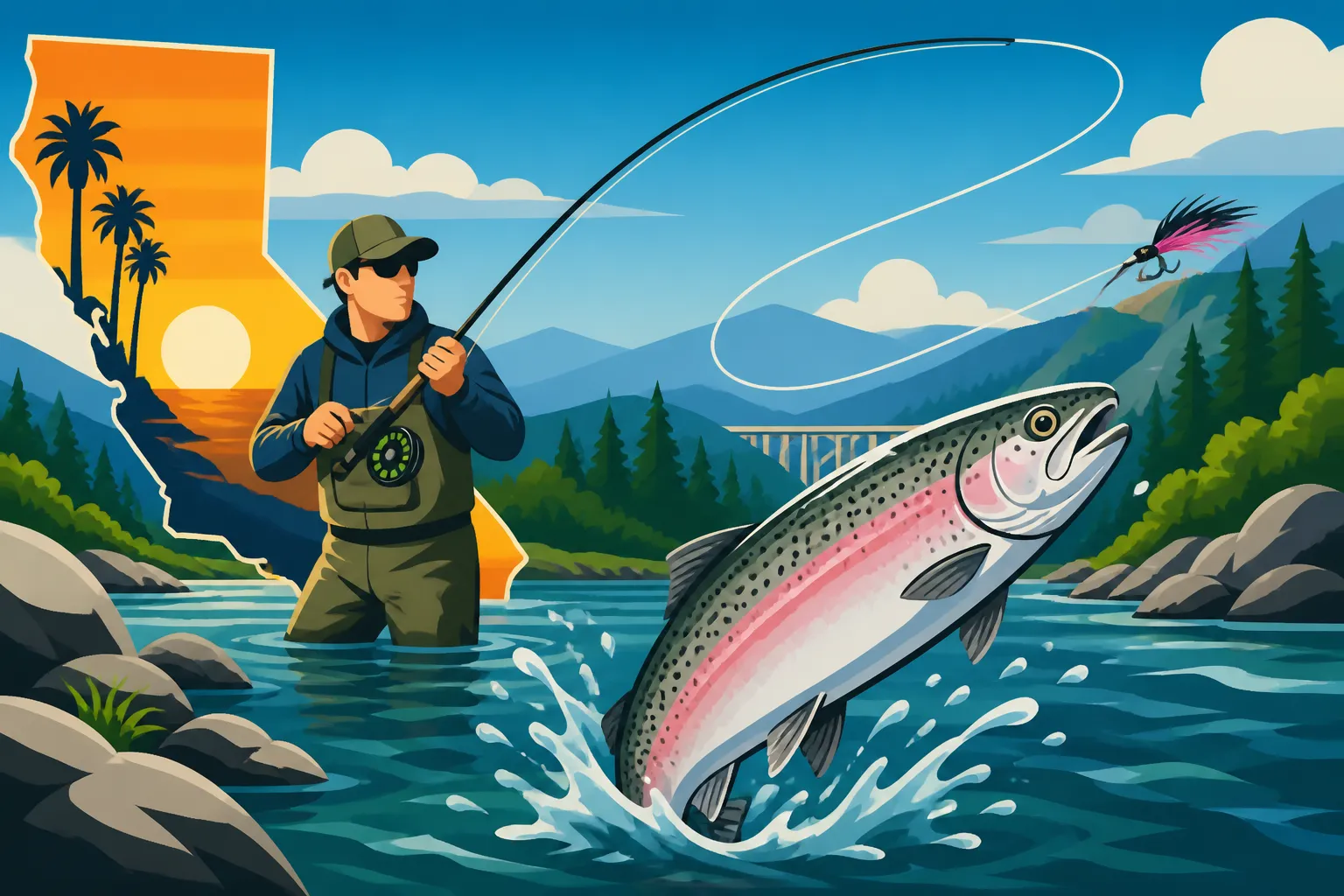
Fly fishing for steelhead in California can feel like chasing a ghost – these elusive, powerful fish demand immense patience, precise technique, and a deep understanding of their unique habits. It’s frustrating when you spend hours on the river without a bite, wondering if your gear is right or if you’re even in the right spot. This guide is here to cut through the confusion, offering a comprehensive look at how to successfully target California steelhead with a fly rod, from understanding their lifecycle to mastering the techniques that get results.
Understanding California Steelhead: The Ghost of the River
Steelhead are truly one of California's most remarkable game fish, known for their incredible power, beauty, and elusiveness. They represent a significant challenge for even seasoned fly anglers, and there's a good reason for their reputation. Tackling these ocean-going rainbow trout with a fly rod is a pursuit that tests skill, patience, and often, your mental fortitude.
What Makes California Steelhead So Unique?
Steelhead are anadromous rainbow trout, meaning they're born in freshwater streams, migrate to the Pacific Ocean to grow large and strong, and then return to their natal rivers to spawn. Unlike Pacific salmon, steelhead don't always die after spawning; some can return to the ocean and spawn multiple times, earning them the nickname "steelhead" for their steely-blue ocean coloration. In California, these fish are often revered for their incredible strength and fight, making them a top prize for fly anglers. They're not like your typical stocked trout you might find in a local lake; these are wild, ocean-honed athletes, capable of blistering runs and aerial acrobatics.
The journey they undertake is incredible, facing dams, predators, and varying water conditions throughout their life cycle. This makes them incredibly resilient but also incredibly sensitive to environmental changes and human impacts. Their behavior in freshwater is often tied to their ocean experiences, making them incredibly wary and challenging to approach, which only adds to their mystique and the allure of pursuing them with a fly rod. Just being in their presence, let alone hooking one, is a privilege.
Unfortunately, many California steelhead runs are listed under the Endangered Species Act, meaning most fishing for them is strictly catch-and-release, often with barbless hooks. This conservation status underscores the immense importance of proper handling and respect for these precious fish, ensuring their survival for future generations. Knowing this upfront helps set realistic expectations for your trip – it's about the chase, the experience, and the connection with nature, not just filling a stringer.
When and Where to Find Them in California
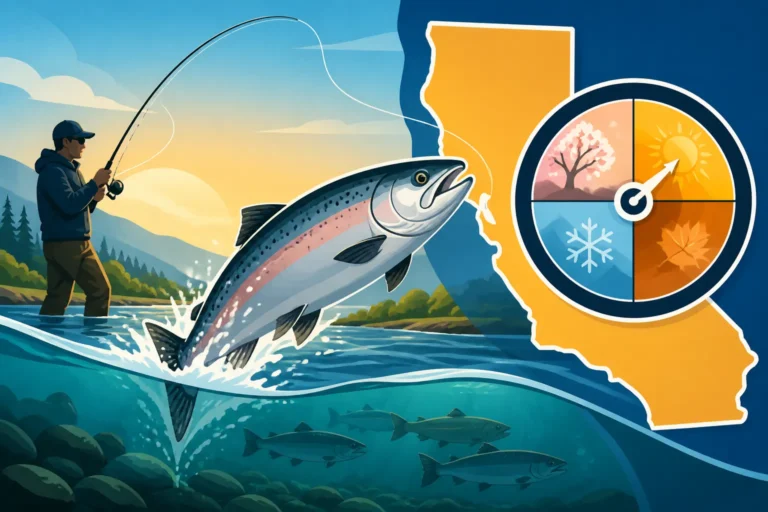
Steelhead runs in California typically occur during the colder, wetter months, generally from late fall through spring. The exact timing can vary significantly from river to river and year to year, largely dependent on rainfall and water levels. A good rain event, often referred to as a "freshet," can trigger a fresh push of fish from the ocean into the rivers, making monitoring weather patterns and river gauges absolutely critical for planning your trips. Without enough rain to increase river flows, steelhead often stage in estuaries, waiting for the right conditions to move upstream.
For instance, rivers in Northern California like the Eel, Klamath, and Trinity often see their main runs from December through March, sometimes extending into April. Further south, rivers might have slightly different peaks, and some smaller coastal streams might only have a viable run for a few weeks after a significant storm. Understanding California Steelhead Run Timing can give you a significant advantage, helping you plan your trips when the fish are most likely to be present and active. It's often a game of timing, and being there during a fresh push of fish can make all the difference.
As for locations, you'll generally find them in cooler, clear rivers with good gravel beds for spawning and unobstructed access to the ocean. These aren't fish you'll typically find in warm, stagnant lakes or slow-moving channels. The quest for steelhead often takes you to some of the most beautiful, wild parts of the state, making the journey itself a rewarding part of the experience. Always check the California Steelhead Season Dates Explained and specific river regulations before heading out, as they can change seasonally and vary by drainage.
Essential Gear for California Steelhead Fly Fishing
Unlike delicate trout fishing, targeting steelhead requires a more robust setup that can handle powerful fish in often swift currents. Investing in quality gear isn't just about comfort; it's about giving yourself the best chance to land one of these incredible adversaries and ensuring the fish can be safely released.
Rods, Reels, and Lines: The Core Setup
When you’re tackling powerful steelhead, your gear needs to be up to the task. Forget your lightweight trout setup; we're talking about a significant step up in power and durability. For most California rivers, a 7-weight to 9-weight fly rod, typically 9 to 10 feet long, is the sweet spot. A longer rod provides several advantages: it helps with line control, allowing for better mends and reducing drag; it offers more leverage when fighting larger, powerful fish; and it can assist in reaching distant lies, especially in wider rivers like the Klamath. For anglers pursuing the art of the swing, a two-handed Spey or switch rod, often in the 6 to 8 weight range and 11 to 14 feet long, is a popular choice, enabling long casts with minimal backcasting room.
Pair that rod with a high-quality, large-arbor fly reel that boasts a smooth, reliable drag system. Steelhead are renowned for their explosive runs, often stripping dozens of yards of line in seconds, and a subpar drag will quickly lead to broken lines, lost fish, and a lot of frustration. You’ll want a reel that can hold at least 150-200 yards of 20-pound dacron or gel-spun backing, in addition to your fly line. Many anglers find excellent options, often at competitive prices, on platforms like Amazon, but don't compromise on drag quality. Brands like Hardy, Lamson, and Orvis offer reliable options.
As for lines, your choices will depend heavily on your chosen technique. For nymphing and indicator fishing, a weight-forward floating line is standard. However, for swinging flies, you'll need an assortment of sink-tip lines or full sinking lines (often integrated into a specialized Spey system) to get your fly down to the fish in varying water depths and current speeds. Having a few different line options or interchangeable tips (like those in a Rio VersiTip or Airflo system) on hand can make a huge difference in adapting to various river situations and ensuring your fly is presented at the correct depth.
Flies, Leaders, and Waders: The Angler's Arsenal
The choice of flies for steelhead can feel overwhelming, but it generally boils down to nymphs, egg patterns, and a variety of streamers and intruders. For nymphing, popular choices include heavy stoneflies (like Pat's Rubber Legs or Kaufmann Stone), caddis larvae, and egg patterns (such as Glo Bugs or Otters Egg) in various colors (peach, orange, chartreuse), often fished in tandem to cover multiple food sources. For swinging flies, think classic steelhead patterns like the Green Butt Skunk, Purple Peril, Freight Train, or larger, articulated Intruder patterns, often in black, blue, or purple hues, which imitate larger baitfish or leeches. It’s always a good idea to check with local fly shops for the most effective patterns at any given time, as regional preferences and seasonal conditions play a big role.
Leaders for steelhead fishing need to be strong, durable, and abrasion-resistant to withstand powerful fish and potentially rocky riverbeds. For nymphing, a 9-10 foot tapered leader finishing with 8-12 pound fluorocarbon tippet is common, with additional tippet sections added to create the desired length and strength. When swinging flies, a shorter, stronger leader, sometimes even just straight fluorocarbon of 10-15 pounds, is often preferred, particularly with heavier sinking lines. Don't skimp on quality here; a cheap leader is a weak link that can cost you the fish of a lifetime. Brands like Seaguar and Rio offer excellent fluorocarbon options.
Finally, a good pair of breathable chest waders and sturdy wading boots with felt or sticky rubber soles (and often studs for extra grip) are non-negotiable. You'll be spending a lot of time in cold water, navigating slick, rocky riverbeds, and potentially treacherous currents. Comfort, warmth, and most importantly, safety are paramount. Brands like Simms, Orvis, and Patagonia offer high-quality waders and boots designed for rugged conditions, and many online retailers, including Amazon, carry a wide selection. Don't forget to obtain your California Steelhead Report Card before you hit the water, as it’s a legal requirement for tracking these important fish.
Key Techniques for Success on California Steelhead Rivers
Steelhead are not easy targets, and success often comes down to mastering specific techniques and developing a keen understanding of their behavior. It's a game of precision, patience, and adaptability.
Nymphing and Indicator Fishing
Nymphing is arguably one of the most consistently effective ways to catch steelhead, especially when fish are holding in deeper pools or slower currents and aren't actively chasing swung flies. This technique involves drifting weighted nymph or egg patterns along the river bottom, imitating natural food sources that steelhead might encounter as they move upstream or hold in lies. The key is to achieve a truly "dead drift," where your fly moves at the same speed as the current, without any unnatural drag from your line pulling it faster or slower.
Indicator fishing, where you use a bobber-like strike indicator (such as a Thingamabobber or Airlock) to suspend your flies at a specific depth and detect subtle takes, is a popular method. You'll want to adjust your indicator depth frequently to match the varying depths of the river and ensure your flies are presenting naturally near the bottom. This might mean setting your indicator 1.5 to 2 times the estimated depth of the water. Maintaining constant contact with your flies and executing upstream mends of your fly line to reduce drag are crucial skills to develop. This technique takes practice, but once you get the hang of it, it can be incredibly productive, particularly in faster, deeper runs where fish are hunkered down.
Another highly effective nymphing technique, particularly in faster, clearer water, is "tight-line nymphing" or "Euro nymphing." This method eliminates the indicator, relying on the angler to feel subtle takes through the line and rod tip. It requires exceptional line control and sensitivity but can be incredibly precise for presenting flies in complex currents. No matter the method, remember to keep your flies clean of debris, as even a small leaf can ruin your drift.
Swinging Flies and Spey Casting
For many, swinging a fly for steelhead is the quintessential experience, often associated with longer two-handed Spey rods. This method involves casting your fly across and slightly downstream, then allowing the current to "swing" the fly through the likely holding water, mimicking a fleeing baitfish, shrimp, or insect. The takes are often aggressive, electrifying, and incredibly exciting, providing a strong connection to the raw power of the fish. It's less about imitating natural food and more about eliciting an aggressive strike or territorial response.
Spey casting techniques, like the roll cast or various Spey casts (single Spey, double Spey, snake roll, snap-T), are specifically designed to cast long lines with minimal backcasting room, which is often a necessity on brushy or bank-heavy steelhead rivers where a traditional overhead cast is impossible. While not strictly necessary (you can swing flies with a single-handed rod), a Spey setup makes the process much more efficient, less fatiguing, and often more enjoyable for many dedicated swing anglers. Mastering these casts and understanding how to control your swing – including subtle mends to speed up or slow down the fly – is a journey in itself, but the reward of a solid steelhead grab on a perfectly swung fly is unparalleled. For more general advice, check out California Fly Fishing Tips and Techniques.
Reading the Water and Stealth
Steelhead are incredibly attuned to their environment, and "reading the water" is perhaps the most critical skill in steelhead fly fishing, often more important than the specific fly pattern. You need to think like a steelhead: where would you hold to conserve energy, hide from predators, and ambush food? Look for holding water: deeper pools, seams where fast and slow currents meet, behind large rocks or logs that break the current, and transition zones between riffles and pools. These are the places where steelhead will conserve energy as they migrate upstream and where they feel secure. Don't overlook subtle changes in depth or current; a slight dip or a small current break can be a prime lie.
Stealth cannot be overstated when targeting these wary fish. Steelhead are notoriously spooky; they've survived years in the ocean and are highly sensitive to disturbances. Approach the water slowly and quietly, avoid stomping heavily on the bank, and keep a low profile. Bright clothing can also spook fish, so opt for muted, natural colors that blend with the surroundings. Making long, accurate casts to avoid lining the fish (having your fly line pass directly over them) is also vital. Remember, these fish have an acute sense of their surroundings; they are not easily fooled. Once you’ve landed a fish, quietly move to the next promising spot, giving the disturbed water time to rest.
Top California Rivers for Steelhead Fly Fishing
California offers a diverse range of rivers where you can pursue steelhead, each with its own character and challenges. While many runs are fragile, dedicated anglers can still find incredible opportunities.
Northern California Legends: Trinity, Klamath, and Eel Rivers
Northern California is home to some of the state's most iconic steelhead rivers, drawing anglers from across the globe. The Trinity River, for example, is world-renowned for its winter steelhead runs. It's a diverse river, offering everything from broad, open runs perfect for Spey casting to tighter, more intimate sections where nymphing excels. Many anglers find consistent success here nymphing with egg patterns or swinging traditional steelhead flies. While it can get crowded, its consistent runs make it a perennial favorite. Booking a trip with one of the dedicated California Fly Fishing Guides who specializes in the Trinity can dramatically shorten your learning curve and introduce you to productive spots and techniques.
The Klamath River, another jewel, sees both summer (half-pounder) and winter steelhead runs, though the winter run is often the most targeted by fly anglers seeking larger fish. Its larger size means you'll often encounter more powerful currents and deeper runs, requiring heavier lines and flies. The lower Klamath, particularly below the confluence with the Trinity, can be very productive. Always consult the local fishing reports and regulations specific to the Klamath, as conditions and tribal regulations can impact access and fishing practices. A Klamath River Fishing Guide can offer more detailed insights into specific sections and techniques.
The Eel River system, including its main stem and various forks, offers fantastic opportunities when conditions are right. After good rainfall, these rivers swell, drawing in strong numbers of wild, powerful steelhead. They can be a bit more challenging due to varying water clarity and often fluctuating flows, but the reward of a pristine Eel River steelhead is something truly special. Anglers often fish the mainstem or tributaries like the Van Duzen, but always pay attention to flow charts. Remember, practicing California Catch-and-Release Rules is crucial on these sensitive waterways, especially given their wild nature.
Central and Southern California Opportunities
While Northern California rightly gets most of the steelhead spotlight, there are still some incredible, albeit often more challenging, opportunities further south for the persistent angler. Rivers like the Russian River and the Garcia River in the Central Coast region can have viable winter steelhead runs, though these are often highly dependent on sufficient rainfall and may be smaller in scale compared to their northern counterparts. Access can sometimes be more limited, requiring more research and local knowledge, and these runs are often more ephemeral, appearing only after significant storms.
Further inland, the Feather River below Oroville Dam, particularly its "low flow" section, offers a unique opportunity for steelhead. While often smaller in stature (sometimes referred to as "half-pounders"), these fish provide excellent fly fishing opportunities. The river's regulated flows mean it's less dependent on rain events, offering more consistent conditions through the winter months. A Feather River Fishing Guide can provide detailed insights into the specific sections and methods best suited for this unique fishery.
Even in Southern California, remnants of steelhead runs exist in rivers like the Santa Clara and Ventura, though these are largely protected and fishing is often prohibited or severely restricted due to critically low populations. These areas are primarily focused on recovery efforts, and while it's inspiring to know they are still clinging on, active sportfishing for steelhead is rarely an option. For more general fly fishing experiences, the Eastern Sierra offers phenomenal trout fishing, but for true anadromous steelhead, the action predominantly lies north. Always check your California Fishing License Guide and the most current local regulations before planning any trip.
Table: Overview of Popular California Steelhead Rivers
| River System | Prime Season | Common Techniques | Typical Rod Weight | Notes |
|---|---|---|---|---|
| Trinity River | Dec – March | Nymphing, Swinging | 7-8 wt | World-renowned for winter runs; diverse water, guides available. |
| Klamath River | Nov – April | Nymphing, Swinging | 8-9 wt | Larger river, powerful currents; both summer and winter runs. |
| Eel River (Main & Forks) | Dec – April | Nymphing, Swinging | 7-8 wt | Highly rain-dependent; wild, powerful fish; check flows carefully. |
| Russian River | Jan – March (variable) | Nymphing, Swinging | 7-8 wt | Central Coast challenge; highly dependent on significant rain. |
| Feather River | Nov – Feb | Nymphing, Indicator | 6-7 wt | Known for "half-pounders"; consistent flows, good nymphing. |
| Smith River | Dec – March | Nymphing, Swinging | 8-9 wt | California's largest undammed river; clear water, powerful fish. |
Conservation and Etiquette: Protecting California's Steelhead
The pursuit of steelhead is about more than just catching fish; it's about respecting the species, the environment, and fellow anglers. Given the fragile status of many steelhead runs, responsible angling is paramount.
The Importance of Catch-and-Release
Given the vulnerable status of many of California's steelhead populations, adherence to strict catch-and-release practices is not just a regulation, it's an ethical imperative. Many steelhead runs are endangered, and every fish released safely contributes directly to the future of the species. This means handling fish gently, minimizing their time out of water, and using appropriate tools for unhooking. These fish have made an arduous journey, and our responsibility is to ensure they can complete their mission.
Always use a net with a rubberized mesh (to protect their delicate slime coat and fins) and keep the fish in the water as much as possible, especially during unhooking and photography. Avoid dragging fish onto dry banks, rocks, or rough surfaces. Wet your hands thoroughly before touching the fish to prevent stripping off their protective slime, which is their first line of defense against disease. Use forceps or a hemostat for quick de-hooking. These simple actions make a world of difference in the survival rate of released steelhead. It's also why California Barbless Hook Requirements are often in effect – they minimize injury and make releases quicker and easier.
Respecting Fellow Anglers and the Environment
Steelhead fishing often brings anglers to remote, beautiful, but sometimes crowded, stretches of river. Practicing good river etiquette is crucial for a positive experience for everyone. This includes giving fellow anglers ample space – generally, a good rule of thumb is to give at least 100 feet, or more if the river allows, to ensure you don't fish over someone else's spot or disturb their water. If someone is already fishing a run, wait patiently, ask if you can fish below them, or find another spot. Communication and courtesy go a long way.
Beyond respecting people, it's vital to respect the environment itself. Pack out everything you pack in, and perhaps even pick up any trash you find that others have left behind. Avoid trampling riparian vegetation, stay on established trails, and be mindful of wildlife. Avoid disturbing spawning redds (gravel nests where fish lay eggs), which often appear as clean, light-colored patches of gravel in shallower water. Fishing is a privilege, and we all share the responsibility of being good stewards of these precious natural resources. Understanding the full scope of California Freshwater Fishing Regulations helps ensure you're always acting responsibly and within the law.
Disclaimer
Fishing conditions and regulations in California can change frequently. Always consult the latest California Department of Fish and Wildlife (CDFW) regulations booklet and local advisories before heading out on any fishing trip. This guide is for informational purposes only and does not supersede official regulations.