California Kayak Fishing Guide
There's a special kind of freedom that comes with kayak fishing in California, isn't there? The idea of gliding silently across a glassy lake at dawn, navigating a peaceful estuary, or even venturing offshore to chase bigger game—it's incredibly appealing. But for many, the thought of getting started can feel a bit daunting. With so many different types of kayaks, endless gear options, and those ever-changing California fishing regulations, it's easy to get lost before you even get on the water. This comprehensive guide is designed to cut through the confusion, helping you confidently choose your setup, understand the rules, and unlock the amazing world of kayak fishing in the Golden State.
Why Kayak Fishing in California is an Unbeatable Experience
Let's be real, there are a million ways to fish in California, from crowded piers to bustling party boats, and even just casting from the bank. But kayak fishing… that's a whole different ballgame. It offers a unique blend of adventure, tranquility, and unparalleled access that bigger boats simply can't provide. If you've been on the fence, let me tell you why so many anglers are falling in love with this paddle-powered pursuit.
The Undeniable Appeal and Freedom
Imagine this: no loud motors, no fighting for space at a crowded boat ramp, and no gas station stops. Just you, your paddle, and the serene quiet of the water. Kayak fishing provides an intimate connection with nature that's hard to replicate. You're low to the water, feeling every ripple and subtle current, and often, the wildlife seems less disturbed by your presence. It's an escape, a chance to truly unplug and immerse yourself in the natural world. Plus, the sheer simplicity of it means fewer moving parts to break down and less maintenance overall. You can often launch from nearly any accessible shoreline, giving you incredible flexibility that traditional boats can't offer.
There's also a deep sense of accomplishment that comes with propelling yourself to your fishing grounds. You're not just a passenger; you're actively engaged in the journey from start to finish. This adds a whole new dimension to the sport, making every catch feel even more earned. The ability to explore tight coves, shallow flats, and intricate river bends that larger vessels can't reach opens up a world of possibilities for finding untouched fishing spots. It’s about more than just catching fish; it’s about the entire experience of being on the water, propelled by your own effort, and soaking in the beauty of California's diverse landscapes.
Accessing Untouched Waters
One of the biggest advantages of kayak fishing, especially in a state as vast and varied as California, is the access it grants you. Think about those hidden pockets of freshwater lakes, the winding sloughs of the California Delta, or the remote stretches of coastline that are just out of reach for shore anglers or big boats. Kayaks are shallow-drafting vessels, meaning they can navigate extremely skinny water, glide over submerged obstacles, and get into places where fish rarely see a lure. This access often translates to less pressured fish and, consequently, better fishing.
For example, in the expansive best lakes to fish in California, you can paddle across open water to reach secluded coves where bass might be bedding, or hug the shoreline to target trout in areas that shore anglers can't cast to. In saltwater environments, kayaks allow you to sneak into calm kelp beds or rocky reefs that are too treacherous for larger boats, but perfect for targeting calico bass, rockfish, or even halibut. This ability to get off the beaten path is a game-changer for serious anglers looking for a competitive edge or simply a more peaceful fishing experience away from the crowds.
Health Benefits and Connection with Nature
Beyond the thrill of the catch, kayak fishing offers substantial health benefits. It's a fantastic full-body workout, engaging your core, arms, and shoulders as you paddle, and even your legs if you opt for a pedal-drive kayak. It’s a low-impact exercise that can improve cardiovascular health, strength, and endurance, all while you're enjoying the great outdoors. Plus, spending time on the water, surrounded by nature, is a well-documented stress reliever. The rhythmic motion of paddling, the fresh air, and the calming sounds of the water can do wonders for your mental well-being.
Many anglers find that kayak fishing forces them to slow down and truly observe their surroundings. You notice the subtle changes in the water, the flight of an osprey, or the breaching of a dolphin in a way you might miss from a faster, louder vessel. This deep connection to the environment fosters a greater appreciation for conservation and the delicate balance of aquatic ecosystems. It's not just a hobby; it’s a holistic experience that nurtures both body and mind, making it a truly rewarding pursuit for anyone looking to combine their love of fishing with an active lifestyle and a profound connection to California’s natural beauty.
Choosing Your Kayak and Essential Gear
Stepping into the world of kayak fishing can feel like entering a specialized universe, especially when it comes to picking out your equipment. It's not just about grabbing any old kayak; you need one that's designed for fishing, offering stability, storage, and the right features for your adventures. Beyond the kayak itself, a whole host of gear is crucial for safety, comfort, and, of course, actual fishing. Let’s break down what you’ll need to get started right.
Selecting the Right Fishing Kayak
This is arguably the most critical decision you'll make. Fishing kayaks are specifically engineered with angling in mind, prioritizing stability, storage, and accessory mounting options over sheer speed.
Sit-on-Top vs. Sit-Inside:
- Sit-on-Top (SOT) Kayaks: These are by far the most popular choice for fishing, especially in California's diverse waters. You sit on top of the kayak, making it incredibly easy to get on and off, which is a huge plus if you need to re-enter from the water after a capsize (though capsizes are rare with stable fishing kayaks). They also drain water through scupper holes, keeping your sitting area dry. SOTs offer ample deck space for gear, tackle boxes, and even coolers. Their open design is fantastic for warm weather and provides more freedom of movement for casting and battling fish. They're generally wider and more stable, perfect for standing to sight fish in calm conditions.
- Sit-Inside (SINK) Kayaks: While less common for dedicated fishing, some anglers prefer SINKs, particularly for cold weather fishing or if they need to cover long distances quickly, like in some best rivers to fish in California. They offer more protection from the elements and often have better hydrodynamics for speed. However, they can be challenging to re-enter if you flip, and storage space is more limited to internal hatches. Most dedicated fishing SINKs are purpose-built and differ significantly from recreational SINKs.
Paddle vs. Pedal-Drive:
- Paddle Kayaks: These are the traditional option, propelled by a double-bladed paddle. They're generally lighter, more affordable, and require less maintenance. They're excellent for navigating shallow waters or tight spaces. Paddling offers a good upper-body workout.
- Pedal-Drive Kayaks: These have become incredibly popular, especially for serious anglers. They use foot pedals to power a propeller or fin-based system (like Hobie's MirageDrive). The massive advantage here is hands-free propulsion, allowing you to constantly fish, cast, or even fight a fish while maintaining position. This is a game-changer for trolling, holding against current, or staying on a school of fish. Brands like Hobie, Old Town, and Native Watercraft are leaders in this space. While more expensive and heavier, many find the efficiency and hands-free operation worth every penny.
Inflatable vs. Hardshell:
- Hardshell Kayaks: The standard. Durable, stable, and come in both SOT and SINK designs. They offer the best performance and rigidity.
- Inflatable Kayaks: These have come a long way! Modern inflatable fishing kayaks are incredibly rugged, surprisingly stable, and fantastic for those with limited storage space or who need to transport their kayak in a smaller vehicle. They typically pack down into a large duffel bag. While not as rigid as hardshells, some high-pressure drop-stitch designs (like those from Sea Eagle or NRS) offer impressive performance. They're excellent for travel or for accessing remote areas you need to hike into.
When choosing, consider where you'll be fishing most often (ocean, lake, river), how you'll transport and store it, and your budget. For most California kayak anglers, a stable, sit-on-top hardshell or a high-quality inflatable fishing kayak is the way to go. You can find excellent options on retailers like Amazon, offering a wide range of models and accessories to fit different needs and budgets.
Must-Have Safety Gear for Every Trip
Safety isn't just a recommendation; it's a non-negotiable requirement when you're out on the water, especially in a kayak. California's waters can be unpredictable, and being prepared could literally save your life.
- Personal Flotation Device (PFD): This is absolutely paramount. Always wear a Coast Guard-approved PFD, also known as a life vest. Modern fishing PFDs are designed for comfort, with ample pockets for tackle, pliers, and even hydration, so there's no excuse not to wear one. It should fit snugly but allow for full range of motion.
- Whistle or Horn: Essential for signaling other boaters or rescuers. Keep it attached to your PFD.
- Paddle Leash: If you're using a paddle kayak, a leash keeps your paddle attached to your boat, preventing it from floating away if you drop it or capsize.
- Light Source: If there’s any chance you’ll be on the water near dawn, dusk, or in fog, you need a 360-degree white light. A headlamp is also great for rigging in the dark.
- Communication Device: A fully charged cell phone in a waterproof bag is a minimum. For offshore or more remote trips, a VHF marine radio is a much better choice, as cell service can be spotty. Consider a personal locator beacon (PLB) for truly remote adventures.
- First-Aid Kit: A small, waterproof kit with essentials for cuts, scrapes, and minor emergencies.
- Sun Protection: Sunscreen, a wide-brimmed hat, sunglasses (polarized are a game-changer for spotting fish), and protective clothing are vital for long days on the water under the California sun.
- Anchor and Line: A small grapnel or folding anchor (1.5-3 lbs) with plenty of line (50-100 ft) is crucial for holding position in current, wind, or over a fishing spot.
- Knife/Line Cutter: In case you get tangled in line, kelp, or need to cut something quickly.
Never compromise on safety gear. It's an investment in your well-being and allows you to enjoy your fishing adventures with peace of mind. Many of these safety items, from PFDs to waterproof dry bags, can be easily found on platforms like Amazon, making it convenient to stock up before your first trip.
Essential Angling Accessories
Once you've got your kayak and safety gear squared away, it's time to think about the fishing specific items that will make your time on the water more productive and enjoyable.
- Rod Holders: Most fishing kayaks come with flush-mount rod holders, but external, adjustable rod holders (like Scotty or Ram Mounts) are incredibly useful for trolling, holding extra rods, or simply keeping your active rod secure while you paddle or rig.
- Paddle/Pedal Leash: Just like your main paddle, if you have a spare or small accessory paddle, a leash prevents it from being lost overboard.
- Fish Finder/GPS: A combo unit is invaluable, especially in new waters. It helps you find structure, identify bait and game fish, and navigate safely. Modern units are compact and battery-powered, perfect for kayaks. Brands like Humminbird and Lowrance offer excellent kayak-friendly options.
- Landing Net or Gaff: Essential for safely landing fish, especially larger ones, without losing them boat-side or getting barbed.
- Measuring Device: A fish ruler or bump board is necessary to ensure your catches meet California's size limits.
- Pliers/Shears: Essential for removing hooks, cutting line, and general rigging.
- Cooler/Fish Bag: A small cooler or an insulated fish bag (soft-sided are great for kayaks) to keep your catch fresh.
- Dry Bag: For keeping essentials like your wallet, keys, extra layers, and snacks dry.
- Paddle Floater (for SINKs): A device that attaches to your paddle to help you re-enter a sit-inside kayak if you capsize.
- Cart/Dolly: If you have to transport your kayak any distance from your car to the water, a kayak cart is a back-saver.
These accessories will significantly enhance your kayak fishing experience, making it more efficient and enjoyable. Start with the basics and gradually add more specialized gear as you discover what works best for your style of fishing and the waters you frequent.
Navigating California's Diverse Kayak Fishing Environments
California is a true angler's paradise, boasting an incredible array of aquatic environments, each offering unique kayak fishing opportunities. From high-alpine lakes to bustling urban bays and the vast Pacific Ocean, understanding these different environments is key to successful and safe kayak fishing. You wouldn't use the same tactics for trout in a Sierra stream as you would for halibut in San Diego Bay, and the same goes for your kayak setup and safety considerations.
Freshwater Lakes and Reservoirs
California's freshwater lakes and reservoirs are fantastic playgrounds for kayak anglers. These waters are typically calmer than the ocean, making them ideal for beginners and those looking for a more relaxed fishing experience. They host a diverse range of species, from bass and trout to crappie and catfish.
Strategies and Species:
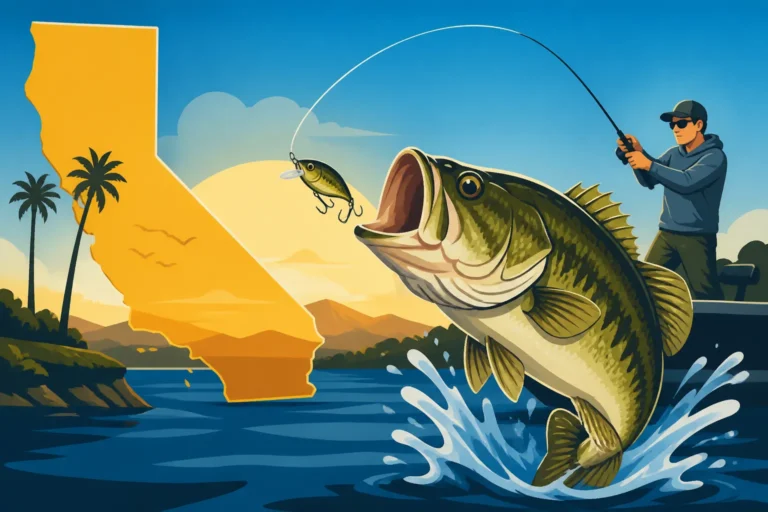
- Bass Fishing: Lakes like Clear Lake, Lake Shasta, and Diamond Valley Lake are renowned for their largemouth and smallmouth bass. Kayaks excel at targeting bass in shallow coves, around submerged structures, and along weed lines where larger boats can struggle. You can easily get into tight spots and make precise casts with topwater lures, soft plastics, or spinnerbaits.
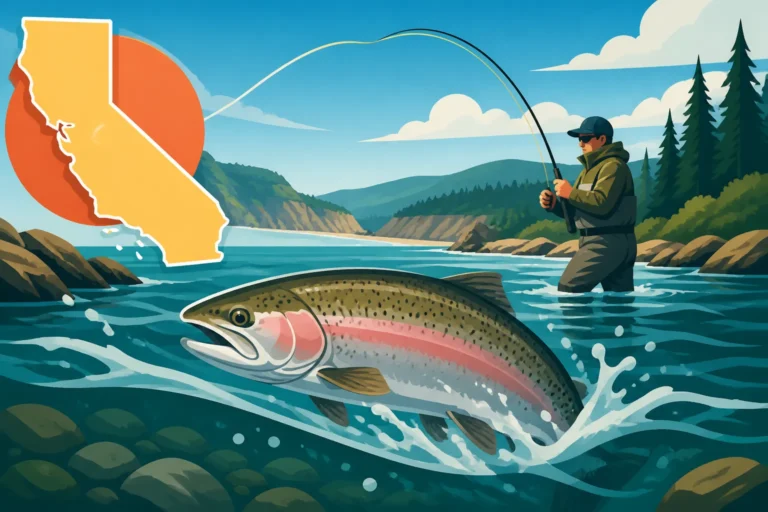
- Trout Fishing: The cooler, clearer waters of mountain lakes and reservoirs, especially in the Eastern Sierra, are perfect for trout. Kayaks allow you to troll with small spoons or lures, or simply drift and cast powerbait or worms near inlets and drop-offs. Lakes like Lake Tahoe and Crowley Lake offer incredible trout opportunities. Remember to check local California Trout Limits and Regulations.
- Panfish and Catfish: For a more relaxed day, target crappie, bluegill, or catfish. Kayaks are great for quietly approaching brush piles, docks, and submerged timber where these species like to hide. Using small jigs, worms, or cut bait can yield a lot of fun action.
Safety Considerations:
While generally calmer, freshwater lakes can still surprise you with sudden winds that can kick up chop. Always check wind forecasts before heading out. Large lakes can also have significant boat traffic, so remain visible and alert. Wearing your PFD is just as important here as it is anywhere else. Always be aware of your surroundings, especially if you're out on popular waters like Folsom Lake or Lake Berryessa, where powerboats are common.
Coastal Waters and Ocean Kayak Fishing
For the adventurous angler, California’s expansive coastline offers some of the most thrilling kayak fishing experiences, from chasing rockfish near shore to battling pelagic species offshore. This environment, however, demands greater experience, robust gear, and an unwavering commitment to safety.
Strategies and Species:
- Nearshore Rockfish and Lingcod: The rocky reefs and kelp forests along the coast are prime habitat for numerous rockfish species and lingcod. Kayaks allow you to hug the coastline, fish kelp beds, and target specific rock piles that boaters might pass over. Jigging with metal jigs or fishing with live or cut bait are effective techniques. Be sure to understand California Rockfish Regulations and Limits, which can vary by region and depth.
- Halibut and White Seabass: Bays and sandy nearshore areas are excellent for halibut. Kayak anglers often drift with live bait (like sardines or anchovies) or troll swimbaits. White seabass, a highly prized game fish, are often found in kelp beds or near structure and can be targeted with live squid or lures. Pay close attention to California Halibut Regulations and Limits.
- Pelagic Species (Tuna, Yellowtail, Dorado): This is the pinnacle of ocean kayak fishing and requires significant experience. Venturing several miles offshore, often launched from larger boats or specialized launches, kayak anglers target species like yellowtail, bluefin tuna, and dorado. Trolling with live bait or casting surface irons are common methods. This type of fishing is typically done in Southern California, offshore from San Diego, Orange County, or Los Angeles, and often requires a higher level of preparation and offshore rescue support.
Safety Considerations:
Ocean kayak fishing presents unique challenges:
- Swell and Surf: Launching and landing through surf can be dangerous. Always assess conditions carefully and know your limits.
- Currents and Tides: Strong currents can quickly pull you away from shore. Always check tide charts and current forecasts.
- Marine Traffic: Be highly visible with flags and bright clothing. Commercial and recreational boaters may not expect a kayak to be offshore.
- Weather Changes: Offshore weather can change rapidly. Fog can roll in quickly, and winds can pick up unexpectedly. A VHF radio is essential.
- Cold Water: Even on warm days, California's ocean water can be cold. Dress in layers, preferably non-cotton, and consider a wetsuit or drysuit for cooler months or offshore adventures. Never underestimate the ocean; always fish with a buddy when heading offshore, and file a float plan with someone on shore.
Bay and Estuary Adventures
California's many bays and estuaries offer a fantastic middle ground between calm freshwater and challenging open ocean conditions. They are rich ecosystems, teeming with a variety of fish species, and provide excellent opportunities for kayak anglers. Places like San Francisco Bay, Monterey Bay, Morro Bay, and San Diego Bay are prime examples.
Strategies and Species:
- Halibut and Leopard Sharks: Bays are famous for California halibut, which ambush baitfish along sandy bottoms. Kayak anglers can drift with live anchovies or swimbaits, covering a lot of ground. Leopard sharks are also common and offer a strong fight, often targeted with cut bait on the bottom.
- Striped Bass: In areas like the San Francisco Bay and the vast California Delta Fishing Guide, striped bass are a major draw. Kayaks are perfect for navigating the labyrinthine sloughs and channels, casting swimbaits, poppers, or live bait around structure and current breaks.
- Spotted Bay Bass and Calico Bass: Southern California bays, such as Mission Bay and San Diego Bay, are excellent for spotted bay bass. These smaller, aggressive bass hide around docks, pilings, and eelgrass beds, and are great fun on light tackle using small swimbaits or plastics.
Safety Considerations:
While generally more sheltered than the open ocean, bays and estuaries still have their own set of challenges:
- Tidal Currents: Tides can create powerful currents, especially near inlets and narrows. Plan your trips around slack tides if you want to avoid strenuous paddling.
- Boat Traffic: Bays are often busy with recreational boats, commercial vessels, and even larger ships. Maintain high visibility and be aware of their movements.
- Shallow Water: While a benefit for access, knowing tide heights is crucial to avoid getting stranded in extremely shallow areas at low tide.
- Navigation: With numerous channels, markers, and potential hazards, good navigation skills or a reliable GPS/fish finder are highly recommended.
Kayak fishing in California's bays and estuaries offers a rich and rewarding experience, combining the excitement of saltwater fishing with relatively calmer, more manageable conditions. It's a great stepping stone for those looking to gain experience before tackling the open ocean.
Understanding California Kayak Fishing Regulations
Navigating the rules and regulations can feel like a labyrinth, but it’s absolutely critical for any angler in California, especially for those venturing out in a kayak. Ignorance is definitely not bliss when it comes to fishing laws, and penalties can range from hefty fines to losing your fishing privileges. The California Department of Fish and Wildlife (CDFW) is the authority here, and their regulations are designed to protect fish populations and ensure sustainable fishing for everyone.
Fishing Licenses and Report Cards
Before you even think about putting a line in the water, you need to be properly licensed. This is true whether you’re fishing from shore, a boat, or a kayak.
- California Fishing License: Almost everyone aged 16 or older needs a valid California fishing license. This license allows you to fish in both freshwater and saltwater throughout the state. You can purchase one online through the CDFW website, at most sporting goods stores (like Big 5 Sporting Goods or Dick's Sporting Goods), or from licensed agents. It’s an annual license, typically valid from January 1st to December 31st. There are also short-term options, like a one-day or two-day license, perfect for visitors or those just trying out the sport. You can find detailed information on pricing and requirements in our comprehensive California Fishing License Guide.
- Report Cards: Beyond the general license, certain species require a separate report card. These are critical for CDFW to monitor specific fisheries and manage populations effectively.
- Steelhead Report Card: Required for fishing for steelhead trout. You must record your catch and effort and return the card by the deadline.
- Sturgeon Report Card: Mandated for white sturgeon fishing. Similar to steelhead, all catches and efforts must be recorded and the card returned.
- Salmon Report Card: While not a "card" in the same vein as steelhead or sturgeon, anglers targeting ocean salmon (Chinook/King Salmon) must be aware of specific regulations, seasons, and bag limits that are often subject to emergency closures or changes.
- Ocean Enhancement Stamp: If you're fishing in ocean waters south of Point Arguello (Santa Barbara County), you'll also need to purchase an Ocean Enhancement Validation. This additional stamp supports programs that enhance ocean recreational fishing.
Always carry your license and any required report cards with you while fishing. They must be readily available for inspection by a CDFW warden. Not having the proper documentation is an easy way to ruin a perfectly good fishing trip. For a deeper dive into all the rules, check out our article on California Fishing Regulations Explained.
Navigating Marine Protected Areas (MPAs)
California has a vast network of Marine Protected Areas (MPAs) along its coast, designed to conserve marine life and habitats. These are incredibly important for the health of our ocean, but they can be a source of confusion for anglers. MPAs have varying levels of protection, from "No-Take" State Marine Reserves where no fishing is allowed, to State Marine Conservation Areas where some fishing may be permitted under specific regulations.
- Understanding MPA Rules: It is your responsibility to know if you are in an MPA and what the specific regulations are for that area. Ignorance is not an excuse. Fishing in a "No-Take" zone, even by accident, can lead to significant fines and penalties.
- Using Maps and Resources: The CDFW provides excellent online maps and resources to help anglers identify MPAs and their boundaries. Mobile apps (like the Fishbrain app or the official CDFW app if available) often integrate these maps, making it easier to see your location relative to restricted zones in real-time on your phone or fish finder. Always consult these resources before heading out, especially if you're exploring a new coastal area. Familiarize yourself with the California Marine Protected Areas Explained guide.
- Boundary Markers: While some MPAs have buoy markers, many do not, relying solely on GPS coordinates. Therefore, relying on physical markers alone is not sufficient. Your GPS is your best friend here.
- Impact on Kayak Fishing: For kayak anglers, MPAs are particularly relevant because we often fish closer to shore and in smaller, more intricate areas that might be within an MPA. Always double-check your intended fishing spot against the MPA maps to avoid accidental violations.
Species-Specific Rules and Limits
Beyond general licenses and MPAs, California also has detailed regulations for individual fish species, covering everything from size limits and bag limits to seasons and gear restrictions. These vary significantly between freshwater and saltwater, and even by region within the state.
- Freshwater Regulations: If you're targeting bass, trout, or other freshwater species, you need to be familiar with the statewide and sometimes regional California Freshwater Fishing Regulations. For example, trout regulations can change based on the specific stream, lake, or even a section of a river, with some areas designated for catch-and-release only, artificial lures only, or specific barbless hook requirements. Bass often have minimum size limits to protect spawning fish.
- Saltwater Regulations: The ocean is equally complex. California Saltwater Fishing Regulations cover a vast array of species, from rockfish to tuna. For instance, rockfish have depth restrictions, seasonal closures, and specific bag limits that can change annually and vary by management area (e.g., Northern, Central, Southern California). Salmon season dates are often subject to federal and state closures and can change frequently. You'll need to know:
- Bag Limits: The maximum number of fish of a particular species you can keep per day.
- Size Limits: The minimum (and sometimes maximum) length a fish must be to be legally kept. Always measure carefully!
- Seasons: Specific dates when certain species can be fished, or when they are closed to fishing.
- Gear Restrictions: Some areas or species might have rules about hook type (e.g., barbless), number of hooks, or bait restrictions.
Always consult the most current CDFW Sport Fishing Regulations booklet or their online resources before each trip. Conditions and regulations can change, sometimes unexpectedly, especially for migratory species or those under conservation efforts. A quick check can save you a lot of trouble and ensure you're fishing legally and responsibly.
Mastering Kayak Fishing Techniques
Kayak fishing isn't just about putting a rod in a kayak; it's about adapting your angling skills to a unique platform. The way you paddle, position your boat, cast, and even handle a hooked fish all contribute to your success and enjoyment. While the core fishing techniques remain the same as from shore or a powerboat, the kayak adds its own layer of strategy and skill.
Paddling and Positioning for Success
Efficient paddling and precise boat control are the unsung heroes of successful kayak fishing. Your kayak is an extension of your body, and mastering its movement allows you to present your bait exactly where you want it.
- Efficient Paddling Strokes: Learn basic forward, reverse, and sweep strokes. A good forward stroke is smooth and powerful, propelling you with minimal effort. The sweep stroke is crucial for turning quickly. If you have a pedal-drive kayak, mastering the pedal motion for sustained speed and precise maneuvering is key. The goal is to move quietly and efficiently, minimizing disturbance to the fish.
- Holding Position: One of the biggest challenges in a kayak is staying in the right spot, especially in wind or current. Learn to "feather" your paddle or make subtle pedal adjustments to counteract drift. Using an anchor (a small 1.5-3 lb grapnel anchor is often sufficient) is invaluable for holding position over structure or in currents, allowing you to focus purely on fishing. Ensure you have an anchor trolley system for safe and versatile anchor deployment from bow or stern.
- Approaching Fishing Spots: Kayaks are stealthy. Use this to your advantage. Approach your intended fishing spot quietly, paddling smoothly and minimizing splashes. If fishing a shoreline, stay far enough offshore initially to make long casts, then move closer as you work the area. For targeting structure, approach from upwind or up-current, allowing you to drift silently over the spot. Always be mindful of your shadow and the sun's position; fish can be surprisingly wary.
Think of your kayak as a part of your fishing presentation. The less disturbance you create, the more likely you are to entice a bite. It takes practice, but once you get the hang of it, you'll feel completely at one with the water.
Effective Fishing Methods from a Kayak
Almost any fishing technique can be adapted for a kayak, but some are particularly effective from this low-profile vessel. The key is often simplification and efficiency.
- Casting and Retrieving: This is the bread and butter for many kayak anglers. Whether you're tossing lures for bass in a freshwater lake or throwing plastics for calico bass in a kelp forest, the kayak provides an excellent casting platform. Your low center of gravity can actually aid in powerful, accurate casts. Many anglers prefer shorter rods (6'6" to 7'6") for easier handling in the confined space of a kayak. Learn to cast with minimal body movement to maintain stability.
- Trolling: This is where pedal-drive kayaks truly shine, offering hands-free propulsion to troll lures or bait at a consistent speed. Even with a paddle kayak, you can troll effectively by putting your rod in a holder and maintaining a steady paddle stroke. Trolling is excellent for covering large areas, especially in open water for species like trout, salmon, or even offshore tuna. You can easily manage multiple lines (within legal limits) from a well-rigged kayak.
- Drifting: Drifting with the current or wind is a highly effective way to cover ground naturally, especially for bottom fish like halibut or even striped bass in a bay. Deploy your bait or lure and let the natural movement of the water present it to the fish. You can use a drift sock (a sea anchor) to slow your drift speed and provide better boat control, particularly on windy days. Adjusting your drift speed can be critical for different species.
- Bottom Fishing: For rockfish, lingcod, or other bottom dwellers, kayak anglers can effectively jig or bait fish directly over structure. Using your fish finder to locate schools or rock piles, then anchoring or holding position, allows for precise vertical presentations. This is often done with heavy jigs or dropper loop rigs with bait.
Whatever technique you employ, always be mindful of your line management. Tangled lines in a small kayak can quickly become a frustrating mess. Keep your deck clear and your tackle organized.
Anchoring and Drifting Strategies
Successfully managing your kayak's position with anchors and drift socks can be the difference between a frustrating day and a fantastic one.
- Anchor Trolley Systems: An anchor trolley is an essential piece of gear for any kayak angler planning to anchor. It's a rope system that runs from the bow to the stern of your kayak, allowing you to attach your anchor line and move it from one end of the boat to the other. This lets you orient your kayak precisely where you want it – either bow or stern into the current/wind – maximizing your casting angles and stability. Without a trolley, anchoring from a fixed point can leave your kayak broadside to the elements, making fishing difficult and potentially unsafe.
- Selecting the Right Anchor: For most kayak fishing, a small folding grapnel anchor (1.5 to 3 lbs) with about 50-100 feet of anchor line is perfect. The folding design makes it easy to store. In strong currents or deeper waters, you might need a slightly heavier anchor or a specialized claw anchor. Always consider the bottom type; a grapnel works well in rocky or soft bottoms, while a mushroom anchor might be better for purely muddy bottoms.
- Drift Socks/Sea Anchors: When you want to slow your drift without completely stopping, a drift sock is invaluable. This cone-shaped device deploys into the water, creating drag and reducing your drift speed significantly. This is particularly useful for finesse fishing, working a specific depth, or when the wind is pushing you too fast. They are often deployed from an anchor trolley or a cleat near the bow or stern. Using a drift sock can dramatically improve your presentation when fishing for species like halibut in strong tidal currents.
- Deploying and Retrieving Safely: Always deploy your anchor or drift sock carefully. Attach it securely to your anchor trolley or a dedicated cleat. When retrieving, take your time and coil your line neatly to avoid tangles. Never tie your anchor line directly to your body or an immovable part of the kayak without a quick-release system. In an emergency, you might need to release your anchor instantly.
Mastering these boat positioning techniques will not only make you a more effective angler but also a safer one. It gives you control over your environment, allowing you to focus on the fish.
Safety First: A Comprehensive Approach
When you’re out on the water in a kayak, you are directly exposed to the elements, and conditions can change in an instant. This means safety isn't just a casual consideration; it's the foundation of every successful and enjoyable kayak fishing trip. A comprehensive approach to safety means being prepared for the expected and having a plan for the unexpected.
Pre-Trip Planning and Weather Awareness
The best defense against a bad situation is thorough preparation. Never spontaneously launch your kayak without checking a few key things first.
- Check the Forecast Religiously: This is non-negotiable, especially for ocean or large lake fishing. Look beyond just temperature. Pay close attention to wind speed and direction, swell height and period (for ocean), and chances of fog or storms. California weather can be notoriously fickle, with conditions sometimes changing dramatically within an hour. Websites like NOAA Marine Forecasts, Windfinder, or local weather apps are your best friends. If the forecast looks marginal, reschedule. No fish is worth risking your safety.
- Know Your Launch and Landing Sites: Before you go, scout your launch and landing points. Are there any tricky surf breaks, strong currents, or obstacles? What are the parking conditions? Having a clear plan for entry and exit can prevent dangerous surprises. Consider the tides for coastal launches – you don't want to get stranded on a mud flat or face a huge shore break at low tide.
- File a Float Plan: Always tell someone on shore where you are going, your expected return time, and who is with you. Give them a description of your kayak and vehicle. If you don't check in by your designated time, they should know to contact authorities. This simple step can be a lifesaver if you encounter an emergency and can't call for help yourself.
- Gear Check: Before you load up, do a quick check of all your gear. Is your PFD in good condition? Are your paddle and leash secure? Is your communication device charged? Are there any cracks or leaks in your kayak? A few minutes of inspection can prevent equipment failure on the water.
Self-Rescue and Emergency Protocols
Even with the most stable fishing kayak, a capsize is always a possibility. Knowing how to get back into your boat (self-rescue) is a fundamental skill every kayak angler must master.
- Practice Self-Rescue: Don't wait for an actual capsize to learn this. On a warm day, in calm, shallow water, practice flipping your kayak and re-entering it. There are several techniques, but the most common for SOT kayaks is the "scramble" or "cowboy" re-entry. It's tough, especially with a fully rigged boat, but practice builds muscle memory and confidence. The more gear you have on deck, the harder it will be, so think about what can be secured.
- Dress for the Water Temperature: This is a critical point that many overlook. In California, even on a warm summer day, the ocean water can be surprisingly cold (50s-60s°F), and even mountain lakes can be frigid. If you fall in, hypothermia can set in quickly. Always dress for immersion. This means wetsuits, drysuits, or appropriate synthetic layers that retain warmth when wet, rather than cotton, which offers no insulation once soaked.
- Emergency Contact and Signaling: In addition to your cell phone (in a waterproof case), carry a marine whistle or air horn to attract attention. For offshore trips, a VHF marine radio is far superior for communication with other vessels and the Coast Guard than a cell phone, which often loses signal quickly. Consider a personal locator beacon (PLB) or satellite messenger for remote areas, which can transmit your location to rescue services.
- Stay with Your Kayak: If you do capsize and cannot re-enter, always stay with your kayak. It is a much larger and more visible object in the water than you are. Hold onto it, and wait for rescue. Your PFD will keep you afloat.
These are not "if" situations, but "when" situations. The more prepared you are for an emergency, the safer and more enjoyable your time on the water will be.
Essential Communication and Navigation Tools
In today's world, technology plays a huge role in keeping kayak anglers safe and on track. These tools aren't just conveniences; they're vital safety nets and navigational aids.
- Waterproof Communication Devices:
- Cell Phone: A smartphone in a certified waterproof case (like those from brands such as OtterBox or LifeProof, or a simple dry bag pouch you can pick up on Amazon) is your most basic form of communication. Make sure it's fully charged. However, be aware that cell service can be unreliable in many remote or offshore California fishing areas.
- VHF Marine Radio: For any offshore or open water kayak fishing, a handheld VHF marine radio is a far superior option. It allows direct communication with other boats, marine patrol, and the Coast Guard. It operates independently of cell towers, and even basic models have a "Distress" button (Channel 16) for emergencies. Many newer models are waterproof and float.
- Satellite Messengers/PLBs: For extreme offshore trips or very remote freshwater locations, a satellite messenger (like a Garmin inReach or Zoleo) or a Personal Locator Beacon (PLB) is the ultimate safety net. These devices can send emergency signals and your GPS coordinates to rescue services even when there's no cell signal, and satellite messengers often allow two-way text communication.
- GPS and Navigation:
- Fish Finder with GPS: Many modern fish finders designed for kayaks come with built-in GPS capabilities. These units not only show you fish and structure but also display charts, mark waypoints, and help you navigate back to your launch point. They are invaluable for exploring new areas and avoiding hazards.
- Offline Maps: Supplement your electronic devices with physical maps or downloaded offline maps on your phone. This provides a backup if your electronics fail or run out of battery. Apps like Gaia GPS or Navionics (for marine charts) allow you to download maps for offline use.
- Compass: A simple, reliable compass is an excellent, low-tech backup navigation tool. Learn how to use it in conjunction with a map.
Remember to keep all essential electronics charged and protected in waterproof containers. A power bank is a great idea for extending the life of your cell phone or fish finder on longer trips. Being able to communicate and navigate effectively drastically reduces your risk on the water.
Top Kayak Fishing Spots in California
California is truly a kayak angler's paradise, offering an unparalleled diversity of fishing environments. From the rugged north to the sunny south, there are countless places to launch your kayak and chase your favorite species. Here are just a few iconic examples across the state that represent the incredible variety you'll encounter.
Northern California Gems
Northern California offers a mix of wild rivers, vast lakes, and dramatic coastline perfect for kayak fishing.
- Clear Lake (Lake County): Widely considered the "Bass Capital of the West," Clear Lake is a dream come true for kayak bass anglers. Its relatively shallow, fertile waters are home to trophy-sized largemouth bass. Kayaks allow you to quietly maneuver through the extensive tule beds, around submerged brush, and into secluded coves that are inaccessible to larger boats. The calm mornings are ideal for topwater action, while pitching jigs or Texas-rigged plastics into heavy cover is productive throughout the day. You can easily spend an entire day exploring a single section of the lake.
- The California Delta: This immense network of waterways, covering over 1,000 miles of navigable channels and sloughs, is a prime destination for striped bass, largemouth bass, and even sturgeon. Kayak anglers can explore the labyrinthine channels, targeting current breaks, submerged structure, and weed lines. The Delta can be complex and currents can be strong, so good navigation skills are a must. Launching from small boat ramps or accessible shorelines gives you an edge in reaching less-pressured areas. For more details on this unique fishery, check out our California Delta Fishing Guide.
- Humboldt Bay (Eureka): For saltwater enthusiasts in Northern California, Humboldt Bay offers excellent opportunities for halibut, leopard sharks, and various surfperch species. The protected waters of the bay are generally calmer than the open ocean, making it a great place for bay fishing in a kayak. Drifting live bait or swimbaits for halibut is a popular technique, while fishing cut bait on the bottom will attract leopard sharks. The bay also provides opportunities for crabbing from a kayak during season.
Central Coast Havens
The Central Coast is known for its stunning beauty and rich marine life, offering fantastic nearshore kayak fishing for a variety of species.
- Monterey Bay (Monterey/Santa Cruz): This iconic bay is a prime spot for kayak anglers, offering opportunities for rockfish, lingcod, and even salmon when the season allows. Kayaks are ideal for navigating the edges of the vast kelp forests, jigging for rockfish or casting swimbaits for lingcod around rocky structure. During the salmon season, trolling hoochies or bait with downriggers can be highly effective. The bay can get windy in the afternoons, so early mornings are often best. You can find more information about this area in our Monterey Bay Fishing Guide.
- Morro Bay (Morro Bay): Similar to Humboldt Bay, Morro Bay is another excellent, protected estuary that's perfect for kayak fishing. Anglers target halibut, bay bass, and a variety of perch species here. The calm waters inside the bay are perfect for drifting with live bait or plastics. The dramatic backdrop of Morro Rock adds to the scenic experience. Be mindful of boat traffic, especially near the main channel.
- Eastern Sierra Lakes (Owens Valley to Mammoth Lakes): While technically inland, the Eastern Sierra's high-alpine lakes are legendary for trout fishing. Lakes like Crowley Lake, Convict Lake, and Lake Sabrina are stunningly beautiful and packed with rainbow, brown, and cutthroat trout. Kayaks allow you to reach prime trolling lanes, access remote inlets, and work areas that shore anglers can't reach. Trolling small spoons or spinners, or fly fishing from your kayak, are incredibly productive methods here. The serene environment is truly an experience in itself.
Southern California Hotspots
Southern California is a hub for ocean kayak fishing, known for its vibrant inshore and offshore fisheries.
- San Diego Bay (San Diego): A true kayak fishing mecca, San Diego Bay offers year-round opportunities for a multitude of species. Kayak anglers target spotted bay bass around docks, pilings, and eelgrass beds using light tackle and plastics. Halibut are abundant and can be caught by drifting live bait or swimbaits over sandy flats. Leopard sharks, corvina, and even small striped bass can also be found here. The bay's relatively calm waters make it accessible to most kayak anglers, but boat traffic can be heavy. Read our specific guide for San Diego Fishing Spots for more in-depth info.
- La Jolla Shores (San Diego): This open ocean stretch near La Jolla offers a unique kayak fishing experience. The calm launch through the surf zone often leads to productive waters for yellowtail, white seabass, and rockfish. Kayak anglers often paddle out a mile or two to target kelp beds for calico bass and yellowtail, or deeper waters for rockfish. The La Jolla submarine canyon creates upwellings that attract bait, and consequently, bigger game. This area is more exposed and requires good ocean conditions and experienced kayakers.
- Channel Islands (Ventura/Santa Barbara): For the ultimate offshore kayak fishing adventure, the Channel Islands are unparalleled. Access is usually via a private boat or a commercial ferry that allows kayaks. Once there, kayak anglers can explore the rich kelp forests and rocky structure for trophy calico bass, white seabass, yellowtail, and a variety of rockfish. This is advanced kayak fishing, requiring extensive preparation, excellent weather, and a solid understanding of offshore safety. The sheer beauty and abundant marine life make it an unforgettable experience.
These are just a taste of the incredible kayak fishing California has to offer. Always do your research, check local regulations, and prioritize safety no matter where you choose to launch your kayak. The adventure awaits!
Maintenance and Care for Your Kayak Fishing Setup
You’ve invested time, effort, and money into your kayak fishing setup, and just like any cherished piece of equipment, it needs proper care to ensure its longevity and performance. Regular maintenance not only keeps your gear in top shape but also ensures your safety and enjoyment on every trip. Neglecting your kayak and equipment can lead to premature wear, costly repairs, or worse, critical failures out on the water.
Post-Trip Cleaning and Storage
The moments after you get off the water are crucial for the long-term health of your kayak and gear, especially after fishing in saltwater.
- Rinse Thoroughly: This is probably the most important step, particularly for saltwater anglers. Saltwater is corrosive and can damage kayak components, fishing reels, and electronic connections over time. As soon as possible after your trip, rinse your kayak, paddles, PFD, and all fishing gear with fresh water. Pay special attention to pedal drives, rod holders, and any metal components. A garden hose works perfectly. For fishing reels, a light spray and then allowing them to air dry is usually sufficient – avoid blasting water directly into the internal mechanisms.
- Remove All Gear: Take everything out of your kayak. This allows for thorough cleaning of the interior and prevents forgotten bait or wet items from growing mold or mildew. Empty dry bags and hang them open to air out.
- Clean the Kayak Interior and Exterior: Use a mild soap and water solution (like car wash soap or even dish soap) and a soft brush or sponge to clean off any grime, fish slime, or algae. This keeps your kayak looking good and prevents the buildup of substances that can degrade the plastic over time. For inflatable kayaks, ensure they are completely dry before deflating and storing to prevent mildew.
- Proper Drying: Allow all your gear, including your kayak, to thoroughly air dry before storing. Storing wet gear is an open invitation for mold, mildew, and unpleasant odors. If possible, store your kayak upside down or on its side to drain any residual water from scupper holes.
- Shade Storage: Store your kayak out of direct sunlight. UV rays are the enemy of plastic kayaks, causing them to degrade, become brittle, and fade over time. A garage, shed, or under a tarp is ideal. If storing outdoors, use a UV-resistant kayak cover. Storing your kayak on its side or on specialized kayak racks (instead of flat on the ground) helps prevent hull warping.
Gear Inspection and Repair
Regularly inspecting your gear for wear and tear can prevent small issues from becoming big problems that could leave you stranded or without essential equipment.
- Kayak Hull and Components: Periodically inspect your kayak’s hull for cracks, deep scratches, or dings. Minor scratches are normal, but deeper damage might require patching or repair. Check scupper plugs, hatches, and rudder systems (if applicable) for proper function. Ensure all screws and bolts on accessories (like rod holders or track mounts) are tight.
- Paddle Inspection: Check your paddle blades for cracks and the shaft for any bends or damage. Ensure the ferrule (the connection point on two-piece paddles) is secure.
- PFD Check: Look for any tears in the fabric, ensure all zippers and buckles are working, and check that the flotation foam isn't compressed or damaged. A damaged PFD might not provide adequate flotation.
- Electronics Maintenance: If you have a fish finder, check the transducer cable for nicks or cuts. Ensure battery terminals are clean and free of corrosion. Recharge batteries after each trip, especially if you have a multi-day trip planned.
- Rod and Reel Care: Beyond rinsing, periodically clean and lubricate your fishing reels according to the manufacturer's instructions. Inspect rod guides for cracks or missing inserts, which can fray your line. Check your line for nicks or abrasions after each trip and respool as needed. You can find specialized reel lubricants and cleaning kits on Amazon.
- Safety Gear Assessment: Regularly check your whistle, lights, and communication devices to ensure they are functioning and fully charged. Replace expired batteries in lights or PLBs.
Addressing small issues proactively can save you a lot of hassle and expense down the line, ensuring your gear is always ready for your next adventure.
Kayak Transportation and Launching Tips
Getting your kayak to and from the water safely and efficiently is a key part of the kayak fishing experience. Improper handling can damage your boat or yourself.
- Roof Racks and Tie-Downs: Invest in a proper roof rack system for your vehicle (j-cradles, stackers, or saddles are common). Always use multiple strong tie-down straps (e.g., cam straps, not bungee cords) to secure your kayak firmly to the rack. The front and rear of the kayak should also be secured to the front and rear of your vehicle (bow and stern lines) to prevent lift and sway at highway speeds. Over-tightening can deform your hull, so aim for snug but not crushing.
- Kayak Carts/Dollys: For transporting your kayak from your vehicle to the water, a kayak cart is an absolute game-changer. These wheeled devices allow you to easily roll your kayak, often fully loaded with gear, across various terrains. This saves your back and prevents dragging your kayak, which can cause damage.
- Launching and Landing: Practice safe launching and landing techniques.
- Calm Waters: In calm lakes or bays, a simple slide-in from the bank or a gentle push off a dock works well. For sit-on-top kayaks, you can often just sit on the kayak and paddle off.
- Surf Zones: This is where things get tricky. Never turn your back on the waves. Time your launch between sets of waves. Paddle aggressively to get through the break as quickly as possible. For landing, try to ride a smaller wave straight into shore, keeping your bow pointed directly at the beach. Brace for impact and be ready to jump out quickly. If in doubt about surf conditions, find a calmer launch or postpone your trip.
- Team Lift vs. Solo Lift: Whenever possible, use a buddy to lift and move your kayak, especially heavier pedal-drive models. If lifting solo, use proper lifting techniques (lift with your legs, not your back). Consider specialized loading aids for your vehicle if you frequently paddle alone.
By taking care of your kayak and gear, you’ll not only extend their lifespan but also enhance your overall enjoyment and safety on every single California kayak fishing expedition.
Disclaimer
The information provided in this guide is for general informational purposes only and is based on publicly available knowledge and typical regulations. Fishing regulations in California, including seasons, bag limits, and marine protected area rules, can change frequently and without prior notice. It is solely the angler's responsibility to consult the most current California Department of Fish and Wildlife (CDFW) Sport Fishing Regulations booklet or their official website (wildlife.ca.gov) before each fishing trip. Always prioritize safety, understand your personal limits, and be prepared for changing conditions on the water.