Best Fishing Techniques for California Waters
California's waters are a true angler's paradise, but let's be honest, the sheer diversity can feel overwhelming. From the placid lakes of the Sierra Nevada to the roaring Pacific, each environment demands a unique approach, leaving many folks scratching their heads about where to even begin. This guide is going to strip away that confusion, breaking down the best, most effective fishing techniques for California's incredibly varied waters, so you can spend less time guessing and more time reeling in that dream catch.
Understanding California's Diverse Fishing Environments
Before we even cast a line, it's crucial to understand that California isn't just one big fishing hole. It's a collection of vastly different aquatic ecosystems, each with its own set of challenges and rewards. What works in a high-alpine lake will absolutely not work for deep-sea rockfishing, and trying to apply a surf fishing technique to a river might just get you tangled. Recognizing these distinct environments is the first step toward becoming a versatile and successful angler here.
Freshwater Lakes and Rivers
Our freshwater environments are a world unto themselves. Think about the cool, clear waters of the Eastern Sierra, teeming with trout, or the vast, bass-filled reservoirs like Clear Lake and Diamond Valley Lake in other parts of the state. Rivers, from the mighty Sacramento to the technical Truckee River, offer an entirely different experience. Each of these spots has its own nuances, from water temperature and clarity to the type of forage available for the fish.
When you're fishing freshwater, you're often dealing with specific structures like submerged timber, rock piles, drop-offs, and weed lines in lakes, or riffles, runs, and deep pools in rivers. Understanding how fish relate to these structures – where they feed, where they hide from predators, where they seek refuge from currents – is paramount. For instance, trout in a river will often hold in the slower water behind a rock or in a deep pool, waiting for insects to drift by, while a largemouth bass in a lake might be hunkered down in a dense weed bed, ready to ambush prey. Knowing the typical behavior of the species you're targeting in these varied freshwater settings is key.
Moreover, California's freshwater fishing regulations can be quite specific, with different rules for various regions and even individual bodies of water. For example, some rivers might be "wild trout" waters with strict catch-and-release rules and specific gear restrictions, while others are heavily stocked and allow for more liberal harvest. Always double-check the current California Freshwater Fishing Regulations before you head out. This due diligence ensures you're not only fishing effectively but also legally and sustainably.
Coastal Piers, Beaches, and Bays
Then we swing over to the salty side of things, specifically the areas accessible without a boat. California's coastline is absolutely packed with opportunities, from bustling fishing piers to serene sandy beaches and intricate bay systems. Each of these coastal spots presents a unique set of variables that dictate your approach.
Piers, for instance, offer access to deeper water without a boat and are fantastic for targeting a wide variety of species, from mackerel and bonito to halibut and even sharks. The challenge here is often dealing with crowds and understanding how to effectively fish around pilings and structures that hold baitfish. Beaches, on the other hand, require reading the surf, identifying rips, troughs, and depressions where surfperch, corbina, and even leopard sharks might be cruising. You're constantly battling waves and shifting sand, which requires a specific set of casting and rigging skills. For more information, check out our California Surf Fishing Guide.
Bays, like San Francisco Bay or Morro Bay, combine elements of both, offering protected waters with diverse habitats ranging from shallow mudflats to deeper channels and rocky jetties. Here, you might be targeting striped bass, leopard sharks, or California halibut, often requiring techniques that account for tidal currents and the abundance of baitfish like anchovies and sardines. The constantly changing tides are a huge factor in bay fishing, often dictating when and where the fish will feed. You can learn a lot by observing seasoned anglers on these piers or bays; they often have generations of knowledge about the local currents and fish movements. For more details on these accessible spots, our guide to the Best Fishing Piers in California is a great resource.
Offshore and Deep-Sea Waters
Finally, for those who crave the open ocean and the thrill of big game, California's offshore and deep-sea waters beckon. This is where you find the pelagic species – tuna, yellowtail, dorado – and the various rockfish and lingcod that inhabit deeper reefs and structures. This realm requires specialized boats, equipment, and a robust understanding of ocean conditions.
Offshore fishing can mean anything from a short run to a local kelp paddy for yellowtail to multi-day long-range trips into Mexican waters for trophy tuna. The techniques here often involve trolling, live baiting, and heavy jigging, sometimes in hundreds or even thousands of feet of water. Understanding ocean currents, water temperature breaks, and the migration patterns of baitfish is absolutely critical. This isn't just about finding fish; it's about finding the right kind of water where those fish are actively feeding.
Deep-sea bottom fishing, usually for rockfish and lingcod, takes you to submerged reefs, wrecks, and canyons. Here, you're dropping heavy jigs or bait rigs down to the ocean floor, often targeting specific depth ranges due to conservation efforts and regulations like the California Rockfish Depth Restrictions. These trips often involve charter boats or private vessels equipped with advanced sonar and GPS to pinpoint structure. Whether you're chasing a massive bluefin tuna far offshore or filling your cooler with delicious rockfish, the deep blue demands respect, preparation, and a willingness to adapt to ever-changing conditions.
Essential Freshwater Fishing Techniques
Now that we've got a handle on the varied environments, let's dive into the nuts and bolts of how we actually catch fish in those beautiful California freshwater spots. These techniques are tried and true, and with a little practice, you'll be well on your way to a successful day on the water.
Trolling for Trout and Kokanee
Trolling is a fantastic technique, especially popular in California's larger lakes and reservoirs, for species like rainbow trout, brown trout, and kokanee salmon. It involves dragging lures or bait behind a slow-moving boat, covering a lot of water and presenting your offering to fish that might be suspended at various depths. The key here is presenting your bait naturally and consistently.
To do this effectively, you'll need a good trolling setup. Downriggers are common tools that allow you to precisely control the depth of your lure, getting it down to where the fish are holding, which can often be 20 to 100 feet or more, especially in deeper, clearer lakes. Without a downrigger, you can still troll with lead core line, diving planners, or weighted lures, though depth control is less precise. Typical lures for trolling include small spoons like Needlefish or Triple Teazers, mini hoochies, or various dodgers and flashers rigged in front of a bait like a piece of Gulp! or a nightcrawler. The speed of your troll is crucial – often between 1.5 to 3 miles per hour – as it affects the action of your lure. Pay close attention to your fish finder; it's your best friend for locating schools of baitfish and suspended game fish. If you're struggling to locate fish or understand the nuances of the water, considering a guided trip for California Trout Guide Trips can really accelerate your learning curve.
One of the frustrating parts of trolling can be the trial and error involved in finding the right depth, speed, and lure combination on any given day. Factors like sunlight, water temperature, and even boat traffic can change what the fish are willing to strike. Don't be afraid to experiment with different colors, sizes, and even different types of bait. Sometimes a subtle change in your presentation, like adding a bit of scent to your lure or switching to a slightly larger dodger, can make all the difference. Keep a log of what worked and when; it will pay dividends in future trips.
Bass Fishing with Lures and Plastics
Bass fishing is practically a religion in many parts of California, particularly in the Central Valley and Southern California reservoirs. Largemouth, smallmouth, and spotted bass are all aggressive predators that respond incredibly well to artificial lures and soft plastics. The diversity of bass fishing techniques is vast, allowing anglers to adapt to different water conditions, cover, and fish moods.
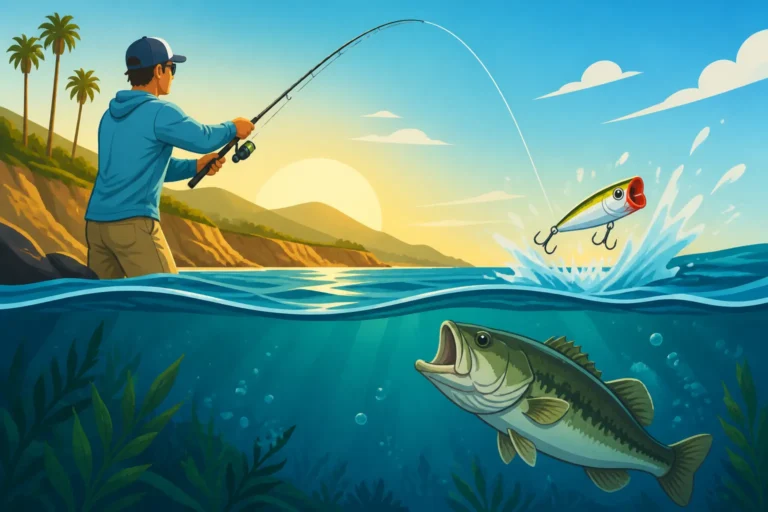
One popular technique is throwing reaction baits like crankbaits, spinnerbaits, or swimbaits. These are designed to provoke an aggressive strike from bass that are actively feeding or defending their territory. For example, a shallow-diving crankbait might be perfect for ripping through emergent grass, while a deep-diving model could be effective for probing submerged points and humps. Another highly effective approach, especially when bass are sluggish or hiding in heavy cover, is fishing with soft plastics. Techniques like Texas rigging, Carolina rigging, or wacky rigging worms and creature baits allow you to present a more subtle, natural offering. These can be incredibly effective for flipping into dense lily pads or pitching under docks, giving the bass an easy meal that's hard to resist. The key here is often patience and feeling for those subtle bites that can sometimes feel like nothing more than a slight tick on your line. You can find a vast array of these specialized bass lures and plastics on Amazon.
Understanding bass behavior is paramount. During the spawn, for instance, bass are extremely protective of their nests, making sight-fishing with soft plastics a highly effective tactic. In warmer months, they might move to deeper, cooler water, or suspend near thermoclines, requiring different presentations. Reading the cover and structure – whether it's submerged trees, rock walls, or weed lines – and understanding how bass utilize it for ambush points is crucial. Our California Bass Fishing Techniques guide offers even more insights into this exciting pursuit.
Fly Fishing in Streams and Rivers
Fly fishing in California is an art form, especially in the state's pristine streams and rivers, targeting everything from wild rainbow trout and brown trout to the elusive steelhead. It’s a technique that emphasizes presentation, matching the hatch, and a deep understanding of entomology and water dynamics.
There are several core fly fishing techniques. Dry fly fishing, perhaps the most iconic, involves presenting an artificial fly that imitates an adult insect on the water's surface. This is incredibly exciting when fish are actively rising, and seeing a trout slurp your perfectly placed fly is an unforgettable experience. Nymphing, on the other hand, targets fish feeding subsurface on insect larvae and pupae. This often involves weighting your leader or using an indicator to detect the subtle takes of fish. Streamer fishing uses larger, baitfish-imitating flies to target larger, more aggressive predatory fish. Each technique requires specific casting skills and a nuanced understanding of how to "read" the water to identify feeding lanes, holding lies, and ambush points for the fish. For those new to the sport, checking out a local fly shop like The Fly Shop in Redding can be invaluable for local advice and gear.
The real challenge and beauty of fly fishing lie in its intricate details. Choosing the right fly, based on the prevalent insect activity ("matching the hatch"), is critical. Your cast needs to be delicate and accurate, allowing the fly to drift naturally with the current, free of drag. This "dead drift" is often what triggers a strike. Moreover, understanding how water current affects your line and fly, and making subtle mends to keep your presentation perfect, separates casual casters from successful anglers. It’s a rewarding learning curve, and places like the Eastern Sierra offer some of the best fly fishing opportunities in the state.
Effective Saltwater Shore and Bay Fishing Methods
Stepping out of the freshwater and onto the coast, California offers an entirely different playbook for anglers. Shore and bay fishing provide incredible access to a diverse array of species without needing a boat, making them popular and often highly productive options.
Surf Fishing for Perch and Corbina
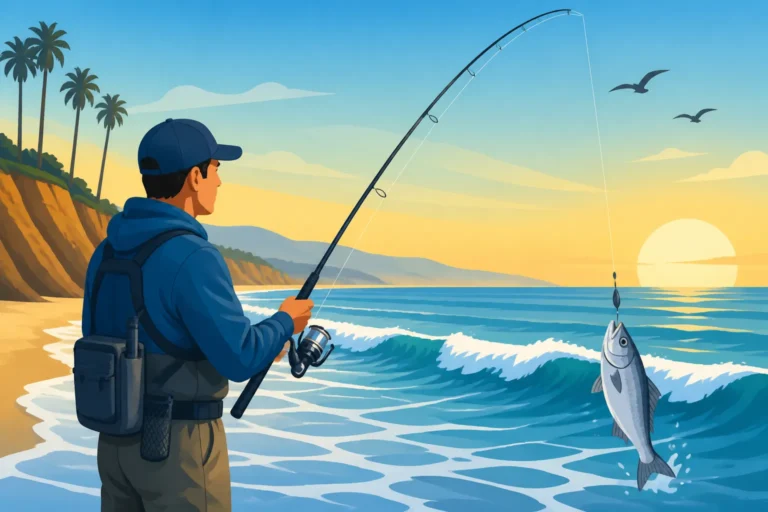
Surf fishing is a quintessential California experience, especially on the long stretches of sandy beaches from Southern California up to the central coast. Targeting species like barred surfperch and corbina requires a specific set of skills to navigate the dynamic environment of the breaking waves.
The primary technique for surf fishing involves casting relatively heavy sinkers and bait rigs into the wash, where waves churn up sand and expose marine invertebrates. A classic setup is a "Carolina rig" or a "hi-lo" rig with a pyramid or Sputnik sinker to hold bottom in the surf. For bait, sand crabs are king for corbina and larger perch, while Gulp! sandworms or small pieces of mussel work wonders for smaller perch. The key is to cast beyond the breaking waves, into the deeper troughs or guts where fish often feed, and then slowly retrieve, feeling for the subtle tugs. Understanding the structure of the beach – identifying sandbars, troughs, and rip currents – is paramount, as these are the highways and feeding grounds for surf fish. Fish often feed in the areas where waves are breaking on the outer bars, and then move into the deeper troughs closer to shore on an incoming tide.
Patience is a virtue in surf fishing. You're often waiting for schools of fish to move through your area, and the bite can turn on or off with the tide. Casting long distances helps, but accuracy is also important, aiming for those darker patches of water or areas where baitfish might be congregating. You'll often find yourself making countless casts, but the reward of a hard-fighting barred surfperch or a prized corbina makes it all worthwhile. Always be mindful of the incoming tide and rogue waves; safety on the beach is just as important as on a boat. For a deeper dive, read our guide on California Surf Fishing Tips and Techniques.
Pier and Jetty Fishing Strategies
Piers and jetties are incredibly popular fishing spots, offering easy access to deeper water and a variety of species that might otherwise require a boat. However, they demand their own distinct set of strategies to be truly successful.
On piers, you’ll often see anglers using a range of techniques. Dropping sabiki rigs or small baitfish jigs straight down is incredibly effective for catching bait like mackerel, sardines, and anchovies, which can then be used as live bait for larger predators. For general bottom fishing, a simple hi-lo rig with cut bait (squid, anchovy, or shrimp) or a Carolina rig with a heavier sinker can catch anything from halibut and croaker to various perch and even small sharks. Casting parallel to the pier or jetty, especially near the pilings or rocks, can be productive as these structures hold bait and provide ambush points for larger fish. Fishing around high tide is often best, as the rising water brings bait closer to the pier and allows predators to move into shallower feeding grounds. The convenience of not needing a boat makes pier fishing highly accessible, but remember to always clean up after yourself and respect other anglers. Check out Fishing from a Pier in California: Rules to ensure you're compliant.
Jetties, with their rock structure, offer a different dynamic. Here, you're often targeting rock-dwelling species like cabezon, greenling, and sometimes even lingcod, in addition to the usual suspects. A common technique is to fish with heavier tackle and a sturdy bait (like a large piece of squid or a whole anchovy) on a Carolina rig, slowly dragging it along the bottom between the rocks. Jigging with metal jigs or soft plastics near the jetty structure can also be very effective for bass and other predators. Be prepared to lose some tackle to snags in the rocky terrain, so bring plenty of extra hooks and sinkers. Safety is paramount on jetties – waves can be unpredictable, and the rocks can be slippery. Always wear appropriate footwear and be aware of your surroundings.
Bay Fishing for Halibut and Striped Bass
California's bays are fertile fishing grounds, particularly for California halibut and striped bass, two highly sought-after species that require specific techniques to target effectively. Bay fishing often involves understanding tidal currents and using live bait or lures that mimic the local forage.
For California halibut, drift fishing with live bait is one of the most productive methods. This involves drifting with the current, presenting a live anchovy, sardine, or shiner perch on a Carolina rig or a lead-head jig tipped with bait. The key is to keep your bait close to the bottom as you drift, letting it cover ground and search for these flatfish. Halibut often bury themselves in the sand or mud, ambushing prey that swims overhead, so covering a wide area with a natural presentation is crucial. Pay attention to changes in depth and structure on your fish finder; halibut often congregate on ledges, drop-offs, or near the mouths of channels. Finding the right drift speed, often achieved by using a drift sock or sea anchor, is critical for presenting your bait effectively.
Striped bass in bays, especially in areas like San Francisco Bay or the California Delta, can be targeted with both live bait and a variety of artificial lures. Trolling with plugs or swimbaits is effective in open channels, mimicking the baitfish they feed on. Casting soft plastics, swimbaits, or topwater lures around structure like pilings, jetties, or submerged humps can also be very productive, especially during periods of strong tidal flow when stripers are actively ambushing bait. The bite for stripers can be ferocious, and they're known for their powerful runs. Understanding the California Striped Bass Regulations is essential, as limits and seasons can vary. The best times for both halibut and stripers in the bays are often around the incoming or outgoing tides, when currents stir up bait and create feeding opportunities.
Mastering Offshore and Deep-Sea Techniques
When you venture beyond the immediate coastline, into the deeper, cooler waters of the Pacific, a whole new world of fishing opens up. Offshore and deep-sea techniques are designed to target larger, often migratory species, and require specialized gear and knowledge of ocean conditions.
Jigging and Live Bait for Tuna and Yellowtail
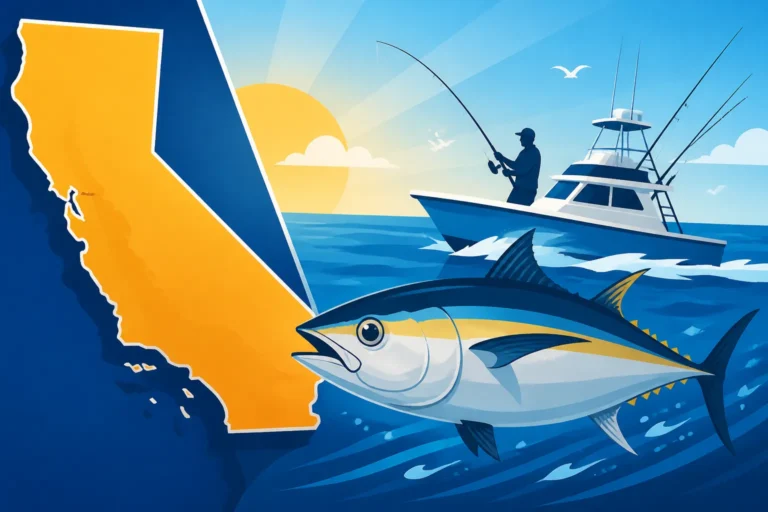
For many California anglers, the pinnacle of offshore fishing is chasing highly migratory species like bluefin tuna, yellowtail, and occasionally yellowfin tuna. These powerful fish demand dynamic techniques that capitalize on their aggressive feeding behaviors.
One of the most exciting and effective methods is jigging, particularly "yo-yo" jigging or vertical jigging. This involves rapidly dropping heavy metal jigs, often weighing several ounces to over a pound, to the depth where fish are marked on the sonar, and then cranking them back up with a fast, erratic motion. The goal is to mimic a fleeing baitfish and trigger a reaction strike. This is physically demanding but incredibly rewarding when a tuna or yellowtail absolutely crushes your jig. Another highly productive method, especially when fish are in a feeding frenzy or being shy, is live baiting. This typically involves catching fresh baitfish like anchovies or sardines with sabiki rigs, then "fly-lining" them (casting them out with minimal weight) or slow-trolling them behind the boat. The natural action of a struggling live baitfish is often irresistible to predatory tuna and yellowtail. Many anglers rely on reputable bait receivers or commercial bait boats before heading out. For in-depth strategies on these prized catches, consult our guide on California Yellowtail Fishing Guide and How to Catch Bluefin Tuna off California.
The key to success with these techniques often lies in being observant and adaptable. Watch for signs of feeding activity – diving birds, boiling water, porpoise schools – as these are often indicators of tuna and yellowtail feeding on bait below. Having a good fish finder is critical for marking schools and understanding their depth. Also, pay attention to the captain and crew on party boats; they often have the latest intel on what's working. Don't be afraid to experiment with different jig colors and sizes, or try varying your retrieve speed. Sometimes a slight change is all it takes to trigger a bite.
Trolling for Pelagics
Trolling is a cornerstone technique for pelagic species in California's offshore waters, particularly for albacore and bluefin tuna, dorado (mahi-mahi), and wahoo. It's a method of covering large areas of open ocean, presenting multiple lures simultaneously to intercept fast-moving schools of fish.
A typical trolling spread involves multiple lines, each with a different lure, set at varying distances and depths behind the boat. This creates a "school" of lures that mimics baitfish, making it easier for predators to spot. Popular lures include cedar plugs, plastic skirts, diving plugs, and artificial squid, often rigged with a stinger hook. The boat typically cruises at speeds ranging from 6 to 10 knots, depending on the target species and ocean conditions. When a fish strikes, the rod bends violently, and the reel screams, creating an exhilarating experience known as a "tuna stop." The rest of the crew then springs into action, clearing lines and preparing for multiple hook-ups, as tuna often travel in schools. For more detailed insights, our guide to California Albacore Season Explained offers valuable information.
Understanding oceanography plays a huge role in successful trolling. Anglers often look for "temperature breaks" – areas where distinct temperature changes occur, which can concentrate baitfish and, consequently, predators. Color changes in the water, current lines, and weed lines (especially for dorado) are also prime targets. Having a reliable fish finder and knowing how to read ocean charts (which show sea surface temperature) can drastically increase your chances. Keeping your lures in the water and constantly checking their action for any fouling (like kelp or debris) is critical. Trolling can be hours of uneventful cruising, followed by moments of sheer chaos and excitement, making preparation and persistence key.
Bottom Fishing for Rockfish and Lingcod
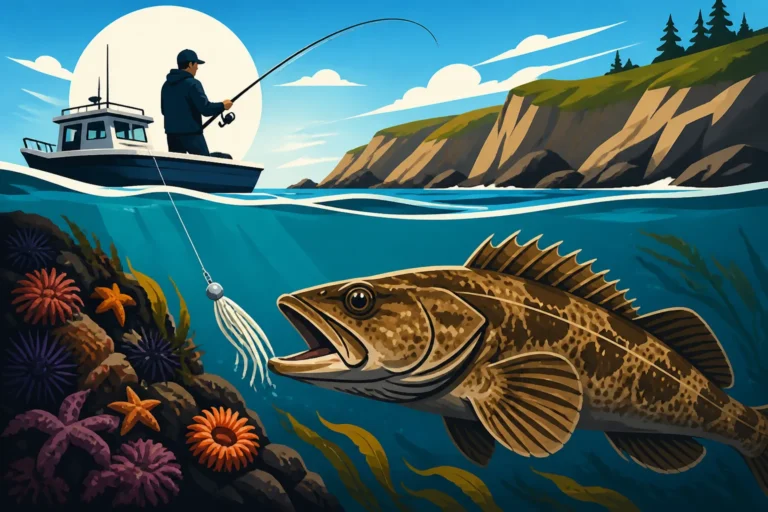
For anglers looking to fill their coolers with delicious table fare, bottom fishing for rockfish and lingcod is a highly reliable and popular technique in California's deep-sea environments. These species inhabit rocky reefs, pinnacles, and ledges, often at depths ranging from 50 to 500 feet or more.
The most common technique involves dropping multi-hook dropper loops or "gangion" rigs armed with bait (squid, anchovies, or mackerel) down to the bottom. Heavy sinkers, often 8 ounces to a pound or more, are necessary to get your bait down quickly and hold it against the current. Once on the bottom, you might gently bounce your sinker to stir up sediment and attract attention, or just hold it steady. Jigging with heavy metal jigs or lead-head jigs tipped with soft plastics can also be incredibly effective, especially for larger rockfish and lingcod. The key is to fish directly over structure that holds these species, which often requires a boat with a good fish finder and GPS to mark and return to productive spots. Check out our How to Catch Rockfish in California guide for specific details.
Lingcod, in particular, are aggressive predators and will often strike large jigs or baits. They have a tendency to "latch on" to a smaller rockfish that's already hooked, so don't be surprised if you reel up a double catch! Due to conservation concerns, California has specific California Rockfish Depth Restrictions and California Lingcod Season and Limits that change seasonally and by management area, so always check the latest regulations before heading out. Using braided line is a huge advantage for bottom fishing, as its lack of stretch allows you to feel the bites more distinctly and helps with hook sets in deep water. Keeping your bait fresh and replacing it frequently can also make a big difference in attracting these bottom dwellers.
Specialized Techniques for California's Unique Fisheries
California's angling landscape isn't just about the mainstream; it also boasts some unique fisheries that demand specialized, often regional, techniques. These methods are born from generations of local knowledge and are incredibly effective for their specific targets.
Stinger Fishing for Sturgeon in the Delta
The California Delta is a vast, intricate network of rivers and sloughs, and it’s home to one of California’s most prehistoric and impressive game fish: the white sturgeon. These ancient giants require a distinct approach, often involving heavy tackle and a specific bait presentation known as "stinger" fishing.
Stinger fishing primarily involves anchoring your boat in a likely sturgeon holding area – often a deep channel, a drop-off, or a bend in the river with a strong current. The rig is typically a heavy sliding sinker (up to 12 ounces or more, depending on current) above a swivel, leading to a stout leader with a large, strong hook. The "stinger" part comes from the bait: often a generous chunk of lamprey eel, ghost shrimp, or even a sardine head, threaded onto the hook in a way that allows it to drift naturally with the current close to the bottom. Sturgeon are primarily bottom feeders, using their sensitive barbels to detect prey. The key is to present a scent trail that they can follow, and to keep your bait fresh and appealing.
Sturgeon bites can range from a light "tap-tap" to a powerful, rod-bending pull. It requires patience and a good rod holder, as you might wait for hours for a bite. When a sturgeon does pick up the bait, it often "mouths" it before committing, so a careful, delayed hook set is often required to ensure the fish has fully taken the bait. Fighting a sturgeon is an epic battle; they are incredibly strong and can make powerful runs and even spectacular jumps. Remember that sturgeon are highly protected, with strict slot limits and mandatory report cards like the California Sturgeon Report Card. Most sturgeon fishing in the Delta is catch-and-release, adding to the conservation ethic around these magnificent fish.
Mooching for Salmon
While salmon populations in California can fluctuate and seasons are often highly regulated, when the opportunity arises, mooching is a classic and incredibly effective technique for king (Chinook) and coho salmon, particularly in areas like Monterey Bay or off the Golden Gate.
Mooching is essentially a form of drift fishing with bait, usually cut bait like herring or anchovy, presented to salmon suspended in the water column. It involves dropping a "banana" or "crescent" sinker, often between 4-8 ounces, attached to a leader with two hooks (a "mooching rig"), down to the desired depth. The key is to keep the bait spinning slowly as it drifts and sinks, mimicking a wounded baitfish. The motion of the boat, combined with slow reeling and short drops, creates an irresistible presentation. Salmon are visual predators, and the enticing spin of the bait is often what triggers a strike. A good sonar is crucial for marking schools of salmon and baitfish, helping you present your bait at the correct depth.
Mooching requires a sensitive rod to detect the often subtle "take" of a salmon. They can be very finicky, sometimes just nipping at the bait before fully committing. When a salmon strikes, it’s often a powerful run, followed by head shakes and impressive jumps. Keeping tension on the line and letting the rod do the work is critical to landing these powerful fish. Mooching for Salmon in California is a deeply rooted tradition, and when the bite is on, it's an exhilarating experience. Always be aware of the highly variable California Salmon Season Dates and strict bag limits, as salmon management is very important for the health of the fishery.
Kayak Fishing Strategies
Kayak fishing has exploded in popularity in California, offering anglers a stealthy, intimate way to access waters both fresh and salt that might be inaccessible to larger boats. This technique requires specialized gear and an understanding of how to safely and effectively fish from a paddle craft.
In freshwater, kayak fishing allows you to quietly stalk bass in shallow coves, access tucked-away trout streams, or even troll for kokanee in reservoirs. The key is to move silently, utilizing the kayak's low profile to get close to fish without spooking them. Light tackle, accurate casting, and a well-organized cockpit are essential. Many kayak anglers use pedal-drive kayaks for hands-free propulsion, allowing them to constantly cast or tend lines. For offshore and bay fishing, kayaks offer a thrilling way to target halibut, rockfish, yellowtail, and even small tuna. Here, stability, safety gear (VHF radio, life vest, whistle), and a keen eye on weather and currents are paramount. Many kayaks are rigged with fish finders, rod holders, and even livewells, turning them into fully functional fishing platforms. You can find robust, marine-grade electronics for your kayak on Amazon.
The biggest advantage of kayak fishing is access and stealth. You can paddle into skinny water where powerboats can’t go, and your quiet approach often allows you to get closer to fish. However, safety should always be the top priority. Always check weather and marine forecasts, wear a PFD, and let someone know your float plan. Understanding how to manage your lines and tackle in a confined space, how to land and release fish efficiently, and how to self-rescue if you capsize are all critical skills. Our dedicated California Kayak Fishing Guide is an excellent resource for anyone looking to get started or improve their game.
Gear Essentials for Different Techniques
No matter what technique you're employing, having the right gear is crucial for both success and enjoyment. Skimping on tackle can lead to frustrating break-offs or missed opportunities. Let's break down what you'll need.
Rods, Reels, and Line Selection
The foundation of any fishing setup is your rod, reel, and line. The specific choice will vary dramatically depending on the technique and target species. Using the wrong setup can make fishing incredibly difficult or even impossible.
For instance, freshwater trout fishing in smaller streams often calls for a light-action spinning rod (6-7 feet) paired with a small spinning reel spooled with 4-6 pound monofilament or fluorocarbon line. This allows for delicate presentations and sensitivity to light bites. For heavier bass fishing in lakes, a medium-heavy baitcasting rod (6.5-7.5 feet) with a high-speed baitcasting reel spooled with 12-20 pound fluorocarbon or braided line (often with a fluorocarbon leader) is common, providing the power to pull fish out of cover and handle heavier lures. For fly fishing, the rod weight (e.g., 5-weight for trout, 8-weight for steelhead) needs to match the size of flies and target species, with a corresponding reel and specialized fly line.
Saltwater fishing demands even more robust gear. Surf fishing might use a long, heavy-action surf rod (10-12 feet) with a large spinning reel capable of casting heavy sinkers and battling strong currents, spooled with 20-30 pound braided line. Offshore trolling for tuna requires heavy-duty conventional rods and reels, often spooled with 50-80 pound mono or braid, designed to withstand the immense power of these pelagic fighters. Bottom fishing for rockfish often uses medium-heavy conventional outfits. The general rule is to match your gear to the size of the fish you're targeting and the conditions you expect to encounter. Always rinse your saltwater gear thoroughly with fresh water after each use to prevent corrosion.
Baits and Lures for Specific Species
The bait or lure you choose is what ultimately entices the fish, and selecting the right one can make all the difference. It often comes down to matching the natural forage of the species you're targeting.
For freshwater trout, common baits include live worms (nightcrawlers), salmon eggs, and PowerBait. Lures like Kastmasters, Rooster Tails, and Rapalas are also incredibly effective. For bass, the options are vast: plastic worms, creature baits, swimbaits, crankbaits, spinnerbaits, and topwater frogs are just a few examples. The key is to understand what bass are feeding on in that particular body of water and present a lure that mimics it. For example, if there's a strong shad population, a shad-colored swimbait would be a great choice. You can find a wide array of specialized baits and lures for every species imaginable on Amazon.
In saltwater, live bait is often king: anchovies, sardines, squid, and mackerel are universally effective for a huge variety of species, from halibut to tuna. For artificials, metal jigs (like Tady or Salas for offshore, or smaller jigs for piers), plastic swimbaits, and various soft plastics rigged on lead heads are incredibly versatile. For surf fishing, sand crabs, Gulp! sandworms, and pieces of mussel are go-to baits for perch and corbina. Always consider the water clarity, light conditions, and the feeding habits of your target species when selecting your bait or lure. A bright, flashy lure might work well on a cloudy day, while a more natural, subtle presentation might be better in clear water.
Essential Accessories and Safety Gear
Beyond your rod and reel, a handful of essential accessories and safety items can significantly improve your fishing experience and, more importantly, keep you safe.
For any fishing trip, having a good pair of pliers (for removing hooks and cutting line), a sharp knife, and a tackle box stocked with extra hooks, weights, swivels, and leaders are non-negotiable. A measuring tape or ruler is essential for checking legal size limits. For freshwater anglers, a good net is crucial for landing fish safely, especially if you plan to practice catch and release. A cooler with ice will keep your catch fresh. For saltwater, particularly offshore, specialized gear like a gaff (for larger fish), a decent fish bag or larger cooler, and a pair of gloves can be very helpful.
Safety gear, however, is paramount. Regardless of whether you're in a boat or on a kayak, a properly fitted life vest (PFD) is a must. For boaters, a marine radio (VHF), flares, a first-aid kit, and signaling devices (whistle, air horn) are legally required and potentially life-saving. Even shore anglers should carry water, sunscreen, a hat, and appropriate footwear. If you're heading to remote areas, consider a satellite messenger or personal locator beacon. Always check the weather forecast before heading out, especially on the ocean. Being prepared isn't just about catching fish; it's about making sure you come home safely.
Reading the Water and Adapting Your Approach
Fishing, especially in a state as dynamic as California, is rarely about blindly casting. It's an ongoing conversation with the environment, requiring you to constantly observe, interpret, and adapt your techniques based on the subtle clues the water provides. This "reading the water" skill is what truly elevates an angler from novice to master.
Understanding Tides, Currents, and Structure
In both fresh and saltwater, the movement of water and the underlying terrain are huge determinants of where fish will be and how they'll behave. Ignoring these factors is like trying to navigate a city without a map.
In saltwater, tides and currents are everything. An incoming tide often pushes baitfish into bays and estuaries, bringing predators like halibut and striped bass with them. An outgoing tide can concentrate bait and fish in channels or at the mouths of rivers. Understanding the timing and strength of these tidal flows is crucial for positioning your boat or casting from shore. Strong currents can also dictate the weight of your sinker or the type of lure you use. Structure, whether it's a rocky reef, a kelp paddy, a submerged wreck, or even a pier piling, provides shelter and ambush points for fish. Learning to identify these structures on sonar or visually from shore and understanding how fish relate to them – where they hide, where they feed – is key. For a comprehensive overview of California's coastal environment, you might find our California Saltwater Fishing Regulations helpful, as they often correlate with different habitats.
In freshwater, currents in rivers and streams similarly create feeding lies and resting areas for fish. Riffles provide oxygen and dislodge insects, while deep pools offer refuge. In lakes and reservoirs, submerged structure like timber, rock piles, or old roadbeds are magnets for bass and other species. Drop-offs and ledges are also prime areas where fish transition between deep and shallow water. Using a fish finder to locate these subtle changes in the bottom contour can be a game-changer. The movement of baitfish, often influenced by currents or wind, will also dictate where the predatory fish congregate. Always be looking for irregularities in the water or the bottom; these are often fish highways.
Weather and Seasonal Considerations
California's weather can be as varied as its geography, and it plays a massive role in fish behavior. Additionally, fish species have distinct seasonal patterns that dictate when and where you'll find them.
A sudden cold front can shut down a bass bite in a lake, making them sluggish and sending them to deeper water, while a prolonged period of warm, sunny weather might bring trout to the surface for an insect hatch. Rain can stir up rivers, making them muddy and forcing fish to hold in slower, clearer pockets, but it can also trigger a feeding frenzy for species like striped bass in the Delta. Wind can create chop on the water, making casting difficult, but it can also push baitfish into certain areas, concentrating predators. Learning how to adjust your lure choice, presentation, and even your fishing location based on current and forecast weather conditions is a hallmark of an experienced angler.
Seasonally, fish follow predictable patterns tied to spawning, feeding, and migration. Spring often sees a surge in activity as fish move into shallower waters to spawn, making them more accessible. Summer brings warmer water, sending some fish deeper or making them more active during dawn and dusk. Fall can be a fantastic time, as many fish feed aggressively to bulk up for winter, and water temperatures become ideal. Winter often slows things down, but certain species like sturgeon and some trout can be very active. Understanding these seasonal rhythms, such as the California Salmon Season Dates or Best Season for Bass in California, allows you to plan your trips for optimal success.
Using Technology and Local Reports
In today's age, anglers have an incredible array of tools at their disposal to help them read the water and stay on top of conditions. Don't be afraid to embrace technology, but also recognize the invaluable wisdom of local knowledge.
Fish finders, with their sonar capabilities, have revolutionized fishing. They allow you to see underwater structure, mark baitfish schools, and even identify individual game fish. Modern units with GPS functionality enable you to mark productive spots and return to them with precision. Side-imaging and down-imaging technologies provide even more detailed views of the underwater world. Online resources, apps, and even weather stations offer real-time data on tides, currents, water temperatures, and weather forecasts, allowing you to make informed decisions before you even leave the house.
However, technology is best complemented by local reports and firsthand knowledge. Check local tackle shops; they are often goldmines of current information about what's biting, what baits are working, and what the conditions are like. Online fishing forums and social media groups dedicated to California fishing can also provide valuable, up-to-the-minute reports. Don't hesitate to strike up a friendly conversation with other anglers at the boat launch, pier, or trailhead. Most experienced fishermen are happy to share some wisdom, especially if you're respectful. Combining your observations, technological insights, and local tips is the ultimate way to adapt your techniques and consistently find success on California's diverse waters.
| Technique | Primary Species | Ideal Environment | Typical Bait/Lure | Key Consideration |
|---|---|---|---|---|
| Trolling | Trout, Kokanee, Salmon, Tuna | Large Lakes, Offshore Ocean | Spoons, Hoochies, Plugs, Live Bait | Depth control (downriggers), Boat speed, Water temp |
| Bass Fishing (Lures) | Largemouth, Smallmouth, Spotted Bass | Freshwater Lakes, Reservoirs | Soft Plastics, Crankbaits, Swimbaits, Jigs | Structure, Cover, Water temperature, Bass mood |
| Fly Fishing | Trout, Steelhead | Rivers, Streams, High-Alpine Lakes | Dry Flies, Nymphs, Streamers | Matching the hatch, Presentation (dead drift), Current |
| Surf Fishing | Surfperch, Corbina, Halibut | Sandy Beaches | Sand Crabs, Gulp! Sandworms, Cut Bait | Reading the surf (troughs, rips), Tides, Casting distance |
| Pier/Jetty Fishing | Mackerel, Halibut, Croaker, Rockfish | Piers, Jetties, Harbors | Live Bait, Cut Bait, Sabiki Rigs, Metal Jigs | Structure (pilings, rocks), Tides, Baitfish presence |
| Bay Fishing | Halibut, Striped Bass, Leopard Shark | Bays, Estuaries, Delta | Live Anchovies/Sardines, Swimbaits, Plugs | Tidal currents, Structure (channels, flats), Bait presence |
| Jigging (Offshore) | Tuna, Yellowtail, Rockfish | Offshore Reefs, Kelp Paddles, Open Ocean | Heavy Metal Jigs, Lead-Head Jigs | Fish marking on sonar, Speed of retrieve, Water depth |
| Bottom Fishing | Rockfish, Lingcod, Cabezon | Deep Reefs, Ledges, Wrecks | Cut Bait (Squid, Mackerel), Lead-Head Jigs | Depth, Structure, Regulations (depth limits), Snags |
| Sturgeon Fishing | White Sturgeon | California Delta, Bays | Lamprey Eel, Ghost Shrimp, Sardine Heads | Heavy tackle, Scent trail, Patience, Current |
| Kayak Fishing | Bass, Trout, Halibut, Rockfish | Lakes, Rivers, Bays, Nearshore Ocean | Variety of lures/baits (species dependent) | Stealth, Safety gear, Stability, Weather awareness |
Disclaimer
Fishing regulations, seasons, and limits in California are subject to change by the California Department of Fish and Wildlife (CDFW). It is always the angler's responsibility to check the most current regulations booklet or the CDFW website before heading out on any fishing trip. Information provided in this guide is for general informational purposes only and should not be considered legal advice regarding fishing regulations.