California Surf Fishing Tips and Techniques
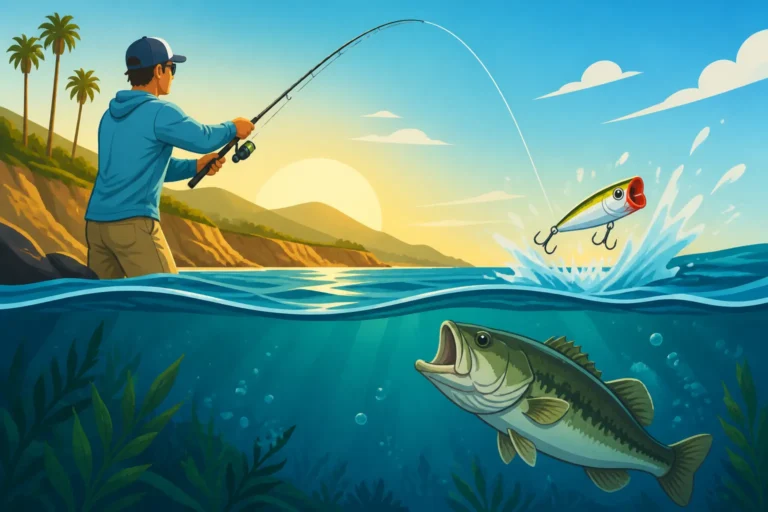
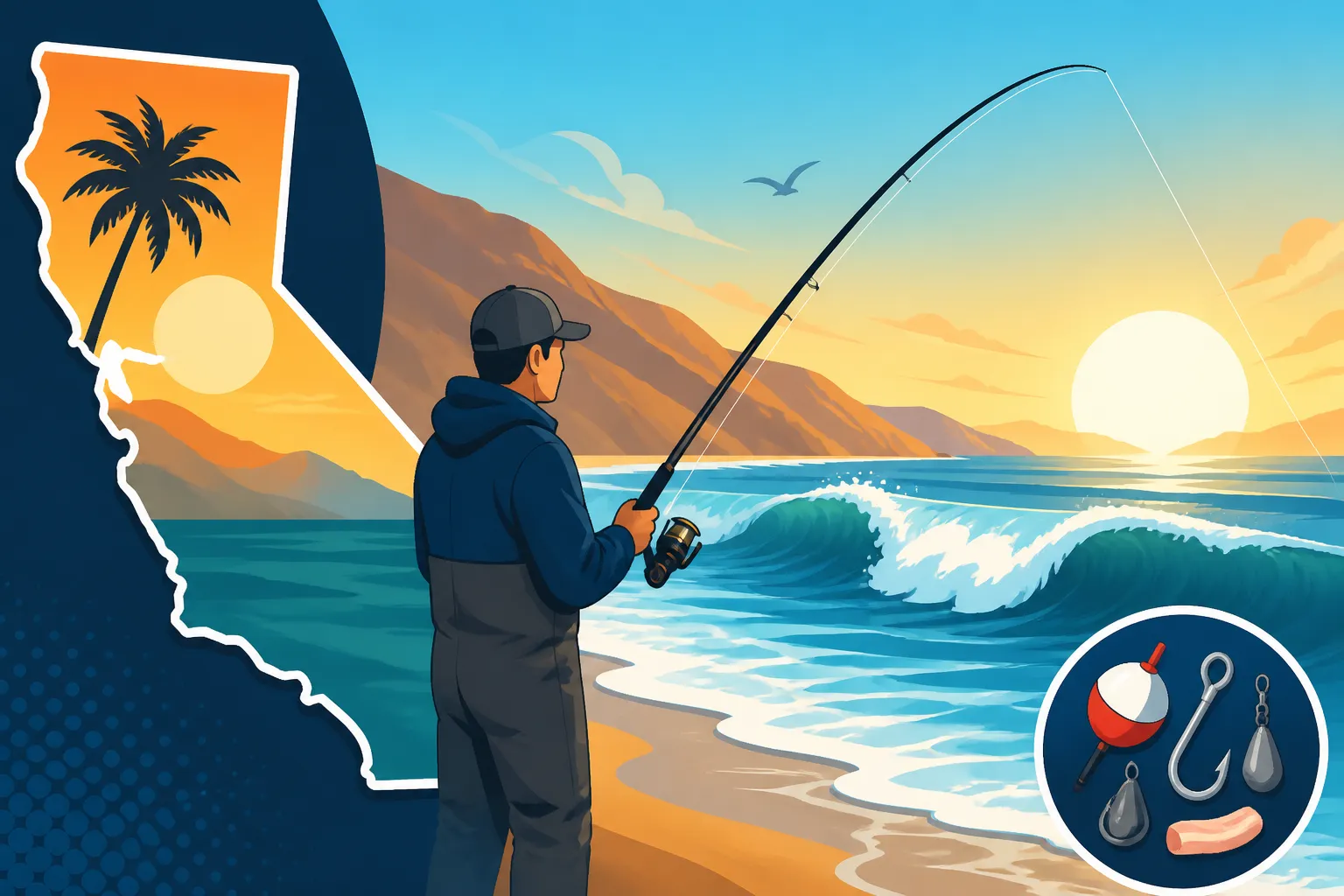
Oh, the allure of surf fishing in California! There's nothing quite like the salty air, the rhythmic crash of waves, and the thrill of feeling a tug on your line right from the beach. But let's be honest, staring out at that vast ocean, trying to figure out where to cast, what bait to use, and how to even stand your ground against the waves can feel incredibly daunting, especially if you're new to it. This comprehensive guide is here to strip away the mystery and equip you with the essential tips and techniques you need to confidently cast your line and start catching fish from California's stunning shorelines.
Understanding California's Dynamic Surf Zone
Before you even think about rigging a rod, you've got to understand the environment you're fishing in. The surf zone isn't just a stretch of sand and water; it's a dynamic, ever-changing ecosystem dictated by currents, tides, and underwater structures. Learning to "read the beach" is probably the most crucial skill you can develop as a surf angler.
Reading the Beach: Structure and Currents
Many beginners just pick a spot and cast, hoping for the best. But successful surf fishing is all about identifying those subtle, fish-holding structures that are often hidden in plain sight. Fish, especially those in the surf, are always looking for food, shelter, and ambush points, and these are created by the shifting sands and water movement.
Think about rip currents, for instance. These can be scary for swimmers, but for fish, they're like a conveyor belt delivering food. A rip current usually forms where water piled up on the beach finds a deeper channel to flow back out to sea. These channels scour out depressions in the sand and often have calmer water adjacent to them, making them prime spots for various surf species. Look for areas where waves aren't breaking, or where there's a visible channel of turbulent, darker water heading offshore. This can indicate a deeper trough or a rip. Similarly, areas where waves are consistently breaking further out, reforming, and then breaking closer to shore often indicate sandbars. Fish will hang out in the troughs between these sandbars, waiting for food to be washed over. Another key structure is a "jetty" or "rocky outcrop." These man-made or natural structures break up currents, create eddies, and offer cover and food sources like mussels and crabs, attracting a wide array of fish. Keep an eye out for areas where the water looks slightly different – darker patches, calmer stretches, or sudden changes in wave patterns – these are often indicators of structure below.
Tides, Swells, and Their Impact
The ocean is a living, breathing entity, and its rhythms are largely governed by tides and swells. Ignoring these can mean the difference between a productive day and a frustrating one. Tides, specifically the incoming and outgoing currents, play a massive role in moving baitfish and stirring up the bottom, making food available.
Generally speaking, the last hour or two of an incoming tide and the first hour or two of an outgoing tide are often considered the sweet spots for many surf species. This is when the water movement is most active, bringing food into the feeding zone. However, different species have different preferences. For example, corbina often like a gentle, incoming tide, while halibut might be more active on a slack tide in certain areas, ambushing prey. Beyond the tides, we have swells. Big swells can make fishing almost impossible due to extreme turbulence and strong undertows, washing out baits and making it hard for fish to hold position. Conversely, a really flat, calm ocean might not provide enough disturbance to dislodge food or create feeding opportunities. The ideal conditions often involve a moderate swell that creates a consistent wave break, but not so large that it makes fishing dangerous or unproductive. Always check the local tide charts and surf reports before you head out. Websites like NOAA or apps from local tackle shops can be invaluable resources. Understanding these factors will help you pinpoint the precise times and locations where fish are most likely to be actively feeding, giving you a significant edge in your surf fishing endeavors.
Essential Gear for California Surf Fishing
Once you've wrapped your head around the dynamics of the beach, it's time to talk gear. You don't need to break the bank to get started, but having the right tools for the job will dramatically improve your experience and success rate. Just like you wouldn't use a tiny ultralight rod for deep-sea fishing, you need tackle suited to the rigors of the surf.
Rods, Reels, and Line Choices
Choosing the right rod and reel combo is fundamental. For general California surf fishing, you're usually looking for something that can cast a good distance and handle moderate-sized fish while standing up to the corrosive saltwater environment.
Rods: A good surf rod typically ranges from 9 to 12 feet in length. Shorter rods (9-10 feet) are great for lighter setups, targeting smaller species like surfperch with lighter baits or lures, and are easier to handle for beginners. Longer rods (11-12 feet) excel at distance casting, allowing you to reach those outer sandbars and deeper troughs where larger fish might be holding. They also provide better leverage for fighting bigger fish and keeping your line above the incoming waves. Look for rods with a medium to medium-heavy action, which offers a good balance of casting power and sensitivity. Popular brands like Penn, Okuma, and Ugly Stik offer durable, saltwater-ready options that won't completely drain your wallet. Many anglers find the Okuma Longitude Surf Rods to be a great entry-level option, widely available on platforms like Amazon.
Reels: Pair your surf rod with a robust spinning reel in the 4000 to 8000 series size. It needs to have excellent drag, a good line capacity, and, crucially, be rated for saltwater use. Saltwater-specific reels are built with corrosion-resistant materials and often have sealed bodies to protect against sand and saltwater intrusion. Companies like Shimano, Daiwa, and Penn offer excellent saltwater spinning reels. For instance, the Penn Battle II or Battle III series are very popular among surf anglers for their durability and performance.
Line: For your main line, 15 to 25 lb monofilament or braided line is standard. Braided line, like PowerPro, offers superior casting distance due to its thinner diameter and no stretch, which also increases sensitivity to subtle bites. However, it can be less forgiving if you get a snag and is more visible to fish. If you go with braid, consider using a fluorocarbon leader (20-40 lb test, 2-4 feet long) for abrasion resistance and invisibility in the water. Monofilament is more forgiving, cheaper, and sinks a bit better, making it a good choice for beginners or those fishing in areas with lots of structure. Whatever you choose, make sure it's fresh and rated for the conditions you expect to encounter.
Baits and Lures for Common Species
California's diverse surf species respond to a variety of baits and lures. Knowing what works best for your target fish can make all the difference.
Natural Baits:
- Sand Crabs: These are the absolute kings of surf bait for many species, especially corbina, spotfin croaker, and barred surfperch. You can find them by digging in the wet sand at the water's edge. Live sand crabs are best, but fresh dead ones also work.
- Mussel/Clam Meat: Another highly effective natural bait, especially for surfperch. Break open a mussel or clam and use the soft meat, often secured to the hook with some elastic bait thread.
- Shrimp: Fresh, peeled market shrimp (from your local grocery store or fish market) is a fantastic bait for almost anything that swims in the surf, including croakers, perch, and even halibut. Often available on Amazon Fresh for convenience if you're planning ahead.
- Cut Bait (Anchovy, Sardine): For larger predators like striped bass or halibut, a strip of fresh cut anchovy or sardine can be deadly. These oily baits create a strong scent trail in the water.
- Squid: Very durable on the hook and effective for a wide range of species, from perch to halibut.
Artificial Lures:
- Grub Tail Jigs: These soft plastic lures, usually 1-3 inches long, rigged on a lead head jig (1/4 to 1 oz), are incredibly versatile. White, motor oil, and clear with glitter are popular colors. They imitate small baitfish or crustaceans and are excellent for surfperch, halibut, and even small striped bass. Brands like Big Hammer and Berkley Gulp! are reliable options.
- Spoons: Metal casting spoons, like a Kastmaster or a Krocodile spoon, can be cast a mile and are great for covering a lot of water. They mimic wounded baitfish and can entice halibut and striped bass.
- Hard Baits (Plugs/Swim Baits): Larger swimbaits or lipless crankbaits can be effective for bigger striped bass, especially around river mouths or lagoons where baitfish are abundant.
Terminal Tackle and Essential Accessories
Don't skimp on your terminal tackle; it's the critical connection between you and the fish.
Hooks: A good selection of circle hooks and J-hooks is essential. Circle hooks (size #2 to 1/0 for smaller species, up to 4/0 for larger) are fantastic for surf fishing because they are self-setting and greatly reduce gut-hooking, improving catch-and-release survival. J-hooks (same size range) are also fine, particularly for lures or if you prefer a more aggressive hookset.
Weights: Pyramid sinkers are the workhorses of surf fishing. Their shape helps them dig into the sand and resist the pull of the waves and current. Have a variety of sizes from 1 oz to 4 oz, depending on the conditions and the strength of the current.
Swivels and Snaps: Ball-bearing swivels and strong snap swivels prevent line twist and make changing rigs easier.
Line Clippers/Scissors: Essential for clean cuts and tying knots.
Pliers: A good pair of saltwater-resistant pliers is invaluable for removing hooks, cutting wire, and crimping sleeves.
Sand Spike/Rod Holder: A sturdy PVC or metal sand spike keeps your rod upright and out of the sand, preventing damage and allowing you to set multiple rods if regulations permit.
Bucket/Cooler: For keeping your bait fresh and your catch cold.
Tackle Bag/Backpack: To keep all your gear organized and easily accessible. A waterproof dry bag found on Amazon can be a real lifesaver for electronics.
Measuring Tape/Scale: To ensure you're adhering to size and bag limits. Always know the current California Fishing Bag and Size Limits for the species you're targeting.
California Fishing License and Report Card: Don't even think about stepping onto the beach without these! You can learn more about how to get yours by reading our How to Get a California Fishing License guide.
Key Techniques for Successful Surf Fishing
Now that you've got your gear sorted, let's talk about the "how-to" of actually catching fish in the surf. It's more than just chucking a bait out there; strategy and finesse play huge roles.
Casting Strategies and Reach
Casting in the surf is different from casting on a calm lake or river. You're not just aiming for distance; you're also fighting wind, waves, and trying to land your bait in a specific zone.
Distance Casting: For many surf species, especially larger ones like halibut or striped bass, getting your bait past the first breaking waves and into deeper troughs or channels is key. This often requires a long, smooth, overhead cast using a longer rod. Practice makes perfect here. Focus on a fluid motion, letting the rod do the work, and releasing the line at the optimal point for maximum distance. Don't try to muscle the cast; it's about technique. Some anglers use a pendulum cast or a two-handed overhead cast for extreme distance, but these require more practice and good timing. The goal isn't always the furthest cast; sometimes, the fish are right in the first trough or even in the wash.
Targeting Structure: Once you've learned to read the beach, your casting becomes much more precise. Instead of just "out there," you're aiming for that dark spot that indicates a trough, or casting just past the sandbar where the waves are breaking. If you see birds diving, that's a good sign of baitfish, and casting near that activity can be fruitful. When targeting specific structures like jetties or rocks, be mindful of where your line might get snagged, but also don't be afraid to cast right into the fishy-looking areas. Sometimes casting parallel to the beach, just beyond the breaking waves, can be incredibly effective for species like halibut that patrol these lanes. A good pair of polarized sunglasses will help you spot these subtle differences in the water, making your targeting more effective.
Rigging for Different Species and Conditions
Having the right rig is crucial for presenting your bait naturally and effectively. There are a few go-to rigs for California surf fishing.
Carolina Rig (High-Low Rig): This is arguably the most popular and versatile rig for general surf fishing, especially for species like surfperch, croakers, and small halibut. It consists of a pyramid sinker at the bottom, and then one or two dropper loops tied above it, each with a snelled hook. The dropper loops keep your bait slightly off the bottom and allow for multiple baits. You can adjust the length of the dropper loops depending on how far you want your bait from the sinker. A good starting point is 6-12 inches for each leader.
Fish Finder Rig: If you're targeting larger fish like halibut or striped bass with bigger baits, a fish finder rig is often preferred. This rig allows the fish to pick up the bait and run with it without feeling the resistance of the sinker. It consists of a sliding sinker (typically an egg sinker or a specialized fish-finder slide) on the main line, followed by a swivel, and then a leader (usually 18-36 inches of fluorocarbon) tied to a single hook. The sliding sinker sits on the bottom, while the bait drifts more naturally with the current. This is particularly effective when fishing areas with less current or when you want your bait to move more freely.
Lure Rigs: When using lures like grub tails or spoons, you typically don't need a complex rig. A simple fluorocarbon leader tied directly to your main line (via a strong knot like an FG knot if using braid, or a double uni if using mono) and then a snap swivel or directly tied to your lure is often sufficient. The key is to ensure your knots are strong and your leader can withstand abrasion. Knowing your Best Fishing Techniques for California Waters will further enhance your success.
| Rig Type | Best For | Advantages | Disadvantages |
|---|---|---|---|
| Carolina Rig | Surfperch, Croaker, Small Halibut | Multiple baits, good bottom contact, versatile | Can tangle with multiple hooks |
| Fish Finder Rig | Halibut, Striped Bass, Larger Baits | Natural bait presentation, less sinker resistance | Single hook limits catch potential |
| Lure Setup | Actively feeding fish, covering water | Covers ground quickly, triggers reaction strikes | Requires constant casting and retrieving |
Fighting Fish in the Surf
Hooking a fish in the surf is exciting, but landing it can be a challenge due to the relentless power of the waves.
Maintain Tension: The most critical rule is to always keep tension on the line. Slack line is your enemy in the surf; it allows the fish to spit the hook, or the waves to wash your line into snags.
Use the Waves: Don't fight the waves, use them! As an incoming wave pushes your fish towards shore, reel quickly to gain line. As the water recedes, maintain tension but be prepared for the fish to pull back out with the undertow. This push-and-pull rhythm is crucial.
Work Quickly but Deliberately: Once you have the fish in the wash zone, where the waves break on the sand, work quickly to land it. If it's a smaller fish, simply drag it onto the sand with the next wave. For larger fish, you might need to grab the leader and hand-line it in, or even wade out a bit (safely!) to secure it. Never turn your back on the ocean, and always be aware of incoming sets. If targeting species like California Halibut Regulations and Limits or California Striped Bass Regulations, ensure you handle them carefully for release or retention according to regulations.
Targeting Common California Surf Species
California's beaches are teeming with a variety of species, each with their own quirks and preferred dining habits. Knowing what you're likely to catch and how to target them effectively will make your trips much more rewarding.
Corbina, Spotfin Croaker, and Yellowfin Croaker
These "panfish" of the surf are some of the most sought-after species for many California beach anglers. They offer a fun fight on light to medium tackle and are delicious table fare.
Corbina (California Corbina): These sleek, silvery fish are often called the "ghosts of the surf" due to their elusive nature. They love to feed in the shallow wash, often detectable by their tell-tale "tailing" where their tails break the surface as they dig for sand crabs.
- Best Baits: Live sand crabs are BY FAR the number one bait for corbina. Use a small, light wire circle hook (size #4 to #2) to keep the sand crab alive and lively. Mussels and ghost shrimp can also work.
- Technique: A light Carolina rig is ideal. Cast just beyond the breaking waves and slowly retrieve, letting your bait tumble naturally with the current. Watch your line like a hawk for the subtlest tap or movement, as corbina can be incredibly finicky eaters. Sometimes, simply letting your bait sit in a productive wash zone is enough. For more in-depth advice, check out our guide on How to Surf Fish for Corbina.
- Key Frustration: Their finicky bites! It often feels like a gentle nibble before they commit. Patience is key.
Spotfin Croaker: Easily identified by the prominent black spot at the base of their pectoral fin, spotfins are a favorite in Southern California. They're strong fighters and get quite large.
- Best Baits: Like corbina, live sand crabs are a top choice. Peeled market shrimp and mussel meat are also very effective.
- Technique: A Carolina rig with a 1-2 oz pyramid sinker and a size #2 or #1 circle hook works well. Cast into troughs and channels, letting your bait sit. Spotfins are less particular than corbina and will often hit a bait that's sitting still. They tend to feed more aggressively as the tide pushes in.
Yellowfin Croaker: Smaller than spotfins but abundant and feisty, yellowfins are a common catch along much of the California coast. They have a yellowish tint on their fins.
- Best Baits: Smaller sand crabs, pieces of market shrimp, and mussel meat are all good options.
- Technique: A high-low rig with smaller hooks (size #4 or #6) and lighter line (8-12 lb test) will maximize your chances. Cast into the first trough or where you see subtle disturbances in the water. Yellowfins often travel in schools, so if you catch one, keep casting in the same area!
Barred Surfperch and Other Perch Species
Barred surfperch are perhaps the most common and accessible surf fish in California. They're found up and down the coast, providing consistent action, especially during the cooler months.
Barred Surfperch: Recognized by their vertical bars and thick, oval-shaped bodies. They can be incredibly numerous and are a fantastic species for beginners.
- Best Baits: Grubs (motor oil, rootbeer, clear with glitter) on a 1/4 to 1/2 oz lead head jig are deadly. They also readily hit Gulp! Sandworms or Sandcrabs. Live sand crabs, ghost shrimp, and mussel meat are also very effective natural baits.
- Technique: For lures, a slow retrieve with an occasional twitch or pause is often best. Cast into the troughs and along sandbars, letting the lure bounce along the bottom. For bait, a high-low rig with size #6 or #4 hooks is perfect. You can cast and let it sit, or slowly drag it along the bottom. They are often found in the shallower water, even right in the wash zone. If you're looking to specifically target these guys, our How to Surf Fish for Perch in California guide is a must-read!
- When to Fish: Surfperch fishing can be great year-round, but often picks up in winter and spring when they spawn closer to shore.
Walleye Surfperch & Silver Surfperch: These are generally smaller than barred surfperch and tend to school up in large numbers. They have larger eyes (walleye) or a very silvery appearance (silver).
- Best Baits: Small pieces of shrimp, mussel, or Gulp! sandworms on very small hooks (size #8 or #6).
- Technique: Same as barred surfperch, but using lighter tackle and smaller baits. When you find a school, you can often catch them one after another.
Halibut and Striped Bass (Less Common but Possible)
While less common than perch and croakers, the potential to hook a trophy halibut or a hard-fighting striped bass from the surf adds an exciting dimension to California beach fishing.
California Halibut: These flatfish are masters of camouflage, burying themselves in the sand and ambushing prey. Catching a legal-sized halibut from the surf is a badge of honor.
- Best Baits: Live bait is king for halibut. Small surfperch, anchovies, or sardines (where legal and available) fished on a fish finder rig are top choices. Large grub tail jigs (3-5 inches) in white or motor oil, slowly retrieved, can also be very effective. Spoons are another good option for covering ground.
- Technique: Focus on areas with subtle depth changes, sandy depressions, or edges of sandbars. Cast your live bait or lure out and retrieve it slowly, letting it bounce along the bottom. Halibut often hit aggressively. If you feel a "thump," pause briefly to let them engulf the bait before setting the hook. Pay close attention to current California Halibut Size and Bag Limits.
- When to Fish: Often better during periods of slack tide or gentle currents, as they prefer to lie in wait rather than fight strong currents.
Striped Bass: The ultimate surf predator, striped bass are powerful, migratory fish that offer an incredible fight. They are more prevalent in Central and Northern California, particularly around river mouths and bays.
- Best Baits: Live baitfish (anchovies, sardines), large pieces of cut bait, or even whole squid.
- Lures: Large swimbaits, poppers (early morning/late evening), and heavy casting spoons (Kastmaster, Krocodile) are very effective.
- Technique: Striper fishing is often about covering water and being ready for an aggressive strike. Cast lures out and retrieve them steadily or with a varying retrieve to mimic wounded bait. For bait, use a fish finder rig with a heavy sinker to hold bottom in current. Look for areas where baitfish are present, especially around outflows or structure. Understanding California Striped Bass Regulations is essential for these prized catches.
- When to Fish: Spring and fall are often the best seasons as they migrate along the coast.
Safety and Etiquette on California Beaches
While surf fishing is incredibly rewarding, the ocean is a powerful force that demands respect. Beyond safety, maintaining good etiquette ensures everyone can enjoy California's beautiful coastlines.
Navigating Waves and Currents Safely
The ocean is unpredictable, and even experienced anglers can be caught off guard. Your safety is paramount.
Always Watch the Water: Never turn your back on the ocean. Rogue waves can appear without warning and knock you off your feet, dragging you into dangerous currents. Pay attention to wave sets – sometimes there are larger "sleeper" waves that come in after a period of smaller ones.
Understand Rip Currents: While fish love them, rip currents are dangerous for humans. If you get caught in one, don't panic and try to swim directly against it. Instead, swim parallel to the shore until you're out of its pull, then swim back to land. Ideally, avoid wading into areas with strong, visible rips unless you are an extremely strong swimmer and aware of the risks.
Dress Appropriately: Waders are excellent for staying dry and warm in cooler weather, but make sure they fit properly and you know how to safely get out of them if you fall. Wading boots with good grip are also essential on slippery rocks or uneven sand. In warmer weather, wear quick-drying clothing. Always bring plenty of water, sunscreen, and a hat, especially on sunny California days. If you're going to be fishing at dawn or dusk, or even at night, a good headlamp is a must-have accessory, often available on Amazon.
Fish with a Buddy: Whenever possible, especially if you're exploring a new stretch of beach or fishing in rough conditions, go with a friend. It's not only safer but also more fun! Knowing Best Times to Fish in California can also help you choose calmer conditions.
Respecting Wildlife and Fellow Anglers
We share the beach with many others – surfers, swimmers, sunbathers, and other anglers. Good etiquette ensures a pleasant experience for everyone.
Maintain Distance: Give other beachgoers, especially swimmers and surfers, plenty of space. Casting near people can be dangerous and is just plain rude. If you arrive at a spot and someone is already fishing there, set up a reasonable distance away – generally at least 50-100 feet, or more if crowded.
Pack It In, Pack It Out: Leave no trace. Take all your trash, including discarded fishing line and bait containers, with you. Better yet, pick up any trash you find, even if it's not yours. Our beaches are a shared resource, and keeping them clean is everyone's responsibility.
Handle Fish Responsibly: If you're practicing catch and release, handle fish minimally and gently. Use a wet hand to hold them, support their body, and release them quickly. Avoid dragging fish on the dry sand. If you're keeping fish, dispatch them humanely and keep them cool. Be mindful of marine protected areas (MPAs); fishing in these zones can lead to hefty fines and environmental damage. Make sure you understand the rules outlined in our California Marine Protected Areas Explained guide.
Be Mindful of Wildlife: You might encounter seabirds, seals, or other marine life. Do not disturb them or leave fishing line unattended where they could get tangled. If you accidentally hook a bird, reel it in carefully, cover its head with a towel to calm it, and try to remove the hook. If it's too deep, cut the line as close to the hook as possible and release the bird.
By following these tips and techniques, you'll not only increase your chances of landing some fantastic fish but also gain a deeper appreciation for the unique challenges and rewards of surf fishing along the beautiful California coast.
Disclaimer
The information provided in this guide is for general informational purposes only and should not be considered legal advice. Fishing regulations, seasons, and limits in California are subject to change by the California Department of Fish and Wildlife (CDFW). It is the responsibility of every angler to consult the most current CDFW regulations booklet or website before fishing. Always prioritize safety and adhere to local rules and ordinances.