How to Surf Fish for Perch in California
Ever spent a beautiful California day staring out at the waves, rod in hand, feeling the sand between your toes, but walking away without a single bite? It's a common frustration when you're surf fishing, especially if you're targeting those elusive surf perch. These feisty fish are a staple of our gorgeous coastline, but consistently hooking them takes more than just blind luck. This guide is going to walk you through everything you need to know, from understanding their habits to mastering the best techniques, so you can confidently catch surf perch on your next California beach adventure.
Understanding California Surf Perch: Your Elusive Coastal Neighbors
Before you can catch these charming little fighters, it helps to know a bit about who you're after. California's coastline is home to several species of surf perch, each with its own quirks, but all sharing a love for the turbulent, food-rich environment of the breaking waves. They're often overlooked for bigger, flashier game fish, but surf perch offer a ton of fun and a surprisingly good fight on light tackle.
The Different Species You'll Encounter
When you're out on a sandy beach in California, chances are you'll be targeting the Barred Surf Perch. These guys are the poster children of California surf fishing, easily recognizable by the vertical bars on their sides. They're found throughout most of California's sandy beaches, from south of Point Conception all the way up into Washington. They tend to be the largest and most sought-after species in the surf.
But they're not alone! Up in Northern California, especially around places like Humboldt Bay or the Lost Coast, you'll often encounter the Redtail Surf Perch. They're just as fun to catch, often a bit smaller than their barred cousins, and sport a lovely reddish tint on their fins. In Southern California, anglers might also run into Calico Surf Perch, Spotfin Surf Perch, and Walleye Surf Perch. While each has slight variations in appearance and preferred micro-habitats, they all generally inhabit the same zones in the surf, feeding on similar prey. Knowing which species are common in your local waters can sometimes help you fine-tune your approach, but for the most part, the same techniques work across the board.
Perch Behavior and Feeding Habits
So, what makes these fish hang out right where the waves crash? It's all about food, my friend. Surf perch are opportunistic feeders, and the constantly churning surf acts like a conveyor belt, delivering their favorite meals right to them. Their diet primarily consists of sand crabs, which burrow into the wet sand at the water's edge. But they'll also feast on small crustaceans like mysid shrimp, various marine worms, and even tiny baitfish that get disoriented in the waves.
They're particularly active during periods when the waves are moving a lot of sand and stirring up the bottom, making it easier for them to ambush prey. This is why understanding the tides and currents is absolutely critical – it dictates when and where these fish are most likely to be feeding. Perch tend to move in schools, sometimes quite large ones, so if you catch one, there's a good chance more are nearby. They’ll often hold in troughs, behind sandbars, or near any kind of submerged structure that offers a bit of shelter from the strongest currents, allowing them to conserve energy while waiting for a meal.
Essential Gear for California Surf Perch Success
You don't need a boatload of fancy equipment to get started surf fishing for perch, but having the right tools for the job will make a huge difference in your success and overall enjoyment. Think of it as bringing the right utensils to a feast – it just makes everything easier.
Rods, Reels, and Line: Matching Your Setup
For surf perch, you're generally looking for a setup that can cast a decent distance and handle the sometimes-turbulent conditions of the beach, while still being sensitive enough to detect subtle bites.
- Rods: A medium-light to medium action spinning rod, typically between 8 and 10 feet long, is ideal. The longer length helps you cast further beyond the breaking waves and allows you to keep more line out of the surf, which helps reduce current drag and gives you better bite detection. For those really wide beaches or big surf conditions, some anglers prefer rods up to 12 feet. A rod with a sensitive tip is crucial for feeling those faint perch nibbles. You can find a great selection of surf rods and reels on Amazon that are perfect for this type of fishing, offering options for every budget and preference.
- Reels: A 3000 to 4000 size spinning reel is usually perfect. Look for one that's designed for saltwater use, with good corrosion resistance, as it's going to get splashed and sandy. A smooth drag system is important for handling any surprise bigger fish you might hook, though perch themselves don't typically pull line much.
- Line: Most anglers opt for 10-15 lb test monofilament or braided line. Braided line offers superior sensitivity and casting distance due to its thinner diameter, but it's less abrasion-resistant than mono and can be harder to tie knots with if you're new to it. If you go with braid, always add a fluorocarbon leader (12-20 lb test, 2-4 feet long) via a double uni knot or FG knot. Fluorocarbon is nearly invisible underwater and more abrasion-resistant, which is great around any submerged rocks or barnacles.
And here's a pro tip: invest in a sand spike! This simple device holds your rod upright in the sand, keeping your reel out of the abrasive grit and giving you a hands-free way to wait for a bite. It's a small investment that pays off big time in comfort and equipment longevity.
Baits and Rigs: What Perch Can't Resist
This is where the rubber meets the road! Having the right bait and presenting it effectively is paramount for enticing surf perch.
-
Baits: Without a doubt, the king of surf perch baits in California is the sand crab (also known as mole crabs). These little crustaceans are what perch eat naturally, and nothing beats fresh, live sand crabs for effectiveness. You can easily find them by digging in the wet sand at the water's edge during low tide. Look for "V" shapes in the receding water – that's often where they're buried. Simply hook them through the tough back shell, or thread multiple smaller ones onto your hook. Other fantastic natural baits include lugworms and bloodworms, which you can often purchase at local tackle shops. If live bait is scarce or inconvenient, artificial options like Gulp! Sandworms are surprisingly effective. They come pre-scented and are incredibly durable, often catching multiple fish before needing replacement. Small pieces of market shrimp or even mussel meat can also work in a pinch. Stock up on essential terminal tackle like hooks, swivels, and weights on Amazon before your trip, including a few packs of those Gulp! worms for backup!
-
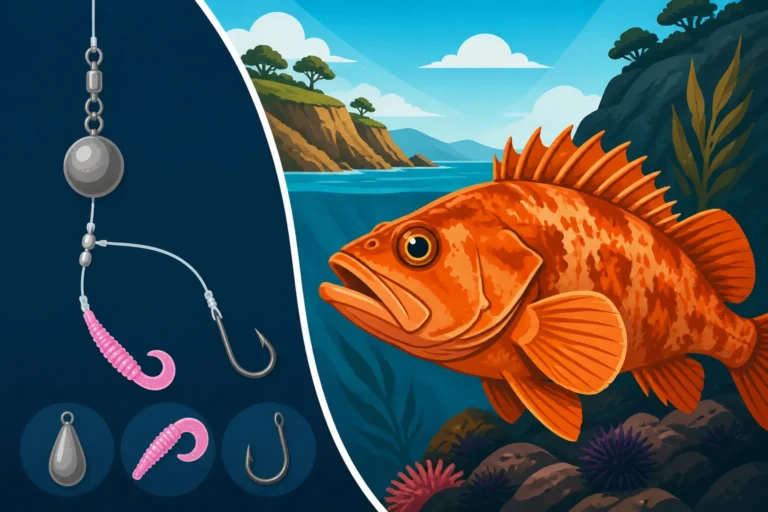
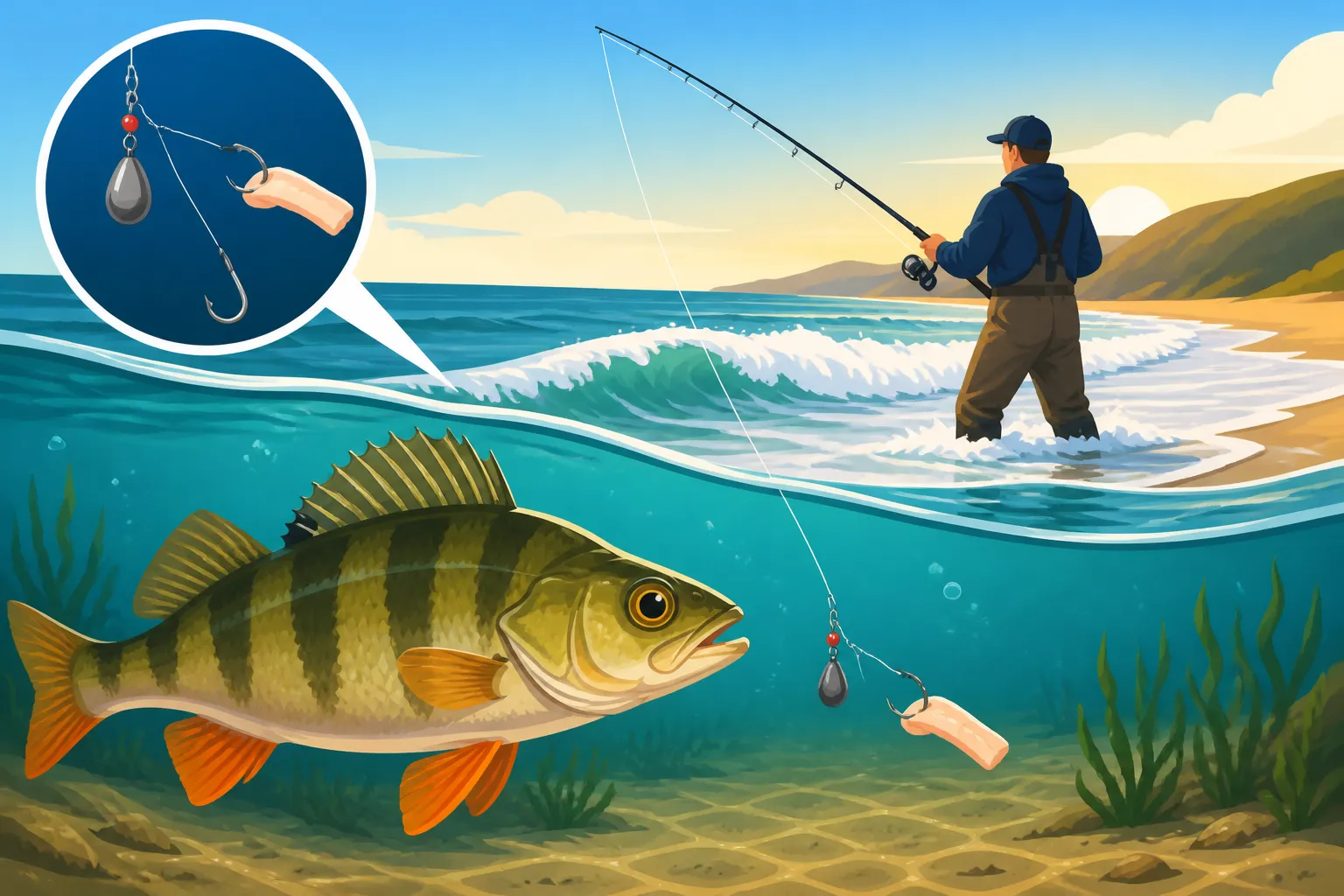
Rigs: The most popular and effective rig for surf perch is the Carolina Rig. This consists of an egg sinker (or similar sliding weight) threaded onto your main line, followed by a small bead (to protect your knot), then tied to a barrel swivel. Off the other end of the swivel, you'll tie a fluorocarbon leader (12-24 inches) to a small, sharp hook (size #2 to #6 octopus or baitholder hook works great). This rig allows your bait to drift naturally near the bottom, separate from your weight, which is key to enticing wary perch. Another good option, especially if you want to present two baits at once, is a high-low rig (sometimes called a Pompano rig). This features two dropper loops tied above a pyramid sinker, each with a small hook. This rig is great for covering a bit more water column.
Here's a quick comparison of popular surf perch baits:
| Bait Type | Effectiveness | Pros | Cons | Where to Find |
|---|---|---|---|---|
| Sand Crabs (Live) | High | Natural, free, perch's primary food source | Can be seasonal, time-consuming to dig, delicate | Dig near surf line at low tide |
| Lugworms/Bloodworms | High | Highly attractive scent, very effective | Can be expensive, delicate, harder to keep alive | Reputable tackle shops |
| Gulp! Sandworms | Medium-High | Convenient, durable, scented, always available | Not live bait, can be less appealing than natural | Tackle shops, Amazon |
| Market Shrimp | Medium | Readily available, attracts a variety of species | Can be easily stolen by smaller fish and crabs | Grocery store, bait shops |
| Mussels | Medium | Natural food source in some areas, durable | Can be tough to shuck, less versatile | Rocks and pilings (check regulations for harvesting) |
Mastering the Techniques: How to Catch Perch in the Surf
Having the right gear is only half the battle. Knowing how to use it and where to cast can turn a slow day into a memorable one. Surf fishing is as much about reading the water as it is about casting.
Reading the Beach: Finding the Hot Spots
This is probably the most important skill for any surf angler. The ocean is constantly changing, but there are tell-tale signs that reveal where fish might be congregating.
- Troughs and Gutters: These are deeper depressions parallel to the shore, often just beyond the breaking waves. They act as natural highways for fish, collecting food and offering a protected area from the strongest currents. Look for areas where the waves break, then reform briefly, and then break again closer to shore. The calmer, deeper water in between those breaks is often a trough.
- Rip Currents: While dangerous for swimmers, rips can be great fishing spots. As water rushes back out to sea, it funnels baitfish and other food sources, creating an easy feeding opportunity for larger fish. Cast to the edges of the rip.
- Sand Bars: Submerged sand bars are typically shallower areas where waves break first. The backside of a sandbar, closer to shore, often has a deeper trough where perch will hold.
- Structure: Any rocks, kelp beds, or submerged jetties will attract bait and, in turn, perch. Just be mindful of snags.
- The "Perch Zone": Generally, perch will be found anywhere from knee-deep water out to 50-70 yards from shore. They're often right in that foamy, turbulent zone where the waves are crashing and stirring up the sand. The best way to identify these spots is to observe the waves. Where do they break? Where do they calm down? Where do you see foam and disturbed water? That's often where the food is, and where the perch are. Scouting at low tide, if possible, can also reveal the contours of the beach, showing you troughs and bars that will be submerged at high tide.
Casting and Presentation: Getting Your Bait Where It Needs to Be
Once you've identified a promising spot, it's time to get your bait in front of the fish.
- Casting: You don't always need to cast "to the horizon." Often, perch are much closer than you think, sometimes even in ankle-deep water. Start with shorter casts, maybe 20-30 yards, and work your way out. Use an overhead cast for accuracy and distance.
- Retrieve: With a Carolina rig, cast your bait out and let the sinker settle on the bottom. Give it a few seconds, then very slowly reel in a foot or two, pausing again. You want your bait to drift naturally with the current, mimicking a sand crab trying to re-bury itself. It's not a steady retrieve like lure fishing; it's more of a subtle "drag and pause" approach. Feel for any resistance or taps.
- Feeling the Bite: Perch bites can be incredibly subtle, sometimes just a slight tap or a feeling of added weight. Keep a keen eye on your rod tip; a slight twitch or bend can indicate a bite. When you feel something, don't immediately yank. Give the fish a second to take the bait, then lift your rod tip smoothly to set the hook. A sharp, firm sweep is usually all it takes with those small, sharp hooks.
- Patience and Persistence: Surf fishing often involves a lot of waiting. Don't be afraid to move down the beach if a spot isn't producing. Perch can be highly localized, and moving just 50 yards can sometimes put you right on top of a school.
Tidal Influence and Timing
Tides play a massive role in surf fishing success. Perch actively feed with the moving water, as it dislodges their prey.
- Incoming Tide: Generally considered the best time to fish for surf perch. As the tide pushes in, it brings fresh water and more food closer to shore, making perch more active. The period from about two hours before high tide to high tide itself is often prime.
- Outgoing Tide: The first hour or two of the outgoing tide can also be productive, as water recedes from the higher parts of the beach, creating new troughs and exposing fresh food.
- Time of Day: Dawn and dusk often offer cooler temperatures and lower light, which can make fish more comfortable moving into shallower water to feed. Overcast days can extend these prime feeding windows.
- Surf Conditions: A moderate surf with a good "crumbly" wave break (not too huge and crashing, not too flat) is often ideal. It creates just enough turbulence to stir up food without making it impossible for fish to hold their position or for you to keep your bait in place.
Understanding the California Fishing Seasons: Month-by-Month Guide can help you get a broader picture of fishing opportunities, but for surf perch, consistency is often key year-round, with peaks during certain conditions.
Best Locations and Seasons for California Surf Perch
California's vast coastline offers countless spots for surf fishing, and while perch can be found on most sandy beaches, some areas are simply more productive or accessible.
Top California Beaches for Perch Fishing
No matter if you're in sunny Southern California or the rugged North, there are fantastic beaches teeming with surf perch.
- Southern California:
- Bolsa Chica State Beach (Huntington Beach): A long, sandy stretch known for consistent barred surf perch action. Easy access and ample parking make it a popular spot.
- Zuma Beach (Malibu): Another well-regarded spot with a gentle slope that holds good numbers of perch, especially in the troughs.
- Coronado Beach (San Diego): Famous for its glittering sands and productive waters, Coronado offers good opportunities for barred surf perch and occasional corbina.
- For more specific local insights, check out guides like Best Fishing Spots Near Los Angeles or San Diego Fishing Spots.
- Central Coast:
- Pismo Beach: Home to the iconic Pismo clam, this beach is also a surf perch hotspot. Its extensive sandy bottom is perfect habitat.
- Morro Bay: While often associated with its rockfish and halibut, the beaches around Morro Bay and Cayucos offer excellent surf fishing for perch. You might also encounter other species like California halibut here, so be ready!
- Santa Cruz Beaches: Beaches like Capitola or Twin Lakes offer solid perch fishing, often with a mix of barred and walleye surf perch.
- Northern California:
- Ocean Beach (San Francisco): This iconic, often wild beach can be challenging due to its strong surf and currents, but it holds huge numbers of barred and redtail surf perch for those willing to brave it.
- Pacifica State Beach (Linda Mar Beach): A popular, more sheltered beach just south of San Francisco, known for easier access and good perch fishing.
- Stinson Beach: Further north, Stinson offers beautiful scenery and consistent perch fishing.
When exploring these spots, always keep an eye out for signs indicating California Marine Protected Areas Explained. Fishing regulations can be very strict in these zones, and you definitely don't want to accidentally violate any rules.
Understanding Perch Seasons and Regulations
One of the best things about surf perch fishing in California is that you can pursue them year-round. While you might have better luck during certain seasons, they're always there, cruising the surf zone.
- Peak Seasons: Many anglers find spring (March to May) and fall (September to November) to be particularly productive. In spring, larger female perch come closer to shore to drop their live young (yes, perch are viviparous, meaning they give birth to live young, not eggs!). In fall, cooling waters can often trigger aggressive feeding. However, don't discount summer or winter; good days can be had any time the conditions are right. For example, California Fishing in Spring can yield some of the biggest perch of the year.
- Bag and Size Limits: Like all game fish in California, surf perch are subject to specific regulations designed to ensure sustainable populations. While limits can vary slightly by species, generally, you'll find a daily bag limit of 10 fish of a single species, or an aggregate of 10 for multiple species, with a minimum size limit of 9 or 10 inches depending on the specific perch. However, these regulations do change, so it is absolutely critical to check the most current information from the California Department of Fish and Wildlife (CDFW) before you head out. Always consult the latest California Fishing Regulations Explained to be sure you're compliant.
- Fishing License: Remember, unless you're fishing from a public pier, you will need a valid California fishing license to surf fish. You can easily purchase one online through the CDFW website or at most tackle shops. Consider looking into your California Sport Fishing License Options to see what best fits your needs, or if you're a visitor, understand the California Fishing License Requirements for Visitors. A reliable fishing app or a physical copy of the regulations booklet, often available on Amazon, is a must-have for any serious angler to keep track of these rules on the go. While fishing from a public pier typically doesn't require a license, if you're casting from the sand, you'll need one. You can read more about California Pier Fishing License Rules if you plan to combine your surf fishing with some pier action.
Surf fishing for perch is an incredibly accessible and rewarding way to enjoy California's natural beauty. With the right knowledge, gear, and a bit of patience, you'll be well on your way to reeling in these fantastic fish from our glorious beaches.
Disclaimer
Fishing regulations and conditions in California can change frequently. Always consult the latest California Department of Fish and Wildlife (CDFW) regulations before engaging in any fishing activity. This guide is for informational purposes only and should not replace official sources. Be aware of local conditions, exercise caution, and prioritize safety while fishing.