California Fishing License Requirements for Visitors
Planning a fishing trip to California from out of state can be incredibly exciting, but the excitement often comes with a heap of questions, especially when it comes to understanding all the rules and regulations. It’s easy to feel overwhelmed by the thought of getting everything just right, fearing a fine or, worse, having your trip cut short because you missed a crucial detail. This comprehensive guide is designed specifically for visitors like you, breaking down exactly what you need to know about California fishing license requirements, ensuring your angling adventure is smooth, legal, and stress-free.
Why Visitors Absolutely Need a California Fishing License
Let's cut right to it: if you're visiting California and plan to wet a line, you absolutely need a fishing license. There are very few exceptions to this rule, and assuming you can just show up and fish because you have a license from your home state is a common, and costly, mistake. California's Department of Fish and Wildlife (CDFW) uses license sales to fund critical conservation efforts, fish stocking programs, and enforcement, so everyone who participates in angling here is expected to contribute. It’s not just about bureaucracy; it's about sustaining the incredible fisheries that draw so many of us to this beautiful state.
The Foundation: Resident vs. Non-Resident Status
The first thing to understand is that your status as a "visitor" immediately puts you in the non-resident category for licensing purposes. This isn't unique to California; most states operate this way. The key difference lies in the pricing of licenses, which we'll delve into shortly. You're considered a California resident if you've physically resided in the state for six consecutive months immediately prior to the date you apply for a license, or if you hold a valid California driver's license or identification card. For most visitors, this simply means you'll be purchasing a non-resident license, which typically costs more than a resident license. This higher fee helps balance the contribution from those who don't pay California state taxes but still enjoy its natural resources. Don't let the price difference deter you; it's a small investment for the privilege of fishing in some of the most diverse and productive waters in the country.
Who is Exempt From Needing a License?
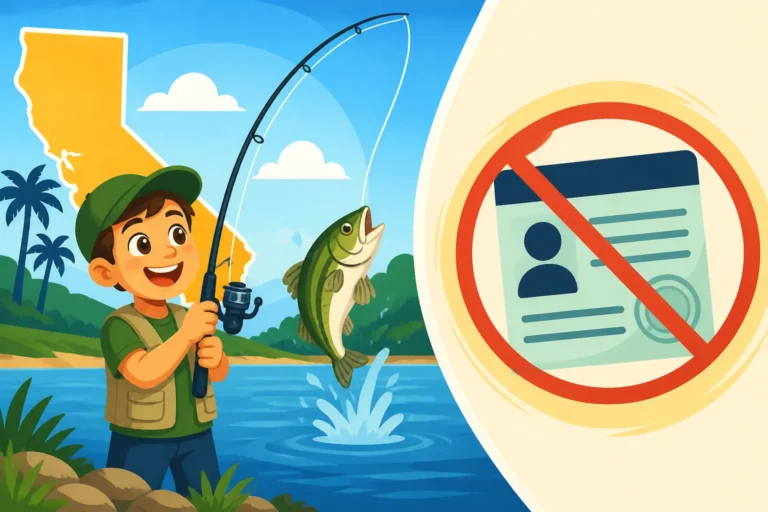
While the general rule is that everyone needs a license, there are a few very specific, limited exceptions that might apply. For instance, children under 16 years of age do not need a sport fishing license to fish in California. This is fantastic news for families traveling with young aspiring anglers, making it easier and more affordable to introduce kids to the joys of fishing. Also, there are specific "Free Fishing Days" where everyone, including visitors, can fish without a license. These days are usually spread throughout the year, often in July and September, and are great opportunities to try out fishing without the upfront cost of a license. However, even on these days, all other regulations, like bag and size limits, still apply, so you need to be informed. It's also worth noting that if you're fishing from certain public piers in ocean waters, you might not need a license, but even then, special report cards might still be required for certain species, and all other rules remain in effect. This particular nuance is a common source of confusion, so always double-check the specific rules for your chosen pier. For more details on where you might be able to fish without a license, check out our guide on Where You Can Fish Without a License in California.
Navigating California's Fishing License Options for Visitors
Once you've accepted that a non-resident license is in your future, the next step is figuring out which license option best suits your trip. California offers several choices, from short-term permits perfect for a quick getaway to annual licenses for those planning multiple visits or extended stays. Understanding these options is key to avoiding unnecessary expenses and making sure you’re covered for your entire trip.
Short-Term Fishing License Options
For many visitors, especially those on vacation, a short-term license is the most practical and cost-effective solution. California offers both one-day and two-day sport fishing licenses for non-residents. These are ideal if you only plan to fish for a day or two during your stay.
- One-Day Non-Resident Sport Fishing License: This license covers you for a single calendar day. It's perfect if you're just dipping your toes in the water, perhaps trying a guided trip or a quick pier fishing session. The cost is significantly less than an annual license, making it very accessible. You can read more about the California One-Day Fishing License for specific pricing and details.
- Two-Day Non-Resident Sport Fishing License: This option extends your fishing privileges to two consecutive calendar days. It's a great choice for a weekend trip or if you plan to hit different spots on back-to-back days. Again, it’s much cheaper than the annual option. For more on this, check out our article on the California Two-Day Fishing License.
It’s important to remember that these licenses are valid for the specific dates you choose at the time of purchase. They are not like punch cards that you can use on any two days. Plan your fishing days accordingly before you buy!
Annual Non-Resident Sport Fishing License
If you're an avid angler who plans to make multiple trips to California within a 12-month period, or if your single trip is longer than two days, then investing in an annual non-resident sport fishing license makes the most sense. This license is valid from January 1st through December 31st of the calendar year it’s issued. While the upfront cost is higher than the short-term options, it quickly pays for itself if you spend more than a couple of days fishing here. It provides maximum flexibility, allowing you to fish whenever you’re in the state without having to worry about purchasing new licenses for each outing. For a comprehensive overview of pricing, you can refer to our article on California Non-Resident Fishing License Cost. This license is part of the broader California Fishing License Guide which outlines all available options.
Here's a quick comparison of the non-resident license types:
| License Type | Validity Period | Best For | Approximate Non-Resident Cost (as of 2024, subject to change) |
|---|---|---|---|
| One-Day Sport Fishing | 1 selected calendar day | Quick trips, trying fishing out | $20.00 |
| Two-Day Sport Fishing | 2 consecutive calendar days | Weekend trips, short multi-day excursions | $32.00 |
| Annual Sport Fishing | Jan 1 – Dec 31 of current year | Multiple visits, extended trips (>2 days) | $175.00 |
Note: Prices are estimates and subject to change. Always verify current pricing on the CDFW website before purchase.
How Visitors Can Purchase a California Fishing License
Okay, so you know which license you need. Now, how do you actually get your hands on one? The process is relatively straightforward, but it's crucial to do it legally and correctly to avoid any headaches once you’re out on the water. Thankfully, California has made it pretty convenient to acquire a license, even for those who are just passing through.
Buying Online: The Easiest Option for Travelers
For most visitors, purchasing your California fishing license online through the CDFW's Automated License Data System (ALDS) is by far the easiest and most recommended method. You can do this from the comfort of your home before you even leave for California, or even from your phone once you arrive.
Here’s a general step-by-step breakdown:
- Visit the CDFW Website: Navigate to the official California Department of Fish and Wildlife website. Look for the "Licenses and Permits" section.
- Create an Account (or Log In): If you don't already have one, you'll need to create a customer profile. This involves providing personal information like your name, date of birth, mailing address (your home address, not a California address), and contact details. You'll be assigned a GO ID, which is your unique identification number in the system. Keep this handy for future purchases.
- Select Your License: Choose the non-resident sport fishing license option that fits your needs (one-day, two-day, or annual).
- Add Any Required Report Cards or Endorsements: Don't forget this step! Depending on what you plan to fish for, you might need additional items like a Steelhead Report Card, an Ocean Enhancement Stamp for certain saltwater fishing, or a Sturgeon Report Card. We'll cover these in more detail later.
- Review and Pay: Double-check all your selections and personal information before proceeding to payment. The system accepts major credit cards.
- Print Your License: After successful payment, you'll receive a confirmation and a printable license document. You must print this license and carry it with you while fishing. A digital copy on your phone is not sufficient; you need a physical copy. This is a common pitfall, so don't skip printing it out!
You can find a more in-depth guide on How to Buy a California Fishing License Online if you prefer a visual walkthrough.
Purchasing In-Person from License Agents
If you prefer a face-to-face transaction, or if you find yourself needing a license last-minute while already in California, you can purchase one from an authorized license agent. These agents are typically bait and tackle shops, sporting goods stores, and some larger retail chains like Walmart or Big 5 Sporting Goods.
Here's what to expect:
- Find an Agent: Use the CDFW’s online locator tool to find the nearest authorized license agent to your location.
- Provide Information: You'll need to provide the same personal details you would online: name, date of birth, home address, etc.
- Receive Your License: The agent will process your information and print your physical license on site. You'll walk out with a valid license in hand.
While convenient, sometimes the lines can be long, especially on popular fishing weekends. It's always a good idea to call ahead to confirm store hours and ensure they are actively selling licenses. For a complete list and explanation of where to find these, consult our article on California Fishing License Agents Explained.
Essential Endorsements and Report Cards for Visitors
Just buying a basic fishing license isn't always the end of the story in California. Depending on where you plan to fish and, more importantly, what species you intend to target, you might need additional endorsements or report cards. Failing to acquire these can lead to fines, even if you have a valid base license. These extra requirements help the CDFW monitor specific fisheries and manage populations effectively, which ultimately benefits everyone.
Ocean Enhancement Stamp (OES)
If your fishing plans include Southern California ocean waters, roughly south of Point Arguello in Santa Barbara County, you'll very likely need an Ocean Enhancement Stamp (OES). This stamp helps fund projects that enhance marine life and sportfishing in these areas. It’s an extra cost on top of your base license, but it's mandatory for anyone 16 years or older fishing in these specific saltwater regions. Even if you're on a party boat or charter, this stamp is usually required unless the charter specifically states otherwise or operates entirely outside the OES zone. Our detailed guide on the California Ocean Enhancement Stamp provides all the information you need on this important requirement.
Report Cards for Anadromous Fish
California is home to incredible anadromous fish species, which are fish that migrate from saltwater to freshwater to spawn, such as salmon, steelhead, and sturgeon. These species are highly regulated due to their sensitive life cycles, and if you plan to target any of them, you will need a specific report card in addition to your fishing license.
- California Steelhead Report Card: If you dream of hooking into a powerful steelhead in rivers like the Klamath or Trinity, this report card is non-negotiable. It's used to gather crucial data on steelhead catches and effort, helping the CDFW manage these vital populations. You must carry it with you, validate it immediately upon catching a steelhead, and return it by the specified deadline, even if you didn't catch anything. Understanding the California Steelhead Report Card is key for these pursuits.
- California Sturgeon Report Card: Similarly, if the prehistoric allure of white sturgeon calls to you, a Sturgeon Report Card is mandatory. This card tracks sturgeon fishing activity and is essential for monitoring this long-lived species. Just like with steelhead, validation and timely return are critical. More information can be found in our post on the California Sturgeon Report Card.
- California Salmon Report Card: While often managed through ocean salmon regulations and seasons, sometimes specific report cards are required for freshwater salmon fishing. Always check current regulations for the area and species you intend to fish, as salmon regulations can be complex and change frequently based on population health. For more on this, check out the California Salmon Report Card.
It’s easy to overlook these report cards, but they are just as important as your fishing license. They are typically available for purchase at the same locations as your main fishing license, both online and through authorized agents.
Understanding Special Regulation Waters
Beyond general statewide rules, some specific lakes, rivers, or sections of water in California have their own unique regulations, often referred to as "Special Regulation Waters." These might include different bait restrictions (e.g., "artificial lures only" or "fly-fishing only"), catch-and-release requirements, or modified bag and size limits for specific species. As a visitor, it's particularly important to research the specific body of water you intend to fish, as ignorance of these local rules is not an excuse. Always consult the official California Fishing Regulation Booklet Explained before heading out.
Key Regulations and Practical Considerations for Visiting Anglers
Now that you've got your license and any necessary endorsements, it's time to hit the water! But before you cast your first line, there are a few more critical aspects of California fishing regulations that out-of-state anglers need to be acutely aware of. These aren't just suggestions; they are legally binding rules designed to protect fish populations and ensure fair sport for everyone.
Bag and Size Limits
This is probably one of the most frequently violated regulations, often unintentionally, by anglers unfamiliar with local rules. California has strict bag limits (how many fish of a certain species you can keep) and size limits (the minimum or maximum length a fish must be to be kept) for almost every game species. These limits can vary significantly by:
- Species: What applies to trout won't apply to bass or rockfish.
- Location: Ocean regulations are different from freshwater, and even within freshwater, rules can vary by lake or river.
- Season: Limits and even open seasons can change throughout the year.
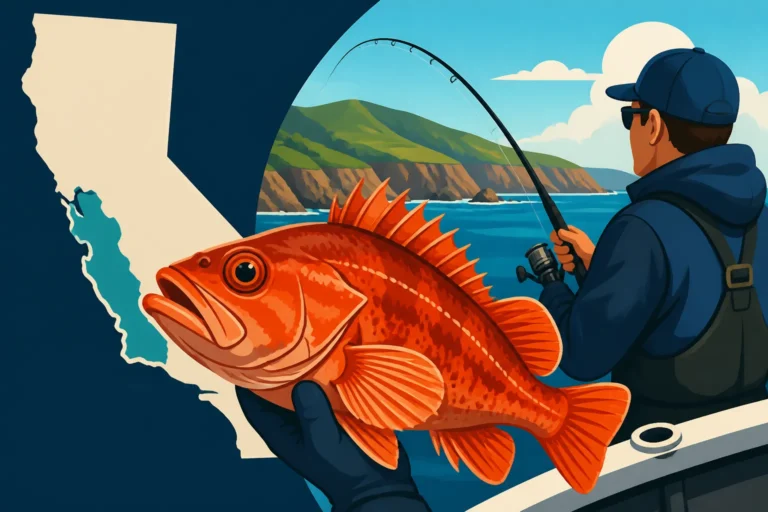
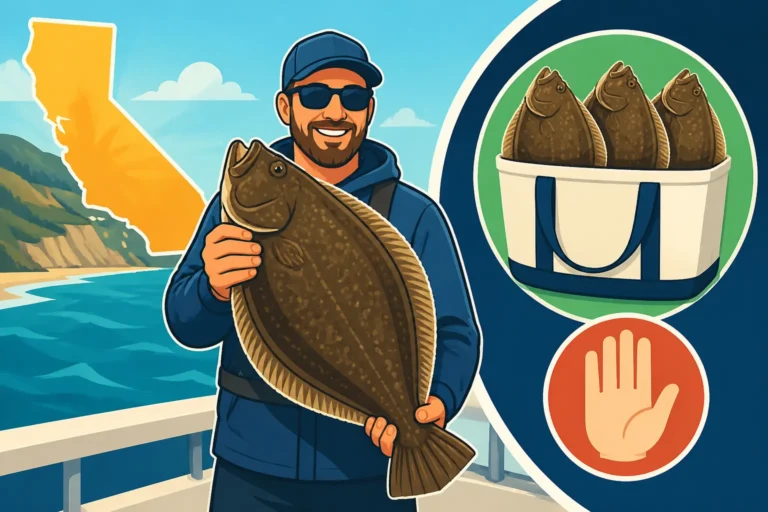
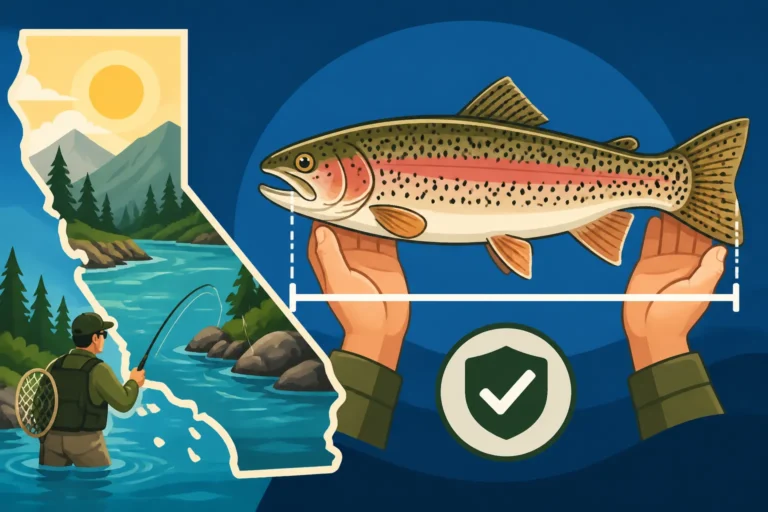
For example, California Trout Limits and Regulations are quite specific depending on the type of trout and the waterbody. Similarly, California Halibut Size and Bag Limits are rigorously enforced in saltwater. Always carry a current copy of the California Sport Fishing Regulations booklet (which you can download digitally or pick up at license agents) or use a reliable fishing app that updates frequently. When in doubt, err on the side of caution and release the fish.
Barbless Hook Requirements
A growing trend in California, especially in sensitive trout and steelhead waters, is the requirement for barbless hooks. This regulation is designed to minimize harm to fish that are caught and released, increasing their chances of survival. Many anglers simply crimp down the barb on their existing hooks, which is an easy and effective solution. If you're planning on fishing in rivers and streams, particularly for trout and steelhead, assume barbless hooks are required unless explicitly stated otherwise. Check the specific regulations for your chosen fishing spot carefully. You can find more information about this in our guide on California Barbless Hook Requirements.
Marine Protected Areas (MPAs)
California boasts an extensive network of Marine Protected Areas (MPAs) along its coastline, designed to conserve marine biodiversity. These areas are analogous to national parks, but underwater. Fishing within an MPA can be highly restricted or even completely prohibited, depending on the specific designation of the area (e.g., State Marine Reserve, State Marine Park, State Marine Conservation Area). As a visitor, it can be tricky to know exactly where these boundaries lie, especially if you're not familiar with the local coastline.
- Know Before You Go: Always check a map of California's MPAs before heading out to fish in saltwater. Websites like the CDFW’s marine region page or apps like Fish Legal are invaluable tools.
- Respect the Boundaries: Even accidentally fishing in a "no-take" zone can result in hefty fines and penalties. If you’re fishing from a boat, having a reliable GPS with MPA overlays is essential. For more information, see our comprehensive explanation of California Marine Protected Areas Explained.
Fishing on a Charter or Party Boat
Many visitors opt for the convenience and expertise of a fishing charter or party boat. These trips are fantastic because they often provide gear, bait, and seasoned crew who know exactly where the fish are biting. However, even on a guided trip, you as the angler are responsible for holding a valid fishing license and any required report cards or stamps. While the boat might have certain permits, your individual license is still a must. Before booking, confirm with the charter company what specific licenses or stamps you'll need. Some charters, particularly those targeting highly regulated species like tuna or rockfish, will clearly state these requirements. Our article on Do You Need a License on a Party Boat in California delves into this topic in more detail. Even if you're going on a California Fishing License for a Charter Trip, you'll need your own.
Carrying Your License and Regulations
This might seem obvious, but it's crucial: always carry your physical fishing license (and any required report cards) with you while you are fishing. Law enforcement officers, whether from the CDFW or local agencies, can and will ask to see it. As mentioned, a digital photo on your phone is not considered a valid license. You also should have a way to access the current fishing regulations, either a printed booklet or a reliable digital copy on your phone. Being able to quickly reference a rule can save you from an unintentional violation.
Final Thoughts for Your California Fishing Adventure
Stepping into the world of California fishing, especially as an out-of-state angler, can feel like navigating a maze of rules and paperwork. But honestly, it's not nearly as complicated as it might seem at first glance. The key is to be proactive: plan ahead, get your licenses and endorsements in advance, and make sure you understand the regulations for the specific waters and species you're targeting.
California offers an unparalleled diversity of fishing experiences, from the cold, clear trout streams of the Eastern Sierra to the vibrant kelp forests teeming with yellowtail and calico bass off the Southern California coast. We truly want you to have an incredible, memorable, and legal fishing trip here. By taking the time to understand these requirements, you're not just avoiding fines; you're contributing to the conservation efforts that keep California’s fisheries healthy and thriving for future generations of anglers. So, grab your gear, double-check your license, and get ready to create some unforgettable fishing memories in the Golden State!
Disclaimer
Please note that fishing regulations, license fees, and requirements in California are subject to change. While this guide aims to provide the most current and accurate information for visitors, it is essential to always consult the official California Department of Fish and Wildlife (CDFW) website or their latest Sport Fishing Regulations booklet before engaging in any fishing activities. This article is for informational purposes only and should not be considered legal advice.