Can Kids Fish Without a License in California
It’s a question that trips up so many parents, and honestly, it’s completely understandable why there’s confusion! You’re looking forward to a peaceful day by the water, introducing your kids to the joys of fishing, and then that nagging thought pops up: "Do I need to buy a whole separate license for my little one?" The good news is, for the most part, getting kids out fishing in California is much simpler than you might think. This guide will clear up all the rules, helping you confidently plan your family's next angling adventure.
The Clear Cut Rule: Age and Exceptions
Let's get straight to the heart of the matter because this is where the biggest sigh of relief comes in for most families. The California Department of Fish and Wildlife (CDFW) has made it pretty straightforward: children under a certain age are exempt from needing a sport fishing license. This policy is fantastic for encouraging new generations of anglers.
What Age Qualifies for License-Free Fishing?
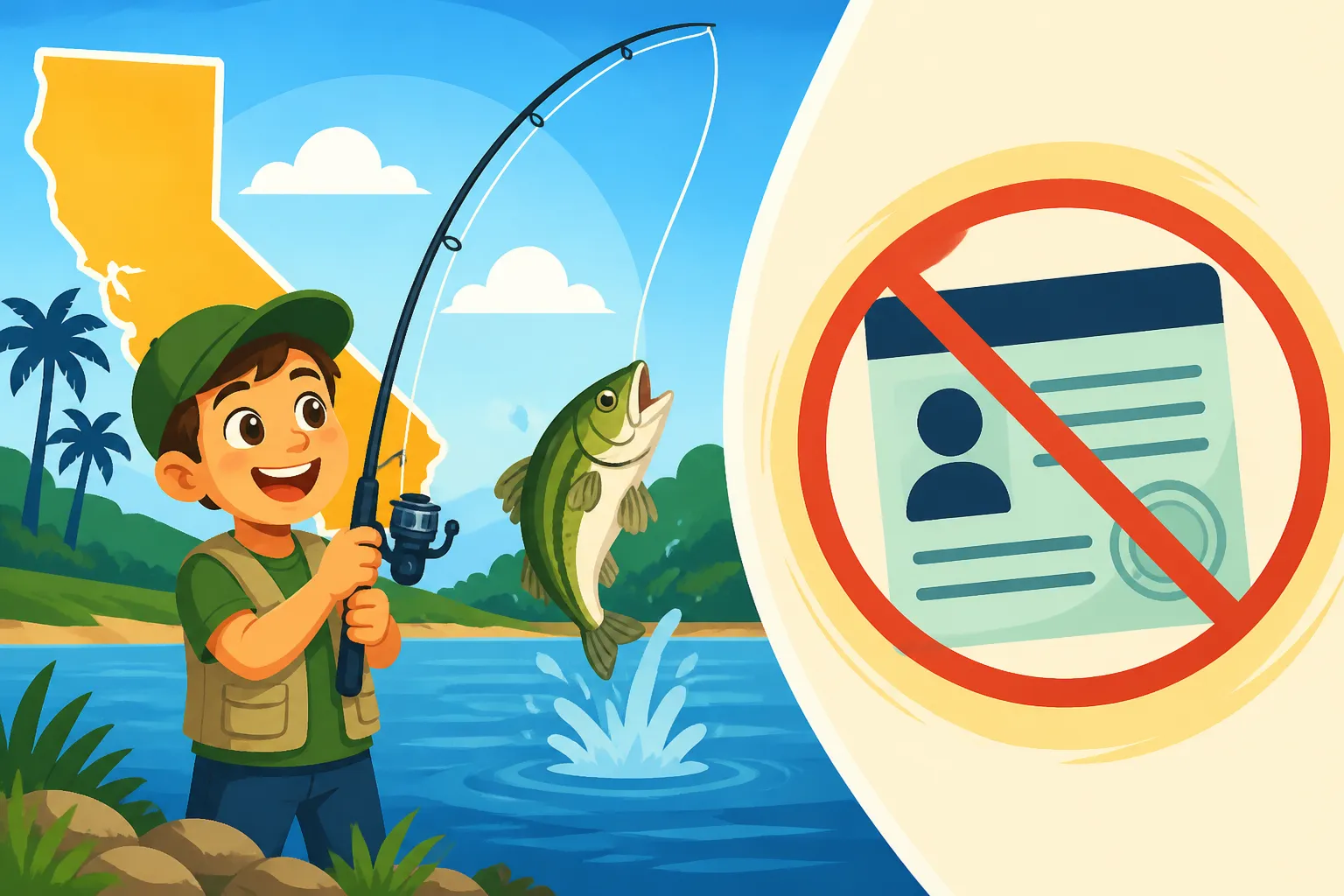
In California, anyone under the age of 16 does not need a sport fishing license to enjoy freshwater or saltwater fishing. That's right, if your child hasn't hit their sixteenth birthday yet, they can grab a rod and reel and cast a line without you having to worry about purchasing a separate license for them. This applies whether you're heading to a local lake, a flowing river, or out on the ocean. It’s a huge incentive to get kids outdoors and connected with nature, and it certainly eases the financial burden on parents already juggling a million expenses. Imagine not having to worry about another fee when you're just trying to share a simple, wholesome activity with your little ones – it’s genuinely a wonderful thing.
Are There Any Catches (Pun Intended) to This Rule?
While the "under 16, no license" rule is fantastic, it's not entirely without its nuances. Like many things related to California fishing regulations, there are always a few extra details to be aware of, especially concerning specific species that require special reporting. This is where the concept of "report cards" comes into play, and it’s something you absolutely cannot overlook, even for your young anglers.
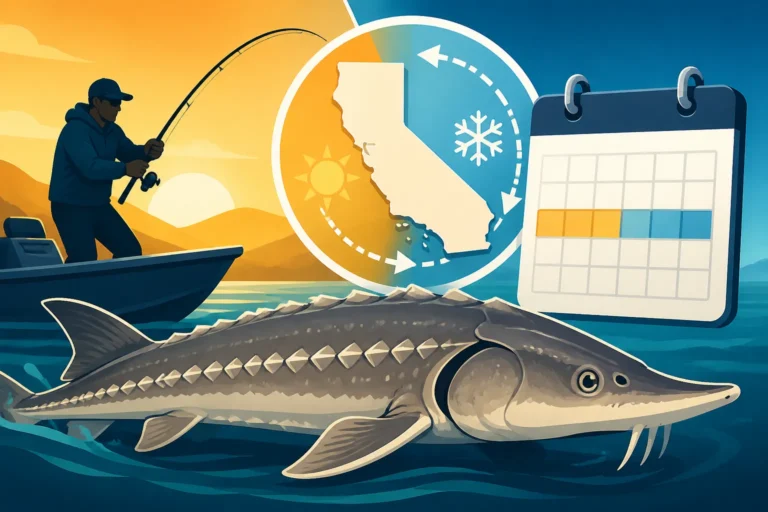
Even if your child is under 16 and doesn't need a general fishing license, they do still need to possess a valid report card for certain species. We’re talking about highly managed and monitored species like Steelhead, Sturgeon, and Pacific Halibut. These report cards are critical data collection tools for the CDFW, helping them track catch and effort to ensure sustainable populations. So, if your family trip involves targeting these magnificent fish, make sure you get the appropriate California Steelhead Report Card, California Sturgeon Report Card, or a Pacific Halibut report card. These aren't annual licenses, but specific permits for specific species, and they must be returned to the CDFW at the end of the reporting period, even if no fish were caught. Failing to have one or failing to return it can lead to fines, which is the last thing you want when you're just trying to enjoy a day with the kids.
Why This Rule Matters for Conservation and Education
It might seem like a simple policy to let kids fish for free, but there’s a much deeper purpose behind it than just making parents happy (though it certainly does that!). This rule is intricately tied to California’s robust efforts in conservation, data collection, and, crucially, fostering a new generation of environmental stewards.
Encouraging Future Anglers and Stewards
Think about it: if every parent had to pay for a full sport fishing license for every child, even toddlers, many families might just throw up their hands and decide it's not worth the hassle or the expense. By removing the financial barrier for those under 16, California actively encourages families to introduce their children to fishing. This isn't just about catching fish; it's about connecting with nature, learning patience, understanding ecosystems, and developing a respect for wildlife and habitats.
These experiences often lay the groundwork for a lifelong appreciation of the outdoors and a commitment to conservation. A child who spends their formative years fishing, observing wildlife, and learning about clean water is far more likely to grow into an adult who supports conservation efforts and understands the importance of sustainable resource management. It's an investment in the future of California's natural resources, ensuring that the passion for fishing and the commitment to protecting our waters are passed down. You can find more comprehensive details on the overall requirements in the California Fishing License Guide.
Data Collection and Responsible Management
Even without a general license, the requirement for specific report cards for certain species for all anglers, including kids, underscores the importance of data in fisheries management. Every Steelhead, Sturgeon, or Salmon report card returned provides vital information to the CDFW. This data allows biologists to monitor populations, assess the health of fisheries, and make informed decisions about bag limits, seasons, and other regulations that protect these species.
It teaches young anglers, and their supervising adults, that fishing isn't just a free-for-all; it's a privilege that comes with responsibilities. They learn that every fish caught (or even attempted to be caught) contributes to a larger scientific effort. This instills a sense of accountability and helps them understand that responsible fishing practices are essential for ensuring there are fish for future generations. The rules, while sometimes seeming complex, are all part of a larger plan to keep California's fisheries healthy and thriving, as outlined in the California Fishing Regulations Explained.
Beyond the Basics: Special Scenarios for Young Anglers
While the "under 16, no license" rule covers most situations, California offers a few other wonderful opportunities and considerations that make fishing even more accessible and enjoyable for kids and their families. Knowing these can help you plan the perfect outing.
Fishing from Piers and Public Docks
This is a fantastic option for families, especially those just starting out or with very young children. In California, you typically do not need a fishing license to fish from a public pier or public jetty in ocean waters, regardless of your age. This is a massive bonus! It means you can take your kids, your spouse, your grandparents—anyone—to many of California’s beautiful piers, like the Santa Monica Pier or the Pacifica Pier, and cast a line without any licensing worries whatsoever.
This exemption applies to everyone, not just kids, making it one of the most accessible entry points into fishing. While you don't need a license, you still need to adhere to all other regulations, such as bag limits, size restrictions, and gear restrictions for the species you might encounter. It's crucial to know what you can and can't keep, and what gear is allowed. Always check the specific regulations for the pier you plan to visit. It’s a low-pressure way to enjoy the ocean breeze, catch some mackerel or perch, and make some great family memories. You can dive deeper into these specifics by reading our guide on Fishing from a Pier in California: Rules.
California Free Fishing Days
Another incredible opportunity for families to get out on the water without the need for a license, for anyone (including adults!), are California's designated Free Fishing Days. The CDFW typically designates two days each year, usually in the summer and fall, where all sport fishing license requirements are waived for both residents and non-residents.
These days are specifically designed to introduce people to fishing and remove any perceived barriers. They’re perfect for parents who might want to try fishing with their kids for the first time but are hesitant to invest in an adult license right away. On these days, your under-16 children still don't need a license, but now you don't either! It’s an ideal chance to experiment, visit a new fishing spot, or just enjoy a completely free day of angling. However, just like with pier fishing, all other regulations regarding bag limits, size, and gear still apply, and specific report cards (like for Steelhead or Sturgeon) may still be required. Make sure to check the exact dates and any specific rules for these days by looking up California Free Fishing Days.
Report Card Requirements Recap
We touched on this earlier, but it bears repeating because it's the most common regulatory hurdle for kids. While the general sport fishing license is waived for those under 16, report cards are a separate animal entirely. These are necessary regardless of age for:
- Steelhead: If you're fishing in waters where Steelhead might be present, even if you're not specifically targeting them, your child needs a California Steelhead Report Card.
- Sturgeon: The majestic Sturgeon also requires a specific report card. If you're in the Delta or other Sturgeon hotspots, this is non-negotiable for your young angler – check out California Sturgeon Report Card for details.
- Pacific Halibut: While less common for casual kid fishing, if you happen to be targeting Pacific Halibut, a report card is required.
- Salmon (Ocean): Ocean Salmon also have specific report card requirements. If you're out on a boat hoping for Chinook, your child will need a California Salmon Report Card.
These cards are usually inexpensive compared to a full fishing license, and purchasing them supports the conservation efforts for these specific species. Always verify the latest requirements on the CDFW website before heading out.
Equipping Your Young Angler: Gear and Guidance
Now that we've got the license logistics covered, let's talk about the fun part: getting your kids ready for a day of fishing! While the rules are simpler for them, teaching them proper technique, safety, and respect for the environment is paramount.
Choosing the Right Gear for Little Hands
You don't need to break the bank to get your child started in fishing. Simplicity and durability are key. A basic spincast rod and reel combo is often the best choice for beginners. These reels are incredibly easy to use – just press a button, cast, and reel. You can find excellent beginner combos at sporting goods stores or even on platforms like Amazon for a very reasonable price. Look for something that's not too long or heavy for their size, typically a 4 to 5-foot ultralight or light action rod.
For tackle, start with the basics:
- Hooks: Small, barbless hooks (often required in certain waters for trout or Steelhead – check California Barbless Hook Requirements for specifics) are great for panfish and trout.
- Weights: A small assortment of split shot weights.
- Bobbers: These are fantastic for visual cues, letting kids see when they’re getting a bite.
- Bait: Worms are always a winner. PowerBait for trout or small pieces of cut bait can also be effective. You can easily find these at most bait shops.
- Tackle Box: A small, simple tackle box, maybe even one they can personalize, makes them feel like a real angler. Again, something sturdy and kid-friendly is readily available on Amazon.
Remember, the goal is to make it fun and accessible, not overwhelming. A simple setup that allows them to feel successful is far better than expensive, complicated gear.
Teaching Safety and Fishing Ethics
Beyond the gear, teaching proper safety and ethical fishing practices is probably the most important part of introducing kids to the sport. This is where you, as the experienced angler (or even just the enthusiastic parent), really shine.
- Hook Safety: Always supervise closely when hooks are involved. Teach them to hold the rod away from others, especially during casting. Show them how to gently unhook a fish, or do it for them if they're too young or unsure.
- Water Safety: Whether it's a lake, river, or pier, water safety is paramount. Ensure they wear a life vest if near deep or moving water, especially if they can't swim. Teach them to stay away from unstable banks or slippery rocks.
- Respect for Fish: Teach catch-and-release practices for certain species or when they’ve met their bag limit. Show them how to handle fish gently, wet their hands before touching, and release them quickly to minimize stress. Explain why we have California Fishing Bag and Size Limits – it's about making sure there are always fish for tomorrow.
- Respect for the Environment: Instill the "leave no trace" ethic. Everything you bring, you take back out. Don’t litter bait containers, old line, or food wrappers. Teach them about the importance of clean water and healthy habitats. Show them that our actions impact the fish and the places they live. A good pair of polarized sunglasses, available on Amazon, can also help them spot fish and protect their eyes, promoting both safety and enjoyment.
By focusing on these principles, you're not just teaching them how to fish; you're teaching them how to be responsible citizens and good stewards of our natural world. It’s about so much more than just a bent rod; it’s about character and connection.
| Angler Age | California Fishing License Required? | Report Card for Specific Species (Sturgeon, Steelhead, Salmon, Halibut)? | Applicable Locations |
|---|---|---|---|
| Under 16 | No | Yes (for relevant species) | All freshwater and saltwater (excluding free pier fishing) |
| 16 or Older | Yes | Yes (for relevant species) | All freshwater and saltwater (excluding free pier fishing) |
| All Ages | No (License Exemption) | Yes (for relevant species, if applicable to area) | Public Piers & Jetties (ocean waters) |
| All Ages | No (License Exemption) | Yes (for relevant species, if applicable to area) | California Free Fishing Days |
Getting kids into fishing is one of the most rewarding experiences you can share, and thankfully, California makes it wonderfully easy by waiving the general license requirement for those under 16. Remember to always double-check for those specific report cards if you're targeting species like Steelhead or Sturgeon, and take advantage of fantastic license-free options like pier fishing and the designated Free Fishing Days. Equip them with simple, safe gear, and most importantly, teach them respect for the fish and the environment. You’re not just creating an angler; you’re nurturing a lifelong connection to the outdoors. So pack those snacks, grab those beginner rods, and get ready for some unforgettable moments by the water!
Disclaimer
The information provided in this guide is for general informational purposes only and is not a substitute for the official regulations published by the California Department of Fish and Wildlife (CDFW). Fishing regulations, including licensing requirements, bag limits, and seasons, can change frequently. Always consult the current CDFW Sport Fishing Regulations booklet or visit their official website before any fishing trip to ensure compliance with all applicable laws.