California Rockfish Rules in the Bay Area Management Area
Navigating the ever-changing landscape of California's fishing regulations can feel like trying to untangle a reel of knotted line – frustrating, confusing, and sometimes, downright discouraging. Especially when it comes to specific areas and species, like the highly popular rockfish in the Bay Area. This guide is here to cut through the confusion, offering a clear, comprehensive breakdown of the rockfish rules specifically for the Bay Area Management Area, helping you stay compliant and enjoy a successful day on the water.
Understanding California's Rockfish Fishery Management Areas
California's coastline is a vibrant and incredibly diverse ecosystem, but that also means managing its fisheries requires a nuanced approach. The state doesn't just have one set of rules for rockfish from Crescent City all the way down to San Diego; instead, the California Department of Fish and Wildlife (CDFW) divides the coast into several distinct management areas. This is done to better protect localized fish populations, account for regional differences in fish abundance, and respond to specific conservation needs. Ignoring these geographical distinctions is one of the quickest ways to accidentally break a regulation, which nobody wants.
What Defines the Bay Area Management Area?
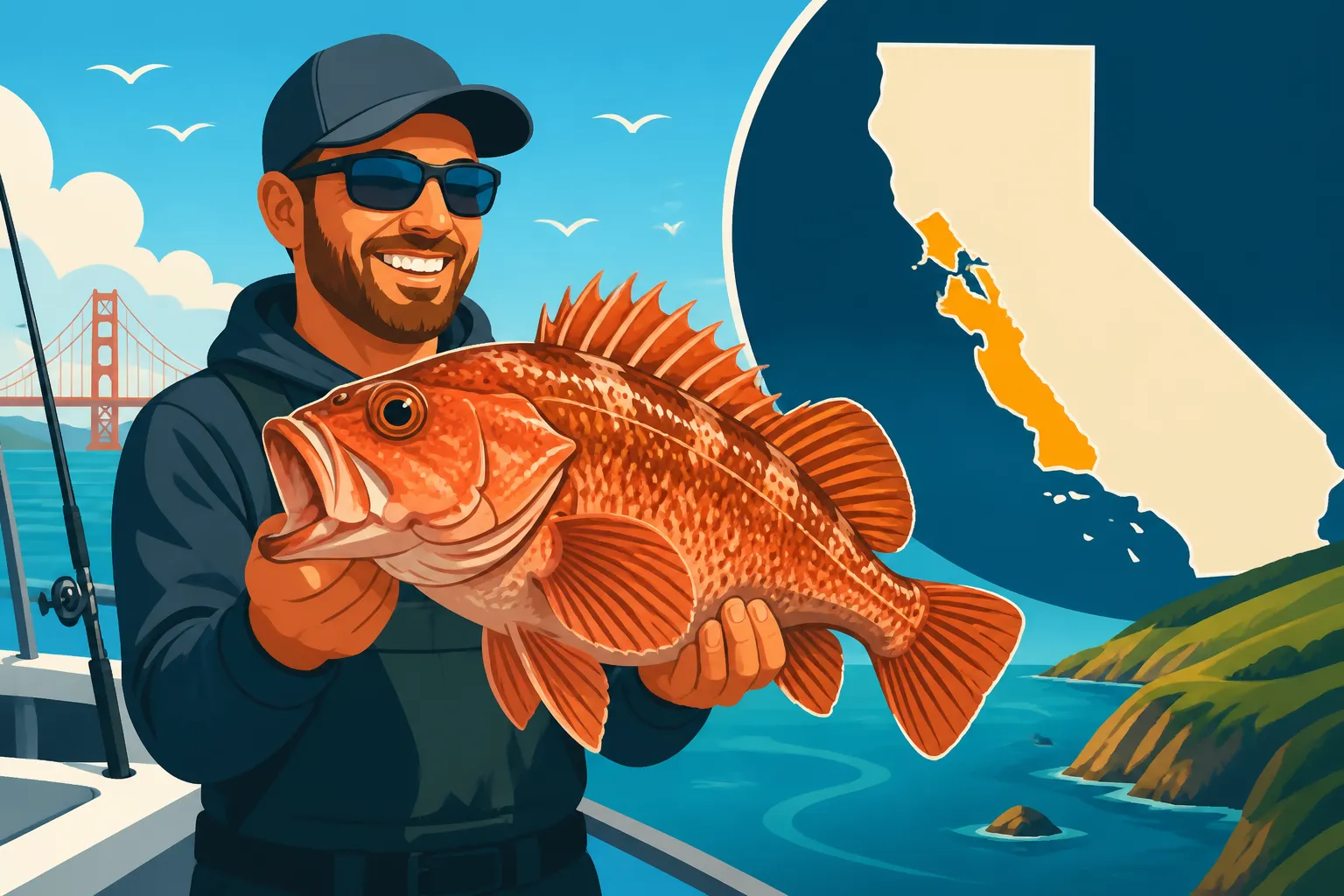
The "Bay Area Management Area" for groundfish, which includes rockfish, is formally known as the San Francisco Management Area. This specific zone encompasses state waters roughly between 37°11′ N latitude (that's Point Año Nuevo, south of San Francisco) and 38°57.5′ N latitude (which is Point Arena, further north up the Mendocino Coast). Crucially, this area also includes the vast expanse of San Francisco Bay itself and its associated estuaries. So, whether you're heading out past the Golden Gate or dropping a line inside the bay, these are the rules you need to be mindful of. Understanding these boundaries is your first step to being a responsible angler.
Why Zonal Regulations?
You might wonder why it's all so complicated. Why can't we just have one rule for all of California? Well, the truth is, fish don't always follow state lines, but they do respond to local environmental conditions. For instance, the oceanographic conditions, prey availability, and even the genetic makeup of rockfish populations can differ significantly between, say, Northern California's rough, cold waters and Southern California's warmer, calmer seas. Zonal regulations allow wildlife managers to implement specific closures, adjust bag limits, or impose depth restrictions that are tailored to the health of the fish stocks in that particular region. This targeted approach helps prevent overfishing in one area while allowing for sustainable fishing in another, which is ultimately beneficial for the long-term health of our fisheries.
General Rockfish Regulations in the Bay Area
Alright, let's get down to brass tacks regarding what you can and can't do when targeting rockfish in the Bay Area. Remember, these regulations are put in place for a reason: to ensure we have healthy fish populations for generations to come. It’s always your responsibility to double-check the latest CDFW regulations booklet before heading out, as things can and do change annually. You can find comprehensive details in the official "California Fishing Regulations Explained" guide, but here we’ll focus on the Bay Area specifics.
Rockfish Seasons in the Bay Area
The rockfish season in the Bay Area Management Area typically has specific opening and closing dates, and these can vary from year to year based on stock assessments and conservation needs. For many years, the general open season for rockfish and other federal groundfish (like lingcod and cabezon) in this area has run from May 1st through December 31st. However, some years have seen adjustments, like a later opening or earlier closing, or even different depth allowances for certain periods.
For instance, you might find that during the spring months, the season is closed entirely to protect spawning fish, or there could be a period where fishing is only allowed in shallower depths. It's not uncommon to see the season split into various sub-seasons with different depth or species restrictions. Always, and I mean always, check the current year's CDFW ocean sport fishing regulations, typically published around March or April, before planning your trip. A quick check of the "California Rockfish Season Dates Explained" can help ensure you're fishing legally.
Daily Bag and Possession Limits
The daily bag limit for rockfish in California’s general management areas, including the Bay Area, is typically 10 rockfish per person, with some crucial caveats. This isn't just a free-for-all; within that 10-fish limit, there are often species-specific sub-limits or outright prohibitions on certain sensitive species. For instance, while you can keep 10 rockfish, you might only be allowed to keep a certain number of any single species, like Vermilion Rockfish.
Possession limits are also important. The general rule is that you cannot possess more than the daily bag limit while in the field. This means on your boat, at the cleaning station, or in your vehicle at the launch ramp, you should only have one day's limit. If you go on a multi-day trip and have cleaned and stored fish from a previous day at your primary residence, then you can potentially go out and catch another daily limit. However, this is a nuanced topic, and it's best to err on the side of caution. For a deeper dive into overall limits, check out the "California Fishing Bag and Size Limits" article.
Species-Specific Rockfish Rules for the Bay Area
While the general 10-rockfish bag limit applies, it's absolutely critical to understand that not all rockfish are created equal in the eyes of the law. Some species are more vulnerable, slower-growing, or simply less abundant, leading to specific restrictions. Misidentifying a rockfish can lead to fines, so it’s worth brushing up on your identification skills!
Vermilion Rockfish and Bronzespotted Rockfish
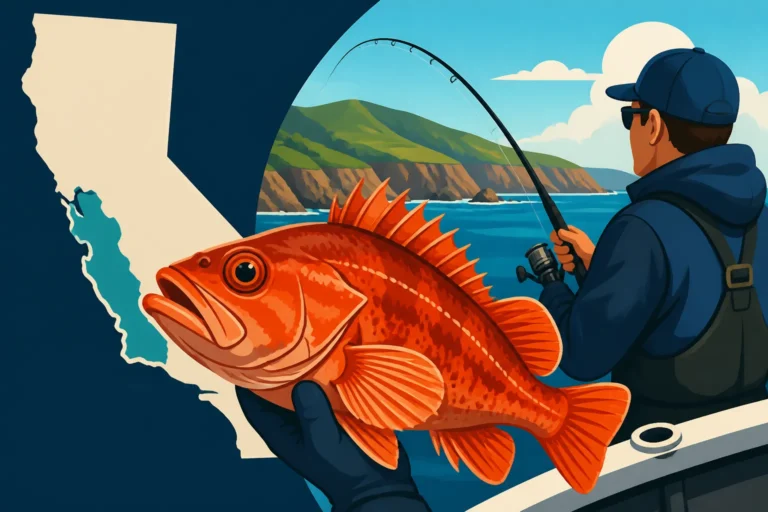
These two species are often highly prized for their taste and size. Vermilion Rockfish, with their distinctive bright orange-red color, are a common catch off the Bay Area coast. Bronzespotted Rockfish, though less common in the immediate Bay Area, also fall under similar regulations.
The general 10-rockfish aggregate limit often includes a sub-limit for these species. Historically, anglers have been restricted to 4 Vermilion Rockfish as part of their 10-rockfish daily limit. There’s also typically a minimum size limit to protect juvenile fish and allow them to reproduce. For Vermilion Rockfish, this is often 10 inches total length. Always confirm these exact numbers in the most current regulations, as they can sometimes fluctuate. Catching a beautiful Vermilion only to find it's undersized is a common disappointment, so measure carefully!
Canary Rockfish and Yelloweye Rockfish
Now, this is where it gets serious. Canary Rockfish (distinctly orange with a pale lateral line) and Yelloweye Rockfish (bright orange-red with prominent yellow eyes) are critically overfished or severely depleted species due to historical fishing pressures. As such, they are subject to very strict regulations, sometimes outright prohibitions, to aid in their recovery.
In the Bay Area Management Area, and indeed throughout much of California, it is generally illegal to possess Canary Rockfish or Yelloweye Rockfish. If you inadvertently hook one of these species, you must release it immediately and with as little harm as possible. This is where a descending device becomes not just a good idea, but an essential piece of gear. These devices help return the fish to depth quickly, increasing their survival rate after release. If you don't have one, you can easily find a range of options on sites like Amazon. Knowing how to quickly identify these fish and being prepared to release them safely is a mark of a truly responsible angler.
Cabezon and Greenlings
While not technically "rockfish" (they belong to different families), Cabezon and Greenlings are part of the broader "groundfish" complex and are frequently caught on the same trips as rockfish in the Bay Area. They also fall under the same general season openings and closures as rockfish, making it crucial to know their specific rules.
- Cabezon: These mottled, bottom-dwelling fish are a fantastic catch. The typical daily bag limit for Cabezon is 2 fish per person, with a minimum size limit of 15 inches total length. They're known for their delicious white meat, but catching one that’s too small means it goes back in the water.
- Greenlings (Kelp and Rock): Greenlings are another common bycatch or target species. The daily bag limit for all species of Greenling combined is usually 10 fish per person, with a minimum size limit of 12 inches total length.
It's easy to get excited and forget which fish is which, especially when you're reeling in a mixed bag. Take a moment, identify your catch, and measure it against the appropriate regulations to avoid any issues.
Here's a quick reference table for some common Bay Area groundfish:
| Species Group | Daily Bag Limit (per person) | Minimum Size Limit | Additional Notes |
|---|---|---|---|
| General Rockfish | 10 (aggregate) | Varies by species | See sub-limits below |
| Vermilion Rockfish | 4 (within 10 rockfish total) | 10 inches TL | Distinctive orange-red |
| Canary Rockfish | 0 (Prohibited) | N/A | Must be released immediately |
| Yelloweye Rockfish | 0 (Prohibited) | N/A | Must be released immediately |
| Cabezon | 2 | 15 inches TL | Not a true rockfish, but grouped in regs |
| Greenlings (all spp.) | 10 | 12 inches TL | Not true rockfish, but grouped in regs |
| Lingcod | 2 | 22 inches TL | Not a true rockfish, but commonly targeted with them |
Note: "TL" stands for Total Length. Always confirm current regulations before fishing.
Important Considerations Beyond Bag and Size Limits
Fishing successfully and legally involves more than just knowing how many fish you can keep and how big they need to be. California has implemented several other crucial regulations designed to protect marine ecosystems and ensure sustainable fishing practices, especially in sensitive areas like the Bay Area.
Depth Restrictions
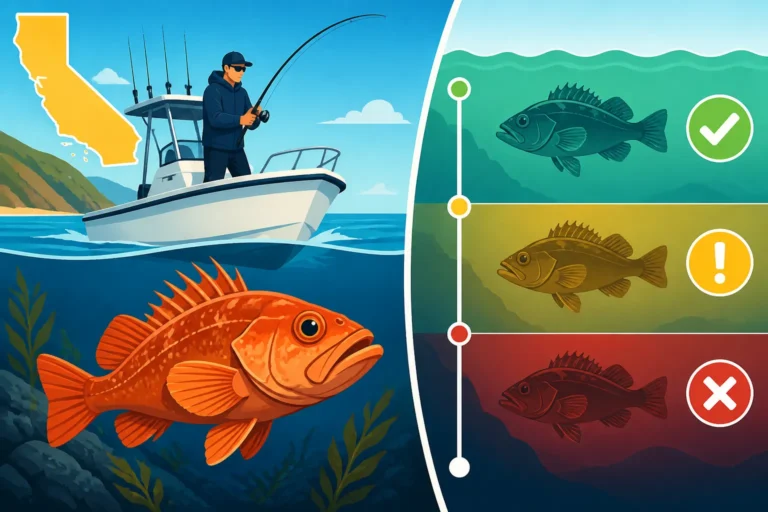
Perhaps one of the most significant and often overlooked regulations for rockfish in the Bay Area Management Area (and statewide) are the depth restrictions. These restrictions are part of what's known as the Rockfish Conservation Area (RCA). The RCA is essentially a large, often depth-defined zone where fishing for groundfish is either prohibited or restricted to certain times of the year or specific gear. The goal is to protect deep-water rockfish species that are particularly vulnerable to barotrauma (the expansion of gases in their swim bladder when brought up from depth) and overfishing.
The specific depth contours defining the RCA can change, but for the San Francisco Management Area, there have been periods where fishing for rockfish was prohibited deeper than certain contours, like 50 fathoms (300 feet) or even shallower. Other times, the entire groundfish fishery might be limited to state waters (inside 3 miles from shore) or to very shallow depths (e.g., 20 fathoms or 120 feet) during certain months. It's not enough to know the season is open; you must know how deep you're allowed to fish for rockfish. Violating depth restrictions is a serious offense, often easily detectable by enforcement, and can lead to significant penalties. This is why resources like "California Rockfish Depth Restrictions" are so vital for planning your trip.
Barbless Hooks and Descending Devices
Another critical aspect of responsible rockfish angling in California, particularly relevant in the Bay Area, is the requirement for barbless hooks. This regulation has been in place for a while and applies to most types of fishing where groundfish might be caught. The logic is simple: barbless hooks make it much easier to release fish unharmed, reducing mortality rates, especially for those species you don't intend to keep or are prohibited from keeping (like Canary or Yelloweye Rockfish). Many anglers will simply crimp down the barbs on their existing hooks with a pair of pliers, or you can purchase hooks that are manufactured barbless.
Furthermore, the use of descending devices is mandatory for all vessels fishing for groundfish in federal waters (generally beyond 3 miles from shore) and is highly recommended even in state waters. When rockfish are reeled up from deep water, the change in pressure causes their swim bladder to expand, making it difficult for them to swim back down on their own. A descending device is a weighted tool that gently clips onto the fish's jaw or lip and rapidly lowers it back to the depth from which it was caught, allowing its swim bladder to recompress. This dramatically increases the fish's chances of survival. Think of it as a life raft for released fish. You can find various types of descending devices, from simple jaw clamps to more elaborate setups, on online marketplaces like Amazon, or at your local tackle shop. Knowing how to use these devices effectively is a key skill for any ethical rockfish angler.
Marine Protected Areas MPAs
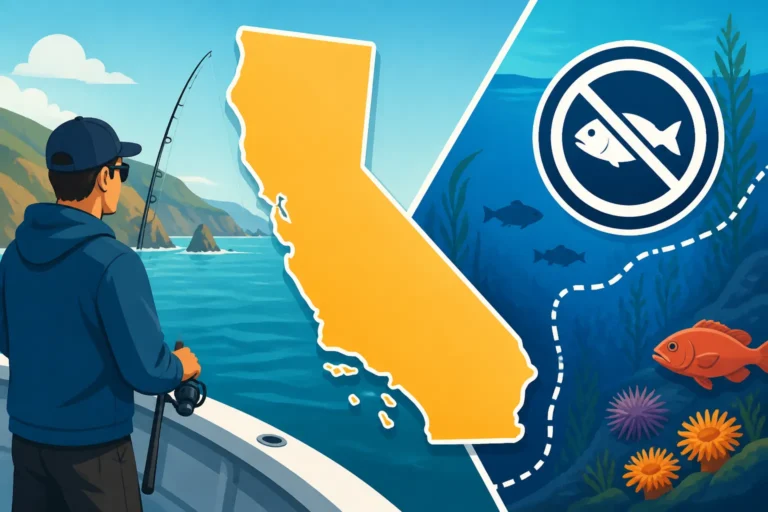
California's coastline is dotted with Marine Protected Areas (MPAs), which are essentially underwater parks designed to protect marine life and habitats. These areas have very strict rules, ranging from "no-take" zones where absolutely no fishing or removal of marine life is allowed, to "limited-take" zones where only certain activities or species are permitted.
Many MPAs are located along the Bay Area's coast, both inside and outside San Francisco Bay. For example, there are areas near the Farallon Islands, Point Reyes, and even within the bay itself that are designated MPAs. Fishing for rockfish, or any other species, within a "no-take" MPA is strictly prohibited and carries severe penalties. Before you even leave the dock, you need to consult current MPA maps and regulations to ensure your planned fishing grounds are legal. There are excellent online resources provided by the CDFW that show detailed MPA boundaries. Getting caught fishing in an MPA is one of the quickest ways to ruin your day and face hefty fines, so take the time to understand "California Marine Protected Areas Explained" and plan your trip accordingly.
Disclaimer
Fishing regulations, including those for rockfish in the Bay Area Management Area, are subject to change. Always consult the latest official California Department of Fish and Wildlife (CDFW) regulations booklet or website before embarking on any fishing trip. This guide provides general information and should not be considered a substitute for the official regulatory documents.