California Rockfish Season Dates Explained
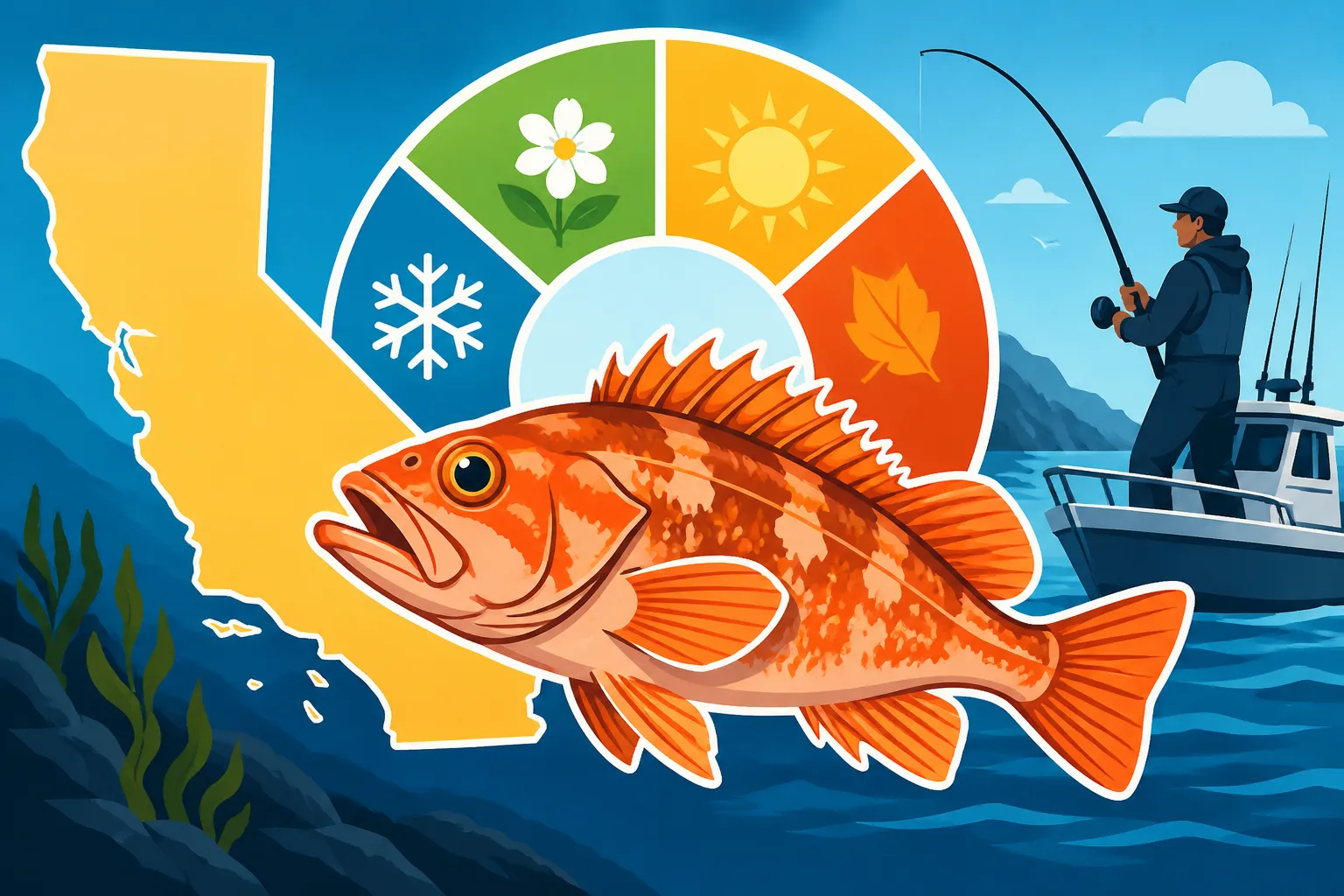
It can be incredibly frustrating to plan a fishing trip in California, especially when you're targeting a species like rockfish, only to find the regulations are a tangled web of dates, depth restrictions, and regional rules. You just want to know when you can go and what you need to know to stay legal. This guide is here to untangle that web, providing a clear explanation of California's rockfish season dates and how to navigate the ever-changing landscape of regulations so you can focus on catching some tasty fish.
Understanding California's Rockfish Seasons: It's Complicated!
Ask any seasoned angler in California, and they'll tell you that fishing regulations, particularly for groundfish like rockfish, are rarely straightforward. It feels like every year there's a new twist, a new depth restriction, or a shifted season opener. This isn't just to make our lives difficult, though it often feels that way! It's all part of a complex system designed to protect these vital marine resources.
Why Rockfish Seasons Are So Dynamic
The primary reason rockfish seasons seem to be in constant flux comes down to conservation. Rockfish, which include a huge variety of species from Vermilion to Bocaccio, Canary, and Copper rockfish, are long-lived and slow to reproduce. Many populations were overfished in the past, leading to strict management efforts today. Both federal (NOAA Fisheries) and state (California Department of Fish and Wildlife, or CDFW) agencies work tirelessly, using scientific stock assessments, to set annual catch limits and regulate fishing. These assessments can change year to year based on population health, environmental factors, and even ocean conditions like El Niño or La Niña, directly impacting when and where we can fish.
Think of it this way: if a specific rockfish stock is showing signs of decline, regulators might shorten the season or impose stricter limits to give them a chance to recover. Conversely, if a stock is healthy, we might see slightly more liberal rules. It’s a delicate balancing act, and unfortunately for us anglers, it means staying perpetually informed. It can be a real headache trying to keep up, especially when you're just looking for a simple answer for your weekend outing!
General Overview of Rockfish Management Areas
One of the biggest factors in understanding rockfish seasons is recognizing that California’s long coastline isn't treated as a single entity. For management purposes, the state is divided into several distinct management areas. This is because fish populations, oceanographic conditions, and historical fishing pressure vary significantly from north to south. What's open in San Diego might be closed in Fort Bragg, and vice versa, or at least operate under vastly different rules.
These areas allow for more localized management strategies, which theoretically lead to better conservation outcomes. The primary management areas you'll encounter are:
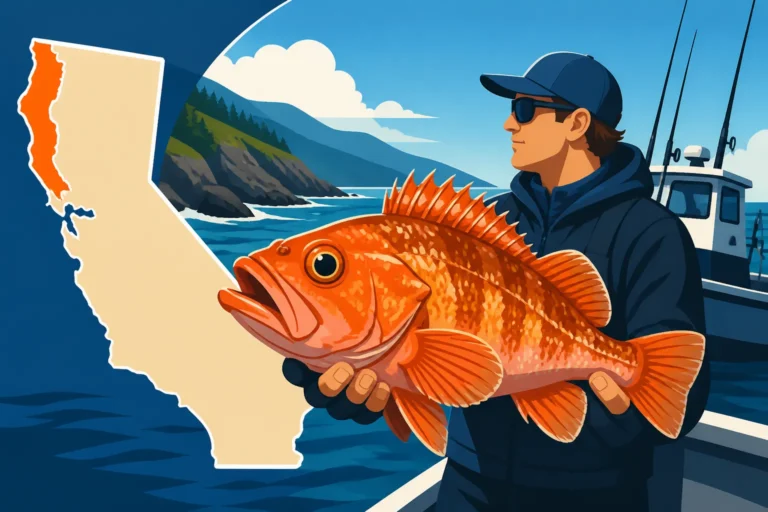
- North Coast Management Area: From the Oregon border south to 40°10' N Latitude (near Cape Mendocino).
- San Francisco Management Area: From 40°10' N Latitude south to 37°11' N Latitude (near Pigeon Point).
- Central Coast Management Area: From 37°11' N Latitude south to 34°27' N Latitude (near Point Conception).
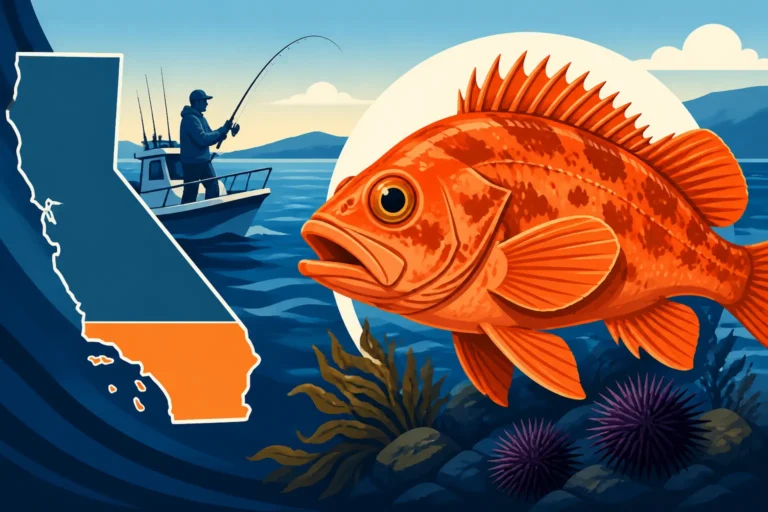
- Southern Management Area: From 34°27' N Latitude south to the U.S./Mexico border, which also includes the waters around the Channel Islands and often references the Cowcod Conservation Area (CCA).
Each of these zones will have its own specific opening and closing dates, along with potentially different depth limits and bag limits, which is why checking your exact fishing location against the latest CDFW regulations is non-negotiable.
Navigating Rockfish Season Dates by Management Area
Now, let's dive into the specifics of when you can expect to chase rockfish in these different regions. Keep in mind, these are general guidelines, and the precise dates can shift annually. Always, always consult the official CDFW website or their current ocean sport fishing regulations booklet before heading out. Trust me, it'll save you a lot of grief (and potential fines!).
North Coast Management Area (Oregon Border to 40°10' N Latitude)
This rugged stretch of coastline, famous for its dramatic cliffs and robust fisheries, often sees its rockfish season open a bit later than some southern regions due to colder water temperatures and different biological cycles. Typically, anglers in the North Coast Management Area can expect rockfish seasons to open in May or June and run through to December 31st. However, even within this timeframe, there can be specific depth restrictions or closures for certain species.
For example, if you're fishing out of Crescent City or Eureka, you'll need to pay close attention to the specific dates announced by CDFW for the general groundfish fishery. Often, lingcod will share a similar season framework here, but always double-check the specifics. The North Coast is also known for its strong salmon runs, and sometimes rockfish seasons are adjusted to minimize incidental take of protected salmon species, adding another layer of complexity.
San Francisco Management Area (40°10' N Latitude to 37°11' N Latitude)
The Bay Area, stretching from north of San Francisco down past Santa Cruz, is a hugely popular spot for rockfishing. This management area typically sees its rockfish season open in May, sometimes April, and run through December 31st. Popular ports like Half Moon Bay, San Francisco, and Emeryville are bustling with boats heading out for rockfish and lingcod during these months.
However, a key distinction in this area is fishing inside San Francisco Bay versus outside in the ocean. While the general ocean season applies outside the Golden Gate, specific rules might govern rockfish deeper inside the bay, though historically, rockfish aren't the primary target there. Anglers here often target a mix of rockfish species, including Vermilion, Copper, and various shelf rockfish, making the mixed bag limits particularly important. Remember, just because the general season is open doesn't mean you can fish anywhere; California Marine Protected Areas Explained are no-take zones regardless of the season.
Central Coast Management Area (37°11' N Latitude to 34°27' N Latitude)
From Point Conception north to Pigeon Point, including areas around Monterey and Morro Bay, the Central Coast Management Area offers fantastic rockfishing opportunities. The season here often mirrors the San Francisco area, typically opening in April or May and extending through December 31st. However, this region has historically been subject to some of the more restrictive depth limits compared to Southern California, a remnant of past conservation efforts for certain deep-dwelling rockfish.
Anglers launching from Monterey Bay or Morro Bay will find abundant rockfish on the extensive reefs and kelp beds. Species like Bocaccio, Widow, and Canary rockfish are common, alongside the ever-present Vermilion. It’s crucial here to not just know the season dates, but also the California Rockfish Depth Restrictions to avoid fishing too deep. These depth rules are probably the most commonly overlooked regulation, leading to a lot of frustration for anglers.
Southern Management Area (34°27' N Latitude to Mexico Border)
Southern California, from Santa Barbara down to San Diego, often enjoys one of the longest and most consistent rockfish seasons. Typically, the season here runs from March 1st through December 31st. This longer season is often due to the unique species composition and the health of certain rockfish stocks in warmer southern waters. Ports like San Diego, Dana Point, Long Beach, and Marina del Rey are hotbeds for rockfish action during these months.
Within this region, you’ll also encounter the Cowcod Conservation Area (CCA), a specific zone offshore that has historically been closed or had very strict regulations to protect critically endangered cowcod rockfish. While some areas within the CCA have reopened with depth restrictions, it's vital to know its boundaries and specific rules. Many sportfishing boats operating out of San Diego offer targeted rockfish trips, especially during the peak season, taking advantage of the generally milder weather and productive offshore reefs. For those looking to understand the costs involved, our guide on How Much Does a California Fishing Charter Cost can shed some light on booking a trip.
Here’s a quick overview of the typical general seasons by management area:
| Management Area | Typical Season Opening | Typical Season Closing | Common Depth Restrictions (General) | Notes |
|---|---|---|---|---|
| North Coast (Oregon to 40°10'N) | May/June | Dec 31st | Varies, often 20-120 feet | Later opening, focus on groundfish/lingcod. |
| San Francisco (40°10'N to 37°11'N) | April/May | Dec 31st | Varies, often 20-120 feet | Busy area, check bay vs. ocean rules. |
| Central Coast (37°11'N to 34°27'N) | April/May | Dec 31st | Varies, often 20-120 feet | Historically stricter depth limits. |
| Southern (34°27'N to Mexico) | March 1st | Dec 31st | Varies, often 20-300 feet | Longest season, includes CCA considerations. |
Disclaimer: This table provides general historical season patterns. Always verify current regulations with CDFW before fishing.
Key Factors Affecting Your Rockfishing Trip (Beyond Just Dates)
Knowing the season dates is just one piece of the puzzle for a successful and legal rockfishing trip. California's regulations are comprehensive, and there are other critical elements you absolutely need to be aware of. Ignoring these can not only lead to fines but also negatively impact the health of our fisheries.
Depth Restrictions and How They Impact You
This is perhaps one of the most confusing and frustrating aspects of rockfish regulations, but it's vitally important. California Rockfish Depth Restrictions are put in place to protect certain species, particularly those deep-dwelling rockfish that suffer from barotrauma (a condition where their swim bladders expand rapidly due to pressure changes) when brought quickly to the surface. Many deeper species are also longer-lived and slower to reproduce, making them more vulnerable to overfishing.
These restrictions mean you can only fish for rockfish within a specific depth range. For instance, in some areas, the season might be open, but you can only fish in waters shallower than 120 feet. This forces anglers to target different species or different sizes of fish, and requires a complete change in strategy and sometimes even gear. If you accidentally hook a rockfish in deeper water, or if you're specifically targeting a deeper species that falls outside the allowed depth, you're out of compliance. Many anglers have invested in descending devices to release deep-caught fish, a practice that's highly encouraged by CDFW to increase survival rates. You can find various descending devices and other specialized gear on Amazon to help you adhere to these regulations.
Bag Limits and Size Limits for Rockfish
Beyond seasons and depths, you also need to adhere to bag and size limits. For rockfish, California often has an "aggregate bag limit," meaning you can catch a total number of rockfish across different species. Currently, the statewide general bag limit for rockfish is 10 fish in aggregate per person, per day. However, this is where it gets tricky: within that 10-fish limit, there are often sub-limits for specific species.
For example, you might be allowed 10 rockfish total, but only 1 Vermilion Rockfish, or 2 Cabezon, or 2 Lingcod (which are often caught incidentally with rockfish). Some species, like Canary Rockfish or Yelloweye Rockfish, might even be completely prohibited from retention due to their critically low populations. Size limits also apply to many species to protect juvenile fish and allow them to reproduce. Always refer to the California Rockfish Regulations and Limits for the most current information, which usually outlines both general and species-specific rules. It's not enough to count your fish; you also need to identify them correctly and measure them.
Essential Gear for California Rockfishing
Having the right gear makes a huge difference, especially when you're contending with potentially deep waters and feisty rockfish. A medium-heavy to heavy conventional rod paired with a robust reel spooled with 40-60 lb braided line is a solid setup for most rockfishing scenarios. Braided line is crucial because it has less stretch, allowing you to feel subtle bites in deep water and making it easier to haul fish up.
For terminal tackle, you'll want to use heavy sinkers, often 8-16 ounces or more depending on depth and current, to get your bait or lure down quickly. Popular rigs include dropper loops with Gulp! swimbaits or squid, or classic leadhead jigs tipped with bait. Many anglers swear by a quality P-line or similar fluorocarbon leader for abrasion resistance. Whether you're a beginner or a seasoned pro, having a well-stocked tackle box is key, and you can usually find a wide array of rockfish jigs, hooks, and even specialized descending devices on Amazon, often with quick delivery. Don't forget a sturdy pair of pliers for hook removal and a measuring device to ensure your catches are legal.
Staying Updated and Planning Your Rockfish Adventure
Given how much rockfish regulations can change, proactively seeking out the latest information is your best bet for a successful and hassle-free trip. Don't rely on outdated pamphlets or hearsay from a buddy; go straight to the source!
Where to Find the Most Current Information
The absolute best resource for up-to-date rockfish season dates and regulations is the official California Department of Fish and Wildlife (CDFW) website. They release annual ocean sport fishing regulations, often with in-season updates if conditions or stock assessments change. You can usually download the full booklet, or navigate to the specific sections for groundfish. Learning How to Read the California Fishing Regulations Booklet can save you a lot of guesswork.
Beyond the official channels, local sportfishing landings and tackle shops are invaluable. The crews on party boats, like those operated by Dana Wharf Sportfishing or H&M Landing, and the staff at your local tackle shop are often the first to know about any changes or nuances in the regulations. They also keep daily fish counts, which can give you a real-time snapshot of what’s biting and where. A quick call or visit can often clear up confusion and give you the confidence to head out. For finding the best spots, check out guides like the Best Rock Fishing Spots in California for ideas.
Licensing and Report Card Requirements
Before you even think about dropping a line, you absolutely need a valid California fishing license. This is non-negotiable for almost all types of fishing in the state, whether you’re fishing from a boat, shore, or kayak. You can find comprehensive information on obtaining one in our California Fishing License Guide. Remember, licenses are typically valid from January 1st to December 31st each year, regardless of when you purchase them.
For saltwater fishing in Southern California (south of Point Arguello, Santa Barbara County), you'll also need to purchase an California Ocean Enhancement Stamp. This stamp funds programs that enhance marine fish populations, including some rockfish species. While rockfish themselves don't typically require a separate report card like salmon or steelhead, other species you might target on the same trip could. Always double-check if you're planning to target multiple species. Fishing without the proper license and stamps is a quick way to turn a fun day into a costly one, and nobody wants that!
Disclaimer
The information provided in this guide is for general informational purposes only and is based on typical regulatory patterns and publicly available knowledge at the time of writing. Fishing regulations in California, especially for rockfish and other groundfish, are subject to frequent changes by the California Department of Fish and Wildlife (CDFW) and federal agencies. It is the responsibility of every angler to consult the most current and official CDFW ocean sport fishing regulations before engaging in any fishing activity. Failure to do so may result in fines or penalties.