California Artificial-Lures-Only Waters
It's incredibly frustrating when you head out for a peaceful day of fishing, only to realize you're in a special regulation zone where your trusty bait isn't allowed. Many anglers, myself included, have stood by a beautiful stream or lake, scratching their heads and wondering exactly what "artificial lures only" truly means. This guide is here to clear up that confusion, diving deep into California's artificial-lures-only waters, explaining why these rules exist, and equipping you with the knowledge and tackle to fish these unique spots successfully and confidently.
Understanding What "Artificial-Lures-Only" Truly Means
The term "artificial-lures-only" can sound a bit intimidating at first, but it's really quite straightforward once you break it down. Essentially, it means you can only use man-made imitations designed to attract fish, and absolutely no organic bait is permitted. This isn't just a suggestion; it's a critical regulation in specific areas that carries penalties if violated.
The Core Definition: No Live or Dead Organic Bait
At its heart, "artificial-lures-only" means a complete prohibition on anything that was once alive or is considered natural food for fish. This includes popular choices like worms, crickets, minnows, salmon eggs, powerbait, corn, and even dough baits. Even if a bait looks "fake" but is made from organic material or is scented to mimic natural food, it's generally not allowed if the regulation is strictly "artificial-lures-only." The California Department of Fish and Wildlife (CDFW) regulations are usually quite explicit on this, often stating "no bait, no scented lures" or similar wording to leave no room for doubt. It's a fundamental shift from traditional bait fishing, requiring anglers to rely solely on their skill in presenting artificial imitations.
Why These Regulations Exist
These specific regulations aren't just there to make our lives harder; they serve vital conservation purposes, primarily focused on protecting sensitive fish populations, particularly trout and steelhead. The main reasons include:
- Minimizing Mortality in Catch-and-Release Fisheries: Many artificial-lures-only waters are also designated as catch-and-release areas. Fish are more likely to swallow natural bait deeply, leading to higher injury rates and mortality even if released. Artificial lures, especially those with single, barbless hooks, tend to hook fish in the lip or jaw, making for easier and safer release. This is a huge factor in maintaining healthy populations, especially for species like wild trout that are particularly vulnerable.
- Preventing Introduction of Non-Native Species or Diseases: Using live bait, even minnows caught from another water body, risks introducing invasive species, parasites, or diseases that could devastate the existing ecosystem. By restricting anglers to artificial lures, this risk is eliminated entirely.
- Promoting a More Challenging and Rewarding Experience: For many seasoned anglers, fishing with artificial lures, especially fly fishing, is considered a higher art form. It demands a deeper understanding of fish behavior, entomology (for fly anglers), and presentation. These regulations create a specific type of angling experience that emphasizes skill over the allure of natural scent and taste. It’s about outsmarting the fish, not just feeding them.
Key Artificial-Lures-Only Waters Across California
California is a massive state with an incredible diversity of waterways, and naturally, artificial-lures-only regulations pop up in various regions, often protecting the most prized wild trout and steelhead fisheries. Knowing where these spots are is half the battle.
Premier Trout and Steelhead Streams
When you hear "artificial-lures-only," your mind should immediately jump to California's legendary trout and steelhead rivers. These are often cold, clear, nutrient-rich waters where wild fish thrive, making them perfect candidates for protective regulations.
- Eastern Sierra Rivers: This region is a mecca for fly fishing and artificial lure enthusiasts. Rivers like the East Walker River, especially certain sections, are known for their big brown trout and often have strict artificial-lures-only rules, sometimes even requiring barbless hooks. The upper Owens River is another prime example, particularly its renowned "Wild Trout Section" which is strictly fly-and-lure only. These rivers are meticulously managed to maintain healthy wild populations and provide exceptional angling experiences.
- North Coast Steelhead Rivers: Many of the iconic steelhead rivers, especially during sensitive spawning runs, implement artificial-lures-only restrictions. While specific sections and dates vary, rivers like the Trinity River and sections of the Klamath River might have these regulations to protect returning steelhead. These rules help ensure that these magnificent anadromous fish have the best chance to reproduce.
- Other Notable Rivers and Creeks: Beyond these major players, numerous smaller creeks and upper river stretches throughout the state, particularly those designated as "Wild Trout Waters," will have similar restrictions. Always double-check the latest California Fishing Regulation Booklet Explained for the most up-to-date information on specific river sections and their current rules.
Alpine Lakes and High Mountain Fisheries
It's not just rivers; many of California's stunning high-altitude alpine lakes and reservoirs also fall under artificial-lures-only rules, often to protect unique or fragile ecosystems.
- High Sierra Backcountry Lakes: Venture into the remote High Sierra, and you'll find countless pristine lakes, many of which are managed as wild trout fisheries. To preserve their delicate balance and prevent the accidental introduction of undesirable species, these remote gems often require artificial lures. Think about the countless small lakes reachable by backpacking trails; they often have stricter rules to keep them wild.
- Specific Reservoir Sections: While many large reservoirs allow bait, some specific sections or tributaries feeding into them might have artificial-lures-only zones. For instance, some of the smaller, higher elevation reservoirs or specific coves might have these rules to create a different angling experience or protect a particular species. It’s less common in the major ones like Lake Shasta or Clear Lake, but always worth verifying.
- Catch-and-Release Ponds: Some urban or easily accessible ponds specifically designated for catch-and-release fishing might also have artificial-lures-only rules. These are often managed by local parks departments or fishing clubs to provide a family-friendly, low-impact fishing experience.
Table: Examples of Artificial-Lure-Only Zones (Always Check Current Regulations!)
| Region | Waterway Example | Primary Species Target | Typical Regulation Nuance |
|---|---|---|---|
| Eastern Sierra | Upper Owens River | Wild Brown Trout | Fly-fishing or artificial lure only, often barbless hooks |
| Eastern Sierra | East Walker River (certain sections) | Trophy Brown Trout | Artificial lures only, often barbless hooks |
| North Coast | Trinity River (seasonal sections) | Steelhead | Artificial lures only, often barbless hooks during runs |
| Northern California | Hat Creek (Wild Trout Area) | Wild Rainbow Trout | Fly-fishing only (a stricter form of artificial-lure) |
| High Sierra Backcountry | Various Alpine Lakes | Golden, Rainbow, Brook Trout | Artificial lures only, often catch-and-release |
Please remember, regulations change! Always consult the current CDFW Sport Fishing Regulations booklet or website before heading out. This table provides general examples.
The Artificial-Lure Angler's Essential Tackle Box
So, you've identified an artificial-lures-only water, and now you need to stock your tackle box appropriately. This isn't just about having any lure; it's about having the right lures that mimic natural prey and are effective in these specific conditions.
Lure Types and Their Applications
When bait is off-limits, your skill in presenting an enticing artificial becomes paramount. You'll want a variety of lures to match different conditions and fish behaviors.
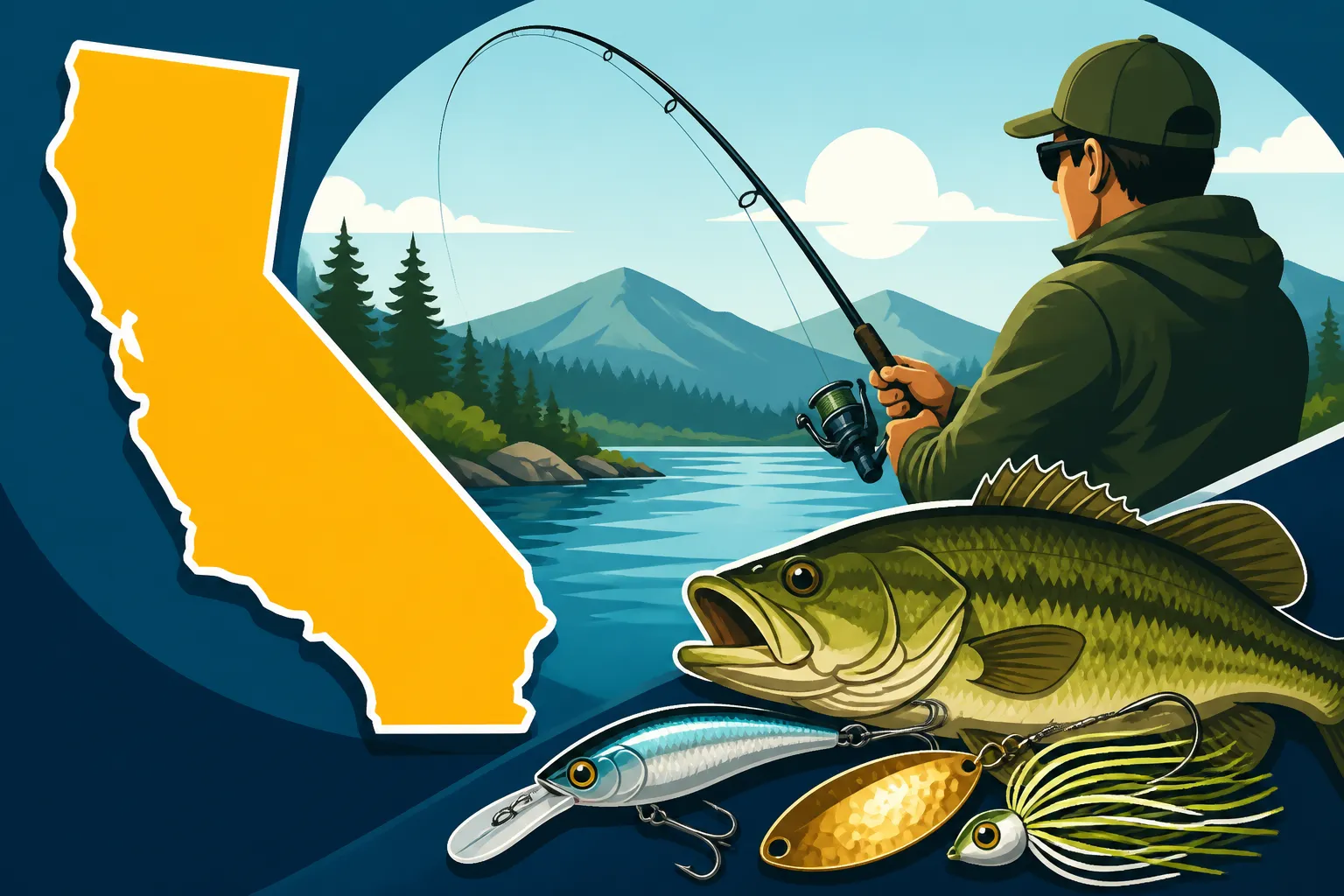
- Spinners and Spoons: These are classic artificial lures that work by creating flash and vibration in the water, mimicking small baitfish or aquatic insects. Brands like Mepps, Panther Martin, and Acme Kastmasters are staples. Spinners are excellent for trout in rivers and streams, especially when cast upstream and retrieved through pockets and runs. Spoons, with their wobbling action, can be cast and retrieved in lakes or trolled behind a boat or kayak. You'll find a huge selection of quality spinners and spoons on Amazon, perfect for stocking up.
- Soft Plastics and Jigs: Don't let the "no bait" rule confuse you; soft plastics are artificial, provided they aren't scented or impregnated with baitfish oil in a way that makes them function as bait. Small grub-style soft plastics, finesse worms, and creature baits on a jig head can be incredibly effective for bass and even larger trout. The key here is checking the specific regulation wording. If it says "no scented lures," then even a soft plastic with a scent added might be an issue. However, unscented soft plastics are usually fine and can imitate leeches, sculpins, or insect larvae.
- Hard Baits (Crankbaits, Jerkbaits): These are carved or molded plastic lures designed to mimic baitfish, often with internal rattles or specific diving lips. Small crankbaits and jerkbaits are excellent for aggressive trout and bass, especially in lakes and larger river sections. They're great for covering water quickly and attracting territorial fish. Rapala and Lucky Craft make some fantastic hard baits that are popular with California anglers.
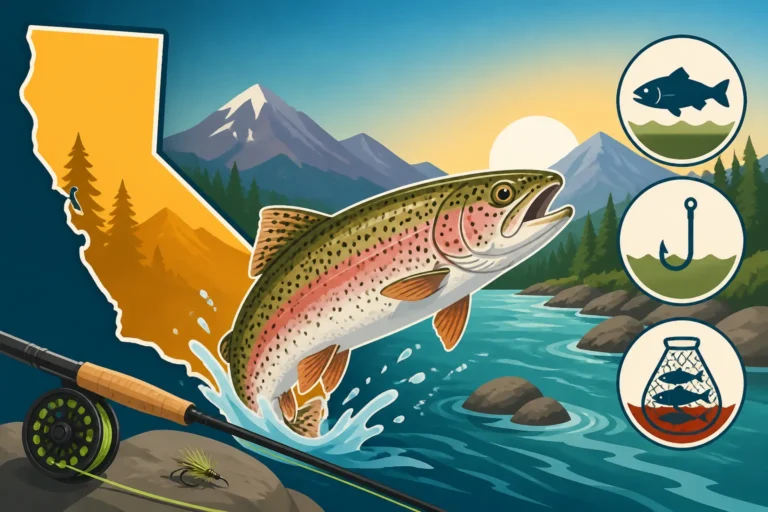
- Flies (for Fly Fishing): While this guide isn't strictly about California Fly Fishing Guide, fly fishing is the quintessential artificial-lures-only method. If you're heading to a true "fly-fishing-only" water, then you'll need dry flies, nymphs, streamers, and wet flies to match the local insect hatches and aquatic life. Even if not fly-fishing-only, a fly rod setup is often the most effective tool in these delicate, regulated waters.
Hook Considerations: Barbless is Best
Many artificial-lures-only waters in California also require barbless hooks. This goes hand-in-hand with the conservation goals of these areas, minimizing harm to fish designated for catch-and-release.
- Why Barbless? A barbless hook slides out much easier than a barbed hook, reducing tissue damage and stress on the fish. It makes for quicker, cleaner releases, significantly increasing the fish's survival rate.
- How to Go Barbless: You can buy barbless hooks, or simply take a pair of pliers and pinch down the barb on your existing hooks. It's a simple, quick modification that makes a big difference. Always check if a specific water requires barbless hooks; if it does, it's not optional. You can often find a multi-pack of barbless hooks or a good pair of pliers for crimping barbs on Amazon.
Rules and Best Practices for Artificial-Lure Fishing
Beyond just the gear, there's a certain etiquette and set of best practices that come with fishing artificial-lures-only waters, especially given their conservation focus.
The Art of Presentation
Without the natural scent and taste of bait, your presentation becomes paramount. You're trying to fool a fish with a piece of plastic or metal, and that takes finesse.
- Matching the Hatch (or Forage): This is where understanding your environment comes in. What are the fish eating? Are there tiny midges, larger stoneflies, or small baitfish? Your lure choice and size should ideally mimic this natural forage. For example, if trout are feeding on small aquatic insects, a tiny spinner or jig might be more effective than a large spoon. If you're on a bass lake, try to match the size and color of the local minnows or crawfish.
- Reading the Water: Knowing where fish hold – behind rocks, in seams, under cut banks, near submerged structure – is crucial. Cast your lure so it drifts or retrieves naturally through these prime feeding lanes. Learning How to Fish for Trout in California in these specific scenarios will greatly improve your success.
- Subtle Movements and Retrieves: Sometimes a fast, erratic retrieve works, but often, especially in clear, pressured artificial-lures-only waters, a more subtle approach is key. Experiment with slow, methodical retrieves, pauses, and twitches to entice hesitant fish.
Catch-and-Release Etiquette
Many artificial-lures-only waters are also catch-and-release specific. Understanding proper handling is vital for the survival of the fish.
- Minimize Handling: Try to handle the fish as little as possible. If you can unhook it in the water without removing it, do so.
- Wet Hands: Always wet your hands before touching a fish. Dry hands can remove the protective slime coat, making the fish vulnerable to disease.
- Support the Fish: If you must take the fish out of the water for a quick picture, support its body horizontally. Never hold a fish vertically by the jaw or tail, as this can cause internal damage.
- Quick Release: Get the fish back in the water as quickly as possible. If it's lethargic, hold it gently in the current until it regains strength and swims away on its own. These practices are detailed in our guide on California Catch-and-Release Rules.
Navigating CDFW Regulations and Identifying Designated Waters
The biggest challenge for many anglers isn't necessarily using artificial lures, but knowing where and when these rules apply. The regulations can be complex and change year to year.
The Importance of the California Sport Fishing Regulations Booklet
Your ultimate source of truth is the current California Sport Fishing Regulations booklet, published annually by the CDFW.
- Digital and Physical Copies: You can download a PDF version from the CDFW website or pick up a physical copy at most tackle shops and sporting goods stores. Always make sure you have the current year's regulations, as rules can change significantly from one season to the next.
- Reading the Special Regulations Section: Pay particular attention to the "Special Regulations" section. This is where most artificial-lures-only, fly-fishing-only, and barbless hook requirements are detailed, often by specific river section, lake, or region. Our guide on How to Read the California Fishing Regulations Booklet can walk you through it.
- Cross-Referencing: Don't just look at the general statewide rules; cross-reference with the specific water body you plan to fish. A river might have one set of rules in its lower section and completely different rules in its upper, wild trout section.
Signs and Local Information
Beyond the official booklet, always keep an eye out for local signage and tap into local knowledge.
- On-Site Signage: Many highly regulated waters will have signs posted at access points, bridges, or trailheads clearly stating the fishing rules for that specific area. Pay attention to these! They are often the most immediate and visible indicator of special regulations.
- Local Tackle Shops: These are invaluable resources. The folks working at your local bait and tackle shop (even if you're not buying bait for these waters!) are usually lifelong anglers with up-to-the-minute knowledge of local conditions and regulations. They can tell you if a specific stretch of river has suddenly gone "artificial-lures-only" due to drought or a specific fish run. They can also point you towards the Best Lures for California Trout for that particular body of water.
- Online Forums and Fishing Reports: While unofficial, fishing forums and online California Fishing Report Cards Explained can offer current insights and tips from fellow anglers. Just remember to always verify any information from these sources against the official CDFW regulations.
Navigating California's artificial-lures-only waters requires a little homework and a shift in mindset, but it opens up some of the most rewarding and pristine fishing experiences the state has to offer. By respecting these regulations and embracing the challenge of artificial presentation, you'll not only have incredible days on the water but also contribute to the conservation of California's precious fisheries. Grab your tackle, head to your local shop, or browse for new gear on Amazon, and get ready to cast with confidence!
Disclaimer
Fishing regulations, including those for artificial-lures-only waters, can change frequently. Always consult the most current California Department of Fish and Wildlife (CDFW) regulations before engaging in any fishing activity. This guide is for informational purposes only and should not be considered a substitute for official legal documents.