California Trout Stocking Schedule
It can be incredibly disheartening to pack up all your gear, drive to a promising fishing spot, and spend hours casting without so much as a nibble. We've all been there, wondering if the fish have simply vanished. For many anglers in California, especially those targeting trout, the key to a more successful day often boils down to one critical piece of information: the state's trout stocking schedule. This guide will help you understand how California's fish planting program works, how to find those crucial schedules, and what to do once you're on the water.
Understanding California's Trout Stocking Program
California's vast and diverse landscapes offer incredible fishing opportunities, but sustaining healthy fish populations in all accessible waters, especially near urban centers or in heavily fished areas, requires a little help. That's where the Department of Fish and Wildlife (CDFW) stocking program comes into play. They raise millions of trout each year in state hatcheries and then distribute them to lakes, rivers, and streams across the state. This program aims to enhance recreational fishing opportunities for everyone, from seasoned fly anglers to families just getting started.
Why Stocking is Essential for Anglers
Let's be honest, not every body of water can naturally support the kind of robust trout population that can withstand heavy fishing pressure. Rivers and lakes near population centers, or those that experience high summer temperatures, often benefit immensely from supplemental stocking. Without these regular infusions of hatchery-raised trout, many popular fishing destinations would quickly become barren, leading to a lot of disappointed anglers. The stocking program ensures a consistent supply of catchable fish, making fishing more accessible and enjoyable for more people.
Think about it: Imagine taking your kids out for their first fishing trip. The excitement is palpable! If they spend the whole day without a bite, it can quickly turn into a frustrating experience, potentially discouraging them from ever trying again. Stocked waters, particularly during peak seasons, significantly increase the chances of success, creating those unforgettable moments that hook new generations of anglers. It’s not just about catching fish; it’s about fostering a connection with nature and enjoying a relaxing day outdoors.
The Role of CDFW Hatcheries
The backbone of California's trout stocking program is its network of state-of-the-art hatcheries. These facilities, like the Mount Shasta Fish Hatchery in the north or the Mojave River Hatchery in the south, are responsible for breeding, rearing, and distributing millions of trout annually. The process is a carefully managed operation, designed to produce healthy, catchable fish that are ready to thrive (at least for a little while) in their new environments. The trout are typically rainbow trout, but other species like brown trout or brook trout may also be stocked in specific locations, often for special programs or to supplement existing populations.
The sheer scale of this operation is impressive, and it's a testament to the CDFW's commitment to sportfishing. They don't just dump fish; they consider water temperatures, predator populations, and public access points when planning their stocking routes. While some purists prefer wild trout fishing, the reality is that the stocking program provides an invaluable resource for countless Californians who want to experience the joy of reeling in a trout. For those interested in deeper insights, the article on California Freshwater Fishing Regulations provides more context on the rules governing these waters.
Accessing and Interpreting the Trout Stocking Schedule
Finding out where and when trout are being stocked is like having a secret roadmap to better fishing. The CDFW makes this information publicly available, but knowing where to look and how to interpret it is key. Don't be that angler who shows up blindly; arm yourself with knowledge!
The Official CDFW Fish Planting Schedule
The primary and most reliable source for trout stocking information is the California Department of Fish and Wildlife's official Fish Planting Schedule. This online resource is updated regularly and provides detailed information on recent and upcoming plants. You can usually search by county, water body, or even species, making it incredibly user-friendly once you know what you're looking for.
When you pull up the schedule, you'll see a list of locations, the species of fish (usually rainbow trout), the number of fish planted, and the date. Sometimes, it might even list the size of the fish. Pay close attention to these details. A recent plant of several hundred pounds of "catchable" rainbow trout means the fishing could be hot for a few days! Remember that dates are often approximate, and plants can be subject to change due to unforeseen circumstances like road closures, water quality issues, or hatchery production problems. It’s always a good idea to check back frequently, especially right before you plan to head out.
Understanding Stocking Frequency and Locations
Stocking isn't a one-and-done deal for many popular waters. Some lakes and rivers, particularly those easily accessible and heavily fished, receive regular plantings throughout the spring, summer, and fall. In contrast, more remote or high-elevation lakes might only get stocked once or twice a season, often via helicopter. Knowing your desired fishing spot's typical stocking frequency can help you plan multiple trips or time a visit perfectly. For a more general overview of where trout are found, check out our guide on the Best Trout Lakes in California.
Urban lakes, like those managed by city or county park systems, are often prime candidates for frequent stockings because they cater to a high volume of anglers. Places like Legg Lake in Los Angeles County or Lake Balboa are regularly refreshed with trout, making them fantastic spots for families or beginners. On the other hand, a trip to a high Sierra lake might require a much more careful timing of the stocking, as these fish need more time to acclimate and the windows for planting are shorter due to weather.
| Species | Typical Stocked Size | Preferred Post-Stocking Baits | Preferred Post-Stocking Lures | Common Stocking Locations |
|---|---|---|---|---|
| Rainbow Trout | 8-12 inches | PowerBait (various colors), Salmon Eggs, Worms | Small Spinners (e.g., Rooster Tail, Panther Martin), Mini Jigs, Spoons | Most accessible lakes, reservoirs, and rivers |
| Brown Trout | 8-14 inches | Worms, Minnows, PowerBait | Small Crankbaits, Spinners, Streamer Flies | Colder rivers, some larger reservoirs |
| Brook Trout | 6-10 inches | Worms, PowerBait | Small Spinners, Dry Flies (in natural settings) | High-elevation lakes, smaller streams |
Utilizing Third-Party Resources and Apps
While the CDFW website is the official word, many dedicated anglers and fishing communities have developed their own tools and forums to track stocking information. Websites like Western Outdoor News or Fish Rap often compile and present the CDFW data in an even more digestible format, sometimes adding their own observations or predictions. There are also various fishing apps available for smartphones that can alert you to recent plants in your area.
These unofficial resources can be incredibly valuable because they often include crowd-sourced information, recent catch reports, and local tips that might not appear on the official schedule. Just remember to cross-reference with the official CDFW data when possible to ensure accuracy. A popular choice for many is downloading a good fishing app (many are available on Amazon with free trials) that integrates stocking data with maps and other useful features. For specific species, you might want to learn How to Fish for Trout in California to maximize your chances.
Fishing Strategies for Recently Stocked Trout
Okay, you've checked the California Trout Stocking Schedule and found that your favorite local pond or stream just got a fresh batch of trout. Now what? Catching these newly planted fish requires a slightly different approach than targeting their wild, more wary cousins.
Initial Behavior of Stocked Trout
When hatchery trout are first introduced to a new body of water, they're often a bit disoriented and, frankly, quite hungry. They've been raised in a controlled environment, fed pelleted food, and haven't had to hunt for their meals. This means they're usually less wary of anglers and more likely to strike at easily presented baits and lures. They'll often school up near the release points for a while before dispersing.
This initial period, sometimes just a few hours or a day or two after the plant, can offer incredibly fast action. The fish are less selective about what they'll eat, making it a perfect time for beginners or those looking for consistent bites. However, this also means these spots can get quite crowded, especially on weekends immediately following a significant plant. Patience and courtesy go a long way in these situations. Our article on California Fishing Regulations Explained can help you navigate common rules in crowded areas.
Best Baits and Lures for Fresh Stock
Because stocked trout are accustomed to artificial food, brightly colored baits that resemble their hatchery pellets are often incredibly effective.
- PowerBait: This is arguably the most popular and successful bait for stocked rainbow trout. Brands like Berkley PowerBait come in a rainbow of colors (chartreuse, orange, pink, rainbow glitter) and scents. Mold it onto a small treble hook, allowing it to float just off the bottom.
- Salmon Eggs: Real or artificial salmon eggs are another classic. Rig them on a small hook with a split shot a foot or so above to keep them in the strike zone.
- Worms: Garden worms or nightcrawlers are always a reliable choice, appealing to a trout's natural instincts.
- Small Spinners: Lures like a Rooster Tail, Panther Martin, or Mepps Aglia in sizes 0-2, often in gold, silver, or bright colors, are excellent for casting and retrieving. The flash and vibration can mimic fleeing prey, triggering an aggressive strike.
- Mini Jigs: Small marabou or grub jigs, tipped with a piece of PowerBait or a small worm, can also be deadly.
You can often find all these essential baits and lures on Amazon, making it easy to stock up before your trip. Remember to match your line weight to the fish size; typically, 2-6 lb test fluorocarbon or monofilament is ideal for these smaller, recently stocked trout.
Dealing with Crowds and Practicing Etiquette
Let's face it, when a lake gets a fresh plant, it's no secret. You'll likely encounter other anglers, especially at popular access points. A little common sense and courtesy go a long way. Maintain a reasonable distance from other anglers, avoid casting over their lines, and be mindful of your noise level. It’s also wise to check for specific rules in place at the location, such as "no live bait" or "single barbless hook" regulations, as discussed in our guide on California Trout Limits and Regulations.
If you're finding a particular spot too crowded, consider moving to a less accessible area of the lake or stream. Sometimes, a short walk away from the parking lot can put you in front of less pressured fish. Also, keep in mind that the fish will disperse over time, so if you miss the initial frenzy, fishing a few days later might offer a more peaceful experience, though the bite might be a bit slower.
Regional Stocking Variations and Special Programs
California is a massive state with incredibly diverse ecosystems, and the trout stocking program reflects this variety. What works in a high-elevation Sierra lake might be very different from an urban park pond, and understanding these regional nuances can significantly improve your success.
High Sierra vs. Urban Water Stocking
The Eastern Sierra Nevada, with its countless alpine lakes and pristine streams, is a trout angler's paradise. Here, stocking often focuses on maintaining fishable populations in waters that can't naturally sustain high numbers due to short growing seasons or limited spawning habitat. Fish are often planted via airplane or helicopter into remote lakes, a process that’s both fascinating and essential for keeping these wilderness fisheries vibrant. The trout here tend to be smaller but are known for their feisty fight in the cold, clear water. If you're planning a trip to these majestic mountains, you'll find our guide on California Trout Season Dates Explained invaluable for timing your visit.
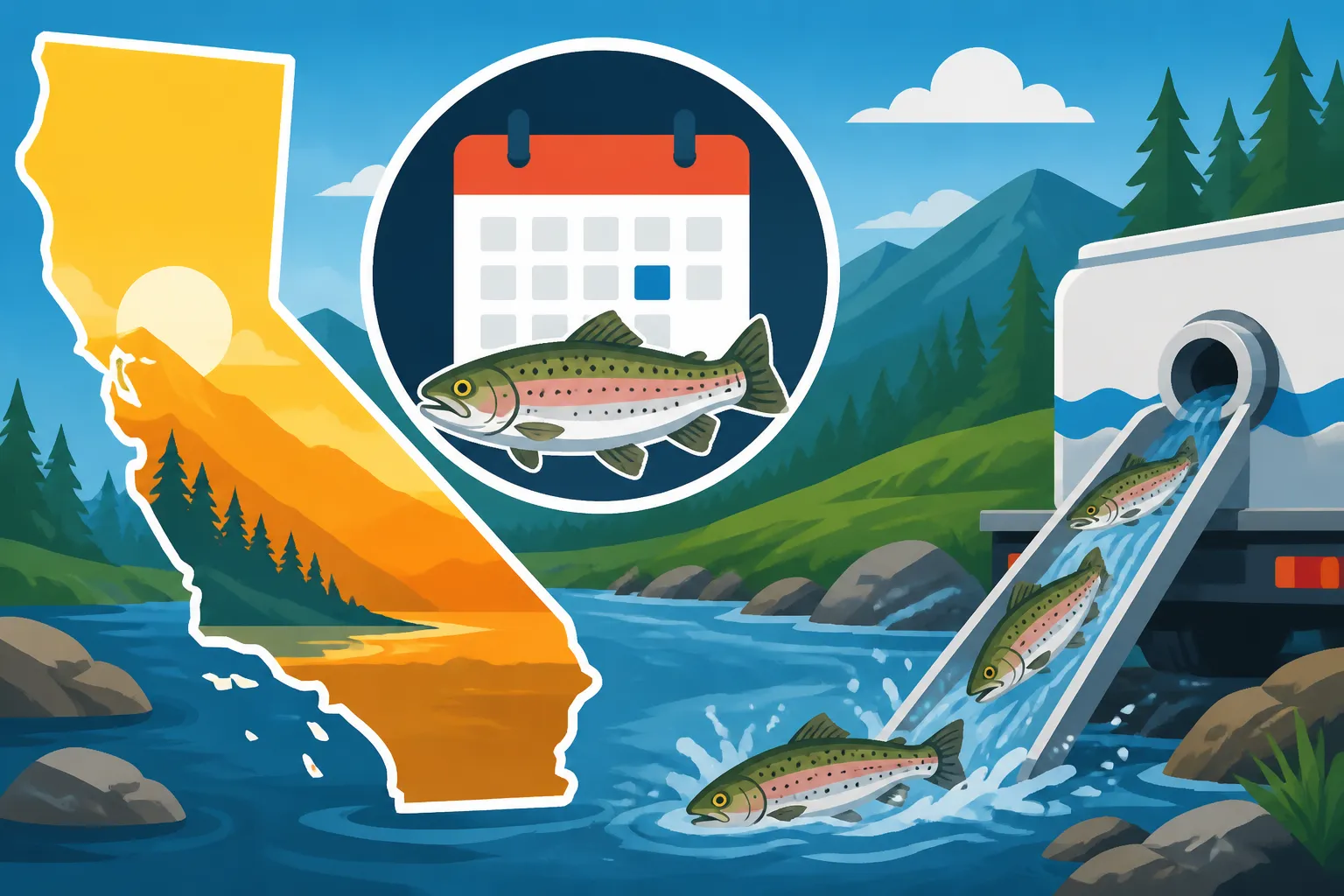
In stark contrast, urban and suburban lakes and reservoirs, especially in Southern California, are stocked heavily to provide immediate fishing opportunities for a large population base. These fish are usually planted from trucks and are often of "catchable" size, designed to be caught quickly. These waters are often heavily pressured, but with consistent stocking, they remain productive. For more regional insights, refer to the California Fishing Regulations by Region article.
Trophy Trout Programs and Special Regulations
Beyond the general stocking program, the CDFW also runs specific "trophy trout" programs in select waters. These programs involve planting larger, sometimes even broodstock-sized, trout to create opportunities for anglers to catch truly impressive fish. Lakes like Crowley Lake in the Eastern Sierra or Lake Hodges in San Diego County are known for their trophy trout potential. These larger fish are often more challenging to catch and may require different techniques, such as using larger lures or live bait.
It's crucial to always check the specific regulations for any body of water you plan to fish, especially those known for trophy programs or unique ecosystems. Some waters have special rules, such as catch-and-release only, artificial lures only, or specific gear restrictions. For example, some designated "wild trout" or "heritage trout" waters are not stocked at all, aiming to preserve genetic diversity and natural populations. Familiarizing yourself with California Special Regulation Waters will prevent any unintentional violations and ensure a responsible fishing experience.
The Best Time to Fish Stocked Waters
Timing is everything when it comes to stocked trout. While there are no guarantees, generally, the best time to fish after a plant is within the first few days. The trout are still disoriented and haven't yet learned to be wary. Early mornings and late afternoons are often the most productive times, regardless of when the fish were planted, as trout are generally more active during cooler periods and lower light conditions.
Weather also plays a role. A cloudy day with a light breeze can often be better than bright sunshine, as it makes the fish feel more secure. Over time, stocked trout can become more acclimated to their environment and behave more like wild fish, becoming harder to catch. However, the initial generosity of a fresh plant is usually the best bet for consistent action. For a broader perspective on seasonal fishing, our guide on the Best Season for Trout in California offers additional tips.
Disclaimer
Please note that fishing regulations, stocking schedules, and fish species availability can change frequently. Always consult the latest official California Department of Fish and Wildlife (CDFW) regulations and fish planting schedules before heading out on your fishing trip. This guide is for informational purposes only and should not be considered a substitute for official legal documents or current real-time data.