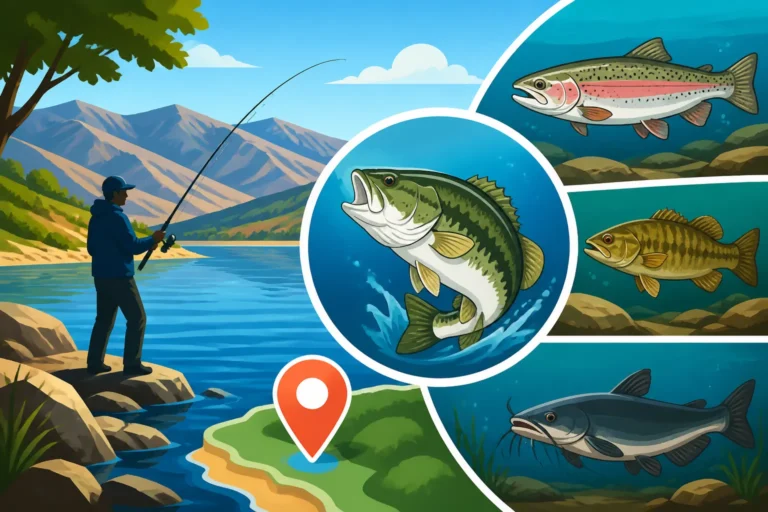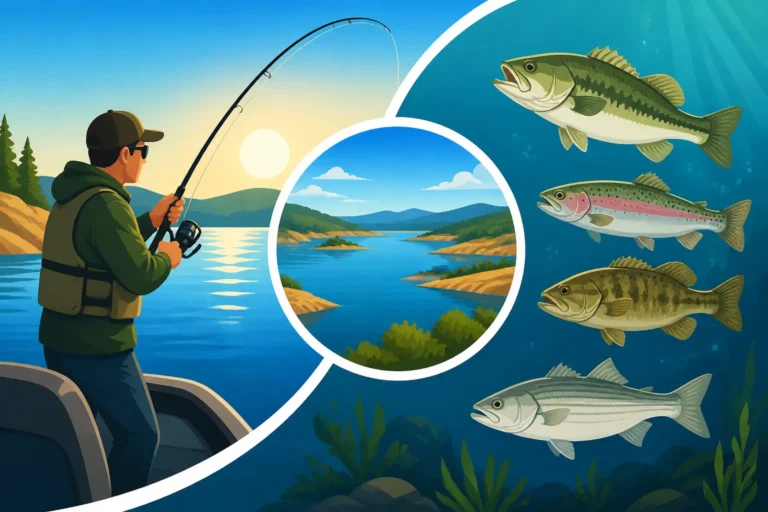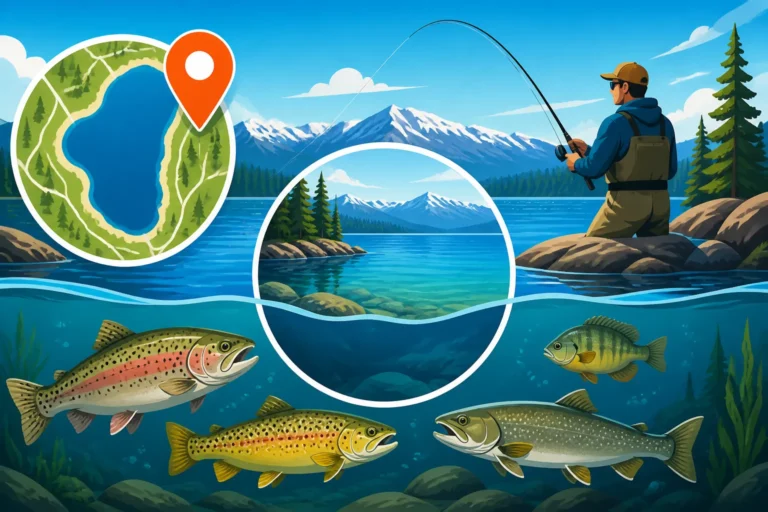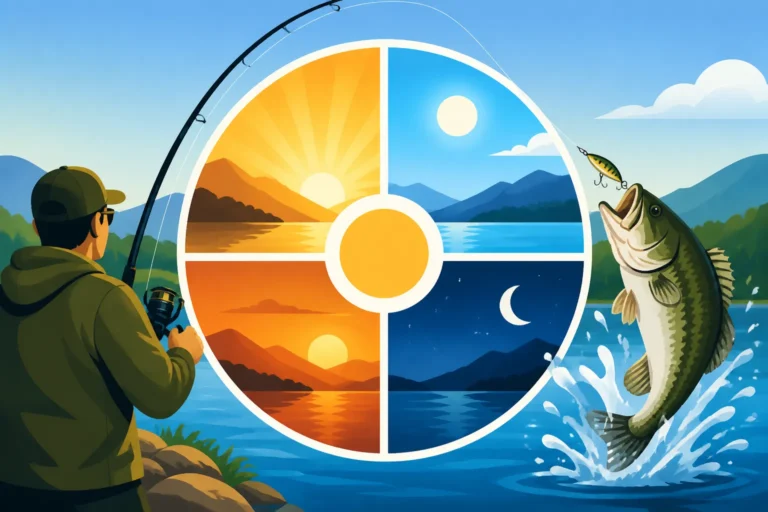
Best Trout Lakes in California
California is a sprawling, majestic state, and if you’re a trout angler, the sheer number of options can feel overwhelming. From the icy, pristine alpine lakes nestled high in the Sierra Nevada to the more accessible, stocked reservoirs closer to bustling cities, knowing where to cast your line for the best trout fishing can be a real challenge. This comprehensive guide is here to cut through the confusion, helping you discover the most incredible trout lakes California has to offer, tailored to every angler’s dream.
The Allure of California Trout Lakes
There's something uniquely magical about trout fishing in California. Maybe it's the crisp mountain air, the stunning scenery, or the fierce fight a wild rainbow puts up. Whatever it is, our state offers an unparalleled diversity for trout enthusiasts, far beyond what many people realize. It's not just about catching fish; it's about the entire experience, from the serene solitude of an early morning cast to the camaraderie with fellow anglers on a busy opener.
Why California is a Trout Angler's Paradise
California truly is a trout angler's dream come true, and it’s easy to see why once you spend some time exploring its diverse aquatic landscapes. We’re talking about a state that boasts everything from massive, deep reservoirs holding trophy browns and rainbows, to tiny, crystal-clear alpine lakes accessible only by strenuous hike, teeming with native golden trout. This incredible variety means that no matter your skill level, your preferred fishing style, or the kind of adventure you're seeking, there's a trout lake with your name on it. It’s this blend of abundant fish, stunning natural beauty, and a vast array of fishing environments that cements California’s reputation as a premier trout fishing destination.
Beyond the sheer number of lakes, the diversity of trout species available here adds another layer of excitement. You can pursue the aggressive fight of a Rainbow Trout, known for its acrobatic leaps, or try to outsmart the elusive and often massive Brown Trout, a true apex predator in many lakes. Then there’s the iconic California Golden Trout, a vibrant, native species found in the most breathtaking high-altitude waters – a true bucket-list fish for many. And let's not forget the robust Brook Trout, often found in smaller, colder streams and lakes, offering a different kind of challenge. This rich tapestry of species means you can spend a lifetime exploring and never truly run out of new experiences or new fish to target.
What also makes California so special for trout anglers is the distinct seasonal changes that dictate different fishing strategies and experiences throughout the year. Spring often brings the excitement of opening day and heavily stocked lakes, offering consistent action for many. Summer pushes anglers to higher elevations or deeper waters, targeting bigger, smarter fish. Fall, with its vibrant colors, can be a prime time for trophy browns as they become more active, feeding heavily before winter. Even winter offers opportunities, particularly in milder regions or on larger, less-frozen reservoirs. This cyclical nature ensures that the "best" time to fish can change depending on where you are and what you're hoping to catch, adding a dynamic element to every trip.
Understanding Different Trout Species in California
Knowing your target species is half the battle when trout fishing, especially in a state like California where the variety is so rich. Each species has its own habits, preferred habitats, and fighting style, which means you'll want to adjust your approach accordingly. If you’re heading out to a new lake, it’s always a good idea to do a quick check on what trout species are most prevalent there, as this will inform your bait, lure, or fly selection, and even the time of day you decide to fish. This understanding isn’t just about catching more fish; it’s about appreciating the unique ecological role each trout plays in our magnificent waterways.
Rainbow Trout (Oncorhynchus mykiss):
These are probably the most well-known and widely distributed trout in California, both native and extensively stocked. Rainbows are incredibly popular with anglers because they’re generally eager biters and put up a fantastic fight, often leaping clear out of the water. You’ll find them in almost every type of trout water, from small streams to large reservoirs and high-alpine lakes. The California Department of Fish and Wildlife (CDFW) regularly stocks millions of hatchery-raised rainbows, particularly in easily accessible lakes and ponds, making them a staple for family outings and beginner anglers. Wild rainbows, especially those found in colder, more pristine waters or stream-fed lakes, are often more colorful and put up an even more spirited battle.
Brown Trout (Salmo trutta):
Brown trout are the true trophies for many California anglers, known for their elusive nature and potential for immense size. They’re not native to California but have established strong wild populations in many lakes and rivers, particularly in the Eastern Sierra. Browns are often piscivorous, meaning they eat other fish, and thus require different tactics than rainbows. They can be incredibly wary and prefer cover, often lurking around structure like submerged logs, rocks, or steep drop-offs. The pursuit of a giant brown often leads anglers to fish during low-light conditions, like dawn or dusk, or even throughout the night, using larger baits or lures that imitate their prey.
Brook Trout (Salvelinus fontinalis):
These beautiful, vividly colored trout are native to the eastern United States but have been introduced and thrive in many high-elevation lakes and streams throughout California's Sierra Nevada. Brookies, as they’re affectionately called, rarely grow very large in California's alpine environments, often topping out around 10-14 inches, but what they lack in size, they make up for in eagerness and stunning appearance. Their distinctive worm-like markings on their backs and brilliant orange fins make them a joy to catch. They are particularly popular with backpackers and fly anglers who venture into remote wilderness areas, offering consistent action in breathtaking settings.
Lake Trout (Salvelinus namaycush):
Also known as Mackinaw, these are the largest trout species found in California, almost exclusively in deep, cold lakes like Lake Tahoe and some high-altitude reservoirs. Lake trout are aggressive predators that often inhabit the deeper sections of lakes, especially during warmer months. Anglers targeting Macks often use specialized techniques like downrigging with large spoons or bait, or jigging heavy lures in deep water. While they can grow to impressive sizes, offering a powerful, sustained fight, catching them often requires significant effort and specialized equipment due to their preferred deep-water habitat.
Golden Trout (Oncorhynchus mykiss aguabonita):
The California Golden Trout is arguably the most iconic and sought-after trout in the state. Recognized as California’s state fish, these stunning, brightly colored fish are native to only a few high-elevation drainages in the southern Sierra Nevada. They are revered for their brilliant gold flanks, red lateral stripes, and distinctive parr marks. Anglers often embark on multi-day backpacking trips to reach the remote, pristine lakes and streams where these wild fish thrive. Due to their protected status and fragile habitats, strict catch-and-release practices are often encouraged or mandated in Golden Trout waters. Pursuing a Golden Trout is as much about the adventure and the incredible scenery as it is about the catch itself.
Northern California Trout Havens
When you think of trout fishing in Northern California, images of rugged mountains, dense forests, and clear, cold waters immediately come to mind. This region is truly a treasure trove for trout anglers, offering a diverse array of lakes from expansive reservoirs to secluded alpine gems. The sheer scale and beauty of the landscape here enhance every fishing trip, making it an experience that goes beyond just the catch.
Iconic Lakes of the Shasta Cascade Region
The Shasta Cascade region in Northern California is a renowned destination for trout fishing, boasting several large, productive lakes that draw anglers from all over. These waters are characterized by their dramatic mountain backdrops, clear water, and consistent stocking programs or healthy wild populations.
Lake Shasta: While perhaps more famous for its houseboat vacations and bass fishing, Lake Shasta is actually a fantastic destination for rainbow and brown trout, especially during the cooler months. This massive reservoir, formed by the Shasta Dam, offers an incredible amount of fishable water, with numerous coves, submerged islands, and deep channels. Trolling is a popular and effective method here, with anglers often using downriggers to present spoons, crankbaits, or even live bait at depths where the trout are holding. The trout in Shasta tend to be well-fed and can grow to respectable sizes, offering a strong fight. Early spring and late fall are particularly productive, as the cooler water temperatures bring the trout closer to the surface and into shallower foraging areas.
Lake Almanor: Nestled in the Plumas National Forest, Lake Almanor is a large, relatively shallow lake known for its excellent trout fishing, particularly for rainbow and brown trout, along with a thriving population of salmon-like Kokanee. Almanor’s clear, cold waters and abundant invertebrate life provide an ideal habitat for trout to grow large and healthy. It's a favorite among trollers, who often target the deeper channels and thermoclines using various flashers, dodgers, and Wedding Rings or Rapalas. Fly anglers also find success in the shallower coves and along the weed lines, especially during the spring and fall when trout are actively feeding near the surface. The lake’s diverse structure, including numerous underwater springs and varying depths, keeps anglers on their toes, always searching for the next hot spot.
Eagle Lake: Situated in Lassen County, Eagle Lake is unique. It's the second-largest natural lake wholly within California, and its alkaline water produces a distinct sub-species of rainbow trout, known as the Eagle Lake Trout. These special trout are prized for their incredibly vigorous fight and often reach impressive sizes, with fish weighing over 5 pounds being common. The season for Eagle Lake Trout is specific, usually running from late May through the end of the year, with ice fishing opportunities sometimes available in winter. Anglers typically target them by trolling various lures, particularly those that mimic baitfish, or by fishing with bait like PowerBait or worms from shore or anchored boats. The surrounding high desert landscape adds to the unique fishing experience, making it a must-visit for serious trout enthusiasts. If you are interested in what makes this lake so special, you might want to delve into how the California Trout Regulations Explained apply to unique fisheries like Eagle Lake.
High Sierra Gems for Northern Anglers
Beyond the larger reservoirs, Northern California's High Sierra region boasts a multitude of stunning, often remote, trout lakes. These are the places where the scenery is as much of a draw as the fishing itself, offering a quintessential mountain angling experience.
Lake Tahoe: The crown jewel of the Sierra Nevada, Lake Tahoe is not only breathtakingly beautiful but also home to some of California's largest trout, particularly the magnificent Lake Trout (Mackinaw) and robust Brown Trout. This massive, deep, and incredibly clear lake requires specialized techniques for success. Most anglers targeting Mackinaw use downriggers to present large spoons, jigs, or live minnows at depths of 100 feet or more, especially during the warmer months when these fish descend to the colder thermoclines. Shore fishing can also be productive in the early mornings or late evenings, particularly for rainbows, during the cooler seasons. Fishing Lake Tahoe is an experience in itself, requiring patience and the right gear, but the reward of a trophy-sized Mackinaw is truly unforgettable. For more in-depth information, check out our dedicated guide to the Lake Tahoe Fishing Guide.
Crowley Lake: Located in the Eastern Sierra, though still often grouped with Northern California for its mountainous feel, Crowley Lake is legendary among trout anglers. Known for its incredible numbers of large rainbow, brown, and cutthroat trout, it's a bustling hub during its spring and fall fishing seasons. The lake’s rich weed beds and abundant invertebrate life provide an excellent food source, allowing trout to grow quickly. Most anglers here fish from boats, drifting or trolling with various setups, including flashers and bait, fly lines with nymphs or streamers, or even just plain old PowerBait. Fly fishing from float tubes or pontoon boats is also immensely popular, with specific "midge" patterns being particularly effective. The seasonal opening day here is an event, drawing thousands of anglers, all eager to experience what makes Crowley so special. You might find our Crowley Lake Fishing Guide helpful for planning a trip here.
Bridgeport Reservoir: Just a short drive from Crowley Lake, Bridgeport Reservoir offers another fantastic Eastern Sierra trout experience, famous for its large rainbow and brown trout. This picturesque reservoir, set against a backdrop of dramatic mountain peaks, provides a more relaxed atmosphere than some of the busier lakes. Fishing here is excellent from both shore and boat, with bait fishing (PowerBait, worms, salmon eggs) being a popular and effective method. Trolling with Rapalas, Kastmasters, or Needlefish is also highly productive, especially along the deeper channels and drop-offs. Bridgeport is particularly known for its stunning fall fishing, when brown trout become more active and aggressive, often targeting baitfish near the surface. It’s a perfect spot for those who appreciate both exceptional fishing and serene mountain views.
Lesser-Known Northern Hotspots
While the big names draw the crowds, Northern California also harbors many smaller, often overlooked lakes that can offer incredible trout fishing for those willing to explore a little further. These spots might not be as grand in scale, but they often deliver a more intimate and equally rewarding angling experience.
Antelope Lake: Tucked away in the Plumas National Forest, Antelope Lake is a quieter alternative to some of the larger, more popular destinations. It's regularly stocked with rainbow trout, and also holds healthy populations of brown trout and even smallmouth bass. The lake’s numerous coves, rocky points, and submerged timber provide excellent habitat for trout, making it a great spot for both bait and lure fishing. Trolling with small spoons or spinners is often effective, as is casting from shore with PowerBait or worms. It's a fantastic lake for families or those seeking a peaceful escape, away from the hustle and bustle, where the fishing can be surprisingly good, especially during the spring and fall.
Frenchman Lake: Another gem in Plumas County, Frenchman Lake is a picturesque reservoir known for its consistent trout fishing. It’s stocked annually with rainbow trout and also supports a population of brown trout. The lake is relatively easy to access and offers several campgrounds and boat launches. Anglers often find success trolling with various lures, like Needlefish or Speedy Shiners, or still fishing with bait from shore or an anchored boat. Fly fishing can also be productive in the shallower areas, especially during insect hatches. Frenchman Lake provides a reliable and beautiful setting for a day of trout fishing, perfect for both seasoned anglers and beginners looking to enjoy the natural beauty and catch some fish.
Prosser Creek Reservoir: Near Truckee, Prosser Creek Reservoir is a smaller, more intimate lake offering solid fishing for rainbow and brown trout. While it’s not as large as Tahoe or Stampede, its smaller size makes it easier to navigate and explore. It’s a favorite among fly anglers who target cruising trout near the shorelines, especially during the spring and fall. Bait fishing and lure casting from float tubes or small boats are also popular and effective. Prosser can offer some surprisingly large trout, particularly browns, for those who patiently work its submerged structure and deeper channels. It’s a great option for a day trip, offering beautiful scenery and a chance at some quality fish without the crowds of bigger venues. You might also want to look into California Fishing Regulations by Region to ensure you're compliant with local rules around Truckee.
Central California's Hidden Trout Sanctuaries
Central California, especially the eastern side of the Sierra Nevada, is globally recognized as a premier trout fishing destination. This region offers a stark contrast of high desert and soaring peaks, creating unique environments for trout to thrive. For many, this is where the serious trout angler's pilgrimage begins, offering legendary waters and challenging, yet deeply rewarding, fishing.
Eastern Sierra's Legendary Trout Waters
The Eastern Sierra is, without a doubt, the epicenter of trout fishing in California. With its dramatic landscapes, clear mountain air, and an abundance of lakes and streams, it’s a place that calls to anglers year after year. The season opener, typically the last Saturday in April, is a celebrated event, drawing crowds eager to test their skills against the region's robust trout populations.
Lake Sabrina: Tucked away at a high elevation near Bishop, Lake Sabrina is a breathtakingly beautiful alpine lake renowned for its large rainbow, brown, and brook trout. The season here usually runs from late April through November, depending on snow conditions. Anglers flock to Sabrina for its stunning scenery and the chance to catch trophy-sized fish. Fishing from a rental boat is popular, allowing access to deeper channels and rocky structures, though shore fishing near the inlets and outlets can also be very productive. Common tactics include trolling small lures, jigging, or bait fishing with PowerBait or salmon eggs. The sheer majesty of the landscape makes every cast a memorable one, even if the fish aren't always biting.
South Lake: Just below Lake Sabrina, South Lake is another gem of the Bishop Creek drainage, offering excellent fishing for rainbow, brown, and brook trout. Like Sabrina, it's a high-altitude lake, so access is seasonal. South Lake is particularly popular for float tubing and small boat fishing, allowing anglers to quietly stalk fish in its numerous coves and along its varied shoreline. Fly fishing with nymphs and streamers, especially during hatches, can be incredibly effective here. For those who prefer bait, worms and PowerBait are reliable choices. The views of the surrounding granite peaks are absolutely incredible, providing a truly immersive wilderness fishing experience. Exploring the Eastern Sierra Fishing Guide will give you even more insights into this incredible region.
June Lake Loop Lakes (Gull, June, Silver, Grant): The June Lake Loop is a string of four picturesque lakes near Mammoth Lakes that collectively offer some of the most consistent and beautiful trout fishing in the Eastern Sierra.
- June Lake is the largest and most popular, known for its healthy populations of rainbow, brown, and cutthroat trout. It’s easily accessible and offers boat rentals and plenty of shore access.
- Gull Lake is smaller and often provides excellent fishing for rainbows and browns, particularly from float tubes or small boats. It's a favorite for its serene atmosphere.
- Silver Lake is a stunning mountain lake, often less crowded, known for its browns and rainbows. Fishing near the inlet or outlet can be very productive.
- Grant Lake, the largest of the four, is actually a reservoir that offers fantastic fishing, especially for larger brown trout, which actively feed on the abundant baitfish. Trolling is very effective here.
Each lake on the loop has its own character, but all are regularly stocked and surrounded by breathtaking scenery, making the June Lake Loop an absolute must-visit for any trout angler.
Central Valley Foothill Lakes
While the High Sierra gets most of the glory, Central California's foothills also offer several highly accessible lakes that provide excellent trout fishing, particularly during the cooler months. These lakes are often larger reservoirs, easily reached from major cities, making them perfect for day trips or weekend getaways.
Don Pedro Reservoir: Located in the rolling foothills of the Sierra Nevada near La Grange, Don Pedro is a massive reservoir primarily known for its bass fishing, but it also boasts a thriving population of rainbow and brown trout. These trout grow large here, thanks to the ample food supply, and offer a powerful fight. The best time to target trout in Don Pedro is generally from fall through spring when the water temperatures are cooler. Trolling with larger spoons, plugs, or even anchovies is a common and effective technique, often requiring downriggers to reach the depths where the trout hold. While it might not be a traditional "trout lake," the potential for a trophy fish here is definitely real.
Lake McClure: Neighboring Don Pedro, Lake McClure is another large reservoir in the Sierra Foothills that provides excellent fishing for rainbow and brown trout, alongside its famous bass populations. Like Don Pedro, McClure's trout fishing heats up during the cooler seasons. Anglers typically target trout by trolling various lures at different depths, often focusing on the main lake body or the deeper channels. The lake's irregular shoreline with numerous coves and points provides ample structure for trout to hide and feed. For those looking for consistent action and the chance at a sizable trout without venturing deep into the mountains, McClure is a very accessible and productive option.
New Melones Lake: Spanning Tuolumne and Calaveras counties, New Melones Lake is one of California's largest reservoirs and a consistent producer of rainbow and brown trout. Its deep, clear waters support a healthy forage base, allowing trout to grow impressively large. Trout fishing here is excellent from late fall through early summer, before the peak summer heat pushes fish too deep. Trolling is the primary method, with many anglers using a combination of dodgers, flashers, and various lures like Rapalas, Needlefish, or even live minnows. Shore anglers can also find success, especially during the spring, by using PowerBait or worms in accessible coves. The lake's immense size means there's always a new area to explore, and the potential for a personal best trout is always present. You can find more detail in our New Melones Lake Fishing Guide.
Southern California's Unexpected Trout Fisheries
Many people assume Southern California is all about beaches and big cities, not big trout. But you'd be surprised! While the high-alpine lakes are fewer and farther between compared to the north, SoCal offers a fantastic array of accessible, regularly stocked lakes that provide consistent trout action, especially for those who don't want to travel far. These fisheries are often the result of dedicated stocking programs, ensuring that even urban dwellers have a quality trout fishing experience within reach.
Accessible Urban and Mountain Lakes
Southern California's unique geography allows for trout fishing experiences ranging from urban-adjacent parks to scenic mountain reservoirs, all within a reasonable drive for millions of residents. The focus here is often on accessibility and consistent stocking to meet high demand.
Lake Castaic: While celebrated as a trophy largemouth bass fishery, Lake Castaic, located north of Los Angeles, also offers surprising opportunities for rainbow and striped bass (which are often managed similarly to trout for recreational angling purposes). The colder, deeper waters of the Castaic Lagoon (the lower lake) and the main lake often hold impressive numbers of stocked rainbow trout, especially during the cooler months from fall through spring. Anglers target rainbows by trolling small spoons or spinners, or by bait fishing with PowerBait or worms from shore or anchored boats. The upper lake can hold some truly enormous striped bass, which are voracious predators and offer an incredible fight, often taking large lures or cut bait. It's a versatile lake, providing different fishing experiences depending on your target. More detailed insights can be found in our Castaic Lake Fishing Guide.
Diamond Valley Lake: This massive, clear-water reservoir in Riverside County is a true gem in Southern California, known for its exceptional trout fishing, especially for rainbow trout. Diamond Valley Lake (DVL) is meticulously managed and regularly stocked with large trout, often averaging 2-5 pounds, with some much larger. The lake's deep, cold waters provide an ideal environment for trout to thrive, even into the early summer. Trolling is the most popular and effective method, with anglers using lead core line or downriggers to present various lures like Rapalas, spoons, or small swimbaits at the desired depth. Shore fishing is also productive, particularly in accessible coves and near the marina, with PowerBait, worms, or small jigs. DVL is a premier destination for Southern California trout anglers, offering consistent action and the chance at a truly memorable catch. Our Diamond Valley Lake Fishing Guide provides more information.
Big Bear Lake: Nestled in the San Bernardino Mountains, Big Bear Lake offers a classic mountain trout fishing experience without requiring a drive deep into the High Sierra. This picturesque lake is heavily stocked with rainbow trout, and also holds healthy populations of brown trout and even some elusive cutthroats. The fishing season typically runs year-round, with ice fishing sometimes possible in winter, though open water is more common. Anglers find success trolling with spoons, spinners, or Rapalas from boats, or bait fishing from shore with PowerBait, worms, or salmon eggs. Float tube fishing is also popular in the shallower coves. Big Bear Lake is not just about the fishing; it’s a complete outdoor experience, surrounded by pine forests and offering a refreshing escape from the city heat. For more tips on this beautiful lake, consult our Big Bear Lake Fishing Guide.
Stocked Lakes for Consistent Action
To meet the high demand for trout fishing in Southern California, many smaller lakes and urban ponds are consistently stocked by the CDFW and local agencies. These spots are perfect for families, beginners, and anyone looking for reliable action close to home.
Lake Hemet: Located in the San Jacinto Mountains, Lake Hemet is a popular spot for camping and fishing, particularly for rainbow trout. It’s regularly stocked by the CDFW, ensuring a good supply of catchable fish throughout the cooler months. Anglers here find success with standard trout baits like PowerBait, worms, and corn, fished from shore or small boats. Trolling with small spinners or spoons can also be effective. Hemet provides a relaxed, family-friendly atmosphere, making it an excellent choice for introducing kids to fishing. The surrounding mountain scenery adds to the charm, making it a pleasant escape for a day of angling.
Santa Ana River Lakes: These private, pay-to-fish lakes in Orange County are renowned for their incredible stocking programs, often introducing trophy-sized rainbow and even some lightning trout (a color variation of rainbow trout). Because they are private, these lakes can often afford to stock much larger and more frequently than public waters. Anglers here use a variety of techniques, but bait fishing with specialized trout dough baits, scent-enhanced worms, or inflated nightcrawlers is often the most productive. The lakes are designed for easy access and provide amenities like bait shops and cleaning stations. While not a wilderness experience, Santa Ana River Lakes offer a unique opportunity to consistently catch very large trout, making them a popular choice for those seeking big fish.
Lake Perris: Situated in Riverside County, Lake Perris is another major Southern California reservoir that offers consistent rainbow trout fishing, especially from late fall through spring. The lake is stocked by the CDFW and provides ample fishing opportunities from shore, boats, and even kayaks. Bait fishing with PowerBait, marshmallows, or worms is popular and effective, particularly near the marina and designated fishing areas. Trolling with small lures can also yield good results, especially in the deeper sections of the lake. Lake Perris is a versatile destination, also known for its bass and panfish, but its trout program ensures there’s always something biting during the cooler seasons. It’s a great example of how Southern California provides accessible and productive fisheries for its large population.
Essential Gear and Techniques for California Trout Lakes
Heading out to California's diverse trout lakes requires more than just a rod and a dream. The right gear and a solid understanding of effective techniques can make all the difference between a frustrating day and a memorable one. Given the variety of environments, from vast open reservoirs to tight coves in alpine lakes, tailoring your setup is key.
Rods, Reels, and Lines for Lake Trout Fishing
Choosing the right tackle is crucial for success, and it often depends on the type of lake you're fishing and your preferred method. A versatile setup can get you through most situations, but specialized gear can definitely give you an edge.
For general lake trout fishing, especially with bait or light lures from shore or a boat, a light to medium-light spinning rod is usually your best bet. A rod in the 6-foot to 7-foot range with a fast or moderate-fast action will offer the sensitivity to detect subtle bites and enough backbone to cast lighter lures and control a fighting fish. Paired with a small spinning reel (size 1000-2500) spooled with 4 to 6-pound monofilament or fluorocarbon line, you'll have a highly effective and versatile setup. Monofilament is forgiving and offers good knot strength, while fluorocarbon is nearly invisible underwater and has less stretch, providing better feel.
When targeting larger trout in deeper lakes, or if you plan on trolling, you might consider a slightly heavier setup. A medium-action trolling rod (7-8 feet) paired with a baitcasting reel or a larger spinning reel (size 3000-4000) becomes more appropriate. For line, many serious trollers opt for braided line as their main line, often 10-20 lb test, because of its minimal stretch, which provides superior sensitivity and hooks sets. They'll then add a fluorocarbon leader of 6-8 lb test, which maintains the invisibility needed to fool wary trout. Downriggers or lead core line might also be necessary to present lures at specific depths, especially for species like Lake Trout (Mackinaw) in Tahoe. Learning about California Trolling Tips and Techniques can significantly improve your success in these situations.
For fly anglers, the choice of rod and line is equally important. A 5 or 6-weight fly rod (8.5-9 feet) is a versatile choice for most California trout lakes, capable of casting a variety of dry flies, nymphs, and streamers. Paired with a weight-forward floating line, this setup is ideal for fishing from shore, a float tube, or a boat with surface presentations or subsurface nymphing. For deeper presentations, especially in larger lakes, a sinking or sink-tip fly line might be preferred, allowing you to get your flies down to where the trout are holding. The choice of leader and tippet material (usually fluorocarbon for its invisibility) and its breaking strength (3x-6x) will depend on the size of the flies and the wariness of the fish.
Baits, Lures, and Flies That Get Bites
The variety of baits, lures, and flies available for trout fishing can be overwhelming, but focusing on a few proven producers will cover most scenarios in California's trout lakes.
Bait Fishing: For many anglers, especially those targeting stocked rainbow trout, PowerBait remains king. Its dough-like consistency, vibrant colors, and strong scent are irresistible to hatchery-raised trout. Popular colors include chartreuse, rainbow, and cheese. Live worms (nightcrawlers, mealworms, red wigglers) are universally effective for all trout species and can be fished on the bottom or suspended under a bobber. Salmon eggs, either natural or artificial, are also highly effective, particularly in areas with natural spawning runs. When bait fishing, using a light leader and a small hook is paramount, as trout can be very sensitive to presentation.
Lure Fishing: Spin casting with lures is incredibly popular and effective in California's trout lakes. Spinners like the Mepps Aglia, Panther Martin, and Rooster Tail are perennial favorites, their flashing blades and vibrating action mimicking baitfish or insects. Spoons such as the Kastmaster, Thomas Buoyant, or Little Cleo are excellent for casting long distances and offer a unique wobble on the retrieve. Small crankbaits or jerkbaits like Rapalas (especially countdown or jointed models) are deadly for actively feeding trout, particularly browns and larger rainbows, as they accurately imitate small fish. For deeper trolling, Needlefish and Speedy Shiners are highly regarded. The key with lures is to match the hatch or the prevalent baitfish in the lake and experiment with retrieve speeds and depths. If you're wondering about the most effective options, exploring a guide on the Best Lures for California Trout could be very beneficial.
Fly Fishing: Fly anglers have an arsenal of imitations at their disposal. Nymphs like Copper Johns, Pheasant Tail Nymphs, and Prince Nymphs are incredibly effective, mimicking the aquatic insect larvae that make up a large part of a trout's diet. Streamers such as Woolly Buggers (in various colors like black, olive, or white), Sculpzillas, or Clouser Minnows are excellent for imitating baitfish and are particularly deadly for larger brown trout. When trout are feeding on the surface during an insect hatch, dry flies like Adams, Elk Hair Caddis, or Parachute Adams can provide exhilarating surface strikes. Midge patterns, fished slowly under an indicator, are often key to success on pressured lakes like Crowley. Knowing how to present these flies effectively, whether it's by dead drifting a nymph or stripping a streamer, is what separates a good fly angler from a great one.
Best California Trout Fishing Techniques
Mastering a few core techniques will dramatically increase your success rate on California's trout lakes. Each lake and each season might call for a slightly different approach.
Still Fishing with Bait: This is perhaps the most straightforward and widely used technique, perfect for shore anglers and boaters alike. The basic setup involves a small weight (like an egg sinker) above a swivel, leading to a 12-24 inch fluorocarbon leader tied to a small hook (size 10-14). You simply cast your bait (PowerBait, worm, salmon egg) out and let it sit on the bottom. Many anglers use a rod holder and watch for subtle bites, especially with PowerBait, which floats off the bottom to entice cruising trout. This method is incredibly effective for stocked rainbows and can also pick up browns and other species.
Trolling: For larger lakes and deeper water, trolling is often the most productive method, allowing you to cover vast amounts of water and present your lure or bait at a consistent depth. Trolling involves dragging lures or bait behind a slow-moving boat. The challenge lies in determining the right depth, speed, and lure combination. Many anglers use specialized equipment like downriggers, lead core line, or Dipsy Divers to achieve specific depths. The most common lures for trolling include spoons, Rapalas, and Needlefish, often preceded by dodgers or flashers to attract attention. Varying your speed, making wide turns, and experimenting with different color patterns can make a huge difference. You can learn more about effective methods in our California Trolling Tips and Techniques guide.
Casting and Retrieving Lures: This active fishing style is perfect for exploring shorelines, coves, and points. It involves casting a spinner, spoon, or small crankbait and retrieving it at a steady pace, allowing the lure to work its magic. The key is to vary your retrieve speed and incorporate pauses or jerks to impart an erratic action, mimicking a struggling baitfish. This technique is highly effective for actively feeding trout, especially brown trout and larger rainbows, who are often ambush predators. Pay attention to structure like submerged rocks, fallen trees, or weed lines, as these are prime holding areas for predatory trout.
Fly Fishing (Surface and Subsurface): Fly fishing on lakes, often from float tubes, pontoon boats, or small watercraft, offers a unique challenge and reward.
- Dry fly fishing is exhilarating, involving casting a floating fly to rising trout and watching for a surface strike. This technique is most effective during insect hatches, typically in calmer conditions.
- Nymphing is often more consistent, as trout feed predominantly on subsurface insects. This can involve fishing nymphs under a strike indicator (similar to a bobber) or stripping them slowly along the bottom.
- Streamer fishing involves casting and retrieving larger fly patterns that imitate baitfish or leeches. This is particularly effective for larger, more aggressive trout, especially browns, who are looking for a bigger meal.
Each fly fishing technique requires careful presentation, line management, and a good understanding of insect life cycles and trout feeding behavior. Consider honing your skills with a guide on California Fly Fishing Tips and Techniques.
Seasonal Strategies for Maximizing Your Catch
Understanding the seasons is paramount for successful trout fishing in California, as water temperatures, fish behavior, and stocking schedules change dramatically throughout the year. What works in spring won't necessarily work in summer, and vice-versa. Adapting your approach to the calendar is a crucial part of becoming a consistent trout angler.
Spring Thaw and Early Season Success
Spring is a time of renewed excitement for California trout anglers, often marked by the highly anticipated "opener" in the Eastern Sierra and the widespread stocking of trout in many lower-elevation lakes. This season offers some of the most consistent and accessible trout fishing opportunities.
As the ice melts from higher elevation lakes and snowmelt feeds into reservoirs, water temperatures begin to rise, signaling trout to become more active after the colder winter months. This is particularly true for stocked rainbow trout, which are often eager to bite soon after being introduced into a new environment. Lakes that have been heavily stocked in anticipation of opening day will see fish dispersed throughout, often cruising shallower areas where insect life is starting to emerge and baitfish are more active. Anglers will find success in relatively shallow water, often less than 15-20 feet deep, where the trout are actively feeding.
During the spring, conventional bait fishing reigns supreme, especially with popular choices like PowerBait, worms, and salmon eggs. These baits, fished off the bottom with a light leader or suspended under a bobber, are irresistible to newly stocked rainbows. Spinners and spoons, retrieved slowly along weed lines or rocky drop-offs, are also highly effective for both stocked and holdover trout. Fly anglers will find success with subsurface nymphs, particularly midge and mayfly patterns, as well as small streamers. The key to spring success is often location – targeting inlets, coves, and points where trout congregate for food or warmer water. Fishing early in the season can also mean dealing with unpredictable weather, so always be prepared for anything from warm sun to sudden snow flurries. For specifics on opening dates, you can check California Trout Season Dates Explained.
Summer High-Country and Deep-Water Tactics
As summer temperatures soar, especially in the Central Valley and lower elevations, trout fishing strategies shift dramatically. Many lowland lakes become too warm for trout, pushing anglers to either higher elevations or deeper, colder waters. This is the season for adventure and specialized tactics.
In the high country of the Sierra Nevada, summer truly shines. This is the prime time to access remote alpine lakes, many of which require hiking or backpacking. These pristine waters often hold wild populations of brook, rainbow, and the iconic golden trout. The clear, cold water and abundant insect life create ideal conditions. Fly fishing with small dry flies (like mosquitos or gnats) or nymphs is incredibly effective in these tranquil settings. Spin anglers can find success with ultra-light spinners and spoons. The challenge here is often the journey, but the reward of catching vividly colored wild trout in a stunning, secluded setting is unparalleled. Backpacking into these areas is an incredible experience, offering solitude and a connection to nature.
For the larger, deeper lakes that remain productive throughout summer, the strategy shifts to targeting trout in cooler, oxygen-rich depths. This means downrigging or using lead core line to present lures and bait at 40-100+ feet. Lake Tahoe, for example, is a prime summer destination for Mackinaw (Lake Trout), which lurk in its deep, cold waters. Trolling large spoons, dodgers with small hoochies, or even live minnows becomes the technique of choice. Early mornings and late evenings can also bring trout shallower, especially in lakes with strong spring-fed inlets. Understanding how to read your fish finder for thermoclines and baitfish schools is crucial for summer deep-water success.
Fall Spawns and Pre-Winter Feeding Frenzies
Fall is arguably one of the most exciting and rewarding seasons for trout fishing in California, especially for those targeting larger, more aggressive fish. As water temperatures begin to cool, trout, particularly brown trout, become incredibly active.
Brown trout, which spawn in the fall, will often move into shallower areas, especially near stream inlets and gravelly flats, to begin their spawning rituals. During this time, they become very territorial and aggressive, making them highly susceptible to lures that mimic baitfish or other trout. Trolling with larger crankbaits, jerkbaits, or even swimbaits that imitate trout is incredibly effective. Casting these same lures from shore or a boat into known spawning areas (while respecting regulations regarding spawning fish) can yield truly trophy-sized browns. Fly anglers can also find success with large streamer patterns stripped aggressively. The vibrant fall colors of the surrounding landscape only add to the allure of this season.
Beyond the brown trout spawn, many other trout species, including rainbows, enter a "pre-winter feeding frenzy" during the fall. They are actively bulking up for the leaner winter months, making them more willing to chase down a meal. This means that many of the techniques that work in spring, such as bait fishing and casting spinners, become highly effective again. The water temperatures are often ideal, and the crowds begin to thin out after the summer rush. Lakes like Crowley and Bridgeport Reservoir often see incredible fall fishing for all species. This season offers a fantastic blend of consistent action and the potential for a truly memorable, large trout. To pinpoint the best times, consult our guide on the Best Season for Trout in California.
Planning Your Trout Lake Adventure
A successful trout fishing trip in California isn't just about showing up with a rod; it's about preparation. With our vast state, understanding regulations, knowing where to get your license, and deciding whether to go solo or with a guide are all crucial steps in ensuring a smooth and enjoyable experience.
California Fishing License Guide and Regulations Checklist
Before you even think about casting a line, getting your California fishing license is step number one. Trust me, getting caught without one can turn a great day into a very expensive and frustrating one. The rules here are pretty clear: if you’re 16 years or older, you need a valid California sport fishing license to fish in any public water. This applies whether you're dangling a worm in a stocked urban pond or fly fishing a remote Sierra stream. You can purchase your license easily online through the California Department of Fish and Wildlife (CDFW) website, or visit a licensed tackle shop, sporting goods store like Big 5 Sporting Goods, or even some Walmart locations. It's truly a straightforward process that takes minutes, but it's absolutely non-negotiable.
Beyond just having a license, you also need to be intimately familiar with the specific regulations for the waters you plan to fish. California has a complex web of rules that vary by region, water body, and even species. For trout, this often means specific daily bag and possession limits, minimum size restrictions, and sometimes even gear restrictions (like barbless hooks only, or artificial lures only) for certain "special regulation" waters. For instance, the general statewide trout limit is five fish per day, ten in possession, but many specific lakes, rivers, or sections thereof will have different rules. Always check the current CDFW Sport Fishing Regulations booklet or their online guide before each trip. This booklet is your bible, detailing everything from seasons and limits to special areas like California Marine Protected Areas Explained where fishing might be restricted. Don't rely on old information or hearsay; those regulations change!
Lastly, don't forget about report cards if you're targeting certain species. While not always required for general trout, some specific trout-like species or associated fisheries might require them. For example, if you happen upon a Steelhead, which are sea-run rainbow trout, a Steelhead Report Card would be mandatory. Even for species that don't require a report card, understanding bag and size limits is critical to sustainable fishing. It's about being a responsible angler – knowing what you can keep, what you must release, and how to do so ethically. Always carry a measuring device and, if you plan to keep fish, know how to properly dispatch them and keep them fresh. Ignorance of the law is never an excuse, so take the time to read up. You can find more comprehensive details in our California Fishing License Guide.
Hiring a Guide or Booking a Charter
For many, a fishing trip to a new lake or an unfamiliar region can be made exponentially more successful by hiring a local expert. California offers a vast array of knowledgeable fishing guides and charter services, especially in popular trout regions like the Eastern Sierra or on large lakes like Tahoe and Shasta. Deciding whether to book one can depend on your experience level, your budget, and your desire to learn or simply relax and catch fish.
Hiring a trout fishing guide is an excellent investment, particularly if you’re new to a specific lake or a particular technique. A good guide knows the waters intimately: where the fish are holding, what they’re biting on, and the best times to go. They provide all the necessary gear, bait, and often even snacks or drinks. More importantly, they offer invaluable insights into local conditions, fish behavior, and specific tactics that would take you years to figure out on your own. For example, if you're venturing to Crowley Lake for the first time, a guide can quickly put you on fish using local midge patterns or trolling setups, explaining the nuances as you go. This educational aspect is what makes a guided trip truly worthwhile, allowing you to build skills you can use on future trips. When researching guides, check out platforms like FishingBooker, which makes it incredibly easy to find and compare local guides, read reviews, and book your trip with confidence.
Fishing charters, while more common for saltwater, are also available on some of California's larger trout lakes, especially those that cater to larger groups or offer specialized trips like deep-water Mackinaw trolling. These are often party boats or larger vessels that can accommodate multiple anglers, splitting the cost and making it a more affordable option than a private guide. On a charter, the crew typically helps with rigging, baiting, and netting fish, providing a more hands-off experience. This can be perfect for families or groups of friends where some members are less experienced. Websites like FishingBooker list various charter options across California, from Half Moon Bay to San Diego, and you can filter specifically for freshwater or trout trips in regions like Lake Tahoe or Shasta. They also offer a clear booking process, customer reviews, and often flexible cancellation policies. Whether it's a dedicated trout guide or a lake charter, these services can turn a good day into a truly great one.
California Fishing Seasons: Month-by-Month Guide
Understanding California's fishing seasons is like having a secret weapon for trout angling. Our state's diverse climate means that while some high-altitude lakes are only accessible for a few months, others offer year-round opportunities. A month-by-month breakdown helps you know exactly what to expect and where the prime action will be.
Spring (March-May): This is the quintessential "opening day" season for many Eastern Sierra trout waters, typically starting the last Saturday in April. Lower elevation lakes and reservoirs, like Diamond Valley Lake and Lake Castaic, are also in peak trout season during these cooler months. Rainbow trout are actively feeding, and bait fishing, trolling, and light spin casting are highly effective. The waters are often cool, and fish are generally in shallower areas. March and April see heavy stocking, ensuring consistent action. May continues strong, though some lower-elevation spots might start warming up. This is a fantastic time for families and beginners. For more insights, our California Fishing in Spring guide is a great resource.
Summer (June-August): As temperatures rise, trout activity in lower elevation lakes slows, and fish move to deeper, cooler waters. This is the prime time for high-country adventures! Backpacking into remote Sierra lakes for golden, brook, and wild rainbow trout becomes the focus. Lakes like Lake Tahoe offer excellent deep-water Mackinaw fishing, requiring specialized trolling gear. Early mornings and evenings are often the best times for shallower bites. While some lakes might be challenging, the sheer beauty of summer in the mountains, combined with the chase for wild trout, is an experience unto itself. If you're looking to plan, our California Fishing in Summer article can help.
Fall (September-November): Many consider fall to be the best time of year for trophy trout, especially brown trout. As waters cool, brown trout become aggressive and begin their pre-spawn and spawning runs, making them highly susceptible to larger lures and streamers. Lakes like Crowley, Bridgeport, and many Eastern Sierra waters see a resurgence in activity. Rainbows also feed heavily in preparation for winter. The crowds are typically thinner than in spring, and the autumn colors provide a stunning backdrop. It's a fantastic season for both fly fishing and conventional tackle, offering the chance at a truly memorable catch.
Winter (December-February): Winter fishing in California varies dramatically by region. Many high-elevation lakes freeze over, offering limited (and sometimes dangerous) ice fishing opportunities in specific locations (like some Eastern Sierra lakes, depending on the year). However, many larger, lower-elevation reservoirs and urban stocked lakes continue to offer decent trout fishing throughout the winter. CDFW continues to stock many of these waters, particularly in Southern California, keeping the action consistent. Deep-water trolling and slow bait presentations are often the most effective techniques during these colder months. It's a quieter time on the water, perfect for those seeking solitude and a challenge. To plan for year-round fishing, consult our detailed California Fishing Seasons: Month-by-Month Guide.
Here's a quick overview of some top trout lakes in California:
| Lake Name | Primary Trout Species | Best Season | Key Feature | Region |
|---|---|---|---|---|
| Lake Tahoe | Lake Trout (Mackinaw), Brown | Summer, Fall | Deep, clear water; trophy Macks | High Sierra |
| Crowley Lake | Rainbow, Brown, Cutthroat | Spring, Fall | Abundant large trout; fly fishing mecca | Eastern Sierra |
| Lake Shasta | Rainbow, Brown | Spring, Fall | Massive reservoir; good trolling | Shasta Cascade |
| Lake Almanor | Rainbow, Brown, Kokanee | Spring, Fall | Clear water; diverse trolling | Shasta Cascade |
| Diamond Valley Lake | Rainbow | Fall, Winter, Spring | Consistently stocked large rainbows | Southern California |
| Big Bear Lake | Rainbow, Brown | Year-round | Accessible mountain lake; family-friendly | Southern California |
| Lake Sabrina | Rainbow, Brown, Brook | Spring, Summer | Alpine beauty; stunning scenery | Eastern Sierra |
| Eagle Lake | Eagle Lake Trout (Rainbow) | Summer, Fall | Unique endemic species; powerful fight | Northern California |
| June Lake Loop Lakes | Rainbow, Brown, Cutthroat | Spring, Fall | Scenic loop; diverse fishing options | Eastern Sierra |
| New Melones Lake | Rainbow, Brown | Fall, Winter, Spring | Large reservoir; good trolling for big fish | Central Foothills |
Conservation and Responsible Angling Practices
As passionate anglers, we all share a responsibility to protect California's incredible trout resources for future generations. Our actions on and off the water have a direct impact on the health of these delicate ecosystems and the fish that inhabit them. Practicing responsible angling isn't just a suggestion; it's a necessity to ensure that the joy of trout fishing continues to thrive.
Catch and Release Best Practices
While keeping a few trout for the dinner table is certainly a pleasure, practicing catch and release, especially for wild or larger trophy fish, is a cornerstone of sustainable angling. However, merely releasing a fish isn't enough; it's how you release it that truly matters. A poorly handled fish, even if it swims away, might not survive. The goal is to minimize stress and injury, giving the fish the best possible chance of recovery.
First and foremost, always try to land your fish quickly and minimize the fight time. Exhausting a fish to the point of collapse can drastically reduce its survival rate, especially in warmer water. Use appropriate tackle for the size of fish you're targeting to bring it in efficiently. Once hooked, try to keep the fish in the water as much as possible. This means unhooking it while it's still submerged, if feasible. If you must lift it out for a quick photo, do so quickly, support its entire body horizontally (especially large fish), and avoid squeezing its belly or gills. Wet your hands before handling to protect the fish's protective slime coat, which acts as a barrier against disease and parasites.
Another critical best practice is the use of barbless hooks. Barbless hooks greatly reduce tissue damage and make unhooking much faster and easier, especially if the fish is deeply hooked. Many popular trout fishing locations in California, particularly wild trout waters or fly-fishing-only sections, actually mandate the use of barbless hooks. If you're using barbed hooks, consider crimping down the barbs with a pair of pliers – it makes a huge difference. When removing the hook, use needle-nose pliers or hemostats to carefully back it out. If a fish is deeply hooked in the gills or gut, it's often best to cut the line as close to the hook as possible rather than attempting to rip it out, which can cause fatal damage. Finally, after release, gently hold the fish upright in the water, facing into a slow current if possible, until it regains its strength and can swim away on its own. Never just toss a fish back; give it the time it needs to recover. This thoughtful approach helps ensure the long-term health of our fish populations. You can find more specific guidelines in our article on California Catch-and-Release Rules.
Protecting California's Wild Trout Populations
California's wild trout populations are incredibly special – they are native, genetically diverse, and represent the true spirit of angling in pristine environments. Unlike hatchery-raised fish, wild trout have adapted over generations to their specific habitats, making them more resilient but also more vulnerable to environmental changes and human pressures. Protecting these precious resources requires a concerted effort from all of us.
One of the most significant threats to wild trout is habitat degradation. This can come in many forms: pollution from runoff, excessive water diversion that depletes stream flows, sedimentation from erosion caused by development or wildfires, and loss of riparian vegetation that provides shade and insect habitat. As anglers, we can contribute by always practicing Leave No Trace principles. This means packing out all trash, including discarded fishing line (which can entangle wildlife), respecting sensitive riparian areas by staying on designated trails, and never disturbing redds (spawning beds) during spawning season. Advocating for responsible land and water management policies is also crucial to safeguard these critical habitats. Supporting organizations dedicated to trout habitat restoration and conservation is another powerful way to make a difference.
Another key aspect of protecting wild trout is understanding and adhering to specific regulations designed to preserve them. Many designated Wild Trout Waters or Heritage Trout Waters in California have special rules, such as reduced bag limits, artificial lures only, or even mandatory catch and release. These rules are in place for a reason: to protect these vulnerable populations from overfishing and genetic dilution. Educate yourself about the species you're targeting – for example, knowing the unique characteristics of the California Golden Trout Explained and where they thrive will help you appreciate and protect them. Never introduce non-native species into a water body, as this can wreak havoc on native populations through competition, predation, and disease transmission. By being informed, respectful, and actively participating in conservation efforts, we can ensure that future generations can experience the unparalleled thrill of catching a wild California trout in its natural, pristine home.
Disclaimer
Please remember that fishing regulations in California are subject to change by the California Department of Fish and Wildlife (CDFW). It is your responsibility to check the most current regulations before heading out on any fishing trip. This guide provides general information and recommendations and should not be considered a substitute for the official CDFW Sport Fishing Regulations booklet or website. Always prioritize safety, obtain the necessary licenses and permits, and practice ethical angling.