Folsom Lake: Fish Species and Best Spots
Folsom Lake is one of California's most popular and challenging fisheries, and trying to figure out where the fish are hiding and what they're biting on can feel like a never-ending puzzle, especially with those constantly fluctuating water levels. But don't you worry, this comprehensive guide is here to break down exactly which fish species you can expect to find in its expansive waters and, more importantly, the best spots and techniques to help you put them in your net, making your next outing much more productive.
Understanding Folsom Lake's Unique Characteristics
Before we dive into the specific fish and where to find them, it's crucial to understand Folsom Lake itself. This isn't just any reservoir; it's a dynamic body of water with a distinct personality that significantly impacts fishing success. Located in the Sierra Nevada foothills, just east of Sacramento, Folsom Lake is a major recreational hub, but its primary purpose is flood control, water supply, and hydroelectric power. These functions mean its water levels can swing wildly, sometimes by dozens of feet throughout the year, which is probably the biggest challenge and opportunity for anglers.
The Impact of Fluctuating Water Levels
Let's be real, Folsom's ever-changing water levels can be a real head-scratcher for even seasoned anglers. Unlike many lakes with relatively stable levels, Folsom can drop dramatically during dry spells or rise quickly after heavy rains or snowmelt. This isn't just a minor inconvenience; it completely alters the fish habitat. When the water is high, flooded brush and trees become prime cover, offering excellent ambush points for bass and protection for baitfish. However, finding these submerged structures can be tricky, as they're not always visible.
Conversely, when water levels recede, vast expanses of shoreline become exposed, forcing fish to move to deeper channels or find new cover. What was a productive fishing point last month might be a dry gravel bar today. This constant flux means that understanding seasonal patterns and keeping a close eye on current lake levels is absolutely essential. I always recommend checking the California Department of Water Resources website or even local bait shop reports before heading out, as current conditions dictate where the fish will be holding. High water often scatters fish into new cover, while low water concentrates them around remaining structure like old river channels, rock piles, and submerged timber.
Forage Base: What the Fish Are Eating
Knowing what's on the menu for Folsom's predatory fish is like having a secret weapon in your tackle box. The primary forage species in Folsom Lake include Threadfin Shad, various minnow species, and crawfish. These bait sources influence everything from the size and color of lures you should choose to the depths and structures where you'll find active fish.
Threadfin Shad are particularly important, especially for schooling fish like landlocked salmon and larger bass. These small, silvery baitfish often congregate in open water, drawing predators to them. During cooler months, or early mornings and late evenings in warmer ones, you might see massive schools of shad on your sonar, often with larger fish lurking just below or on the edges. When fish are actively feeding on shad, matching the hatch with silver crankbaits, swimbaits, or topwater lures can be incredibly effective. Crawfish, on the other hand, are a bottom-dwelling delicacy, especially for bass and catfish. Lures that mimic crawfish, like jigs and soft plastics in brown, green, or orange tones, can be dynamite when fished around rocky areas, points, and submerged timber where crawfish hide. Understanding this food chain helps you present baits that are irresistible to your target species.
Prime Fish Species to Target at Folsom Lake
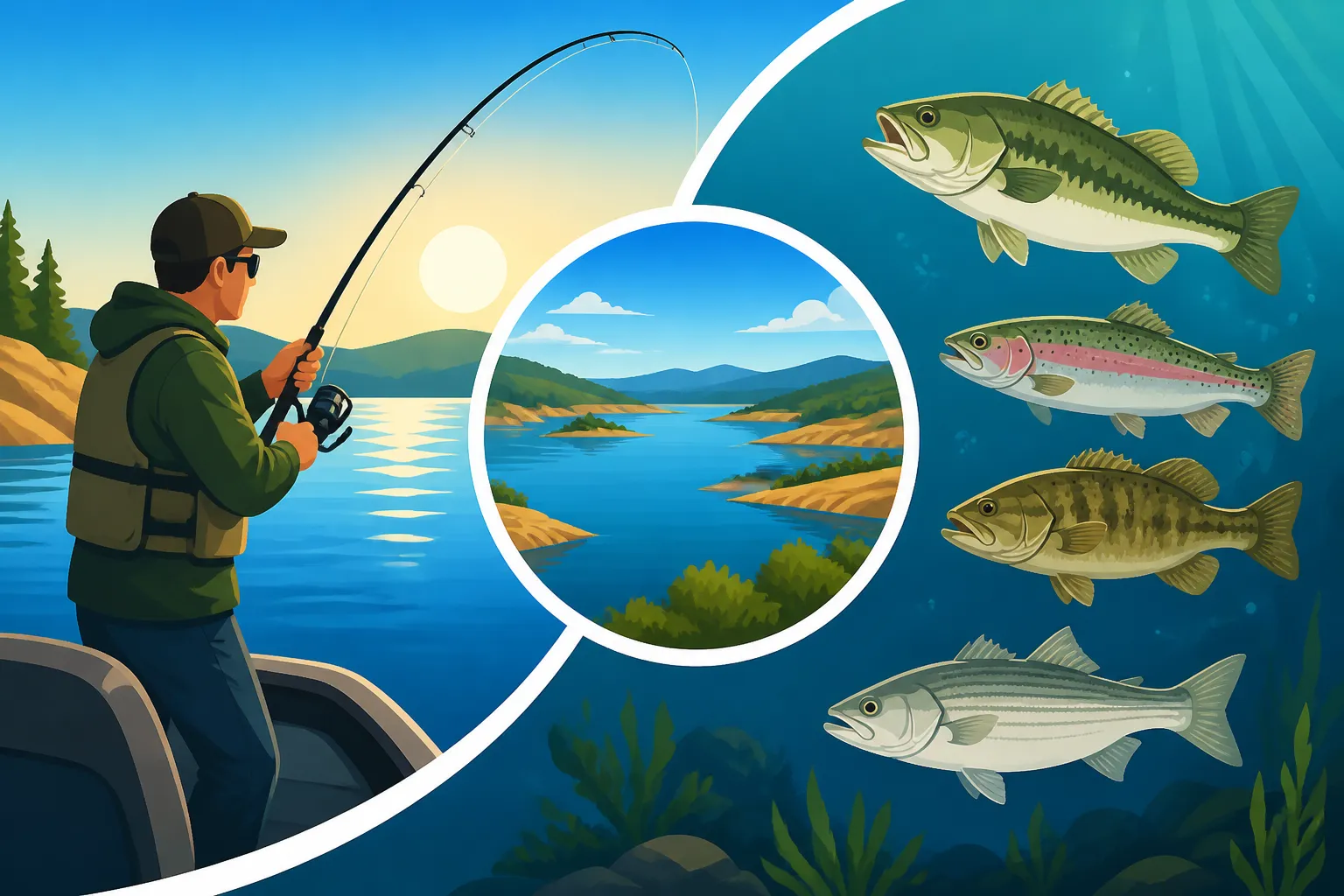
Folsom Lake boasts a diverse fishery, offering something for almost every angler. From hard-fighting bass to delectable salmon and trout, there’s a real variety. But to be successful, you need to know what you’re chasing and a bit about their habits.
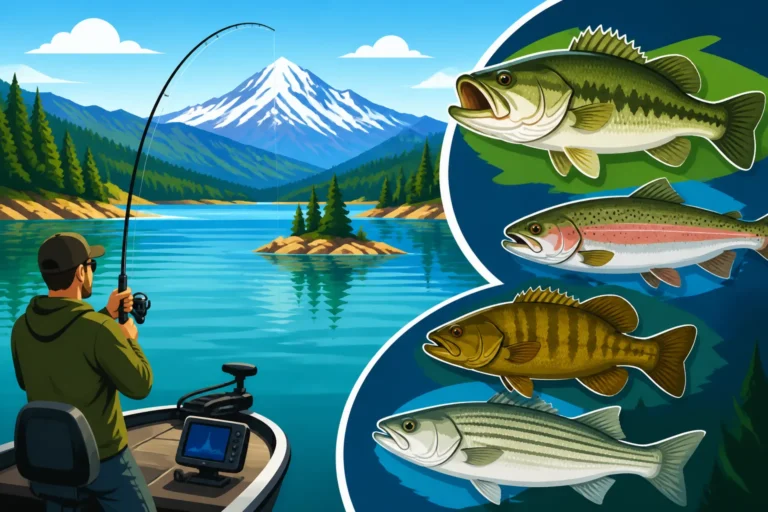
Largemouth and Smallmouth Bass
These two species are arguably the most sought-after at Folsom. Both offer incredible fighting action and can be found in good numbers. Largemouth bass prefer areas with plenty of cover – think submerged trees, brush, rock piles, and points that drop off into deeper water. They love to ambush prey, so targeting these structures is key. During the spring spawn, you'll find them shallower, guarding nests, making them susceptible to sight fishing. As the water warms, they move to deeper cover, especially around those steep breaks and old creek channels. Popular lures include spinnerbaits, crankbaits, jigs, and Texas-rigged plastics.
Smallmouth bass, often called "bronze backs" for their distinct color, thrive in Folsom's rocky, clear water environments. They're typically found on main lake points, rocky outcroppings, bluff walls, and gravel flats. Unlike largemouth, smallmouth are often more nomadic, cruising open water near structure. They respond well to reaction baits like jerkbaits and small crankbaits, but also to drop-shot rigs and shaky head jigs fished slowly along the bottom. The fight from a Folsom smallmouth is legendary – they hit hard and pull like trucks. If you're looking to hone your bass fishing skills, Folsom Lake is a fantastic proving ground for a variety of California Bass Fishing Techniques.
Landlocked Salmon: Kokanee and Chinook
Folsom Lake is a rare gem in California, offering excellent opportunities for landlocked salmon. Both Kokanee and Chinook salmon call these waters home, providing a thrilling experience for those willing to troll for them. Kokanee are the smaller, silver-sided cousins, known for their vibrant red flesh and delicious taste. They are purely plankton feeders, which makes them a bit tricky to catch as they don't strike out of aggression like bass. You'll typically find them in deep, open water, often schooling at specific temperature breaks (thermoclines). Trolling with small dodgers or flashers followed by a wedding ring or tiny hoochie tipped with corn is the most common and effective method.
Chinook salmon, while fewer in number than Kokanee, grow much larger and offer an even more powerful fight. These are true trophy fish for Folsom. Like Kokanee, they are often found in deep, cool water, but they will actively feed on Threadfin Shad. Trolling with larger spoons, Apex lures, or sometimes even live shad can entice a strike. Both salmon species are very temperature-sensitive, so keeping an eye on your fish finder to locate schools and the thermocline is vital. The best fishing for these salmon often occurs during the cooler months or early mornings and late evenings in summer. Checking California Salmon Season Dates is important as regulations can change.
Rainbow Trout and Brown Trout
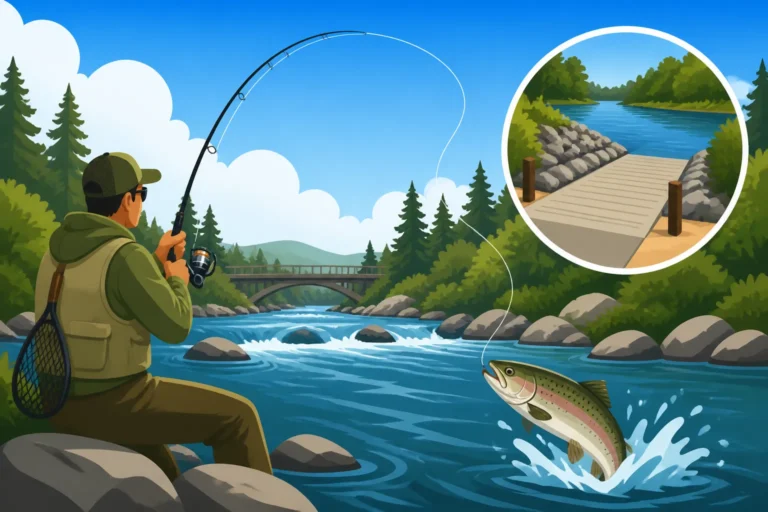
Folsom Lake benefits from regular trout stockings by the California Department of Fish and Wildlife (CDFW), ensuring a healthy population of rainbow trout. These stocked rainbows provide consistent action for anglers of all skill levels, especially in the cooler months. You'll find them cruising near shorelines, around points, and in the open water where shad schools are present. Popular methods include trolling with small spoons or Rapalas, power-baiting from shore, or even fly fishing in the quieter coves.
Brown trout, while less common than rainbows, are the true predators of the trout family in Folsom. They grow larger and are much more elusive. Brown trout typically lurk around deeper rock structures, submerged timber, and points, often feeding on smaller fish. Trolling with larger plugs or spoons that imitate baitfish, or casting jerkbaits around structure, can yield a magnificent brown. For both trout species, patience and covering water are key. Be sure to familiarize yourself with California Trout Limits and Regulations before your trip.
Catfish and Panfish
Don't overlook the whiskered warriors and smaller panfish of Folsom! Channel catfish are plentiful and offer fantastic angling, especially for those looking for a relaxing day and a tasty meal. They prefer deeper, muddier areas of the lake, particularly in the warmer months. Fishing on the bottom with stink baits, cut bait, or even chicken livers is highly effective. You'll often find them concentrated in the quieter arms of the lake or near the confluence of the rivers.
For anglers with kids or those just looking for consistent bites, various panfish species like bluegill and crappie can provide endless fun. While not as dominant as in some other California lakes, they are present in Folsom, especially around submerged brush, docks (when water levels permit), and protected coves. Small jigs, worms, or crickets fished under a bobber are usually all it takes to get them biting.
Top Fishing Spots and Techniques on Folsom Lake
Knowing the species is one thing; knowing where to find them at Folsom is the next crucial step. Given its size and fluctuating nature, breaking the lake into distinct zones helps tremendously.
North Fork Arm: Bass, Trout, and Salmon Hangouts
The North Fork Arm of Folsom Lake is fed by the North Fork American River, and it's a fantastic area that offers a diverse range of fishing opportunities, especially for bass, trout, and salmon. This arm tends to be deeper and has more significant submerged timber and rock structures, particularly as you move further up towards the river channels.
- Key Spots:
- Brown's Ravine: This is a very popular area, especially for boaters launching from the marina. It offers protected coves and a combination of rocky points and submerged brush. Largemouth bass will stage here, particularly in spring and fall, using the abundant cover. Smallmouth bass can be found on the main lake points leading into the ravine. Trolling for trout and salmon is also popular just outside the ravine in the deeper main lake body.
- Doton's Point: This prominent point offers excellent deep-water access and rocky structure, making it a prime location for smallmouth bass. The drop-offs here can be steep, so fishing jigs, drop shots, or even spoons can be effective. During certain times of the year, especially if shad are present, larger bass and even salmon will cruise these depths.
- The Upper River Section (when accessible): When water levels are high enough, venturing up into the North Fork American River arm can be very rewarding. This area is characterized by flooded timber, strong currents, and deeper channels. It's a prime spot for both largemouth and smallmouth bass that relate to the moving water and abundant cover. Spinnerbaits, jigs, and creature baits are excellent choices here.
- Techniques: For bass, focus on pitching and flipping jigs or Texas-rigged plastics into the submerged trees and brush. Crankbaits are great for covering water along rocky points. For salmon and trout, trolling with downriggers in the deeper channels is the way to go.
South Fork Arm and Mormon Island
The South Fork Arm, fed by the South Fork American River, offers a different character, often becoming shallower and more riverine as you move up. Mormon Island is a notable feature in this area, sometimes becoming a peninsula depending on water levels.
- Key Spots:
- Mormon Island: This area, with its various coves and points, can be a bass haven. When water levels are moderate to high, the flooded brush and gradual slopes here attract largemouth bass. Flipping jigs and plastics into the cover is effective. Smallmouth will patrol the rockier points and ledges. This area can also be good for catfish, especially in the shallower, warmer coves, using cut bait or stink bait on the bottom.
- Fowler's Point: Located towards the entrance of the South Fork Arm, Fowler's Point is another reliable spot for bass. It features a mix of rock and gradual slopes, offering diverse habitat. This area can be good for both numbers and size.
- Hazel Creek / Negro Bar: Further up the South Fork arm, especially near Negro Bar State Recreation Area, you'll find shallower, more riverine conditions. This can be excellent for bank fishing, especially for trout and panfish. In the quieter eddies and deeper pockets, you might also find largemouth bass. Access from shore is easier here, making it a popular spot for families.
- Techniques: In the shallower areas, topwater lures can be exciting for bass in low-light conditions. Wacky-rigged Senkos and creature baits are excellent for targeting bass around visible structure. Trolling can still be productive in the wider sections of the main arm for trout and salmon, particularly deeper into the lake's main body. For a quieter experience, learn more about California Kayak Fishing Guide and explore these coves.
Main Body and Dam Area
The main body of Folsom Lake, stretching from the dam up towards the confluence of the two river arms, is typically the deepest and most expansive section. This is prime territory for pelagic species and often holds the largest concentrations of schooling fish.
- Key Spots:
- The Dam Face and Spillway (restricted zones apply): While there are strict exclusion zones near the dam and spillway for safety, the immediate vicinity outside these zones can be incredibly productive, especially for trout and salmon that are drawn to the cooler, deeper water. Always respect buoy lines and restricted areas.
- Folsom Point / Beal's Point: These areas offer good bank access and rocky points. They are excellent spots for casting for bass, particularly smallmouth, which will cruise the rocky shorelines. During trout stocking events, these areas can be hotspots for shore anglers using power bait or worms. For those interested in shore-based opportunities, there are often fantastic Best Fishing Piers in California that are license-free.
- Open Water Flats: Don't neglect the vast open water. This is where you'll find schools of Kokanee and Chinook salmon, often suspended at specific depths. If you have a good fish finder, look for bait balls and the tell-tale arcs of predatory fish underneath them. This is where the patient troller truly shines.
- Techniques: Trolling is the dominant technique in the main body for salmon and trout. Using downriggers to get your lures to the precise depth of the fish is critical. For bass, focus on structure fishing with jigs or deep-diving crankbaits along the numerous underwater points and humps that litter the main lake basin.
Essential Gear and Seasonal Strategies for Folsom Lake
Having the right gear and understanding the seasonal nuances of Folsom Lake will significantly boost your chances of success. It’s not just about what you fish with, but when and how.
Recommended Gear and Bait
Your tackle box for Folsom Lake should be as diverse as the fish species that inhabit it.
- For Bass (Largemouth & Smallmouth):
- Rods & Reels: Medium-heavy to heavy casting rods (6'6" to 7'6") with baitcasting reels are ideal for jigs, Texas rigs, and crankbaits. A medium-light to medium spinning rod (6'6" to 7') with a spinning reel is great for drop shots, shaky heads, and lighter finesse presentations.
- Line: 10-15 lb fluorocarbon or monofilament for finesse, 15-20 lb fluorocarbon or braid for heavier cover.
- Lures:
- Jigs: 1/4 to 1/2 oz football or weedless jigs in green pumpkin, brown, or black/blue.
- Soft Plastics: 4-6 inch worms, creature baits (e.g., Yamamoto Senkos, Strike King Rage Craws), swimbaits (e.g., Keitech Swing Impact).
- Crankbaits: Medium to deep diving crankbaits (shad or crawfish patterns), lipless crankbaits (e.g., Rat-L-Traps).
- Topwater: Poppers, walk-the-dog baits for early mornings/evenings.
- Jerkbaits: Especially effective for smallmouth (e.g., Lucky Craft Pointers).
- For Salmon (Kokanee & Chinook):
- Rods & Reels: Light to medium action trolling rods (7-9 ft) with line counter reels.
- Line: 10-15 lb monofilament or fluorocarbon.
- Terminal Tackle: Downriggers are almost a necessity for precise depth control.
- Lures: Small dodgers/flashers (e.g., Sep's Pro Fishing, Shasta Tackle) followed by Kokanee specific hoochies, wedding rings, or small spoons. Tip with Shoepeg corn, occasionally scented. For larger Chinook, larger spoons (e.g., Kokanee Killer, Apex lures).
- For Trout (Rainbow & Brown):
- Rods & Reels: Light to medium action spinning rods (6-7 ft) with matching spinning reels.
- Line: 4-8 lb monofilament or fluorocarbon.
- Bait (Shore Fishing): PowerBait (various colors, especially chartreuse, rainbow), nightcrawlers, salmon eggs.
- Lures (Trolling/Casting): Small spoons (e.g., Kastmaster, Little Cleo), inline spinners (e.g., Panther Martin, Rooster Tail), small minnow plugs (e.g., Rapala Original Floater).
- For Catfish:
- Rods & Reels: Medium-heavy to heavy action spinning or baitcasting rods (7-9 ft) with robust reels.
- Line: 15-30 lb monofilament.
- Bait: Stink baits, cut bait (mackerel, anchovies), chicken livers, nightcrawlers.
- Rigs: Carolina rig or a simple slip-sinker rig.
If you're unsure about the local conditions or want to ensure you're using the most effective gear, considering a local guide can make a world of difference. Platforms like FishingBooker are excellent resources for finding experienced Folsom Lake fishing guides who can provide tailored advice and put you on the fish.
Seasonal Fishing Calendar for Folsom Lake
Folsom Lake offers year-round fishing, but the best species and tactics change dramatically with the seasons. Understanding this rhythm is key to success.
| Season | Target Species | Key Techniques & Locations | Notes |
|---|---|---|---|
| Spring | Largemouth Bass, Smallmouth Bass, Rainbow Trout, Kokanee Salmon | Bass: Shallow coves, points, submerged brush (pre-spawn/spawn). Jigs, spinnerbaits, soft plastics. Trout: Shorelines, trolling open water. Kokanee: Trolling deeper open water. | Water levels often rising. Bass are active and moving shallow for the spawn. Excellent time for consistent trout action. Kokanee are starting to become active in deeper water. |
| Summer | Largemouth Bass, Smallmouth Bass, Kokanee Salmon, Chinook Salmon, Catfish | Bass: Deeper points, humps, submerged timber. Jigs, deep crankbaits, drop shots. Salmon: Deep, open water trolling (thermocline). Catfish: Warmer, shallower coves (evenings/nights). | Warm water pushes most fish deep. Focus on early morning or late evening for shallower bass action. Salmon fishing is a deep-water game. Catfish action peaks. |
| Fall | Largemouth Bass, Smallmouth Bass, Rainbow Trout, Kokanee Salmon, Chinook Salmon | Bass: Transitioning to shallower points and flats, feeding aggressively. Crankbaits, spinnerbaits, topwater. Trout & Salmon: Trolling throughout water column as lake cools, concentrating near rivers for spawning run. | Water temperatures begin to drop, triggering a "fall bite" for bass. Trout and salmon are highly active, with Kokanee and Chinook making their spawning runs up the river arms (check regulations). A great time for Best Times to Fish in California. |
| Winter | Rainbow Trout, Brown Trout, Smallmouth Bass, Spotted Bass, Catfish | Trout: Trolling/casting near shore, power bait from shore. Bass: Deep rocky points, vertical jigging, slow presentations. Catfish: Deeper holes, slow action. | Cold water makes fish lethargic. Focus on slower presentations for bass. Trout stocking makes for consistent action. Winter offers some of the most serene fishing experiences. |
Always remember that these are general guidelines. Folsom Lake's dynamic nature means that flexibility and adaptability are your best friends. Keep an eye on local fishing reports, check the CDFW stocking schedules, and don't be afraid to experiment with different techniques and locations. Whether you're targeting bass, salmon, or trout, Folsom Lake offers some truly rewarding angling experiences. Exploring a variety of Best Fishing Spots in California can reveal different fish behaviors and challenges. For an excellent overview of the lake's diverse fish, consult a California Fish Species Complete Guide.
Knowing the habits of specific species like "How to Fish for Largemouth Bass in California" or "How to Fish for Trout in California" can give you a significant advantage. And for those keen on chasing the landlocked salmon, understanding "How to Troll for Kokanee in California" is paramount. Remember to always double check California Fishing Regulations Explained to ensure you're compliant with current rules, as they can vary by species and season.
Disclaimer
Fishing conditions and regulations in Folsom Lake can change frequently due to environmental factors, water levels, and California Department of Fish and Wildlife (CDFW) mandates. Always consult the latest CDFW regulations booklet or website before heading out to ensure you have the most up-to-date information on limits, seasons, and access. This guide is for informational purposes only and should not be considered a substitute for official regulations.