California Fish Species: Complete Guide
If you've ever stood on the shore of a beautiful California lake, peered out at the vast Pacific, or gazed into a bubbling Sierra stream, you know there's an incredible amount of water to explore. But that sheer diversity can also feel a bit overwhelming, right? You might find yourself wondering, "What exactly can I catch here?" and "What fish even live in California waters?" This guide is here to untangle that confusion, providing a deep dive into the fascinating array of fish species that call California home, from the shimmering coastlines to our serene mountain lakes.
Understanding California's Diverse Aquatic Environments
California is a true anomaly when it comes to natural environments, and our fisheries are no different. We're not just talking about "ocean" versus "lake" here; the nuances within those broad categories create entirely different ecosystems, each with its own cast of finned characters. Knowing these environments is the first step to understanding what you might reel in.
The Pacific Ocean: Saltwater Species Galore
Oh, the Pacific! Stretching for over 800 miles along California's western edge, this isn't just one big, homogenous body of water. We've got everything from rugged, wave-battered coastlines to serene, protected bays, and even deep-sea canyons that rival anything you'd find on land. The cold, nutrient-rich California Current pushes down from the north, fueling a vibrant food chain that supports an incredible diversity of marine life.
Imagine casting off from a boat out of San Diego or Ventura, heading for offshore kelp paddies or deep-water banks. Here, you're looking at pelagic species that travel vast distances. Then there are the inshore fisheries, often closer to shore, where you might be casting from a pier, a kayak, or even wading in the surf. These areas are heavily influenced by structure like rocky reefs, sandy bottoms, and the iconic kelp forests that provide shelter and hunting grounds for countless species. The sheer vastness and variety mean you need to be prepared for anything, from speedy gamefish to bottom-dwelling giants.
Freshwater Wonders: Lakes, Rivers, and Reservoirs
Venturing inland, California transforms into a mosaic of freshwater habitats. We boast everything from glacial, crystal-clear high-alpine lakes nestled in the Sierra Nevada mountains to immense, man-made reservoirs that serve as critical water sources and recreational hubs. Then there are the intricate river systems – think the mighty Sacramento River snaking through the Central Valley, the American River flowing near Sacramento, or the wild, untamed Klamath River up north. Each of these systems has its own unique characteristics: water temperature, clarity, flow rates, and available food sources, all influencing which fish species thrive there.
Fishing a tiny, secluded mountain lake for native Golden Trout is a vastly different experience than targeting trophy Largemouth Bass in a vast reservoir like Clear Lake or Diamond Valley Lake. Rivers present their own challenges and rewards, often holding migratory species like Steelhead or Salmon, alongside resident populations of various trout and bass. You'll find yourself adjusting your techniques and bait not just by species, but by the specific freshwater environment you're in. This really highlights why understanding the location is just as important as knowing the fish itself.
The Estuary System: Where Salt Meets Fresh
California's estuaries are truly unique transitional zones, dynamic environments where freshwater rivers meet the saltwater tides of the Pacific Ocean. The most famous, of course, is the sprawling Sacramento-San Joaquin River Delta. This massive network of sloughs, channels, and islands is a brackish wonderland, supporting a fascinating mix of species that can tolerate or even thrive in the constantly fluctuating salinity levels.
Here, you might find species like Striped Bass, which are anadromous (meaning they live in saltwater but spawn in freshwater), alongside resident freshwater species like Largemouth Bass and Catfish. The Delta is a prime example of an environment where the lines blur, offering anglers a chance to hook into species you might typically associate with either ocean or inland waters. It's a complex, nutrient-rich habitat that demands a nuanced approach, but the rewards can be incredible, especially for those seeking hard-fighting "stripers."
Essential Saltwater Fish Species to Target in California
When we talk about saltwater fishing in California, we're talking about everything from casting a simple line off a pier to venturing many miles offshore in search of apex predators. The sheer variety of species is staggering, but a few stand out as true angler favorites.
The Iconic Tuna and Yellowtail: Pelagic Powerhouses
If you're looking for an adrenaline rush and a serious fight, tuna and yellowtail are often at the top of a California saltwater angler's list. These are fast, powerful fish that demand robust tackle and often a longer trip offshore.
Bluefin Tuna: Deep-Sea Giants
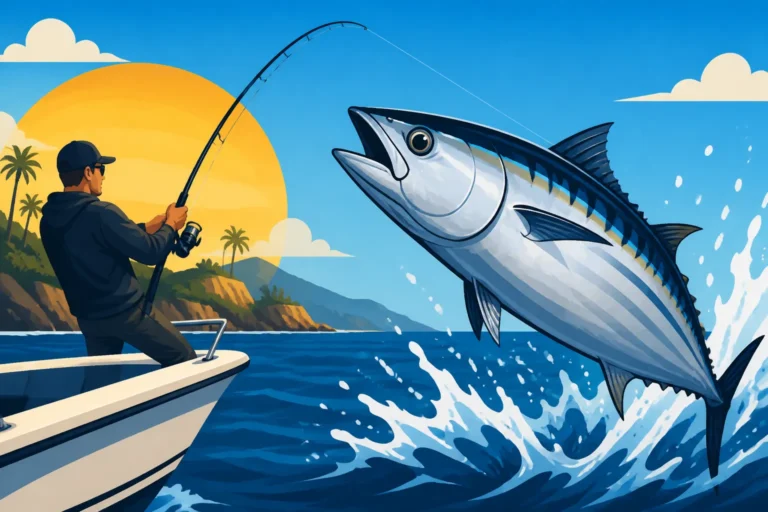
Oh, the Bluefin! There's almost no other fish that commands as much respect and awe off the California coast. These aren't your grandpa's tuna; we're talking about fish that can weigh hundreds of pounds, pull like a freight train, and strip line from your reel faster than you can blink. In recent years, Southern California has become a world-renowned hotspot for Bluefin Tuna, with anglers flocking to destinations like San Diego for a shot at these giants.
They're typically found offshore, often in warmer waters, sometimes associating with dolphins or porpoises, or breaking the surface in massive feeding frenzies. Targeting Bluefin usually involves heavier gear – think strong rods, large capacity reels, and stout line. Techniques range from live bait (sardines, mackerel) to heavy jigs, poppers, and even kite fishing for the truly colossal ones. The season for Bluefin Tuna in California can be highly variable, often peaking from late spring through fall, but conditions and fish movements change constantly. Landing one is a monumental achievement, a true test of strength and endurance, and definitely a bucket-list fish for many. If you’re planning a trip, definitely look into the Best Season for Bluefin Tuna in California to maximize your chances.
Yellowtail: The "Jack" of the Pacific
Yellowtail, often called "mossbacks" for their green backs, are another incredibly popular and hard-fighting gamefish in California waters. While not quite as massive as Bluefin, they are absolute torpedoes, known for their powerful runs and never-say-die attitude. You'll find them closer to shore than Bluefin, often around kelp forests, rocky reefs, islands (like the Channel Islands), and even offshore structures.
These fish are aggressive predators, and they'll hit a variety of baits and lures. Live bait, especially sardines or mackerel, is king when the fish are finicky. For artificials, yo-yo jigs (heavy metal jigs dropped to the bottom and retrieved quickly) are incredibly effective, especially when the fish are deeper. Surface iron (a type of metal jig cast and retrieved on the surface) is also a blast when they're feeding on baitfish near the top. Fishing for Yellowtail offers a fantastic mix of tactical fishing, whether you're trying to coax them out of a kelp paddy or working a jig over a high spot. They're a staple of Southern California sportfishing, and understanding Yellowtail in California: Where and How to Catch can seriously up your game.
Rockfish and Lingcod: Reef Dwellers
If you love fishing over structure and enjoying some delicious fillets, then rockfish and lingcod are your bread and butter. These species are abundant along California's rocky coastlines, making them accessible to a wide range of anglers.
Rockfish: The Colorful Bottom Fish
California is home to an incredible array of rockfish species – over 50 different types! From the vibrant Vermilion Rockfish (often called "red snapper" by anglers) and the mottled Copper Rockfish to the schooling Bocaccio and small but feisty Black-and-Yellow Rockfish, there's a huge variety. They typically inhabit rocky reefs, kelp beds, and deep-water pinnacles, often staying close to structure for shelter and ambush points.
Fishing for rockfish usually involves dropping baits or jigs to the bottom. Sinker rigs with multiple hooks, baited with squid, cut fish, or even artificial plastics like Berkley Gulp, are common. Jigging with metal or leadhead jigs tipped with grubs is also very effective. It’s important to pay close attention to depth restrictions, which vary significantly by region and season to protect these long-lived species. Knowing your California Rockfish Regulations and Limits is absolutely crucial, as there are strict bag and size limits for different species to ensure sustainable fishing. These regulations can change, so always check the latest Fish and Game digest.
Lingcod: The Toothiest Predator
Lingcod are truly unique and impressive bottom dwellers, known for their mottled camouflage, large mouths, and fearsome teeth. They are aggressive ambush predators, often found lurking in rocky crevices, kelp forests, and around reefs, waiting to dart out and devour anything that swims by. Lingcod are highly prized for their firm, white flesh, making them a fantastic table fish.
Targeting lingcod often overlaps with rockfish fishing, but you'll want to use larger baits and lures to entice these bigger predators. Large leadhead jigs tipped with live bait (like mackerel or even small rockfish, where legal) or big plastic swimbaits are incredibly effective. Heavy metal jigs retrieved with a yo-yo motion near the bottom can also trigger aggressive strikes. They put up a powerful fight, often thrashing all the way to the surface. Just like rockfish, lingcod have specific California Lingcod Regulations and Limits regarding size and bag limits, which are designed to protect their populations. Always handle them carefully, especially their sharp teeth!
Halibut and White Seabass: Elusive Flatfish and Croakers
These two species represent some of the most challenging and rewarding catches in California's inshore and nearshore saltwater fisheries. They require patience, specific techniques, and often a bit of local knowledge.
California Halibut: The Inshore Gold
The California Halibut is a prized flatfish known for its delicious white meat and cunning ability to ambush prey from the sandy bottom. These fish are masters of camouflage, burying themselves in the sand or mud, with only their eyes protruding, waiting for an unsuspecting baitfish or crustacean to swim by. They can be found in bays, estuaries, along sandy beaches, and in nearshore waters, often preferring areas with current.
Drift fishing is one of the most popular and effective methods for halibut. This involves drifting live bait (sardines, anchovies, mackerel) or cut bait (squid strips) along the bottom, often using a "sliding sinker" rig to allow the bait to move naturally. Trolling with artificial lures or baitfish can also be productive in open areas. For those who prefer to fish from shore, surf fishing with bait can yield impressive results, though it requires patience and knowing the right tides and structure. Remember, halibut have minimum size requirements and bag limits, so it’s essential to be familiar with California Halibut Regulations and Limits before you head out. They’re a fantastic target for anglers looking for a challenging inshore gamefish.
White Seabass: The Ghost of the Kelp
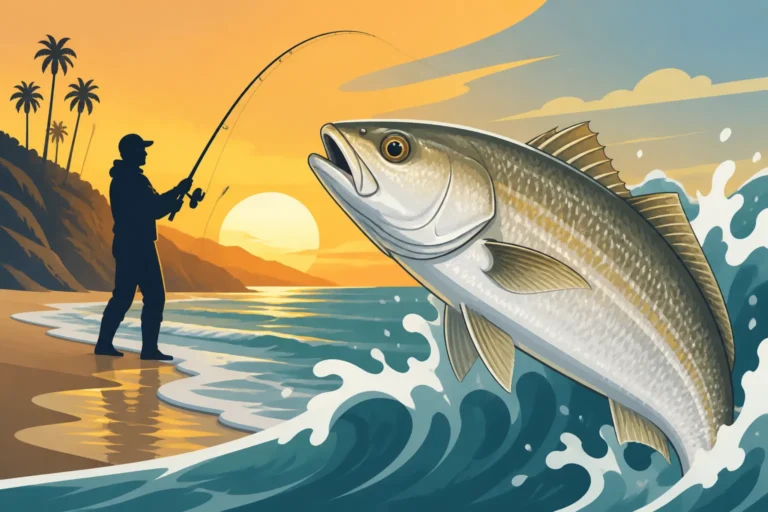
The White Seabass is often considered one of California's most elusive and highly sought-after gamefish. These large members of the croaker family are known for their powerful runs and delicious fillets, making them a true trophy catch. They typically inhabit kelp forests, rocky reefs, and offshore islands, often moving into shallower bays during their spawning season.
What makes White Seabass so challenging is their finicky nature. They can be incredibly wary and selective, often keying in on specific baitfish or squid. Live squid is, without a doubt, the most effective bait when available, often fished on a sliding sinker rig or fly-lined (no weight). Anglers might spend hours or even days looking for schools of these fish, sometimes spotting them in murky bay waters or lurking deep within the kelp. Jigging with large leadhead jigs or throwing big swimbaits can also work, especially when the fish are actively feeding. Successfully targeting White Seabass is a testament to an angler's skill and persistence. If you're looking to tackle this challenge, exploring detailed California White Seabass Fishing Tips will be invaluable.
Popular Freshwater Fish Species in California
Moving away from the salty spray of the Pacific, California's freshwater systems offer a completely different, but equally exciting, range of fishing opportunities. From the serene mountain streams to the vast, man-made reservoirs, there's a freshwater species for every angler.
Trout: From High Sierras to Stocked Lakes
Trout fishing is practically synonymous with freshwater angling in California. We have a fantastic variety, from the vibrant, heavily stocked rainbows to elusive native browns and the iconic golden.
Rainbow Trout: California's Ubiquitous Angler Favorite
Rainbow Trout are by far the most widespread and popular trout species in California. You'll find them almost everywhere, from the coldest mountain streams and lakes to the warmer, larger reservoirs and even some urban ponds. The California Department of Fish and Wildlife (CDFW) maintains an extensive trout stocking program, ensuring that many accessible lakes and rivers are regularly replenished, providing fantastic opportunities for anglers of all skill levels.
These beautiful fish are aggressive and will strike a wide variety of baits and lures. For bait anglers, PowerBait, salmon eggs, and nightcrawlers are staples. Lure enthusiasts will have success with small spinners (like Mepps or Rooster Tail), spoons (such as Kastmasters or Little Cleos), and small jerkbaits. Fly anglers pursue them with dry flies, nymphs, and streamers. They're a fantastic target for beginners due to their abundance and willingness to bite, but also challenge experienced anglers with their fight and cunning in wilder settings. Always check the California Trout Limits and Regulations as they can vary by waterbody.
Brown Trout: The Elusive Stream Dwellers
Brown Trout, with their distinctive dark spots and often yellowish flanks, are revered by anglers for their wariness, strong fighting ability, and stunning beauty. While some are stocked, many of California's most impressive brown trout populations are wild, thriving in colder, clear rivers and streams, particularly in the Eastern Sierra Nevada region. They are more nocturnal and predatory than rainbows, often targeting larger prey.
Targeting brown trout in streams often requires a stealthy approach. Fly fishing with nymphs, streamers that imitate baitfish, or dry flies during hatches can be incredibly effective. For spin anglers, small minnow-imitating crankbaits (like Rapalas), spoons, and even nightcrawlers fished in deep pools are good choices. They can grow to impressive sizes, especially in larger lakes where they become apex predators. Catching a large wild brown trout is a true angling accomplishment and a memory that lasts a lifetime.
Golden Trout: High-Altitude Treasures
The California Golden Trout is not just a fish; it's a symbol of the state's wild high country. This stunning fish, with its brilliant gold body and vibrant red stripe, is native to the high-elevation waters of the Sierra Nevada. These are typically small, but their beauty and the breathtaking scenery in which they are found make them one of California's most iconic and sought-after freshwater species.
Reaching Golden Trout often involves hiking into remote alpine lakes and streams, making the catch even more rewarding. They are often less wary than other trout species in their isolated environments, eagerly taking small dry flies, nymphs, or tiny spinners. However, due to their remote habitat and unique status, they are often subject to very specific regulations. It’s critical to understand California Golden Trout Explained and practice catch and release for these precious fish, ensuring future generations can experience the magic of fishing for them. The journey to find them is often as rewarding as the catch itself.
Bass Species: Angler Favorites
For many freshwater anglers, bass fishing is a passion. California boasts several species of bass, each offering a different challenge and thrill.
Largemouth Bass: The Reservoir King
The Largemouth Bass is undeniably the most popular gamefish in California's lakes and reservoirs, especially in warmer water systems. Known for their explosive strikes and powerful fights, Largemouth Bass are aggressive predators that will ambush prey from cover. Lakes like Clear Lake, Castaic Lake, and Diamond Valley Lake are famous for producing trophy-sized Largemouths, drawing anglers from across the country.
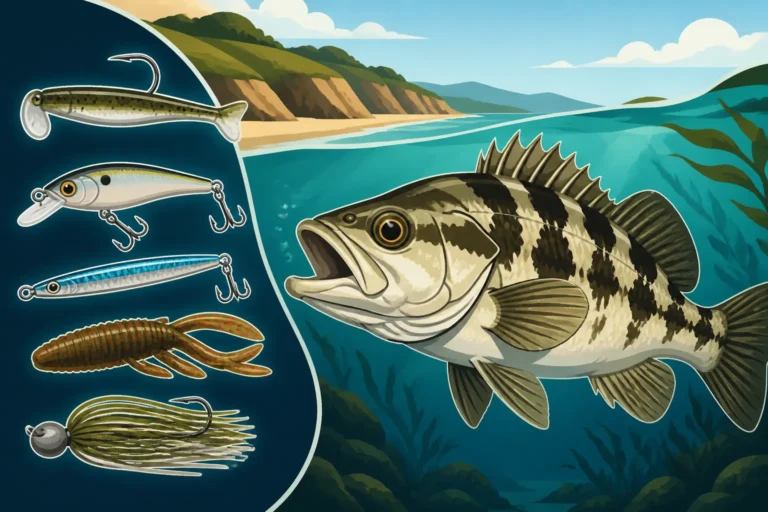
These fish are highly structure-oriented, meaning they'll relate to submerged timber, rock piles, weed lines, and docks. Anglers use a vast array of techniques and lures to target them. Topwater lures like poppers and frogs create exciting surface explosions. Plastic worms, jigs, crankbaits, and swimbaits are all incredibly effective, depending on the conditions and the fish's mood. Understanding How to Fish for Largemouth Bass in California involves reading the water, knowing seasonal patterns, and having a good selection of baits. California's California Bass Fishing Regulations also apply, often including minimum size limits to protect larger spawning fish.
Striped Bass: The Delta's Hard Fighter
Striped Bass, or "stripers," are an anadromous species that spend much of their lives in saltwater but migrate into freshwater to spawn. In California, the Sacramento-San Joaquin River Delta is the undisputed capital of Striped Bass fishing. These powerful, schooling fish are known for their voracious appetites and fierce fights, making them a favorite among anglers who love a challenge.
Targeting Striped Bass often involves fishing areas with current, like river channels, eddies, and tidal flats. Live bait, such as shad, anchovies, or even jumbo minnows, can be incredibly effective. For lure anglers, large swimbaits, jerkbaits, and topwater plugs (especially during low light conditions) are popular. Trolling with large lures is also a common and successful method, particularly in the vast open waters of the Delta. The "striper run" in the spring and fall attracts thousands of anglers hoping to intercept migrating fish. Their strong pulling power and willingness to hit a variety of offerings make them a fantastic sportfish.
Smallmouth and Spotted Bass: Less Common, Still Exciting
While Largemouths dominate, California also has healthy populations of Smallmouth Bass and Spotted Bass in specific areas. Smallmouth Bass, often found in clearer, rockier lakes and rivers with cooler water, are known for their incredibly hard fighting abilities and acrobatic jumps. Lakes like Lake Shasta and the lower sections of the Klamath River hold good numbers. They often respond well to small crankbaits, jigs, and tube baits.
Spotted Bass, distinguishable by their smaller mouth and rows of dark spots along their lower side, are often found in deep, clear reservoirs, sometimes alongside Largemouths. They can be very aggressive and often school up, making for fast action once located. Diamond Valley Lake and Lake Perris are known for their Spotted Bass populations. These fish often strike reaction baits and drop-shot rigs. While not as widespread as Largemouths, finding a honey hole for Smallmouth or Spotted Bass can offer a truly unique and exciting freshwater fishing experience in California.
Sturgeon and Catfish: Bottom Dwellers with Big Appeal
For anglers who prefer a more relaxed approach with the potential for truly massive catches, California's bottom-dwelling giants – sturgeon and catfish – offer a compelling alternative.
White Sturgeon: Ancient Giants of the Delta
The White Sturgeon is a true living fossil, an ancient fish species that can grow to immense sizes, often exceeding 10 feet in length and living for over a century. In California, the Sacramento-San Joaquin Delta and San Pablo Bay are the primary strongholds for these magnificent creatures. They are highly protected, and fishing for them is strictly catch-and-release with very specific regulations, including a crucial California Sturgeon Slot Limit that dictates which sizes can be legally retained (though most anglers choose to release all sturgeon).
Targeting sturgeon requires heavy tackle, strong lines, and most importantly, patience. They are bottom feeders, so fresh bait is key. Popular choices include ghost shrimp, eel, lamprey, and even cured salmon roe. Rigs typically involve a heavy sinker to hold the bait on the bottom against strong currents. The take can be a subtle tap or a rod-bending thud. The fight is powerful and often involves long, deep runs. Successfully landing and safely releasing a sturgeon is an unforgettable experience. Anglers are also required to carry a California Sturgeon Report Card to help monitor populations, even for catch-and-release fishing.
Catfish: Night Fishing and Family Fun
Catfish are a beloved freshwater species in California, particularly popular for their delicious fillets and their willingness to bite, making them a great target for families and evening fishing sessions. The most common species are Channel Catfish, but Bullhead and White Catfish are also present. They thrive in warmer, often murky waters found in many of California's lakes, reservoirs, and slow-moving rivers.
Catfish are primarily bottom feeders, known for their keen sense of smell. This means stink baits, cut baits (like mackerel or sardines), chicken livers, and nightcrawlers are all highly effective. They're often caught using simple bottom rigs with a sinker and a hook. While they don't have the acrobatics of a bass or the speed of a trout, they pull hard and offer a satisfying fight, especially the larger ones. Many anglers enjoy targeting them after sunset, when they become more active, making for a peaceful and productive fishing experience. Whether you're after a meal or just some relaxed angling, catfish are a dependable option. You can find a good variety of ready-made catfish baits and tackle on Amazon to get you started.
Specialized and Unique California Fish Species
Beyond the major gamefish, California's waters are teeming with other fascinating and rewarding species that offer unique angling opportunities. Sometimes, these "specialized" catches become an angler's favorite pursuit.
Salmon: A Prized but Challenging Catch
Salmon fishing in California is a deeply ingrained tradition, especially in the northern parts of the state, though it's often a challenging pursuit due to fluctuating populations and strict regulations.
Chinook (King) Salmon: Ocean and River Warriors
Chinook Salmon, often referred to as King Salmon due to their impressive size, are arguably the most prized salmon species in California. These anadromous fish spend most of their lives in the ocean, growing large and powerful, before returning to their natal rivers to spawn. The Sacramento River and its tributaries, along with other northern rivers like the Klamath and Trinity, are critical spawning grounds.
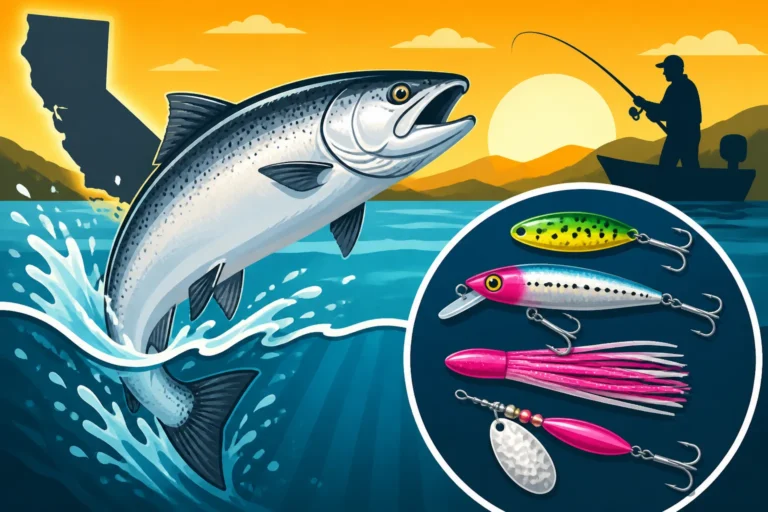
Ocean fishing for Chinooks typically involves trolling with bait (like anchovies or herring) or artificial lures (spoons, hoochies) from charter boats out of ports like San Francisco, Bodega Bay, and Eureka. This is often dictated by incredibly strict and variable California Salmon Season Dates, which can change yearly based on stock assessments. When they enter the rivers, anglers target them with various methods, including back-bouncing roe, drift fishing, or casting large plugs. The fight of a fresh Chinook is legendary – powerful runs and headshakes that test both angler and tackle. All Chinook Salmon anglers must possess a California Salmon Report Card to aid in vital conservation efforts.
Kokanee Salmon: The Landlocked Cousin
Kokanee Salmon are the landlocked version of Sockeye Salmon, meaning they complete their entire life cycle in freshwater. These beautiful, silver-sided fish are found in several of California's larger, colder reservoirs and deep mountain lakes, such as Lake Tahoe, Stampede Reservoir, and New Melones Lake. They don't grow as large as Chinooks, typically topping out around 12-20 inches, but they are known for their delicious, bright red meat and their spirited fight on light tackle.
Kokanee are plankton feeders, making them somewhat challenging to target. The most effective method is usually trolling with specialized lures like dodgers and small hoochies or wedding rings, often tipped with corn. They tend to school up and can be found suspended at specific depths, so a good fish finder is invaluable for locating them. When you find a school, the action can be fast and furious. They are a fantastic target for a summer day out on the lake, offering both fun and a tasty reward.
Surfperch and Corbina: The Beachcomber's Delight
For those who love to fish from shore, with sand between their toes and the sound of waves crashing, surf fishing for perch and corbina is a classic California experience.
Surfperch: Accessible Shoreline Fun
Surfperch are the quintessential beach fish, found in abundance along California's sandy beaches and rocky shores. There are several species, including the common barred surfperch, redtail surfperch, and walleye surfperch. They typically don't grow very large, but they are plentiful, eager biters, and offer consistent action, making them perfect for beginners or anyone looking for a relaxing day by the ocean.
Fishing for surfperch is relatively straightforward. A light to medium-light surf rod with a Carolina rig or a high-low rig, baited with sand crabs (their favorite!), lugworms, or small pieces of shrimp, is all you need. Cast into the surf zone, where the waves are breaking and receding, as this is where they forage for food. They provide a quick, feisty fight and are often excellent table fare. Exploring California Surf Fishing Guide will give you all the details you need to get started with these feisty fish.
Corbina: The Wary Wader's Prize
California Corbina are the elusive ghosts of the surf, known for their incredible wariness and discerning palate. These fish are challenging to catch but offer immense satisfaction when you succeed. They patrol the shallowest parts of the surf zone, often in just inches of water, searching for sand crabs and other invertebrates. Their bronze coloring and distinct "barbels" around their mouths help them feel for food.
Successful corbina fishing requires stealth, keen observation, and precise casting. Anglers typically wade into the surf, sight-fishing for cruising fish. A light, sensitive surf rod and a simple Carolina rig with a fresh sand crab is the most effective setup. You need to cast your bait ahead of a moving fish without spooking it and let the bait settle naturally. It’s a game of patience and finesse, a true challenge that can lead to incredible rewards. If you're serious about mastering this, definitely check out How to Surf Fish for Corbina.
Lesser-Known but Rewarding Catches
California's waters also hold plenty of other species that, while not always the main target, provide fantastic fishing opportunities and can add excitement to any trip.
Crappie, Bluegill, Sunfish: Panfish Perfection
For those looking for easy action, especially with kids, panfish like Crappie, Bluegill, and other sunfish species are fantastic. They are abundant in many of California's lakes, ponds, and slow-moving rivers, particularly in areas with submerged brush, docks, or weed beds. They might be small, but they pull hard on ultralight tackle and are delicious to eat.
Simple methods work best: a bobber and a tiny hook baited with a piece of worm, a mealworm, or a small grub is usually all it takes. Small jigs and spinners can also be highly effective. They're excellent for introducing new anglers to the sport, providing consistent bites and plenty of fun. You can find complete panfish kits, including ultralight rods and small tackle boxes, on Amazon, which makes getting started super easy. These fish are a true testament to the joy of simple, accessible fishing.
Barracuda, Bonito: Fast and Aggressive
Out in the saltwater, particularly in Southern California, Barracuda and Bonito offer fast-paced action, especially during warmer months. These predatory fish are known for their speed and aggressive strikes. Barracuda, with their long, slender bodies and razor-sharp teeth, often school up and ambush baitfish. Bonito, a smaller relative of tuna, are also incredibly fast and will hit lures with incredible force.
These fish are often encountered when fishing for other species or specifically targeted for their action. Casting and retrieving spoons, jigs, or surface iron lures can be incredibly effective when they are actively feeding. Trolling also works well. While not always considered top-tier table fare by some, their speed and fighting spirit make them a blast on light to medium tackle. They're a great option when you want to bend a rod and get some quick bites, adding an exciting dimension to your offshore or nearshore saltwater trip.
Navigating California's Fishing Regulations and Conservation
Fishing in California is an incredible privilege, and with that privilege comes the responsibility to understand and adhere to the state's comprehensive fishing regulations. These rules are not there to make your life difficult; they are meticulously crafted to protect fish populations, ensure sustainable fisheries, and preserve the natural beauty of our aquatic environments for generations to come. Trust me, getting caught without the right knowledge or license is no fun at all – save yourself the headache and study up!
Understanding Bag and Size Limits
Perhaps the most fundamental aspect of fishing regulations involves bag and size limits. These rules dictate how many fish of a particular species you can keep (the "bag limit") and often the minimum or maximum length a fish must be to be legally retained (the "size limit").
Why Limits Exist: A Balancing Act
Bag and size limits are crucial conservation tools. They serve several vital purposes. Bag limits prevent overharvesting, ensuring that enough fish remain in the population to reproduce. Size limits often aim to protect juvenile fish (giving them a chance to mature and spawn at least once) and/or larger, older "breeder" fish that are critical to the genetic health of the population. For instance, a slot limit, common for species like sturgeon, protects both the very small and the very large fish, allowing only a middle range to be kept.
These limits are rarely arbitrary. They are based on scientific research, population assessments, and biological data collected by the CDFW. Ignoring them can lead to significant fines and penalties, not to mention contributing to the decline of fish stocks. It’s not just about avoiding a ticket; it’s about being a responsible angler and contributing to the health of the resource. Always, always check the most current California Fishing Bag and Size Limits before every fishing trip, as they can change seasonally or by waterbody.
Checking Current Regulations: Your Angler's Bible
The single most important document for any California angler is the current California Sport Fishing Regulations booklet, available online through the CDFW website or at any tackle shop that sells licenses. This booklet is your ultimate reference guide. It details statewide regulations, regional variations, species-specific rules, and any emergency closures or changes.
Never assume that last year's rules apply this year, or that coastal regulations apply inland. For instance, California Saltwater Fishing Regulations are very different from California Freshwater Fishing Regulations. Take the time to read the sections relevant to your target species and fishing location. Many regulations are specific to certain regions, bodies of water, or even specific dates, so a quick glance before heading out can save you a lot of trouble and ensures you're fishing legally and ethically.
The Importance of Report Cards and Stamps
Beyond the general fishing license, California requires anglers to purchase specific report cards and stamps for certain species. These might seem like extra hurdles, but they are incredibly important for data collection and conservation.
Species-Specific Report Cards: Data for Conservation
Report cards are mandatory for specific high-value or vulnerable species, including Steelhead, Sturgeon, and Salmon. When you purchase a California Steelhead Report Card or a California Sturgeon Report Card, you're required to record details about your catch and effort, even if you release the fish. For example, if you're targeting salmon, you'll need a California Salmon Report Card.
Why is this so vital? The information collected on these report cards provides invaluable data to the CDFW. It helps biologists monitor populations, track harvest rates, understand migration patterns, and assess the effectiveness of management strategies. This data directly influences future season dates, bag limits, and other regulations. By accurately filling out and returning your report card (even if you caught nothing!), you're actively contributing to the scientific management and long-term health of these precious fisheries. It's a direct way for anglers to support the fish they love to pursue. Understanding the distinction between a fishing license and a report card is a critical part of being a legal and responsible angler, something clearly laid out in articles like California Fishing Report Cards Explained.
The Ocean Enhancement Stamp: Investing in Coastal Health
If you're planning to fish in ocean waters south of Point Arguello (Santa Barbara County), you'll likely need an California Ocean Enhancement Stamp. This stamp, which is relatively inexpensive, is not just another fee; it's a direct investment in the health of California's southern marine fisheries.
The funds generated from the sale of Ocean Enhancement Stamps go towards programs designed to improve ocean fishing. This can include habitat restoration projects, artificial reef creation, and programs to stock certain species like white seabass or halibut. It's a tangible way that ocean anglers contribute directly to improving the very fishing experiences they enjoy. While it might seem like a small detail, this stamp plays a big role in supporting the ecosystems that provide so much joy to saltwater anglers.
Marine Protected Areas MPAs and Special Regulations
California has made a significant commitment to marine conservation through its network of Marine Protected Areas (MPAs). These areas are designed to protect marine ecosystems and enhance biodiversity, and they come with very specific rules.
Understanding MPAs and No-Take Zones
Marine Protected Areas are specific sections of coastal and ocean waters where certain activities, including fishing, are restricted or prohibited to varying degrees. Think of them as underwater parks or wilderness areas. Some MPAs are "no-take" zones, meaning absolutely no fishing or removal of marine life is allowed. Others might allow certain types of fishing with specific gear restrictions, or only for certain species.
It can be incredibly confusing to know if you're in an MPA, especially if you're not familiar with the local waters. However, it's your responsibility to know. There are numerous resources available, including detailed maps and apps, that show the precise boundaries of MPAs. Always check these resources before heading out to a new spot, particularly when fishing near shore, islands, or well-known dive sites. Fishing in a no-take zone can lead to severe penalties, including hefty fines and confiscation of gear. Taking the time to understand California Marine Protected Areas Explained is essential for any saltwater angler in California.
Regional Variations in Regulations
Beyond MPAs, California's vast coastline means that regulations can vary significantly by region. What's legal in Northern California might not be legal in Southern California, and vice-versa. A prime example of this is rockfish management, where different "management areas" (e.g., Northern, Central, Southern California) often have different depth restrictions, seasons, and sometimes even bag limits for specific species.
These regional differences are put in place because marine ecosystems and fish populations vary along the coast. Water temperatures, habitat types, and historical fishing pressure all play a role. Therefore, relying solely on general statewide rules is insufficient. Always consult the specific regional sections of the California Sport Fishing Regulations booklet that apply to where you are fishing. For instance, the rockfish regulations for the North Coast are very different from those near San Diego. Being aware of these nuances is part of being a well-informed and respectful angler in California.
Gear Up: Essential Tackle for California's Fish Species
Stepping into a tackle shop in California can be an overwhelming experience. There are rods, reels, lines, and lures for every conceivable species and scenario. But don't fret! While the specific setup will always depend on your target and location, understanding the basics will help you build a versatile arsenal, often with great options readily available on Amazon.
Freshwater Rods, Reels, and Lures
For freshwater fishing in California, your gear choices will primarily revolve around the size of the fish you're targeting and the water you're fishing in.
Light Tackle for Trout and Panfish
When you're chasing trout in a high Sierra stream or reeling in bluegill from a local pond, ultralight or light tackle is your best friend. A lightweight spinning rod, typically 5'6" to 6'6" long, paired with a small spinning reel (size 1000-2000) spooled with 2-6 pound test monofilament or fluorocarbon line, is perfect. This setup allows for delicate presentations and makes even a small trout feel like a trophy.
For bait, think small: salmon eggs, powerbait, mealworms, or a piece of nightcrawler. Lure-wise, small spinners (like a size 0 or 1 Mepps Aglia), tiny spoons (1/8 oz Kastmaster), or micro jigs are incredibly effective. This light gear is forgiving for beginners, yet provides plenty of sport for experienced anglers. You can find some excellent, affordable ultralight combos on Amazon that are perfect for this kind of fishing.
Medium Tackle for Bass and Catfish
For the more robust fights of largemouth bass, striped bass, or channel catfish in lakes and rivers, you'll want to step up to medium or medium-heavy tackle. A 6'6" to 7'6" spinning or baitcasting rod, paired with a 2500-4000 series spinning reel or a medium baitcasting reel, spooled with 8-20 pound test monofilament, fluorocarbon, or braided line, will handle most situations. Braided line is particularly popular for bass due to its sensitivity and strength.
The world of bass lures is vast! For largemouth, stock up on plastic worms (Texas-rigged or Carolina-rigged), jigs, crankbaits, spinnerbaits, and topwater frogs. For stripers, larger swimbaits, jerkbaits, and big topwater plugs are key. Catfish respond well to stink baits, cut mackerel, or chicken livers on a simple bottom rig. Having a diverse selection of these in your tackle box will prepare you for varying conditions and moods of the fish.
Saltwater Rods, Reels, and Bait
Saltwater fishing in California demands tougher, more corrosion-resistant gear. The size of your setup will again depend heavily on what you're targeting.
Pier and Surf Fishing Basics
For fishing from piers or the surf, a medium-heavy spinning rod, typically 8 to 10 feet long (or even longer for serious surfcasters), paired with a corrosion-resistant spinning reel (size 4000-6000) spooled with 15-30 pound braided line and a fluorocarbon leader, is a versatile choice. This allows for longer casts to reach deeper water or beyond the breaking waves.
Baits for pier and surf fishing include squid, anchovies, shrimp, and the ever-popular sand crabs for surfperch. For lures, try metal spoons, grub-tipped leadheads, or small jerkbaits. Many anglers start their saltwater journey from a pier, and there are many great budget-friendly rod and reel combos available on Amazon that are specifically designed for saltwater use and will hold up to the harsh conditions.
Offshore and Deep-Sea Rigs
When you're heading offshore for tuna, yellowtail, or deep-dropping for rockfish and lingcod, your gear needs to be significantly more robust. For tuna and larger yellowtail, conventional (star drag or lever drag) reels in sizes like 16, 20, or 30, matched with strong, parabolic rods, spooled with 50-100+ pound braided line (and heavy fluorocarbon topshots) are common. For rockfish, a medium-heavy conventional or spinning setup with 30-50 pound braid is usually sufficient.
Live bait (sardines, mackerel, anchovies) is often king for these species, especially on sportfishing charters. For lures, heavy jigs (yo-yo jigs, flat-falls), surface iron, and large swimbaits are essential. Hooks need to be strong and sharp, and terminal tackle (swivels, snaps) should be corrosion-resistant. Charter boats typically provide rental gear, but many avid anglers prefer their own specialized setups for the ultimate control and sensitivity. Getting the right gear for offshore fishing is an investment, and knowing what you need before you go can save you a lot of grief. For a good overview of what's involved, check out a California Deep Sea Fishing Charter Guide.
Specialized Equipment for Unique Opportunities
Sometimes, to truly unlock certain fisheries, you need to invest in specialized gear that goes beyond the basic rod and reel.
Fly Fishing Gear
For the dedicated pursuit of trout, steelhead, and even some inshore saltwater species, fly fishing offers a unique and highly engaging experience. A typical freshwater fly rod setup might be a 4-weight to 6-weight rod, 8'6" to 9' long, paired with a matching reel and fly line (floating or sinking, depending on conditions). For steelhead, you'll move up to a 7-weight to 9-weight outfit.
The array of flies is endless, mimicking everything from tiny midges and mayflies to baitfish and leeches. Fly fishing requires learning specific casting techniques, but the reward of fooling a wary trout with a perfectly presented fly is unparalleled. This is a skill-based sport, and while the initial investment can be higher, it opens up a whole new world of angling.
Kayaks and Float Tubes
For accessing secluded freshwater ponds, quiet bay areas, or even nearshore kelp beds, kayaks and float tubes offer a stealthy and immersive way to fish. A fishing kayak is specially designed for stability, storage, and often includes features like rod holders and fish finder mounts. Float tubes are smaller, inflatable craft, perfect for easily carrying into remote mountain lakes or small ponds.
These watercraft allow you to reach areas inaccessible from shore and provide a fantastic low-impact way to enjoy the water. You'll need appropriate safety gear, like a PFD (personal flotation device), and a lightweight paddle. Many anglers find kayak fishing incredibly rewarding, offering a quiet connection to nature while opening up new fishing grounds. You can often find inflatable kayaks and float tubes that are very portable and convenient on Amazon, along with all the necessary accessories.
California Fish Species at a Glance
To help you get a quick overview, here's a table summarizing some of the most popular fish species found in California, their typical habitat, size, and peak season.
| Species | Habitat | Typical Size (Catchable) | Best Season | Key Characteristics |
|---|---|---|---|---|
| Saltwater | ||||
| Bluefin Tuna | Offshore, open ocean | 50-300+ lbs | Summer-Fall | Huge, powerful, long-distance runner |
| Yellowtail | Kelp forests, reefs, islands | 5-30 lbs | Spring-Fall | Fast, aggressive, great fighter |
| Rockfish (various) | Rocky reefs, deep structure | 1-10 lbs | Year-round (w/seasons) | Many species, delicious, bottom dweller |
| Lingcod | Rocky reefs, wrecks, kelp | 5-30 lbs | Year-round (w/seasons) | Voracious predator, sharp teeth, firm meat |
| California Halibut | Sandy bottoms, bays, surf | 5-20 lbs | Spring-Fall | Flatfish, ambush predator, excellent eating |
| White Seabass | Kelp forests, rocky reefs, bays | 10-60 lbs | Spring-Summer | Elusive, powerful, highly prized for table |
| Surfperch | Sandy beaches, rocky shorelines | 0.5-3 lbs | Year-round | Abundant, great for beginners, feisty |
| Freshwater | ||||
| Rainbow Trout | Lakes, rivers, streams (stocked/wild) | 0.5-5 lbs | Year-round (best Spring/Fall) | Widespread, eager to bite, fun fighter |
| Brown Trout | Cooler streams, larger lakes | 1-10 lbs | Spring-Fall | Wary, predatory, strong fighter |
| Golden Trout | High Sierra alpine lakes/streams | 0.25-1 lb | Summer (high country accessible) | Stunning color, native, remote habitat |
| Largemouth Bass | Lakes, reservoirs, ponds | 1-10 lbs | Spring-Fall | Aggressive, explosive strikes, cover-oriented |
| Striped Bass | Delta, large rivers, bays | 5-30 lbs | Spring-Fall | Powerful, migratory, schooling |
| White Sturgeon | Delta, San Pablo Bay | 40-200+ lbs | Year-round (seasonal peaks) | Ancient, massive, catch & release only |
| Channel Catfish | Warmer lakes, slow rivers | 1-15 lbs | Spring-Fall (best Summer nights) | Bottom feeder, great eating, often nocturnal |
| Chinook Salmon | Ocean, large rivers | 10-30 lbs | Summer-Fall (highly regulated) | Powerful, migratory, highly prized |
| Kokanee Salmon | Deep, cold reservoirs | 0.5-2 lbs | Summer-Fall | Landlocked, delicious, schooling |
Wrapping Up Your California Fishing Adventure
As you can see, the diversity of fish species in California is nothing short of astounding. Whether you're dreaming of battling a monstrous Bluefin Tuna offshore, delicately presenting a fly to a wary Golden Trout in a secluded alpine lake, or simply enjoying the consistent tug of a surfperch on a sandy beach, California truly has it all. Each species presents its own unique challenge, its own habitat, and its own reward.
The key to successful and responsible angling here is continuous learning. Stay curious, respect the regulations (which you can find extensively detailed in resources like the full California Fishing License Guide and California Fishing Regulations Explained), and always strive to leave our waters better than you found them. So grab your gear, consult a local fishing report for current conditions and good spots (maybe even check out Best Fishing Spots in California or specific guides like San Diego Fishing Spots for a starting point), and get out there to experience the incredible fishing that California has to offer. Tight lines!
Disclaimer
The information provided in this guide is for general informational purposes only and does not constitute legal advice. Fishing regulations in California are complex and subject to change by the California Department of Fish and Wildlife (CDFW). It is the angler's sole responsibility to consult the most current official California Sport Fishing Regulations booklet and any relevant local ordinances before engaging in any fishing activity. Non-compliance with fishing laws can result in significant penalties.