How to Catch California Sheephead in California
Many anglers, especially those new to California's diverse coastline, often find themselves scratching their heads when it comes to consistently hooking into California sheephead. These unique fish are known for their strong jaws and even stronger fighting spirit, but they also have some very specific habits and preferred hangouts that can make them a real challenge if you don't know the ropes. This comprehensive guide is here to demystify the art of catching California sheephead, providing you with the knowledge, gear, and techniques you'll need to successfully target this prized species and add it to your angling repertoire.
Unmasking the California Sheephead: Biology and Behavior
California sheephead (Semicossyphus pulcher) are truly fascinating creatures, and understanding a bit about their biology and behavior is the first step to becoming a more successful angler. They're not your average bottom-dweller; they have a lot of quirks that make them both intriguing and, at times, incredibly frustrating to catch.
Distinctive Features and Life Cycle
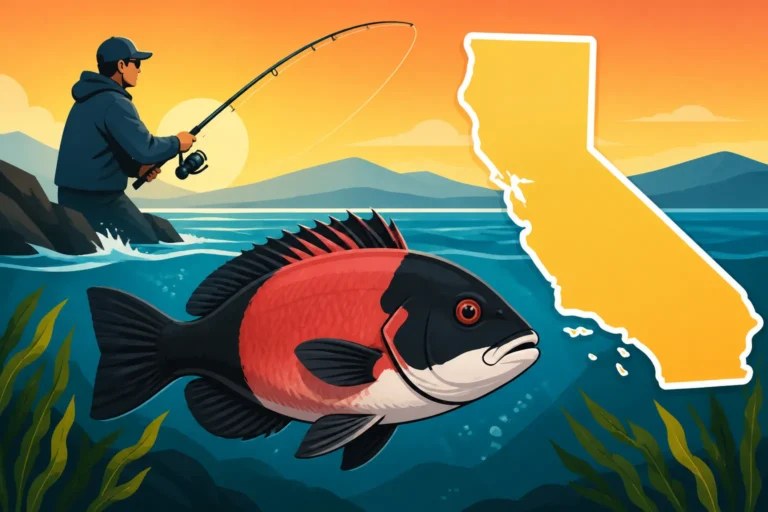
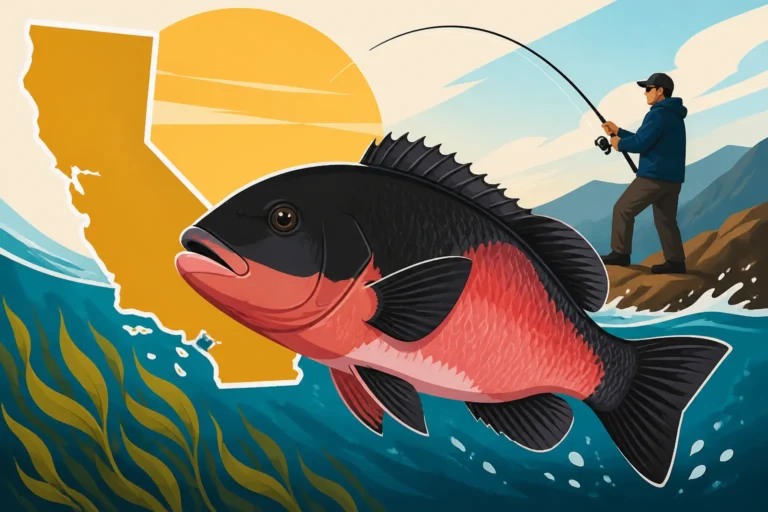
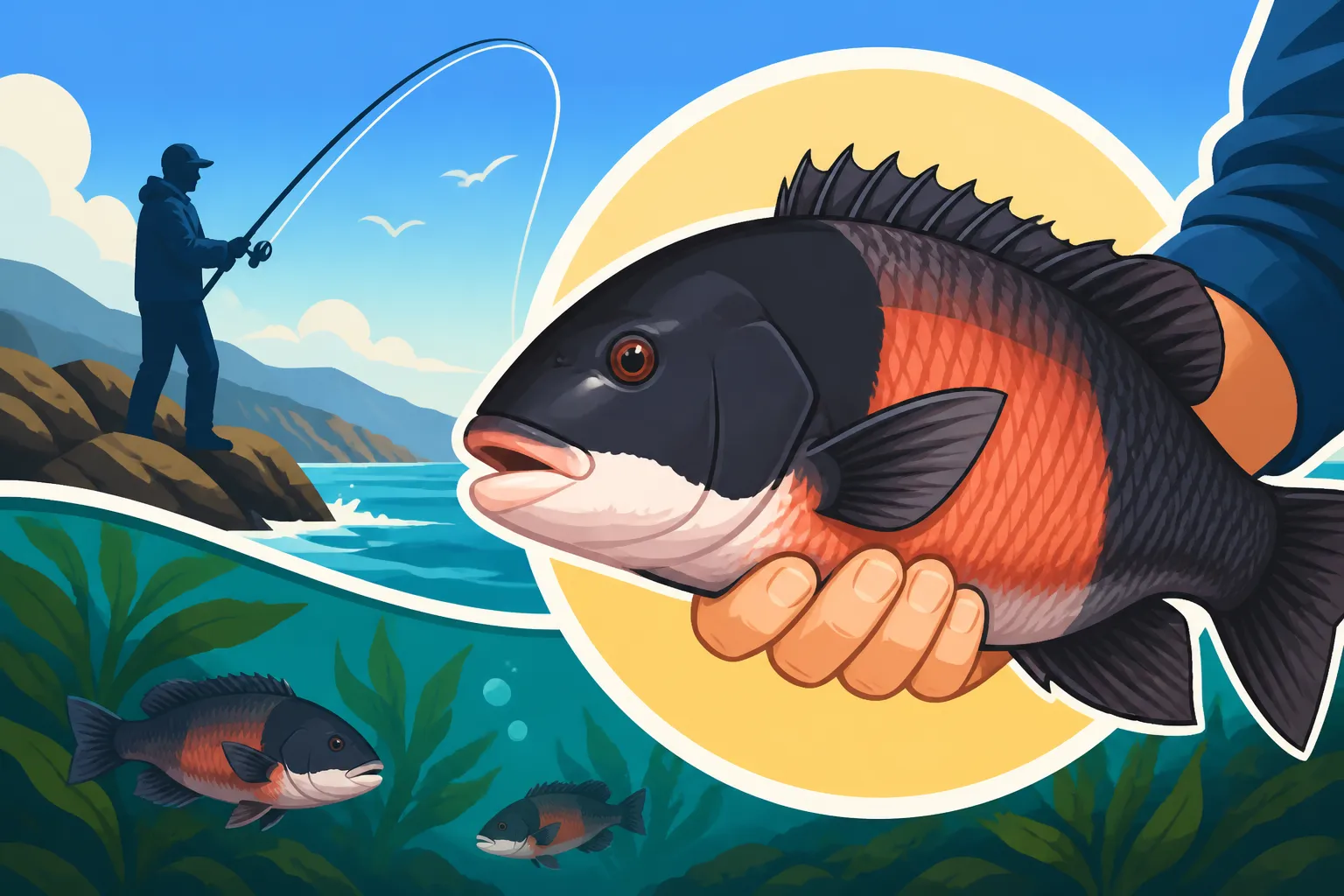
One glance at a California sheephead and you'll immediately notice their striking appearance. The males, often larger, boast a prominent red body with a white chin and a distinctive black tail and dorsal fin, accented by a fleshy hump on their forehead. Females and juveniles are typically a duller pinkish-red to brownish color, without the pronounced hump. What's truly remarkable about these fish is their ability to change sex. Most sheephead start their lives as females and, as they grow larger and mature, some transition into males. This process, called protogynous hermaphroditism, is influenced by social factors within their local populations.
Their teeth are another defining feature – strong, protruding canines at the front, perfectly adapted for crushing the hard shells of their prey. This powerful dentition means they can be tough on your tackle, often fraying line or even bending hooks if you're not prepared. They're also relatively long-lived, with some individuals reaching over 20 years old. Knowing they're such an integral part of the reef community underscores the importance of responsible angling and proper handling when you do land one.
Habitat Preferences and Diet
California sheephead are inextricably linked to rocky reefs, kelp forests, and other hard-bottom structures. They absolutely thrive in these complex environments, using the rocks and kelp as both shelter from predators and prime hunting grounds. You'll rarely find them over sandy flats unless it's adjacent to a reef. They are primarily a diurnal species, meaning they're most active during the day, which is great news for most recreational anglers.
Their diet is as specialized as their dentition. They are opportunistic carnivores, feeding heavily on invertebrates with hard shells. Think sea urchins, crabs, lobsters, mussels, and clams. They'll use those powerful jaws to crush shells, extracting the tasty morsels inside. This dietary preference is a huge clue for anglers: if you can mimic their natural food sources, you're much more likely to entice a bite. They're not typically chasing fast-moving baitfish like tuna or yellowtail; instead, they're cruising the reef, looking for a crunchy snack. This feeding behavior impacts the types of baits and techniques that are most effective.
Their Role in the Ecosystem
Beyond their appeal to anglers, California sheephead play a crucial ecological role, especially within kelp forest ecosystems. They are significant predators of sea urchins, which, if left unchecked, can decimate kelp forests by grazing extensively on the kelp fronds. By controlling urchin populations, sheephead help maintain the health and biodiversity of these vital underwater forests. A thriving kelp forest, in turn, provides habitat, food, and shelter for countless other marine species, including many of the popular fish we love to catch.
This ecological importance is why understanding and adhering to fishing regulations, including bag and size limits, is so vital. We want to ensure healthy populations continue to thrive for future generations of both fish and anglers. Seeing a big male sheephead cruising through a vibrant kelp forest is a testament to a healthy ecosystem, and our fishing practices should always support that balance.
Where and When to Find California Sheephead
Knowing where and when to fish for California sheephead is arguably just as important as knowing how to fish for them. These fish aren't just everywhere; they have specific preferences that, once understood, can dramatically increase your success rate.
Prime Habitats: Reefs, Kelp Beds, and Piers
As we touched on, sheephead are creatures of structure. Their absolute favorite haunts are rocky reefs, submerged pinnacles, and the dense, swaying fronds of kelp forests. These areas provide the perfect blend of food and shelter. You'll find them anywhere from just a few feet of water near the shore out to depths exceeding 200 feet, though they are most commonly targeted in shallower to moderate depths (20-100 feet).
In Southern California, prominent spots like the Channel Islands, Catalina Island, and rocky stretches along the mainland coast from San Diego up to Santa Barbara are prime sheephead territory. If you're looking for Best Saltwater Fishing Spots in California, many of them will overlap with excellent sheephead grounds. When fishing from shore, try rocky jetties, breakwaters, and even some of the deeper, kelp-lined piers. For those venturing out on boats, look for areas marked as "rocky bottom" or "kelp" on your charts. While they aren't typically caught far offshore in the open ocean, the deep canyons and submarine structures off the coast can hold them.
Seasonal Patterns and Best Times to Fish
California sheephead can be caught year-round in California, thanks to our generally mild climate, but certain seasons offer better opportunities. Their activity levels are largely tied to water temperature. They tend to be most active and aggressive when the water is warmer, usually from late spring through fall. During these months, they are actively feeding and spawning, making them more receptive to baits.
Summer and early fall, particularly from June to October, often see the most consistent sheephead action. The warmer water encourages them to move and feed more frequently. During the cooler winter months, they may become a bit more lethargic and less willing to bite, though they are still catchable, often requiring a slower presentation. Checking the California Fishing Seasons: Month-by-Month Guide can give you a general idea of overall fish activity, but for sheephead specifically, warm water is your friend. They also tend to be most active during daylight hours, with the bite often slowing down significantly as dusk approaches.
Identifying Productive Spots
Spotting productive sheephead territory often comes down to looking for visible signs of marine life and understanding underwater topography. If you're on a boat, a good fish finder is invaluable for identifying rocky structure, ledges, and the edges of kelp beds. Look for "hard returns" on your sonar, indicating rocks or reefs. Diving birds can also sometimes indicate baitfish activity, which while not directly what sheephead eat, suggests a healthy ecosystem.
From shore, observe the coastline for rocky outcrops, visible kelp patches, and areas where waves break against structure. Piers that extend into areas with rocky bottoms or nearby kelp are also excellent choices. The Best Fishing Piers in California often have sections known for holding various bottom fish, including sheephead. Don't be afraid to move around if you're not getting bites. Sheephead can be very localized, so what might be a barren stretch of reef could be just yards away from a honey hole. Look for areas with a mix of current and structure, as current often brings in food and oxygen, stimulating feeding behavior.
Gearing Up for Sheephead: Rods, Reels, and Line
Having the right gear is non-negotiable when targeting California sheephead. Their powerful jaws, strong runs, and tendency to dive into structure demand robust tackle that can stand up to the challenge. Skimping on quality here will only lead to heartbreak and lost fish.
Recommended Rod and Reel Combos
For sheephead, you'll want a rod and reel combination that offers a good balance of power and sensitivity. A medium-heavy to heavy conventional rod, typically 7 to 8 feet long, with a fast or moderate-fast action, is ideal. This type of rod provides the backbone needed to pull a strong fish away from rocks or kelp, while still offering enough tip sensitivity to detect those subtle sheephead nibbles. Popular rod brands like Penn, Shimano, and Ugly Stik all offer excellent options suitable for this kind of fishing.
Pair your rod with a sturdy conventional reel (often called a star drag or lever drag reel) in a 20-30 pound class. Brands like Shimano Torium, Daiwa Saltist, or Penn Squall are excellent choices. These reels have the cranking power and smooth drag systems necessary to handle a sheephead's fight. Alternatively, a heavy-duty spinning reel in the 6000-8000 size range, also paired with a medium-heavy spinning rod, can work well, especially for lighter tackle applications or if you prefer the ease of casting a spinning setup from a pier or shore. Just make sure it has a strong, reliable drag. You can find a wide array of options on platforms like Amazon, making it easy to compare features and read reviews before making a purchase.
Line Choices and Terminal Tackle
Your line choice is critical, given the abrasive environments where sheephead live. Braided line is highly recommended for your main line due to its strength, thin diameter, and incredible sensitivity. A 30-50 lb test braided line is a good starting point. The lack of stretch in braid helps you feel every subtle bite and maintain direct contact with the fish. However, braid is visible underwater and very susceptible to abrasion from rocks and teeth.
Therefore, you must use a monofilament or fluorocarbon leader. A 20-40 lb test fluorocarbon leader is often preferred because it's virtually invisible underwater and surprisingly abrasion-resistant. For situations where the bottom is particularly rough, or you anticipate a lot of sheephead with their toothy grins, a 50 lb mono leader might be a better choice for its shock absorption and better abrasion resistance. The length of your leader can vary, but typically 3-6 feet is a good starting point. Use a strong knot like an FG knot or a double uni knot to connect your braid to your leader. For hooks, wide-gap octopus or circle hooks in sizes 1/0 to 4/0 are popular, depending on your bait size. Circle hooks are excellent for preventing gut hooks, promoting catch-and-release, and often improving hook-up ratios.
Essential Accessories
Beyond the basic rod, reel, and line, a few essential accessories will make your sheephead fishing experience much smoother. First, a good pair of sturdy pliers or jaw spreaders are crucial for safely removing hooks from these fish with their powerful jaws. Don't try to use your fingers! A stout landing net or a gaff (if you plan to keep your catch and it's within regulations) is also important, especially for larger fish. Given their preference for rocky bottoms, you'll inevitably get snagged, so bring plenty of lead weights (egg sinkers or torpedo sinkers, 1-4 ounces depending on current and depth) and extra hooks.
It's also wise to have a good tackle box to organize your terminal tackle. Brands like Plano offer durable boxes that can withstand the saltwater environment. Don't forget sunscreen, a hat, and polarized sunglasses to help spot fish or structure in the water. For safety, especially if fishing from rocks, consider wearing non-slip footwear. A bait bucket or cooler to keep your live bait fresh is also a must.
Master the Techniques: Baits and Presentation
Catching California sheephead isn't just about dropping a line in the water; it's about understanding what they like to eat and how they like it presented. Their diet of crustaceans and mollusks gives us a clear roadmap for selecting the most effective baits and rigs.
Top Baits and Lures for Sheephead
When it comes to bait, fresh and natural is almost always best for California sheephead. They are not shy eaters, but they can be particular. The absolute king of sheephead baits is fresh ghost shrimp. These small, burrowing crustaceans are a natural part of the sheephead's diet and are incredibly effective. Often, you can find them at local bait shops, or even pump them yourself in sandy bays. Other excellent choices include fresh market shrimp (peeled or unpeeled), mussel meat, clam necks, and small pieces of squid. Some anglers even have success with small chunks of crab or pieces of lobster tail, though these can be more expensive and harder to come by.
While natural baits dominate, sometimes sheephead can be coaxed with artificial lures, especially if they mimic crustaceans. Small, heavy jigs tipped with a strip of squid or a Gulp! shrimp imitation can sometimes work. However, these are generally less productive than fresh natural baits. The key is to think like a sheephead: what crunchy, protein-rich snack would they find irresistible on the reef floor? Whatever you choose, make sure it's fresh. Stale bait rarely fools a discerning sheephead.
Effective Rigging and Presentation Methods
The most common and effective rig for California sheephead is a simple leadhead or a dropper loop rig.
- Leadhead Rig: This is straightforward. A heavy jig head (1/2 oz to 2 oz, depending on current and depth) with your chosen bait threaded onto the hook. This allows for a very natural presentation right on the bottom. You can simply let it sink and then gently bounce it along the bottom, mimicking a foraging crustacean.
- Dropper Loop Rig: This rig is also highly effective, especially in current. You tie one or two dropper loops above a sinker at the very end of your line. Attach short leaders (6-12 inches) with your hooks to these loops. This keeps your bait suspended just above the bottom, allowing it to move naturally with the current while the sinker holds it in place.
When fishing deeper water or from a California Deep Sea Fishing Charter Guide, a standard dropper loop or a high-low rig with a heavier sinker will be necessary. Whatever rig you use, ensure your knots are strong and your hook points are sharp. These fish have bony mouths, and a dull hook will result in missed bites.
Strategic Approaches: Slow and Steady
Sheephead are not known for chasing baits across open water. Their hunting strategy is more akin to a methodical patrol of the reef, investigating crevices and crushing anything that looks edible. This means your presentation should be slow, deliberate, and on or very near the bottom. Cast your bait out and let it sink completely. Once it hits bottom, retrieve very slowly, just enough to prevent snags, or simply let it sit. Every few minutes, lift your rod tip a few feet and let the bait settle back down, stirring up a little puff of sand or silt, which can attract attention.
When you feel a bite, it might not be a huge slam. Sometimes it's a series of taps, or just a heavy weight on the line. Sheephead often "mouth" the bait before fully committing. Resist the urge to yank immediately. Give them a moment to take the bait, then set the hook with a firm, sweeping motion. Once hooked, they'll often make a strong initial run, trying to bury themselves in the nearest rock or kelp. This is where your strong rod and tight drag come in handy. Apply steady pressure and try to turn their head away from the structure. If they manage to get into the kelp, sometimes slacking the line for a few seconds can convince them to swim out, but usually, it's a lost fish. It's a game of patience and finesse, combined with brute strength when the moment is right.
California Sheephead Regulations and Responsible Angling
Understanding and adhering to fishing regulations is not just about avoiding fines; it's about protecting the future of our fisheries. California sheephead are a valuable species, and responsible angling ensures they remain abundant for generations to come.
Understanding Bag and Size Limits
California's Department of Fish and Wildlife (CDFW) sets specific regulations for recreational fishing, including bag and size limits for California sheephead. These limits can change, so it's absolutely crucial to consult the most current California Fishing Regulations Explained booklet or the CDFW website before heading out. Generally, there's a daily bag limit (e.g., 5 fish per person) and a minimum size limit (e.g., 12 inches total length). This minimum size allows juvenile fish to mature and reproduce before being harvested.
It's also important to note that specific regulations may vary by region or even by particular water bodies. For example, some areas might have different rules depending on whether you're fishing in Southern or Northern California, or if you're inside or outside certain zones. Always measure your fish immediately upon catching it. If it's undersize, release it gently and quickly, minimizing its time out of the water. Having a tape measure readily accessible, perhaps even marked on your rod or boat, can be a real time-saver.
Conservation Efforts and Ethical Practices
Beyond simply following the rules, responsible angling involves a broader commitment to conservation and ethical practices. California sheephead populations are generally healthy, but like all species, they benefit from mindful fishing. One key ethical practice is catch and release, especially for very large, older males or smaller, younger females. These individuals play a vital role in the reproductive success of the population. Using circle hooks, as mentioned earlier, significantly reduces gut hooking, which is often fatal for released fish.
When releasing a fish, handle it minimally and support its body weight. If it's a deep-water catch, consider using a descending device to help it recover from barotrauma (pressure changes) and swim back down. Avoid "high-grading" where you keep fish and then replace them with larger ones later in the day, as this often leads to unnecessary mortality. Be mindful of your impact on the environment: don't leave trash, discarded line, or lead weights (which are toxic) in the water or on shore. Practice leaving the fishing spot better than you found it.
Navigating Marine Protected Areas
California has established a robust network of Marine Protected Areas (MPAs) along its coast. These areas are designated to protect marine habitats and biodiversity, and fishing regulations within them can be very strict, often prohibiting the take of certain species, or all fishing altogether. Some MPAs allow limited recreational fishing, but always verify the specific rules for the exact location you plan to fish. You can find detailed information on the California Marine Protected Areas Explained resource.
Ignorance of MPA boundaries is not an excuse for violations, and penalties can be steep. Before every trip, check charts, smartphone apps, or the CDFW website to ensure you understand if you are in an MPA and what the allowed activities are. Many MPAs are "No-Take" zones, meaning you cannot even possess fish within their boundaries, regardless of where they were caught. Always err on the side of caution. It's much better to fish slightly outside a boundary than to risk a violation and harm conservation efforts.
Troubleshooting and Advanced Tips
Even experienced anglers run into challenges. Fishing for California sheephead can be incredibly rewarding, but there will be days when they seem to have lockjaw. Knowing how to troubleshoot and applying some advanced tips can turn a slow day into a successful one.
Overcoming Tough Bites
When the bite slows down or fish aren't responding to your usual tactics, it's time to adapt. First, consider changing your bait. If you've been using squid, try market shrimp or ghost shrimp. Sometimes a subtle change in scent or texture is all it takes. Second, alter your presentation. If you've been letting your bait sit, try gently bouncing it more frequently. If you've been bouncing it, try letting it sit longer. Sometimes, a sheephead needs a little extra coaxing.
Another common issue is light bites. If you're getting taps but no solid hook-ups, try downsizing your hook or using a lighter leader if conditions allow. Sheephead have excellent eyesight, and heavy, visible tackle can spook them. Also, re-evaluate your location. Are you still directly on the structure? Currents can shift, moving your boat or washing your bait away from the fish. Use your electronics to confirm you're still in the prime zone. If necessary, move to a different part of the reef or kelp bed. Sometimes, the fish are just in a different mood or a slightly different spot.
Cleaning and Preparing Your Catch
Once you've successfully landed and decided to keep your legal-sized California sheephead, proper cleaning and preparation are key to enjoying its delicious, firm, white meat. The first step is to bleed the fish immediately after catching it. This helps improve the flavor and texture of the meat. You can do this by cutting the gills or the artery behind the pectoral fin. Place the fish on ice quickly to chill it down, which also helps preserve quality.
Sheephead have tough scales and thick skin, so filleting them requires a sharp, sturdy fillet knife. Start by scaling the fish or simply fillet the meat off with the skin on, then skin the fillets. Their rib cage is quite bony, so many anglers choose to remove the entire rib section or score it and cook it down. The meat itself is mild and versatile, excellent for grilling, baking, frying, or even in ceviche. For a comprehensive guide on preparing various species, you might check out resources like "Best Eating Fish in California."
Spotting the Signs of a Healthy Ecosystem
Beyond the immediate goal of catching fish, paying attention to the broader marine environment can tell you a lot about the health of the ecosystem and potentially, where the sheephead are thriving. Look for vibrant kelp forests with minimal signs of urchin barrens. Abundant schools of baitfish, like sardines or anchovies, are a good indicator of a healthy food web. You might also spot other species of California Rockfish Species Identified coexisting on the same reefs, which is a positive sign.
A healthy sheephead population is often a good indicator of a robust kelp forest and rocky reef ecosystem. If you notice signs of environmental distress, such as excessive pollution, degraded habitats, or a noticeable decline in fish populations, it’s a good signal to potentially move to another spot or even report your observations to the appropriate authorities. Your keen eye as an angler contributes to the overall health of California's precious marine resources.
| Feature / Trait | Male California Sheephead | Female California Sheephead | Juvenile California Sheephead |
|---|---|---|---|
| Coloration | Reddish body, white chin, black tail & dorsal fin | Pinkish-red to brownish | Mottled brown/pink, often with a white stripe |
| Head Shape | Prominent fleshy hump on forehead | Flatter head, no hump | Flatter head, no hump |
| Size | Larger, can exceed 30 lbs | Smaller, rarely over 15 lbs | Smallest, up to ~10 inches |
| Teeth | Pronounced canines | Pronounced canines | Less developed canines |
| Role | Dominant in spawning; territorial | Spawns as female; can change sex | Develops into female first |
| Habitat | Rocky reefs, kelp beds, structure | Rocky reefs, kelp beds, structure | Rocky reefs, kelp beds, structure |
Disclaimer
Fishing inherently involves risks. Always prioritize your safety and be aware of your surroundings. Regulations, seasons, and limits are subject to change; it is your responsibility to consult the latest California Department of Fish and Wildlife (CDFW) regulations before any fishing trip. This guide is for informational purposes only and does not constitute professional advice.