How to Catch Bonito in California
There’s nothing quite like the rush of a bonito hitting your line – that instant, electrifying tug followed by a blistering run that tests your drag and your reflexes. But for many anglers, especially those new to saltwater fishing in California, these powerful, migratory speedsters can seem elusive. If you’ve ever found yourself wondering what secret sauce other anglers have, or felt frustrated by empty retrieve after empty retrieve, this guide is for you. We’re going to demystify bonito fishing, giving you the practical, real-world advice you need to hook into these exciting game fish.
Bonito: The Speedsters of California Waters
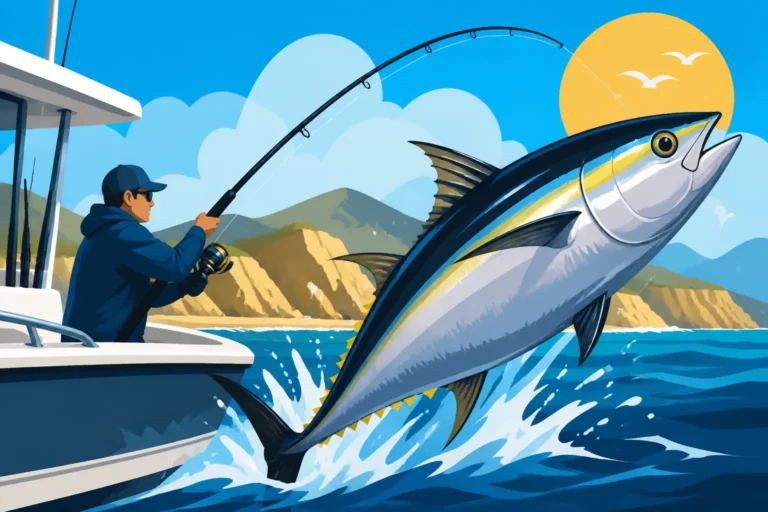
Bonito are often underestimated, sometimes mistaken for smaller tuna, but they are a fantastic sport fish in their own right. They're part of the mackerel family and are renowned for their incredible speed and fighting spirit, making them a thrilling target for anglers of all skill levels. If you’re looking for fast action and a rewarding challenge, bonito are definitely a species you should be targeting.
Bonito Basics: Identification and Behavior
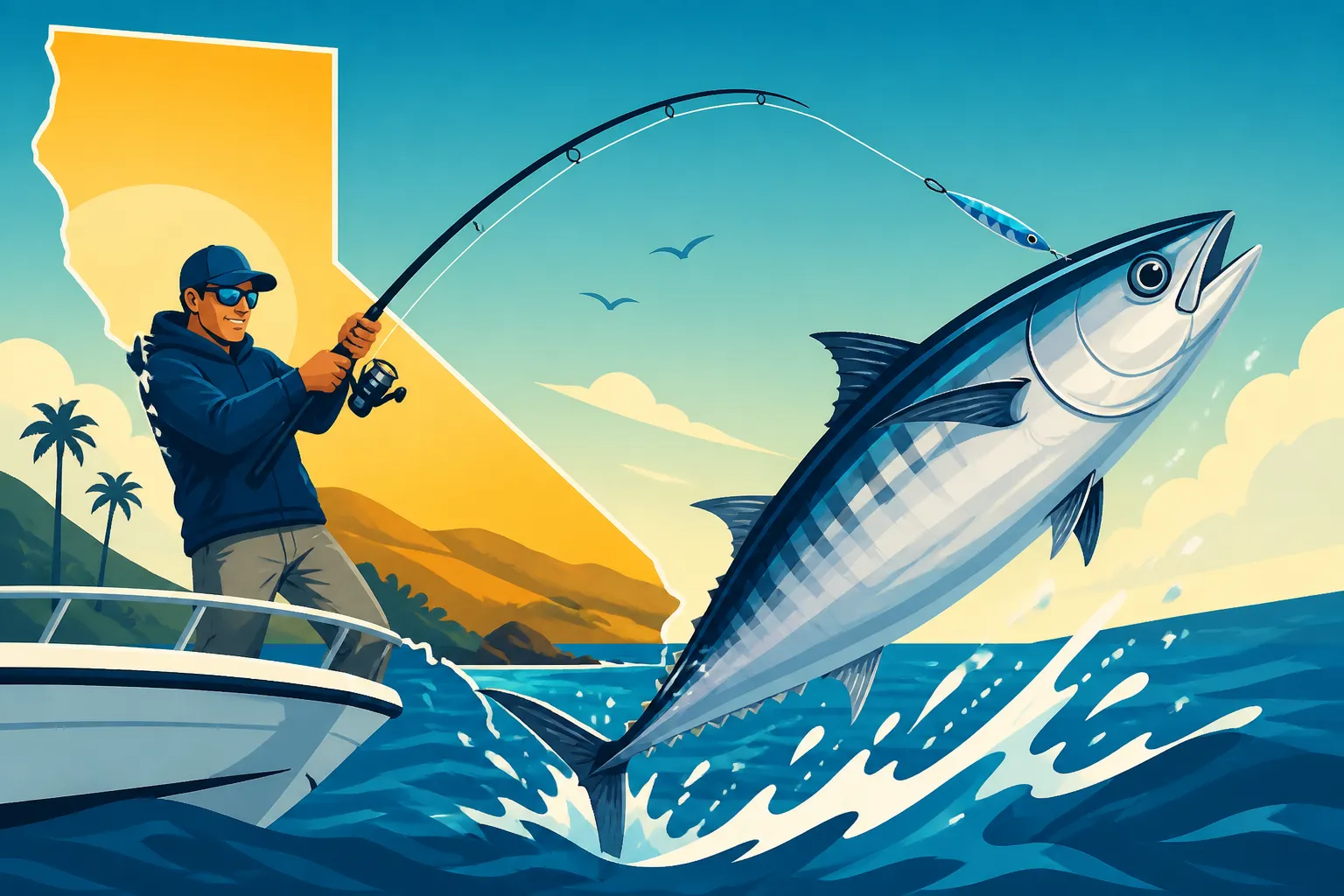
Let's start by understanding what we're chasing. California bonito (specifically the Pacific Bonito, Sarda chiliensis lineolata) are sleek, torpedo-shaped fish with distinctive dark, oblique stripes on their backs that run downwards and forwards. Their bodies are silver on the sides and belly, with a dark blue-green back. They typically range from 2 to 8 pounds, though bigger ones certainly exist and will give you a real workout. You’ll usually find them schooling, often in large numbers, which means when you find one, you've likely found a whole lot more!
Their behavior is what makes them so exciting to catch. Bonito are aggressive predators, constantly on the hunt for baitfish like anchovies, sardines, and squid. They feed ferociously, often creating chaotic surface boils as they chase their prey. This "feeding frenzy" behavior is a key indicator for anglers looking to locate them. They move quickly, covering vast distances, and can be found from Baja California up to the Pacific Northwest, though their presence in Northern California can be more sporadic.
Why They're a Blast to Catch
Catching bonito isn't just about the fight; it's about the entire experience. These fish hit lures and baits with incredible force, often without warning, making every cast an anticipation-filled moment. Once hooked, they don't give up easily. Their powerful runs and rapid changes in direction can make even a small bonito feel like a much larger fish, burning line off your reel and bending your rod significantly. It's a fantastic way to practice your angling skills, from casting accuracy to drag management.
Beyond the fight, bonito offer a great entry point into saltwater angling without requiring specialized, heavy-duty gear often associated with larger offshore species. They are accessible from piers, jetties, kayaks, and small boats, opening up opportunities for many different types of anglers. Plus, their schooling nature means that once you're on them, you can often experience non-stop action, which is incredibly satisfying, especially when you're introducing friends or family to the joys of fishing.
Finding Bonito: Your California Hunting Grounds
Bonito are widespread along the California coast, but knowing where and when to look can drastically improve your chances. They're drawn to specific conditions and bait concentrations, so understanding their preferred habitats is key.
Coastal Hotspots and Nearshore Waters
When you're looking for bonito, think about areas with structure and good baitfish populations. Nearshore waters, typically within a few miles of the coastline, are prime bonito territory. This includes areas around kelp beds, rockpiles, offshore islands, and especially the mouths of bays and harbors where baitfish tend to congregate. Iconic spots like the waters off San Diego, Orange County (Dana Point, Newport Beach), Los Angeles County (Long Beach, Marina del Rey), and even north to Ventura and Santa Barbara often see strong bonito runs.
Piers and jetties are also fantastic places to target bonito, particularly if they extend into deeper water or are near kelp lines. These structures act as natural attractors for baitfish, which, in turn, draws in predators like bonito. Some of the Best Fishing Piers in California are known for producing bonito, so don't overlook them if boat access isn't an option. Look for signs of bait activity, like birds diving or ripples on the surface – these are tell-tale signs that bonito might be hunting nearby. Even areas around oil rigs and platforms offshore can hold large schools.
Seasonal Migrations and Water Conditions
Bonito are warm-water fish, and their presence in California is heavily influenced by water temperature. Generally, the prime season for bonito runs from late spring through early fall, typically May through October, when ocean temperatures are at their warmest. However, in Southern California, you might find them sticking around well into late fall or even winter during warmer years or El Niño conditions. Understanding California Fishing Seasons: Month-by-Month Guide can give you a better idea of when to expect them in different regions.
They follow baitfish, so tracking bait schools is paramount. Keep an eye on local fishing reports, which often indicate where anchovies or sardines are schooling. Water clarity can also play a role; bonito are visual predators, so clear, blue water is generally preferred. Cloudy or turbid water can make it harder for them to hunt effectively. A good rule of thumb is to look for clean, actively moving water, especially where currents might be funneling baitfish.
Arming Yourself: The Right Gear for Bonito
While you don't need heavy offshore gear to catch bonito, having the right tackle will significantly enhance your success and enjoyment. It's all about balance – light enough for the fun fight, but strong enough to handle their explosive power.
Rods, Reels, and Line Choices
For bonito, a medium-light to medium action spinning rod, around 7 to 8 feet in length, is ideal. This length gives you good casting distance for reaching surface boils and enough backbone to control a fighting fish. Paired with a 2500-4000 series spinning reel, you'll have a versatile setup perfect for casting lures and managing those powerful runs. Many anglers find excellent quality rod and reel combos for bonito fishing on Amazon that offer a great balance of performance and value.
When it comes to line, a 15-20 lb braided main line is a popular choice due to its sensitivity and strength-to-diameter ratio. Braid will allow you to feel every bump and run, and its thin profile helps with casting distance. However, bonito have keen eyesight, so you'll want to add a fluorocarbon leader of 15-20 lb test, about 3-5 feet long. Fluorocarbon is nearly invisible underwater and offers excellent abrasion resistance against their sharp teeth and gill plates, which can easily fray monofilament. Knowing your California Saltwater Fishing Regulations will also inform what type of line and tackle you can use in certain areas.
Lures, Jigs, and Live Bait Rigs
Bonito are aggressive, so artificial lures are incredibly effective. Metal jigs and spoons are staples. Popular choices include small casting jigs like the "Krocodile" spoon, or slender, high-density jigs in sizes from 1/2 to 2 ounces. Colors like chrome, blue/chrome, green/chrome, and white are often deadly, mimicking anchovies or sardines. Soft plastic swimbaits, particularly those with a paddle tail, can also entice bites, especially if they match the size of the local baitfish. When retrieving these, a fast, erratic retrieve often triggers their predatory instincts.
For live bait fishing, anchovies and sardines are king. You can fish them on a simple live bait rig: a small, sharp hook (size 1 to 1/0, often a J-hook or circle hook depending on preference) tied directly to your fluorocarbon leader, with no weight. This allows the bait to swim naturally. Sometimes, a tiny split shot a few feet above the hook can help sink the bait faster if the bonito are deeper. When using live bait, matching the hatch is crucial – use bait that's similar in size to what the bonito are actively feeding on.
Terminal Tackle and Accessories
Beyond your rod, reel, and lures, a few essential accessories will make your bonito fishing trip smoother. A good pair of pliers or a de-hooker is invaluable for safely removing hooks from feisty fish. Bonito can thrash quite a bit, so avoiding direct contact with the hook is smart. A small, rubberized landing net can help you quickly and safely bring the fish aboard, preventing them from flopping around and getting tangled.
Don't forget a small tackle box or bag to keep your extra leaders, hooks, and a variety of lures organized. Having multiple lure options ready to go means you can quickly switch if the fish suddenly become picky about a certain size or color. Sunscreen, a hat, polarized sunglasses (essential for spotting surface activity!), and plenty of water are also must-haves for any day out on the water. Many of these indispensable items, like reliable fishing pliers or a selection of casting spoons, are easily found on Amazon.
| Lure Type | Description & Best Use | Pros | Cons |
|---|---|---|---|
| Metal Jigs | Slender, weighted metal lures. Ideal for long casts into boils. Fast, erratic retrieve. | Excellent casting distance, highly effective. | Can get snagged on bottom or kelp if fished too deep. |
| Spoons | Wobbling metal lures, like Krocodiles. Mimic injured baitfish. Moderate to fast retrieve. | Great flash and action, versatile. | Can twist line if not retrieved properly. |
| Soft Plastic Swimbaits | Realistic baitfish imitations. Rigged with jig heads. Slower, more subtle retrieve. | Natural presentation, effective on finicky fish. | Less durable, slower retrieve can miss active schools. |
| Live Bait (Anchovy/Sardine) | Actual baitfish presented naturally. | Highly effective, especially on picky fish. | Requires live bait well, more delicate to cast. |
Effective Techniques for Catching Bonito
Getting a bonito to strike is often about presentation and persistence. They're opportunistic feeders, but a refined approach can dramatically increase your hook-up ratio.
Casting and Retrieving Artificials
This is arguably the most popular and effective way to catch bonito, especially when they are actively busting on the surface. The key is to cast into or just beyond the feeding school. Don't cast directly on top of them, as this can sometimes spook the school. Instead, aim for the edges of the boil and retrieve your lure rapidly, often with a few twitches or jerks to mimic a fleeing baitfish. The speed is crucial – bonito are fast, and they expect their prey to be fast too.
If the surface action is sporadic, try a "fan cast," covering different angles and depths until you find where the fish are holding. Sometimes they might be a little deeper than the surface activity suggests. A consistent, quick retrieve is often the ticket, but don't be afraid to experiment with slight pauses or changes in speed. Pay close attention to your line; a bonito strike can be subtle, feeling like a slight tick, or a violent pull that nearly rips the rod from your hands. Setting the hook immediately is important due to their hard mouths and fast nature.
Live Bait Fishing Strategies
When bonito are a bit pickier, or if they're not actively crashing the surface, live bait can be a game-changer. The beauty of live bait is its natural presentation – it does most of the work for you. If fishing from a boat, cast a lively anchovy or sardine out with a light fluorocarbon leader and let it swim freely. This is often called "fly-lining." The natural movements of the baitfish will attract the bonito. Keep your bail open (or in free spool with your thumb on the line) to allow the fish to run with the bait before you engage the reel and set the hook.
If you're on a pier or jetty, you can also fly-line bait, or use a small bobber to keep your bait at a certain depth. Chumming with cut bait or small, live baitfish can also draw bonito closer to your fishing area. Just be mindful of local regulations regarding chumming. Remember, the goal with live bait is to make it look as natural and irresistible as possible. A healthy, lively baitfish will always outperform a sluggish one. This method is often employed when larger game fish like yellowtail are around, as seen in How to Catch Yellowtail in California guides, making it a versatile technique.
Trolling for Bonito
For those with boat access, trolling can be an incredibly effective way to cover ground and locate schools of bonito, especially if you're not seeing active surface boils. Trolling involves dragging lures or rigged baits behind a moving boat. Small casting jigs, spoons, or even shallow-diving crankbaits are excellent choices for trolling. Maintain a speed of 5-8 knots, varying it slightly until you find what the fish prefer on that particular day.
Using a planer or a downrigger can help get your lures to different depths if the fish are holding lower in the water column. Often, the best strategy is to troll along kelp lines, offshore banks, or around structure where baitfish are likely to be. Keep an eye on your fish finder for schools of bait or marks that could indicate bonito. Once you get a strike, mark the spot on your GPS and circle back – you've likely found a school! This technique shares similarities with California Offshore Fishing Techniques used for other pelagic species.
The Bonito Calendar: Timing is Everything
Successful bonito fishing isn't just about gear and technique; it's also about understanding the rhythm of the ocean and the behaviors of these fish. Timing your trip correctly can make all the difference.
Optimal Seasons and Months
As we touched on earlier, bonito are largely warm-water inhabitants. For California, their peak season generally stretches from late spring through early fall. This usually means from May to October you have your best shot at consistent action. During these months, the Pacific waters off California warm up, bringing in the baitfish schools that bonito voraciously feed on. Think of it as their summer vacation on our coast!
However, it's not a hard and fast rule. In warmer Southern California waters, especially around San Diego and Orange County, bonito can sometimes be caught year-round, particularly in harbors and protected bays during mild winters. Monitoring water temperature is often more critical than the calendar month itself. When offshore water temperatures consistently hit the mid-60s Fahrenheit and above, bonito are likely to be around. Keeping an eye on local fishing reports is always a great strategy to understand current conditions and recent catches. This information is vital for anglers, much like understanding Best Times to Fish in California for other species.
Best Time of Day and Tidal Influences
Like many predatory fish, bonito are often most active during periods of low light, meaning early morning and late afternoon into dusk. These twilight hours provide them with a bit of a predatory advantage over their prey. Often, the first few hours after sunrise or the last few hours before sunset will yield the most aggressive bites, especially if you can find them actively feeding on the surface. During the middle of the day, when the sun is high, they might move into slightly deeper water, requiring a different approach with jigs or trolling.
Tides also play a significant role, particularly if you're fishing from shore, piers, or in bay entrances. Moving water, whether incoming or outgoing, concentrates baitfish and makes them more vulnerable, which in turn draws in predators like bonito. A strong incoming or outgoing tide, especially around a new or full moon, can create excellent feeding conditions. Look for periods of strong tidal flow around structure, as this is where baitfish will get swept up and bonito will be waiting to ambush them. Always check a local tide chart before heading out; it’s one of the simplest ways to stack the odds in your favor.
From Water to Plate: Enjoying Your Bonito Catch
So, you've battled a feisty bonito to the boat or pier. Now what? Knowing how to handle your catch properly is crucial for both conservation and culinary enjoyment.
Bringing Them Aboard Safely
Once you've reeled in a bonito, the first step is to bring it aboard or onto the pier safely. If you're using a net, make sure it's wide enough to accommodate the fish and has a rubberized mesh to protect its scales and fins. Avoid swinging the fish over the rail if possible, as this can damage the fish and potentially cause you to lose it. Once it's in the net, lift it carefully.
Bonito can be very thrashy, so be prepared. If you intend to release the fish, handle it minimally, try to keep it wet, and remove the hook quickly with pliers. If it's a keeper, dispatch it quickly and humanely. A swift strike to the head with a fish club (or "priest") is common. This reduces stress on the fish and helps preserve the quality of the meat. Keep in mind any California Fishing Bag and Size Limits for bonito, which are usually quite generous, allowing you to keep a good number for the table. Also, familiarize yourself with general California Fishing Regulations Explained to ensure you're always fishing legally and responsibly.
Cleaning and Preparing Your Catch
Bonito get a bad rap sometimes for their darker, stronger-flavored meat. But don't let that deter you! Properly handled, bonito can be absolutely delicious. The key is to bleed them immediately after catching. Cut the gill arch or sever the tail and let the fish bleed out in a bucket of seawater or over the side of the boat. This removes a lot of the blood that contributes to the "fishy" taste and results in much milder, firmer flesh.
Once bled, get your bonito on ice as quickly as possible. This is perhaps the most important step for preserving meat quality. When you get home, you can fillet them. The red, bloodline meat along the lateral line can be cut out and discarded if you prefer a milder flavor, or used for bait. The remaining white meat is excellent for grilling, smoking, or even making ceviche. Marinating it in citrus juices or a savory sauce can further enhance the flavor. Many adventurous anglers even cure and smoke bonito like jerky, which is fantastic. Don’t be afraid to experiment!
Don't Forget the Regulations!
Before you head out, remember that California has specific rules for saltwater fishing. You'll need a valid California fishing license if you're 16 years or older. You can learn more about how to obtain one in our California Fishing License Guide. Also, always check the current California Saltwater Fishing Regulations for bag limits, size limits, and any special closures in the area you plan to fish. Staying informed ensures a fun and legal fishing trip! If you're planning a shorter trip, you might also want to look into California Short-Term Fishing License Options.
Disclaimer
Please note that fishing conditions, regulations, and fish behavior can change rapidly. Always consult the latest official California Department of Fish and Wildlife (CDFW) regulations before any fishing trip. The information provided in this guide is for general informational purposes only and should not be considered a substitute for official legal or professional advice. Fish responsibly and safely.