Bluefin Tuna in California: Where and How to Catch
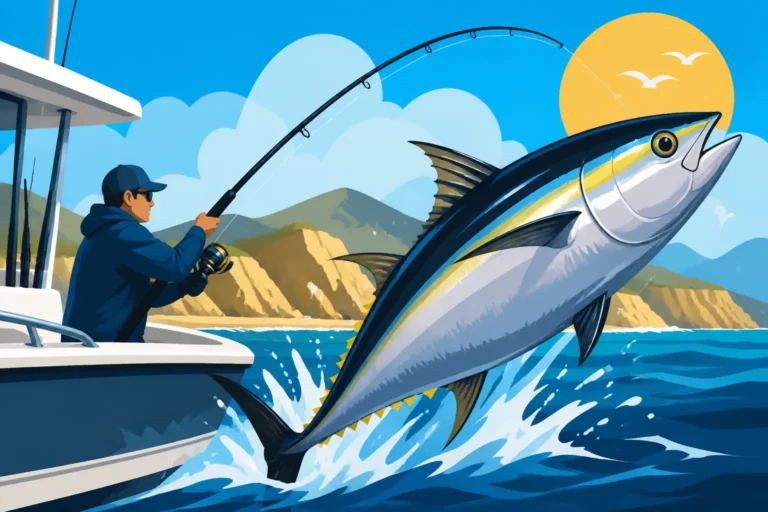
Oh, the elusive, powerful bluefin tuna! If you've ever spent hours scanning the horizon, hoping for that tell-tale boil or a sudden blast of a meter mark on the sonar, only to come up empty-handed, you know the frustration. This isn't just fishing; it's a dedicated hunt that can test the limits of your patience and your tackle. But when it all comes together, there's nothing quite like the raw power of a bluefin on the end of your line. This guide is going to dive deep into where and how to maximize your chances of connecting with these incredible fish in California waters.
The Allure and Challenge of California Bluefin Tuna Fishing
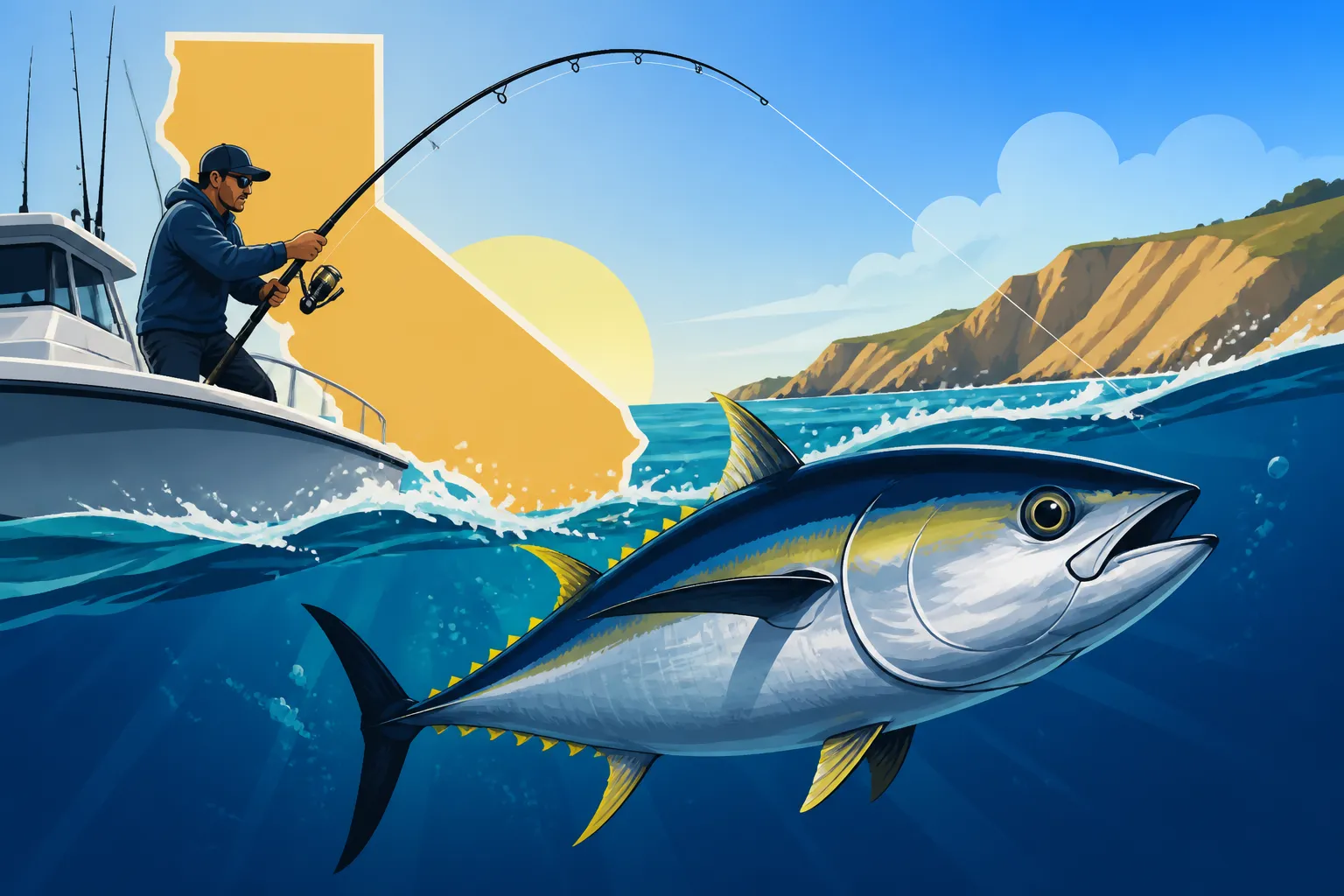
Bluefin tuna fishing off California has absolutely exploded in popularity over the last decade, and for good reason. These aren't just any fish; they're apex predators, built for speed and endurance, and they offer a fight that can humble even the most seasoned angler. But let's be real, chasing bluefin is rarely easy. It demands a blend of skill, patience, the right gear, and a healthy dose of luck.
Why Bluefin Are Such a Sought-After Catch
There's a reason why anglers dedicate entire seasons, thousands of dollars, and countless hours to chasing bluefin. First off, their sheer power is legendary. When a 100-pound (or even 300-pound!) bluefin decides it doesn't want to be caught, you're in for a grueling, stand-up battle that can last for hours. It’s an intense, physical challenge that tests your tackle, your body, and your resolve. Many describe it as being hooked to a Volkswagen Beetle, and honestly, that's not far from the truth!
Beyond the fight, bluefin tuna are also highly prized for their culinary value. Their rich, fatty meat is considered a delicacy worldwide, especially for sashimi. Catching one isn't just about the sport; it's about bringing home an incredible bounty. The sheer size potential, with giants well over 200 pounds being caught regularly, adds to the thrill, making every single trip a shot at a fish of a lifetime.
The Dynamic Nature of California's Bluefin Fishery
One of the biggest frustrations, and also part of the appeal, is how unpredictable bluefin tuna can be. Unlike some species that stick to predictable patterns, bluefin are highly migratory and can appear almost anywhere offshore, from shallow banks to deep canyons. Their movements are largely dictated by baitfish availability and water temperatures. This means that what was a hotspot last week might be barren this week, and new zones can light up overnight.
The fishery itself has seen some remarkable shifts. Historically, bluefin were more seasonal, with strong runs primarily in summer and fall. However, in recent years, we've seen bluefin show up almost year-round in Southern California waters, particularly the larger grade fish. This doesn't mean they're always easy to find, but it does mean that opportunities exist beyond the traditional peak months. Understanding these dynamic patterns often means relying heavily on real-time fishing reports and scout boats to pinpoint current concentrations.
Prime Locations and Seasons for California Bluefin Tuna
To have any real shot at bluefin in California, you need to know where and when to look for them. These aren't fish you typically catch from a pier, although I wouldn't put it past a rogue one to surprise you sometimes! We're talking about offshore expeditions, often covering significant distances.
Southern California's Bluefin Hotspots
When we talk about bluefin in California, we're almost exclusively talking about Southern California, stretching from San Diego up through Orange and Los Angeles Counties, and out to the offshore islands and banks.
- San Diego Offshore: This is arguably the epicenter of California bluefin fishing. Boats departing from landings like Point Loma Sportfishing, H&M Landing, and Fisherman's Landing in San Diego have direct access to prime bluefin grounds. The waters off San Diego, especially south towards the Mexican border, often see the earliest and heaviest concentrations of bluefin. This includes areas like the Coronado Islands (though international regulations apply here, so check your permits!) and further offshore. Many anglers specifically seek out San Diego Long-Range Fishing Trips for this exact reason.
- Offshore Banks and Canyons: The truly legendary bluefin spots are often nameless stretches of open ocean or specific submarine features. The Tanner Bank and Cortez Bank, located far offshore, are renowned for holding massive tuna. Other areas like the San Clemente Island and Catalina Island are also key hunting grounds, particularly when fish are pushing shallower or following bait concentrated around island structures. These areas can be a long haul, but often yield the biggest rewards.
- Orange and Los Angeles County Waters: While San Diego might get the lion's share of attention, bluefin can and do push north. Waters off Dana Point, Newport Beach, Long Beach, and Marina del Rey all see action, especially during peak season. When schools of smaller "schoolie" bluefin are abundant, they can sometimes be found within 20-30 miles of the coast, making them accessible to smaller private boats and half-day charters.
Best Time of Year to Chase Bluefin
While bluefin can now be caught throughout the year, there are definitely peak seasons when your chances are significantly higher.
The traditional "bluefin season" kicks off in late spring, usually around May or June, as warmer waters push north and bring with them schools of baitfish like anchovies and sardines. This early season can often feature a mix of smaller schoolie tuna and some substantial 100-pound class fish.
The bite tends to intensify and remain strong through the summer months (July, August, September). This is when you'll find the most consistent action, with diverse sizes of fish, from 30-pounders to those infamous "cows" pushing well over 200 pounds. The weather is generally more favorable too, making offshore runs more comfortable.
Fall (October, November) can often be the time for trophy fish. As the water begins to cool, bluefin often gorge themselves on bait, bulking up before their migrations. This can lead to incredible bites on larger fish, though weather patterns can become more volatile. Even into early winter (December), some big bluefin can linger, particularly in the warmer southern reaches of the state. It really depends on water conditions and bait availability each year. If you're wondering when the action truly heats up, you'll want to check out the Best Season for Bluefin Tuna in California.
Essential Gear and Tackle for Bluefin Tuna
Going after bluefin with inadequate gear is like bringing a butter knife to a sword fight – it’s just not going to end well for you. These fish are brutally strong, and they'll exploit any weakness in your setup.
Rods, Reels, and Line for the Fight
Your rod and reel are the heart of your bluefin setup, and you need robust equipment designed for serious pulling power.
- Rods: For most bluefin applications, you'll want heavy-duty conventional rods. Look for something rated for 80-130 lb line, with a fast to moderate-fast action. The length typically ranges from 6 to 7.5 feet. If you're fishing smaller "schoolie" grade tuna (30-60 lbs), a 60-80 lb setup might suffice, but for anything larger, you need to step up. Rods from brands like Phenix, Seeker, and Calstar are staples in the California bluefin scene, known for their backbone and durability.
- Reels: This is where you absolutely cannot skimp. A high-quality, high-capacity two-speed conventional reel is almost mandatory. The two-speed feature allows you to shift into a lower gear for cranking power during the fight, saving your arms. For 80-130 lb outfits, reels like the Shimano Talica II, Penn International, or Accurate Boss series are industry standards. You'll need a reel that can hold at least 400-600 yards of heavy braided line, plus a top shot.
- Line: Your main line should be braided spectra, typically 80 lb to 130 lb test. The thin diameter of braid allows for more line capacity, which is crucial when a bluefin decides to run. Over the braid, you'll add a monofilament top shot, usually 100-200 yards of 80 lb to 130 lb mono or fluorocarbon. The top shot provides stretch, which helps absorb shock during violent head shakes, and is less visible to the fish. When you're looking to stock up on reliable braided line or sturdy reels, you can often find great deals and a wide selection on Amazon.
Lures, Baits, and Terminal Tackle
Having the right bait or lure can be the difference between a memorable day and a frustrating boat ride. Bluefin can be incredibly finicky, so having options is key.
- Live Bait: This is often the most effective method, especially for larger bluefin. Sardines are king, followed by anchovies, mackerel, and occasionally squid. The healthier and livelier your bait, the better your chances. Hook placement is critical for natural presentation and maximum lifespan of the bait.
- Jigs: Jigs come in two main categories for bluefin:
- Yo-Yo Jigs (Knife Jigs): These heavy, slender jigs are designed to sink fast and be retrieved quickly, mimicking a fleeing baitfish. Popular choices include the Daiwa Zakana, Salas 6X, and Tady 45. They're especially effective when bluefin are deep or aggressively feeding.
- Flat-Fall Jigs (Butterfly Jigs): These jigs have a unique action on the drop, fluttering and enticing strikes as they sink. They can be deadly when bluefin are suspended or reacting to slower presentations. Shimano Butterfly jigs and Daiwa SK Jigs are excellent examples.
- Surface Irons (Poppers/Stickbaits): When bluefin are feeding on the surface, crashing bait, a popper or stickbait cast into the frenzy can trigger an explosive strike. Brands like Nomad Design and Owner offer robust options.
- Terminal Tackle: You'll need heavy-duty fluorocarbon leader material (80-200 lb test, depending on fish size and clarity), sturdy swivels, and strong, sharp hooks. Owner and Gamakatsu hooks are trusted choices. When it comes to jigs, leaders, and hooks, you'll find a massive selection and often competitive prices on Amazon. Be sure to check out the Best Baits and Lures for Bluefin Tuna in California for even more detailed recommendations.
Effective Techniques for Landing California Bluefin Tuna
Knowing where the fish are and having the right gear is only half the battle. You need to know how to present your offerings effectively. Bluefin tuna can respond to a variety of techniques, and the key is often adapting to their behavior on any given day.
Jigging for Bluefin
Jigging is a cornerstone of California bluefin fishing, particularly when fish are showing on the sonar but not biting live bait on the surface.
- Yo-Yo Jigging: This technique involves dropping a heavy, fast-sinking jig (like a Salas 6X or a Daiwa Zakana) quickly to the depth where fish are marked on the finder, or even to the bottom. Once it hits the target depth, you retrieve it as fast as you possibly can, without pausing, all the way back to the boat. This aggressive retrieve mimics a panicked baitfish trying to escape. Strikes are often violent and happen when the jig is on the move. This is a very physically demanding method, but incredibly effective when the tuna are in a "mood."
- Flat-Fall Jigging (Slow-Pitch Style): Unlike the aggressive yo-yo, flat-fall jigging is about the drop. You cast or drop the jig out, let it flutter down, and then impart subtle movements with the rod tip, allowing the jig to "swim" and fall enticingly. The retrieve is much slower, often with pauses and short lifts, letting the jig do its work on the descent. This can be deadly for suspended fish that are less inclined to chase a fast retrieve. Mastering the retrieve and understanding the different jig fall rates is crucial here.
Fly-Lining Live Bait
When bluefin are keyed in on live bait, especially sardines, fly-lining is often the most productive method.
- The Setup: A single circle hook (size 4/0 to 8/0, depending on bait size) is tied directly to your fluorocarbon leader. No weight, no swivel if you can help it. The idea is for the live bait to swim naturally away from the boat, unencumbered by extra hardware.
- Presentation: Hook your chosen live bait (sardine, anchovy, mackerel) through the nose, behind the dorsal fin, or near the tail, depending on how you want it to swim and the current. Gently cast the bait away from the boat, letting it swim freely. As the bait swims out, keep your bail open (or freespool engaged) with a light thumb on the spool, allowing line to peel off without resistance.
- The Bite: When a bluefin takes the bait, it will often "shoulder" it, meaning it will grab it and start swimming away. Let it run for a few seconds to ensure it has fully ingested the bait before slowly engaging the reel and setting the hook by simply letting the line come tight. Never "jerk" the rod with circle hooks; the fish hooks itself as it swims away. This technique is often used when chasing How to Catch Bluefin Tuna off California on bait schools.
Trolling and Kite Fishing
While fly-lining and jigging are dominant, other techniques have their place, especially for locating fish or when they are particularly finicky.
- Trolling: Trolling cedar plugs, various feathered jigs, or even large lipped plugs can be effective for covering ground and locating bluefin, particularly schoolie-sized fish. You'll typically run multiple lines at different depths and distances behind the boat. Once a fish hits, you can often stop and try other methods like live bait or jigs to capitalize on the school.
- Kite Fishing: This is a more specialized technique, particularly effective for targeting larger, wary bluefin. The kite keeps your live bait (often a flying fish or mackerel) on the surface, far from the boat, making it appear completely natural. A release clip on the kite holds the line, and when a fish strikes, the line releases, allowing you to fight the fish directly. This method minimizes boat pressure on sensitive fish and can be incredibly effective when bluefin are feeding on surface bait. It's often employed by dedicated charter operations and serious private boaters.
Understanding Bluefin Tuna Regulations in California
Fishing for bluefin tuna in California isn't a free-for-all. Like all valuable fisheries, it's heavily regulated to ensure sustainability. Ignorance of the rules is no excuse, and violations can lead to hefty fines and loss of fishing privileges.
Current Bag Limits and Size Restrictions
Bluefin tuna regulations are determined by both federal and state agencies, and they can change based on stock assessments and harvest levels. It's absolutely critical to check the most current regulations before heading out. The California Department of Fish and Wildlife (CDFW) website and their annual sport fishing regulations booklet are your go-to sources.
As of recent seasons, California's general sport fishing regulations for bluefin tuna have often revolved around a specific bag limit, such as 2 bluefin tuna per person per day, or sometimes an overall vessel limit. There might also be size restrictions, such as a minimum fork length. These numbers are subject to change, sometimes even mid-season if federal quotas are met, so always double-check. For example, knowing the latest California Tuna Regulations and Limits is paramount before your trip.
It's also important to understand that the waters around California are not just state waters; they also extend into federal waters and even international waters near Mexico. Regulations can differ significantly, especially when fishing near the Coronado Islands or further south. Always clarify with your charter captain or check international fishing permits if venturing into Mexican waters.
Necessary Licenses and Report Cards
To legally fish for bluefin tuna in California, you'll need more than just good intentions.
- California Sport Fishing License: Every angler aged 16 or older needs a valid California Fishing License Guide. This is your fundamental permit to fish in the state's waters. You can purchase these online through the CDFW website, at authorized license agents like bait and tackle shops, or even at some marine landings.
- California Ocean Enhancement Stamp: If you are fishing in ocean waters south of Point Arguello (Santa Barbara County), which covers virtually all bluefin tuna territory, you are also required to purchase an Ocean Enhancement Stamp. This stamp is an annual purchase and the funds go towards programs that enhance marine resources. This is usually purchased at the same time as your fishing license.
- Federal HMS Permit (Highly Migratory Species): While individual anglers on private boats are generally covered by California's state license and stamp when fishing recreationally for bluefin within state or federal waters, it's worth noting that vessels targeting Highly Migratory Species like tuna, swordfish, and sharks commercially, or operating charter trips, typically need a federal HMS permit from NOAA Fisheries. If you're on a charter or party boat, the vessel will have this, but it's always good to be aware.
Failing to have the correct licenses and stamps can result in heavy fines, so don't let a missing piece of paper ruin your epic bluefin adventure.
Here's a quick comparison of popular bluefin fishing methods:
| Method | Ideal Conditions | Key Gear | Pros | Cons |
|---|---|---|---|---|
| Fly-Lining Live Bait | Surface boils, bluefin on bait | Conventional rod/reel, circle hooks, fluorocarbon leader | Natural presentation, high hook-up rate | Requires fresh, lively bait; line can tangle |
| Yo-Yo Jigging | Deep marks, aggressive biters | Heavy conventional rod/reel, knife jigs, braided line | Fast sink, effective for deep fish, no bait needed | Physically demanding; can be ignored by finicky fish |
| Flat-Fall Jigging | Suspended fish, finicky biters | Conventional rod/reel, flat-fall jigs, braided line | Unique flutter on drop, enticing | Slower presentation; requires finesse |
| Kite Fishing | Wary fish, calm surface conditions | Specialized kite, release clips, flying fish/mackerel | Extremely natural presentation, targets big fish | Complex setup; weather dependent |
| Trolling | Locating schools, covering ground | Trolling rods/reels, cedar plugs, feathered jigs | Covers large areas; good for initial contact | Less effective for reluctant biters; less engaging fight |
Remember, bluefin fishing can be a game of adapting. What works one day might not work the next, so having a diverse arsenal of techniques and the willingness to switch things up is crucial. Many experienced anglers choose to book a spot on a party boat or charter, which often have all the necessary gear and experienced crews who know how to react to changing conditions. You might want to research some of the Best Offshore Fishing Charters in California to see what options are available. Don't forget, when gearing up, make sure you have all the necessary items like your California Fishing Report Cards Explained and a California Ocean Enhancement Stamp. For those venturing from outside the state, understanding California Fishing License Requirements for Visitors is essential. And if you're ever in doubt, local tackle shops, like those around San Diego Fishing Spots or Monterey Bay Fishing Guide, are invaluable resources for up-to-date information and tips.
Disclaimer
Fishing inherently carries risks, including but not limited to adverse weather conditions, marine hazards, and personal injury. Always prioritize safety, wear appropriate personal flotation devices when necessary, and be aware of your surroundings. Regulations are subject to change; always consult the latest official California Department of Fish and Wildlife (CDFW) regulations before engaging in any fishing activity. This guide is for informational purposes only and does not constitute legal advice or guarantee fishing success.