Kokanee Salmon in California: Where and How to Catch
The pursuit of Kokanee salmon in California can feel like chasing a ghost for many anglers. These landlocked sockeye salmon are incredibly finicky, requiring a specific approach that often leaves newcomers scratching their heads. If you’ve ever found yourself wondering where to even begin, or why your usual trout tactics aren't cutting it, you’re in the right place. This guide is dedicated to unraveling the mysteries of Kokanee, providing you with the knowledge of where to find them and the precise techniques to bring them to the net.
Understanding California's Kokanee Salmon: A Freshwater Gem
Before we dive into the "how-to," it’s really helpful to understand what Kokanee salmon are all about. They’re not your typical trout, and recognizing their unique characteristics is the first step to becoming a successful Kokanee angler.
What Makes Kokanee Unique?
Kokanee salmon are a distinct freshwater form of sockeye salmon. Unlike their anadromous (sea-run) relatives that migrate to the ocean, Kokanee spend their entire lives in freshwater lakes and reservoirs. This landlocked lifestyle shapes their behavior, diet, and even their physical appearance. They’re usually smaller than ocean-run sockeye, often ranging from 10 to 20 inches in California, though some trophy-sized fish can push past that. Their flesh is famously vibrant orange-red, incredibly firm, and has a delicate, rich flavor that makes them prized table fare.
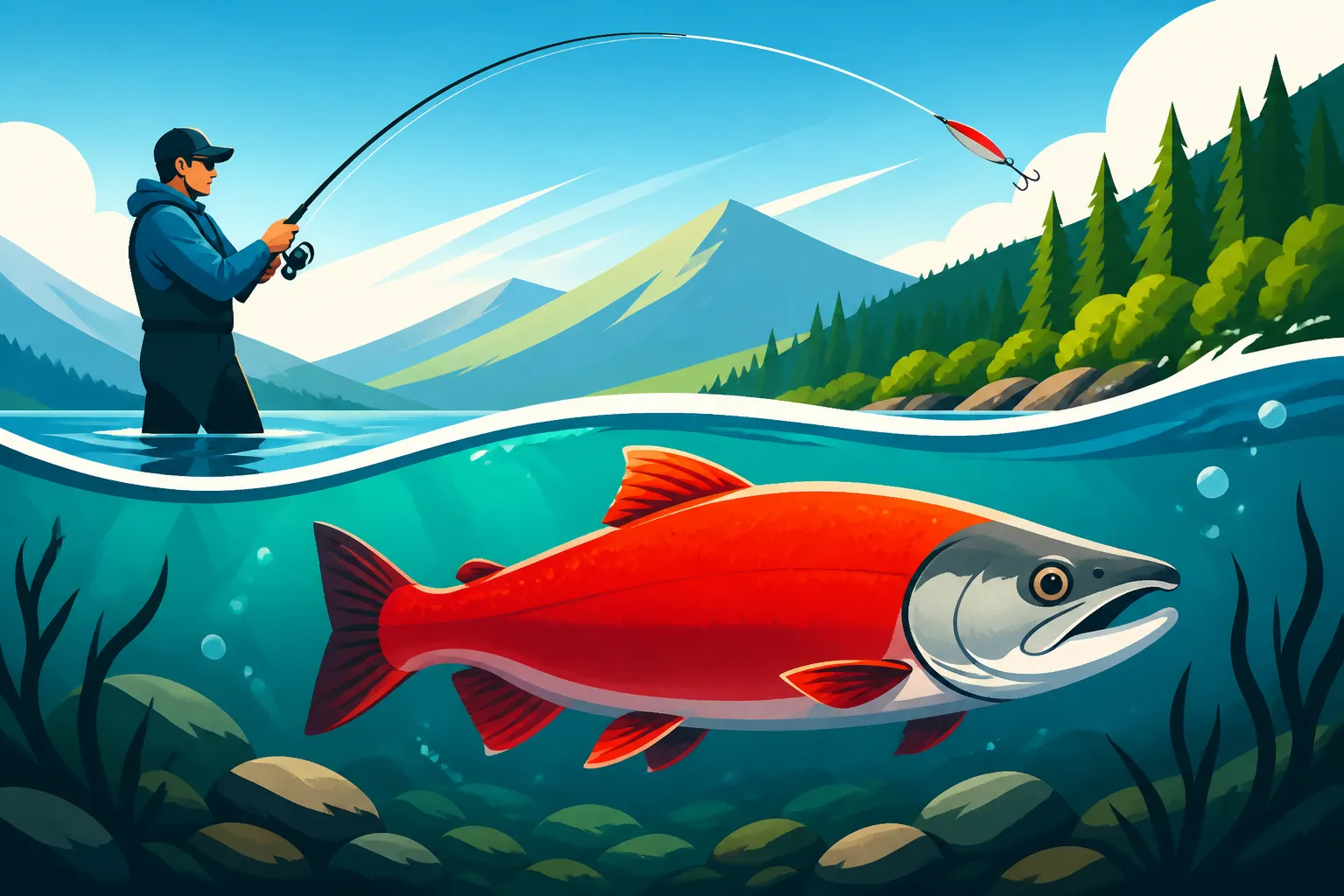
One of the most fascinating aspects of Kokanee is their life cycle. Like all salmon, they are semelparous, meaning they spawn once and then die. This often happens in late summer or fall, when they undergo a dramatic transformation. Males develop a pronounced humped back and a hooked jaw (kype), and both sexes turn a striking crimson red, with green heads – a truly incredible sight if you ever witness a spawning run in a tributary. This suicidal spawning migration is why you won't typically catch prime Kokanee during this period, as their focus shifts entirely away from feeding. They feed almost exclusively on zooplankton throughout their lives, which means traditional baitfish lures often don't appeal to them. This plankton diet also contributes to their distinctive taste and vibrant color.
The Allure of Kokanee Fishing
So, why do so many anglers dedicate themselves to these challenging fish? For starters, the fight! Despite their size, Kokanee are surprisingly strong and acrobatic fighters. They'll make fast, powerful runs and often leap clear of the water, providing an exhilarating experience on light tackle. It's not uncommon for them to shake the hook if you're not careful, adding to the challenge and satisfaction when you finally land one.
Beyond the fight, there's the sheer beauty of the fish itself and, of course, their culinary value. A fresh Kokanee, grilled or smoked, is a delicacy that rivals any saltwater species. Plus, the pursuit often takes you to some of California's most scenic lakes, surrounded by majestic mountains and pristine waters. There's a real art to Kokanee fishing; it's a game of patience, precision, and subtle adjustments, which makes every successful trip incredibly rewarding. It's not just about catching fish; it's about understanding an ecosystem and refining your approach.
Top California Destinations for Kokanee Salmon
California boasts an impressive array of lakes and reservoirs where Kokanee thrive, each offering its own unique challenges and rewards. Knowing where to go is half the battle when targeting these freshwater salmon. You can find more general information about various spots in our guide on the Best Lakes to Fish in California or zero in on specific bodies of water like the Lake Tahoe Fishing Guide for more detailed insights.
Northern California Hotspots
Northern California is arguably the epicenter for Kokanee fishing in the state, with several world-class fisheries.
- Lake Tahoe: This iconic alpine lake is a premier destination for large Kokanee. The fish here are often bigger than average, thanks to the deep, cold, and nutrient-rich waters. While Tahoe is known for its incredible size, the sheer vastness of the lake can make locating schools a bit tricky. Anglers often target depths between 40 to 80 feet, especially around areas like the "Stateline Shelf" or off Camp Richardson. Early mornings and late evenings are prime, and focusing on areas where schools of zooplankton congregate is key.
- Stampede Reservoir: Located east of Truckee, Stampede is legendary for its prolific Kokanee fishery. It consistently produces high catch rates and decent-sized fish. The reservoir is known for its clear, cold water, making it a trolling paradise. Many anglers have incredible success here with downriggers, focusing on depths that vary throughout the season. Remember to check the current California Freshwater Fishing Regulations before heading out, as rules can change.
- French Meadows Reservoir: Tucked away in the Sierra Nevada, French Meadows is a hidden gem for Kokanee. It might not produce the giants of Tahoe, but it offers a more secluded fishing experience with a healthy population of feisty Kokanee. The scenic beauty alone makes the trip worthwhile.
- Trinity Lake: This massive reservoir, part of the Central Valley Project, offers excellent Kokanee opportunities, particularly in its colder, deeper arms. While it's also known for bass, Kokanee anglers will find success by focusing on the main body and tributaries during spawning season.
Central California Favorites
Moving south, the Central Valley and foothills offer several excellent Kokanee lakes, many of which are reservoirs known for irrigation and recreation.
- New Melones Lake: A consistent producer, New Melones is a fantastic option for Central California anglers. The Kokanee here can be quite large, and the lake is well-stocked. Early spring and late fall are often prime times, though summer trolling can also be productive. Depths of 30-60 feet are common targets. For more specific details on this gem, consult the New Melones Lake Fishing Guide.
- Lake Pardee: Often cited as one of California's best Kokanee lakes, Pardee is a powerhouse fishery. It's known for its abundant and robust Kokanee, often yielding full limits. Being a drinking water reservoir, there are specific regulations about boats and launch access, so make sure to check those before planning your trip. The Kokanee here respond well to a variety of trolling setups.
- Lake Berryessa: While famous for its trophy bass, Lake Berryessa also harbors a solid Kokanee population. They tend to hang deeper in the warmer months, making downriggers essential. Focus on the main body of the lake away from heavy recreational traffic. Our Lake Berryessa Fishing Guide can provide further context on fishing this popular body of water.
- Don Pedro Reservoir: Similar to Berryessa, Don Pedro is a multi-species lake that provides good Kokanee action, especially during cooler periods. Anglers often find success targeting them with slow trolling methods in the open water sections.
- Lake McClure: This reservoir in Mariposa County can be a surprise for Kokanee, especially in years with good water levels. It's less pressured for Kokanee than some other spots, offering a chance for a quieter fishing experience.
Southern California Opportunities
While not as prolific as the northern and central regions, Southern California still has a few spots where dedicated anglers can find Kokanee, albeit typically smaller populations.
- Big Bear Lake: While primarily a trout and bass fishery, Big Bear occasionally gets stocked with Kokanee, and a small population might persist. It's not a primary Kokanee destination, but it's worth being aware of if you're in the area and looking for diverse fishing. The cold, deep sections are where you'd want to focus.
- Silverwood Lake: Another Southern California reservoir that has seen Kokanee stockings in the past, Silverwood offers sporadic opportunities. It's a challenging lake for Kokanee due to its fluctuating temperatures and recreational pressure, but it can surprise those who put in the effort.
Choosing your destination often depends on what kind of trip you're after. For high-volume action, places like Pardee or Stampede are excellent. For a chance at a true trophy, Lake Tahoe is hard to beat. Always check the latest fishing reports and regulations for your chosen lake, as conditions and stocking efforts can vary greatly year to year.
Mastering the Art of Catching Kokanee Salmon
Catching Kokanee isn't like casting a worm for bluegill. These fish require finesse, specialized gear, and a methodical approach, primarily through trolling. It's a skill that's incredibly rewarding to master, and once you do, you'll open up a whole new world of freshwater fishing.
Essential Gear and Tackle
Your standard bass or trout gear likely won't cut it for Kokanee, especially if you want to be consistently successful.
- Rods and Reels: Opt for light to medium-light action rods, typically 7-8 feet long, with a fast to moderate-fast tip. Graphite rods are excellent for their sensitivity, allowing you to detect the subtle bites of Kokanee. Pair this with a small baitcasting reel or a spinning reel spooled with 8-10 lb monofilament or fluorocarbon line. Many Kokanee anglers prefer mono for its stretch, which helps absorb the violent head shakes these fish are known for. Some will use braid with a long fluorocarbon leader for increased sensitivity and strength when fishing with downriggers.
- Downriggers or Planer Boards: This is where Kokanee fishing really diverges. Since Kokanee feed on zooplankton that often congregates in specific, deep thermoclines, you need to get your lures down to them.
- Downriggers: These are critical for precise depth control. A downrigger uses a heavy ball to take your line down to a predetermined depth, releasing it once a fish strikes. Brands like Scotty or Cannon are popular choices. This allows you to present your lure exactly where the fish are holding.
- Planer Boards: While less common for deep Kokanee, inline planer boards can be effective for spreading out lines and covering more water when fish are shallower or scattered, or for getting lures away from the boat spooking fish. This is more of a niche application for Kokanee.
- Line Counters: If you're not using downriggers, a line counter reel is invaluable. It allows you to accurately replicate successful depths by knowing exactly how much line you've let out. Even with downriggers, a line counter on your fishing reel is great for knowing how far behind the boat your lure is.
- Electronics: A good fish finder (sonar) with a clear display is almost non-negotiable. It helps you identify thermoclines, locate bait balls (which Kokanee will be feeding on), and even spot individual fish. Many modern units from brands like Humminbird or Garmin offer side imaging or down imaging, which can provide even more detail.
You can find a great selection of these specialized items, from downriggers to specific rod and reel combos, readily available on platforms like Amazon.
Preferred Lures and Baits
Kokanee are visually driven and respond well to flash, color, and scent. Their small mouths and plankton diet mean tiny, enticing offerings are usually best.
- Dodgers and Flashers: These are not lures themselves but rather attractors that create flash and vibration to draw Kokanee in. They’re rigged a short distance (typically 8-18 inches) in front of your actual lure. Popular dodgers include the Les Davis Killer Fish, Vance’s Sockeye Slingers, or various designs from Shasta Tackle. The dodger's action is what imparts movement to your trailing lure. Experiment with colors—pink, orange, chrome, and chartreuse are perennial favorites.
- Hoochies: These small, skirted squid imitations are incredibly effective. They're typically 1 to 2 inches long and come in a dazzling array of colors. Pink, orange, green, and combinations thereof are very popular. Rigged behind a dodger, their subtle movement mimics a small invertebrate.
- Wedding Rings: These classic lures are essentially small spinner blades with beads, often trailed by a single hook. The flash and vibration are highly attractive. Again, pink, orange, and chartreuse are top colors.
- Small Spoons: Tiny trolling spoons, like those from Rocky Mountain Tackle or Kokanee Killer, can also be very productive. They have an enticing wobble and come in various metallic and bright colors.
- Bait: This is where Kokanee fishing takes a turn from standard lure fishing. Corn is the undisputed king of Kokanee bait. A few kernels of shoepeg corn (often dyed with scents) tipped onto your hook provides scent, flavor, and a visual trigger. Shrimp or mealworms can also be effective alternatives.
- Scents: Adding scent is crucial. Pro-Cure Kokanee Killer, Anise, Krill, or Garlic scents applied generously to your corn or lure will dramatically increase your bite rate. The Kokanee's keen sense of smell, honed by feeding on microscopic organisms, makes scent a game-changer. Stocking up on your preferred scent or corn from Amazon before a trip is always a good idea.
Trolling Techniques and Strategies
Trolling is the primary method for Kokanee. It's about covering water, presenting your lures at the right depth, and enticing strikes with subtle actions. You can learn more about general trolling approaches in our guide to California Trolling Tips and Techniques.
- Speed is Key: Kokanee prefer a slow, steady troll. Typically, speeds between 0.8 to 1.5 miles per hour are ideal. Watch your fish finder and experiment; sometimes a slight increase or decrease in speed can trigger bites. The dodger needs just enough speed to give it its characteristic "thump-thump" action.
- Depth Precision: This cannot be overstated. Kokanee are often found in tight bands within the water column. Use your fish finder to identify schools, bait balls, and the thermocline (the boundary between warm surface water and cold deep water). Adjust your downriggers to keep your lures in that zone. Even a few feet can make a difference. If you're marking fish at 50 feet, put your lures at 48, 50, and 52 feet to find their preference.
- Zig-Zagging and S-Turns: Don't just troll in a straight line. Making gradual turns causes your lures on the inside of the turn to drop slightly and slow down, while those on the outside speed up and rise. This change in action can often trigger strikes from following fish. A wide, slow S-turn is a common and effective tactic.
- Color and Scent Experimentation: Always run multiple rod setups with different dodger/lure color combinations and scents until you find what the fish prefer that day. Kokanee can be incredibly particular, and what worked yesterday might not work today.
- Leader Length: The distance between your dodger and your lure (the leader) is important. For hoochies, typically 8-12 inches works well. For wedding rings or small spoons, 12-18 inches might be better. Experiment here too, as fish can be leader-shy.
- The Bite: Kokanee bites are often subtle. You might just see a slight twitch of the rod tip or the line going slack as the fish swims forward after hitting the lure. Don't wait for a huge tug; check your lines frequently for any signs of a bite.
Key Regulations and Seasonal Considerations for Kokanee
Understanding the rules and the best times to fish will greatly improve your success and ensure you’re fishing responsibly. California's diverse waters mean regulations can vary.
Understanding Limits and Report Cards
Like all salmonids, Kokanee are subject to specific daily bag and possession limits, which can vary by lake and season. Always consult the current California Department of Fish and Wildlife (CDFW) regulations booklet before heading out. This critical document, which you can often pick up at local tackle shops or view online, outlines daily bag limits, size restrictions, and any special regulations for particular waters. For instance, many lakes have a limit of 5 or 10 Kokanee per day, but this is subject to change.
Additionally, while specific report cards are not typically required just for Kokanee (unlike Sturgeon or Steelhead), any angler 16 years or older will need a valid California Fishing License. This is covered extensively in our California Fishing License Guide and our detailed breakdown of California Fishing Report Cards Explained. Be sure to have your license readily accessible, whether it's a physical copy or stored digitally on your phone via the CDFW app. Fishing without a license or exceeding bag limits can result in hefty fines.
Best Times to Target Kokanee
Timing is everything when it comes to Kokanee fishing, and their behavior is heavily influenced by water temperature and their life cycle. Our comprehensive guide on When to Fish for Each Species in California offers a broader perspective, but here are Kokanee specifics:
- Spring (April – June): This is often a fantastic time. As the water warms, Kokanee become more active and start feeding aggressively. They're often found shallower than in mid-summer, making them easier to target. Early mornings and late evenings are generally most productive, especially when the sun is low on the horizon.
- Summer (July – August): Kokanee move deeper as surface waters warm, often holding in the thermocline. This is when downriggers become absolutely essential. The fishing can still be excellent, but you need to be precise with your depth. Mid-day can be slow, so focus on dawn and dusk, or overcast days.
- Fall (September – November): As fall approaches, Kokanee begin their spawning migration. Their bodies undergo dramatic changes, and they stop feeding. While you might still catch a few early in the season, targeting them during their full spawn is generally unproductive and, ethically, not ideal. Many anglers shift their focus to other species during this period.
- Winter (December – March): Kokanee fishing generally slows significantly in winter as they become less active and often disperse. Some anglers might still find success in certain lakes on warmer winter days, but it’s not peak season.
Overall, the period from late spring through late summer is prime for actively targeting Kokanee salmon. Pay close attention to fishing reports from your chosen lake, as local conditions can drastically influence the bite.
Conservation and Responsible Angling
Practicing responsible angling is vital for maintaining healthy Kokanee populations for future generations.
- Release Practices: If you're not planning to keep a fish, handle it minimally. Use barbless hooks, which are often required or highly recommended for many species, and release the fish quickly. Wet your hands before touching the fish to protect its slime coat, and revive it gently in the water until it can swim away strongly.
- Respecting Spawning Fish: During the fall spawning runs, Kokanee turn red and are actively breeding. While technically legal in some areas to fish for them during this time (always check regulations!), most ethical anglers choose to leave them undisturbed to ensure successful reproduction. These fish are no longer focused on feeding, and their flesh quality degrades significantly after they begin their spawning transformation.
- Pack It In, Pack It Out: Leave no trace. Always pack out everything you pack in, including any discarded fishing line or bait containers. Our natural resources are precious, and it's up to us to protect them.
By following these guidelines, you'll not only increase your chances of a successful Kokanee outing but also contribute to the long-term health of California's fantastic freshwater fisheries.
| Lake / Reservoir | Primary Region | Key Features for Kokanee | Best Times to Fish | Notes |
|---|---|---|---|---|
| Lake Tahoe | Northern California | Deep, cold water; potential for trophy-sized Kokanee. | Late Spring – Early Summer | Can be challenging due to size; requires patience. |
| Stampede Reservoir | Northern California | Consistent producer; excellent catch rates. | Spring – Summer | Clear waters, ideal for trolling with downriggers. |
| New Melones Lake | Central California | Large Kokanee population, good size. | Early Spring – Late Fall | Varying depths, often good mid-lake. |
| Lake Pardee | Central California | Highly regarded, prolific fishery, strong stocks. | Spring – Summer | Specific boat restrictions; check ahead. |
| Lake Berryessa | Central California | Good secondary fishery to bass; deeper fish in summer. | Spring – Early Summer | Focus on open water, away from recreational zones. |
| French Meadows Res. | Northern California | Scenic, less pressured; good numbers. | Late Spring – Summer | High elevation, may open later in spring. |
| Trinity Lake | Northern California | Massive lake, good numbers in deeper arms. | Spring – Summer | Also known for bass, choose your target. |
Disclaimer
Fishing conditions and regulations in California can change frequently due to environmental factors, fish stocking, and legislative updates. While we strive to provide the most current and accurate information, it is crucial that all anglers consult the latest official California Department of Fish and Wildlife (CDFW) regulations handbook or website before planning any fishing trip. This guide is for informational purposes only and should not be considered a substitute for official regulations.