Lake Berryessa Fishing Guide
There's nothing quite as frustrating as planning a fishing trip to a new lake, only to arrive feeling utterly lost, wondering where the fish are hiding and what they're even biting on. You've heard whispers about Lake Berryessa, nestled in the scenic hills of Napa County, but translating those whispers into a successful day on the water can feel like a daunting task. Well, don't worry, fellow angler, because this comprehensive guide is here to cut through the confusion and equip you with everything you need to know to truly master fishing Lake Berryessa.
Welcome to Lake Berryessa: A Jewel of Napa County Fishing
Lake Berryessa is one of those places that, once you visit, you just can't get out of your head. It's a vast, stunning reservoir, not just a pretty face but a true fishing powerhouse in Northern California. When you're dreaming of a day on the water, whether it's battling aggressive bass or peacefully reeling in trout, Berryessa truly offers an experience that can satisfy a wide range of angling desires. But like any large body of water, it has its secrets, its moods, and its prime locations that can make or break your trip.
Geographical Overview and Access Points
This magnificent lake is nestled in the inner Coast Ranges of Napa County, not too far from cities like Sacramento and San Francisco, making it a popular weekend getaway. With over 160 miles of shoreline and covering about 20,000 acres when full, it’s a big playground. The lake was formed by the construction of the Monticello Dam on Putah Creek back in the 1950s, creating a deep, clear impoundment. Its sheer size means you've got endless coves, points, and stretches of open water to explore, which can be both exciting and a little overwhelming if you're new to the area.
Access to Lake Berryessa is generally good, with several public and private facilities available. On the west side, you'll find places like Pleasure Cove Resort & Marina and Markley Cove Resort, offering boat launches, camping, and cabin rentals. The east side has facilities like Steele Park Resort and Spanish Flat Recreation Area. Each spot offers slightly different amenities, but the core need for boat launching, parking, and shore access is usually met. Do keep in mind that water levels can fluctuate significantly, especially during drier years, which can impact ramp accessibility. Always check the current conditions before heading out, as low water can reveal new hazards and limit launching options.
A Brief History and Fishery Management
The story of Lake Berryessa is one of transformation. What was once the agricultural valley of Berryessa, home to several small towns, was flooded to create this reservoir, primarily for water supply and flood control. While the loss of the original communities was a profound event, the creation of the lake inadvertently gifted California with a fantastic fishery. The deep, clear waters and varied underwater structure, remnants of the drowned valley, provide excellent habitat for a diverse array of fish species.
The California Department of Fish and Wildlife (CDFW) actively manages the fishery in Lake Berryessa. This involves regular stocking programs, particularly for trout, and continuous monitoring of fish populations. Management efforts focus on maintaining a healthy ecosystem that supports both native species and the popular sport fish that draw anglers from all over. Understanding this ongoing management is key because it helps explain why certain species thrive here and why regulations, such as those covered in the general guide to California Freshwater Fishing Regulations, are so important. The CDFW strives to balance fishing opportunities with conservation, ensuring that Lake Berryessa remains a premier fishing destination for generations to come.
Dominant Species: What's Biting in Berryessa?
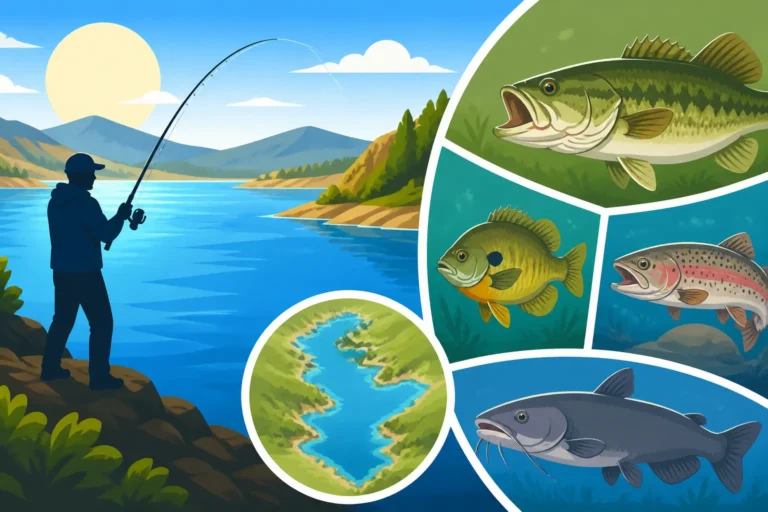
Lake Berryessa is renowned for its diverse fishery, offering something for every angler. While some lakes specialize in one or two species, Berryessa truly provides a smorgasbord, from hard-fighting bass to delicious panfish. Knowing what you're likely to hook into is half the battle, and here, you've got excellent chances at several favorites.
Largemouth and Smallmouth Bass: The Top Predators
When you think of Lake Berryessa fishing, bass often come to mind first, and for good reason! The lake boasts healthy populations of both largemouth and smallmouth bass, alongside an impressive number of spotted bass. These aggressive predators thrive in the lake's diverse habitat, which includes rocky points, submerged timber, coves, and varying depths.
Largemouth bass are often found lurking in shallower, cover-rich areas, especially around submerged brush, tules, and rock piles. They love ambush points, so if you're working a jig or a Texas-rigged worm near cover, you're in their wheelhouse. Anglers consistently pull out decent-sized largemouth here, with trophies in the 5-10 pound range not uncommon, especially during the spring spawn. On the other hand, smallmouth bass prefer rocky bottoms, ledges, and deeper, clearer water. They're often found further offshore or near main lake points. Smallmouth are known for their incredible fighting power, often jumping and pulling hard, making them a thrilling catch on light tackle. Spotted bass, similar to smallmouth in their love for rocky structure, are typically found throughout the lake and can be quite numerous, providing consistent action. Understanding the nuances of California Bass Fishing Regulations is crucial, as limits and sizes can vary, ensuring sustainable fishing for these prized species.
Trout and Other Game Fish: Diverse Opportunities
While bass might steal some of the spotlight, Lake Berryessa is also a fantastic destination for trout fishing. Rainbow trout are regularly stocked by the CDFW, especially during the cooler months, providing excellent opportunities for both boat and shore anglers. These trout thrive in the deeper, cooler waters of the lake, especially in the main body and near the dam. Trolling with spoons, stickbaits, or even simply still-fishing with power bait or worms can yield great results. For those seeking a challenge, brown trout are also present, though in smaller numbers, and tend to be larger and more elusive, often requiring more finesse.
Beyond trout and bass, Lake Berryessa hosts a strong population of other popular game fish. This includes numerous channel catfish, which can grow to impressive sizes and offer a powerful fight, especially in the warmer months. Catfish are often found in deeper channels or muddy areas, and they readily take a variety of baits, from stink baits to cut anchovies. Anglers interested in a mixed bag will appreciate the diversity, but always remember to consult the California Trout Limits and Regulations to ensure you're fishing legally and sustainably.
Catfish, Crappie, and Panfish: Consistent Action
For those looking for consistent action, or perhaps a great day out with the family, the panfish and catfish populations in Lake Berryessa are fantastic. Crappie, specifically black crappie, are abundant and can provide fast-paced fishing, especially during their spawning season in spring when they move into shallower coves and brushy areas. They're a blast to catch on light tackle, often hitting small jigs, minnows, or even tiny spinnerbaits.
Bluegill and redear sunfish are also prevalent throughout the lake, offering endless fun for kids and adults alike. These sunfish are often found near docks, submerged trees, or weed beds, and they'll happily gobble up small worms, crickets, or bits of bread under a bobber. And let's not forget those channel catfish! As mentioned earlier, they provide a different kind of fight and are excellent table fare. They're a great target for evening or night fishing, particularly during the summer when they become more active. The variety of these species means that even on a slow day for bass or trout, you can usually find something willing to bite, making Lake Berryessa a truly versatile fishing destination.
| Fish Species | Best Baits/Lures | Prime Season | Preferred Habitat |
|---|---|---|---|
| Largemouth Bass | Jigs, Plastic Worms, Crankbaits | Spring, Fall | Submerged cover, tules, rocky points |
| Smallmouth Bass | Drop-shot, Tubes, Small Crankbaits | Spring, Summer | Rocky ledges, main lake points, deeper water |
| Spotted Bass | Swimbait, Dropshot, Spinnerbaits | All year (peaks spring/fall) | Rocky banks, coves, submerged structure |
| Rainbow Trout | PowerBait, Worms, Trolling Lures | Winter, Spring, Fall | Main lake body, deeper, cooler water |
| Channel Catfish | Stink Bait, Cut Bait, Nightcrawlers | Summer, Fall | Deeper channels, muddy bottoms, coves |
| Crappie | Small Jigs, Minnows | Spring | Brushy coves, submerged timber |
| Bluegill/Sunfish | Worms, Crickets, Bread | Spring, Summer | Docks, weed beds, shallow cover |
Proven Strategies for Angling Success on Berryessa
Getting on the water at Lake Berryessa is one thing; consistently catching fish is another. It takes a blend of understanding the species, knowing the lake's structure, and employing the right techniques. From casting from the bank to trolling the open water, there's a strategy for every angler here.
Mastering Bass Techniques: Lures, Baits, and Structure Fishing
For bass anglers, Lake Berryessa is a dream come true, but success often hinges on adapting your approach. When it comes to largemouth bass, especially in spring during their pre-spawn and spawning phases, focusing on shallower coves and protected areas is key. Target visible cover like submerged trees, brush, or rocky banks. I've had incredible days throwing spinnerbaits or ChatterBaits into these areas, covering water quickly to find active fish. Once you locate them, slowing down with a Texas-rigged creature bait or a weighted Senko often seals the deal. The bite can be aggressive, so be ready! For a more in-depth look, check out our guide on How to Fish for Largemouth Bass in California.
Smallmouth and spotted bass, while often coexisting with largemouth, tend to prefer rockier, deeper structures. Drop-shotting a small worm or creature bait on points and ledges in 20-40 feet of water is a highly effective technique, especially during the summer months when fish move deeper. Another killer strategy is using small swimbaits or tube jigs fished along rocky bluffs. These bass are notorious for hitting hard and putting up a spectacular fight. Don't be afraid to experiment with different depths and retrieve speeds until you find what they're keying in on. Sometimes, a slow, methodical drag is what they want; other times, a more erratic, jigging motion triggers a strike.
Targeting Trout and Other Species: Trolling, Bait, and Fly Fishing
Trout fishing on Lake Berryessa offers a different pace but can be just as rewarding. Trolling is arguably the most popular and effective method, especially for rainbow trout. Using a downrigger or lead core line to get your lure to the desired depth is crucial, as trout often hold in cooler water. Popular lures include Needlefish, Speedy Shiners, or small Rapalas in various colors, often tipped with a piece of worm or corn for added scent. Trolling at speeds between 1.5 to 2.5 mph typically works well, focusing on the main lake body, particularly the deeper sections near the dam or where the creek channels run. For more general advice, consider our tips on California Trolling Tips and Techniques.
For those who prefer a more relaxed approach, bait fishing from shore or anchored boats can be highly effective for trout and catfish. PowerBait, marshmallow-worm combos, or even just nightcrawlers fished off the bottom with a sliding sinker rig can entice hungry trout. Target areas near stocked access points or drop-offs. For channel catfish, especially in the warmer months, cut bait (like anchovies or mackerel), chicken livers, or commercial stink baits fished on the bottom in deeper coves or creek channels after dusk can lead to some monster hook-ups. Crappie and bluegill will readily take small jigs, minnows, or bits of worm under a bobber in shallower, brushy areas or around docks.
Bank Fishing and Kayak Fishing Approaches
Not everyone has a fancy bass boat, and that's perfectly fine! Lake Berryessa offers fantastic opportunities for bank anglers and kayak fishermen. For bank fishing, focus on accessible areas near public parks, campgrounds, or designated fishing access points. Spanish Flat Recreation Area, Oak Shores, and Markley Cove are good starting points. During the spring, many bass and panfish move into shallower water, bringing them within casting range of the shore. Use jigs, small crankbaits, or bait like worms and PowerBait. Keep an eye out for submerged structure or changes in bottom contour that indicate fish-holding areas.
Kayak fishing provides a wonderful blend of accessibility and stealth. It allows you to reach many of the same coves and points that bigger boats can, but with less disturbance and often in shallower water that larger vessels can't navigate. This is particularly effective for targeting bass in tight, brushy coves or for quietly stalking trout along rocky shorelines. Paddle-powered kayaks from brands like Hobie or Old Town allow for hands-free fishing, which is a huge advantage. You can effectively use all the bass and trout techniques mentioned earlier, just on a smaller, more intimate scale. Just remember safety: always wear your personal flotation device (PFD) and be aware of boat traffic, especially in busy channels.
Unlocking Berryessa's Hotspots: Where to Cast Your Line
Lake Berryessa is immense, and simply pointing a finger at a map and saying "fish here" isn't going to cut it. The key to consistent success lies in understanding the lake's geography and identifying the types of areas that hold fish throughout the seasons. Like any large body of water, fish move with water temperature, forage, and spawning cycles.
Main Lake Features and Their Fish Holding Potential
The main lake body of Berryessa, particularly the vast open water areas, is often overlooked by bass anglers, but it's crucial for trout and deeper-water bass. The central channel, where Putah Creek once flowed, creates a significant depth variation that can hold schooling fish. Trolling the main lake is often the most effective method here, especially for rainbow trout that cruise the cooler, open waters. Look for baitfish schools on your sonar; where there's bait, there are often predators.
The dam area itself, the Monticello Dam, is another significant main lake feature. The deep water near the dam can be a fantastic spot for trout and even large brown trout, especially during cooler months. However, access directly at the dam might be restricted, so always check local regulations. For bass, main lake points that drop off quickly into deep water can be excellent, particularly for smallmouth and spotted bass. These points act as natural highways for fish, offering both feeding opportunities and quick access to deep-water safety. Consider using your electronics to find submerged humps, ledges, and rock piles away from the immediate shoreline in these areas.
Coves, Creeks, and Points: Seasonal Sanctuaries
This is where the real magic happens for many anglers. Lake Berryessa is riddled with countless coves, inlets, and creek arms, each offering unique fishing opportunities depending on the season. In spring, when water temperatures begin to rise, the shallower, protected coves are prime spawning grounds for largemouth bass and crappie. Look for coves with muddy or sandy bottoms, especially those with submerged brush or laydowns. These areas warm up faster and provide cover for bedding fish. This is often the best time to connect with trophy-sized bass.
Throughout the summer, fish will move in and out of these coves, often retreating to deeper water during the heat of the day but returning to feed in the mornings and evenings. Creeks that feed into the lake, even if they're just trickles, can also be fish magnets, especially after a rain event which can wash in nutrients and attract baitfish. Major creek arms like Capell Creek or Pope Creek offer extended stretches of fishable water with varied structure. Finally, rocky points are consistently productive. Whether it's a main lake point or a point inside a cove, these structures act as current breaks and ambush points for all species of bass, as well as holding trout. Experiment with different depths and approaches on points, as fish might be holding high in the water column or tight to the bottom. For a broader perspective on good spots, check out our guide on the Best Lakes to Fish in California.
Public Access and Launch Ramps
Ensuring you have reliable access to the lake is paramount for a successful trip. Lake Berryessa offers several well-maintained public and privately run launch ramps. On the west side, Pleasure Cove Resort & Marina (managed by the National Park Service concessionaire, which is a great resource) offers multiple launch lanes, ample parking, and boat rentals. This area also provides easy access to the main body and numerous coves. Markley Cove Resort, further south, is another popular launch point, known for its convenience and amenities.
On the east side, Steele Park Resort offers similar facilities and is often a good option if you're coming from the Sacramento area. Spanish Flat Recreation Area also provides public access, camping, and boat launching. It’s always a good idea to check the specific resort or recreation area websites before you go, as conditions (like water levels impacting ramp use) and operating hours can change. Some smaller, unimproved access points might exist, but they often require 4×4 vehicles or are only suitable for kayaks and canoes. If you're planning a trip and want to explore options or even book a guided tour, platforms like FishingBooker can help you find local guides departing from these various access points, ensuring you get the most out of your visit without the guesswork.
Navigating the Seasons: Best Times to Fish Lake Berryessa
The ever-changing seasons in California have a profound impact on fishing, and Lake Berryessa is no exception. Understanding these seasonal shifts and how they affect fish behavior is key to consistently filling your cooler or just enjoying a productive day on the water. What works in spring won't necessarily work in summer, and vice-versa.
Spring: Pre-Spawn and Spawn Frenzy
Ah, spring! This is arguably one of the most exciting times to fish Lake Berryessa, especially for bass anglers. As the water temperatures climb into the 50s and 60s Fahrenheit, largemouth, smallmouth, and spotted bass begin their annual migration into shallower coves and protected bays for their pre-spawn and spawning rituals. This is when they are at their most active and aggressive, feeding heavily to build energy for the spawn. Look for visible beds in clear, shallow water.
During the pre-spawn, fish will stage on points and ledges just outside these spawning flats. Crankbaits, jerkbaits, and spinnerbaits are excellent for covering water and triggering strikes from these active, hungry fish. Once the water hits the mid-60s, bass move onto beds. At this point, sight-fishing with plastics like Senkos, flukes, or creature baits can be incredibly effective. Remember, while it's tempting to target bedding fish, practicing catch and release, especially for the larger females, helps ensure future generations of bass. Trout fishing also remains strong in spring, with recently stocked fish providing plenty of action. For a broader look at what to expect across the state, consider our guide on California Fishing in Spring.
Summer: Deep Water and Early Morning Bites
When the scorching California summer heat arrives and water temperatures soar into the 70s and 80s, the fishing changes dramatically. Many fish, especially bass, retreat to deeper, cooler waters to escape the heat and find more stable oxygen levels. This doesn't mean fishing shuts down, but it requires adjusting your tactics. For bass, focus on main lake points, deep rocky bluffs, and submerged islands. Drop-shotting, deep-diving crankbaits, and slow-pitch jigs become go-to presentations. The bite often slows during the middle of the day, making early mornings and late evenings the prime windows for action. Topwater lures can be incredibly effective during these low-light periods, as bass will often come up from deeper water to feed.
Trout fishing in summer also shifts. The surface waters become too warm for them, so they'll seek out the thermocline – a layer of rapidly changing temperature – in deeper parts of the main lake. This is when downriggers become essential for trollers, allowing you to present lures at specific depths where the trout are holding. Catfish, on the other hand, love the warm water! Summer evenings and nights are prime for targeting channel catfish in deeper coves or creek channels with stinky baits. This period provides an excellent chance to catch quality fish, but perseverance and adaptability are key.
Fall & Winter: Transition and Cooler Water Tactics
As summer fades into fall, and water temperatures gradually cool down, Lake Berryessa experiences another fantastic fishing period. This is often a "transition" time, with fish becoming highly active as they feed aggressively in preparation for winter. Bass move shallower again, chasing baitfish that are pushed by cooling water. Jerkbaits, spinnerbaits, and jigs can be highly effective around points, creek mouths, and the backs of coves. The bite can be explosive, as bass are often schooling and competing for food. This can easily be one of the Best Season for Bass in California.
Winter, while often overlooked by fair-weather anglers, can provide some incredible opportunities, especially for big fish. The colder water temperatures (down into the 50s) mean fish are less active, but they still need to eat. Bass fishing becomes a game of patience and finesse. Slow-rolling spinnerbaits, dragging jigs, or using finesse techniques like drop-shotting in deeper areas (20-60 feet) can produce fewer but often larger fish. Trout fishing, bolstered by winter stockings, becomes excellent again. Trolling the main lake at slow speeds or bait fishing from shore with PowerBait can lead to consistent catches. Always check the comprehensive California Fishing Seasons: Month-by-Month Guide to plan your trips effectively throughout the year.
Essential Gear, Licenses, and Responsible Angling
Before you even think about putting a line in the water at Lake Berryessa, you need to be prepared. This isn't just about having the right tackle; it's about understanding the rules, having the necessary permits, and ensuring you're contributing to the health of the fishery for years to come.
Must-Have Tackle and Equipment Recommendations
The gear you bring will largely depend on what species you plan to target, but a versatile setup can cover most bases. For bass fishing, a medium-heavy baitcasting rod (6'6" to 7'6") paired with a reliable reel spooled with 12-17lb fluorocarbon or monofilament line is a great all-around choice. This setup can handle everything from jigs and plastic worms to spinnerbaits and crankbaits. For finesse techniques, a medium-light spinning rod (6'6" to 7') with 6-10lb fluorocarbon is ideal for drop-shotting, shaky heads, or lighter plastics. Don't forget a variety of lures! You'll want a good selection of soft plastics (worms, creature baits, Senkos), jigs (football, skipping), crankbaits (diving and shallow-running), spinnerbaits, and a few topwater plugs. Brands like Gary Yamamoto, Z-Man, and Strike King are popular choices among Berryessa regulars.
For trout fishing, a light to medium-light spinning rod (6' to 7') with 4-8lb monofilament or fluorocarbon is perfect. A selection of PowerBait (in various colors like garlic or rainbow), inflated nightcrawlers, and small trolling lures (like Kastmasters, Thomas Buoyants, or Apex Trolling Lures) will set you up for success. If you're going after catfish, a stout medium-heavy rod with 15-25lb monofilament is recommended, along with a sturdy hook and some strong-smelling bait. Always carry a net, a pair of pliers for hook removal, a tape measure, and a camera to capture those memorable catches!
Understanding California Fishing Regulations
This is not a suggestion; it's a requirement. Before you cast your first line, you absolutely need to understand the California Fishing License Guide and the specific regulations for Lake Berryessa. Every angler 16 years or older needs a valid California fishing license. You can purchase these online through the CDFW website, at authorized license agents like most sporting goods stores (think Bass Pro Shops or Big 5 Sporting Goods), or even some local tackle shops around the lake. Make sure to have it on your person, either digitally or physically, at all times while fishing.
Beyond the license, you must familiarize yourself with bag and size limits for each species. These regulations are designed to protect fish populations and ensure healthy fisheries for everyone. For instance, bass often have a minimum size limit and a daily bag limit, while trout might have different limits depending on if they are wild or hatchery-stocked. Sometimes there are even special regulations for specific waters or seasons. Ignoring these rules isn't just irresponsible; it can lead to hefty fines. Take the time to review the most current California fishing regulations booklet before each season, as rules can change annually.
Hiring a Guide and Conservation Efforts
If you're new to Lake Berryessa or simply want to maximize your chances of success, hiring a local fishing guide can be an invaluable investment. These professionals spend countless hours on the water and understand the lake's nuances, seasonal patterns, and where the fish are holding. They can teach you local techniques, put you on fish quickly, and even provide all the necessary gear. Platforms like FishingBooker are excellent for finding reputable guides in the Lake Berryessa area, offering a range of trips from bass-specific outings to multi-species adventures. A guide trip often cuts down on the learning curve, turning a potentially frustrating day into a highly productive and enjoyable experience. For more information on finding the right fit, see our California Fishing Charters: Complete Guide.
Beyond catching fish, responsible angling is about ensuring the sustainability of the resource. This includes practicing catch and release for larger breeding fish, especially bass, to help maintain healthy populations. If you plan to keep fish for consumption, only keep what you'll eat and always adhere strictly to bag and size limits. Proper handling of fish you release is also crucial; wet your hands before touching them, minimize their time out of water, and use de-barbed hooks when possible to reduce stress. Pack out everything you pack in, and never leave trash or discarded fishing line behind. By being mindful and respectful of the environment, we can all help preserve Lake Berryessa as a phenomenal fishing destination for generations to come.
Disclaimer
Please note that fishing regulations, conditions, and fish populations can change. Always consult the latest California Department of Fish and Wildlife (CDFW) regulations booklet and check local conditions before planning your trip. This guide is for informational purposes only and does not constitute official legal advice regarding fishing regulations.