Best Baits and Lures for Lingcod in California
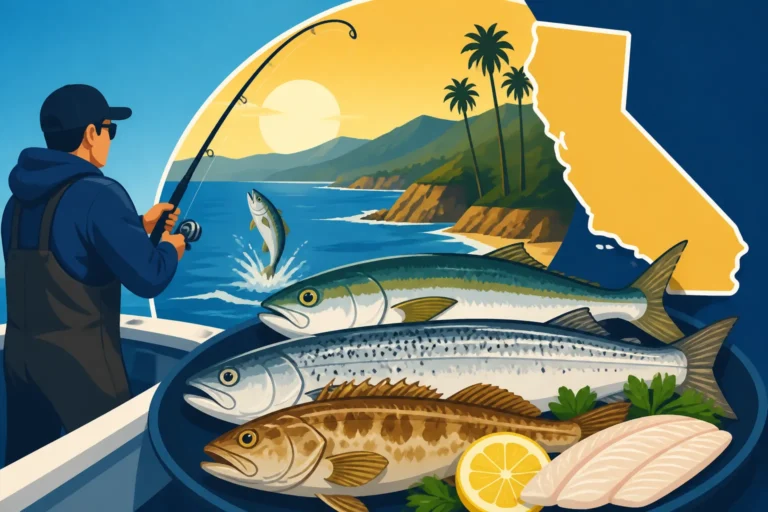
Staring down at a depth sounder showing a rocky reef two hundred feet below while everyone else on the deck seems to be hooked up can test anyone’s patience. Lingcod are voracious, aggressive apex predators, but when your presentation sits just a couple of feet out of their strike zone or lacks the right scent and profile, these toothy bottom-dwellers will ignore your line completely. This comprehensive guide breaks down the most effective artificial lures, live offerings, and dead baits for targeting California lingcod, detailing exact rigging strategies to turn slow drifts into productive trips.
Top Artificial Lures for California Lingcod
When drop-testing lures into jagged structure, artificials offer one major advantage over natural bait: durability. Lingcod possess rows of sharp, backward-pointing teeth designed to crush crustacea and reef fish. Soft plastics and heavy metal jigs allow you to stay in the strike zone longer without losing your offering to smaller reef fish peckers like starry rockfish or perch. Understanding how different artificial profiles behave under varying drift speeds is essential for trigger strikes from aggressive structure-bound lings.
Large Soft Plastics and Heavy Swimbaits
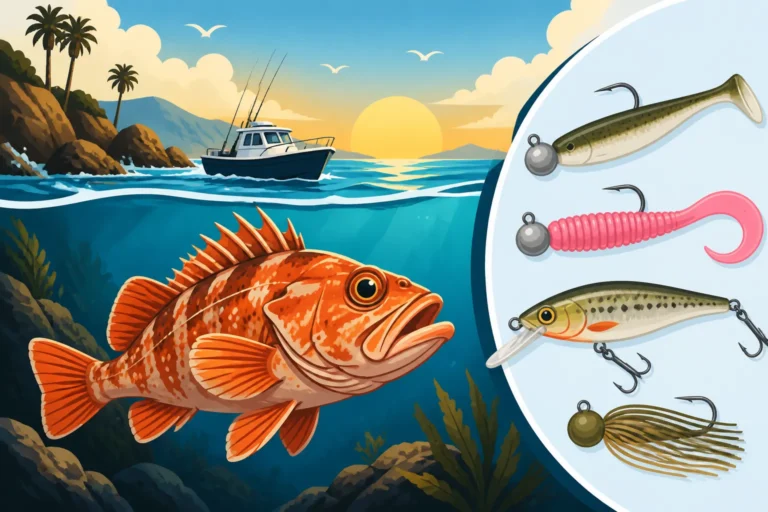
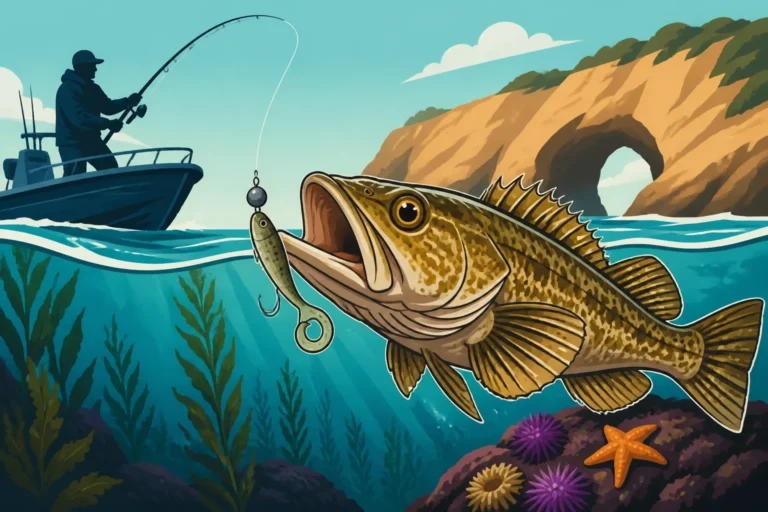
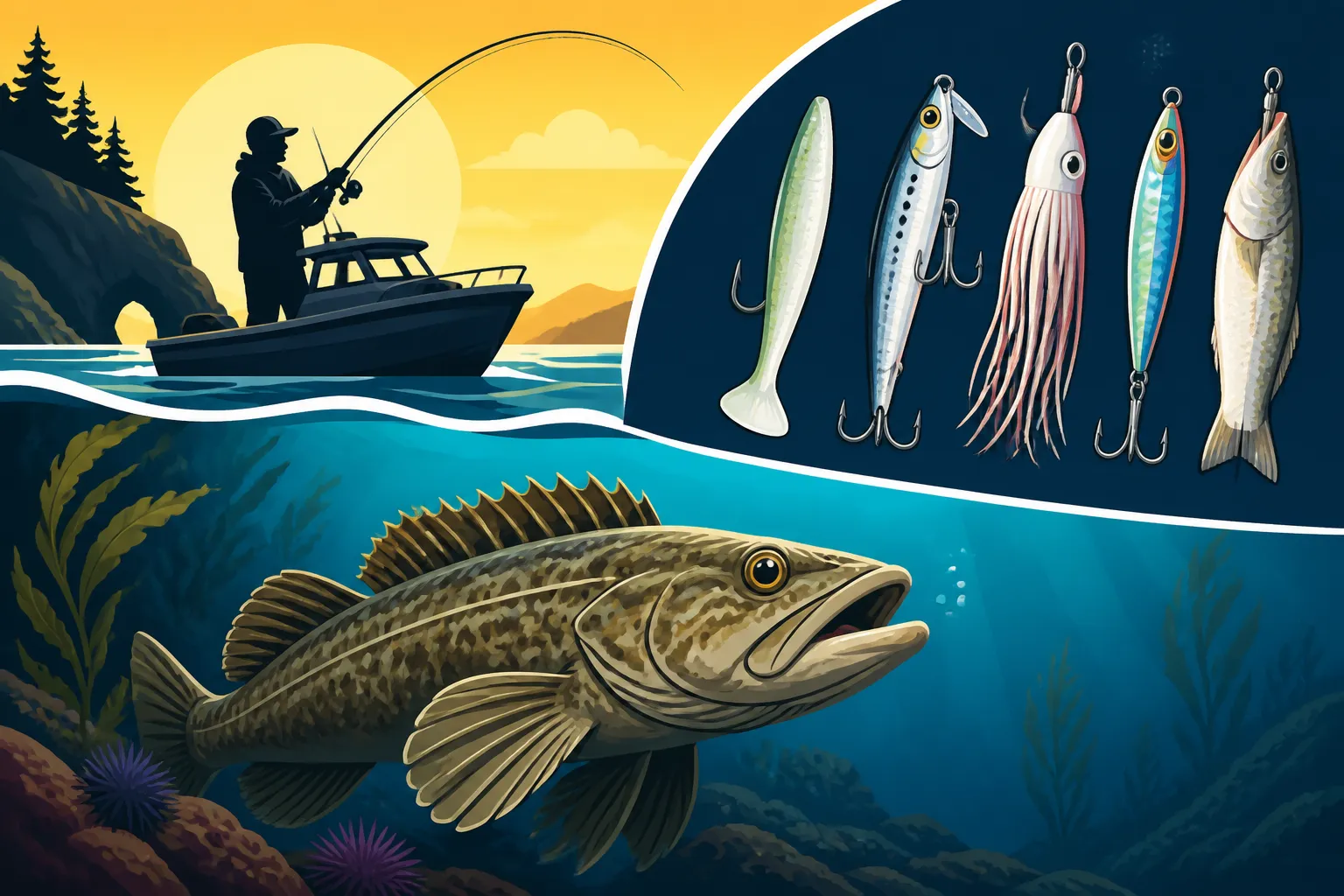
Big soft plastic swimbaits paired with heavy lead jigheads remain the gold standard for artificial lingcod fishing along the Pacific coast. A six-inch to ten-inch paddle tail swimbait creates significant low-frequency water displacement that lingcod feel through their lateral lines long before they see it in dim, deep water. Glowing colors, root beer, bright chartreuse, and white-and-red combinations tend to outperform subtle natural tones in dark offshore water.
When fishing swimbaits, weight selection is critical. You must maintain direct vertical contact with the seafloor. If your line scope exceeds a thirty-degree angle due to current or wind drift, your bait will lift out of the bottom two to five feet where big lings ambush prey. A heavy head—typically anywhere from four to twelve ounces depending on current depth—keeps your paddle tail thumping just inches off the rocks. If you are gearing up at home before heading to the coast, ordering heavy jigheads and soft plastics in bulk from Amazon can save you a bundle compared to buying single packs at coastal tourist marinas.
Technique matters just as much as weight. Drop the swimbait all the way to the bottom, reel up two turns to clear the highest rock pinnacles, and slowly lift your rod tip three to four feet before letting the lure fall back down on a semi-slack line. Most lingcod hit on the drop. If you feel a sudden heavy thud or a subtle weightlessness, set the hook hard to drive the thick gauge hook through the lingcod’s boney mouth. For more insights on ocean fishing tactics and location choices, review our guide on How to Target Lingcod on Reefs.
Vertical Diamond Jigs and Heavy Metal Irons
When current speeds increase or when you are fishing depths exceeding two hundred feet, soft plastics can drag and drift too far behind the boat. Heavy vertical metal jigs—such as classic diamond jigs, chrome pipe jigs, and heavy torpedo irons—descend rapidly through the water column, getting you back down to the target zone faster than any other lure type.
Metal irons rely on flash, speed, and flutter to trigger reaction strikes. Chrome, solid white, and hammered copper finishes mimic fleeing forage like market squid, herring, or juvenile rockfish. To work a vertical iron effectively, drop it until it hits bottom, instantly reel up three feet, and begin rhythmic pitch-jigging. Snap the rod tip upward sharply, then lower the rod tip quickly enough to allow the jig to flutter horizontally on the descent without creating so much slack that you miss a strike.
Because metal jigs feature heavy trebles or assist hooks, they can easily snag in high-relief granite structure or kelp holdfasts. To mitigate snagging, many veteran anglers swap out bottom treble hooks for a single large inline hook or attach a pair of braided assist hooks to the top ring of the jig. Make sure to stay informed on local depth and boundary regulations by consulting the California Nearshore vs Offshore Rockfish Rules.
Slow-Pitch Jigs and Flutter Lures
Slow-pitch jigging has revolutionized bottom fishing along the California coast, offering a highly technical and extraordinarily effective alternative to heavy power-jigging. Slow-pitch jigs are asymmetrical metal lures weighted to slide horizontally, flutter, and drop erratically like an injured baitfish dying directly in front of a predator’s lair.
Unlike traditional speed jigs that require vigorous, high-energy rod snaps, slow-pitch jigging relies on specialized parabolic rods and slow reel cranks to let the jig do the work. The jig falls slowly through the bottom ten feet of the water column, giving sluggish or non-aggressive lingcod ample time to inspect and inhale the lure. Bright zebra-glow patterns, pinks, and silver foil patterns excel in deep water conditions.
When using slow-pitch methods, assist hooks dressed with reflective tinsel or silicone skirts add extra visual movement that triggers territorial strikes. Because you drop these jigs directly into jagged underwater structure, keeping extra terminal tackle on hand is mandatory. Finding large 8 to 10-inch paddle tails and specialized flutter jigs in specific glow-in-the-dark or UV colors can sometimes be tricky at local shops late in the season, making online retailers like Amazon a reliable backup for building out your tackle box.
| Lure / Bait Type | Target Depth | Optimal Drift Speed | Primary Target Size |
|---|---|---|---|
| Paddle Tail Swimbaits | 50 – 200 feet | 0.5 – 1.2 knots | Medium to Trophy Lings |
| Diamond / Pipe Jigs | 150 – 300+ feet | 1.0 – 2.5 knots | Schoolie to Large Lings |
| Slow-Pitch Flutter Jigs | 80 – 250 feet | 0.3 – 1.0 knots | All Sizes (High Action) |
| Live Mackerel / Squid | 30 – 200 feet | 0.2 – 0.8 knots | Trophy Monster Lings |
| Cut Frozen Baits | 60 – 250 feet | 0.5 – 1.5 knots | Small to Medium Lings |
Best Live and Dead Natural Baits for Big Dragon Lingcod
While artificial lures cover ground fast and survive aggressive bites, nothing catches giant “gator” lingcod quite like real bait. Lingcod are opportunistic feeders capable of swallowing prey nearly half their own body length. Utilizing fresh or live natural baits appeals directly to their instincts of scent, sound, and visual presence, often tempting the largest, most cautious females out of deep rock crevices.
Live Bait Rigging: Mackerel, Squid, and Rockfish
If your goal is catching a trophy-sized lingcod, live bait should always be your top choice. Pacific mackerel, Spanish mackerel, live market squid, and legally retainable small rockfish (such as sanddabs) make up the ultimate menu for heavy bottom predators. Lingcod will stalk a struggling, distress-emitting live bait with ruthless precision.
Rigging live bait requires a delicate balance between keeping the bait alive and securing it well enough to survive a rapid descent into deep water. A standard live bait rig features a heavy three-way swivel or a trap-rig layout:
* A main line tied to a heavy-duty barrel or three-way swivel.
* A weight drop line (twelve to eighteen inches) made of lower pound-test line so it snaps off if caught in rocks.
* A long fluorocarbon leader (three to five feet) snelled to a large 6/0 to 8/0 J-hook or circle hook.
When using live mackerel or sanddabs, pass the hook through the upper lip or nose bridge to keep the mouth open, allowing water to flow naturally over the gills while trolling or drifting. When live market squid is available, pin a pair of squid through the tip of their mantles. The jetting action and pulsating tentacles of live squid create an irresistible target. Make sure you are familiar with overall size boundaries and possession restrictions by reading California Lingcod Regulations and Limits.
Frozen and Cut Baits That Trigger Strikes
When live bait is unavailable or difficult to catch on the way to the reef, fresh-frozen bait acts as a reliable substitute. Frozen Pacific herring, anchovies, sardine slabs, market squid, and octopus tentacles release a heavy scent trail down-current, drawing lingcod out from low-relief structure where visibility is limited.
To prevent delicate frozen baits like sardines or herring from washing out or tearing off the hook during a deep drop, wrap them tightly with elastic bait thread. Alternatively, combine a sturdy scent carrier—like a long strip of squid mantle or a tough octopus tentacle—with your metal jig or swimbait head. This hybrid approach gives you the heavy action and rapid sink rate of an artificial lure combined with the organic scent trace of real bait.
When utilizing cut bait on traditional dropper loops, cut long, tapered pennant strips from fish skins or squid. The wide end hooks onto your rig, while the thin, fluttering tail dances frantically in the drift current, mimicking a wounded baitfish trailing blood.
Double-Rigging Techniques and Hitchhiker Tactics
One of the most fascinating phenomena in lingcod fishing is the “hitchhiker.” Lingcod are notoriously aggressive and possessive over food. It is remarkably common for a smaller rockfish—such as a greenstripe, chilipepper, or blue rockfish—to swallow your dropper-loop bait, only for a giant lingcod to grab that rockfish on the way up and refuse to let go all the way to the surface.
Because lingcod will bite down on a hitchhiked rockfish without actually being hooked, anglers frequently lose these large fish at the boat when the ling simply opens its mouth and drops back into the ocean. To combat this, utilize dedicated double-rigs or hitchhiker setups:
- Trap-Hook Rigs: Attach a primary nose hook to your live bait, accompanied by a trailing treble or small sting-hook lightly embedded near the tail.
- Heavy Leadhead with Trailer: Thread a whole squid or dead herring onto a heavy leadhead hook, then attach a secondary trailer hook on a short braid trace tucked near the back of the bait.
- Patience on the Retrieve: When reeling up a heavy weight that suddenly feels like snagged waterlogged timber, do not pump the rod violently. Reel with smooth, continuous pressure. Keep the lingcod submerged until a net or gaff is positioned underneath, as the fish will usually hold on until it hits the air-water barrier.
To learn more about maximizing your catch during peak seasonal pushes, consult our article on the Best Season for Lingcod in California.
Tactical Rigging and Gear Setup for Maximum Hookups
Having the correct bait or lure is only half the battle when targeting lingcod in California’s rough coastal waters. Lingcod inhabit abrasive underwater environments—granite pinnacles, jagged shale ledges, submerged wrecks, and heavy bull kelp systems. Without balanced tackle, proper line selection, and responsive terminal components, even the best presentation will end in snapped lines and lost gear.
Terminal Tackle, Leader Selection, and Bottom-Bouncing
To successfully haul a stubborn lingcod out of its rocky lair before it wraps your line around a boulder, you need gear built for leverage and abrasion resistance. Braided main line is non-negotiable for modern lingcod angling.
- Main Line: 50lb to 65lb test low-stretch braid provides minimal water drag in deep currents and zero line stretch, allowing immediate detection of soft bites at depths over two hundred feet.
- Leader: 40lb to 60lb test fluorocarbon or hard monofilament shock leader, usually four to six feet in length. Fluorocarbon resists grating against sharp rocks and lingcod teeth much better than soft braid.
- Connections: Heavy-duty barrel swivels and strong coast-lock snaps speed up lure changes when conditions shift from slow drifts to heavy current. For heavy monofilament and fluorocarbon shock leaders, stocking up on multi-hundred-yard spools from Amazon ensures you always have fresh leader line sitting in your tackle bin.
When fishing bottom-bouncing rigs, always build a “breakaway sinker loop.” Tie your heavy torpedo or bank sinker to the bottom of your rig using a short piece of lower test monofilament (such as 15lb or 20lb test). If your lead weight lodges tightly into a granite crevice while fighting a large fish, the lighter weight line will break away under strain, leaving your main leader intact so you can successfully land the hooked lingcod. Don’t forget to pack heavy-duty terminal snaps and assist hooks, which you can easily source through Amazon to ensure your rigs stand up to sharp teeth.
If you are just getting started or prefer guided assistance, check out our guide on how to choose options for California Party Boat Fishing Explained or learn general tactics with How to Catch Lingcod in California.
Seasonal and Regional Adaptations Across California Waters
Lingcod behavior and location vary significantly depending on whether you are fishing Northern, Central, or Southern California waters. Environmental factors like water clarity, drift speed, and prey availability dictate how you should adjust your bait choices throughout the year.
In Northern California—from the Oregon border down through Mendocino and the Bay Area—waters are cool, nutrient-rich, and often feature heavier surge and reduced visibility. Large glow-in-the-dark soft plastics, loud chatter-jigs, and heavy scent-infused cut baits excel in these darker waters. Anglers fishing these zones should review local parameters under the California Rockfish Rules in the North Coast Management Area.
Central Coast waters around Monterey Bay, Morro Bay, and San Simeon offer expansive rocky reefs and deep offshore banks. Here, slow-pitch jigging and live sanddab or mackerel fishing yield outstanding catches of mid-size to trophy lings. If you are drifting the productive Central Coast reefs, review specific area guidelines detailed in California Rockfish Rules in the Central Management Area.
In Southern California, including the Channel Islands, lingcod often co-exist with target species like yellowtail and calico bass in relatively shallower kelp-adjacent structure. Lighter swimbaits, iron jigs, and live sardines fished on slider rigs or bounce-ball setups perform exceptionally well. Always check local regional variations before launching by reviewing California Fishing Regulations by Region and pair your presentation with insights from Best Baits and Lures for Rockfish in California to maximize your overall daily harvest.
By matching your bait choice to the specific depth, drift speed, and water conditions—and pairing it with robust terminal tackle—you can consistently fool one of California’s premier bottom predators and fill your freezer with delicious lingcod fillets.
Disclaimer
This article is for general informational purposes only and does not constitute professional advice. Laws, prices and regulations vary by location and change over time. Consult a qualified professional for guidance on your specific situation.