Best Baits and Lures for Rockfish in California
Trying to figure out which bait or lure to tie on when you're targeting rockfish in California can feel like a real head-scratcher. With so many different species and varying ocean conditions, it's easy to get overwhelmed and wonder if you're making the right choice. This guide is going to strip away the confusion and give you the down-low on the best, most effective baits and lures to help you fill your cooler with those delicious rockfish.
Understanding California Rockfish and Their Habitat
Before we even talk about what to put on your hook, it's super important to understand what kind of fish we're dealing with and where they like to hang out. California's coast is teeming with rockfish, and while they share a name, they're incredibly diverse.
Diverse Species and Their Preferences
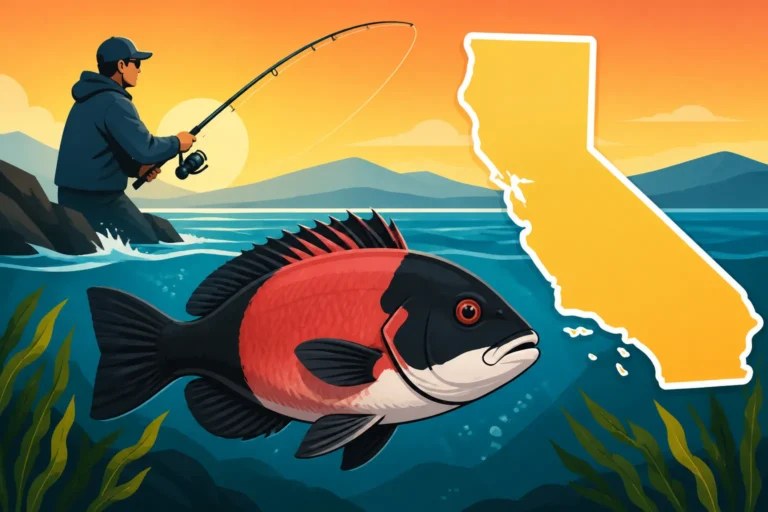
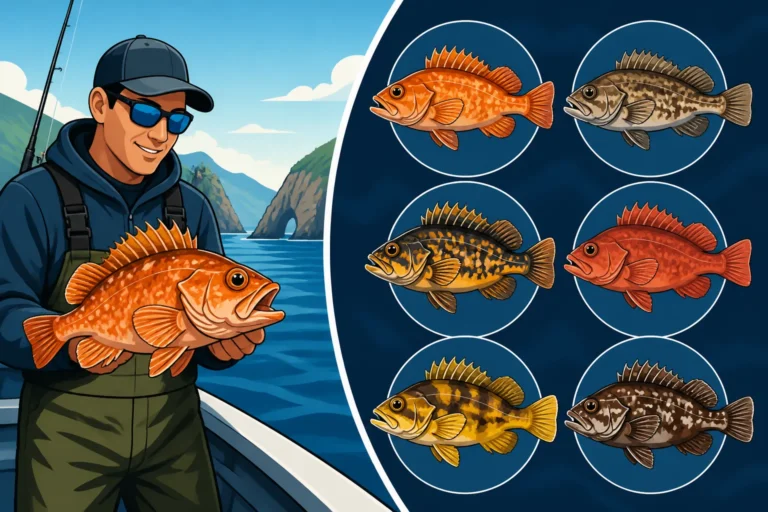
When someone says "rockfish" in California, they're talking about a whole family of fish, the Sebastes genus, which includes over 60 different species in our waters alone! You've got everything from the brightly colored vermilion rockfish, also known as "reds" or "red snapper" by many anglers, to the dark and cryptic gopher rockfish, and the sleek bocaccio that often feed higher in the water column. Each of these species, while generally bottom-dwellers, might have slight preferences based on their size, typical diet, and even the specific structure they call home.
For instance, smaller rockfish like greenspots or starry rockfish might be more inclined to nibble on tiny crustaceans or juvenile fish, making smaller baits and lures effective. Larger species, such as big lingcod (often caught alongside rockfish, though not a rockfish species itself) or hefty vermilions, are definitely looking for a more substantial meal. Most rockfish are ambush predators, lurking in rocky crevices, kelp forests, or along ledges, waiting for an unsuspecting meal to swim by. This means your presentation needs to get down to their level, whether that's a jagged reef offshore or a softer, rubble-strewn bottom. Understanding the bottom structure where you're fishing – whether it's a sheer rock wall or a gradual sloping rocky patch – will heavily influence how you rig up and present your offering.
Key Factors Influencing Bait Choice
Beyond the species itself, the conditions of the day play a massive role in what bait or lure will be most effective. Think about it: fishing isn't a one-size-fits-all game. The depth of the water is probably the most critical factor. Are you fishing in 50 feet of water near a coastal reef, or are you dropping down to 200-plus feet for those deeper-dwelling varieties? Deeper water means heavier weights to get your bait down quickly and keep it there, especially if there's any current.
Speaking of current, a strong drift can make lightweight presentations difficult to manage. You might need something that sinks faster or has less drag. The time of day and light conditions also matter. In bright daylight and clear water, subtle, natural colors might be best. On overcast days, or in deeper, darker water, brighter, more contrasting colors can grab attention. And, of course, what are the local baitfish doing? If there's a huge anchovy school around, matching that hatch can be incredibly productive. Keeping an eye on the local California Fishing Report Cards Explained or chat with the bait shop owner can give you a lot of clues.
Top Baits for Rockfish Success
When it comes to rockfish, sometimes the simplest, most natural offerings are the best. They're opportunistic feeders, and a well-presented natural bait can be absolutely irresistible.
Natural Baits for Enticing Bites
Let's talk about the classics. Squid is arguably the king of rockfish baits, and for good reason. It's tough, stays on the hook well, has a natural scent, and rockfish absolutely love it. You can buy it frozen at pretty much any bait shop in California. When you're rigging squid, you can use a whole small squid, or cut larger pieces into strips or chunks, making sure to pierce it multiple times with the hook to prevent it from spinning and to keep it secure. A strip of squid can be incredibly effective, fluttering enticingly as it drifts down.
Next up, we have anchovies and sardines. These oily baitfish are like candy to rockfish and many other predators. Live anchovies are incredible, but they can be tricky to keep alive and expensive to buy in bulk. However, frozen anchovies or sardines, either whole or cut into chunks (called "cut bait"), are still highly effective. For cut bait, you can slice them into 1-2 inch pieces, or even fillet a side to create a strip. The scent trail they leave is a huge draw. If you're wondering How to Catch Rockfish in California, these natural baits are often the secret weapon.
Don't forget about shrimp and crabs, especially if you're fishing in shallower, more inshore areas or targeting smaller rockfish. While less common on offshore party boats, fresh shrimp (peeled or unpeeled) or small pieces of crab can be very enticing. You might even stumble upon some in a tide pool or be able to buy them from a local seafood market. They replicate a natural part of a rockfish's diet, especially for those living closer to shore. Finally, for the bigger rockfish or when you're hoping for a bonus lingcod, mackerel strips can be a game-changer. Mackerel is a robust bait with a strong scent and oily consistency. A strip cut from the belly of a mackerel can be durable and attractive to larger predators.
Preparing and Presenting Natural Baits
The key to success with natural bait is often in its preparation and presentation. Firstly, freshness matters. While frozen squid and anchovies are standard, the fresher they are, the better. Thaw them gradually and keep them on ice to maintain their texture and scent. When you're cutting bait, think about how it will look and move in the water. Squid strips should be long enough to flutter but not so long they foul or get torn off easily. About 3-5 inches is usually a good starting point. For anchovies, a diagonal cut often works well, exposing the flesh and creating a stronger scent trail.
To keep your bait on the hook, especially when dropping into deep water or dealing with strong currents, consider using bait thread. This simple tool, easily found on Amazon or at any tackle shop, allows you to wrap and secure the bait tightly to your hook, preventing it from getting stripped off by smaller fish or the forces of the ocean. Also, don't be afraid to experiment with the size of your bait. Sometimes, rockfish are finicky and prefer smaller, more bite-sized pieces, while other times a large, juicy chunk is what gets their attention. A crucial part of successful bait fishing is getting your offering right down to the bottom where rockfish reside. This often means using enough weight to combat the current and depth, a concept you can explore further in our guide to California Rockfish Depth Restrictions.
| Bait Type | Ideal Presentation | Primary Target Size | Key Advantage |
|---|---|---|---|
| Squid | Strips, chunks, whole small | All sizes | Durable, versatile |
| Anchovies | Whole, cut bait | Small to medium | Strong scent |
| Sardines | Whole, cut bait | Small to medium | Oily, good scent |
| Mackerel | Strips, chunks | Medium to large | Robust, big profile |
| Shrimp/Crab | Peeled, small pieces | Small rockfish | Natural inshore prey |
Essential Lures for California Rockfish
While natural bait is incredibly effective, lures offer a different set of advantages, especially for active fishing and targeting specific conditions. They're durable, reusable, and can often provoke an aggressive strike when bait might be ignored.
Jigs: The Versatile Workhorses
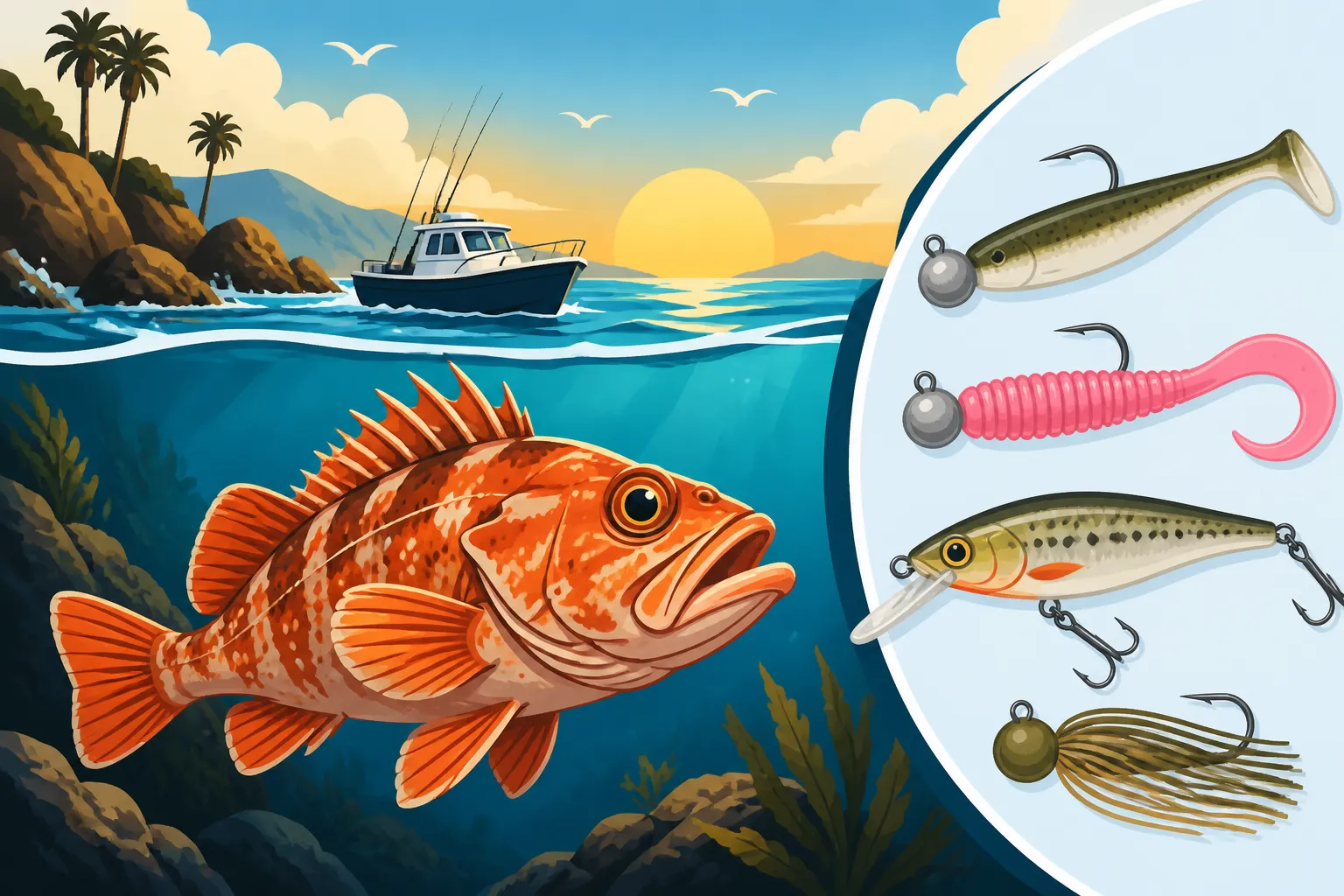
When it comes to lures for rockfish, jigs are absolute workhorses. You'll find two main categories that dominate the scene: metal jigs and leadhead jigs with soft plastics. Metal jigs, often referred to as "iron jigs," are fantastic for getting down deep quickly and mimicking fleeing baitfish. Brands like Salas, Tady, and Shimano Butterfly jigs are staples in many California angler's tackle boxes. These come in various shapes and weights, from slender, fast-dropping designs to wider, fluttering profiles.
The technique for metal jigs usually involves "yo-yoing" (dropping to the bottom and quickly reeling up, then dropping again) or "vertical jigging" (a series of lifts and drops that make the lure dart and flutter). The weight you choose is crucial; it needs to be heavy enough to reach the bottom and stay there in the current, but not so heavy that it becomes exhausting to work. You can find a wide selection of these jigs on Amazon, making it easy to stock up before your next trip. Colors matter too: chrome, blue and white, and sardine patterns are perennially popular, but don't shy away from glow-in-the-dark options for deeper, darker conditions.
Leadhead jigs with soft plastics offer incredible versatility. These consist of a weighted lead head combined with a soft, flexible plastic body, often shaped like a grub tail, swimbait, or creature bait. The beauty of soft plastics is their lifelike action and the ability to impregnate them with scent. Brands like Berkeley Gulp! and Big Hammer are incredibly popular. Gulp! baits, in particular, are soaked in a powerful scent attractant that rockfish seem to go crazy for. They come in a vast array of shapes, sizes, and colors. A common setup is a 4-6 inch swimbait or grub tail on a 1-4 ounce leadhead jig, depending on depth and current. These are typically fished by dropping to the bottom and then slowly retrieving with a series of small hops or twitches, allowing the tail to swim and flutter. The vibration and visual appeal, combined with the scent, make them incredibly effective. If you're ever looking for a quick and reliable way to get some Gulp! on hand, check out the offerings on Amazon.
Specialized Lures and Rigs
Beyond the standard jigs, there are a few specialized lures and rigs that are deadly for rockfish. The dropper loop rig is a classic for bait fishing, but it can also be incredibly effective when combined with soft plastics or small metal jigs. This rig allows you to attach multiple hooks (usually two, sometimes three depending on regulations for California Fishing Regulations Explained) at intervals above a sinker. You can bait each hook with a piece of squid, or run a combination of squid on one hook and a small grub tail or swimbait on another. This multi-hook setup increases your chances of a bite, and often leads to double or even triple hookups.
Sabiki rigs, while primarily designed for catching baitfish like anchovies and sardines, are also surprisingly effective for smaller rockfish. These rigs feature multiple small, flashy flies or tiny squids, often with reflective material, mimicking a school of small baitfish. When jigged gently, they can tempt smaller rockfish species, especially in mid-water columns. While not typically used for trophy rockfish, they can be a lot of fun, especially for kids or when the bite is tough.
For deeper water and more aggressive rockfish, flutter spoons can be very effective. These large, often brightly colored metal spoons are designed to flutter wildly on the drop and retrieve, creating a lot of flash and vibration. They don't typically have the same "jigging" action as a traditional iron jig but can be deadly when fish are keying in on larger, injured baitfish. Remember that understanding the specific rules for California Rockfish Regulations and Limits and other groundfish species, including depth restrictions and bag limits, is crucial before heading out.
Matching Baits and Lures to Conditions and Species
The real art of rockfish fishing isn't just knowing what baits and lures to use, but when and how to use them. It's about adapting to the ever-changing conditions of the ocean and the specific behavior of the fish.
Shallow vs. Deep Water Strategies
Let's break it down by depth, because that's often the biggest differentiator. When you're fishing in shallower waters, say under 100 feet, you have a lot more flexibility. Here, you can get away with lighter gear, and the fish often have better visibility, so natural presentation becomes even more critical. Live baits like anchovies, if you can get them, are absolutely phenomenal in shallower reefs and kelp beds, particularly for calico bass and bigger rockfish. Soft plastics on lighter leadheads (1-3 ounces) can be slowly worked through the kelp or along the bottom structure, mimicking a cruising baitfish or crawfish. Even whole squid on a simple dropper loop rig can be incredibly effective, allowing the bait to drift naturally. Consider checking out the California Marine Protected Areas Explained before you head out, as some shallow areas might have restrictions.
Now, shift gears to deeper water, often 100 feet down to 300 feet or more, where many of the larger vermilion and bocaccio rockfish reside. This is where heavy metal jigs truly shine. Their weight gets them down quickly, reducing drift and allowing you to stay in the strike zone longer. Jigs from 4 ounces all the way up to 10-16 ounces might be necessary depending on the current and depth. Scented soft plastics, especially Berkeley Gulp! grubs or swimbaits on heavy leadheads (4-8 ounces), are also fantastic. The scent is paramount in these dark, deep environments where visibility is limited, as the fish rely more on their sense of smell. Cut bait, particularly strips of mackerel or tough squid, also performs well on dropper loop rigs in deeper water, again because of its durability and strong scent. Understanding California Rockfish Depth Restrictions is critical here, as regulations often dictate how deep you can fish for certain species, especially in recent years.
Color, Scent, and Presentation
Beyond the type of bait or lure, the subtle details often make all the difference. Color is a big one. In clear, shallow water with bright sunlight, natural baitfish patterns (like sardine or mackerel) or subtle greens and browns tend to work best. However, as you go deeper or when the water is murky, brighter, more contrasting colors like chartreuse, pink, or even glow-in-the-dark become more effective. Rockfish are curious, and a vibrant color can draw them in from a distance where natural hues might blend in.
Scent is another secret weapon, particularly in deeper or darker conditions. This is why natural baits like squid and anchovies are so effective, and why scented soft plastics like Berkeley Gulp! are so popular. If you're using unscented lures, consider adding a scent attractant like Pro-Cure. A little dab on your jig or soft plastic can make a significant difference, turning a looker into a biter.
Finally, presentation – how you work your bait or lure – is crucial. For natural baits, a slow, natural drift is often best. Let the current do some of the work, occasionally lifting your rod tip to give the bait a little movement. For jigs and soft plastics, experiment with different retrieve techniques. Sometimes a fast, erratic retrieve triggers a reaction strike, while other times a slow, methodical retrieve with pauses is what they want. "Dead sticking" (letting a scented soft plastic or baited rig sit perfectly still on the bottom) can also be surprisingly effective when fish are sluggish. Remember, rockfish are usually found right on or very close to the bottom, so constantly be aware of your depth and make sure your offering is down in their zone. Getting a feel for the bottom structure with your line can be tricky but invaluable. Mastering these techniques will significantly improve your success rate when you're figuring out how to catch rockfish in California.
Rockfish Baits and Lures: A Quick Reference
This table offers a handy overview of various baits and lures, helping you quickly decide what might be best for your next rockfish adventure.
| Bait/Lure Type | Common Uses | Ideal Conditions | Rockfish Species (Examples) |
|---|---|---|---|
| Squid Strips | Versatile, dropper loops, jig trailers | All depths, all conditions | Vermilion, Copper, Lingcod (bonus) |
| Cut Anchovies/Sardines | Dropper loops, Carolina rigs | All depths, good scent trail needed | Bocaccio, Canary, Starry |
| Metal Jigs | Vertical jigging, yo-yoing | Deep water, strong current, active fish | Bocaccio, Vermilion, Cowcod |
| Soft Plastics (Swimbaits/Grubs) | Leadhead jigs, dropper loop trailers | All depths, especially mid-depth | Copper, Greenspot, Vermilion |
| Sabiki Rigs | Bait catching, small rockfish | Shallow to mid-depth, schooling fish | Small greenspots, juveniles |
| Flutter Spoons | Deep water, mimicking injured baitfish | Deep water, targeting larger fish | Larger Vermilion, Lingcod (bonus) |
Getting Your Gear Ready for California Rockfish
Once you've got a handle on the best baits and lures, it's time to think about actually acquiring them and preparing for your trip. This isn't just about throwing things in a bag; it's about smart packing and ensuring you have everything you need for a successful day on the water.
Where to Purchase Baits and Lures
For natural baits like fresh squid, anchovies, or sardines, your first stop should always be a local bait and tackle shop. Shops like Hogan's Bait & Tackle in San Diego or Peninsula Sports Center in San Mateo often have fresh or high-quality frozen bait. They can also give you current local reports, which are invaluable. You can also find some decent frozen bait options at larger grocery stores or Asian markets. Always check the quality; the clearer the eyes and less "mushy" the texture, the better.
When it comes to lures—metal jigs, leadheads, and soft plastics—you have a few great options. Your local tackle shop is fantastic for expert advice and to support local businesses. They often carry regional favorites. However, for sheer variety and convenience, online retailers like Amazon are unparalleled. You can browse countless options, read reviews, and often find competitive pricing, especially when stocking up on staples like Berkeley Gulp! or various sizes of Salas jigs. Just make sure to order in advance to ensure everything arrives before your trip. Having a good assortment of both natural baits and a selection of proven lures means you're prepared for whatever the rockfish are in the mood for that day.
Essential Gear Beyond Baits and Lures
While baits and lures are obviously crucial, they're just one part of the equation. You'll need the right tackle to effectively present them. For rockfish, a medium-heavy rod (7-8 feet) with a fast action is ideal, paired with a conventional reel spooled with 40-60 lb braided line. This setup gives you the backbone to pull fish out of rocky structure and the sensitivity to feel lighter bites in deep water. You can learn more about appropriate gear in our guide on Best Rigs for California Rockfish.
Don't forget terminal tackle:
- Hooks: Circle hooks are often mandated for rockfish in California, typically sizes 2/0 to 6/0 depending on bait size. Always double-check the California Fishing License Guide and current regulations, as rules can change.
- Sinkers: A good assortment of lead weights, from 4 ounces for shallower work up to 16 ounces or more for deep drops.
- Swivels and Leaders: Heavy-duty barrel swivels prevent line twist, and fluorocarbon leaders (30-50 lb test) offer abrasion resistance and invisibility, especially in clearer water.
- Pliers and Line Cutters: Essential for rigging and unhooking fish.
- Fish Grips: To safely handle your catch, especially the spiny ones!
- Cooler and Ice: To keep your catch fresh for the ride home. Make sure you understand the California Rockfish Bag Limit Explained before you head out.
Having these essentials means you're not just ready to fish, but ready to do it effectively and safely.
Final Thoughts on Rockfish Baits and Lures
Rockfish fishing in California is a truly rewarding experience, offering consistent action and delicious fillets. By understanding their habitats and preferences, and then wisely choosing your baits and lures, you significantly increase your chances of success. Whether you're a fan of the irresistible scent of natural squid and anchovies or prefer the dynamic action of a metal jig or a scented soft plastic, there's a strategy for every angler and every condition.
Remember, the ocean is always changing, so be prepared to adapt. Pay attention to what's working for others, don't be afraid to experiment with different presentations, and always keep an eye on the latest California Fishing Regulations Explained to ensure you're fishing legally and responsibly. With the right knowledge and a well-stocked tackle box, your next rockfish adventure promises to be a memorable one.
Disclaimer
Fishing conditions, regulations, and fish behavior can change rapidly. Always consult the latest California Department of Fish and Wildlife (CDFW) regulations before any fishing trip. This guide is for informational purposes only and should not replace official regulations or professional advice.