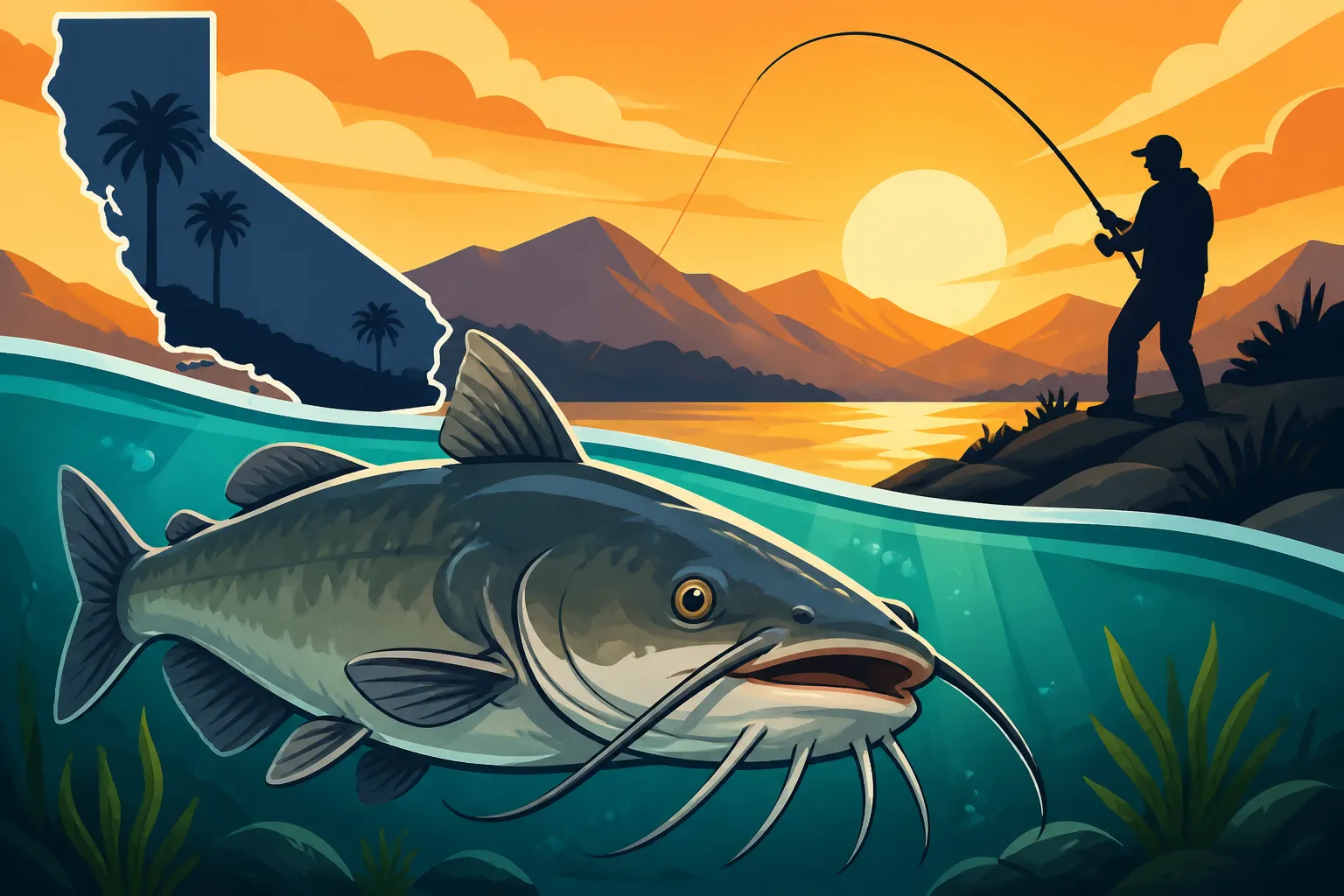
Channel Catfish in California: Where and How to Catch
It can be incredibly frustrating to head out to your favorite California fishing spot, gear all set, only to come home empty-handed, especially when you're targeting a feisty and rewarding fish like the Channel Catfish. You might wonder if you’re using the right bait, fishing at the right time, or even in the right place. This comprehensive guide is here to cut through that confusion, showing you exactly where to find Channel Catfish across the Golden State and the most effective methods to bring them to your cooler.
Where to Find Channel Catfish in California Waters
Channel Catfish are truly adaptable, which means you can find them in a surprising variety of California's waterways. They're not just lurking in the deepest, darkest holes; these opportunistic feeders are spread far and wide, making them an accessible target for many anglers. Knowing their preferred habitats is half the battle, and thankfully, California offers some fantastic options.
Top California Lakes and Reservoirs for Catfish
When you think of Channel Catfish, warm, murky lake waters often come to mind, and for good reason. Many of California's lakes and reservoirs provide the ideal environment for these whiskered predators to thrive, offering plenty of food and structure. You'll often find them congregating in areas where there’s a consistent food source or cover from the sun and predators.
One of the most renowned spots is Lake Isabella in Kern County. This large reservoir is famous for its thriving population of Channel Catfish, with many anglers reporting excellent catches year-round, particularly in the warmer months. The lake's vast shallows and numerous coves provide ample hiding spots and feeding grounds. Similarly, Clear Lake in Lake County, celebrated for its bass fishing, also holds a robust population of Channel Catfish. The lake’s warm, nutrient-rich water and extensive Tule beds create a perfect habitat. Anglers often target the deeper channels and the edges of weed lines here. Further north, Lake Shasta offers fantastic opportunities, especially around its many arms and inlets where debris and submerged timber create ideal catfish cover. If you’re ever exploring the Best Lakes to Fish in California, don't overlook these catfish havens.
Other noteworthy lakes include Perris Lake in Southern California, known for being heavily stocked, and San Vicente Reservoir near San Diego, which has produced some truly massive catfish over the years. These lakes often have specific regulations or operational hours, so it's always wise to check with the park or lake authority before heading out. Focus your efforts in areas with submerged structures like old trees, rock piles, or even artificial fish habitats that are often placed by local fisheries departments.
River and Delta Hotspots for Channel Cats
While lakes are fantastic, some of the most consistent and exciting Channel Catfish action happens in California's extensive river systems and the vast Sacramento-San Joaquin Delta. These flowing waters often concentrate catfish in specific areas, making them easier to locate if you know what to look for. The current carries food past their waiting mouths, and the varied topography provides excellent ambush points.
The California Delta Fishing Guide is practically a bible for catfish anglers. The labyrinthine network of sloughs, channels, and cuts offers countless opportunities. Areas with slower currents, deeper holes, and abundant submerged vegetation or fallen trees are prime targets. The Sacramento River itself, particularly the lower stretches as it flows towards the Delta, is a prime location. Here, catfish often gather in eddies, behind sandbars, and near any structure that breaks the current, allowing them to conserve energy while waiting for food. The San Joaquin River also provides excellent opportunities, especially in its middle and lower sections. These river systems are dynamic, so staying updated on current conditions and recent fishing reports can give you a significant advantage.
When fishing rivers, pay close attention to bends in the river, where deeper holes often form, and areas where smaller creeks or drainage ditches enter the main flow, as these can bring in food and create ideal holding patterns for catfish. The sheer size and complexity of the Delta can be intimidating, but by focusing on these key features, you can significantly increase your chances of a successful outing. Remember, patience is a virtue, and sometimes the best spots reveal themselves after a bit of exploration and observation.
Urban and Community Fishing Ponds
For many Californians, especially those living in metropolitan areas, getting to a large lake or river might be a bit of a trek. Thankfully, the California Department of Fish and Wildlife (CDFW) and local parks departments often stock Channel Catfish in smaller, more accessible urban and community fishing ponds. These spots are fantastic for a quick trip, introducing kids to fishing, or just honing your skills without a long drive.
These ponds, often found in city parks, are specifically managed for recreational fishing. They are regularly stocked, meaning there’s usually a healthy population of catchable fish. While you might not land a trophy-sized monster in every urban pond, they offer consistent action and are incredibly convenient. Examples include many of the lakes in Los Angeles County, Orange County, and even some in the Bay Area. Always check local regulations for specific ponds, as some might have unique rules regarding bait or catch limits.
The beauty of these urban ponds is their accessibility. You can often walk right up to the bank, find a comfortable spot, and cast out. They are excellent places to practice different techniques and experiment with baits without the pressure of a big-water environment. Plus, they often have amenities like restrooms, picnic tables, and playgrounds, making them perfect for a family fishing day. Just make sure you have your California Fishing License Guide handy, as even these smaller spots require a valid license for anglers over 16.
Essential Gear for Channel Catfish Fishing
Alright, so you know where to find these whiskered warriors. Now, let’s talk brass tacks: what do you actually need to catch them? One of the best things about Channel Catfish fishing is that it doesn't require a fortune in specialized equipment. You probably have some of the essentials already. However, having the right setup can make a huge difference, especially when you hook into a larger, hard-fighting cat.
Rods, Reels, and Line Selection
Choosing the right rod and reel is crucial for both casting effectively and battling a strong Channel Catfish. You're looking for a balance of power and sensitivity, allowing you to feel subtle bites but still have enough backbone to land a decent fish.
For rods, a medium-heavy action rod, typically 7 to 8 feet long, is an excellent choice. This length provides good casting distance while still offering leverage when fighting a fish. A slower or moderate action can be beneficial as it allows the rod to bend further, absorbing the powerful runs and head shakes of a catfish, preventing hook pulls. Brands like Ugly Stik are popular for their durability and affordability, often found on Amazon with great reviews. When it comes to reels, a reliable spinning reel in the 4000 to 6000 series range, or a baitcasting reel with a good drag system, will serve you well. Baitcasting reels often give you more control for heavier lines and baits, while spinning reels are easier for beginners to manage.
Line selection is another key component. Monofilament line in the 15-20 pound test range is a traditional and effective choice due to its stretch, which acts as a shock absorber. However, many experienced anglers prefer braided line (30-50 pound test) for its superior sensitivity, thinner diameter (allowing for more line capacity), and incredible strength. If you go with braid, consider adding a monofilament or fluorocarbon leader of about 2-3 feet (20-30 pound test) to reduce visibility and provide some abrasion resistance, especially in snaggy areas. You can find a wide variety of quality fishing lines from brands like PowerPro or Berkley on Amazon, ensuring you're ready for whatever the fish throw at you.
Terminal Tackle and Baits That Catch Catfish
This is where the magic happens! Catfish are notoriously scent-driven, so your choice of bait is paramount. But even the best bait won't work without the right terminal tackle to present it effectively.
Let’s start with hooks. Circle hooks are highly recommended, often in sizes ranging from 2/0 to 6/0, depending on the size of catfish you expect to encounter. The beauty of a circle hook is that it's designed to hook the fish in the corner of its mouth, significantly reducing gut-hooking and making catch-and-release much safer for the fish. When using circle hooks, resist the urge to set the hook aggressively; instead, just reel down until the line tightens and the fish is on. You’ll also need an assortment of sinkers (egg sinkers, bullet sinkers) to get your bait to the bottom, swivels to prevent line twist, and maybe some beads to protect your knot from the sinker.
Now, for the main event: bait! Channel Catfish are scavengers and opportunistic predators, meaning they'll eat just about anything that smells good.
- Cut Bait: This is a classic for a reason. Pieces of oily fish like mackerel, anchovies, or sardines are incredibly effective. The oil and blood create a powerful scent trail that catfish can't resist.
- Chicken Livers: Another all-time favorite. They're soft, smelly, and catfish absolutely love them. The downside is they're messy and can be hard to keep on the hook.
- Stink Baits: These are specially formulated baits designed to emit a potent odor. They come in various forms – dough balls, dip baits, and even pre-made chunks. Brands like Sonny's Super Sticky or Catfish Charlie are popular choices available on Amazon.
- Hot Dogs: Surprisingly effective and super convenient! Cut them into chunks and let them sit in garlic salt overnight for an extra kick.
- Shrimp: Raw shrimp, especially if it's a bit older, can be very enticing.
- Worms: Nightcrawlers or large earthworms are always a reliable option, especially when presented in a juicy bundle.
Experiment with different baits until you find what the catfish are biting on that particular day. It's not uncommon for their preferences to change with water temperature or time of year.
| Bait Type | Pros | Cons | Ideal Conditions |
|---|---|---|---|
| Cut Bait | Strong scent, very effective for larger cats | Can be messy, requires refrigeration | Warm water, still or slow-moving water |
| Chicken Livers | Extremely attractive to catfish | Messy, difficult to keep on hook | Moderate current, patience required for re-baiting |
| Stink Baits | Designed for catfish, long-lasting scent | Can be very messy, some fish ignore them | All conditions, especially effective in murky water |
| Hot Dogs | Convenient, affordable, customizable | Less scent than cut bait/livers initially | Any time, good for quick trips, family fishing |
| Nightcrawlers | Widely available, natural presentation | Smaller fish can pick at them, less scent | All conditions, good multi-species option |
Effective Techniques for Catching Channel Catfish
Having the right gear and bait is a fantastic start, but knowing how to use them effectively is what truly seals the deal. Channel Catfish fishing isn't overly complicated, but a few tried-and-true techniques can dramatically improve your success rate. It's all about presentation and understanding catfish behavior.
Mastering Bottom Fishing Rigs
Since Channel Catfish are primarily bottom feeders, a fundamental technique is to present your bait right on the bottom. Two rigs stand out for their effectiveness and ease of use: the Carolina rig (also known as a slip sinker rig) and a simple three-way swivel rig.
The Carolina rig is arguably the most popular setup for catfish. To tie it, first thread an egg sinker onto your main line, followed by a small bead (to protect your knot), and then tie on a barrel swivel. To the other end of the swivel, tie a leader (1-3 feet of mono or fluorocarbon, often 15-30 lb test) and finally, your hook. This setup allows the fish to pick up the bait and swim off with it without feeling the weight of the sinker, which is crucial for getting solid hookups. When a catfish takes the bait, your rod tip will often bend over steadily, or you'll see your line start moving. Resist the urge to yank immediately; let the fish take the bait, and if you’re using a circle hook, just slowly reel to tighten the line.
A simpler setup, especially if you're fishing with lighter weights or less current, is a basic slip sinker rig. You can just slide an egg sinker onto your main line, tie a swivel, then a leader and hook, similar to the Carolina rig. However, sometimes a simple fixed sinker (pyramid or bell sinker) tied directly to the end of your main line, with a short leader (6-12 inches) tied off a dropper loop above it, can be effective in areas with current where you want your bait anchored firmly. No matter the rig, ensure your knots are strong and your hook is sharp!
Night Fishing Strategies for Catfish
If you're really serious about catching Channel Catfish, you have to try night fishing. This isn't just a suggestion; it's often the best time to target them. Catfish are largely nocturnal feeders, meaning they become much more active as the sun dips below the horizon and the water cools. This natural behavior makes night fishing a highly productive strategy.
When fishing at night, safety and visibility are key. Always bring a reliable headlamp or flashlight, and consider having glow sticks attached to your rod tips or even using specialty lighted bobbers for float fishing. Catfish tend to move into shallower water and cruise shorelines under the cover of darkness, making them more accessible to bank anglers. They rely heavily on their sense of smell and barbels to locate food, which gives your smelly baits an even greater advantage in low light. When setting up, find a comfortable spot, cast your bait out, and wait patiently. Bites can range from gentle taps to aggressive rod-bending strikes.
Focus your efforts near structure, drop-offs, or current seams, as these are still prime ambush points even after dark. Many successful night anglers set up multiple rods with different baits at varying distances to cover more water and identify what the catfish are preferring that night. Don't be afraid to cast closer to the bank than you might during the day; those shallow edges often hold bigger fish after sunset. The stillness of the night, combined with the heightened senses of the catfish, can lead to some truly memorable fishing experiences. To learn more about seasonal patterns, check out a California Fishing Seasons: Month-by-Month Guide.
Reading the Water and Targeting Structure
Understanding where Channel Catfish prefer to hang out in a given body of water is crucial for consistent success. They're not just swimming aimlessly; they are actively seeking out areas that provide food, cover, and comfortable water temperatures. Learning to "read the water" means identifying these prime locations.
In lakes and reservoirs, look for areas with submerged structure. This could be anything from fallen trees and brush piles to rock formations, old foundations, or even artificial fish attractors. These structures provide shade, ambush points, and often hold baitfish, making them magnets for catfish. Also, pay attention to depth changes; drop-offs, humps, and ledges where shallower water transitions to deeper areas are excellent spots. Catfish will often patrol these edges. Another key area is creek channels or old riverbeds that are now submerged by reservoir waters. These deeper, distinct pathways often funnel food and provide ideal travel lanes for catfish.
In rivers and the Delta, current is a major factor. Catfish prefer to stay out of the strongest currents, opting instead for areas where they can expend less energy. Look for eddies behind obstacles like large rocks, fallen trees, or bridge pilings. The calmer water downstream of these features provides a resting zone where food is naturally funneled past them. Deeper holes, especially those at river bends or confluences, are also prime catfish holding areas. The mouths of tributaries or drainage ditches are fantastic spots, as these often wash food into the main body of water, attracting hungry cats. Using an Amazon fish finder or even just observant glances at the water's surface for current breaks and boils can help you pinpoint these hidden hotspots.
Understanding California Catfish Regulations
Just like with any fishing in the Golden State, there are rules and regulations you absolutely need to be aware of when targeting Channel Catfish. These regulations are put in place by the California Department of Fish and Wildlife (CDFW) to ensure sustainable fishing practices and protect fish populations for future generations. Ignoring them isn't just disrespectful to the resource, it can lead to hefty fines.
Bag and Size Limits for Channel Catfish
California's fishing regulations can sometimes feel a bit like reading a legal document, but understanding the bag and size limits for Channel Catfish is straightforward and essential. These limits dictate how many fish you can keep in a single day (your "bag limit") and what minimum or maximum size those fish must be (your "size limit").
For Channel Catfish, the statewide daily bag limit is generally 25 fish, with no size limit. This is a pretty generous limit, reflecting the robust populations of Channel Catfish in many California waters. However, it is absolutely critical to remember that regulations can and do vary by specific body of water or region. For instance, some lakes might have special management plans with different limits, or specific slot limits (a size range where fish must be kept or released) to protect larger breeding fish. This is why always consulting the most current California Freshwater Fishing Regulations booklet or the CDFW website before you head out is paramount. Don't rely solely on what you remember from last year, as rules can change. You can usually pick up a free copy of the booklet wherever you purchase your fishing license. Knowing these limits not only keeps you legal but also contributes to healthy fish populations.
California Fishing License Requirements
Let’s be crystal clear: if you are 16 years of age or older and you plan to fish in any public waters in California, you absolutely need a valid California fishing license. This isn't just a suggestion; it's the law. This requirement applies whether you're targeting Channel Catfish in a major reservoir, a meandering river, or even a small community pond. There are very few exceptions to this rule, primarily for certain pier fishing situations (which usually only applies to ocean piers) or on designated California Free Fishing Days.
The funds generated from fishing license sales are vital for the conservation efforts of the CDFW, supporting fish stocking programs, habitat restoration, scientific research, and law enforcement. So, when you buy a license, you're directly contributing to the health of California's fisheries. You can easily purchase a license online through the CDFW website, or in person at authorized license agents like bait and tackle shops, sporting goods stores, and even some large retailers. Make sure you understand the different types of licenses available, whether you need an annual license, a one-day option, or perhaps a two-day license for a weekend trip. Non-residents will also need a specific non-resident license. Don't let a simple oversight ruin your fishing trip; get your How to Get a California Fishing License squared away before you cast your first line.
Disclaimer
Fishing regulations, conditions, and fish populations can change rapidly. While this guide provides comprehensive information, always consult the latest California Department of Fish and Wildlife (CDFW) regulations and local advisories before planning your fishing trip. This content is for informational purposes only and should not be considered legal advice regarding fishing regulations.