White Sturgeon in California: Where and How to Catch
For many California anglers, the elusive White Sturgeon represents the ultimate freshwater challenge, a true prehistoric giant that demands respect, patience, and the right approach. It can be incredibly frustrating to spend hours on the water, baiting up with everything from ghost shrimp to salmon roe, only to come up empty-handed. But don't you worry, because this comprehensive guide is here to unravel the mysteries of targeting these magnificent creatures, detailing exactly where to find them and the most effective strategies to bring one to the net (or, more likely, to the side of the boat for a quick release).
Understanding the White Sturgeon in California
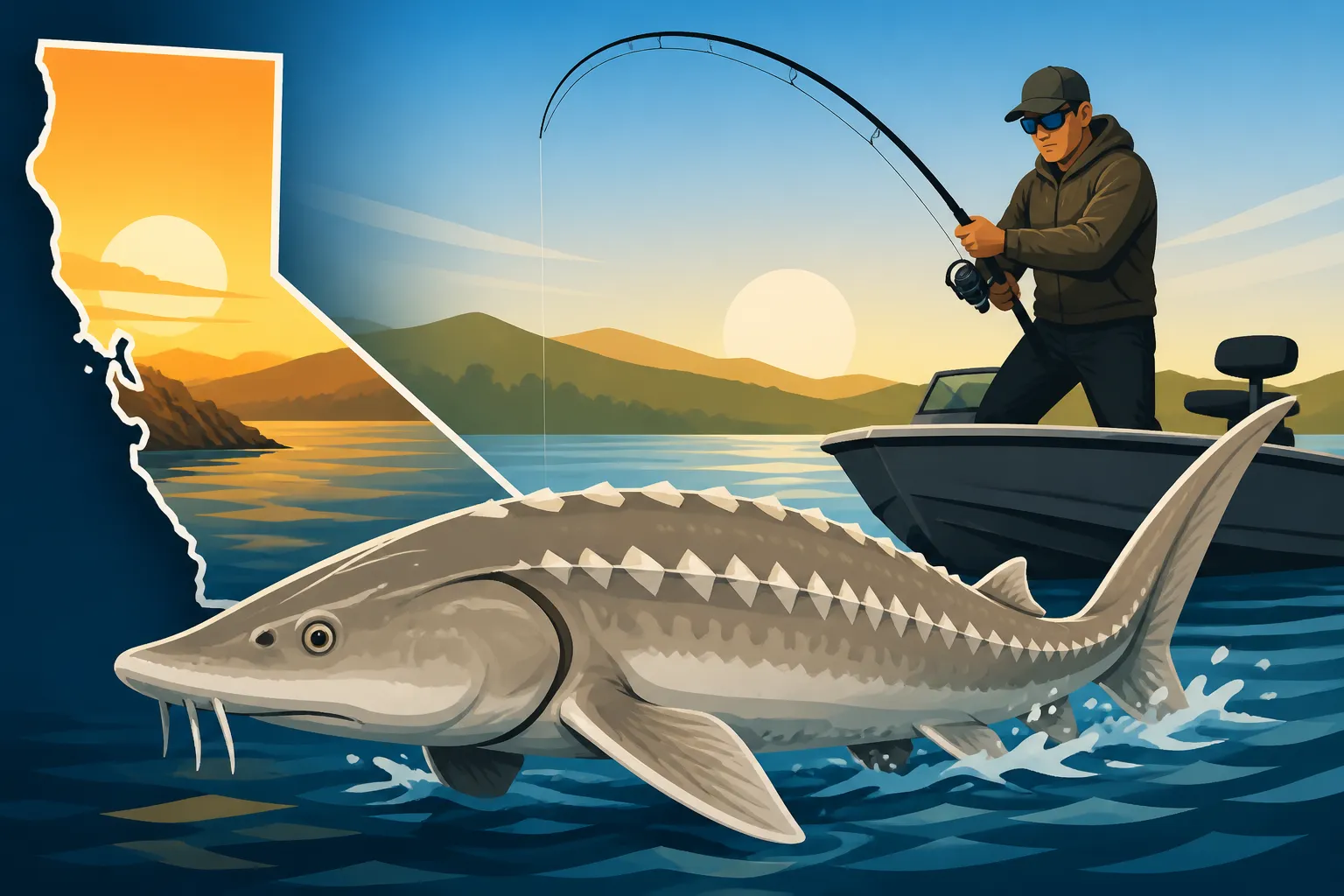
Before we dive into the "where" and "how," let's spend a moment appreciating the White Sturgeon. These aren't just any fish; they're the largest freshwater fish in North America, with some specimens reaching over 1,500 pounds and living well over 100 years. In California, while records show truly gargantuan fish caught decades ago, today's legal catch-and-release opportunities usually involve fish ranging from 40 to 60 inches, though larger "oversize" fish are encountered and must be released immediately. They're bottom-feeders, cruising murky waters with their sensitive barbels, sniffing out food. Knowing this behavior is key to understanding why certain locations and techniques are so effective.
Prime Locations for White Sturgeon Fishing
Finding White Sturgeon isn't about casting randomly; it's about understanding their habitat preferences and migratory patterns. These ancient fish primarily inhabit the vast estuary systems and lower river sections where freshwater meets saltwater, though they do venture into purely freshwater environments.
The Sacramento-San Joaquin Delta System
Without a doubt, the heart of California's White Sturgeon fishery lies within the immense Sacramento-San Joaquin River Delta. This sprawling network of rivers, sloughs, and bays offers the perfect mix of deep channels, nutrient-rich mudflats, and tidal influences that sturgeon absolutely thrive in.
- Suisun Bay and the Carquinez Strait: These areas are often considered ground zero for sturgeon fishing, especially during peak seasons. The confluence of freshwater from the Sacramento and San Joaquin rivers meeting the brackish water of San Francisco Bay creates a dynamic environment. Anglers frequently target the deeper channels and eddy lines around points like Martinez, Crockett, and Benicia. The deep troughs here are natural holding areas, and the strong currents distribute their food sources, keeping them active. It's common to see a fleet of boats anchored up in these spots, patiently waiting for that tell-tale tap on the rod tip.
- Lower Sacramento River: As you move upstream from the Delta, the lower Sacramento River also holds significant populations of White Sturgeon. Areas around Pittsburg, Antioch, and Rio Vista are historically productive. Pay close attention to areas with significant depth changes, submerged structures, and especially those spots where sloughs or smaller tributaries enter the main river. These confluences often concentrate baitfish and other food items, making them prime ambush points for sturgeon. Remember, these fish don't chase their food; they root it out from the bottom.
- San Pablo Bay: While part of the larger San Francisco Bay system, San Pablo Bay, just west of the Carquinez Strait, also offers excellent sturgeon opportunities, particularly as fish move in and out with the tides and seasonal shifts. The vast mudflats and channels here are rich in their preferred forage, like ghost shrimp and clam worms. It can be a bit more exposed to wind and chop than the more sheltered delta sloughs, but the rewards can be substantial. Keep an eye on local California Fishing Reports Explained to stay updated on current conditions and productive areas.
Beyond the Delta: Other Notable Spots
While the Delta is king, other less-pressured, but still productive, spots exist for the dedicated sturgeon angler.
- San Francisco Bay (North Bay): Moving further west into the main San Francisco Bay, particularly the northern reaches near Alcatraz and Angel Island, sturgeon can be found, especially during their migrations. These are usually larger, more mature fish that are venturing into more saline environments before returning to spawn. Fishing here can be more challenging due to stronger currents and heavier boat traffic, but it offers a unique opportunity to hook into truly massive fish.
- Specific Estuaries and Bays: Smaller estuaries along the Central California coast might occasionally hold transient sturgeon populations, though these are typically not primary targets for dedicated sturgeon anglers due to their limited numbers. It’s always worth checking local regulations, as rules can vary significantly between regions. For more details on specific regional rules, check out California Fishing Regulations by Region.
Optimal Seasons and Conditions for Sturgeon Fishing
Timing is everything when it comes to White Sturgeon. These fish are highly responsive to environmental changes, particularly water temperature and tidal movements.
Seasonal Breakdown
Sturgeon can be caught year-round in California, but some seasons are undeniably better than others due to their spawning cycles and feeding habits.
- Winter (Late November – February): This is often considered prime time for White Sturgeon in the Delta. As water temperatures drop, sturgeon tend to congregate in deeper holes and channels, making them easier to locate. The colder water also means the fish are often more active feeders, trying to pack on calories. This season also coincides with the availability of preferred baits like fresh roe. Just be prepared for chilly, foggy mornings on the water!
- Spring (March – May): Spring can also be very productive, especially as sturgeon prepare for and complete their spawning rituals. They'll be on the move, seeking out suitable spawning grounds further upriver in the Sacramento and San Joaquin systems. Post-spawn, they'll be hungry and eager to replenish their energy reserves. This is a great time to target them in the upper reaches of the Delta.
- Summer (June – August): While still possible to catch, summer can be slower. Warmer water temperatures can make sturgeon less active during the day, often pushing them into deeper, cooler water or causing them to feed more actively during cooler periods like dawn, dusk, or even at night. Algae blooms can also sometimes impact fishing success by reducing visibility and oxygen levels in certain areas.
- Fall (September – Early November): Fall is a transitional period, with fishing picking up as water temperatures begin to cool. Sturgeon start to move back into the more open areas of the Delta and prepare for their winter feeding frenzies. It's a fantastic time for more comfortable fishing conditions before the full chill of winter sets in.
Tidal Influence and Water Conditions
Sturgeon are heavily influenced by tides in the brackish parts of their habitat.
- Moving Tides: A strong moving tide, whether incoming or outgoing, is generally preferred. This current helps to distribute scent from your bait, carries food particles, and often triggers a feeding response from the sturgeon. Many experienced anglers swear by the last few hours of an outgoing tide and the first few hours of an incoming tide. The slack tide, when the water isn't moving much, can often be slower, as the scent trail from your bait dissipates less effectively.
- Water Clarity: Sturgeon are adapted to murky water, relying more on their barbels and sense of smell than sight. Therefore, slightly off-color or turbid water is often ideal. Extremely clear water can make them skittish, while overly muddy water (like after heavy rains) can sometimes make it harder for them to find your bait. A "green" or slightly brownish tint is often considered perfect.
Essential Gear for Battling Giants
Catching a White Sturgeon requires serious tackle. These fish are powerful, and hooking into a 70-inch brute with inadequate gear will lead to disappointment (and likely lost tackle).
Rods, Reels, and Line
Don't skimp here; your gear is your lifeline to these incredible fish.
- Rods: You'll need a heavy-action rod, typically 7 to 9 feet long, with a strong backbone and a sensitive tip. Many anglers prefer specialized "sturgeon rods" made from graphite composites. Brands like Ugly Stik or Penn offer durable, affordable options that can handle the stress. The sensitive tip is crucial for detecting the subtle "tap-tap" bite of a sturgeon, which can be surprisingly light for such a large fish.
- Reels: A robust conventional (levelwind) reel is paramount. Look for models with a strong drag system and high line capacity. Something in the 30-50 size class, like a Penn Squall or Shimano Tekota, is a good starting point. You'll need to be able to put serious pressure on these fish, and a smooth, consistent drag is non-negotiable. Make sure it's spooled with plenty of line.
- Line: Braided line is almost universally preferred for its strength, sensitivity, and small diameter. A 65-80 lb test braided line is standard. This allows you to feel those delicate bites and provides the pulling power needed to turn a big fish. Due to California fishing regulations, you need a strong line to minimize the chance of losing tackle in the environment. Some anglers even go up to 100 lb test, especially when targeting trophy fish in strong currents. You can find excellent quality braided lines on Amazon from brands like PowerPro or Seaguar.
Terminal Tackle: Hooks, Leaders, and Weights
This is where the direct connection to the fish happens, so attention to detail is critical.
- Hooks: Circle hooks are mandatory for White Sturgeon fishing in California to promote catch-and-release success and minimize gut hooking. Size 5/0 to 8/0 are common, depending on the bait size. These hooks are designed to set themselves in the corner of the fish's mouth as it pulls away, making for easy removal. Gamakatsu and Owner make excellent, strong circle hooks.
- Leaders: A heavy monofilament or fluorocarbon leader is essential. Use 80-150 lb test leader material, at least 2-3 feet long. This heavy leader provides abrasion resistance against the sturgeon's rough mouth plates and the unforgiving bottom structure. Attach it to your main braided line with a strong knot like a uni-to-uni or a double-uni knot, or a heavy-duty swivel.
- Weights: You'll need substantial weight to hold your bait on the bottom in strong currents. Pyramid, cannonball, or flat-bottomed weights ranging from 8 ounces to a whopping 2 pounds are common. The exact weight will depend entirely on the strength of the current at your chosen fishing spot. Always carry an assortment of weights, as conditions can change rapidly.
- Sinker Slides: Many sturgeon anglers use a "slider" rig, where the weight is on a separate line that slides freely on the main line. This allows the sturgeon to pick up the bait and move off without feeling the resistance of the heavy sinker immediately, leading to a more natural presentation and better hookups. This setup is key for the subtle bite of a sturgeon.
Here’s a quick overview of essential gear:
| Item | Recommended Specification | Purpose |
|---|---|---|
| Rod | 7-9 ft, Heavy Action, Sensitive Tip | Power to fight big fish, sensitivity for subtle bites |
| Reel | Conventional 30-50 size | Strong drag, high line capacity for powerful runs |
| Main Line | 65-80 lb Braided | Sensitivity, strength, small diameter for current resistance |
| Leader | 80-150 lb Mono/Fluoro (2-3 ft) | Abrasion resistance, stealth |
| Hooks | 5/0-8/0 Circle Hooks | Mandatory for C&R, prevents gut hooking |
| Weights | 8 oz – 2 lb Pyramid/Cannonball | Holds bait on bottom in strong currents |
| Sinker Slide | Heavy-duty plastic/metal | Allows fish to take bait without feeling weight resistance |
Best Baits for White Sturgeon
Sturgeon are opportunistic bottom feeders, and while they have preferences, they aren't overly picky if the bait is fresh and smelly.
- Ghost Shrimp: This is arguably the most popular and consistently effective bait for White Sturgeon in California. Ghost shrimp emit a strong scent trail that sturgeon find irresistible. They can be purchased live or frozen from tackle shops, or you can even pump them yourself in some areas. Presenting several ghost shrimp on a single hook, threaded to keep them secure, is a common and successful strategy. You'll often find these available at local bait shops like Fishery Tackle or Hi's Tackle Box.
- Pile Worms/Blood Worms: Similar to ghost shrimp, these worms are very effective due to their strong natural scent and movement. They're often used in combination with other baits to create a "cocktail."
- Salmon Roe/Cured Roe: Salmon roe, especially cured roe, is another top-tier bait. Its oily, pungent scent plume travels far in the current, drawing sturgeon in. Many anglers will "roe-wrap" their ghost shrimp or worms, adding an extra layer of attraction. You can find various brands of quality cured roe, often available on Amazon or at specialty fishing stores.
- Smelt/Herring: Small chunks of oily fish like smelt or herring can also be very effective, especially for larger sturgeon. The oils and fishy scent are powerful attractants. Use fresh bait whenever possible.
- Lamprey: While less common than shrimp or roe, lamprey is another natural food source for sturgeon and can be a highly effective bait, particularly for larger fish. Its tough, oily texture holds up well on the hook.
- Sardine/Anchovy: While not always as effective as the previous options, fresh cut pieces of sardine or anchovy can also entice a sturgeon, especially when combined with other, smellier baits.
Remember, fresh bait is always best. Avoid using stale or freezer-burnt bait; sturgeon have a keen sense of smell.
Effective Techniques for Catching White Sturgeon
Once you've got the right gear and bait, it's time to put it to use. Sturgeon fishing is largely a game of patience and proper rigging.
Anchor Fishing: The Most Common Method
Most sturgeon fishing is done from an anchored boat. This allows you to present your bait in a consistent location where sturgeon are known to feed.
- Finding the Spot: Use your fish finder to locate deeper channels, ledges, or humps where sturgeon might be holding. Look for large, distinct arcs near the bottom. Sometimes, you'll see large schools of baitfish, which often attract sturgeon.
- Anchoring Up: Anchor securely, using enough scope to ensure your boat doesn't drag. If you're in strong current, you might need two anchors. Position your boat so your lines can be cast slightly upstream or directly into the current, allowing your bait to settle naturally on the bottom.
- Casting and Rigging: Cast your baited rig upstream and let it sink to the bottom. Once it's settled, gently reel in any slack until your line is taut, but don't pull your weight off the bottom. Your rod should be in a sturdy rod holder, with the drag set appropriately. You want enough drag to prevent line from stripping easily but not so much that a hard strike pulls your rod into the water.
- The Sturgeon Bite: Sturgeon bites are often subtle at first. You might see a series of light taps or quivers on your rod tip. This is often the fish mouthing the bait. Resist the urge to set the hook immediately! Wait for a steady pull, a slow bend in the rod, or the rod tip to load up completely. This indicates the fish has taken the bait and is moving away.
- Setting the Hook (or letting it set itself): With circle hooks, a hard, sweeping hookset isn't necessary, and can actually pull the hook out of the fish's mouth. Instead, when you feel that steady pull, simply lift the rod out of the holder, tighten up any remaining slack by reeling, and start fighting the fish. The circle hook will typically find its way to the corner of the sturgeon's mouth.
- Fighting a Sturgeon: Be prepared for a long, powerful fight. Sturgeon are incredibly strong and will make powerful runs. Keep constant pressure on the fish, and be ready to adjust your drag as needed. Stay alert for head shakes or tail thumps, and be patient. Bring the fish to the boat slowly and carefully.
Drift Fishing: A Less Common But Effective Alternative
While anchor fishing dominates, drift fishing can be effective in certain situations, especially when sturgeon are spread out or in areas with less current.
- Setup: Use a similar rig to anchor fishing, but lighter weights might be appropriate if you're drifting slower. The key is to keep your bait on the bottom as you drift.
- Controlled Drift: Use a drift sock or sea anchor to slow your boat's drift. This allows your bait to stay in the strike zone longer.
- Actively Holding the Rod: Drift fishing usually involves holding the rod, as you need to constantly monitor for bites and adjust to the changing bottom contours. This can be more engaging but also more tiring.
Reading the Water and Adjusting Tactics
Successful sturgeon anglers are constantly observing and adapting.
- Depth and Structure: Sturgeon love holding in deeper holes, channels, and along ledges. Use your electronics to find these features. But don't ignore adjacent shallower flats, especially during feeding periods.
- Current Seams and Eddies: These areas are natural traps for food and often concentrate sturgeon. Look for changes in current flow, where slower water meets faster water.
- Bait Presence: If your fish finder shows schools of baitfish, sturgeon are likely nearby.
- Local Knowledge: Talk to local tackle shop owners or other anglers. They can provide invaluable insights into current hot spots and effective baits. Staying updated on California Fishing Reports Explained for the Delta region is also extremely helpful.
- Don't Be Afraid to Move: If you're not getting bites after an hour or two, don't be afraid to pull anchor and try another spot. Sometimes just a few hundred yards can make all the difference. You might also find good advice in guides like California Sturgeon Season Dates Explained or California Sturgeon Slot Limit for specific regulations.
Catch and Release: Protecting Our Ancient Giants
White Sturgeon are a precious resource, and responsible catch-and-release practices are not just good manners, they're mandatory under California regulations.
- Minimize Fight Time: While enjoying the fight, try to land the fish as quickly as safely possible to reduce stress.
- Stay in the Water: For larger fish, try to keep them in the water next to the boat. This minimizes physical stress and damage to their internal organs from their own weight.
- Use a Cradle or Sling: If you must remove the fish from the water for a quick measurement or photo, use a specialized sturgeon cradle or a heavy-duty sling. Never lift a large sturgeon by its tail or gills alone.
- Barbless Hooks: While circle hooks are mandatory, using barbless circle hooks makes hook removal even easier and less damaging.
- Quick Release: Remove the hook gently and quickly. If the hook is deeply set (which is rare with circle hooks), cut the leader as close to the hook as possible.
- Revive the Fish: Hold the fish upright in the water, facing into the current, until it regains its strength and swims away on its own power. This might take several minutes, especially for larger fish.
Following these guidelines ensures that these magnificent prehistoric fish can continue to thrive for generations of anglers to come. For more on specific regulations, including the strict rules around keeping these fish, refer to the California Sturgeon Report Card guide, which is a mandatory requirement for targeting them.
Disclaimer
Fishing regulations, seasons, and limits can change frequently. Always consult the latest California Department of Fish and Wildlife (CDFW) regulations booklet or their official website before heading out on the water. This guide is for informational purposes only and does not supersede official regulations.