Best Baits and Lures for Calico Bass in California
It's incredibly frustrating when you hit the water, eager to tangle with some hard-fighting Calico Bass, only to find your usual go-to baits just aren't cutting it. We've all been there, staring at a tackle box full of options, wondering which one will finally trigger that explosive bite. This comprehensive guide is here to demystify the art of choosing the perfect bait or lure for Calico Bass in California, giving you the insights and confidence to make every cast count.
Understanding Your Quarry: The Calico Bass
Before we even think about what to tie on, it’s crucial to get inside the head of a Calico Bass. These fish aren’t just swimming around aimlessly; they have specific behaviors, preferred habitats, and dietary preferences that, once understood, make selecting the right offering much easier.
Where Calico Bass Live and What They Eat Naturally
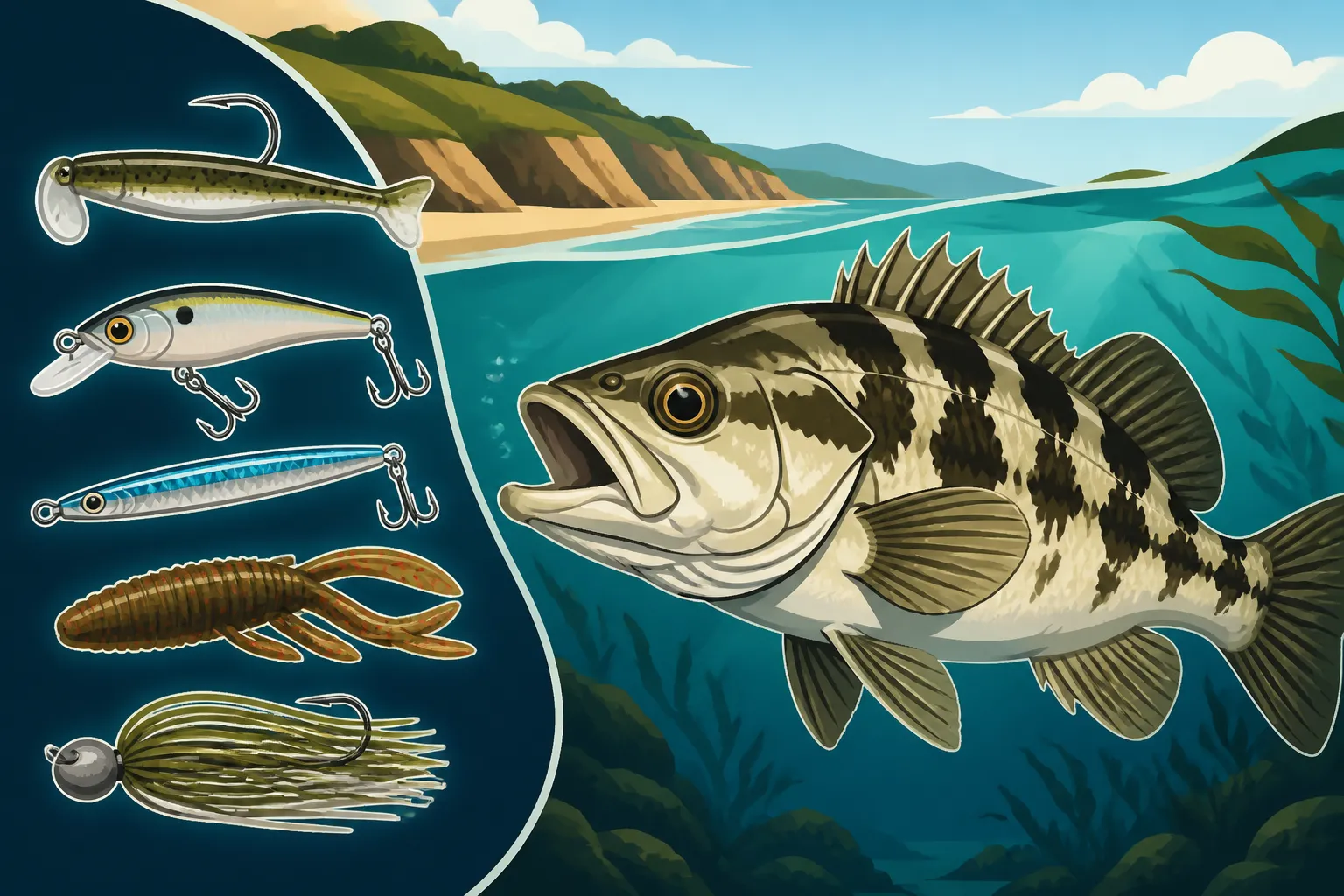
Calico Bass, also known as Kelp Bass, are true masters of their domain: the vibrant, often dense, underwater forests of kelp and rugged rocky reefs that define much of California's coastline. They are ambush predators, perfectly camouflaged among the swaying kelp fronds or nestled in rocky crevices, waiting for an unsuspecting meal to swim by. This habitat preference means they're usually found relatively close to shore, making them accessible to a variety of anglers.
Their natural diet is a smorgasbord of small, quick-moving prey. Think anchovies, sardines, and various other small finfish that dart through the kelp. They also feast on squid, a highly nutritious and readily available food source in these marine environments. Crabs and shrimp, scuttling along the rocky bottom, are also on the menu. This predatory nature, combined with their territorial instincts, explains why they strike so aggressively. If you've ever spent a day fishing for Calicos and felt like you were just throwing bait into a black hole, it often comes down to not mimicking their natural forage or presenting it in a way that triggers their hunting instinct. It's a common struggle, but one we can definitely overcome.
The Calico's Aggressive Feeding Habits
Calico Bass are not shy eaters. When they decide to strike, they do so with incredible power and speed, often creating a thrilling, rod-bending experience. This aggressive behavior is a defining characteristic and a key factor in choosing your baits and lures. They aren't just hungry; they're opportunistic. Sometimes they'll hit out of sheer instinct or territorial defense, even if they aren't actively feeding. This "reaction strike" is a critical concept to grasp, especially when you're working with artificial lures.
While you can catch Calicos year-round in California, their feeding patterns can fluctuate with water temperature and spawning cycles. During warmer months, when baitfish are abundant and their metabolism is high, they are often at their most active and aggressive. During cooler periods, their metabolism slows, and they might prefer a slower, more subtle presentation. Understanding these nuances can significantly improve your success rate. It's not just about finding the fish; it's about finding them when they're ready to eat and presenting something they can't refuse.
The Undisputed Kings: Live Baits for Calico Bass
When it comes to consistently hooking up with Calico Bass, nothing quite beats the appeal of live bait. The natural movement, scent, and distress signals of a live offering are often irresistible to these opportunistic predators.
Sardines and Anchovies: The Go-To Finfish
If there's a universal "candy" for Calico Bass, it's fresh, lively sardines and anchovies. These small baitfish are a staple of the Calico's diet, and when presented correctly, they are nearly guaranteed to get a strike. The flash of their scales, the frantic swimming action, and the natural scent trail they leave are pure gold. Many anglers swear by a good supply of these finfish when heading out, especially for targeting bigger models.
Rigging these delicate baits properly is key to keeping them alive and presenting them naturally. For anchovies, a simple nose-hooking with a small, sharp hook (like a #2 or #4 Owner hook) often works best. For sardines, you might opt for shoulder-hooking to keep them swimming naturally, or even bridle rigging for larger baits if you're targeting trophy Calicos. Hook size and line strength are paramount here; a too-heavy hook can inhibit natural movement, and a weak line won't stand a chance against a pissed-off Calico diving into the kelp. Keeping your bait lively requires a good bait tank with proper aeration and water circulation. There's nothing worse than showing up to your favorite kelp bed with a tank full of dead bait – it's a common frustration, and a good reminder to invest in reliable bait-keeping equipment.
Squid and Mackerel: Larger, Scent-Rich Options
While sardines and anchovies are fantastic, sometimes you need something with a little more presence, or perhaps the smaller bait isn't available. That's where squid and mackerel come in. Squid, in particular, is an incredibly versatile bait. It’s durable, stays on the hook well, and has a potent scent that attracts a wide range of species, including Calicos. You can use whole small squid, or cut larger squid into strips, making it adaptable to different fishing situations. It can be slow-trolled, drifted, or fished on a dropper loop rig near the bottom.
Mackerel, especially smaller "greenback" mackerel, offer a larger profile and create more commotion in the water. These are excellent choices when you're specifically targeting bigger Calico Bass. You can fish them whole, either slow-trolled or drifted, or cut them into chunks for a more scent-driven presentation. Many anglers will head to the bait receiver early to pick up a scoop of live mackerel if they're serious about chasing the bigger kelp monsters. These baits tend to shine when the fish are holding deeper in the water column or when the bite on smaller finfish is slow, offering a substantial meal that’s hard to pass up.
Mastering the Art of Artificials for Calico Bass
For many anglers, the thrill of enticing a Calico Bass to strike an artificial lure is unmatched. It’s a rewarding challenge that combines understanding fish behavior with mastering lure presentation. Plus, the convenience of not needing a bait tank is a huge bonus!
Soft Plastic Swimbaits and Grubs: The Versatile Illusion
Soft plastic swimbaits and grubs are arguably the most versatile and effective artificial lures for Calico Bass. They flawlessly mimic small baitfish or crustaceans, making them an irresistible meal. The beauty of plastics is their adaptability: you can fish them at virtually any depth, from just under the surface to deep within the kelp. Brands like Keitech, MC Swimbaits, and Big Hammer produce fantastic paddle-tail and curly-tail designs that have proven themselves time and again. You can find a vast array of these in different sizes and colors, perfect for any condition, on retailers like Amazon.
Rigging soft plastics is crucial for proper action and minimizing snags. Most commonly, they are rigged on lead-head jig heads. The weight of the jig head depends on the depth you're fishing and the current; a heavier head gets down faster, while a lighter one allows for a slower, more natural fall. Hook size on the jig head should match the plastic, ensuring good hook exposure. For fishing in thick kelp, weedless rigging with an EWG hook can be a game-changer, allowing you to present the lure deep in the fish's hiding spots without constantly getting hung up. Presentation varies: a slow, steady retrieve (often called a "slow roll") works wonders, but don't be afraid to add twitches, pauses, or even a drop-shot retrieve to make the plastic look like a struggling or injured baitfish. This is where the artistry comes in, transforming a piece of plastic into a living meal. Many detailed California Bass Fishing Techniques apply directly to these soft plastic presentations for Calico Bass.
Jigs: The Metal Meal
When Calico Bass are feeding aggressively, or when you need to get down deep quickly, jigs are your best friend. There are generally two main types that excel: lead-head jigs (often paired with plastics) and metal or "iron" jigs. Lead-head jigs, as mentioned with soft plastics, offer weight and a hook, and their size and color can be tailored to match the prevalent bait. Sometimes, a bare lead-head jig tipped with a small strip of squid can be incredibly effective, combining the weight and flash of the jig with natural scent.
Iron jigs are fantastic for covering water and triggering reaction strikes. Surface irons, like those from Tady or Salas, are retrieved quickly across the surface, mimicking a fleeing baitfish, leading to heart-stopping surface explosions. Yo-yo irons are heavier, designed to be dropped to the bottom and quickly reeled up (the "yo-yo" retrieve), which is highly effective for Calicos holding in deeper water or around submerged structure. Brands like Tady and Salas are renowned for their quality and effectiveness, and you can often find a good selection of these metal jigs on Amazon. Different colors and weights are available, so having a selection is always a good idea. Experiment with your retrieve: a fast, ripping motion, a slow, steady jig, or a series of sharp jerks can all be effective depending on the fish's mood.
Topwater Lures: The Explosive Thrill
For pure adrenaline, nothing beats a Calico Bass blowing up on a topwater lure. This technique is for active fish, typically in calmer conditions, often during early mornings or late evenings when Calicos are feeding near the surface. The visual excitement of seeing a wake behind your lure before an explosive strike is something every angler should experience.
Poppers and "walk-the-dog" baits are the stars of the topwater show. Poppers, with their concave faces, create a "splashing" or "chugging" noise that mimics a struggling baitfish. Walk-the-dog baits, such as the Heddon Super Spook Jr. or Lucky Craft Sammy, are designed to glide back and forth across the surface with a rhythmic retrieve, looking like an injured or disoriented baitfish. The key to success with topwater is consistent, rhythmic retrieval combined with pauses. Sometimes, a long pause after the initial splash is exactly what triggers a tentative Calico to commit. This is an incredible way to fish, especially in the shallower sections of the kelp beds.
Strategic Considerations: Choosing Your Weapon Wisely
Having an arsenal of baits and lures is great, but knowing when and where to deploy each one is the mark of a truly successful Calico Bass angler. It's about making smart decisions based on the conditions you face.
Reading the Water: Structure, Current, and Clarity
The environment plays a huge role in Calico Bass behavior. Kelp forests are their natural fortress, offering both cover from predators and ambush points for prey. When fishing these dense areas, you'll need lures or baits that can get in without constant snags. Weedless soft plastics or carefully drifted live baits are excellent choices here. Always be mindful of California Marine Protected Areas Explained, as fishing is restricted or prohibited in certain zones to protect these vital habitats. Rocky reefs and broken bottom also provide prime ambush spots, and these areas often hold larger fish.
Current is another major factor. Calico Bass often position themselves on the down-current side of structure, waiting for food to be swept to them. Understanding the current helps you present your bait naturally to these holding fish. Water clarity also dictates choices. In very clear water, fish can be warier, making natural-looking live baits or subtle, realistic artificials more effective. Conversely, in murkier water, louder, more vibrant lures or scent-rich live baits might be necessary to get noticed.
Time of Day and Seasonality
Just like us, Calico Bass have their preferred dining hours. The prime times often coincide with dawn and dusk, when light levels are lower, and baitfish are more active. This is often when topwater fishing can be explosive, as fish are willing to chase a meal on the surface. Midday can be tougher, especially on bright, sunny days, and often requires fishing deeper with jigs or plastics, targeting fish hunkered down in the shaded parts of the kelp.
While Calico Bass can be caught year-round in California, their activity generally peaks during the warmer months, roughly from late spring through fall, when water temperatures are conducive to high metabolic rates and abundant bait. Knowing the Best Times to Fish in California in a broader sense can help you plan your Calico trips for maximum success. During colder months, their activity slows, and a slower, more deliberate retrieve with plastics or a dead-sticked live bait might be more effective.
Boat, Kayak, or Shore: Platform Specific Strategies
The platform you're fishing from significantly impacts your strategy. Boat fishing offers the most versatility, allowing you to move quickly between spots, cover large areas, and precisely position yourself over key structure like submerged kelp paddies or rocky pinnacles. You can deploy various techniques, from slow-trolling live bait to casting plastics into tight spots.
For those who prefer a more intimate experience, a California Kayak Fishing Guide will tell you that kayak fishing for Calico Bass is incredibly popular. Kayaks offer stealth and the ability to access shallower, often untouched kelp beds where larger Calicos might reside. This platform lends itself perfectly to casting soft plastics or small jigs. Shore fishing, while more challenging, can still be productive, especially around jetties, rocky shorelines, and accessible kelp fringes. Keep an eye on local regulations, and remember that when Fishing from a Pier in California: Rules are generally different, you might not even need a license in many spots.
Calico Bass Baits & Lures Quick Reference
To help you quickly decide what to tie on, here’s a handy table summarizing the best baits and lures for Calico Bass.
| Bait/Lure Type | Best Conditions | Pros | Cons |
|---|---|---|---|
| Live Sardine/Anchovy | Active fish, clear water, warmer temps | Irresistible, high hook-up rate | Fragile, requires bait tank, can be costly |
| Live Squid/Mackerel | Deeper water, larger fish, slower bite | Durable, strong scent, attracts big fish | Can be harder to obtain, larger profile |
| Soft Plastic Swimbaits | All conditions, especially around kelp | Versatile, weedless options, cost-effective | Requires skill to impart action, can get snagged |
| Jigs (Iron/Lead-head) | Deeper water, current, schooling baitfish | Casts far, sinks fast, covers water | Can snag easily, less natural presentation |
| Topwater Lures | Calm mornings/evenings, active surface | Explosive strikes, visually exciting | Less effective in choppy water or deep bites |
Presentation is Everything: Making Your Offerings Irresistible
Even with the perfect bait or lure, a poor presentation can mean the difference between a triumphant catch and a silent, empty retrieve. How you work your offering is just as important as what it is.
Working Live Bait Like a Pro
The goal with live bait is to make it look as natural as possible, like an easy meal that's just a little out of sync with the school. Start by "matching the hatch"—use bait sizes similar to what the Calicos are currently feeding on. If they're busting on tiny anchovies, a huge mackerel might be ignored. Stealth is paramount; gently cast your live bait, allowing it to swim naturally or drift with the current. Avoid heavy weights that make the bait look unnatural; a light split shot or a small sliding sinker is usually sufficient.
Using a light fluorocarbon leader is often overlooked but absolutely crucial, especially in clear water. Calico Bass can be surprisingly line-shy, and a nearly invisible leader, typically 15-25 lb test, can significantly increase your bites. For those looking for specific guidance on how to maximize their chances, our guide on How to Catch Calico Bass in California dives deeper into these precise techniques. Don't just cast it out and wait; pay attention to how your bait is swimming, watch for any subtle twitches or changes in its behavior, which can signal a curious Calico nearby.
Animating Artificials to Trigger Strikes
With artificials, you are the one bringing the lure to life. The key is to mimic the movements of fleeing, injured, or struggling prey. For topwater lures and swimbaits, a fast retrieve with intermittent pauses can simulate a baitfish trying to escape. Vary your speed and rhythm until you find what the fish are responding to.
When fishing jigs or soft plastics near the bottom or in the kelp, techniques like "bottom bouncing" or the "lift and drop" method are highly effective. This involves letting your lure sink, then sharply lifting your rod tip before allowing it to fall again, simulating an injured baitfish or a crustacean fleeing. Don't be afraid to experiment! Calicos can be finicky, and what works one day might not work the next. A subtle change in retrieve speed, a longer pause, or a different jigging motion can make all the difference. Remember, the more you practice these California Bass Fishing Techniques, the more intuitive they become.
Essential Gear and Local Insight
Beyond just baits and lures, having the right gear and tapping into local knowledge can profoundly impact your success rate when targeting Calico Bass.
Rod, Reel, and Line for Calico Bass
Calico Bass are strong, aggressive fighters that love to dive into structure. This means your gear needs to be up to the task. A medium-heavy to heavy rod, typically 7 to 8 feet long with a fast action, is ideal for casting lures and having the backbone to pull fish out of the kelp. Pair this with a robust saltwater baitcasting reel or a strong spinning reel capable of handling 20-40 lb braided line. Brands like Daiwa and Shimano offer excellent options that can withstand the demands of saltwater fishing. You can find a wide range of suitable fishing gear, from rods to reels and lines, on Amazon.
The importance of good line cannot be overstated. Braided line offers superior sensitivity and strength for its diameter, allowing you to feel subtle bites and cast further. However, because Calicos often live in abrasive environments, a fluorocarbon leader of 20-30 lb test is absolutely essential. Fluorocarbon is nearly invisible underwater and more abrasion-resistant than mono, giving you an edge against sharp rocks and kelp stalks. This combination gives you the power to pull fish out of structure and the stealth to get the bite.
Local Bait Shops and Fishing Reports
One of the best resources for Calico Bass fishing isn't found in a tackle box; it's the local bait and tackle shop. Shops in areas like San Diego, Long Beach, or Dana Point are absolute goldmines of real-time information. They can tell you what bait the fish are currently hitting, what specific lures are working, and even point you to general areas that have been productive. Places like Hogan's Bait & Tackle in San Diego or Dana Landing in Mission Bay are legendary for their local knowledge. Don't just buy your bait and leave; strike up a conversation!
In addition to local shops, online fishing reports and forums are invaluable. Websites like Fishdope.com often provide up-to-the-minute reports on what's being caught, where, and on what. This information is especially useful for planning trips to specific regions, like when you're looking for the Best Fishing in Southern California. Always cross-reference multiple sources and remember to consult the latest California Calico Bass Regulations and Limits before you head out, as limits and seasons can change. Combining expert advice with current reports will put you in the best possible position for a successful day chasing Calicos.
Disclaimer
Fishing involves inherent risks. Always prioritize safety, understand and follow all local and state fishing regulations, and be aware of weather and ocean conditions. This guide provides general information and recommendations, but individual results may vary.