Largemouth Bass in California: Where and How to Catch
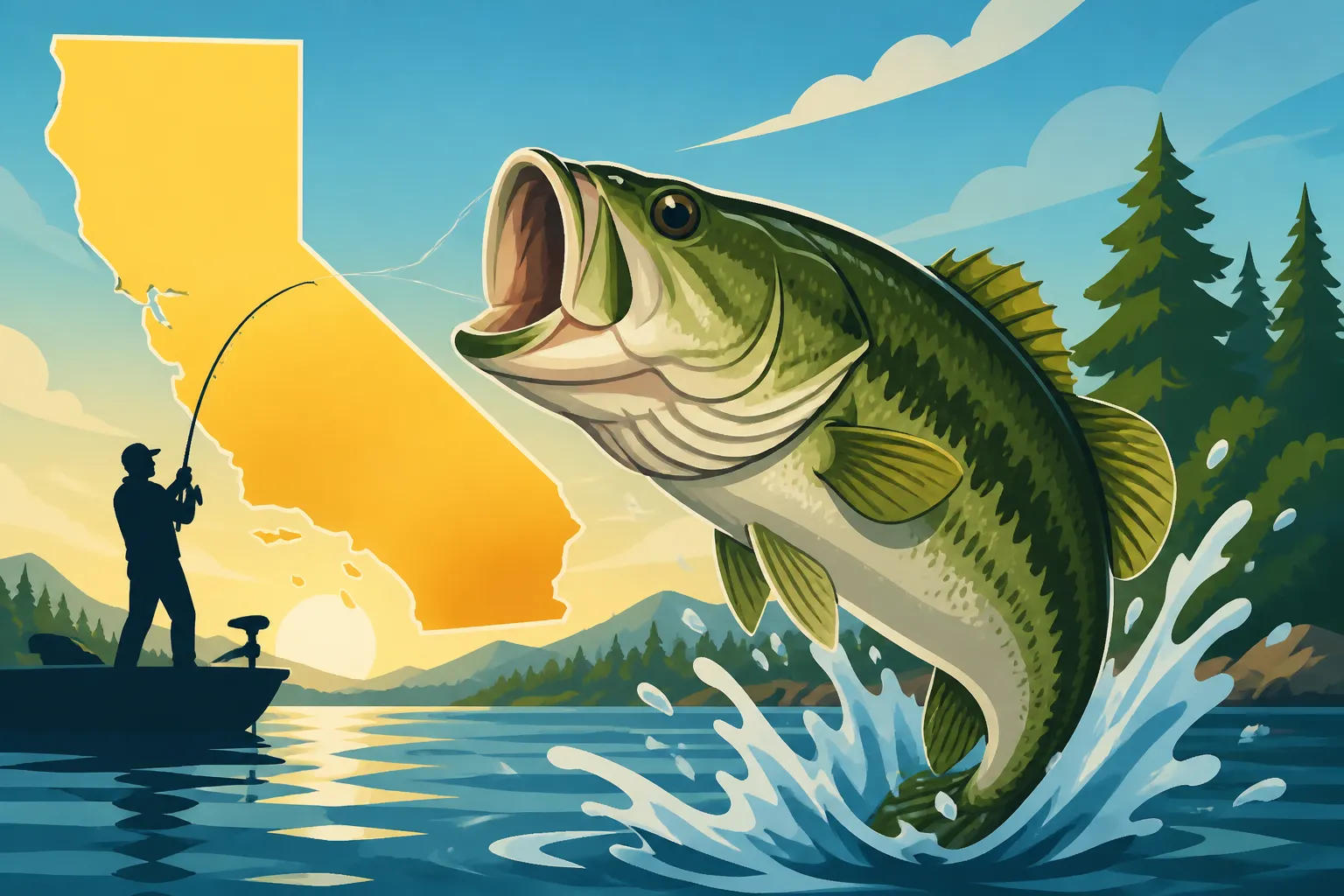
There’s nothing quite like the thrill of a largemouth bass exploding on your topwater lure at dawn, or feeling that tell-tale thump as a big one inhales your plastic worm in the depths. But let's be real, figuring out where these elusive giants lurk and what makes them bite in a state as diverse as California can feel like cracking a secret code. This guide is dedicated to demystifying largemouth bass fishing in California, helping you pinpoint the prime locations and master the techniques needed to consistently hook into these prized freshwater fighters.
Understanding Largemouth Bass in California's Diverse Waters
California isn't just about saltwater or trout streams; it boasts some truly phenomenal largemouth bass fishing, drawing anglers from all over. The state's incredibly varied topography, from the scorching Central Valley to the cool foothills, creates a multitude of environments where these fish thrive. Understanding these unique conditions is your first step toward consistent success.
What Makes California Bass Unique?
While largemouth bass ( Micropterus salmoides) found in California are the same species as those found across the United States, they've adapted to California's specific blend of climates, water types, and forage bases. Many of our lakes hold a mix of northern strain largemouth and the famously larger Florida-strain largemouth bass, or hybrids of the two, which were introduced decades ago to bolster trophy potential. These Florida-strain genetics are often why California regularly produces truly massive bass, pushing the 10-pound mark and beyond, offering a shot at a lifetime fish. The sheer size potential here is a huge draw, and these fish tend to grow faster and larger than their northern cousins due to longer growing seasons and abundant food sources in many of our reservoirs and natural lakes. They also react differently to water temperature fluctuations and pressures from angling.
Prime Largemouth Bass Habitats in the Golden State
Largemouth bass are ambush predators, and they love structure—anything that provides cover from the sun, hides them from predators, or serves as a prime ambush point for unsuspecting baitfish. In California, this means looking for specific types of features in various water bodies. You'll find them holding tight to submerged timber, rock piles, weed beds (especially hydrilla or milfoil), tules, docks, bridge pilings, and even subtle changes in bottom contour like humps and points. The presence of good forage, such as threadfin shad, hitch, bluegill, or even crawfish, is another critical factor. The best lakes often have a healthy balance of these elements, providing both deep-water refuge and shallow-water hunting grounds. Understanding these preferences helps you narrow down vast stretches of water to the most promising fishing zones.
Where to Find Largemouth Bass Across California
California's geography is as varied as the fishing opportunities it presents, and largemouth bass are spread far and wide. From the northern reaches near the Oregon border down to the sun-drenched reservoirs of Southern California, there are countless places to chase these green-backed beauties. Knowing the regional hotspots can save you a lot of guesswork and driving.
Northern California Hotspots
Northern California is home to some legendary bass fishing. When people talk about trophy largemouth in the Golden State, often the first place that comes to mind is Clear Lake. This lake, situated in Lake County, is consistently ranked as one of the top bass fisheries in the nation. Its shallow, fertile waters, abundant cover like tules and docks, and rich forage base create ideal conditions for bass to grow massive. You can learn more about its specific features in our dedicated guide to the Best Fishing Lakes in California. Other excellent options include the numerous reservoirs carved into the foothills of the Sierra Nevada. Lake Shasta Fishing Guide, for instance, offers diverse structure with a mix of spotted bass and largemouth, especially in its shallower arms. Lake Oroville Fishing Guide is another great choice, particularly in its upper reaches with timber and rocky points. Don't forget the more intimate lakes like Lake Berryessa Fishing Guide, known for clear water and some seriously big fish hiding in its submerged trees and rock formations.
Central Valley Bass Havens
Moving into the heart of the state, the Central Valley and its sprawling water systems provide incredible bass opportunities. The California Delta Fishing Guide is arguably the most unique and challenging bass fishery in the state. This vast network of sloughs, rivers, and tule-lined channels is teeming with largemouth, often very aggressive ones, especially during the spring and fall. Navigating the Delta can be tricky, but the rewards are well worth it, with countless spots to pitch jigs, flip plastics, or throw reaction baits. Further inland, you have giants like San Luis Reservoir Fishing Guide, though it's more famous for its striped bass, it holds robust populations of largemouth, particularly in its more sheltered coves. New Melones Lake Fishing Guide and Don Pedro Reservoir also offer excellent largemouth opportunities, boasting deep, clear waters with plenty of rock structure and submerged timber. For those looking for more specific tactics, our resource on How to Fish the California Delta for Stripers can offer transferable insights into understanding the water movement and structure, even for targeting bass.
Southern California's Best Bass Lakes
Southern California, despite its urban sprawl, has a fantastic array of reservoirs that consistently produce big largemouth bass. These lakes are often meticulously managed and stocked, making them prime destinations. Castaic Lake Fishing Guide is legendary, having produced some of the largest largemouth bass ever caught, including a former world record. Its deep, clear waters and steep drop-offs require specific techniques but promise incredible potential. Diamond Valley Lake Fishing Guide, another jewel in Southern California, is known for its strict regulations aimed at fostering trophy fish, and it rarely disappoints. Pyramid Lake Fishing Guide is also a strong contender, particularly for anglers looking for both numbers and size. These lakes can be challenging due to fishing pressure and clear water, but learning to adapt to these conditions, often by going deeper or fishing during low-light hours, will pay dividends. Many of these waters are featured in our guide to the Best Bass Lakes in California.
| Lake Name | Region | Key Features for Bass | Primary Forage |
|---|---|---|---|
| Clear Lake | Northern CA | Abundant tules, docks, submerged weeds | Shad, Hitch, Crawfish |
| California Delta | Central CA | Tule lines, riprap, submerged islands | Shad, Bluegill, Crawfish |
| Castaic Lake | Southern CA | Deep structure, submerged trees, coves | Shad, Trout (stocked) |
| Diamond Valley Lake | Southern CA | Rock piles, ledges, deep canyons | Shad, Trout (stocked) |
| Lake Berryessa | Northern CA | Clear water, rock structure, timber | Shad, Bluegill, Crawfish |
Master the Techniques for Catching California Largemouth Bass
Catching largemouth bass isn't just about showing up; it's about understanding their behavior, knowing what gear to use, and adapting your techniques to the conditions. The beauty of bass fishing is in its versatility – there’s always a new lure or a subtle presentation to try.
Essential Gear and Baits
Having the right tackle is crucial. For largemouth bass, a medium-heavy to heavy action rod, typically 6'6" to 7'6" in length, is your workhorse. This gives you the power to cast larger lures, drive hooks home, and muscle big bass out of heavy cover. Pair this with a baitcasting reel for most applications, spooled with 15-20 lb fluorocarbon or monofilament, or 30-65 lb braided line, especially when flipping heavy cover. You can find a fantastic selection of reputable brands like Shimano, Daiwa, and Abu Garcia, along with a vast array of lines and lures, readily available on platforms like Amazon.
When it comes to baits, variety is key. Soft plastics are a must-have: think senkos, plastic worms, creature baits, and swimbaits. These can be rigged Texas-style, Carolina-rigged, or on a jig head, offering endless presentation options. Spinnerbaits and chatterbaits are excellent for covering water and fishing through sparse weeds, while crankbaits (both shallow and deep diving) mimic baitfish and are incredibly effective when bass are actively feeding. Topwater lures like poppers, walking baits, and frogs provide exhilarating strikes, especially during low-light conditions. Jigs, in various weights and colors, are perfect for pitching into heavy cover or fishing deep structure. For specific recommendations, our guide on Best Lures for California Largemouth Bass goes into great detail. Always have a good selection, as bass can be incredibly finicky, and what works one day might not the next.
Top Techniques for Different Seasons
Largemouth bass behavior shifts dramatically with the seasons, largely driven by water temperature and their spawning cycle. Understanding these patterns is critical for success, and you can delve deeper into this with our California Bass Spawn Timing and Tactics and our general California Fishing Seasons: Month-by-Month Guide.
In spring, bass move shallow for the pre-spawn and spawn. This is prime time for sight fishing with soft plastics or throwing spinnerbaits and crankbaits near spawning flats and transition areas. Focus on north-facing banks that warm up faster. As the water warms, you'll see males guarding nests, and females moving in to lay eggs. Post-spawn, the fish can be lethargic but will eventually move to deeper cover as they recover.
Summer fishing means bass often move deeper to cooler water during the day, becoming more active during dawn, dusk, and even night. Deep diving crankbaits, jigs, and slow-fished plastic worms are effective for targeting fish holding on ledges, humps, and submerged timber. Topwater fishing can still be phenomenal during low light or over matted vegetation.
Fall is a fantastic time, often called the "second spring," as bass aggressively feed to fatten up for winter. They'll chase baitfish in shallow coves and creek channels. Spinnerbaits, swimbaits, jerkbaits, and crankbaits are all highly effective as bass actively pursue schooling bait. Look for birds diving or baitfish flickering on the surface – bass won't be far behind.
Winter fishing slows down considerably. Bass become less active and hold tight to deep structure, often near steep drop-offs, rock piles, or submerged trees. Vertical jigging, slow-rolling large swimbaits, or dragging jigs and plastic worms very slowly can entice bites. Don't be afraid to fish deeper and slower; patience is truly a virtue during the colder months.
Reading the Water and Finding Structure
Successfully locating largemouth bass involves more than just casting randomly; it's about interpreting the aquatic environment. Start by looking for visible structure like docks, submerged trees, rock outcroppings, or tules. These are obvious ambush points. However, some of the best spots are invisible from the surface. Using a good fish finder with down imaging and side imaging capabilities, also easily found on Amazon, can reveal submerged humps, creek channels, brush piles, and rock ledges that hold concentrations of fish.
Pay attention to water clarity – clear water might call for lighter lines and more subtle presentations, while stained or murky water allows for heavier lines and noisier, more vibrant lures. Wind is another critical factor; a good ripple on the water can break up the surface, making bass more comfortable hunting shallow, while also pushing baitfish into certain areas. Current, particularly in the California Delta, also dictates where bass will position themselves. They’ll usually sit just out of the main current, waiting for food to be swept by. Remember, bass are masters of efficiency; they’ll always be positioned where they can expend the least amount of energy for the greatest feeding opportunity.
California Largemouth Bass Regulations and Best Practices
Fishing in California means playing by the rules, and that's a good thing! Regulations are in place to ensure healthy fish populations for generations to come. Staying informed about the latest rules and adopting ethical fishing practices are essential parts of being a responsible angler.
Understanding Limits and Seasons
The California Department of Fish and Wildlife (CDFW) sets specific regulations for largemouth bass, which can vary by water body and region. Generally, for largemouth, smallmouth, and spotted bass, the statewide daily bag limit is five fish, with a minimum size limit of 12 inches total length. However, there are "special regulation waters" that might have different limits, such as Slot Limits or even catch-and-release-only rules. For example, some lakes might have a slot limit where you can only keep fish under a certain size and over another, forcing the release of medium-sized breeders. It's crucial to consult the current California Fishing Regulations Explained booklet or the CDFW website before each trip, as these rules can change annually. Our guide to California Fishing Bag and Size Limits provides a detailed overview of common regulations you'll encounter. Always make sure your California Fishing License Guide is up to date, as it's required for anyone 16 years or older.
Catch and Release for Sustainable Fishing
Many serious bass anglers, especially those targeting trophy fish, practice catch and release. This is particularly important for larger, older fish which are vital for a healthy breeding population. If you intend to release fish, proper handling is key to their survival. Minimize the time the fish is out of the water. Handle the fish gently with wet hands, supporting its belly, and avoid touching its gills. Use needle-nose pliers or a hook remover to quickly extract hooks. Barbless hooks can make this process even easier and less damaging. If a fish is deeply hooked, it's often best to cut the line as close to the hook as possible rather than trying to rip it out. Releasing a bass correctly means returning it to the water headfirst, allowing water to flow over its gills, and holding it upright until it swims away under its own power. This commitment to conservation ensures that California's incredible largemouth bass fisheries remain vibrant for years to come.
Disclaimer
Fishing conditions and regulations in California can change frequently. Always check the latest California Department of Fish and Wildlife (CDFW) regulations before heading out. This guide is for informational purposes only and should not replace official sources.