Surfperch in California: Where and How to Catch
There's nothing quite like the feeling of the salty air, the sound of crashing waves, and the anticipation of a tug on your line. But let's be honest, trying to figure out where to cast and what to use for surfperch in California can feel like a guessing game sometimes. You're standing there, watching the waves, wondering if you're even in the right spot. This comprehensive guide is going to strip away that uncertainty, walking you through everything you need to know to successfully target and land these feisty, delicious fish right off California's stunning coastline.
Understanding California's Surfperch Species
Before we even think about wetting a line, it's super helpful to know a little bit about the fish we're after. California's coast is teeming with various species of surfperch, and while they share many common traits, knowing the subtle differences can definitely give you an edge. They're often overlooked by anglers focused on bigger game, but surfperch offer some fantastic light-tackle action and make for excellent table fare.
Common Types You'll Encounter
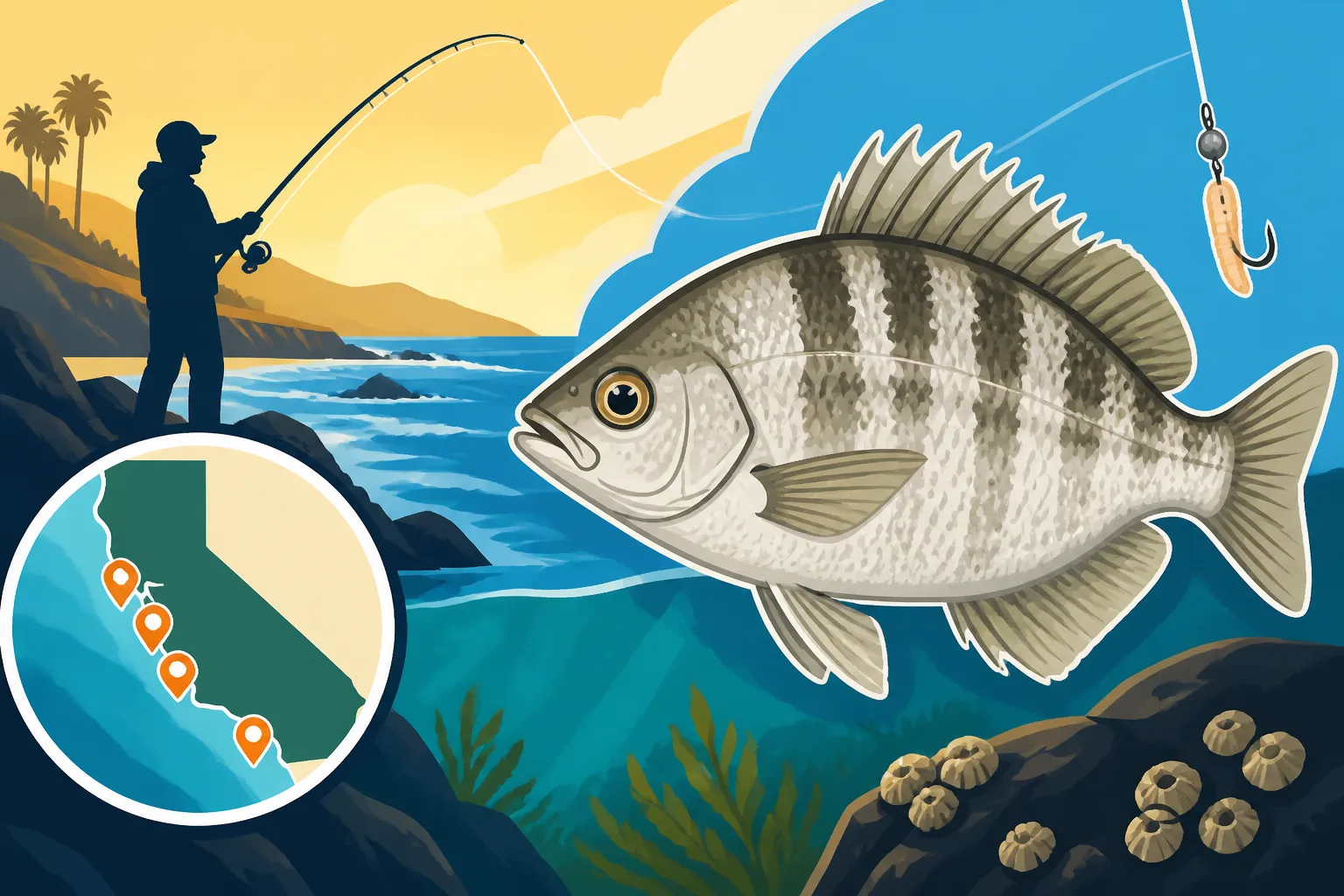
When you're out on a California beach, you're likely to run into a few specific types of surfperch. The most common, and often the most sought-after, is the barred surfperch. These guys are instantly recognizable by the vertical bars on their sides, which help them blend in perfectly with the sandy bottoms they call home. They're robust, grow to a decent size (often 10-15 inches, sometimes bigger!), and put up a really fun fight. They love to cruise the shallow surf zone, often right where the waves are breaking.
Then you have the redtail surfperch, primarily found on the northern and central coasts of California. As their name suggests, they have a distinctive reddish or orange tint to their tails and fins. They tend to be a bit smaller on average than barred surfperch but are equally eager to bite. You might also encounter walleye surfperch, identifiable by their large eyes and often a more silvery appearance, especially in clearer water. Other species like the calico surfperch, with its irregular blotches, or the smaller silver surfperch can also show up in your cooler. Each has its own little quirks, but broadly, they behave similarly in the surf. Understanding these different species is key to really appreciating the diversity of the "Surfperch in California: Where and How to Catch" experience.
Identifying Surfperch and Their Habits
Beyond their appearance, understanding surfperch behavior is crucial. These fish are viviparous, meaning they give birth to live young, which is pretty unique for a fish! They're primarily bottom feeders, constantly rooting around in the sand for invertebrates like sand crabs, small clams, marine worms, and other crustaceans. This is why bait presentation is so critical – you want to mimic their natural food sources as closely as possible.
Surfperch are schooling fish, often moving in groups along the beach, following the tides and searching for food. They tend to congregate in troughs, depressions, and around structure that holds bait. They can be found surprisingly close to shore, sometimes in just a few inches of water, especially during feeding frenzies or when the conditions are right. Their ability to blend into the sand makes them masters of ambush, darting out from the stirred-up sediment to snatch a passing meal. Knowing these habits helps you anticipate where they might be lurking, turning a casual beach outing into a focused fishing expedition.
Prime Locations for Surfperch Fishing in California
California's coastline offers an incredible array of surfperch habitats, from long, sandy beaches to rocky stretches and sheltered bays. The good news is, you don't need a boat to find them – the best spots are often right under your nose, accessible by foot!
Exploring Different Beach Environments
The classic image of surfperch fishing is on a sandy beach, and for good reason. Miles of sandy coastline up and down California, from San Diego to Humboldt, are prime surfperch territory. Look for areas with a gentle slope that transition into a slightly deeper trough closer to shore, followed by an outer sandbar. This "cut-and-bar" formation is a conveyor belt for bait, attracting hungry perch. Popular spots like Venice Beach, Zuma Beach in Southern California, or even some of the vast stretches of beach near Monterey and throughout the Bay Area offer excellent opportunities. In these sandy stretches, the barred surfperch is king. They actively feed in the turbulent surf zone, where the waves crash and churn up sand crabs and other delicacies. Don't be afraid to walk a bit and scout for these features; they can change with every tide and storm.
While sandy beaches are great, don't overlook rocky-sandy mixed beaches or areas near jetties and piers. These spots offer additional structure that can hold more diverse bait species and, in turn, different kinds of surfperch, including calico or pile perch, which prefer a bit more cover. The kelp beds and rocky reefs that are often associated with these areas provide shelter and food sources, making them hotspots. Even a simple rock outcrop on an otherwise sandy beach can create a current break that concentrates food and attracts fish. Just be mindful of snagging your line in these areas, and always check local regulations, as some spots might fall under California Marine Protected Areas Explained.
Best Times and Tides for Surfperch
Timing is everything in surf fishing, and for surfperch, tide movement is arguably the most critical factor. Generally, the incoming tide and the high tide are the most productive times. As the tide pushes in, it brings nutrient-rich water closer to shore, dislodges sand crabs, and floods into troughs and depressions where perch love to feed. The period right before and right after the peak high tide can be especially hot. During these times, fish often move into shallower water, making them more accessible to shore anglers.
However, don't write off a slow outgoing tide, especially if it's drawing water out of a productive trough or an estuary mouth, which can concentrate bait and fish. Dawn and dusk are also prime times, regardless of the tide, as these low-light conditions often trigger feeding activity across many species. A mild, overcast day with a slight chop on the water can also be fantastic, as the broken surface provides cover for the fish and stirs up the bottom. Avoid extremely calm, clear days, as fish tend to be warier in such conditions. To stay on top of the optimal windows, always check the local tide charts and consider the Best Times to Fish in California for surfperch.
Essential Gear and Bait for Surfperch Success
Having the right tackle can make all the difference between a frustrating day and a fantastic one. You don't need to break the bank, but a few key items will significantly boost your chances.
Rods, Reels, and Line Choices
For surfperch, you want a rod that can cast a decent distance and handle the occasional wave, but also one that's sensitive enough to detect subtle bites. A medium-light to medium power surf rod, typically between 9 to 11 feet in length, is ideal. Brands like Ugly Stik or Penn offer durable, affordable options perfect for this kind of fishing. The longer length helps you cast over the breaking waves and keep your line out of the immediate wash. Look for a rod with a fast or moderate-fast action, which gives you good casting power while still having a flexible tip for bite detection.
Pair your rod with a reliable spinning reel in the 3000 to 5000 size range. This size offers enough line capacity and smooth drag for surfperch. A reel with good corrosion resistance is a huge plus, as saltwater can be incredibly tough on gear. For line, 10-15 lb monofilament or 15-20 lb braided line is generally appropriate. If you're using braid, which offers superior sensitivity and casting distance, I highly recommend adding a fluorocarbon leader of about 2-3 feet in length (8-12 lb test). Fluorocarbon is less visible in the water and more abrasion-resistant, which is great around any hidden structure. You can find some excellent deals on line and leaders on platforms like Amazon.
Rigging Up for Surfperch
Simplicity is often key in surfperch fishing. The Carolina Rig (also known as a sliding sinker rig) is hands-down the most popular and effective setup. It allows your bait to move naturally with the current, which is irresistible to surfperch.
Here's how to tie a basic Carolina Rig:
- Main Line: Take your main line (mono or braid) coming from your reel.
- Sliding Sinker: Thread an egg sinker or a pyramid sinker (1/2 oz to 2 oz, depending on current and casting distance) onto your main line. Pyramid sinkers are great for holding bottom in strong surf.
- Bead: Add a small plastic bead after the sinker. This protects your knot from the sinker's abrasion.
- Swivel: Tie a barrel swivel to the end of your main line (after the bead). This prevents line twist and acts as a stopper for your sinker.
- Leader: Tie a 12-24 inch length of fluorocarbon leader (8-12 lb test) to the other end of the swivel.
- Hook: Finally, tie a bait holder hook or an Octopus style hook (size 2 to 4) to the end of your leader.
Another effective setup, especially if you want to present multiple baits or fish in a slightly different manner, is a hi-lo rig (also called a Pompano rig). This rig usually has two dropper loops or snelled hooks attached to a main line, with a heavier sinker at the bottom. This allows you to fish two baits at different depths simultaneously, increasing your chances. When fishing in California, remember to adhere to California Barbless Hook Requirements in certain areas, particularly for freshwater or anadromous species, though generally not for surfperch.
| Rig Type | Advantages | Best For | Considerations |
|---|---|---|---|
| Carolina Rig | Natural bait presentation, good bite detection | Sensitive fish, moderate current, sandy bottom | Can get tangled in heavy surf, single hook limit |
| Hi-Lo Rig | Two baits at once, good casting distance | Active fish, multiple depths, stronger currents | More prone to tangles, less natural bait movement |
The Best Baits and Lures
Surfperch are not picky eaters, but some baits are definitely more effective than others. Sand crabs (mole crabs) are the absolute king of surfperch baits. They are the natural food source for these fish, and if you can find them buried in the wet sand at the water's edge, they are gold. Dig them up by hand or with a sand flea rake. Hook them through the bottom shell and out the top, making sure the hook point is exposed.
Other highly effective natural baits include:
- Mussel or clam meat: Freshly shucked mussels or clams cut into small, bite-sized pieces are excellent. Their strong scent attracts fish.
- Shrimp: Market shrimp (peeled and deveined) or ghost shrimp are also fantastic. Live ghost shrimp, if you can get them, are irresistible.
- Worms: Bloodworms, lugworms, or even Gulp! Sandworms (available on Amazon) are highly effective, especially when natural bait is scarce. The Gulp! products are fantastic because they combine scent and durability.
While surfperch primarily go for natural baits, they can also be caught on small artificial lures, especially grubs or small soft plastics resembling worms or baitfish. A small motor oil or clear flake grub on a 1/8 to 1/4 oz jig head can be surprisingly effective on days when the fish are aggressive. Experimentation is key; sometimes, a particular color or scent will outperform everything else.
Mastering Surfperch Fishing Techniques
Knowing your gear and bait is half the battle; the other half is understanding how to present it effectively and what to look for once your line is in the water. Surf fishing requires patience and a keen eye for subtle clues the ocean provides.
Reading the Beach and Casting Strategies
One of the most valuable skills for any surf angler is "reading the beach." You're looking for subtle changes in the bottom contour, areas where food might accumulate, or where fish might seek shelter. As mentioned earlier, look for troughs (darker, calmer water running parallel to the shore, indicating deeper water), rip currents (channels of outgoing water that often form in breaks in sandbars, pulling bait and sometimes fish out), and sandbars (shallower areas where waves break first). These features are dynamic and change constantly, so observe the waves and water color for a few minutes before casting. You can often see the "cut" where the waves are less turbulent, indicating a deeper channel. These are prime feeding lanes.
Once you've identified a promising spot, your casting strategy should aim to place your bait right into these feeding lanes. Cast just beyond the breaking waves, or directly into a trough you've spotted. If you're on a wide, flat beach, you might need to cast a considerable distance. If you're fishing near rocks or a jetty, cast along the edges of the structure. After your bait settles, allow it to sit for a few minutes. Then, slowly retrieve it a few feet, letting it settle again. The idea is to cover water, gradually moving your bait across potential feeding zones. This methodical approach is critical for California Surf Fishing Tips and Techniques.
Presentation and Retrieve Methods
The key to a successful retrieve for surfperch is to keep it slow and natural. Remember, surfperch are often rooting around on the bottom. Once your bait has settled, engage your reel and retrieve very slowly, just enough to feel your sinker occasionally bumping along the bottom. The waves and current will impart natural movement to your bait, which is exactly what you want. Think of it as a subtle drag-and-pause motion.
When you feel a bite, it can range from a light tap to a more assertive pull. Sometimes it's just a slight increase in pressure. Don't go for a huge, sweeping hookset like you might for bass. Instead, lift your rod tip smoothly and firmly, reeling continuously to take up slack and set the hook. Since surfperch often peck at the bait, patience is key. If you miss a bite, leave your bait in the water for a few more seconds; often, the fish will come back for it. If the bites are really light, try a slightly smaller hook or a more sensitive rod tip. This presentation is very similar to how you might approach How to Surf Fish for Corbina, as they share similar habitats and feeding habits.
Handling and Releasing Your Catch
Once you've landed a surfperch, handle it with care. They're often caught on small hooks, and their mouths can be delicate. If you plan to keep your catch, measure it against current California Fishing Bag and Size Limits for surfperch to ensure it's legal. A simple tape measure or a marked rod can help with this. If you intend to release the fish, wet your hands before handling to protect its slime coat, and remove the hook gently. If the hook is deeply swallowed, it's often best to cut the line as close to the hook as possible rather than tearing up the fish's insides.
For those planning to bring dinner home, surfperch are fantastic eating. Their white, flaky meat is mild and versatile. Bleed them quickly by cutting a gill arch, and then put them immediately on ice in a cooler. This helps preserve the quality of the meat. Keep an eye on local California Fishing Regulations Explained for surfperch, as rules can change depending on the season and location. For general guidance on accessing the surf, take a look at the broader California Surf Fishing Guide.
California Surfperch Seasons and Regulations
Understanding when you can fish for surfperch and what the rules are is just as important as knowing how to catch them. California has pretty consistent regulations for most surfperch species, making it a reliable target year-round in many areas.
Year-Round Opportunities and Seasonal Considerations
One of the great things about surfperch is that they generally offer year-round fishing opportunities along the California coast. Unlike some salmon or steelhead runs which have very strict seasonal closures, surfperch are usually fair game whenever you want to hit the beach. This makes them an excellent target for a spontaneous fishing trip or when other species are out of season.
That being said, there can be seasonal variations in their activity and abundance. During the spring months (March-May), especially around March and April, many surfperch species (like the barred surfperch) are actively breeding and often move closer to shore in large schools. This can lead to some of the most consistent and productive fishing of the year. The cooler water in fall and winter can also concentrate fish in specific areas, especially deeper troughs or around structures that offer a bit more shelter. During the hot summer months, you might find them feeding more actively during the early morning or late evening hours when water temperatures are slightly lower. Checking the California Fishing Seasons: Month-by-Month Guide can give you a general idea of other species available, but surfperch are often a reliable fallback.
Navigating Bag and Size Limits
While surfperch fishing is generally open all year, it's crucial to be aware of the specific bag and size limits set by the California Department of Fish and Wildlife (CDFW). These regulations are in place to ensure sustainable populations for future generations of anglers. For most surfperch species in California, the general sport fishing regulations apply.
As of my last check, for most common species like barred surfperch, calico surfperch, redtail surfperch, and walleye surfperch, the daily bag limit is typically 10 fish of a single species, or an aggregate of 20 finfish in combination with other species. There's often a minimum size limit of 5 inches total length for these species. However, certain species, like the pile perch, rubberlip perch, and shiner perch, may have slightly different specific limits or might fall under general finfish regulations. Always consult the official CDFW Ocean Sport Fishing Regulations booklet or their website before you go out. You can often find a current copy at bait and tackle shops, or simply download the PDF. Ignorance of the law is no excuse, and fines for violations can be steep! Understanding your California Fishing License Guide and having the correct stamps is also paramount before you even cast a line.
Popular Surfperch Fishing Spots in California
California is blessed with an incredibly diverse coastline, and that means a ton of fantastic spots for surfperch fishing. While a "secret spot" is always cherished, there are many well-known, publicly accessible beaches that consistently produce great catches.
Northern and Central California Hotspots
Moving northward, the beaches of San Francisco's Ocean Beach can be legendary for surfperch, though conditions can be rough. It's a vast stretch of sand, and finding those subtle troughs and cuts is key here. Further north, Half Moon Bay and the beaches around Pacifica Pier (where pier fishing is license-free, by the way!) also offer excellent surfperch action. Look for the outflow areas near lagoons and creeks, as these can concentrate baitfish and attract hungry perch.
The Central Coast, particularly around Monterey Bay and Morro Bay, boasts expansive sandy beaches that are prime barred surfperch territory. Places like Marina State Beach near Monterey or the beaches north and south of Morro Bay often have excellent sand crab populations, which translates to good perch fishing. Even the stretches near Santa Cruz, like Capitola Beach, can produce good numbers. The beauty of these central coast locations is their consistency and often more manageable surf compared to some of the northern beaches. For a more general overview, check out the Best Surf Fishing Beaches in California.
Southern California Favorites
Down in Southern California, you are absolutely spoiled for choice when it comes to surfperch fishing. The long, sandy stretches are ideal. Beaches in San Diego County, such as Imperial Beach, Coronado Dog Beach, and Del Mar City Beach, are perennial favorites. These spots have wide, sandy expanses that are perfect for reading the surf and targeting schools of barred surfperch. The key is to look for those subtle depressions and troughs just beyond the breaking waves.
Moving up the coast, Orange County offers fantastic options. Huntington City Beach, Newport Beach, and Bolsa Chica State Beach are all highly productive. Huntington Beach Pier, in particular, offers a great platform for targeting surfperch without needing to brave the surf directly. Further north in Los Angeles County, beaches like Zuma Beach, Santa Monica Beach, and even the sandy sections of Malibu are reliable. Remember to pay attention to current conditions and tide charts for the best results, as wave action can vary significantly between these spots. Local tackle shops, like those near the famous Dana Point Harbor or Marina del Rey, are always a great resource for the latest intel.
Final Thoughts and Tips for Success
Surfperch fishing is a truly accessible and rewarding way to enjoy California's beautiful coastline. It doesn't require a boat, a ton of expensive gear, or highly specialized skills. It's about getting out there, observing, and understanding the rhythm of the ocean.
One last tip: always bring a bucket or a small cooler for your bait and fish. Keeping your bait fresh is critical, especially sand crabs or mussels. And if you're keeping fish, getting them on ice quickly is paramount for quality. A pair of pliers for hook removal and a towel for slimy hands are also invaluable.
Don't be afraid to experiment with different baits, retrieval speeds, and even different spots on the same beach. The ocean changes constantly, and what worked yesterday might not work today. Embrace the challenge, enjoy the scenery, and you'll soon be reeling in some tasty California surfperch. Happy fishing, friends!
Disclaimer
Fishing regulations, seasons, and limits can change frequently. Always consult the latest official California Department of Fish and Wildlife (CDFW) regulations before any fishing trip. This guide is for informational purposes only and should not be considered a substitute for official legal guidance.