California Barracuda Fishing Guide
Oh, the California barracuda! There's nothing quite like the thrill of hooking into one of these torpedoes of the sea, only to find yourself wrestling with a toothy, aggressive predator that fights like a demon. But let's be real, figuring out when and where these speedsters hang out, and what they actually want to bite, can feel like a secret code. This guide is here to cut through the confusion and equip you with everything you need to confidently target, hook, and land California barracuda, transforming your next fishing trip into a toothy triumph.
Understanding the Pacific Barracuda: California's Torpedo of the Sea
The California barracuda, or Pacific barracuda (Sphyraena argentea), is a true icon of our coastal waters. Known for its sleek, elongated body, razor-sharp teeth, and incredible speed, it's a formidable predator that provides thrilling sport for anglers up and down the Golden State. But beyond the fierce reputation, there's a fascinating biology and behavior at play that, once understood, can dramatically improve your chances of a successful outing.
Identifying the Pacific Barracuda
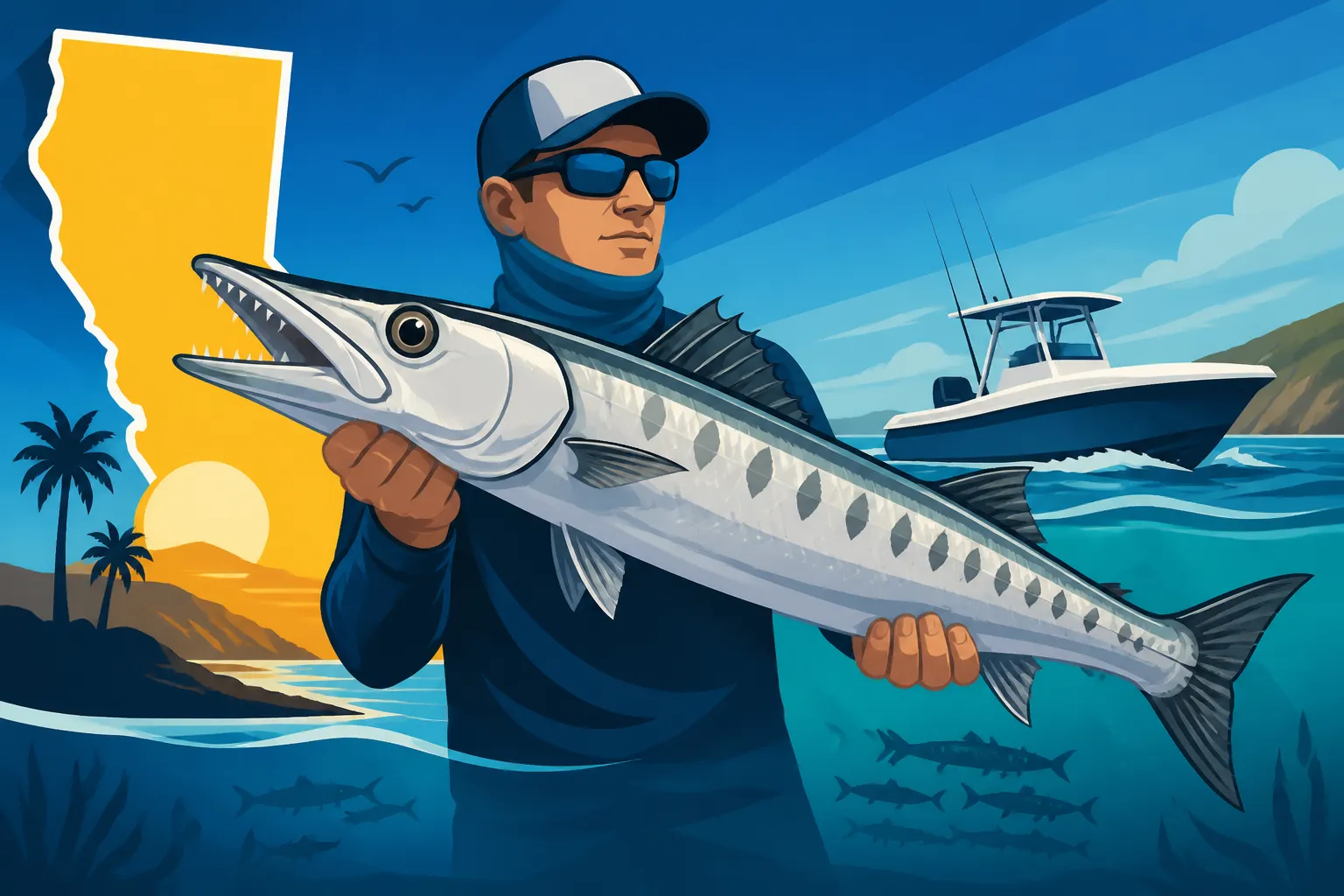
When you pull a barracuda from the water, there's usually no mistaking it. These fish are built for speed and ambush. Their bodies are long and slender, typically silver on the sides, fading to a darker blue or greenish-black on the back and a white belly. What truly sets them apart is their distinct lower jaw, which protrudes noticeably beyond the upper jaw, armed with a terrifying array of sharp, conical teeth. These teeth aren't just for show; they're perfectly designed for slicing and dicing prey.
They often swim in schools, especially when they're younger, but larger, older barracuda tend to be more solitary or found in smaller, looser groups. You might confuse them briefly with a large mackerel, but the barracuda's unique jaw and larger size usually give it away. On average, a legal-sized barracuda in California will be around 20-30 inches, though larger specimens pushing 40 inches and 10 pounds are definitely out there and make for an unforgettable fight. Knowing how to identify them correctly is the first step, not just for sport, but also for adhering to specific regulations which we'll cover later.
Barracuda Habitat and Diet
Pacific barracuda are true nearshore pelagic predators, meaning they primarily live in the open water closer to the coast rather than hugging the bottom or staying far offshore. They love structures like kelp beds, submerged rocks, oil platforms, and even just open water where baitfish gather. From San Diego all the way up to parts of Central California, you'll find them cruising these areas. They thrive in warmer waters, which dictates a lot of their seasonal movements.
Their diet is almost exclusively other fish. They are opportunistic feeders and incredibly aggressive. Smaller anchovies, sardines, mackerel, squid, and even juvenile rockfish are all on the menu. They’ll often slash through schools of baitfish, stunning or injuring them before circling back to devour their meal. This predatory behavior is key to understanding how to catch them; anything that mimics a fleeing or injured baitfish is going to grab a barracuda's attention. Think about those frantic darting movements when choosing your retrieve.
Seasonal Movements and Behavior
The barracuda's presence in California is highly seasonal and temperature-dependent. They are warm-water migrants, which means they generally move north along our coast as water temperatures rise in spring and summer, and then retreat south or offshore to deeper, warmer waters as fall and winter set in. In Southern California, you might find them year-round, but their abundance and activeness peak dramatically during the warmer months.
During the peak season (typically late spring through early fall), they'll often be found closer to shore, sometimes even within casting distance from piers or the surf line, especially when large schools of baitfish are present. This is when their feeding frenzies can be spectacular. As the water cools, they tend to move to deeper offshore banks and structures, making them primarily a boat-based target. Understanding these cycles is critical to planning your trip. For a deeper dive into how different species move throughout the year, check out our California Fishing Seasons: Month-by-Month Guide.
Prime Time and Places to Hook Barracuda
Timing and location are everything when it comes to barracuda fishing. These fish aren't always everywhere, all the time. Knowing when their populations are peaking and where they prefer to congregate can make the difference between a frustrating skunk and a boatload of exhilarating fights.
Optimal Seasons and Weather Conditions
The absolute best time to target barracuda in California is generally from late spring through early fall, roughly May to October. This is when the ocean water temperatures are at their warmest, drawing baitfish closer to the coast, and consequently, the barracuda follow. In a given season, some years will see them arrive earlier and stay later if the water stays warm, while cooler years might shorten their presence.
- Spring (May-June): Barracuda start showing up in good numbers, especially in Southern California. They might still be a bit spread out, but consistent catches begin.
- Summer (July-September): This is prime time! Barracuda are abundant and aggressive, often found in large schools. Early mornings and late afternoons are particularly productive when they're actively feeding. Overcast days can sometimes extend the bite throughout the day.
- Fall (October-November): As water temperatures start to drop, the barracuda bite can remain strong for a while, but they'll gradually start moving offshore or south. This can be a great time for larger fish, but you might have to search a bit more.
- Winter (December-April): Generally, barracuda are scarce inshore during winter. You might find sporadic catches in deeper, warmer offshore spots in Southern California, but it's not considered prime barracuda season.
Always keep an eye on local fishing reports and water temperature charts. A slight bump in water temperature can often trigger an incredible bite. For a more general overview of when different species are active, our Best Times to Fish in California provides great context.
Top Fishing Grounds along the Coast
California offers numerous hotspots for barracuda, particularly from Santa Barbara south to San Diego. Here are some of the most reliable areas:
- San Diego County: This is arguably the barracuda capital of California. Areas like La Jolla, Point Loma, and Coronado Islands (a popular destination for charter boats just across the border in Mexican waters, but many California boats run trips there with proper permits) are legendary. Kelp beds and offshore banks are prime. You'll find a lot of boats departing from landings like Fisherman's Landing and H&M Landing.
- Orange County: Places like Dana Point, Newport Beach, and Huntington Beach often hold good numbers, especially around artificial reefs, kelp lines, and bait balls. Local party boats frequently target them.
- Los Angeles County: Marina del Rey, Long Beach, and San Pedro are excellent launching points. The waters around Palos Verdes Peninsula, the various oil rigs, and even Catalina and San Clemente Islands can be absolutely loaded with barracuda.
- Channel Islands (Ventura/Santa Barbara): While further north, the Channel Islands (like Santa Cruz, Anacapa, and Santa Rosa) can also hold significant numbers of barracuda, especially in warmer years. The kelp forests here are ideal ambush points.
Whether you're fishing from your own boat, a kayak, or joining a charter, these general regions should be your focus during barracuda season. If you're considering a guided trip, our California Fishing Charters: Complete Guide can help you find the perfect option.
Pier and Shore Access for Barracuda
You don't always need a boat to get in on the barracuda action. While boat fishing generally offers access to larger schools and bigger fish, piers and even some surf spots can yield surprising results, especially during peak season.
- Piers: Many Southern California piers, such as the Huntington Beach Pier, Oceanside Pier, and Santa Monica Pier, will see barracuda within casting range when the conditions are right. Look for them around baitfish schools under the pier lights at night or during twilight hours. Early mornings are also fantastic. The key is to cast out as far as possible, often past the pier structure itself, and retrieve with a swift, erratic motion. Metal jigs, spoons, and hardbaits are popular choices.
- Surf Fishing: While less common, barracuda can occasionally be caught from the surf, particularly on beaches adjacent to kelp beds or rocky areas where baitfish congregate. This is more of a bonus catch while targeting other species like corbina or halibut, but it can happen. Early morning or late evening often provides the best shot. Again, long casts with lures that imitate baitfish are your best bet. Always be aware of other beachgoers and practice safe casting.
Always remember that fishing from piers in California is often license-free, but regulations still apply. However, if you venture off a pier or any federal breakwater and cast into the water, you generally need a valid California fishing license. It's always a good idea to double-check the specifics for wherever you plan to fish.
Essential Gear and Proven Techniques for Barracuda
Having the right tackle and knowing how to present your bait or lure effectively is crucial for consistently catching barracuda. These fish are known for their sharp teeth and aggressive strikes, so your gear needs to be up to the task.
Rods, Reels, and Line for Barracuda
You'll want a setup that offers a good balance of casting distance, fighting power, and sensitivity.
- Rods: A medium-heavy to heavy action rod, typically 7 to 8 feet long, is ideal. This length provides good casting distance from a boat or shore and enough backbone to handle a strong, thrashing barracuda. Look for rods rated for 15-40 lb line. Brands like Phenix, Ugly Stik, or Daiwa offer excellent options for various budgets.
- Reels: A fast-retrieve spinning reel in the 4000-6000 size range or a conventional reel like a Penn Fathom or Shimano Tranx 300/400 is perfect. A fast retrieve ratio (e.g., 6.0:1 or higher) is a huge advantage for burning lures back to the boat, which often triggers barracuda strikes. Ensure your reel has a smooth, reliable drag system.
- Line: Spool up with 30-50 lb braided line. Braid offers superior casting distance, sensitivity, and strength for its diameter. Since barracuda have razor teeth, a fluorocarbon leader is absolutely essential. A 30-50 lb fluorocarbon leader, about 2-4 feet long, will provide abrasion resistance and be virtually invisible in the water. Connect your braid to your leader with a strong knot like an FG knot or an Albright knot. You can find robust fluorocarbon leaders and braided line options readily available on Amazon, making it easy to stock up before your trip.
Important Note on Leaders: While fluorocarbon offers good protection, exceptionally aggressive barracuda can still bite through it. Some anglers opt for a short section of wire leader (e.g., 6-12 inches of 30-50 lb single-strand wire) directly above the lure, especially if they are frequently losing lures. This will significantly reduce bite-offs but might also reduce strikes in clearer water, as wire is more visible. It's a trade-off.
Lures, Baits, and Rigs
Barracuda are aggressive and will hit a wide variety of offerings. Mimicking their natural prey is the most effective strategy.
- Artificial Lures:
- Metal Jigs/Spoons: Chrome or blue-and-white metal jigs (e.g., Salas 7X, Krocadile spoons) are classic barracuda killers. Cast them out, let them sink a bit, and then retrieve with a fast, erratic jigging motion. They imitate fleeing baitfish perfectly.
- Hardbaits/Plugs: Long, slender hardbaits like Rapala X-Raps or similar jerkbaits in sardine, anchovy, or mackerel patterns are incredibly effective. Work them with a twitch-twitch-pause retrieve.
- Soft Plastics/Swimbaits: Larger paddle-tail swimbaits on a lead head, especially those resembling mackerel or sardines, can be deadly, particularly for larger barracuda. Fish them with a steady retrieve, perhaps with an occasional twitch.
- Surface Poppers/Walk-the-Dog Lures: When barracuda are actively feeding on the surface, topwater lures can provide explosive strikes.
- Live Bait:
- Sardines/Anchovies: Live bait is often irresistible to barracuda. Slow-troll them or cast them out and let them swim freely (fly-lining). Use a small, sharp hook (size 1 to 2/0) through the nose or dorsal fin.
- Mackerel: Small live mackerel can also be extremely effective, especially for bigger barracuda.
- Rigs: For live bait, a simple "fly-line" rig is often best: just a hook (maybe a split shot if you need to get deeper) and your fluorocarbon leader. For lures, simply tie the leader directly to the lure using a strong knot like a Palomar or improved clinch knot.
Effective Fishing Techniques
Barracuda fishing is all about speed and mimicking frantic bait.
- Casting and Retrieving: This is the most common and effective technique from boats and piers. Cast your lure or bait as far as you can. For lures, immediately begin a fast, erratic retrieve. Think fast cranks, sudden pauses, and rod twitches to make the lure dart and flash. Barracuda often hit on the pause or when the lure changes direction. Many strikes occur right at the boat, so be ready for a last-minute lunge!
- Trolling: From a boat, trolling hardbaits or spoons at speeds of 5-8 knots can be incredibly effective, especially for locating schools. You can troll Rapalas, Yo-Zuris, or even just heavy spoons with a bit of flash. This is a great search pattern if you're not seeing surface activity.
- Jigging: If you've marked barracuda on your sonar or know they're holding at a certain depth, vertical jigging with metal jigs can work. Drop the jig to the desired depth and work it with sharp lifts and drops of the rod, mimicking an injured baitfish. This is a common technique when they are holding deeper, often employed during California Offshore Fishing Techniques trips.
- Party Boat Tactics: On a party boat, the deckhands will often instruct you. You'll likely be casting jigs or fly-lining live bait. Pay attention to what's working for others and don't be afraid to ask for tips. For more info on these shared experiences, check out our guide on California Party Boat Fishing Explained.
No matter the technique, keep your leader in good shape and check it frequently for nicks or abrasions from their teeth. A dull hook will cost you fish, so make sure your hooks are always needle sharp!
| Lure Type | Best Conditions | Retrieve Style | Notes |
|---|---|---|---|
| Metal Jigs | Surface to mid-water, active fish | Fast retrieve with erratic rips/pauses | Great for long casts, mimics fleeing bait. Popular with party boats. |
| Hardbaits/Plugs | Surface to mid-water, schooling fish | Twitch-twitch-pause, steady crank | Excellent visual appeal, effective for picky eaters. |
| Soft Plastics | Subsurface, kelp lines | Steady retrieve, occasional twitch | Good for larger fish, often less aggressive strikes. |
| Live Bait | Any condition, especially slow bite | Fly-lined or slow-trolled, natural drift | Often the most effective, especially with finicky fish. |
Navigating Barracuda Regulations and Conservation
Fishing for barracuda is fantastic fun, but it comes with the responsibility of understanding and adhering to California's fishing regulations. These rules are in place to ensure a healthy fishery for future generations. Ignoring them can lead to hefty fines and loss of fishing privileges.
Size and Bag Limits
California has specific rules for Pacific barracuda that every angler must follow. These regulations can change, so it's always best to consult the most current California Department of Fish and Wildlife (CDFW) regulations booklet or their website before heading out.
Currently, the general regulations for Pacific barracuda in California are:
- Minimum Size Limit: You are generally required to release any barracuda shorter than 28 inches total length. This measurement is from the tip of the snout to the tip of the tail.
- Bag Limit: The daily bag limit is typically 10 barracuda per person. However, within this 10-fish limit, no more than 2 barracuda may be more than 28 inches total length. This means you can keep ten 28-inch barracuda, or eight 28-inch barracuda and two larger ones, but not three large ones.
These limits are designed to protect larger breeding fish and ensure enough smaller fish can grow to maturity. It's crucial to measure your catch accurately and release undersized fish carefully and quickly to maximize their survival chances. For a comprehensive overview of limits on various species, our California Fishing Bag and Size Limits guide is a valuable resource.
Fishing License and Report Card Requirements
Before you even think about wetting a line for barracuda (or almost any other fish in California), you need a valid California Sport Fishing License. This applies to almost all forms of fishing, whether you're on a boat, casting from the beach, or wading in an estuary.
- California Fishing License Guide: This is your essential first step. You can purchase one online through the CDFW website, at most tackle shops, or at licensed sporting goods stores. Make sure your license is valid for the current calendar year. We have a detailed California Fishing License Guide that walks you through everything you need to know about obtaining one.
- Ocean Enhancement Stamp: If you are fishing in ocean waters south of Point Arguello (Santa Barbara County), you are also required to purchase an Ocean Enhancement Validation Stamp in addition to your regular fishing license. This stamp supports programs that enhance ocean fish populations. Most barracuda fishing in Southern California falls within this area.
- Report Cards: For some species (like highly migratory species, salmon, or sturgeon), a separate report card is required to track catches. However, Pacific barracuda typically do not require a specific report card. Always confirm this with the current regulations, as rules can change.
Remember, even if you’re fishing on a party boat or charter, you are individually responsible for having your own valid fishing license and any necessary stamps. The crew will usually remind you, but it’s ultimately your responsibility.
Sustainable Practices and Ethical Angling
As responsible anglers, we all play a role in conserving our fisheries. Barracuda are a valuable resource, and practicing ethical angling helps ensure their future.
- Catch and Release: For fish you don't intend to keep, or those that are undersized, practice quick and careful catch and release.
- Minimize handling: Try to keep the fish in the water as much as possible.
- Use appropriate tools: A dehooker or needle-nose pliers can help remove hooks quickly.
- Avoid stressing the fish: If possible, support the fish horizontally and avoid squeezing it.
- Consider barbless hooks: These make hook removal much easier and reduce harm.
- Respect Marine Protected Areas (MPAs): California has a network of MPAs where fishing is restricted or prohibited. Always know if you are fishing in or near an MPA and understand the specific rules for that area. Ignorance of the rules is not an excuse. You can learn more about these crucial zones in our California Marine Protected Areas Explained article.
- Don't Waste Your Catch: Only keep what you can realistically consume. Barracuda are excellent eating fish, especially when fresh, but their flavor can degrade if not properly cared for. Immediately bleed and ice down your barracuda for the best table fare.
By following these guidelines, you're not just adhering to the law; you're contributing to the health and sustainability of California's incredible fishing opportunities. Tight lines, and happy barracuda hunting!
Disclaimer
Please note: Fishing regulations, seasons, and limits are subject to change by the California Department of Fish and Wildlife (CDFW). It is the angler's responsibility to consult the most current official CDFW regulations before engaging in any fishing activity. This guide is for informational purposes only and should not be considered a substitute for the official regulations.