Best Times to Fish in California
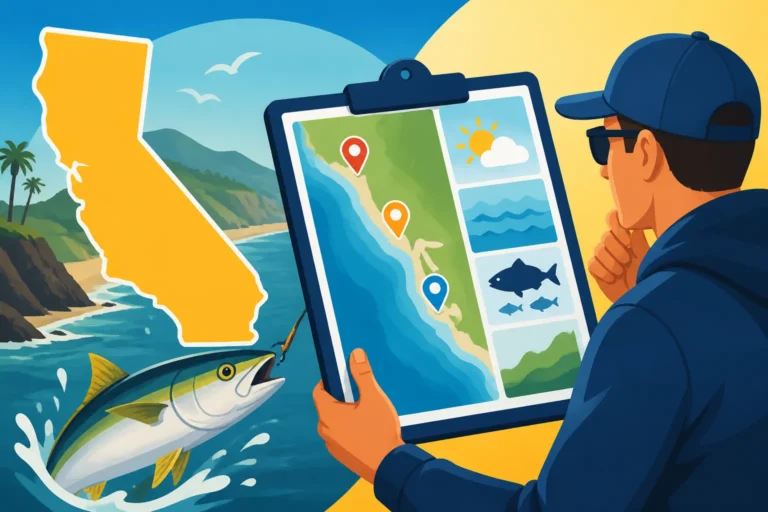
Hitting the water at the wrong time can be one of the most disheartening experiences for any angler, turning a hopeful fishing trip into a frustrating casting session. California's vast and varied aquatic environments, from alpine lakes to open ocean, mean that "the best time to fish" is rarely a simple answer. This comprehensive guide will peel back the layers of timing, helping you understand the complex interplay of seasons, tides, weather, and fish behavior so you can maximize your chances of a successful and enjoyable day on California's diverse waters.
Understanding California's Diverse Fishing Landscape
California is an angler's paradise, but its sheer diversity also means that the "best time" to fish isn't a one-size-fits-all answer. We've got everything from high-desert reservoirs to roaring coastal rivers and the vast Pacific Ocean, each with its own rhythm and resident species. What works for trout in the Eastern Sierra might be completely off for halibut in San Francisco Bay.
Freshwater vs. Saltwater Timing Differences
The fundamental difference in timing often comes down to whether you're dunking a line in fresh or saltwater. Freshwater fishing, especially in lakes and rivers, is heavily influenced by ambient air temperature, snowmelt, and the spawning cycles of species like trout and bass. As the seasons change, so do water temperatures, which directly impact fish metabolism and activity levels. For instance, trout in a high mountain lake might be most active when the ice first melts in spring, or during the cooler parts of summer days. Bass, on the other hand, become lethargic in extreme cold but are highly active in warmer (but not scorching) water.
Saltwater fishing, however, introduces a whole new set of variables. Tides become paramount, influencing current strength, bait movement, and where fish choose to ambush prey. Moon phases play a role, dictating the intensity of those tides. Ocean currents, upwellings, and offshore water temperatures dictate the presence and behavior of pelagic species like tuna and yellowtail. It’s a dance with the ocean, where timing often means being in the right place during a specific tidal push or when a warm water current brings in baitfish. Knowing your target species and where it lives – be it the surf, a kelp forest, or deep offshore canyons – will profoundly affect your timing strategy.
Northern vs. Southern California Variations
To complicate matters further, the sheer length of California from north to south means significant climatic differences, which directly impact fishing conditions and seasons. What's "spring" in San Diego might still be winter in Crescent City.
In Northern California, fishing seasons often kick off later due to colder temperatures and prolonged snowmelt affecting rivers and high-elevation lakes. Rivers like the Klamath and Trinity are renowned for their salmon and steelhead runs, which are highly seasonal and dependent on water flows. The Pacific Ocean off the Northern California coast experiences cooler water temperatures and different marine ecosystems, often meaning a slightly different suite of target species and prime fishing windows compared to the south. Rockfish and lingcod are staples, but salmon seasons can be more restricted and sensitive to environmental factors.
Southern California, with its milder climate, often boasts a longer "warm-water" fishing season, especially for species like yellowtail, dorado, and bluefin tuna. The offshore bite can extend well into the fall, and even winter offers opportunities for calico bass, halibut, and various rockfish. Lakes and reservoirs in Southern California maintain warmer temperatures for longer, benefiting bass and panfish anglers. The consistency of good weather means more year-round opportunities, though specific species still have their peak times. Understanding these regional nuances is crucial, and it’s why a local fishing report for Santa Monica won't do you much good if you're planning a trip to Lake Shasta.
Seasonal Fishing Opportunities Across California
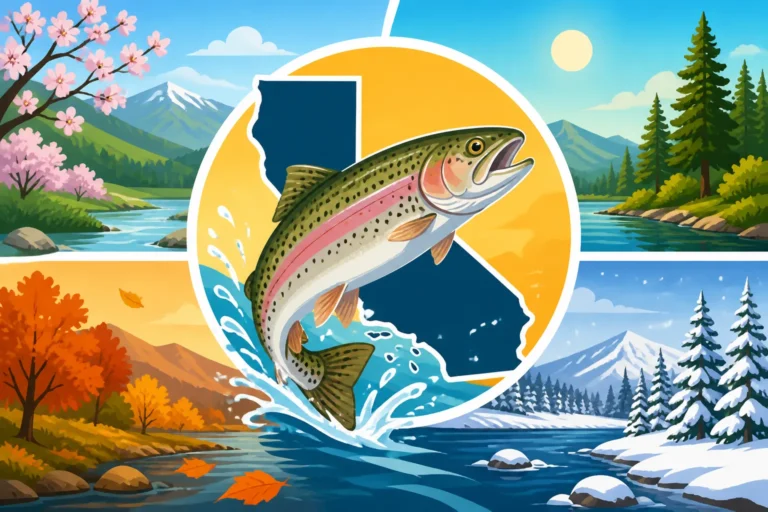
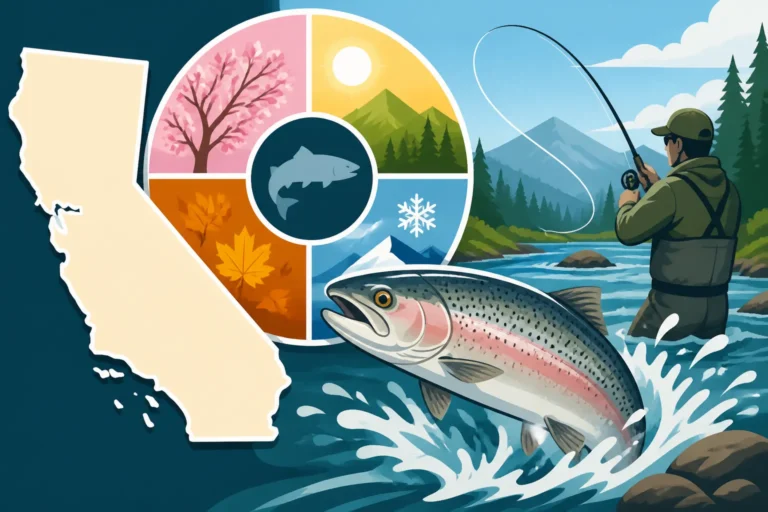
California's seasons don't just change the leaves; they completely transform the fishing experience. Each season brings unique opportunities, challenges, and target species to the forefront. Being in tune with these natural cycles is the hallmark of a successful angler.
Spring: The Awakening Bite
Ah, spring! After the often-damp and sometimes frigid days of winter, everything in California's outdoors starts to burst with life, and fish are no exception. As water temperatures begin to climb, fish shake off their winter lethargy and become incredibly active, driven by spawning urges and increasing appetites.
For freshwater anglers, spring is prime time. Lakes and reservoirs are often brimming from winter rains and snowmelt, and trout, especially rainbows, become very aggressive. This is when the California Department of Fish and Wildlife (CDFW) often begins its robust stocking programs in many lakes and streams, providing fantastic opportunities, particularly for families or those new to the sport. Bass, both largemouth and smallmouth, start moving into shallower waters for their spawn, becoming more vulnerable to a variety of presentations. This is a thrilling time to be on a lake like Clear Lake or Lake Shasta, targeting these powerful fish. The rivers that were raging torrents in winter often settle into more fishable flows, and late spring can see some excellent steelhead fishing as they finish their spawning runs. Check out our guide on California Freshwater Fishing Regulations to ensure you're compliant with all the rules as the seasons shift.
For saltwater enthusiasts, spring signals the start of many exciting fisheries. Halibut begin to move into bays and along the coast, becoming a primary target for those drifting live bait or tossing swimbaits. Rockfish and lingcod seasons typically open up in many areas after winter closures, offering a bounty of delicious bottom dwellers. Charter boats start running more frequently, heading out for these nearshore species. If you're looking for where to go, a quick peek at Best Saltwater Fishing Spots in California can give you some excellent ideas. The key to spring success is to capitalize on those rising water temperatures and the fish's newfound aggression.
Summer: High Season for Many
Summer in California means long, sunny days, warmer waters, and for many, the peak of the fishing season. This is when many offshore fisheries truly explode, and inland waters remain productive, albeit with different tactics required as the heat intensifies.
In the saltwater world, summer is synonymous with pelagic species. Offshore, the waters come alive with yellowtail, dorado (mahi-mahi), and, most notably, the highly sought-after bluefin tuna. These powerful game fish follow warm currents and bait schools up the coast, providing incredible sportfishing opportunities, especially off Southern California. Multi-day trips from San Diego or Long Beach are common during this time. Nearshore, rockfish and lingcod remain strong, especially in deeper waters, and white seabass can be targeted in kelp beds. Surf fishing for corbina and spotfin croaker is also at its best on sandy beaches.
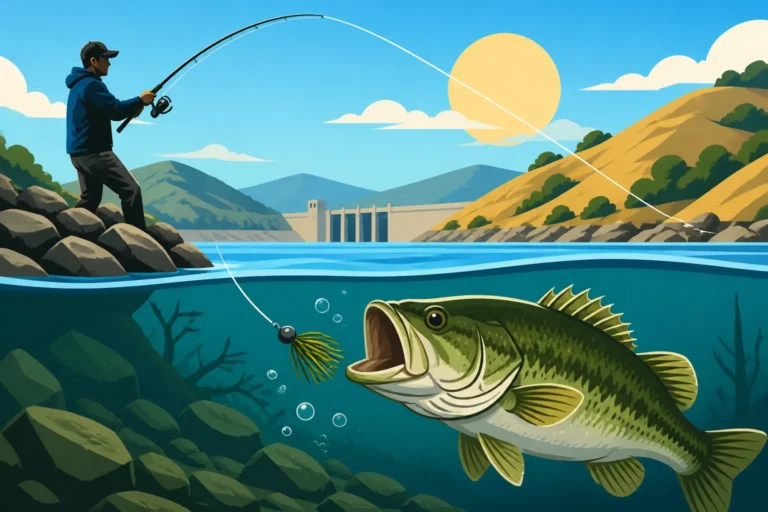
Freshwater fishing in summer requires a bit more nuance. While many species are still active, the heat can push them into deeper, cooler water or make them more active during dawn, dusk, or even night. Trout in lower elevation lakes might get sluggish, but high mountain lakes and streams truly shine, offering incredible fly-fishing and spin-fishing opportunities in breathtaking settings. Bass will be found around structure, under docks, or in shady areas during the midday sun. Topwater action can be phenomenal in the early morning or late evening. Learning How to Fish for Largemouth Bass in California during these warmer months means adapting your approach. Kayak fishing also becomes incredibly popular in summer, allowing access to quiet coves and shallower areas on lakes and bays.
Fall: The Feeding Frenzy
Fall is arguably one of the most rewarding times to fish in California, offering a magical combination of cooling temperatures, vibrant scenery, and fish in an aggressive feeding mode. Many species are packing on weight for the upcoming winter, making them eager to bite.
For salmon and steelhead anglers, fall is the moment they've been waiting for. The major salmon runs in rivers like the Sacramento, Klamath, and American Rivers are in full swing as these majestic fish migrate upstream to spawn. This is a truly iconic California fishery, drawing anglers from all over. Steelhead will soon follow. Our detailed guide on California Salmon Season Dates Explained is essential reading for planning these trips. Trout fishing in both lakes and rivers is exceptional as water temperatures become ideal, and the fish are actively feeding. Bass also enjoy this cooling trend, moving out of their deep summer haunts and becoming more accessible and aggressive in shallower waters, providing excellent action before winter sets in.
In saltwater, the fall can prolong the epic offshore bite, especially for bluefin tuna, which often continue to bite well into October, sometimes even November, depending on water temperatures. Yellowtail are still around, and the rockfish bite remains strong. Halibut often stage feeding frenzies in bays and nearshore areas as they prepare for colder water. The crowds of summer start to thin out, offering a more serene fishing experience with often spectacular results. If you're considering a fishing charter, fall is a fantastic time for a California Fishing Charters: Complete Guide to find the perfect trip.
Winter: Opportunities for the Dedicated Angler
Winter fishing in California often gets a bad rap, but for those willing to brave the cooler temperatures and occasional rain, it offers unique and often highly rewarding opportunities. It's a time of peace and quiet on the water, far from the summer crowds.
Freshwater winter fishing is dominated by trout. Many lower elevation lakes and reservoirs are heavily stocked by the CDFW, and the cold water makes trout very active and willing to bite. Ice fishing isn't common in California, but some high-elevation lakes in the Eastern Sierra might offer brief windows during severe cold snaps. Bass fishing can be tough, but the dedicated angler can find success by targeting deep structure with slower presentations for larger, lethargic fish. The California Delta can also be productive for striped bass during winter, especially on milder days.
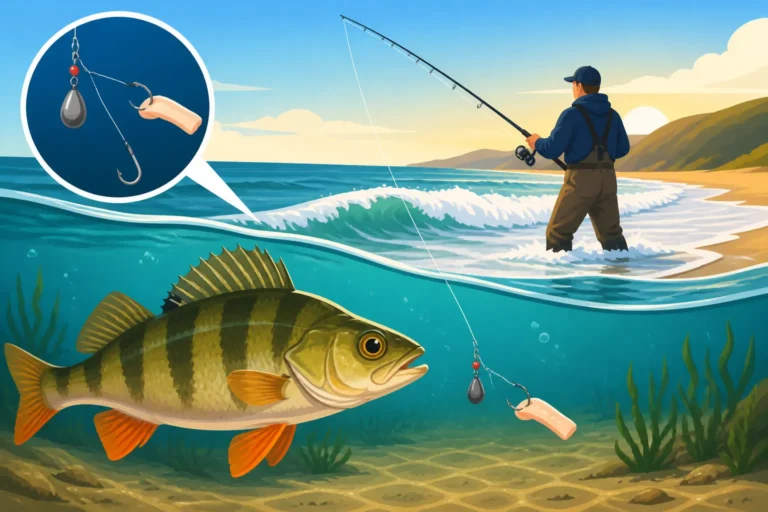
Saltwater winter fishing can be excellent, especially for rockfish and lingcod in deeper waters, though California Rockfish Depth Restrictions must be carefully observed as they change seasonally. Crab season is typically in full swing along the coast, offering another delicious pursuit. Winter storms can churn up the surf, but dedicated surf anglers can still find perch and sometimes even larger game after the swells settle. This is also a prime time for Dungeness crab fishing in central and Northern California, a fantastic bonus to any winter outing. Remember that while the fishing might be slower overall, the quality of the fish caught can be exceptional, and the solitude makes for a truly contemplative experience.
Here's a quick overview of general peak times for some popular species:
| Species | Primary Peak Season(s) | Key Factors |
|---|---|---|
| Rainbow Trout | Spring, Fall, Winter | Stocking, water temperature, snowmelt |
| Largemouth Bass | Spring, Early Summer, Fall | Spawning, water temperature, structure |
| Striped Bass | Spring, Fall, Winter (Delta) | Spawning runs, bait migration, current |
| King Salmon | Fall | Spawning migration, river flows |
| Steelhead | Winter, Early Spring | Spawning migration, river flows |
| California Halibut | Spring, Summer, Fall | Water temperature, baitfish, tides |
| Rockfish | Spring, Summer, Fall | Depth restrictions, reef structure |
| Lingcod | Spring, Summer, Fall | Reef structure, baitfish, depth |
| Yellowtail | Summer, Early Fall | Warm water currents, bait schools |
| Bluefin Tuna | Summer, Fall | Warm water currents, bait schools |
Diurnal Rhythms: Best Times of Day to Fish
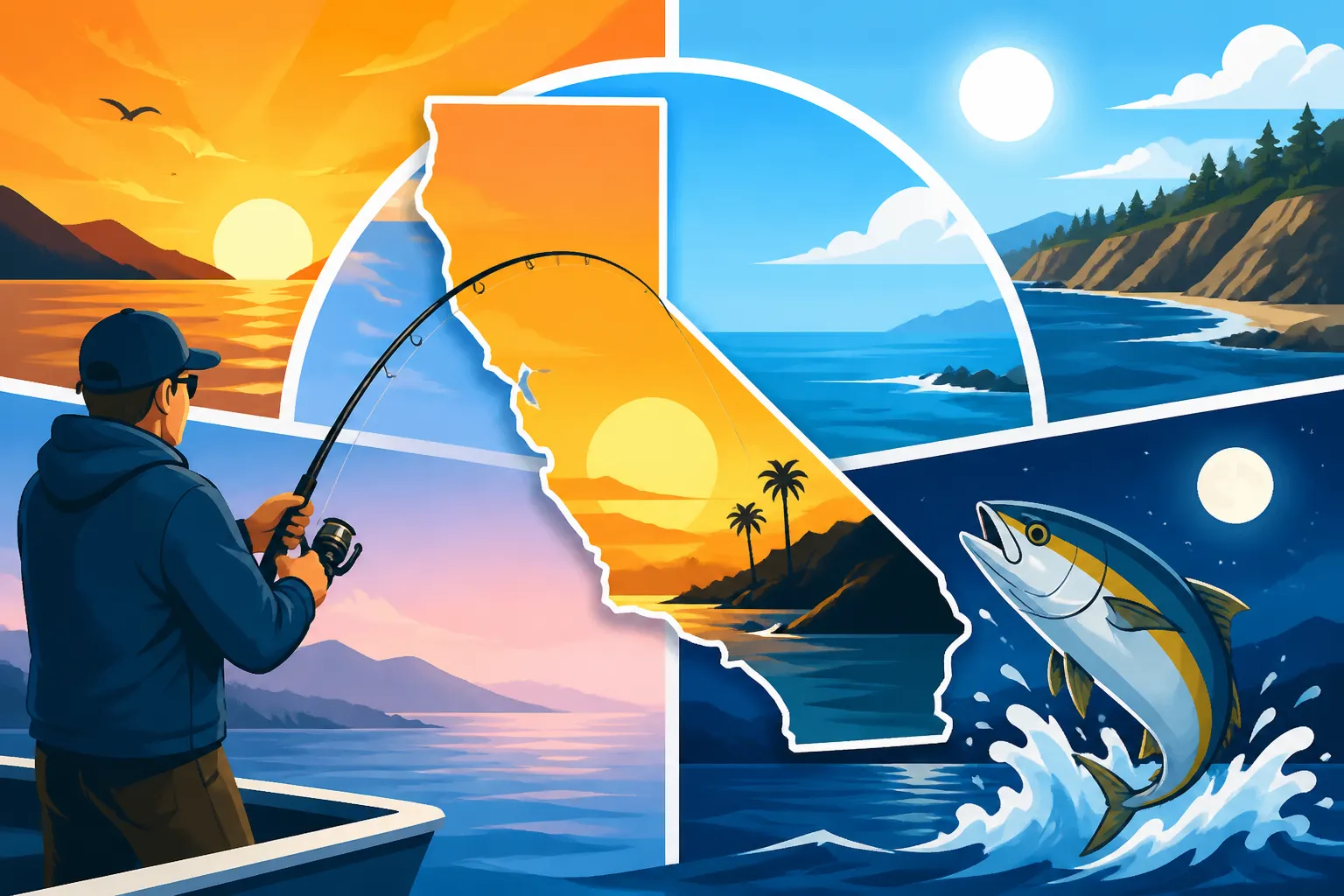
Beyond the seasonal shifts, the daily cycle of light and dark, temperature changes, and fish feeding patterns significantly dictates when you should be casting your line. Ignoring these diurnal rhythms is like ignoring the weather report – you might get lucky, but you're probably setting yourself up for a tougher day.
Dawn and Dusk: The Golden Hours
If there's one universal truth in fishing, it's that dawn and dusk are often the "golden hours." Why? Because for many fish species, these low-light periods offer the perfect combination of reduced visibility (making them feel safer) and optimal ambient temperatures (triggering increased metabolism and feeding activity).
At dawn, as the first light breaks, the water often begins to warm slightly after the night's chill. Baitfish become more active, and predatory fish move from deeper, secure spots into shallower feeding grounds. This is when topwater baits for bass can be incredibly effective on lakes and reservoirs, creating explosive strikes that get your heart pounding. In saltwater, the incoming or outgoing tide around sunrise can bring a flurry of activity, with halibut, rockfish, and even some pelagics actively hunting. The serene beauty of a sunrise over a glassy lake or the shimmering ocean adds to the magic of these early morning hours.
Dusk, as the sun dips below the horizon, offers a similar surge in activity. The harsh midday sun softens, and temperatures begin to cool, making fish feel more comfortable moving into the shallows. Just like dawn, this is a prime window for targeting many species. Trout will rise to insects, bass will cruise the shorelines, and many saltwater species will feed aggressively before settling down for the night. The transition from light to dark provides an ambush advantage for predators, making them more confident in their hunts. Many seasoned anglers will tell you that if they only have a short window to fish, they'll always choose either sunrise or sunset.
Midday Challenges and Opportunities
The midday sun, especially during summer, often brings with it the toughest fishing conditions. Bright sunlight penetrates deeper into the water, making fish wary and pushing them into cover or deeper, cooler water. High temperatures can also slow down the metabolism of many species, making them less inclined to chase a meal.
However, "challenging" doesn't mean "impossible." Midday fishing often requires a shift in tactics. For freshwater species like bass, this means targeting deep structure, shaded areas, or dense cover. Slower presentations, jigs, and drop-shots become more effective as you try to coax a bite from a less aggressive fish. For trout in lakes, this might mean going deeper with downriggers or weighted lines. In rivers, finding deep pools or undercut banks where trout seek refuge from the current and sun is key.
In saltwater, midday can still be productive, especially if you're targeting deeper-dwelling species like rockfish and lingcod, where the surface light penetration matters less. If a strong tide is running, fish can still be active, using currents to ambush bait. On offshore trips, tuna and yellowtail might still be found, but they could be deeper or require more specific presentations to entice them. Patience and adaptability are your best friends during these midday hours, and sometimes, the reward for persisting is a true trophy. Always remember to pack sunscreen and stay hydrated if you're out during the peak sun hours.
Night Fishing: A Different World
Night fishing is a unique and often incredibly productive experience that many anglers overlook. The cover of darkness transforms the aquatic environment, and different species or behaviors come alive.
For many freshwater species, especially bass and catfish, night offers a reprieve from boat traffic, bright lights, and high temperatures. Bass will move into super shallow water under the cover of darkness, making them vulnerable to topwater lures, dark-colored jigs, and worms. Catfish, being nocturnal feeders, are particularly active at night, often providing some of the best action after the sun goes down. Crappie can also be targeted under lights that attract baitfish. If you're considering a nighttime adventure, ensure you have appropriate lighting, know your surroundings, and prioritize safety.
In saltwater, night fishing opens up opportunities for specific species. Nearshore, leopard sharks and bat rays are often more active feeders at night, prowling bays and surf zones. Some species of rockfish and even halibut can be caught in lighted areas like piers and docks, as the lights attract baitfish. Offshore, multi-day tuna trips often involve fishing through the night, as these pelagic giants can feed actively under the moon and stars, especially on chummed bait. The quiet, the cool air, and the mystery of what's lurking in the dark make night fishing an adventure all its own.
Tidal Influence: Mastering the Ocean's Schedule
For saltwater anglers in California, understanding and utilizing tidal charts is just as important as knowing the weather forecast. Tides are the ocean's heartbeat, dictating water movement, current strength, and crucially, where and when fish feed.
Understanding Tidal Swings and Currents
Tides are the rise and fall of sea levels, primarily caused by the gravitational pull of the moon and sun. In California, we typically experience two high tides and two low tides each day, though the intensity (known as the tidal range) can vary significantly. A large tidal range means a strong current, while a small range means weaker currents.
The important thing for fishing isn't just whether the tide is high or low, but whether it's moving. Moving water is what activates fish. As the tide comes in (flood tide) or goes out (ebb tide), it creates currents that stir up the bottom, dislodge bait, and concentrate food sources in specific areas. These currents also provide an easy "conveyor belt" for baitfish to travel on, and predatory fish like halibut, striped bass, and rockfish will position themselves strategically to ambush them. No current, often referred to as "slack tide," usually means slower fishing, as fish don't have that natural food delivery system.
Best Tides for Coastal Fishing
While general rules apply, the "best" tide often depends on the specific location and target species along the California coast.
- Moving Tides (Incoming or Outgoing): Generally, a strong incoming or outgoing tide is preferred for most saltwater fishing. For surf fishing for species like corbina or perch, an incoming tide often pushes baitfish closer to shore, making them accessible. For fishing in bays and estuaries, like San Francisco Bay or Morro Bay, a good moving tide is critical for species like halibut and striped bass. These fish often face into the current, waiting for an easy meal to drift by.
- Tide Swings (Transition Points): The hour or so leading up to and after a high or low tide (the "change of tide") can be incredibly productive. As the current slows, then reverses, it can disorient baitfish and create a feeding window for predators. This is a crucial time to pay attention, especially in areas with strong currents.
- Low Tide: For some situations, a low tide can be beneficial. It exposes structure (like rocks, jetties, or mussel beds) that might be hidden at high tide, allowing you to scout potential fishing spots for later in the day. Sometimes, an outgoing low tide can concentrate baitfish in deeper channels or holes, making them easier targets for predators.
It's crucial to always consult a local tide chart for your specific fishing location. Knowing when the big swings are happening and when slack water will occur can dramatically improve your planning and success. You can find these charts online, on many fishing apps, or even in some tackle shops.
Bay and Estuary Tidal Dynamics
Fishing in California's expansive bays and estuaries, like the Sacramento-San Joaquin River Delta or Monterey Bay, requires a nuanced understanding of tidal dynamics. These systems are where freshwater meets saltwater, creating complex currents and unique fisheries.
In these environments, tidal currents are often magnified, especially in narrower channels or pinch points. Strong currents can be fantastic for targeting species like striped bass, which thrive in moving water. They'll hold in eddies or behind structure, darting out to snatch unsuspecting baitfish swept past. However, excessively strong currents can also make it difficult to fish effectively, requiring heavier weights to hold bottom.
The interaction of tides with river flows also creates fascinating scenarios. An incoming tide in a river estuary can push baitfish miles upstream, bringing saltwater species into what's normally freshwater territory. Conversely, an outgoing tide, especially after heavy rains, can create a powerful flush that pushes fish out into the bay. Understanding the direction and strength of the current is paramount. For example, drifting with the current using live bait or lures can be incredibly effective for halibut in shallower bays. For deeper analysis of Bay Area fishing, our guide on San Francisco Bay Fishing Spots offers more specific tidal insights. Always remember that fish in these transitional zones are constantly adapting to changing water conditions, making an observant angler the most successful one.
Weather's Impact: When Conditions Align
Beyond the calendar and the clock, Mother Nature has her own schedule, and understanding how weather influences fish behavior is key to timing your trip. The air temperature, water clarity, wind, rain, and even barometric pressure all play a significant role.
Temperature and Water Clarity
Water Temperature: This is perhaps the single most critical weather-related factor influencing fish activity. Every species has an optimal temperature range where it feeds and thrives. When water temperatures are too cold, fish become lethargic, their metabolism slows down, and they're less likely to chase a bait. Too warm, and they might seek deeper, cooler water or simply shut down. For example, trout prefer cooler waters, usually below 65°F (18°C), while largemouth bass are more active in warmer temperatures, often peaking around 65-75°F (18-24°C). Extreme changes in water temperature, especially sudden drops, can put fish into shock and make them incredibly difficult to catch. Conversely, a gradual warming trend in spring or a cooling trend in fall often sparks intense feeding.
Water Clarity: The "clearness" of the water directly impacts a fish's ability to see prey and a fisherman's choice of lure or bait.
- Clear Water: In very clear water, fish have excellent visibility and can spot lines, hooks, and unnatural presentations easily. This often calls for lighter lines, natural-colored lures, and longer casts. It can also make fish more wary.
- Stained or Murky Water: This can be a double-edged sword. While fish might have reduced visibility, they often feel safer and more willing to venture from cover. Predators rely more on their lateral line (sensing vibrations) and scent in these conditions. Brighter, more contrasting lure colors, noisy baits, and strong-smelling natural baits can be highly effective. The key is to adapt your presentation to how well the fish can see (or not see) your offering. Heavy rains can dramatically affect water clarity, turning clear rivers into chocolate milk, which can temporarily shut down a bite.
Wind, Rain, and Barometric Pressure
These atmospheric elements might seem minor, but they can be game-changers for fishing.
Wind: Wind can be your friend or your foe.
- Friend: A gentle breeze or chop on the water's surface breaks up the light, making it harder for fish to see you and your line. It also creates currents and moves baitfish, often stimulating a bite. On lakes, wind can push baitfish and warm surface water to one side, concentrating fish.
- Foe: High winds make casting incredibly difficult, reduce boat control, and can create dangerous conditions on the water. It can also make it hard to feel subtle bites.
Rain: Light, steady rain can often trigger an excellent bite. The rain washes insects and nutrients into the water, and the reduced light penetration makes fish more comfortable feeding throughout the day. However, heavy, torrential downpours can muddy the water, drop water temperatures too quickly, and flush fish out of their normal haunts, often making fishing tougher.
Barometric Pressure: This refers to the atmospheric pressure. Fish are very sensitive to changes in pressure because they have an air bladder that expands or contracts with these changes.
- High, Stable Pressure: Often indicates fair weather and can lead to stable, predictable fishing. Fish might feed normally.
- Falling Pressure: Often precedes a storm or front. This can be an excellent time to fish, as fish often go on a feeding binge, sensing the impending weather change.
- Low, Unstable Pressure: During or immediately after a major storm, low pressure can make fish lethargic and less inclined to bite. Their swim bladders are expanding, making them uncomfortable.
Learning to interpret these weather cues, often through a good weather app or even simply observing the sky, will significantly improve your timing. Sometimes, the nastiest weather, provided it's safe, can lead to the best fishing.
Post-Storm Fishing: A Hidden Gem
While fishing during a major storm is often impractical and unsafe, the period immediately after a storm can be a hidden gem for astute anglers. This "post-storm bite" is a phenomenon worth understanding.
When a storm passes, especially one that brings rain and wind, it churns up the water. This disturbance can dislodge baitfish, insects, and other food sources, making them readily available. The influx of fresh water can create new currents and oxygenate stale areas. Predators, having hunkered down during the worst of the weather, emerge hungry and ready to capitalize on the chaos.
For freshwater fishing, particularly after heavy rains, the runoff into lakes and rivers carries nutrients and insects, attracting fish to the mouths of creeks and feeder streams. Bass and trout can be incredibly active in these areas. However, keep an eye on water clarity; if the water is too muddy, it might take a day or two for it to settle into a fishable stain. In saltwater, post-storm conditions can scatter bait, but also bring in new schools or create ideal feeding conditions around structure as currents settle. Surf anglers, in particular, often find success targeting structure and rip currents after a good swell. Always exercise caution after a storm; waters can still be treacherous, and currents might be stronger than usual. But for those who time it right and prioritize safety, the post-storm bite can be one of the most rewarding.
Species-Specific Prime Times
While general rules about seasons and times of day apply, true fishing success in California often boils down to knowing the specific habits and preferences of your target species. Each fish has its own ideal conditions and peak feeding windows.
Trout and Salmon: Cold Water Predators
Trout and salmon are the undisputed kings of California's colder waters, and understanding their preferences is key.
Trout: Species like Rainbow, Brown, Brook, and the revered Golden Trout thrive in cool, well-oxygenated water.
- Seasons: Spring and fall are generally considered prime. In spring, as ice melts and waters warm slightly, trout become active feeders. In fall, as temperatures cool down from summer highs, they put on a feeding frenzy before winter. During summer, lower elevation lakes can get too warm, pushing trout deep, but high-elevation lakes and shaded rivers often provide excellent summer fishing. Winter can also be surprisingly good in stocked lakes and some rivers, as trout remain active in the cold. Check out How to Fish for Trout in California for more specific techniques.
- Time of Day: Early morning and late evening are often best, especially during warmer months. During spring and fall, they might feed throughout the day.
- Factors: Trout fishing is highly dependent on water temperature, clarity, and insect hatches. Post-stocking periods (often announced by the CDFW) are also excellent times.
Salmon: California is famous for its Chinook (King) and Coho (Silver) salmon runs.
- Seasons: The primary season for ocean salmon fishing typically runs from spring through early fall, though specific dates are highly regulated and vary year-to-year. The river runs, particularly in the Sacramento, Klamath, and American Rivers, peak in late summer and fall as salmon migrate upstream to spawn. California Salmon Season Dates Explained provides critical, up-to-date information.
- Time of Day: Ocean salmon fishing often starts at dawn, and feeding can continue through the morning. River fishing can be productive throughout the day, especially during tidal swings in estuaries.
- Factors: River flows, ocean temperatures, and bait concentrations are paramount. Salmon are incredibly strong fighters, making them a top target for many anglers.
Bass and Panfish: Warm Water Enthusiasts
Moving to warmer waters, bass and panfish offer fantastic opportunities, especially in California's numerous lakes and reservoirs.
Bass: This includes Largemouth, Smallmouth, and Spotted Bass.
- Seasons: Spring is arguably the best time for bass, as they move shallow for their spawn, becoming aggressive and vulnerable. Early summer also offers excellent topwater action, though mid-summer often pushes them deeper. Fall sees another feeding surge as temperatures cool, and they fatten up for winter. Winter bass fishing can be slow but can produce trophy fish using deep, slow presentations.
- Time of Day: Dawn and dusk are prime for active feeding, especially topwater. Midday requires targeting deeper structure, shade, or cover. Night fishing can also be highly effective for bass. Learn more about specific tactics in How to Fish for Largemouth Bass in California.
- Factors: Water temperature is key. They become lethargic below 50°F (10°C) and seek cooler water above 80°F (27°C). Structure (rocks, timber, weeds) is crucial for ambush points and cover.
Panfish: Bluegill, crappie, and sunfish are popular, especially for family outings.
- Seasons: Late spring and summer are peak times for panfish, especially during their spawning periods when they are congregated and aggressive. They can be caught year-round, but activity slows in winter.
- Time of Day: Generally active throughout the day, but dawn and dusk often see increased feeding.
- Factors: Panfish are often found in shallow, weedy areas, around docks, or near submerged structure. They are relatively easy to catch, making them perfect for beginners.
Halibut and Rockfish: Saltwater Staples
These two categories represent some of the most consistent and delicious saltwater fishing opportunities in California.
California Halibut: A prized flatfish known for its excellent table fare.
- Seasons: Spring through fall is generally prime, with peak activity often in late spring and summer. They move into shallower bays, estuaries, and nearshore areas as waters warm.
- Time of Day: Often best during moving tides (incoming or outgoing) at any time of day. Early mornings can be particularly productive.
- Factors: Halibut are ambush predators, so current that moves baitfish is vital. Look for them over sandy or muddy bottoms, especially near structure or drop-offs. Trolling, drifting live bait, or casting swimbaits are popular methods. Check California Halibut Regulations and Limits for current rules.
Rockfish (various species) and Lingcod: The backbone of California's bottom fishing.
- Seasons: Generally open year-round, though specific seasons and depth restrictions vary significantly by management area and time of year. Summer and fall are very popular, offering stable weather and active fish. Winter can also be excellent for larger, deeper fish.
- Time of Day: Can be caught throughout the day, as light penetration is less of a factor in deeper water. Moving tides are still beneficial.
- Factors: Rockfish and lingcod are structure-oriented, found around reefs, wrecks, and rocky bottoms. They are sensitive to depth restrictions, so always know the rules for your specific area. Our California Rockfish Depth Restrictions guide is essential reading before you go. Vertical jigging, bait fishing, and slow-pitch jigging are effective techniques.
Tuna and Yellowtail: Offshore Adventures
For the thrill-seekers, California's offshore waters come alive with powerful pelagic species during the warmer months.
Bluefin Tuna, Yellowfin Tuna, Albacore Tuna: The ultimate game fish for many California anglers.
- Seasons: Typically late spring through early winter, with peak season often from summer through early fall. The exact timing and abundance vary wildly year to year based on ocean currents and bait availability.
- Time of Day: Tuna can bite throughout the day, but often have early morning or late afternoon feeding windows.
- Factors: Warm ocean currents, baitfish schools (like anchovies, sardines, squid), and water clarity are critical. They are often targeted on multi-day charter trips, requiring heavy tackle and endurance.
Yellowtail: Known for their incredible fighting power and delicious meat.
- Seasons: Primarily spring through fall, peaking in summer. They follow warm water up the coast and congregate around kelp paddies and islands.
- Time of Day: Active throughout the day, but early morning and late afternoon often see the most aggressive bites.
- Factors: Warm water, kelp beds, and bait schools (especially mackerel and sardines) are key indicators. They are often caught by fly-lining live bait or throwing jigs.
Each species requires its own unique timing consideration, emphasizing that a deep understanding of fish behavior is paramount to consistent success.
Beyond the Calendar: Reading the Water
While knowing the best seasons, times of day, and tidal charts is crucial, truly successful anglers often possess an intuitive ability to "read the water." This goes beyond scientific data and taps into observation, local knowledge, and adaptability.
Observing Nature's Cues
Nature is constantly sending signals, and learning to interpret them can unlock incredible fishing opportunities. It's about being present, looking, listening, and even smelling what's happening around you.
- Baitfish Activity: This is perhaps the most direct cue. Are you seeing schools of anchovies jumping or showering on the surface? Are birds diving into the water? This is a huge indicator that predatory fish are actively feeding nearby. In saltwater, seeing bait often means game fish like tuna, yellowtail, or halibut are close. In freshwater, schools of shad or minnows getting chased can signal active bass or trout.
- Bird Activity: Seabirds like terns, gulls, and pelicans are excellent fishing partners. If they are circling, diving, or gathered in large numbers, it's a strong sign that baitfish are concentrated, and larger predators are likely pushing them to the surface. Pay particular attention to large flocks of terns, which often indicate the presence of pelagic species.
- Water Movement and Color: Beyond tides, subtle currents, eddies, and seams can concentrate bait and predators. Look for color changes in the water that might indicate a break line, a thermocline, or an area where different water masses meet. Often, these interfaces are where fish will hold.
- Insect Hatches: For fly fishermen, particularly in trout streams, observing insect hatches is paramount. When certain insects (mayflies, caddisflies, midges) are emerging, trout will often switch to feeding exclusively on them. "Matching the hatch" with your fly selection is the key to success during these times. Even for spin fishermen, a strong hatch can signal active trout.
- Animal Behavior: Other wildlife can also provide clues. Otters, seals, or even larger fish jumping can indicate a healthy and active ecosystem, often with fish nearby. Sometimes, simply seeing deer or elk near a river can suggest a calm environment suitable for fishing.
Learning to quietly observe these natural phenomena and connect them to fish activity takes time and experience, but it's an invaluable skill that separates good anglers from great ones.
Local Knowledge and Community Insights
No amount of technology or general knowledge can replace the power of local insight. Every body of water, from a small neighborhood pond to a vast stretch of ocean, has its own unique quirks, currents, and fish behaviors that only those who fish it regularly truly understand.
- Tackle Shops: Your local tackle shop is a goldmine of information. The folks who work there are often avid anglers themselves, and they hear reports from dozens of customers every day. They know what's biting, where, and on what. They can tell you about recent stocking schedules, unexpected hot spots, or specific baits and lures that are currently performing well. Don't just buy your gear; strike up a conversation!
- Charter Captains and Guides: If you're serious about learning a new area or targeting a specific species, booking a trip with a local fishing guide or charter captain is an excellent investment. They spend hundreds of days a year on the water and have an unparalleled understanding of local conditions, fish movements, and optimal timing. They can provide insights that would take you years to acquire on your own. For offshore trips, a California Deep Sea Fishing Charter Guide can help you find a reputable operation.
- Online Forums and Social Media Groups: The digital age has made sharing local fishing intelligence easier than ever. Many online forums and social media groups dedicated to California fishing provide real-time reports, discussions about techniques, and even photos of recent catches. While you should always take online reports with a grain of salt (some folks exaggerate!), they can give you a general pulse of what's happening on the water.
- Other Anglers: Don't be shy about striking up a conversation with other anglers at the dock, on the pier, or along the riverbank. Most fishermen are friendly and willing to share a tip or two, especially if you approach them with respect and genuine interest. You might learn about a specific tide that's been hot for halibut in a particular channel or a new lure that's slaying bass.
Embracing the local fishing community is not just about getting tips; it's about becoming part of a shared passion and continually learning from those who know the waters best.
Adaptability is Key
Perhaps the most important "timing" skill an angler can possess is adaptability. Mother Nature is unpredictable, and conditions can change in an instant. The "best time" you planned for might suddenly become the worst, and stubborn adherence to a pre-conceived notion will lead to frustration.
- Be Ready to Change Plans: If the wind suddenly picks up, making your planned topwater bite impossible, be ready to switch to jigs or deeper presentations. If the water you planned to fish is suddenly muddy from a storm, consider moving to a clearer section or a different body of water altogether.
- Experiment with Techniques: If what you're doing isn't working, don't keep doing it. Change your lure color, try a different bait, alter your retrieve speed, or move to a different depth. Sometimes, a subtle change can make all the difference. This includes adapting to the time of day – if the morning bite fizzles, try a deeper, slower approach for midday, and then switch back to aggressive tactics if an evening bite develops.
- Observe and Adjust: Continuously watch the water, your sonar, and the behavior of any fish you see. If you notice baitfish deeper, try fishing deeper. If you see birds diving further out, consider moving your boat. Let the conditions and the fish tell you what they want.
- Manage Expectations: Not every fishing trip will be epic. There will be slow days, days when the fish just aren't biting, and days when the weather just doesn't cooperate. A truly adaptable angler doesn't get discouraged; they learn from the experience, gather new information, and apply it to the next outing.
Ultimately, the best time to fish in California is often when you are able to adapt to the conditions presented to you, rather than rigidly sticking to a predetermined schedule.
Essential Tools and Resources for Timing Your Trip
In today's connected world, anglers have an incredible array of tools and resources at their fingertips to help them time their trips perfectly. Gone are the days of guessing; now, you can plan with precision.
Fishing Reports and Forecasts
These are your daily bread and butter for current conditions.
- Local Fishing Reports: Many tackle shops, charter operations, and online fishing publications publish daily or weekly fishing reports. These reports often detail what species are biting, where they are being caught, the effective baits and lures, and critical information like water temperatures, clarity, and tidal conditions. Websites like Bloodydecks, The Hub, or reputable local fishing news sites are excellent sources. Pay attention to the date of the report; recent data is always more reliable.
- Weather Forecasts: A reliable weather forecast is non-negotiable. Look beyond just temperature and check for wind speed and direction, rain probability, and, if saltwater fishing, wave height and swell direction. Apps like AccuWeather, NOAA Weather Radio, or even the basic weather app on your phone are good starting points. Understanding how weather impacts fish, as discussed earlier, will help you interpret these forecasts.
- Tide Charts: For saltwater fishing, a detailed tide chart is essential. There are numerous free apps and websites that provide accurate, location-specific tide and current information. Look for charts that also show moon phases, as stronger tides often coincide with full or new moons. Integrating this information with local fishing reports can give you a powerful edge. Many can be found with a simple search on Amazon for tide books.
Apps and Technology
Modern technology has revolutionized how anglers plan their trips.
- Fishing Apps: There's a plethora of fishing-specific apps available. Many provide integrated tide charts, weather forecasts, moon phases, and even species-specific feeding calendars. Some popular apps include Fishbrain (user-generated catch reports and maps), Navionics (detailed marine charts and sonar data for navigation), and various dedicated tide apps. These can be incredibly useful for planning on the go.
- Sonar and GPS: On the water, a good fishfinder (sonar) is invaluable. It helps you locate structure, identify bait balls, and spot fish, allowing you to instantly adapt your timing to where the fish are holding right now. GPS allows you to mark successful spots and return to them, helping you build a personal database of "prime times" for specific locations. Modern units from brands like Garmin, Lowrance, and Humminbird offer incredible detail and functionality.
- Satellite Imagery: Before you even leave home, satellite imagery (like Google Maps or various fishing map services) can help you scout potential fishing spots. You can identify submerged structure, kelp beds, river bends, and access points, helping you plan your approach and timing more effectively.
Consulting Local Pros
Don't underestimate the human element. The most experienced anglers often have insights that no app or report can fully capture.
- Charter Boat Captains and Guides: As mentioned earlier, these professionals live and breathe fishing. If you're serious about learning a specific fishery, booking a trip with a highly-rated captain or guide (check out a California Fishing Charters: Complete Guide) can accelerate your learning curve and lead to immediate success. They understand the nuances of local timing better than anyone.
- Tackle Shop Owners and Staff: These are often the unsung heroes of the fishing community. They not only sell gear but also share invaluable, up-to-the-minute local knowledge. They know which specific lure color is hot today, where the trout were stocked yesterday, or which tide has been producing for halibut this week. Developing a friendly relationship with your local tackle shop can be one of your most valuable fishing assets. Brands like Tackle Warehouse or local bait shops are treasure troves of information.
- Experienced Angler Friends: If you have friends who are seasoned local anglers, tap into their knowledge. Go fishing with them, ask questions, and learn from their experience. They can teach you about specific seasonal patterns, unique fish behaviors, and subtle environmental cues that might take years to discover on your own.
By combining detailed reports, cutting-edge technology, and invaluable human wisdom, you can transform your fishing expeditions from hopeful guesses into well-timed, highly successful adventures across California's incredible waters.
Disclaimer
Fishing regulations, seasons, and limits in California are subject to change by the California Department of Fish and Wildlife (CDFW). Always consult the most current official CDFW regulations booklet or website before heading out. This guide is for informational purposes only and does not supersede state or local laws and regulations. Be safe, ethical, and responsible while fishing.